8 Items Legal Experts Say You’re Not Allowed to Dump on Your Own Property
You might think owning property gives you total freedom to do whatever you want with it. Reality check: state and local regulations put serious restrictions on what you can dump, even in your own backyard. Placing waste on your own private property in violation of county or state zoning or public health regulations is illegal, and dumping on your own property is unlawful, has an effect on neighboring properties and the community, lowers property values, breeds vermin, and is against state laws. The consequences aren’t just theoretical, either. Violators can be punished by a fine of up to five thousand dollars or by imprisonment in the county jail for up to six months, or both.
Let’s be real, getting hit with thousands of dollars in fines because you thought you could toss whatever you wanted on your land isn’t exactly ideal. So what specific items are off limits?
Motor Oil
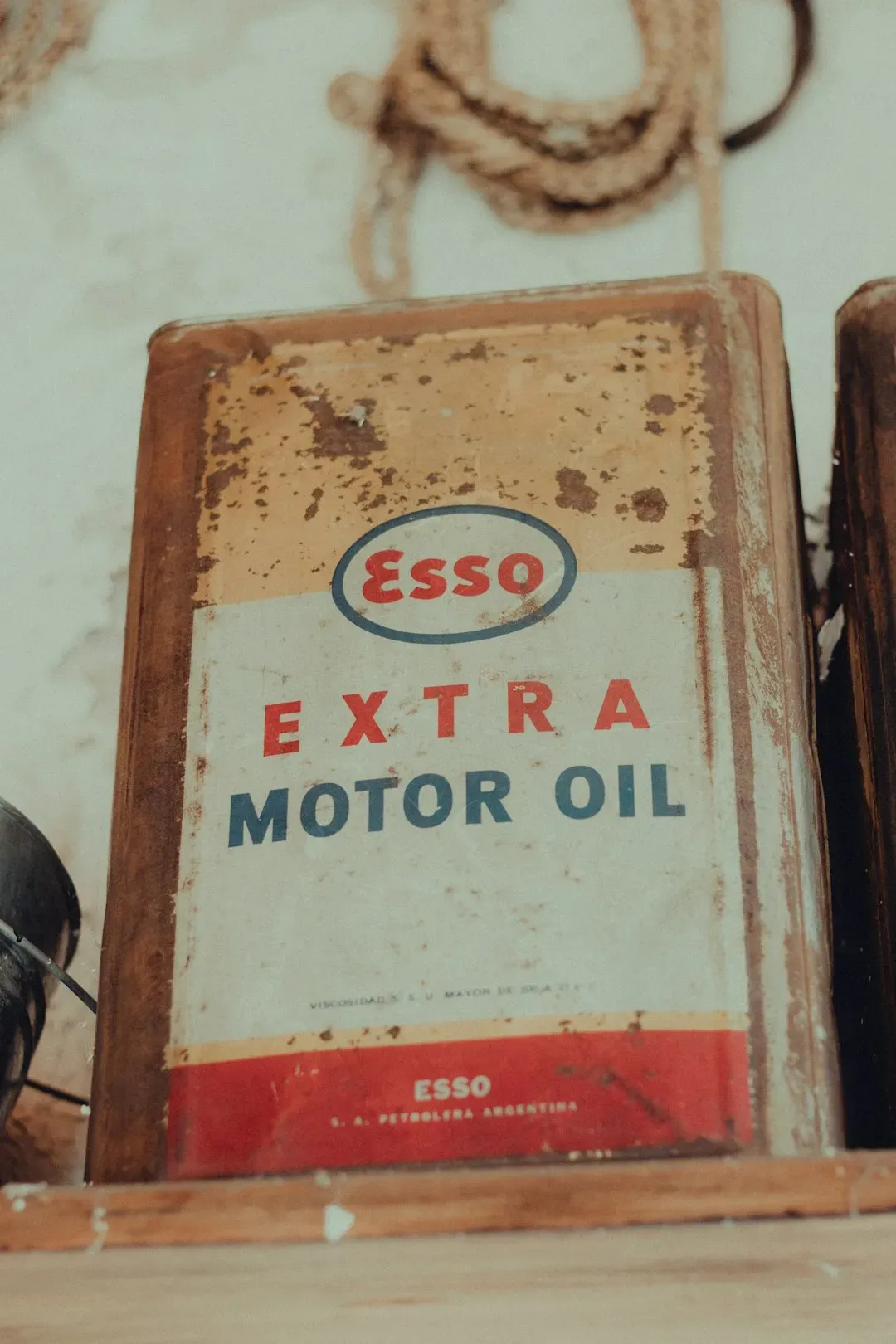
It is illegal to discard used oil in a dumpster, down a sewer, in the water, or on the ground. The reason is simple. A single gallon of improperly disposed oil can contaminate up to one million gallons of water. Think about that for a second. One gallon. Used oil is regulated because it often contains harmful contaminants, such as benzene and lead, that are picked up during the operation of a vehicle, making it a serious environmental hazard. Under California Penal Code 374.3, illegal dumping on public or private property is punishable by fines of up to five thousand dollars, and violators may face up to six months in jail. Most jurisdictions require you to take motor oil to designated recycling facilities where it can be properly processed and reused.
Oil-Based Paint and Solvents
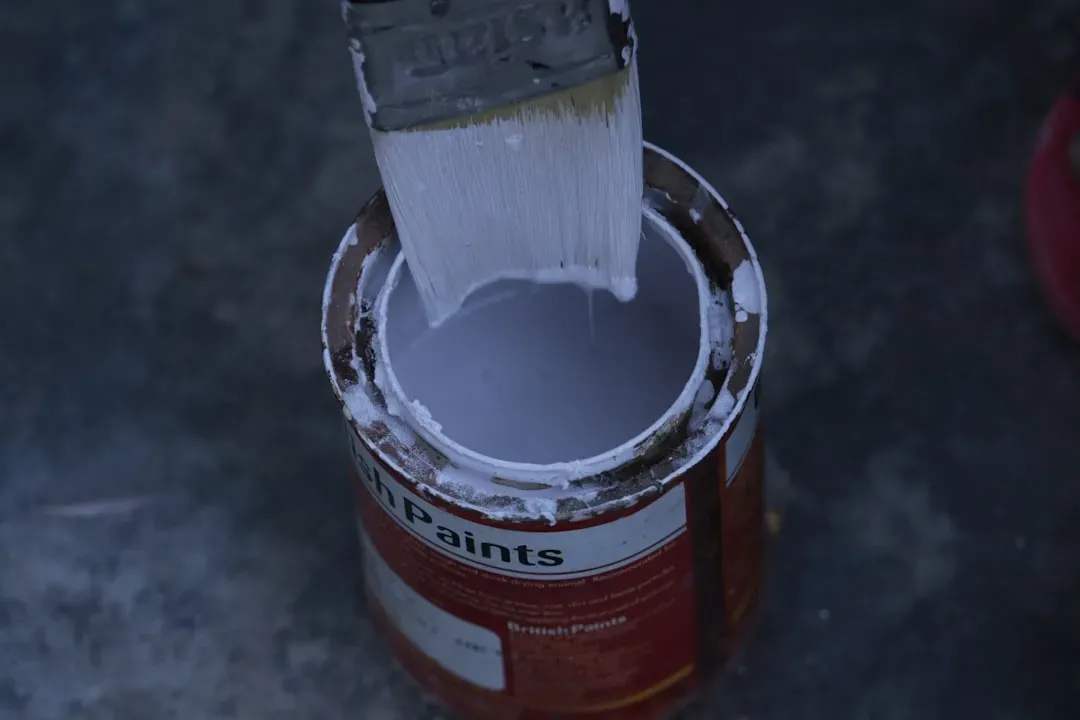
Oil-based paint is considered hazardous waste and must be taken to a certified disposal facility. It contains high levels of volatile organic compounds such as toluene, xylene, and benzene, which can release toxic fumes and contaminate soil and groundwater if thrown away or poured down the drain. Unlike latex paint, which you can harden and toss in regular trash in some places, you cannot dry out oil-based paint and toss it in the trash, as doing so may violate local and federal waste laws. Violating local laws by disposing of paint improperly can result in hefty fines, especially for repeat offenses. Even if you own acres of land, pouring oil-based paint anywhere on your property is illegal.
Asbestos Materials
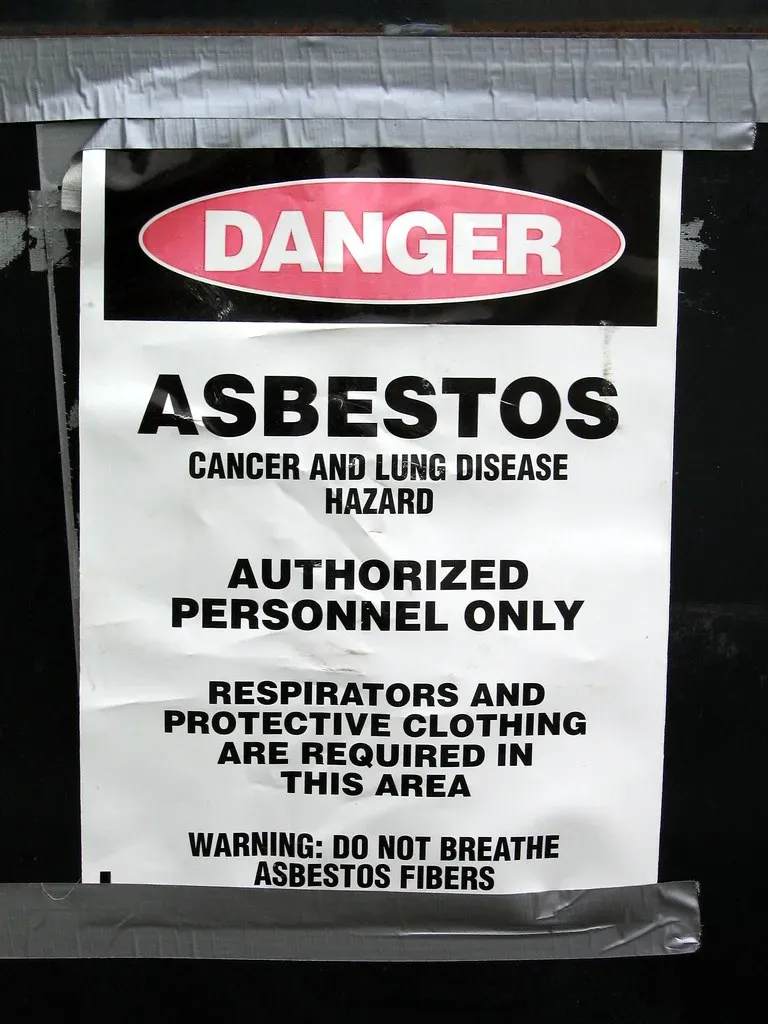
Honestly, this one should scare you into compliance. Companies have been ordered to pay penalties of three hundred thousand dollars for illegal asbestos dumping, and a judge issued a thirty-day jail sentence in addition to a fifty thousand dollar fine for improper asbestos removal. Asbestos is a known carcinogen that causes mesothelioma and other deadly cancers when its fibers become airborne and are inhaled. Prior to 1987, builders often erected structures using asbestos-containing materials, so if you’re demolishing or renovating an older building, you need professional abatement. The EPA enforces regulations under the Asbestos Hazard Emergency Response Act on how to respond to asbestos in schools, and also enforces worker protection standards for certain state and local government employees who are not protected by OSHA asbestos standards. Dumping asbestos anywhere, including your own property, can result in criminal charges.
Hazardous Household Waste
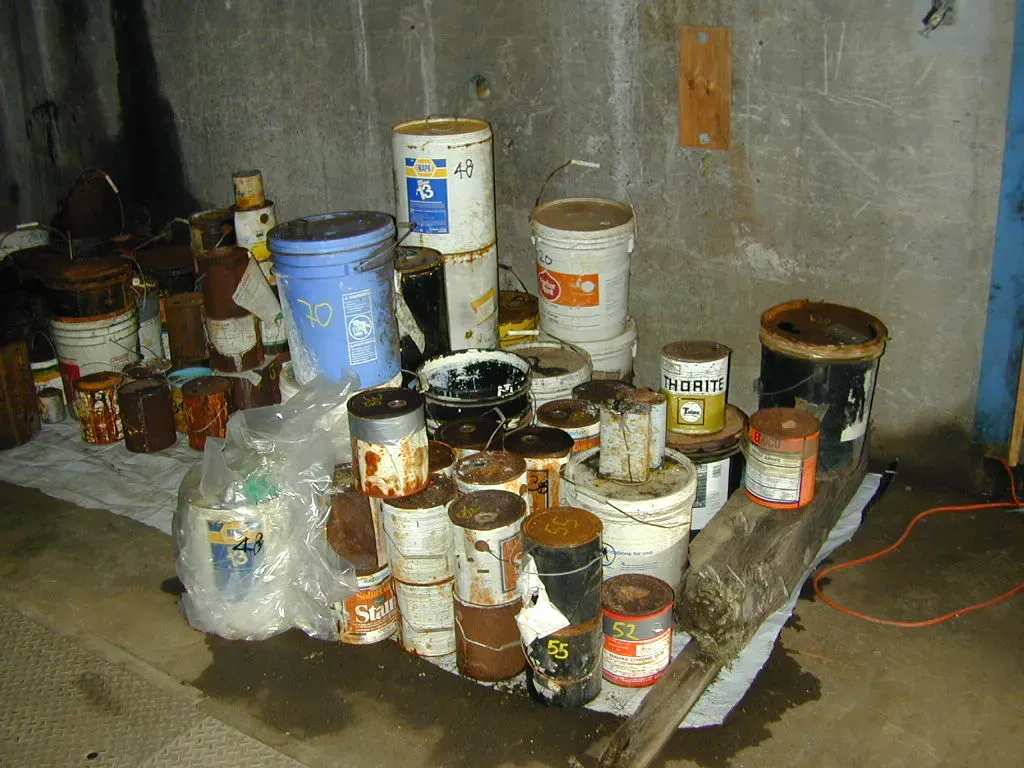
It is illegal to dispose of household hazardous waste in the trash, down the drain, or by abandonment. This category includes common items like pesticides, cleaners, batteries, fluorescent bulbs, and aerosol cans. EPA strongly recommends that you not pour household hazardous waste down the drain, on the ground, or into storm sewers. Improper disposal of business waste is a violation of Florida regulations, and violation of these regulations may subject you to penalties of up to fifty thousand dollars per day for non-compliance. Here’s the thing: these products contain chemicals that can leach into groundwater, poison wildlife, and create serious contamination issues. Most communities offer free or low-cost hazardous waste collection events where you can safely dispose of these items.
Construction and Demolition Debris
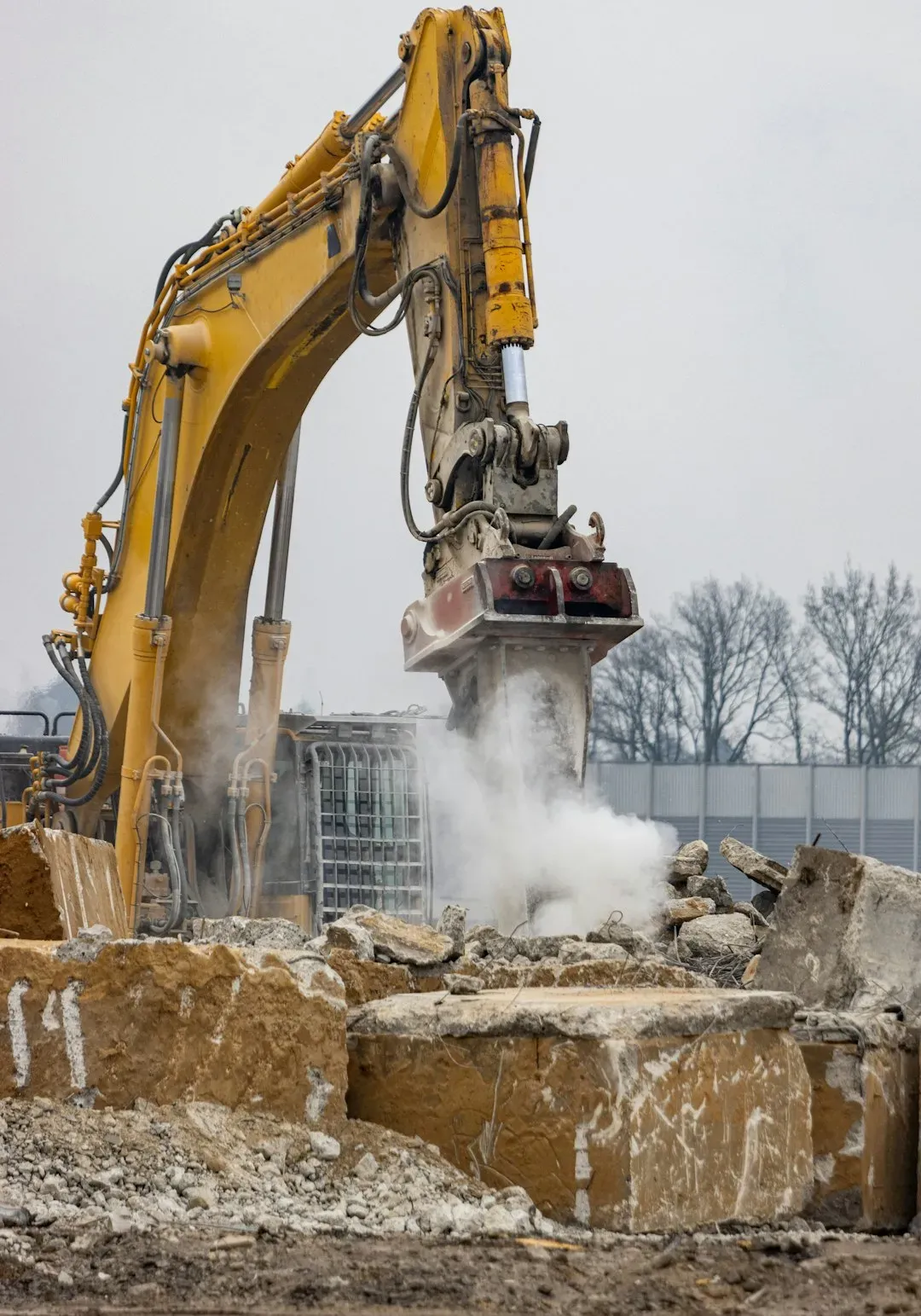
Typical illegally dumped materials include construction waste and debris, appliances, automobiles, auto parts, tires, yard waste, and household trash. Backfill material is not rocks, concrete curbing or slabs, green waste, old bricks, asphalt, or other material classified as construction debris. You might think burying old concrete, drywall, or lumber on your property is harmless, but it’s not legal in most places. In April 2024, Kern County Public Works told a property owner to clean up construction and demolition debris because it creates an immediate and ongoing threat to the health and safety of the public. Construction waste often contains chemicals, metals, and other contaminants that violate solid waste management regulations. Taking it to a permitted disposal facility is the only legal option.
Appliances and Electronics
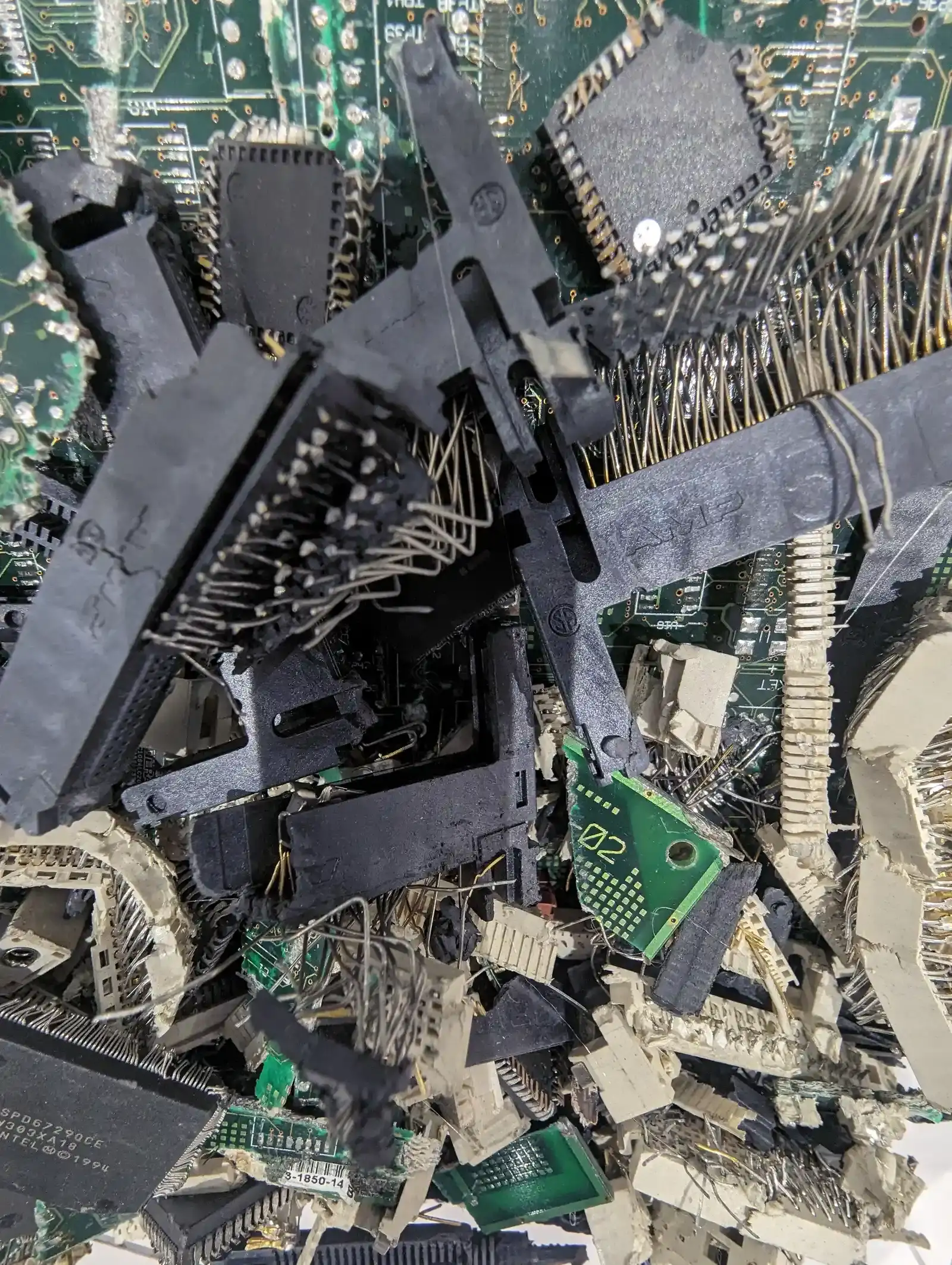
That old refrigerator or broken television can’t just go in a hole in your backyard. Electronic waste contains heavy metals like lead, mercury, and cadmium that pose serious environmental risks. Many states have specific e-waste recycling laws that prohibit dumping electronics in landfills or on private property. Refrigerators and air conditioners are particularly problematic because they contain refrigerants regulated under the Clean Air Act. Six chemical substances receive special attention under TSCA: PCBs, asbestos, radon, lead, mercury, and formaldehyde, and these are commonly found in older appliances. Most municipalities offer appliance pickup services or designated drop-off locations for proper recycling and disposal.
Tires and Automotive Parts
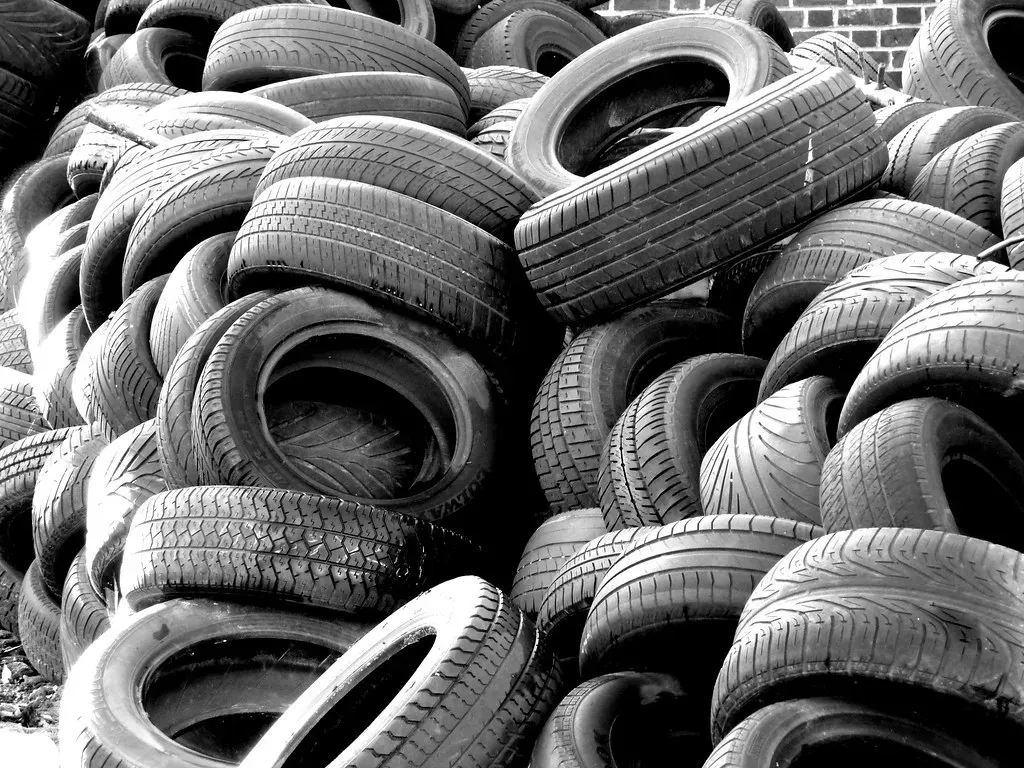
Dumping tires on your property might seem harmless, but they create serious problems. Tires collect water and become breeding grounds for mosquitoes, which can spread diseases. They’re also fire hazards that, once ignited, are extremely difficult to extinguish and release toxic smoke. Old automotive parts like batteries, transmissions, and radiators contain hazardous fluids and heavy metals. Car batteries alone contain lead and sulfuric acid that can contaminate soil and groundwater for decades. Most tire retailers and auto shops accept old tires and parts for recycling, often for free or a small fee. Stockpiling them on your land is a violation in virtually every jurisdiction.
Untreated Sewage and Septic Waste
This should be obvious, but it needs to be said. Dumping or spilling pollutants or unsafe substances into a water resource without the required permit is illegal. Sewage contains pathogens, bacteria, and parasites that pose immediate health risks to humans and animals. Even on rural properties with acres of land, dumping septic waste is strictly prohibited and can result in serious penalties. Wastewater must be treated through approved septic systems or municipal sewage facilities. Used oil may not be used for road oiling, dust control, weed abatement or similar uses which have the potential to cause harm to the environment, and the same logic applies to any liquid waste that could contaminate soil or water supplies. Proper disposal protects not just your property but entire watersheds and aquifers that communities depend on.