6 Southern Recipes You’ve Likely Never Tasted Before
When you think of Southern food, your mind probably wanders to fried chicken, biscuits and gravy, or maybe a towering slice of pecan pie. Those classics have earned their fame for good reason. Yet hidden beneath this familiar comfort food landscape lies a treasure trove of dishes that rarely make it beyond grandma’s kitchen or the boundaries of a single county. These recipes tell stories of resourcefulness, cultural fusion, and traditions that have been quietly preserved in small communities across the South.
Some of these dishes emerged from necessity during lean times, while others reflect the blending of African, Native American, and European cooking traditions. They’ve survived in handwritten recipe cards, passed down through generations who understood that flavor doesn’t always need fanfare. Let’s dive into six remarkable Southern recipes that deserve a spot at your table.
Sonker with Dip
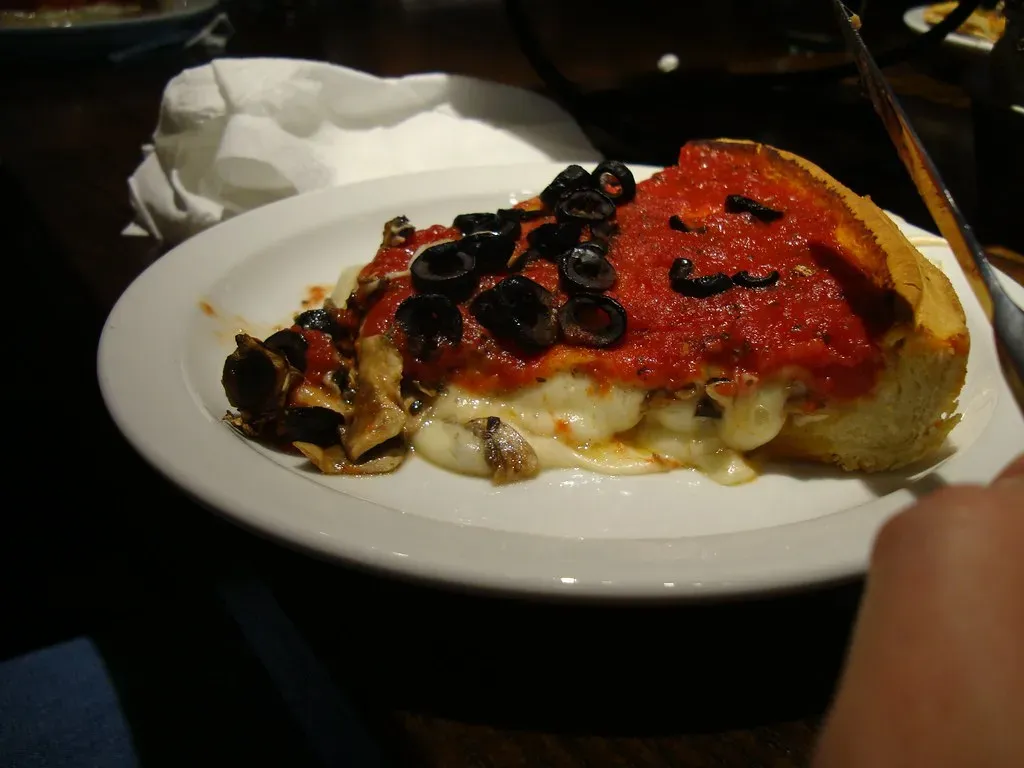
Tucked away in the Piedmont region of North Carolina, sonker represents the South’s answer to cobbler, though calling it that would earn you disapproving looks from locals. This deep-dish dessert gets baked in a large pan with a biscuit-like crust that can be layered on top, bottom, or throughout the fruit filling. What makes sonker truly distinctive is the “dip,” a sweet milk-based sauce served alongside it that resembles thin custard. Traditional versions feature whatever fruit was abundant, from sweet potatoes to berries, making it a year-round dessert that adapted to the seasons and what families could afford.
Chicken Bog
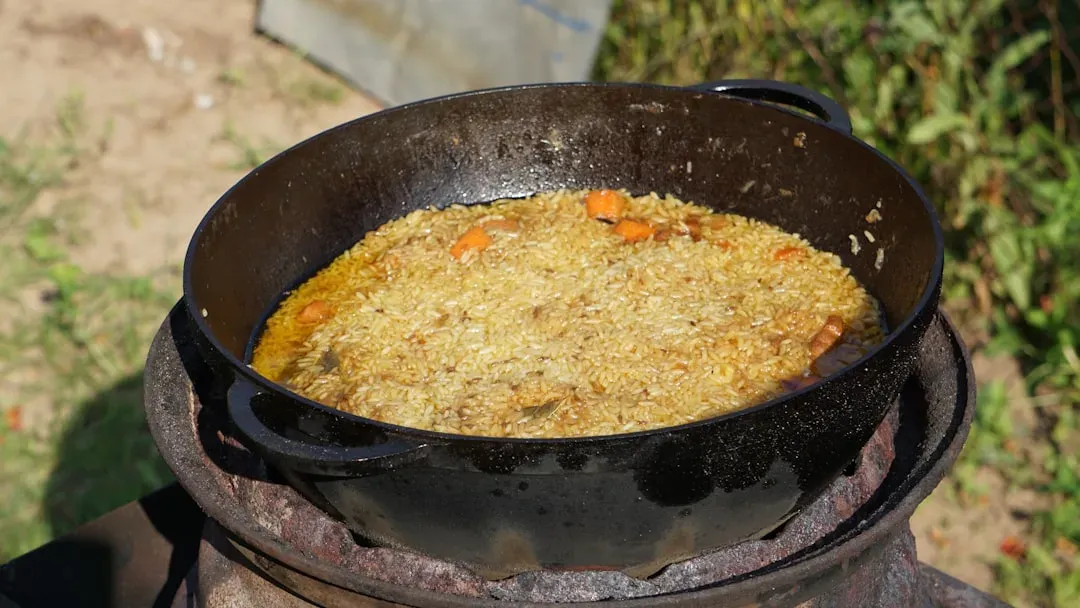
This one-pot wonder from South Carolina’s Pee Dee region sounds far less appetizing than it tastes. The name likely comes from the rice getting “bogged down” with chicken and sausage, creating a consistency somewhere between soup and pilaf. Unlike jambalaya or other rice dishes you might know, chicken bog keeps things simple with just rice, chicken, smoked sausage, and seasoning cooked together until the flavors meld. Community festivals centered around chicken bog still happen throughout coastal South Carolina, where massive pots feed hundreds of people at church gatherings and fundraisers, proving this humble dish has serious staying power.
Leather Britches
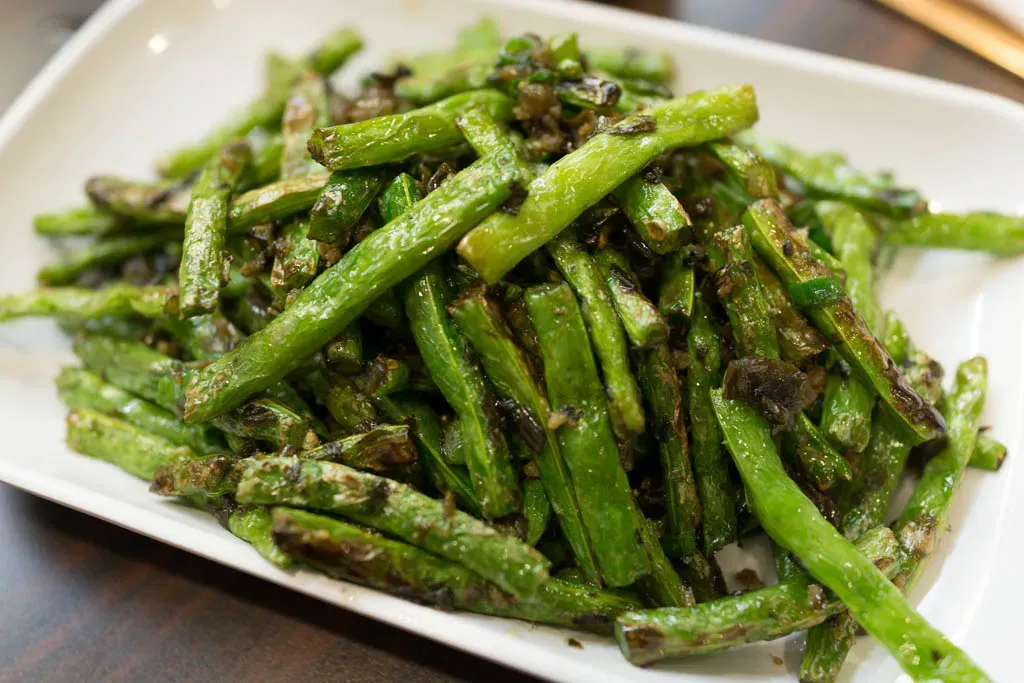
Before anyone had a freezer, Appalachian cooks found creative ways to preserve summer’s bounty for winter eating. Leather britches are green beans threaded onto string and hung to dry until they resemble, well, old leather pants. Once dried, these beans can last for months and get rehydrated by simmering them with pork fat or bacon for several hours. The result has a chewier texture and more concentrated flavor than fresh beans, with a slightly smoky, earthy taste that feels like eating a piece of mountain history. Some families still hang beans to dry each fall, maintaining a practice that stretches back generations in rural communities.
Kilt Lettuce
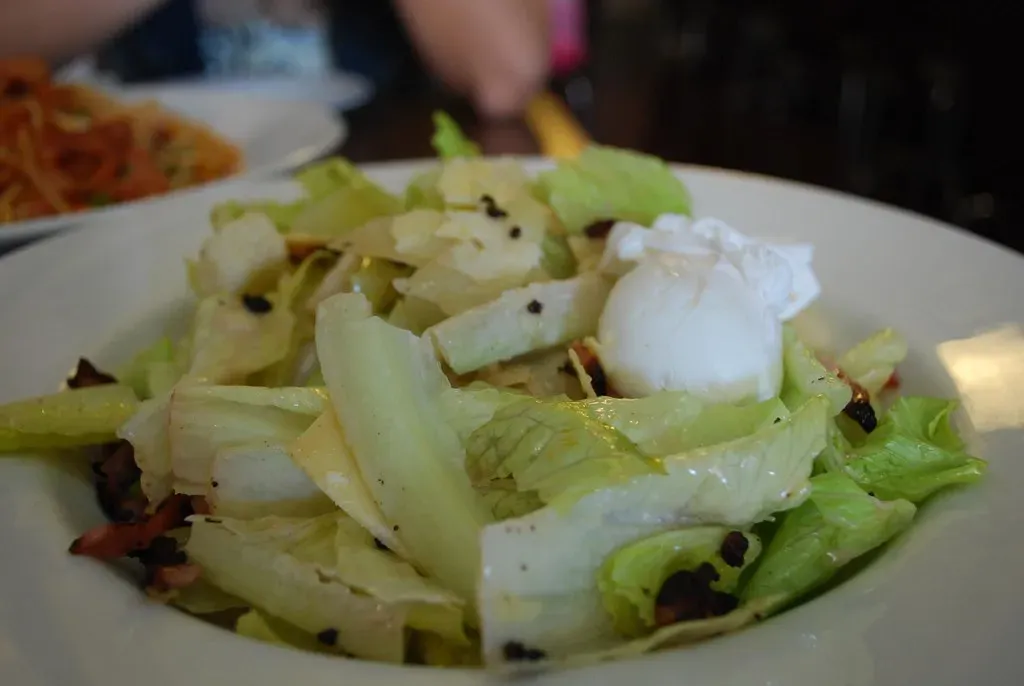
This Appalachian and Ozark specialty involves “killing” fresh lettuce with hot bacon grease, creating a wilted salad that’s both tangy and rich. You tear up fresh leaf lettuce, often straight from the garden, then pour a mixture of hot bacon drippings, vinegar, and sometimes a touch of sugar over the top until the leaves soften and darken. Green onions usually join the party, along with sliced hard-boiled eggs and the crispy bacon bits themselves. It’s the kind of dish that emerged when people made the most of their smokehouse supplies and whatever grew readily in the yard, transforming simple ingredients into something surprisingly craveable.
Pon Haus
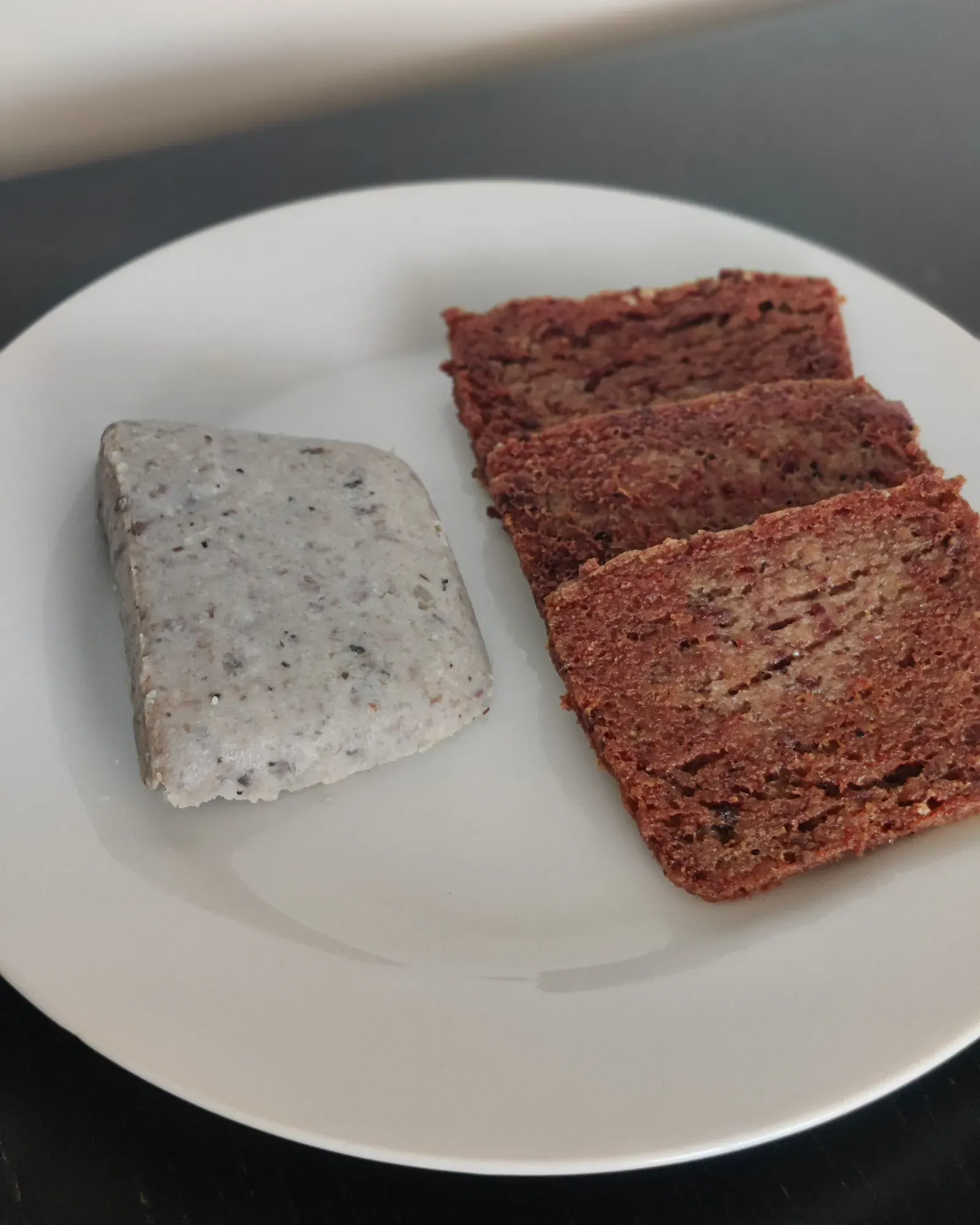
Pennsylvania gets credit for scrapple, yet down in the Carolinas and parts of Virginia, you’ll find pon haus, a similar pork product with its own regional character. This breakfast staple combines pork scraps, cornmeal, and spices formed into a loaf that gets sliced and fried until crispy on the outside. The texture lands somewhere between a hash and a firm polenta, with the pork flavor coming through in every bite. Hog-killing time in late fall traditionally meant pon haus would appear on breakfast tables for weeks, representing the resourceful use of every part of the animal that defined rural Southern cooking.
Tomato Gravy
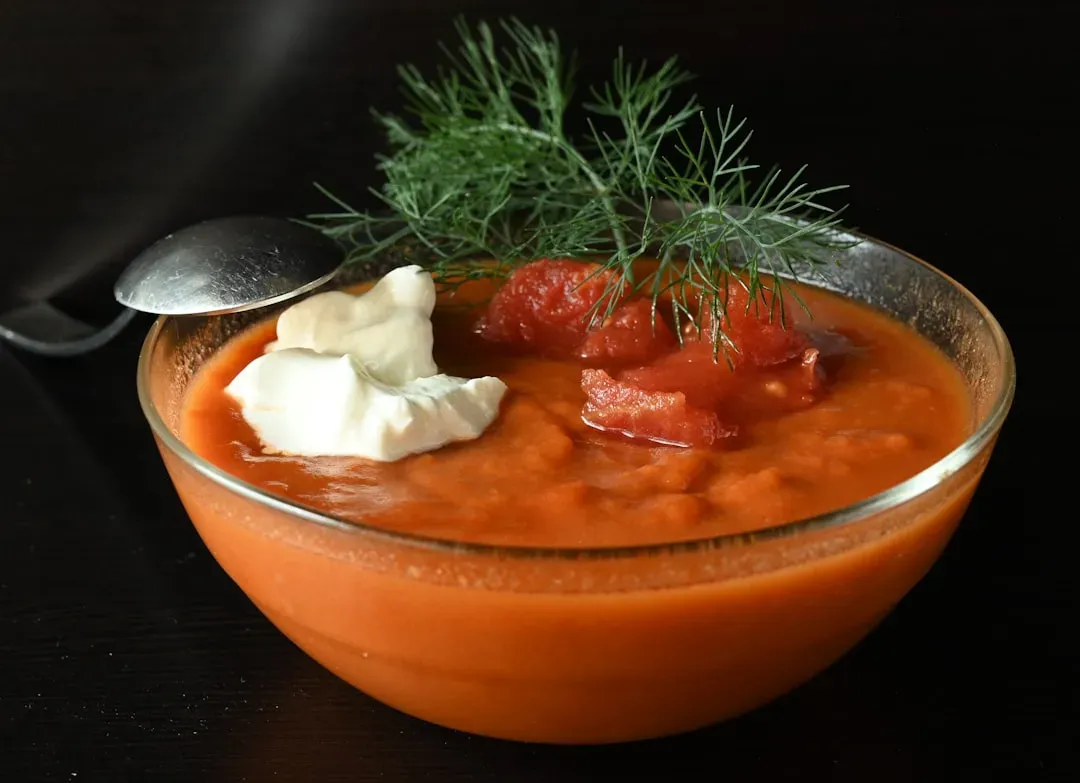
While sausage gravy hogs the spotlight at breakfast tables across the South, tomato gravy quietly sustained families who couldn’t always afford meat. This simple concoction starts with bacon grease or butter, flour for thickening, and canned or fresh tomatoes cooked down into a tangy, slightly sweet sauce. Poured over biscuits or grits, it delivers comfort without requiring expensive ingredients, making it a staple during the Depression and lean farming years. The gravy’s bright acidity cuts through the richness in a way that feels lighter than its meaty counterpart, yet it somehow tastes just as satisfying on a cool morning when you’re craving something warm and filling.
These dishes won’t show up on restaurant menus in Charleston or Nashville, and you probably won’t find them trending on social media. They exist in the quiet spaces where tradition matters more than presentation, where flavor speaks louder than Instagram likes. Each recipe carries the fingerprints of the people who created it, adapted it, and loved it enough to keep making it even when easier options came along. What’s your take on these forgotten flavors? Would you give any of them a try?