I Bartended for 15 Years: 8 Drinks That Aren’t Worth the Price
Fifteen years behind the bar teaches you a lot. You learn how to read people, how to pour under pressure, how to smile when you’re exhausted at 2 a.m. on a Saturday. Mostly though, you learn one uncomfortable truth: a lot of what people order is a terrible deal. Not because the bar is evil. Not because the staff is out to get you. It’s just the way the industry works, and most customers never realize it.
Some drinks are practically gifts in disguise, cheap to make and priced reasonably. Others? They cost the bar almost nothing, get dressed up in a pretty glass, and walk out to your table carrying a price tag that would make your wallet cry. I’ve seen it from both sides of the counter, and I’m done keeping quiet about it.
So let’s get into it, because some of what follows might genuinely surprise you.
1. The Long Island Iced Tea: A Hangover in a Glass, Priced Like a Cocktail
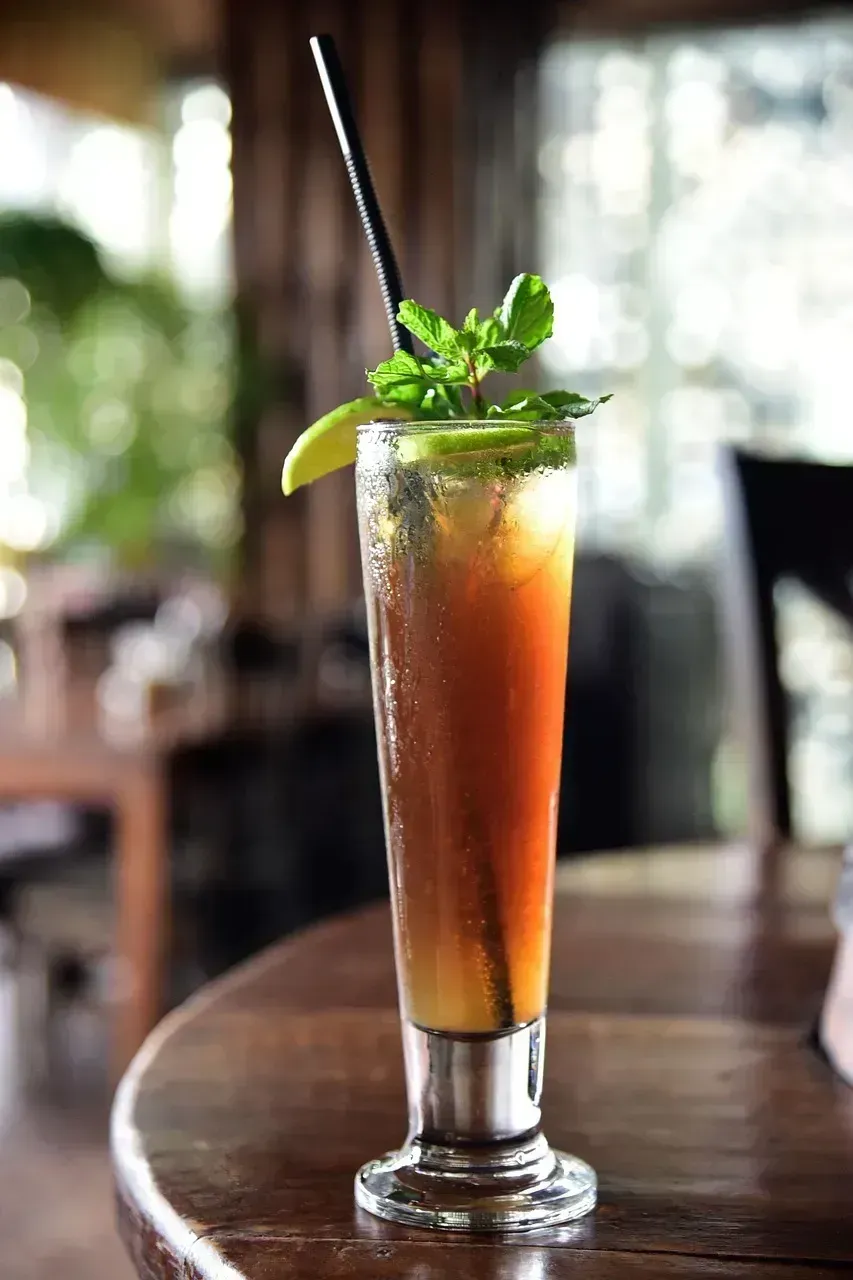
Let’s be real: the Long Island Iced Tea is one of the most infamous drinks in bar history. It’s typically made with vodka, tequila, light rum, triple sec, gin, and just a splash of cola. That sounds impressive, like a lot of value for your money. The reality is a little messier than that.
Bar manager Alisha Kaplan has publicly noted that Long Island iced teas are “often inconsistent and of poor quality,” pointing to many bartenders’ use of bottom-shelf liquors and pre-bottled mixes in the drink. Most bars are using the cheapest possible spirits for this. So what you’re paying a premium for is essentially a pile of bad liquor dressed up in a tall glass.
The Long Island iced tea is actually considered a high-profit cocktail for bars precisely because it has a low cost of goods sold and a high selling price. In other words, the bar wins. You don’t. The hangover the next morning is free of charge, though.
2. Wine by the Glass: The Industry’s Best-Kept Pricing Secret

Wine by the glass feels sophisticated. Civilized, even. You’re sitting there, sipping your Merlot, thinking you made a sensible choice. Here’s the thing: wine by the glass is one of the highest-margin items any bar can sell. Wine is actually the most transparent example of how restaurants mark up drinks, with an industry standard being to price one glass at the wholesale cost of the entire bottle.
For wine sold by the glass, bars typically aim to recoup the entire bottle cost in the very first pour, meaning a $20 bottle can translate to a $20 to $24 per-glass price. Think about that. You’re paying for the whole bottle, and you’re getting roughly one fifth of it. The remaining four glasses are almost pure profit for the house.
In 2024, there was a massive price hike on both bottle and by-the-glass wine lists across bars and restaurants nationwide. The trend has only continued into 2026. If you must have wine at a bar, honestly, just buy the bottle with a group. You’ll be glad you did.
3. The Espresso Martini: Trendy Pricing for a Surprisingly Simple Drink
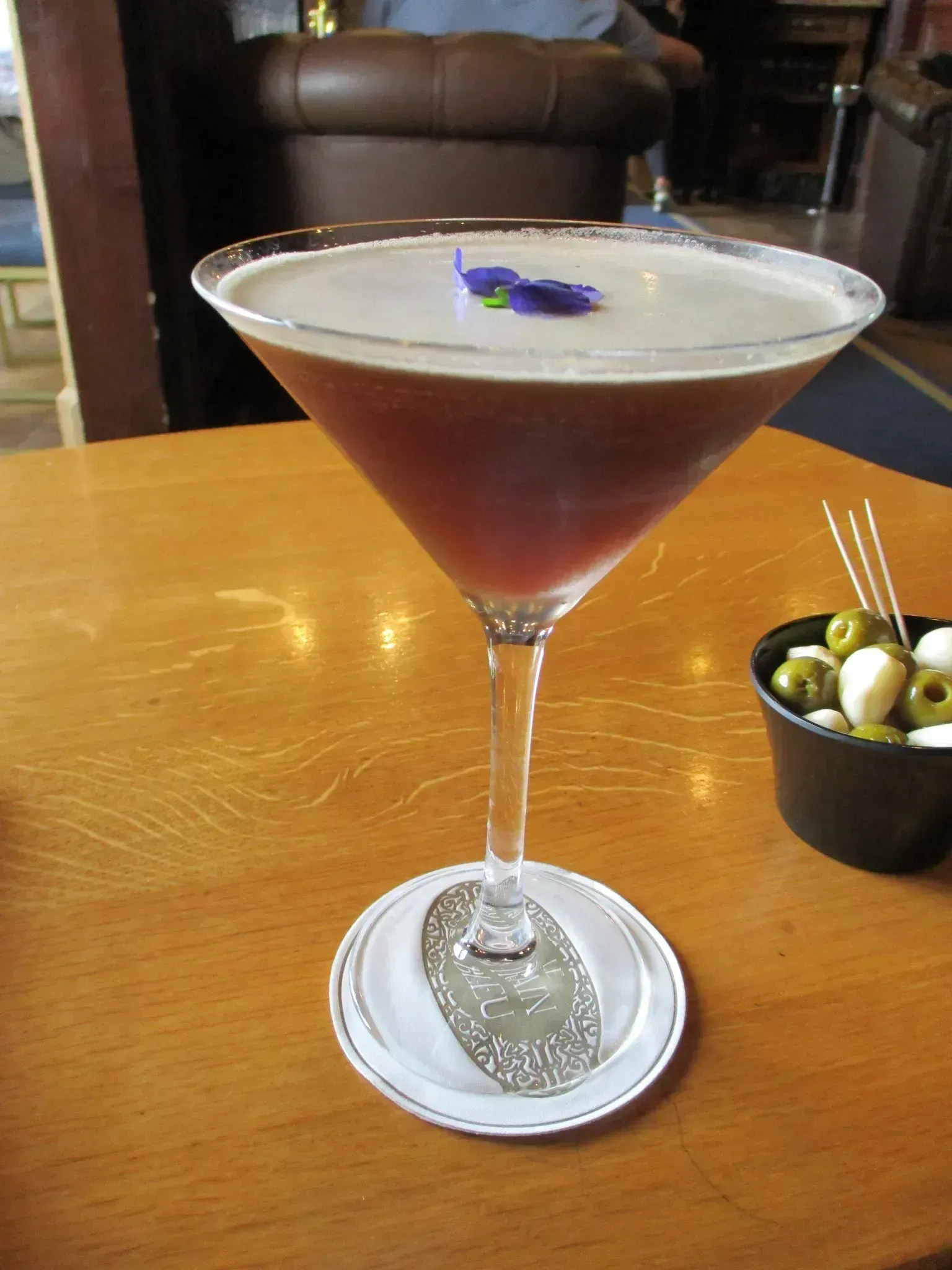
The espresso martini had its era. Every bar menu from 2022 to 2025 seemed to have one, and the price kept creeping upward while the recipe barely changed. Bartenders don’t particularly enjoy making them either, since the espresso needs to be cooled before it can be added to the glass. That cooling process is genuinely more inconvenient than people realize.
The actual ingredients are simple: vodka, coffee liqueur, fresh espresso, maybe a touch of simple syrup. The cost to make one hovers around two to three dollars in most bars. Yet it routinely sells for sixteen dollars or more in trendy venues. Bars typically mark up alcoholic beverages by 200 to 400 percent, with fancy cocktails commanding the highest margins. The espresso martini, draped in its “craft” identity, sits right at the top of that bracket.
Bartending expert Karina Silvestre has noted that the espresso martini’s heyday may already be over, as guests are leaning away from overly sweet or heavy drinks in favor of more balanced cocktails. Still, bars keep charging peak trendiness prices for it. You’re essentially paying a popularity tax.
4. Frozen Cocktails: You’re Mostly Paying for Ice
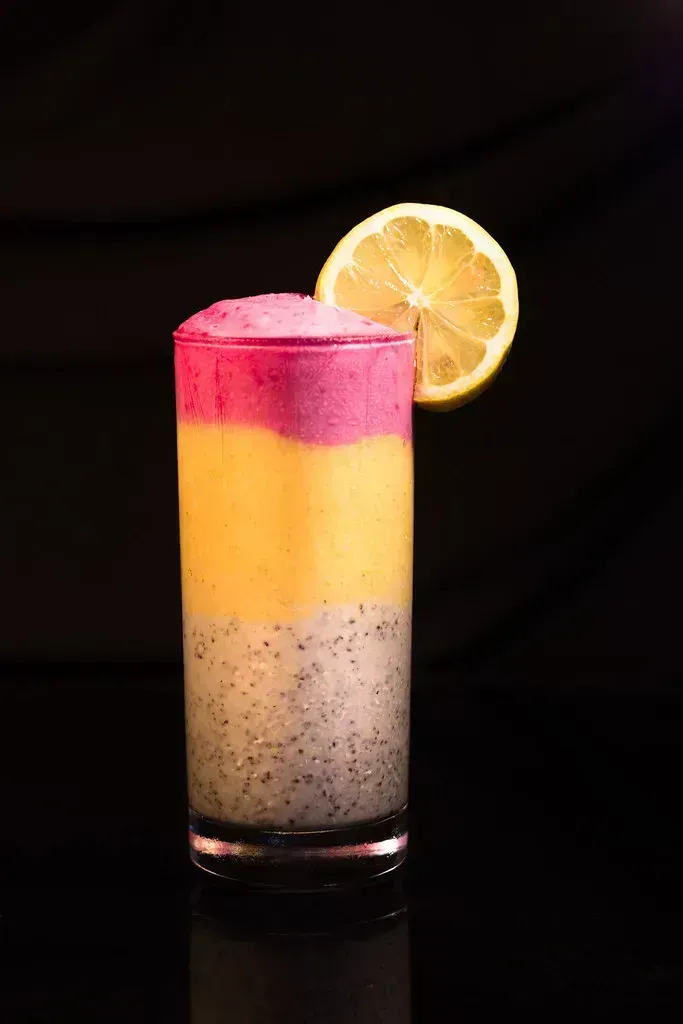
Frozen margaritas. Piña coladas. That slushy blue drink you didn’t technically need but ordered anyway. Frozen cocktails feel festive and generous, partly because of the sheer volume in the glass. Don’t let the size fool you. A significant portion of what you’re drinking is ice and mix, not actual spirit.
Labor intensity plays a major role in how bars price drinks, with complex preparations requiring specialized equipment commanding notably higher prices. Frozen machines are expensive and require maintenance, and bars pass every cent of that cost directly to the customer. You’re subsidizing the blender as much as you’re paying for the tequila in there.
A margarita, for example, can easily cost fifteen dollars or more, and it can be tempting to assume that the price is primarily covered by the cost of the tequila, triple sec, lime juice, and agave nectar. In a frozen version, where ice and sugary mix bulk up the volume, the spirit content is often even less than you’d expect. It’s a fun drink. It’s not a value drink.
5. Premium Shots and “Top-Shelf” Pours: The Markup Is Sky-High
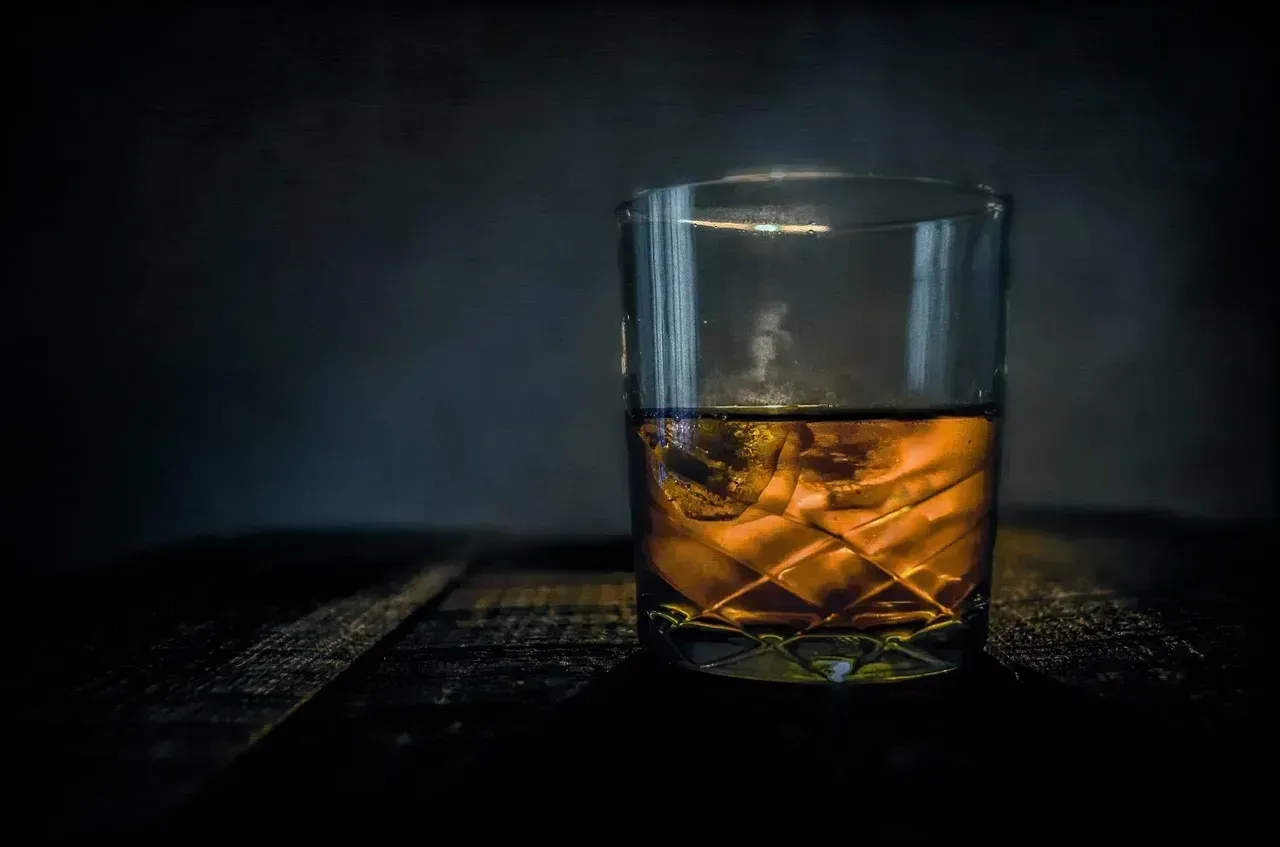
Ordering top-shelf liquor by the shot is one of the most generous things you can do for a bar’s profit margin. I say that with complete sincerity. The standard liquor markup in bars is around 400 to 500 percent, the highest of all alcohol types, and it’s precisely why high-volume nightclubs that sell a lot of shots are among the most profitable establishments in the hospitality industry.
When you ask for Don Julio 1942 or Clase Azul by the shot, the bar is thrilled. You feel like you’re treating yourself. Higher-priced drinks are often perceived as better quality, but this isn’t always the case. The perceived prestige of a premium pour does a lot of the marketing work for the bar, and you end up paying a premium that far exceeds the actual difference in quality between the bottle tiers.
Liquor delivers the best margins for bars, with markups ranging from four to five times the cost for well brands, five to six times for call spirits, and up to eight times or more for premium labels. Every step up the shelf is another multiplication of margin. Honestly, if you want to try a premium spirit, buy a bottle at a retail store. You’ll get far more for your money.
6. Signature “Craft” Cocktails with Fancy Names: You’re Paying for the Story
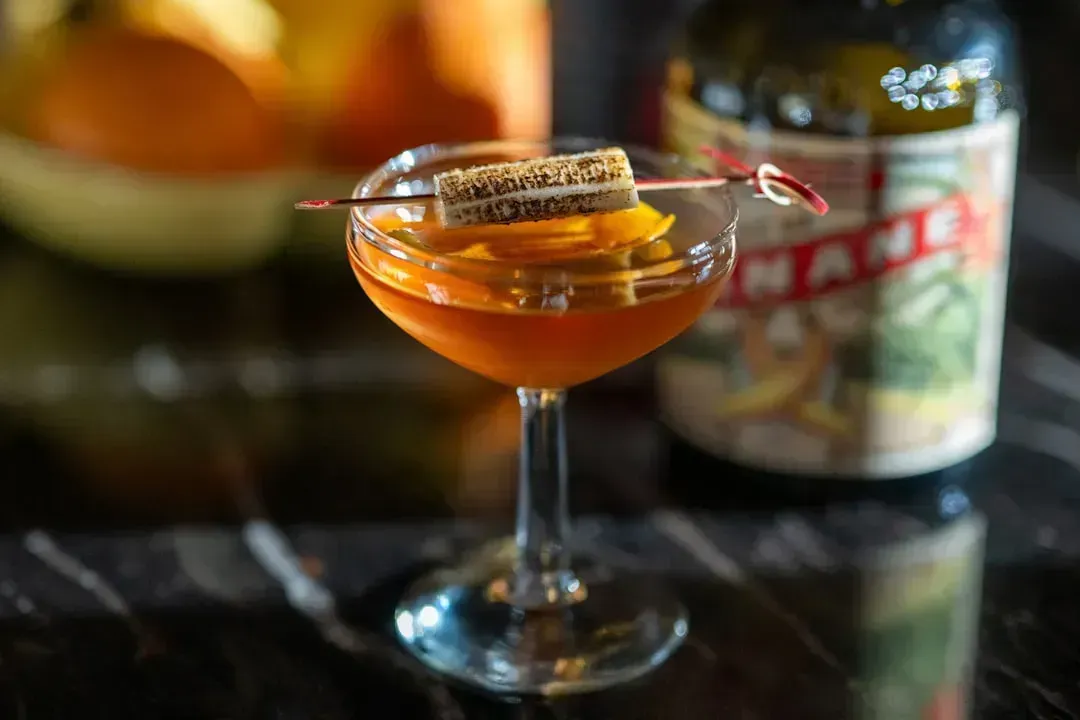
Walked into any trendy cocktail bar in 2025 and saw them: drinks with evocative names, hand-written menus, garnishes involving dehydrated citrus wheels and edible flowers. They’re visually stunning. They’re also exceptionally profitable for the bar. Cocktails that cost around two to three dollars to produce can retail for fourteen to eighteen dollars, and storytelling is a big driver, with guests paying more for a cocktail that comes with a name, a story, and a garnish.
Craft cocktail prices have genuinely gone through the roof, with trendy bars regularly charging fifteen to twenty dollars for a single fancy drink. The ingredients in many of these cocktails are simpler than the menu description implies. A “botanical gin expression with house-infused verbena syrup” is still mostly gin, citrus, and sugar water. The theater around it doesn’t change what’s in the glass.
The average pour cost for a bar to aim for is around 20 percent, which leaves 80 percent gross profit per drink to help cover all the other costs of running a bar. On a fifteen-dollar signature cocktail, that math means you’re covering the bar’s rent, lighting, and décor as much as you’re paying for your drink. It might still taste great, just go in with open eyes.
7. Nightclub Bottle Service: The Ultimate Status Pricing Trap
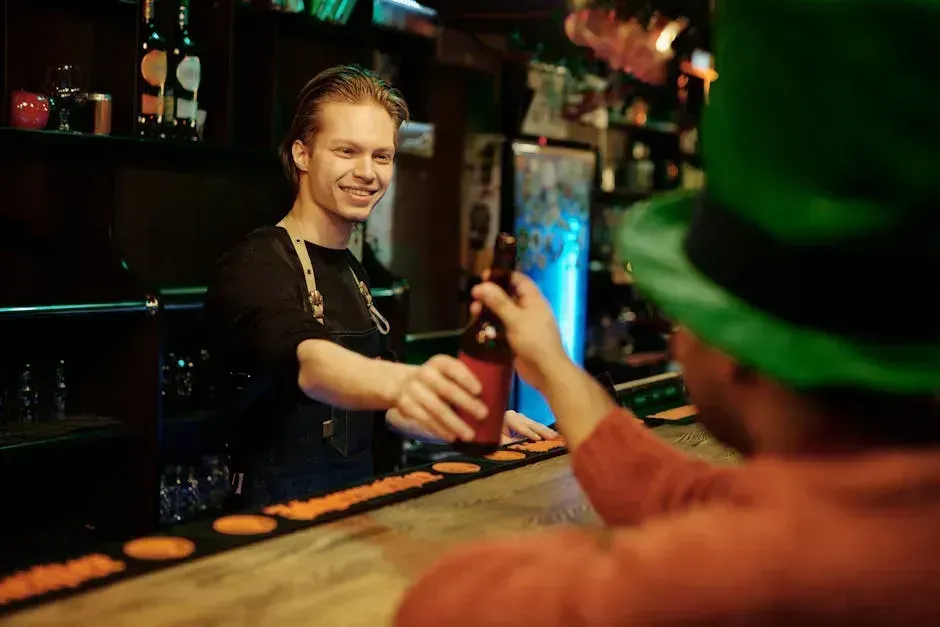
Bottle service is the pinnacle of bar pricing theatre. You pay several times the retail cost of a bottle of spirits, you get a table with velvet ropes around it, and you receive mixers that cost the venue almost nothing. The perceived status is the product. The alcohol is almost secondary. Cocktails and spirits at upscale venues are often expensive because of the training of the bartenders, the sought-after location, or the use of high-end ingredients. Bottle service adds a fourth reason: pure social theater.
The rent on a venue is one of the biggest factors impacting net profits, and areas with competitive property costs in major cities force establishments to adjust their pricing philosophy to match the cost of real estate. Nightclubs in prime city locations carry enormous overhead, and bottle service prices exist largely to offset those costs. You’re buying access to a room as much as you’re buying alcohol.
According to a Coresight Research study from February 2024, while inflation overall has moderated, inflation for bars and restaurants remains considerably higher than in other related industries. That inflationary pressure hits nowhere harder than premium venue pricing. The gap between what you pay and what’s in the bottle has never been wider.
8. The Classic Margarita on a Branded “Premium” Upcharge: Simple Drink, Inflated Price
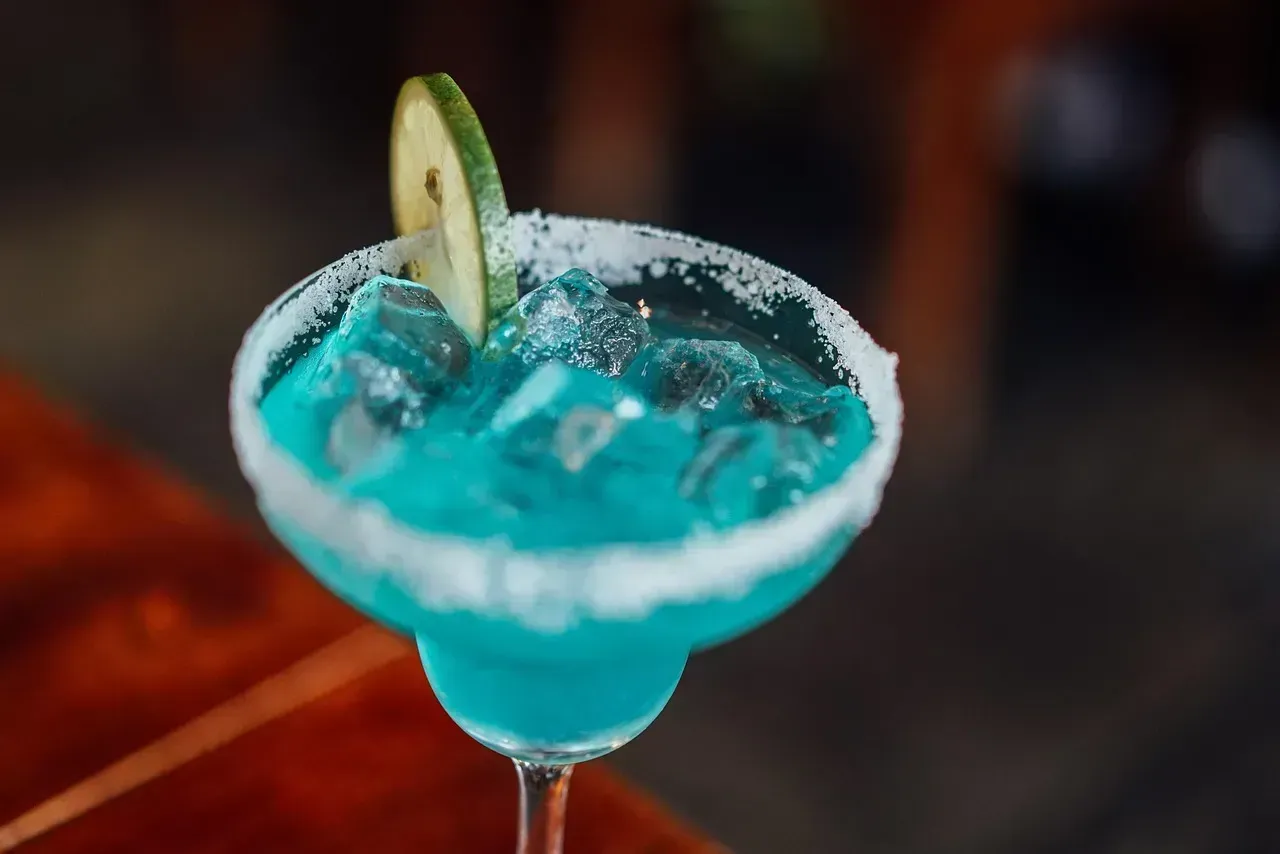
The margarita is one of the simplest cocktails in existence. Tequila, triple sec, lime juice. The classic margarita is considered a top high-profit cocktail for bars, with just three simple ingredients that result in a very low cost of goods sold and a high selling price. The problem arrives when bars weaponize brand recognition to inflate it even further. The moment you order a “premium” margarita with a specific tequila brand called out by name, the price jumps dramatically.
Bartenders often use marketing techniques such as upselling and suggestive selling to convince customers to spend more than they intended, and the price tag isn’t always reflective of the quality or quantity of liquor inside the glass. A well-made margarita with a good house tequila will often taste virtually identical to one made with the “premium” pour. The extra five to eight dollars you spend largely goes into the margin, not the flavor.
The year 2024 was described by industry experts as a year of sticker shock, with cocktail prices hitting twenty dollars in many major cities. The margarita, once an approachable drink, has become a vehicle for upselling in ways that feel almost predatory. I think, honestly, this one stings the most. It should be a simple, honest drink, and it’s been turned into a pricing ladder. Order it with house tequila. Nobody at the bar will judge you, and you’ll keep your money where it belongs.