10 Electrical Add-Ons Inspectors Say Are Illegal – Yet Homeowners Still Install Them
There is something oddly human about trying to fix things yourself. You save a little money, you feel capable, and on a quiet Saturday afternoon, the whole project seems so simple. Then a home inspector walks through your front door months later, pulls out a clipboard, and your stomach drops.
Homeowners try to modernize or improve their electrical systems without realizing that some common DIY practices violate the National Electrical Code and local regulations, creating fire hazards and voiding insurance coverage. The frightening part is that most of these violations are not dramatic disasters. They sit quietly inside your walls, in your panel, above your ceiling fan. Let’s dive in – because some of what follows might already be in your home right now.
1. Junction Boxes Hidden Behind Walls
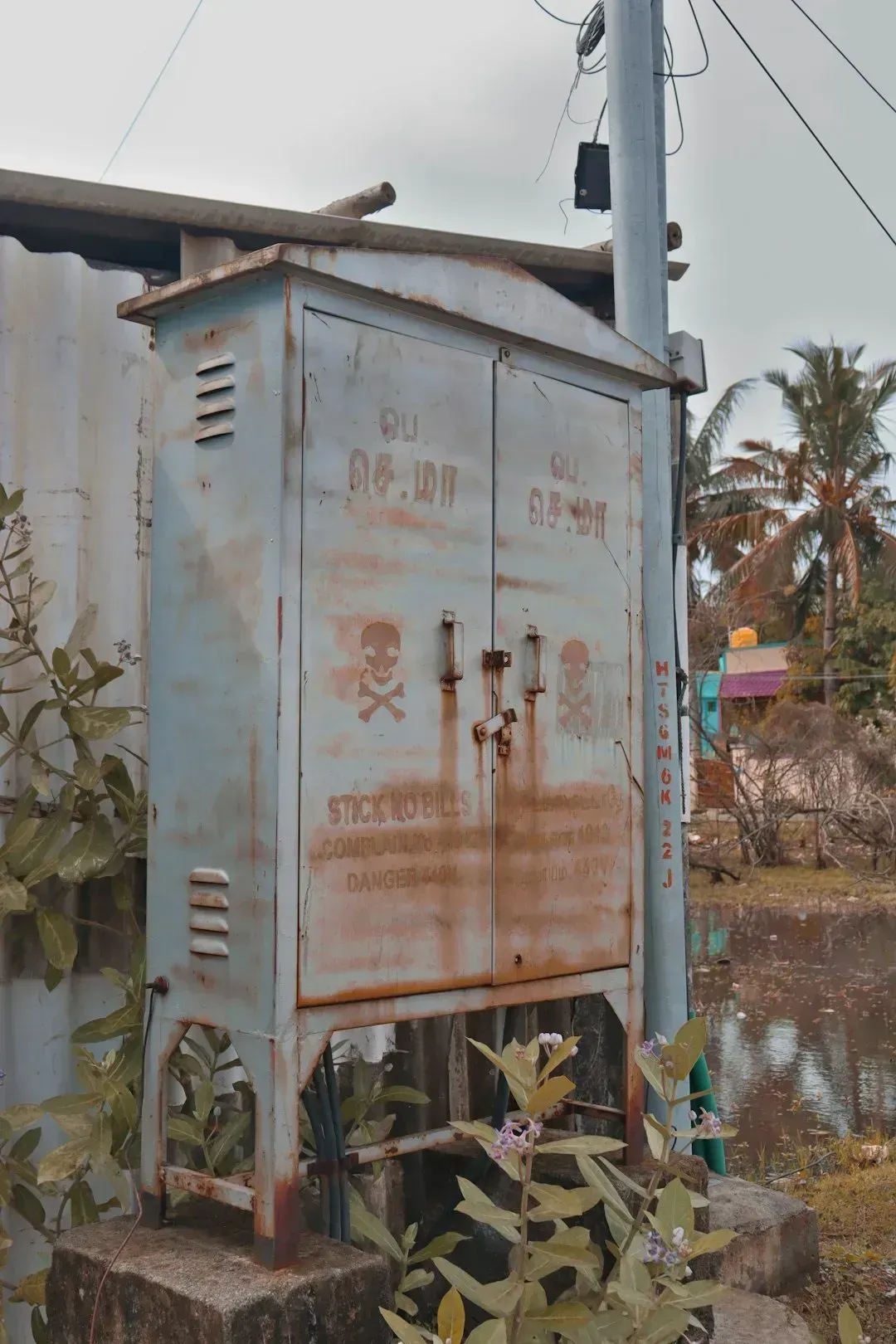
Junction boxes must remain accessible by law as required by the National Electrical Code, and hiding one behind drywall, cabinetry, or insulation prevents future inspections and increases the risk of unnoticed overheating or arcing, with electricians warning that concealed boxes are a leading cause of electrical fires. Think of a junction box like a fire extinguisher – it only helps if someone can reach it.
Loose connections inside that box generate heat. If that heat is trapped behind a wall without a proper enclosure, it can ignite building materials. If a problem occurs, the connection becomes impossible to locate without cutting open walls. Inspectors flag this constantly during home sales, and fixing it means tearing open finished walls. That “shortcut” just became one of the most expensive decisions a homeowner ever made.
2. Outdoor Romex Cable Installations
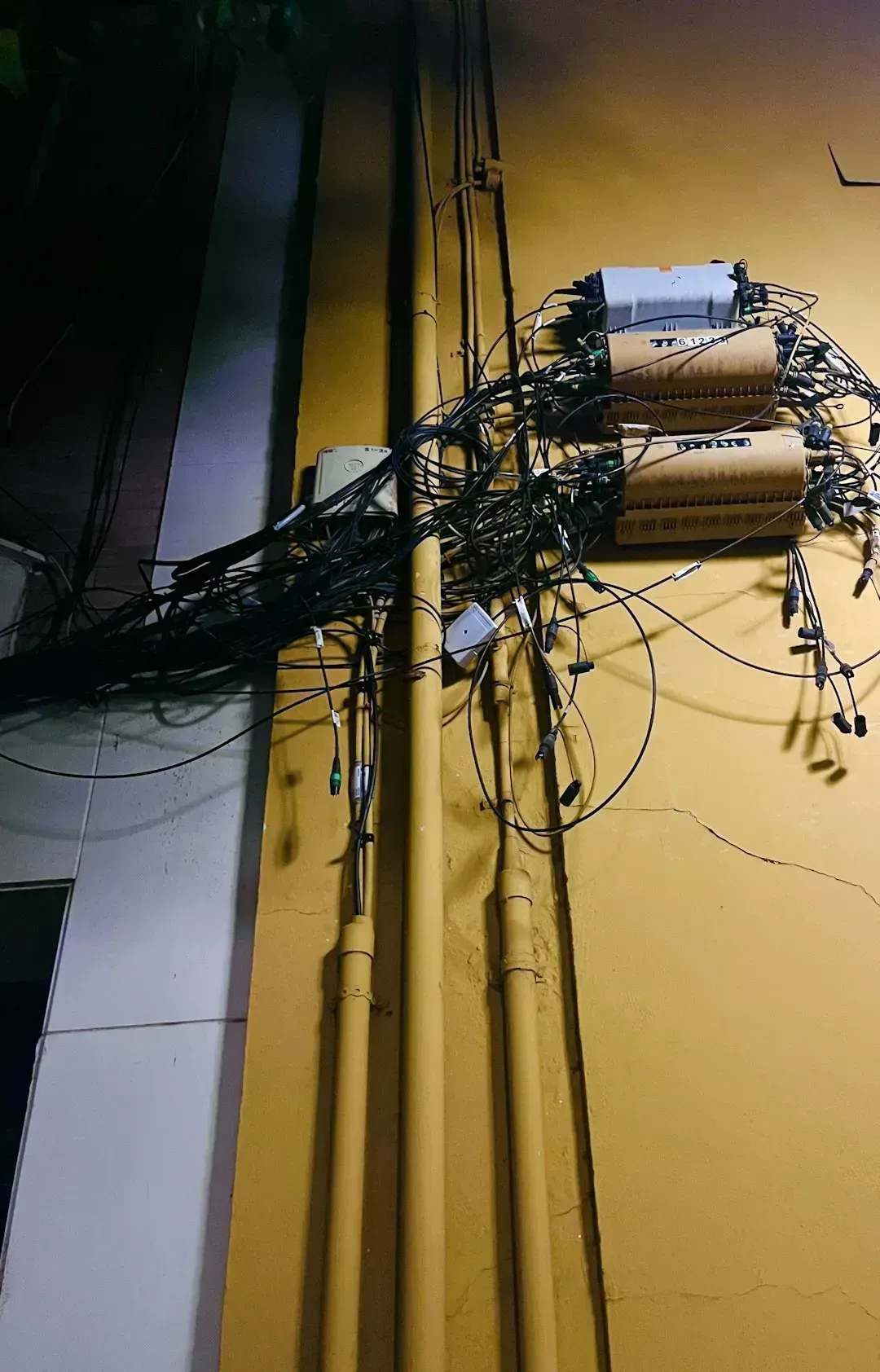
Romex is for indoor use only, and using it outside, under decks, across yards, or along fences exposes it to weather and physical damage, violating code, as outdoor wiring must use approved weather-resistant conduit and cable types designed to withstand moisture and UV exposure. It is genuinely shocking how many people run leftover indoor cable to a garden shed and think nothing of it.
Romex has a paper covering inside that absorbs moisture like a sponge. Once water gets in there, corrosion starts eating away at the conductors. UV rays from the sun break down the outer jacket. Using Romex outside, under decks, across yards, or along fences violates code. Outdoor wiring must use approved weather-resistant conduit and cable types designed to withstand moisture and UV exposure.
3. Unpermitted Circuit Additions to an Existing Panel
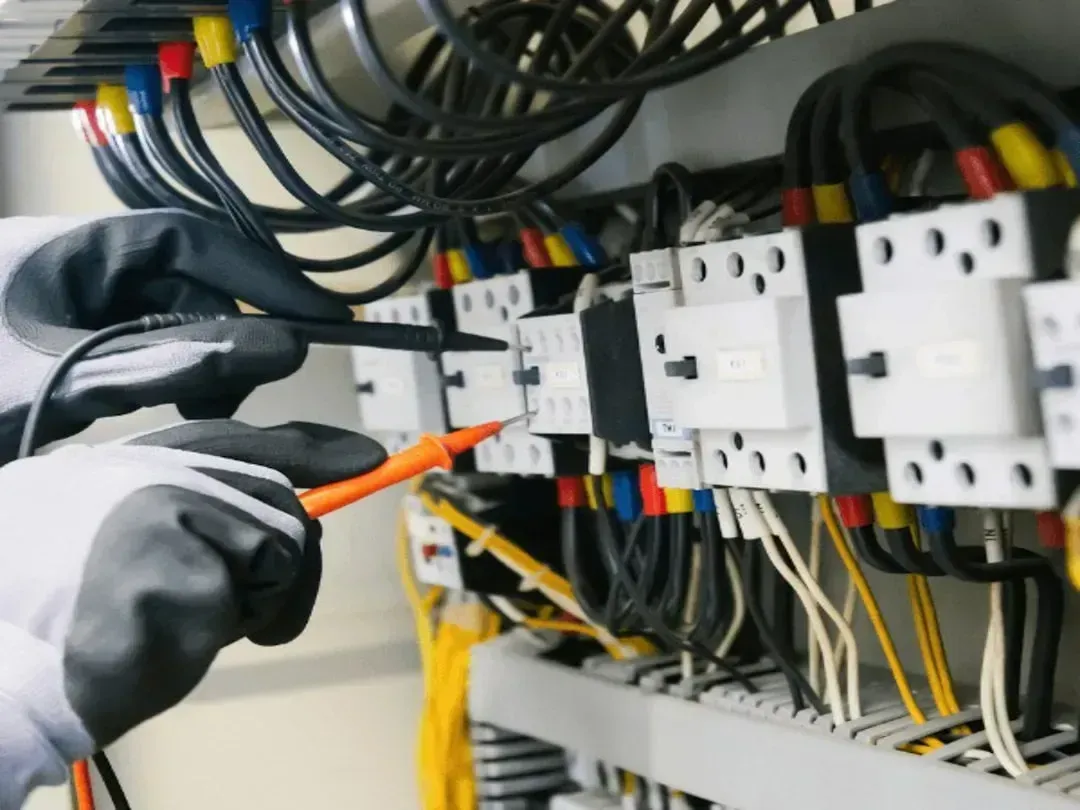
Electrical panels must be evaluated for available capacity before adding circuits, and unpermitted additions often overload panels creating unsafe heat buildup and violating local codes, with home inspectors frequently flagging these illegal upgrades when homes are sold. An empty slot in your panel is not an open invitation. It does not mean your system has room to grow.
The issue is that your panel has a maximum amperage rating. Just because there’s a physical space for another breaker doesn’t mean your panel can actually handle the additional load. You might be pulling two hundred amps through a panel rated for one hundred fifty. That’s when things start getting warm, connections start degrading, and fire risks skyrocket. Every addition needs to be formally calculated and permitted. Full stop.
4. Oversized Breaker Replacements
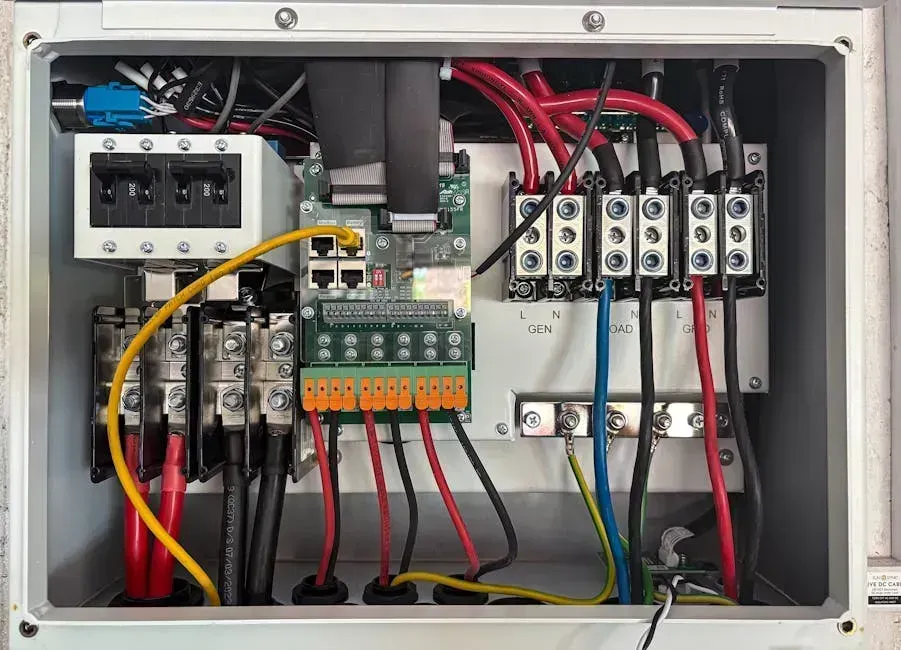
Replacing a 15-amp breaker with a 20- or 30-amp breaker to “stop tripping” is illegal and extremely dangerous. This allows wiring to carry more current than it was designed for, dramatically increasing fire risk. Licensed electricians consider this one of the most hazardous DIY mistakes seen in U.S. homes. Honestly, it’s a classic case of treating the symptom instead of the disease.
Using a breaker that’s too large for the wire size – for example, pairing a 30-amp breaker with 14-gauge wiring – is a serious problem. Oversized breakers won’t trip when they should, allowing wiring to overheat and potentially catch fire. Circuit breakers are designed for specific wire sizes and load capacities. Installing a breaker with a higher amperage to handle overloads is a dangerous violation that can lead to electrical fires.
5. Wire Splices Left Outside Junction Boxes
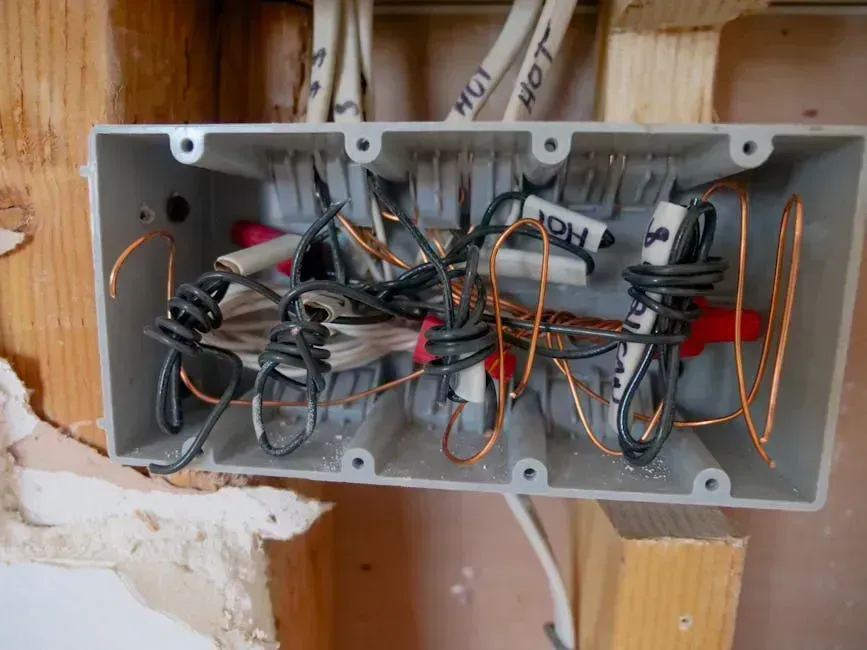
Twisting wires together in a wall cavity and covering them with tape is strictly prohibited. U.S. electrical code requires all splices to be enclosed in approved boxes to reduce the risk of arcing, short circuits, and overheating. Tape is not a safety device. It is barely even a temporary solution.
All wire splices must be housed inside a junction box, and that box must remain accessible. Contractors frequently splice wires and then bury the box behind drywall, ceiling, or insulation to hide their work. When splicing wires, the connections must be inside a junction box that complies with NEC standards. Junction boxes provide vital protection for the connections that minimize the risk of fire. Junction boxes must be placed in a visible location that enables easy access.
6. Ceiling Fans Mounted to Standard Light Fixture Boxes
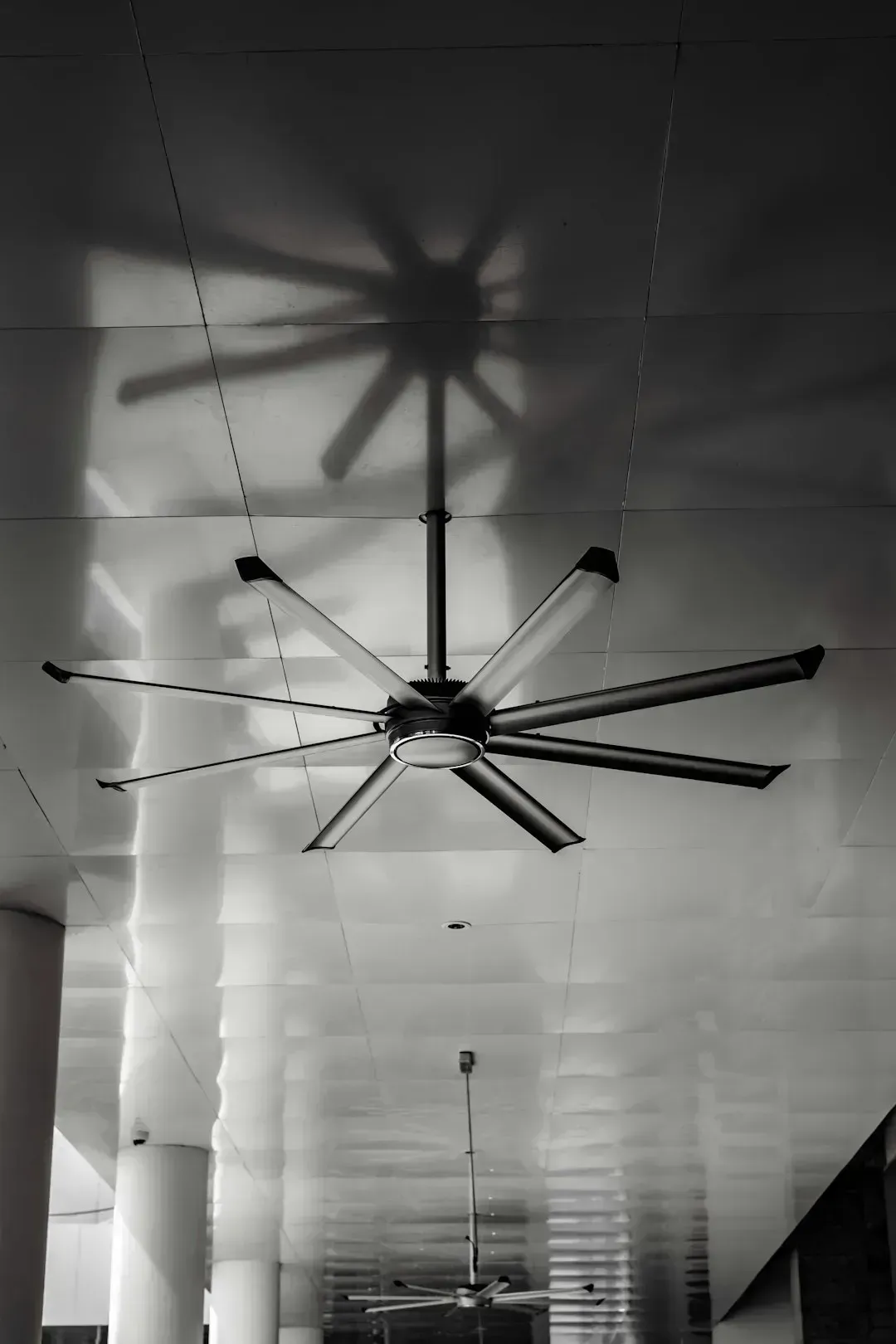
Some homeowners mount heavy ceiling fans to boxes designed only for light fixtures. Electricians warn that these boxes cannot handle the weight or vibration of fans, and failures have caused injuries and structural damage. U.S. building codes specify fan-rated boxes for any overhead fan installation. A ceiling fan is not a lightweight chandelier – it spins, vibrates, and pulls at that box every single hour it runs.
If someone mounted a ceiling light or wall sconce directly onto drywall without an electrical box, it’s not up to code. Fixtures need to be securely attached to an electrical box that supports their weight and wiring. The physics here are not forgiving. A fan that falls from the ceiling during dinner is not a minor inconvenience. It is a genuine emergency.
7. Ungrounded Outlets in Older Homes Swapped for Three-Slot Receptacles
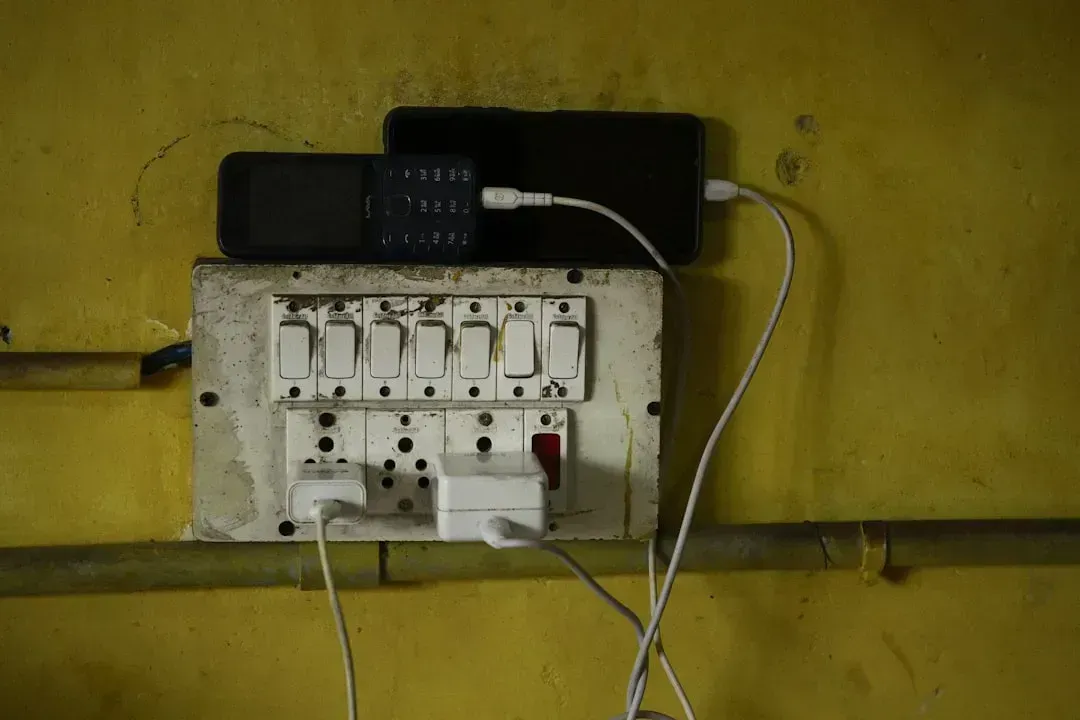
In older homes, it is common to find two-slot outlets. A major code violation occurs when someone swaps these out for modern three-slot outlets without actually installing a ground wire. This tricks the user and sometimes even a tester into thinking the outlet is grounded when it is not. This leaves expensive electronics and appliances vulnerable to power surges and leaves you vulnerable to shock.
Some homeowners add outlets without connecting them to a grounded system, especially in older houses. Ungrounded outlets violate electrical code and put users at risk of shock, especially when plugging in metal-cased appliances or electronics. Certified electricians emphasize grounding as essential for both surge protection and personal safety. It looks right. It tests wrong. That gap between appearance and reality is exactly where electrical disasters begin.
8. Extension Cords Used as Permanent Wiring
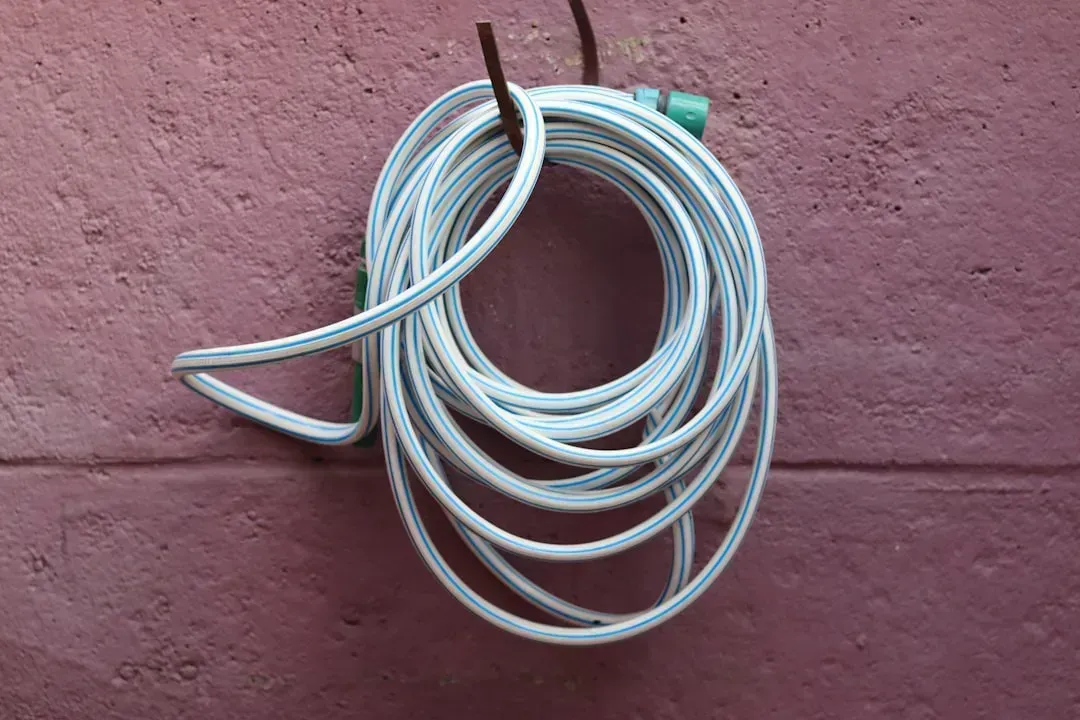
The NEC doesn’t allow extension cords to be used as a substitute for permanent wiring. Still, walk into almost any garage, basement, or home office and you’ll find a nest of extension cords that have been there for years. The National Fire Protection Association estimates nearly 50,000 dwelling fires in the U.S. happen every year due to overloading an electrical system not equipped with enough receptacles. To compensate for the lack of outlets, homeowners are quick to rely on extension cords not designed to handle large amounts of electricity.
Extension cords aren’t designed for permanent use. They can overheat and cause fires. Flexible electrical cords, such as extension cords, are designed for temporary – not permanent use. There is a real difference between plugging something in temporarily and routing a cord under a rug, through a wall, or behind appliances for months on end.
9. Missing GFCI Protection in Wet Areas
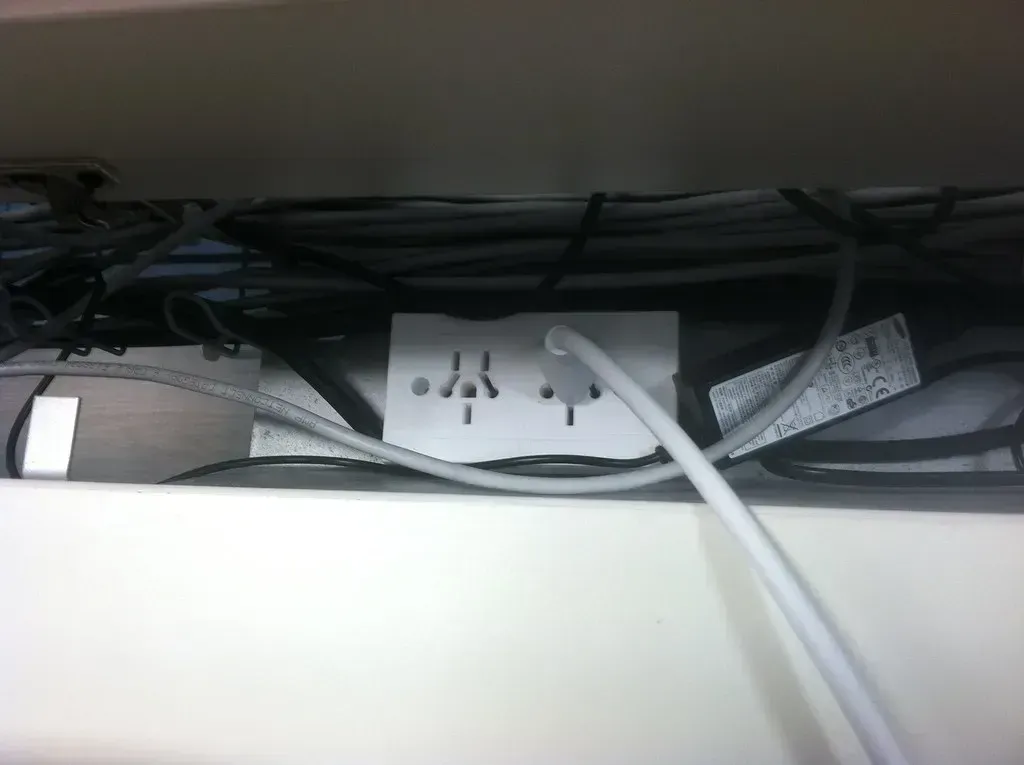
If you’ve sold or bought a house or upgraded your kitchen, bathroom, or garage, you’ve probably had an inspector flag a missing ground fault circuit interrupter, especially if your home is older. GFCIs protect you from electric shock, and they’re required in multiple places around your home where water is present. Because GFCI requirements have expanded over time, many homes lack them where the NEC currently requires them.
GFCI protection is required in areas where water is present, including the kitchen, bathroom, garage, and outdoors. Ground fault circuit interrupters detect imbalances in a ground fault circuit and shut off power instantly. Many older homes lack these circuit interrupters, leaving receptacles unprotected in wet areas. The fix is relatively inexpensive. The consequence of ignoring it is not.
10. Double-Tapped Breakers in the Main Panel
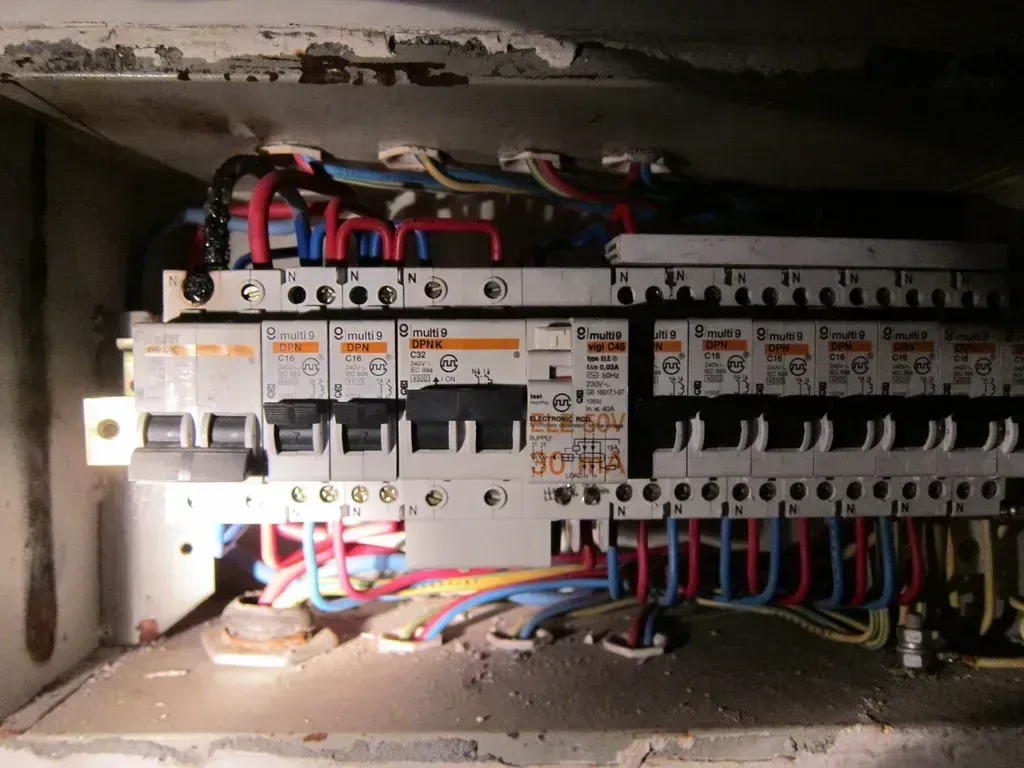
Double taps are not allowed because most breakers are only rated by their manufacturer to be “single pole,” which means one wire connection, and the NEC states at 110.3(B) that listed or labeled equipment shall be installed and used in accordance with any instructions included in the listing or labeling. It sounds like a technicality. It is not.
A double-tapped breaker happens when two conductors are connected to a breaker terminal designed for only one. It might seem harmless, but it can cause overheating inside the electrical panel. The circuit breaker may not trip correctly, increasing the risk of overloaded circuits and electrical fires. This practice violates NEC regulations and poses significant risks. Double-tapped breakers can result in loose connections, overheating, and arcing, which increases the likelihood of electrical fires. Home inspectors call this out at nearly every sale involving older or DIY-modified panels, and it requires a licensed electrician to correct it safely.