10 Unspoken Truths About Loving a Cat That Rarely Shows Affection
There is a particular kind of quiet heartbreak that comes with loving a cat who never sits on your lap. You call their name. You offer a gentle hand. They glance at you from across the room with those unreadable eyes, then turn away. And yet, you keep trying. Why? Because somewhere deep down, you suspect there is something there. Something real. Something that science might actually explain.
The truth is, cats that rarely show affection are far more fascinating, and far more emotionally complex, than most people ever realize. What looks like rejection is often something else entirely. Let’s dive in and discover what’s really going on.
1. “Aloof” Might Be the Wrong Word Entirely
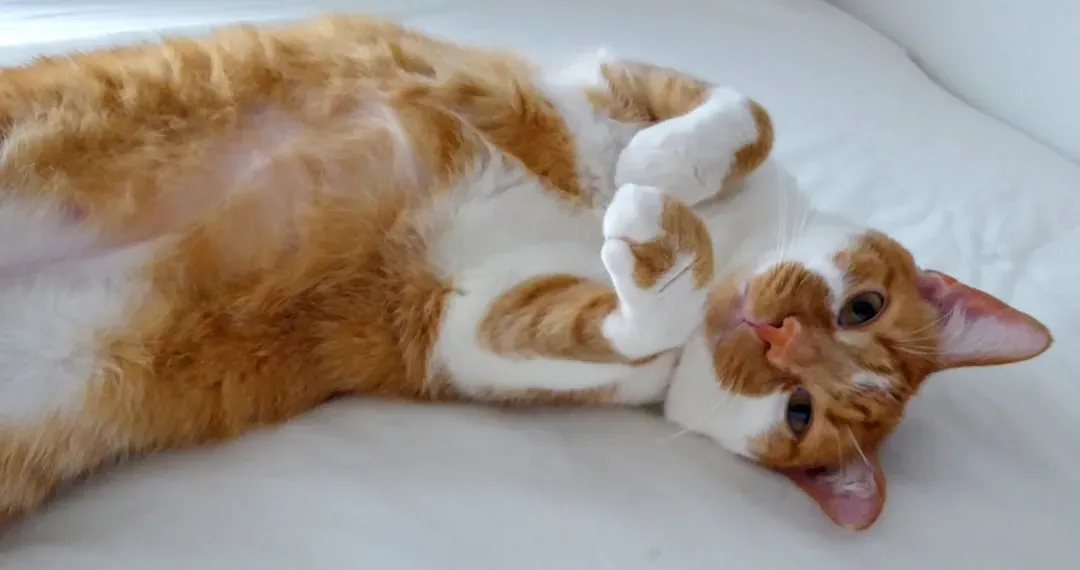
Let’s be real. For decades, we’ve slapped the label “aloof” on cats and called it a day. The trope of a cat being independent, bestowing and withdrawing affection according to rules only they understand, capable of friendship with their human but not requiring it, is everywhere. Yet many people know from their own experience just how warm and affectionate cats can actually be.
We matter to cats even more than we think, and our assumptions about their character can easily become self-fulfilling prophecies. That last part is especially worth sitting with. Think of it like assuming a friend is unfriendly and then never making the first move. Their silence confirms your theory, but the theory was never accurate to begin with.
Common misconceptions that cats need less social interaction, or are more independent, can impact both the amount and quality of social interactions we offer cats. In other words, people who think felines don’t need much attention might be less hands-on with their own companion, which in turn results in a more aloof kitty. It is a cycle. A solvable one.
2. Your Cat’s Love Language Might Simply Be Different From Yours
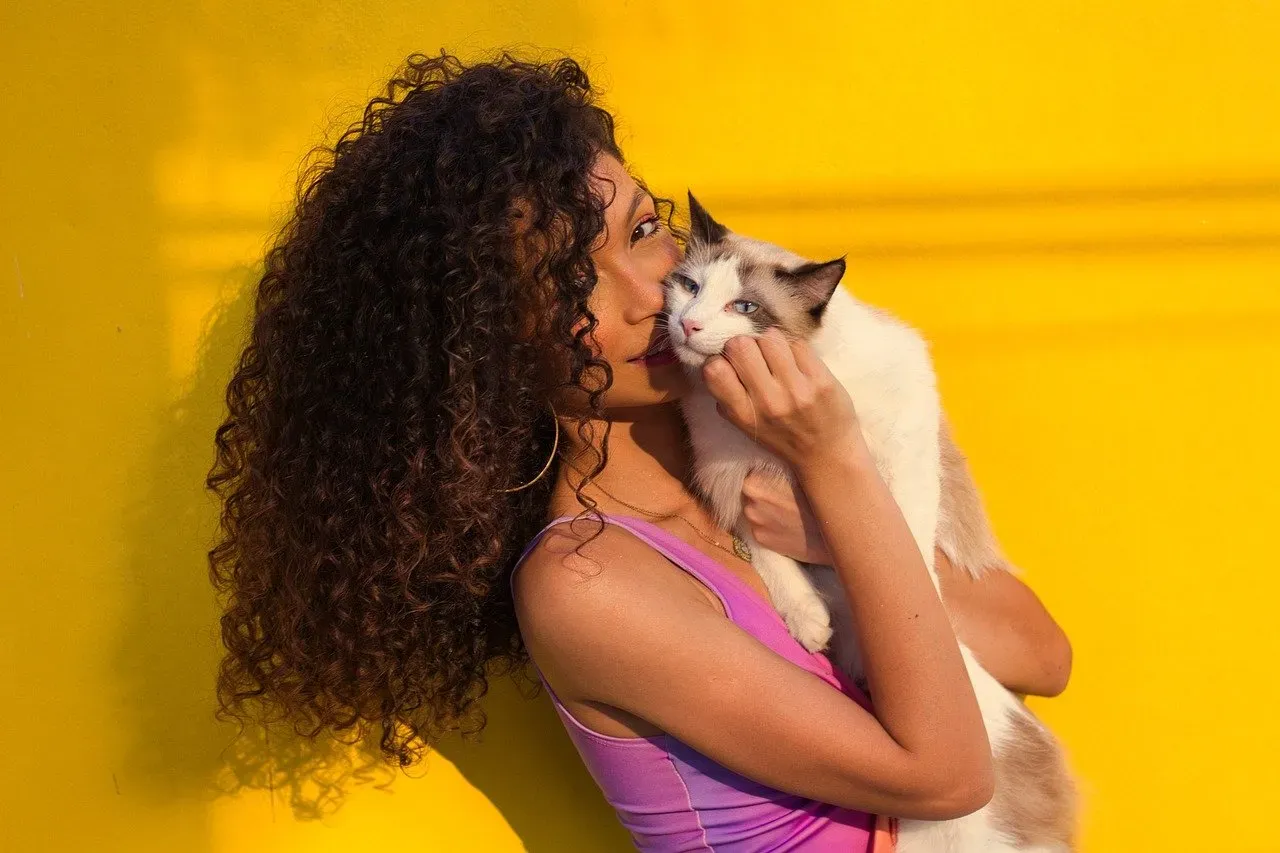
It is a persistent myth that cats don’t show their affection for people. While it’s true that some cats may not be as outwardly affectionate as other companion animals, they can be quite expressive. You just have to know what to look for and how to read a cat’s body language.
Cats show affection in lots of different ways. Perhaps your cat prefers rubbing against you, chirping, head-butting, or simply choosing to be near you. Choosing to be near you. Honestly, that one gets overlooked all the time. A cat that parks itself in the same room as you, every single evening, is saying something loud and clear.
Cats blink slowly as a form of nonverbal communication, often interpreted as a sign of trust and affection toward humans or other animals. Cats often communicate relaxation through a sequence of narrowing their eyes, holding them half-closed, and then blinking slowly. Researchers at the University of Sussex demonstrated that when humans mimic this behavior, cats are more likely to respond with their own slow blinks and even approach the person afterward. This suggests the slow blink is a social signal of safety and trust, the feline equivalent of a smile.
3. The First Weeks of Life May Have Already Set the Course
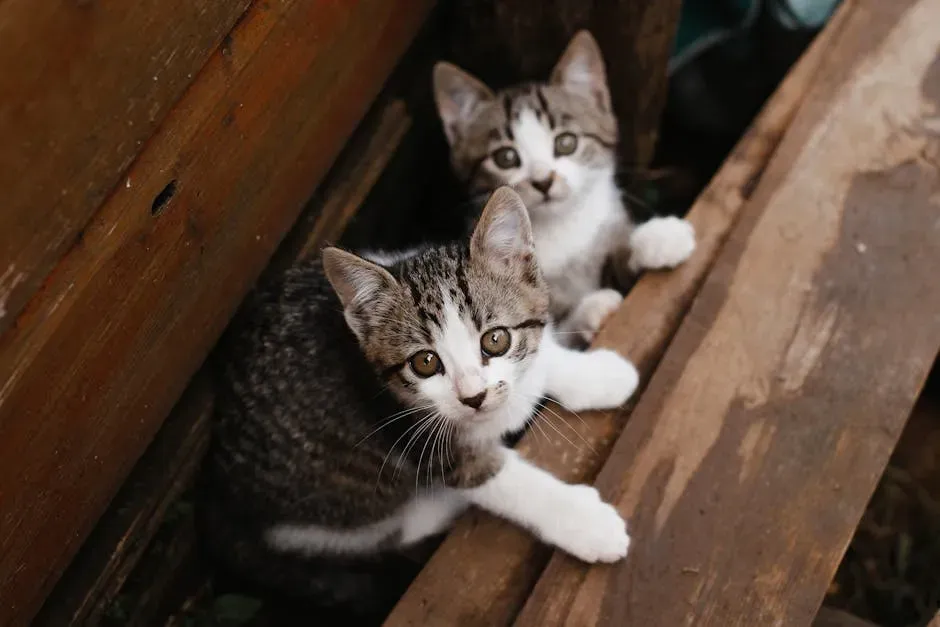
Here is something that surprises most cat owners. For cats, the socialization period occurs between 2 and 7 weeks of age but can extend up to 14 weeks. That is an incredibly short, incredibly powerful window. Miss it, and the consequences can echo throughout an entire lifetime.
Science shows that the window between 2 to 9 weeks of age is the most crucial time in a kitten’s life for social development. During this period, a kitten’s brain is especially plastic, meaning it’s rapidly forming new neural connections in response to experiences. What a kitten sees, hears, and touches during these few weeks leaves a lasting imprint on their emotional responses for the rest of their life.
If a kitten has no contact with humans during their socialization period, which is between 2 and 7 weeks of age, they may have trouble being affectionate later in life. It’s important to have contact with your future kitten as early as possible. Otherwise, the kitten may not be properly socialized. It is not cruelty. It is not spite. It is simply missed neurology.
4. Genetics Plays a Bigger Role Than Most Owners Suspect
I know it sounds strange, but your cat may have inherited their emotional distance the same way they inherited the color of their coat. Genetics provide the foundation for many aspects of a cat’s personality. Research shows that temperament traits are often inherited, meaning kittens can inherit their sociability, aggression, or playfulness from their parents.
Genetics, especially those of the father, play a strong role in a cat’s personality. What is wild about this is that the father rarely has any physical contact with the kittens at all. Turner et al. reported a father effect on the behavioral patterns of kittens associated with what one might call “friendliness to humans.” Since cat males have nothing to do with raising their kittens, this effect had to be genetic.
Genetics play a significant role in determining whether a cat will be a social butterfly or more reserved. Cats with confident, friendly parents are more likely to be outgoing themselves, whereas cats born to more anxious or aloof parents may inherit these traits. So if you adopted a cat with an unknown background, there is a real chance their reserved nature was literally written before they were born.
5. Science Confirmed It: Cats Really Do Form Deep Bonds
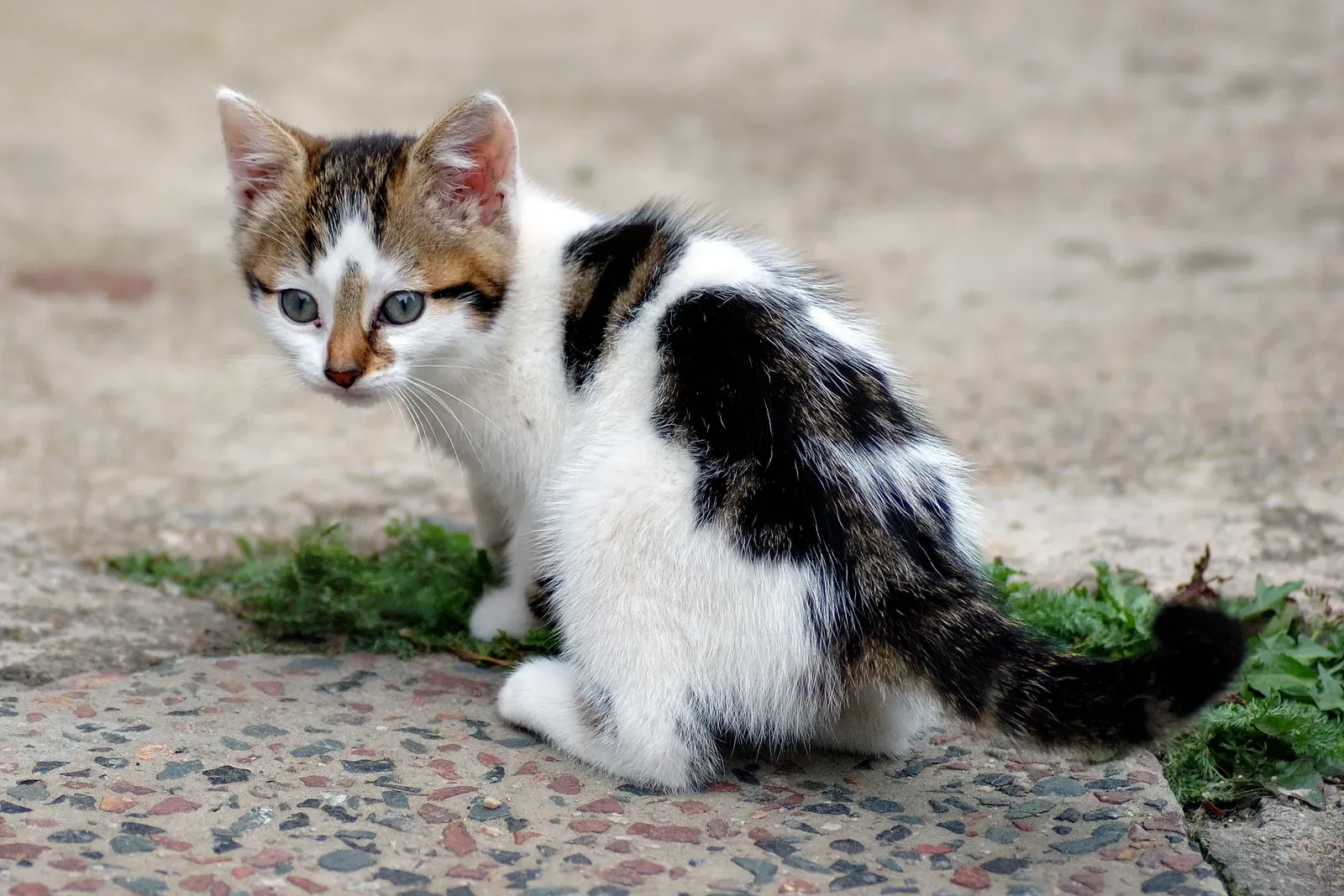
Cats have a reputation for being aloof and independent. A study of the way domestic cats respond to their caregivers suggests that their socio-cognitive abilities and the depth of their human attachments have been underestimated. The findings show that, much like children and dogs, pet cats form secure and insecure bonds with their human caretakers. This was a genuinely surprising result for many researchers when it was published.
Cats, like dogs and even human babies, can develop different kinds of emotional attachments to their owners, and these attachments have a noticeable impact on their lives, according to research published in Applied Animal Behaviour Science. Scientists discovered that a cat’s attachment style, categorized as secure, anxious, or avoidant, is linked to how they behave around their owners, how likely they are to exhibit problem behaviors, and even fluctuations in their levels of oxytocin, a hormone often associated with social bonding.
Securely attached cats initiated more interactions, showed more approach-hovering behavior and less escape attempts, and their owners exhibited less forced interactions in comparison with owners of insecurely attached cats. Hover-behavior. That thing your cat does where it sits just out of reach, watching you? That might actually be a form of closeness. A distant closeness, but closeness all the same.
6. Stress and Environmental Changes Can Shut a Cat Down Emotionally
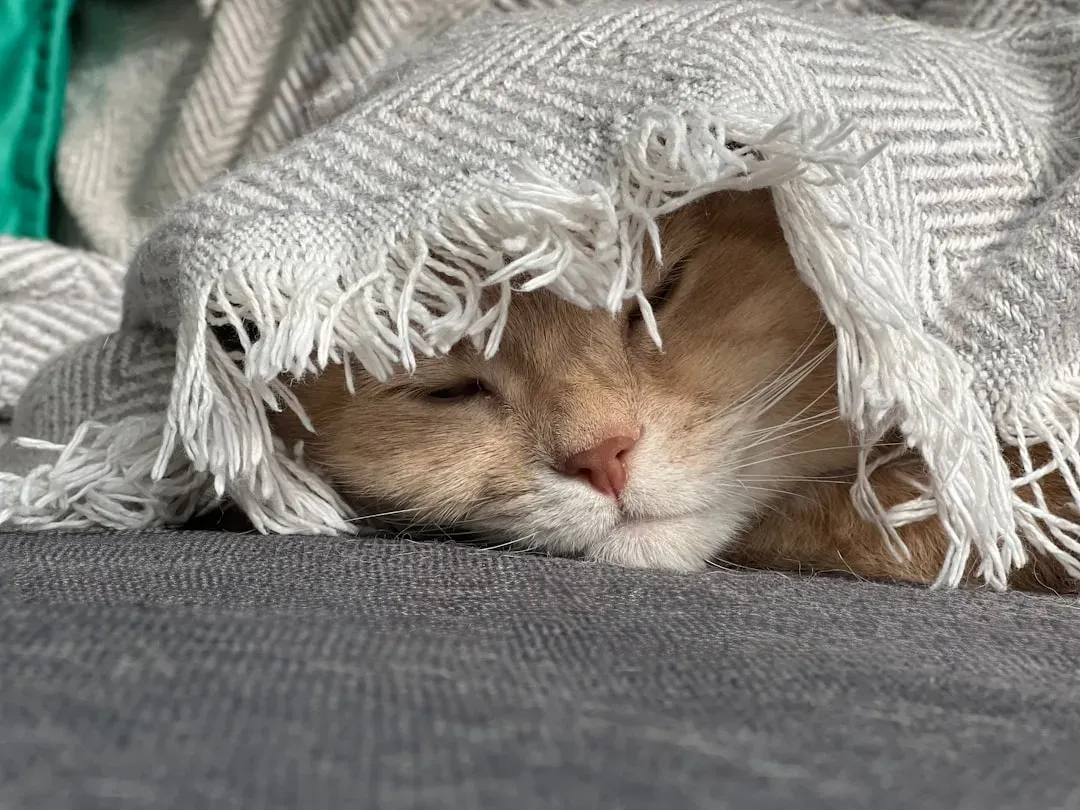
Sometimes the most frustrating part is watching a cat who used to be warmer suddenly become distant. Cats can experience stress due to changes in their environment. If anything causes them stress or anxiety, they may withdraw and hide, which can make them less likely to be affectionate.
Big things can disturb your feline and make them stressed. New pets and moving home fall into this category. However, your feline may also be affected by other smaller changes, such as loud noises, a change in litter or food, or renovations in your house. Think of how sensitive some humans are to disruption, and multiply that by a creature whose entire sense of safety is built on territorial familiarity. The disruption doesn’t have to be dramatic to be deeply felt.
If your cat was in your lap and something scared them, they may avoid your lap. It only takes one traumatic event for cats to suddenly be wary of something they’ve been doing for years. Rebuilding trust takes time and patience. One single incident. That is all it takes to reset weeks or months of earned closeness.
7. A Cat’s Apparent Coldness Can Actually Be a Health Signal
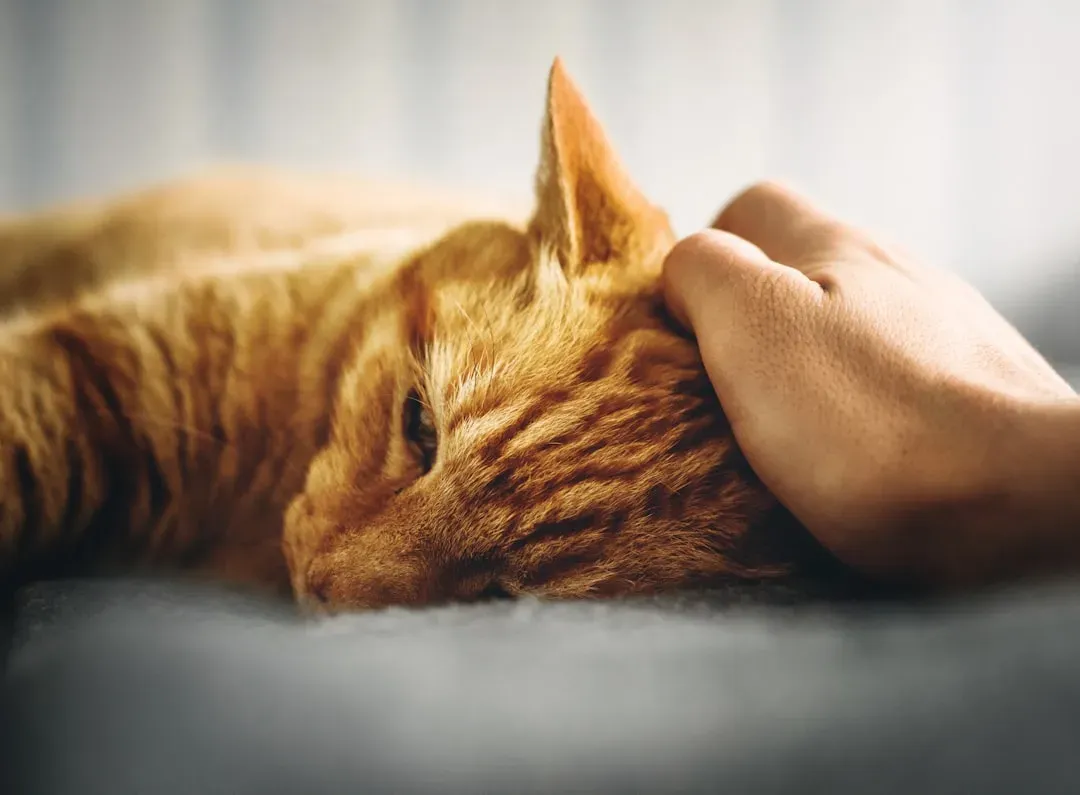
This is the one that people most often miss, and honestly, it can be genuinely dangerous to overlook. Cats are very good at hiding their illnesses. In the wild, any sign of illness may have led to attacks from predators, so cats evolved to hide their illnesses as much as possible. So what looks like emotional withdrawal can sometimes be something far more urgent.
Cats can be sensitive creatures and may react negatively to things that we don’t even realize happened, changing their behaviors due to stress or anxiety. Health issues of all sorts, as well as pain, can also cause changes in behavior, including your cat’s affection levels. If a typically neutral cat suddenly seems even more withdrawn, a veterinary check is worth taking seriously.
As cats age, they tend to be less active and playful and spend more time resting. This might result in acting less affectionate. Kittens are exceptionally active and bond very closely with their owners. However, as they age, they naturally don’t need as much attention as they once did. Aging alone can explain a lot of the emotional distance owners notice over time. It is biology, not betrayal.
8. The Way You Interact May Be Reinforcing the Distance
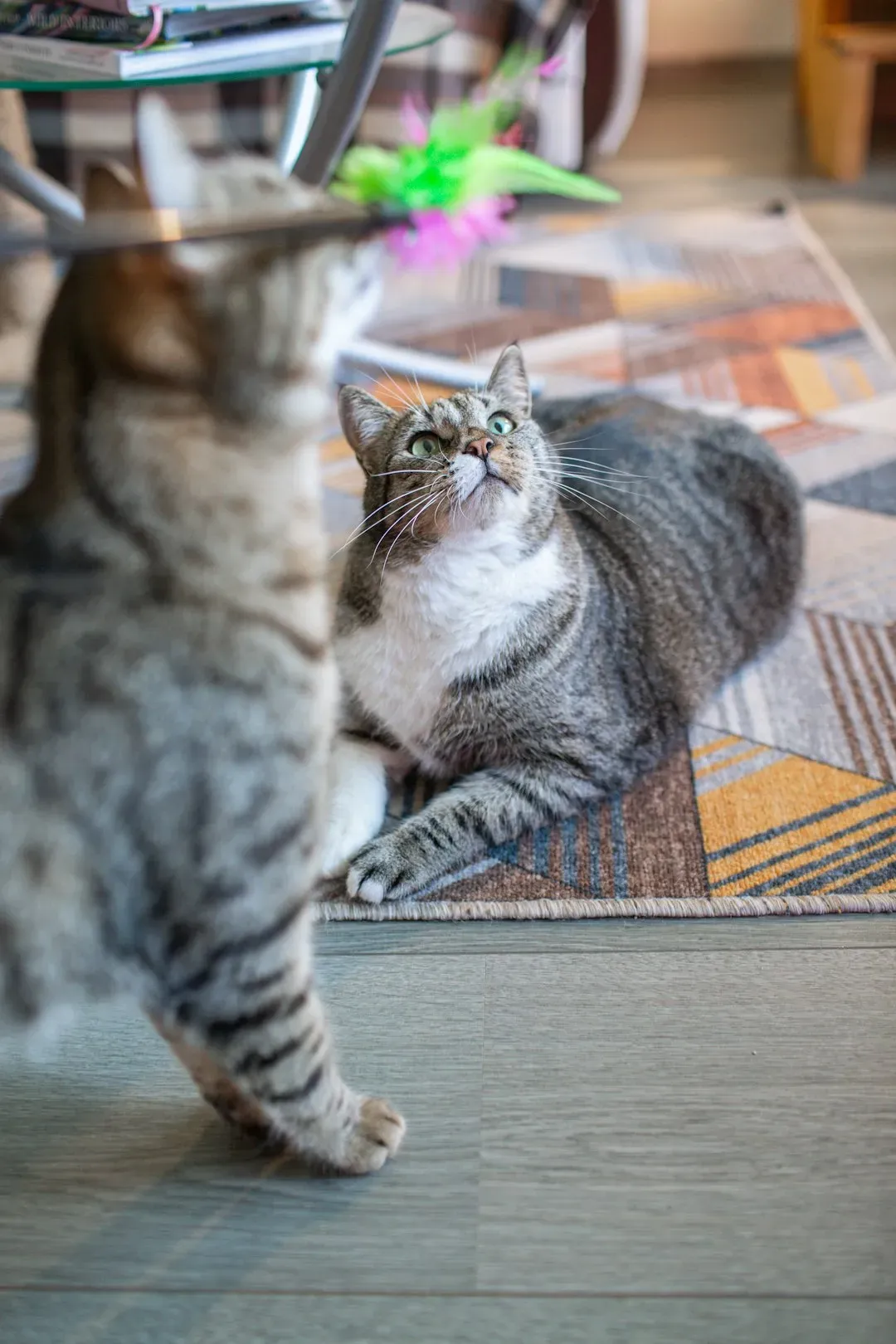
Here is the uncomfortable truth. Some of what feels like a cat’s coldness is actually a response to human behavior. Most reported cat bites are the result of cat defensive responses to human provocation or mishandling, with one study finding that aggression towards humans functioned to enable escape from petting. Escape from petting. Think about that the next time you reach for a reluctant cat.
Recent research has shown that cats are more socially intelligent than previously thought. They can understand human emotions and cues, and even recognize their owners’ voices. This suggests that the way owners interact with their cats could have a big impact on the cat’s behavior. Your mood, your energy level, and your approach all register with your cat on a level most owners never fully appreciate.
A cat poorly socialized to people as a kitten requires a great deal of positive experience to accept a new person, but very little negative experience with a person to confirm its wariness and fear of people. The asymmetry is stark. Building trust is slow. Breaking it is fast. That reality demands a certain kind of patience.
9. You Cannot Force It, but You Can Earn It
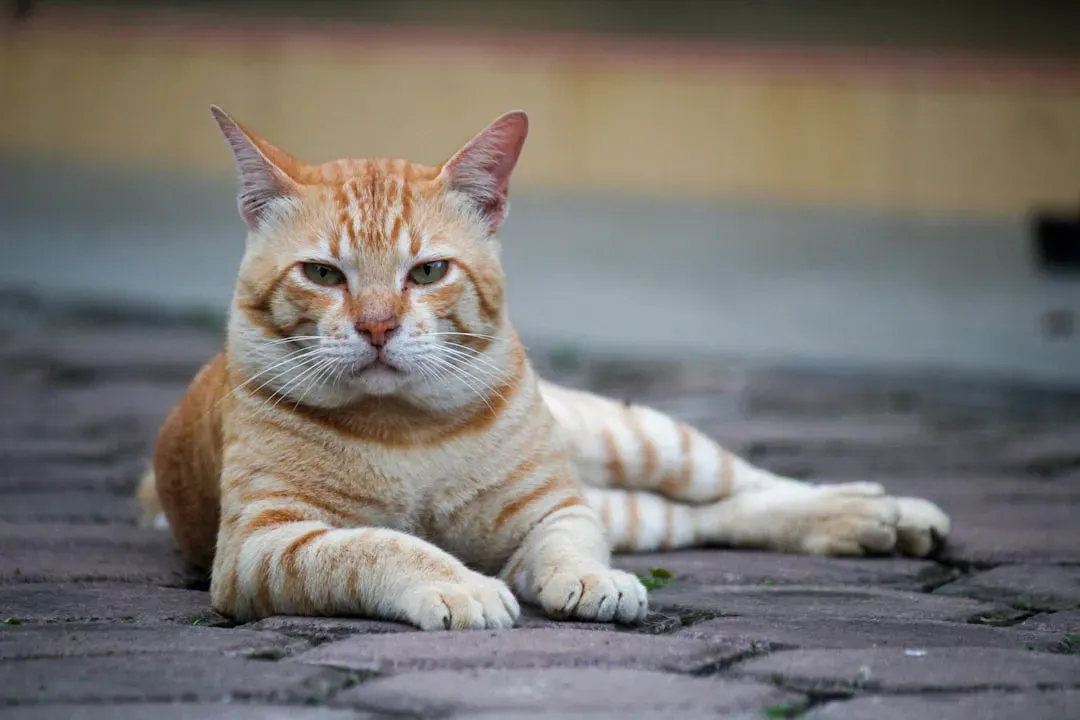
Honestly, this is probably the most important thing on this entire list. There is no shortcut. Adult cats can also be socialized, thanks to the brain’s neuroplasticity. With patience and positive reinforcement, even cats with challenging pasts can develop into well-adjusted companions. The brain remains, at least partially, capable of rewiring. That is real hope, grounded in biology.
Early studies evaluating the effect of kitten handling on subsequent behavior showed that handling by multiple people for as few as 5 minutes a day can have lifelong benefits, especially if done prior to 7 weeks of age. For adult cats that missed this window, the process is slower, but the principle is the same. Small, consistent, low-pressure interactions accumulate over time into something meaningful.
There are many different factors that influence a cat’s personality and tendencies toward affection, not just whether they show it, but how. While you can encourage affectionate behavior from your cat, regardless of gender, it’s also important to accept them as they are, as a product of their genetics and experiences. Acceptance and effort are not opposites. You can hold both at the same time.
10. The Bond Is Still Real, Even When It Looks Like Nothing at All
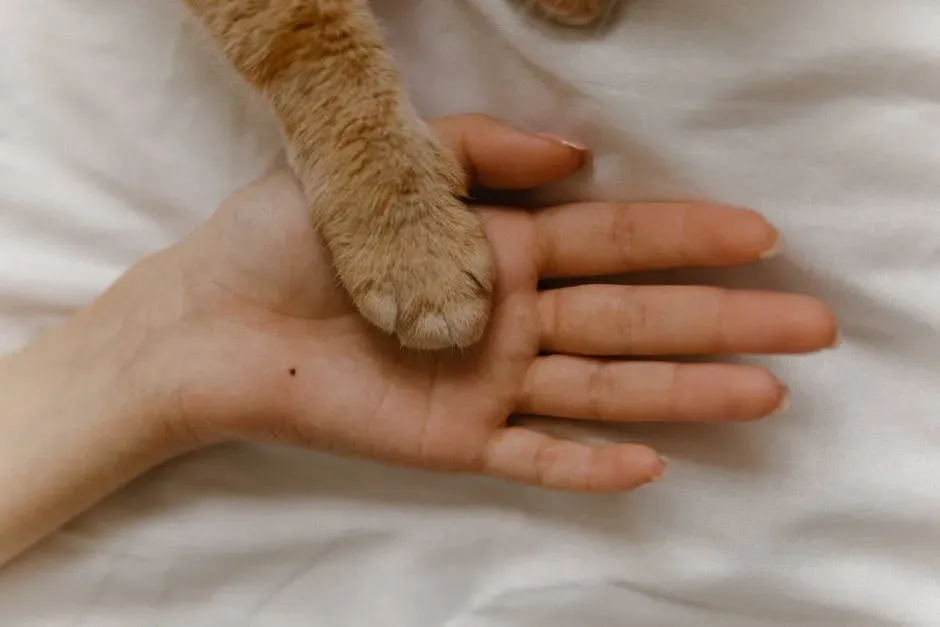
Numerous studies have found evidence that cats don’t love us back in the same way dogs do, and will make us work for their affections. That word, “work,” is actually quite beautiful when you reframe it. Anything genuinely earned tends to mean more. A dog’s enthusiasm is wonderful, but a reserved cat voluntarily sitting a few feet closer than yesterday? That is its own kind of extraordinary.
Cats are incredibly popular pets, with their numbers growing rapidly in many parts of the world. A good relationship between a cat and its owner is beneficial for both, contributing to their physical and mental well-being. The bond matters to the cat, even when every behavioral signal seems to argue otherwise. The research is consistent on this point across many studies.
Temperament or past history might make it more difficult for a feline to form a secure attachment, even with a warm and responsive person. That is not a reason to give up. It is simply a reminder that loving a distant cat is a specific, quiet kind of devotion. You are not being rejected. You are being trusted, on their terms, at their pace. And if you can live with that, you might just find the whole thing deeply rewarding.