11 Signs Your Parents Are Struggling at Home More Than They Admit
It’s one of those shifts that sneaks up on you. You visit your parents for the holidays, maybe help out with a few errands, and everything seems fine on the surface. Conversations feel familiar, routines appear normal. Then something catches your eye. A bruise they can’t quite explain. Bills piled on the kitchen counter. The fridge filled with expired food.
Most of us don’t want to believe our parents might be struggling. They’ve always been the ones taking care of everyone else, right? Admitting something’s changed feels uncomfortable, even painful. Sometimes they hide it because they’re embarrassed or afraid of losing their independence. Other times, they genuinely don’t realize how much harder things have become. Recognizing the signs early can make all the difference in ensuring they get the support they need before a crisis happens.
Unexplained Bruises or Falls They Brush Off
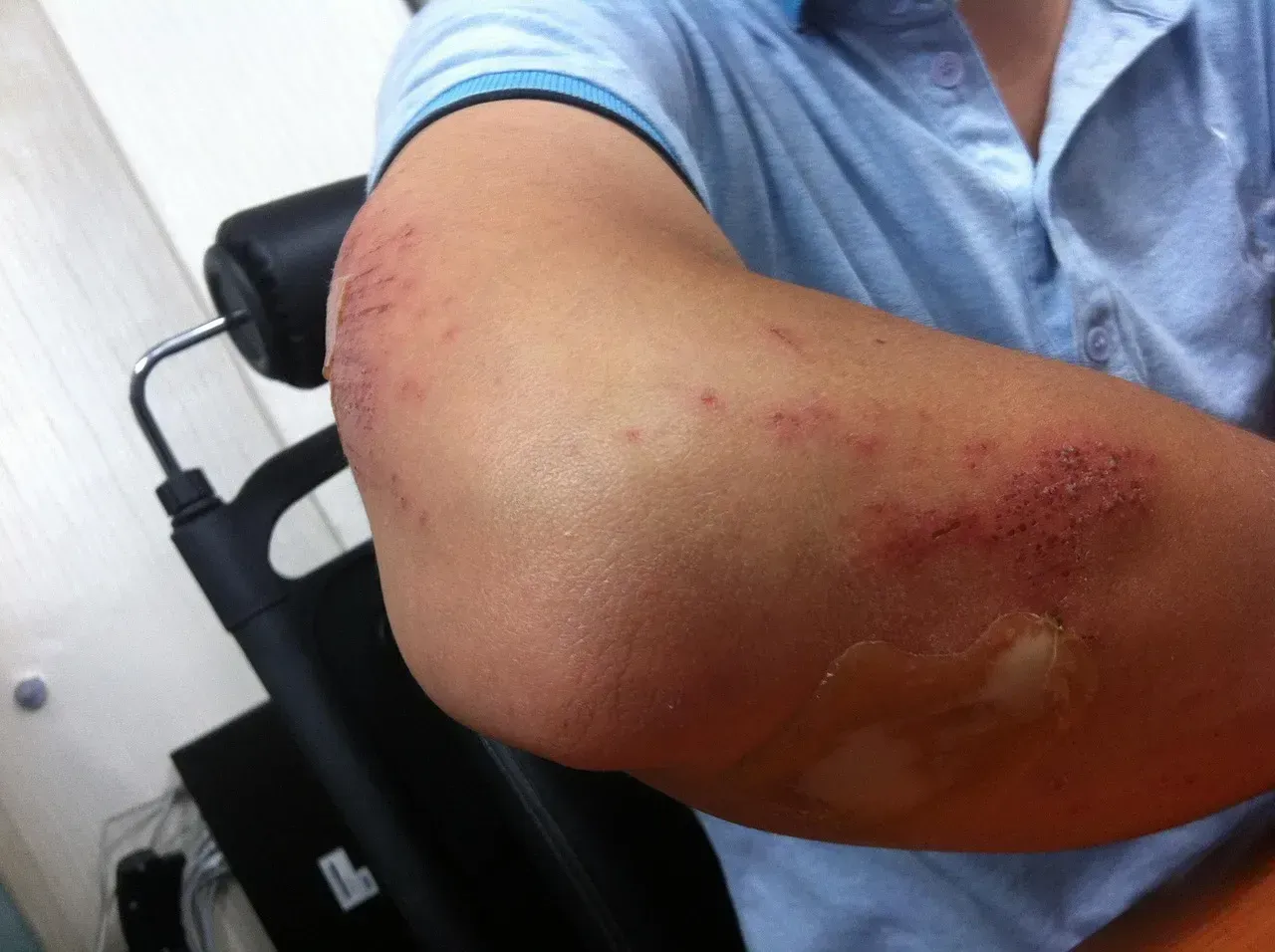
Fall-related deaths among seniors rose 70% between 2005 and 2023, which is frankly terrifying. Your mom mentions “almost falling” while getting out of the shower, or your dad has a mysterious bruise on his shin he can’t quite explain. One out of every three seniors falls each year, and every 11 seconds, an older adult is treated in an emergency room for a fall. Most concerning? Many seniors don’t tell their doctor when these incidents happen because they fear it might mean losing their ability to live independently. If your parent is suddenly more unsteady on their feet or you notice multiple bruises appearing, it’s time to have a conversation about mobility and home safety modifications.
The House Looks Different Than You Remember

Walk into your childhood home and really look around this time. The majority, 55 percent, of fall injuries among older people occurs inside the home and an additional 23 percent happen outside, but near the house. Is there a layer of dust on surfaces that used to be spotless? Dishes piling up in the sink? Maybe the lawn hasn’t been mowed in weeks, or that broken fence has been left unrepaired for months. These aren’t just signs of laziness. When housekeeping standards slip dramatically for someone who always took pride in their home, it often signals that physical or cognitive challenges are making basic maintenance overwhelming. The environment itself becomes a window into their daily struggles.
Weight Changes You Can’t Ignore

Your parent seems thinner than the last time you saw them. When you check the refrigerator, you find wilted vegetables, expired milk, or barely any food at all. Preparing meals requires planning, shopping, standing for extended periods, and coordinating multiple tasks. Unintentional weight loss or poor nutrition is often a sign that your aging parent is not eating properly, and if your parent needs help with meal preparation or grocery shopping, home care options can ensure they receive nutritious meals regularly. Sometimes it’s physical limitations making cooking difficult. Other times, cognitive decline means they forget to eat or can’t remember if they’ve already had lunch.
Money Matters Are Getting Messy

Elder fraud losses in 2024 were reported to amount to $4.885 billion in 147,127 complaints, according to the FBI. Look for piles of unopened mail, missed bill payments, or unusual purchases that don’t make sense. Your financially savvy parent who always balanced their checkbook to the penny is suddenly overdrawing their account or falling for obvious scams. This can indicate cognitive decline affecting judgment and decision-making abilities. Financial mismanagement often appears before other more obvious symptoms, making it an early warning sign that shouldn’t be dismissed as simple forgetfulness.
Personal Hygiene Has Taken a Backseat
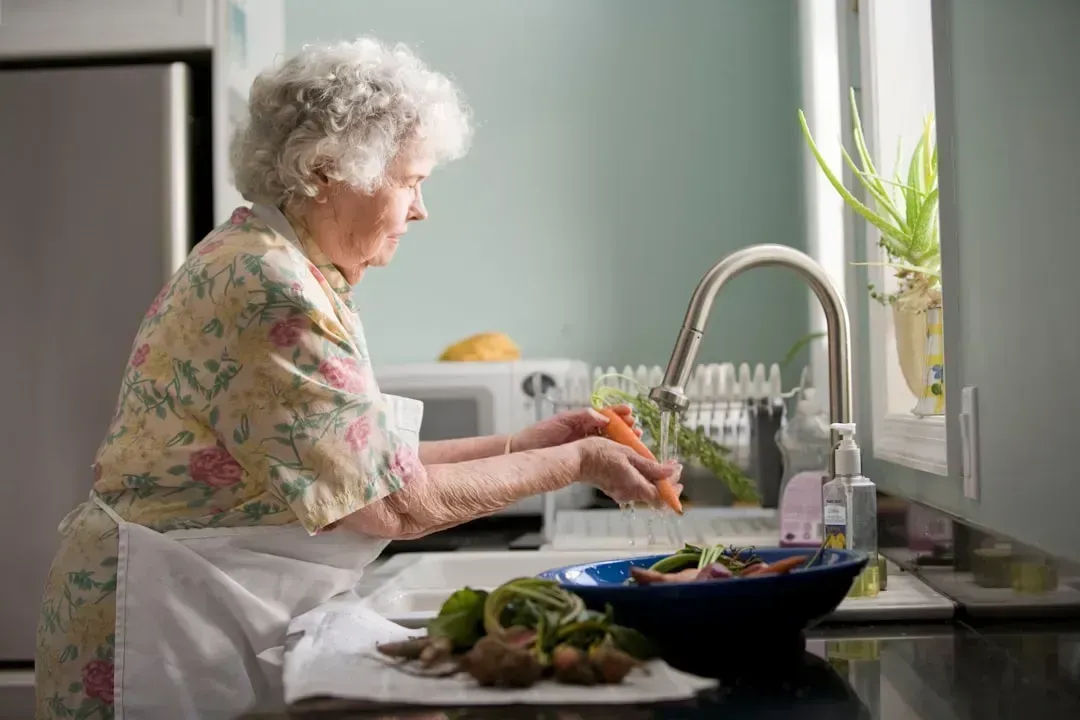
Your parent who always looked put-together now has unwashed hair, body odor, or is wearing the same clothes multiple days in a row. It feels awkward to notice, let alone mention. Neglecting personal care often signals depression, cognitive issues, or physical limitations making bathing and grooming too difficult. Significant changes in memory, weight, or hygiene can be signs that an elderly parent could benefit from professional assistance. Showering requires balance, getting dressed demands coordination, and both become genuine challenges as mobility decreases or confusion sets in.
Medication Mistakes Are Happening

You find pill bottles that should be empty still mostly full, or discover they’re taking medications at the wrong times. Perhaps they can’t remember if they already took their morning dose and accidentally double up. Proper medication management becomes increasingly complex with age as prescriptions multiply. One study found that medication errors are a leading cause of hospital admissions among older adults. Missing doses or taking too much can have serious health consequences, and difficulty managing medications independently is often one of the clearest indicators that daily living tasks are becoming unmanageable.
Social Life Is Shrinking

Your parent used to have a busy social calendar filled with bridge club, church activities, and coffee dates with friends. Now they rarely leave the house and make excuses when invited out. Older adults are more likely to experience depression if they have serious health problems or are severely limited by their health and can’t perform their daily activities without help. Social withdrawal can stem from mobility issues making outings physically exhausting, hearing loss causing embarrassing communication difficulties, or depression quietly taking hold. Isolation creates a vicious cycle where reduced social engagement accelerates cognitive decline.
Driving Seems More Dangerous
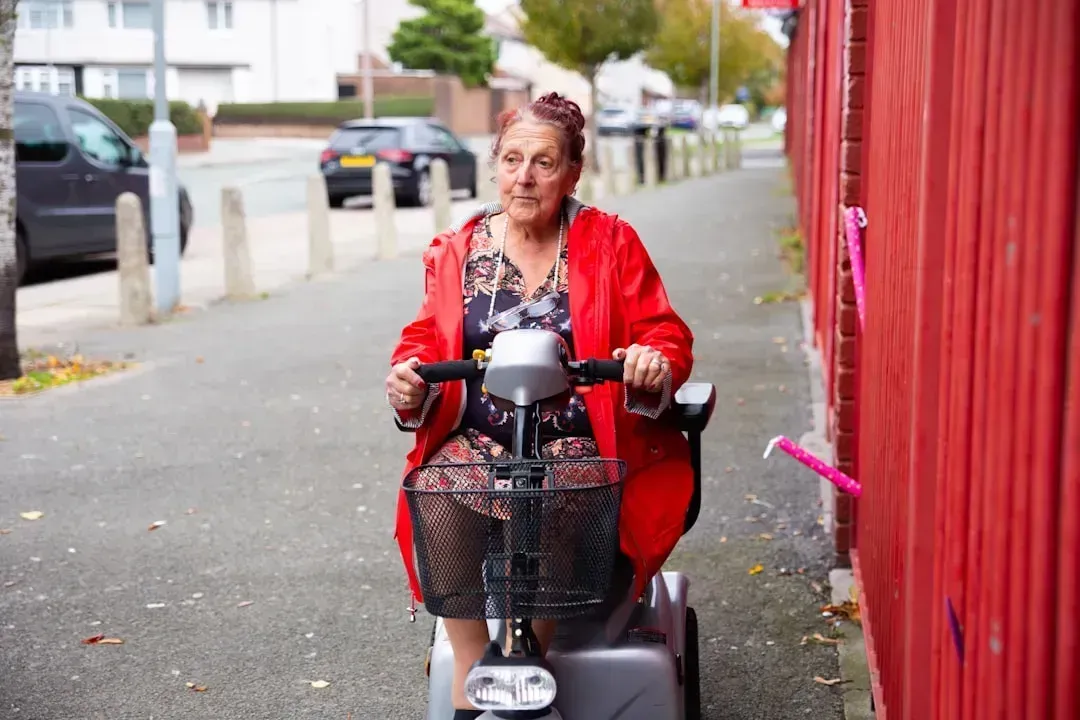
Maybe you notice new dents and scratches on the car they can’t explain. Or they get lost driving to familiar places, miss stop signs, or seem confused about basic traffic rules. Concerning signs may come up when a person is driving, for instance, and other worrisome signs may be if someone is not able to distinguish a financial scam. Giving up driving represents a massive loss of independence, which is why many seniors resist addressing the issue even when it becomes unsafe. Cognitive decline, slower reaction times, and vision problems all contribute to increased driving risks that put them and others in danger.
Personality Shifts You Didn’t See Coming

Significant mood shifts, such as increased irritability, depression, or anxiety, often accompany cognitive decline, and a person may become confused, suspicious, or fearful. Your normally pleasant parent becomes easily agitated, paranoid about neighbors, or unusually withdrawn. These changes aren’t just them “getting cranky in old age.” Personality and mood alterations can signal underlying conditions like dementia, depression, or even untreated pain. When someone who was always social suddenly becomes reclusive, or a gentle person develops aggressive tendencies, these behavioral shifts deserve medical evaluation.
They’re Making Excuses for Everything

When you ask about that bruise, they wave it off. When you mention the messy house, there’s always a reason why they haven’t gotten to it yet. They insist they’re fine even when evidence suggests otherwise. This denial often comes from fear rather than dishonesty. Many older people feel ashamed or guilty about no longer being able to live optimally on their own, while other seniors deny or don’t even realize that living alone is more than they can handle. They worry that admitting struggles will lead to losing their home and independence, so they minimize problems and hide difficulties.
Medical Appointments Keep Getting Missed
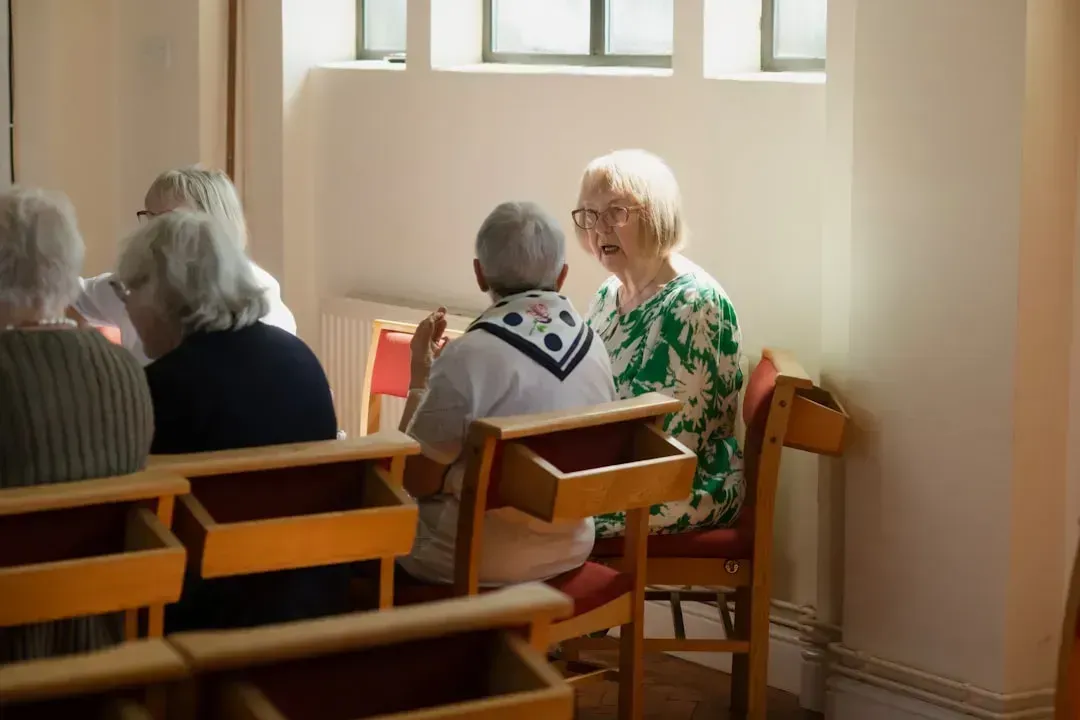
Your parent forgets doctor appointments or “just didn’t feel like going” to scheduled checkups. They stop refilling prescriptions on time or claim they don’t need to see the doctor for that persistent cough. Missing medical care can rapidly accelerate health decline, especially when chronic conditions go unmanaged. This pattern often indicates difficulty keeping track of schedules, transportation challenges, or cognitive issues affecting their ability to manage their own healthcare. When preventive care falls by the wayside, small health problems become serious crises.
About a quarter of U.S. adults are now part of the so-called sandwich generation, according to a Pew Research Center survey conducted in October 2021, and these are adults who have a parent age 65 or older and are either raising at least one child younger than 18 or providing financial support to an adult child. If you’re reading this and recognizing multiple signs, you’re not alone in facing this difficult situation. The conversation about getting help doesn’t mean taking away their independence. It means ensuring they can continue living safely with the right support systems in place. Whether that’s arranging home care services, making safety modifications, or exploring other living arrangements, acting on these warning signs can prevent a crisis and protect their quality of life for years to come. What changes have you noticed that made you realize your parents needed extra support?