10 Behaviors Cats Develop When They Feel Safe Around You
Cats have a reputation for being mysterious, emotionally guarded, and stubbornly independent. Honestly, it’s a reputation they’ve earned. Unlike dogs, who will throw themselves at a stranger within seconds, cats take their sweet time deciding who deserves their trust. It’s almost like dating. They watch, they assess, they test – and only then, if you pass, do they let you in.
The thing is, once a cat genuinely feels safe around you, something remarkable happens. Their behavior shifts in ways that are subtle, beautiful, and backed by actual science. You don’t have to guess. The signals are there if you know what to look for. Let’s dive in.
1. The Slow Blink That Says Everything
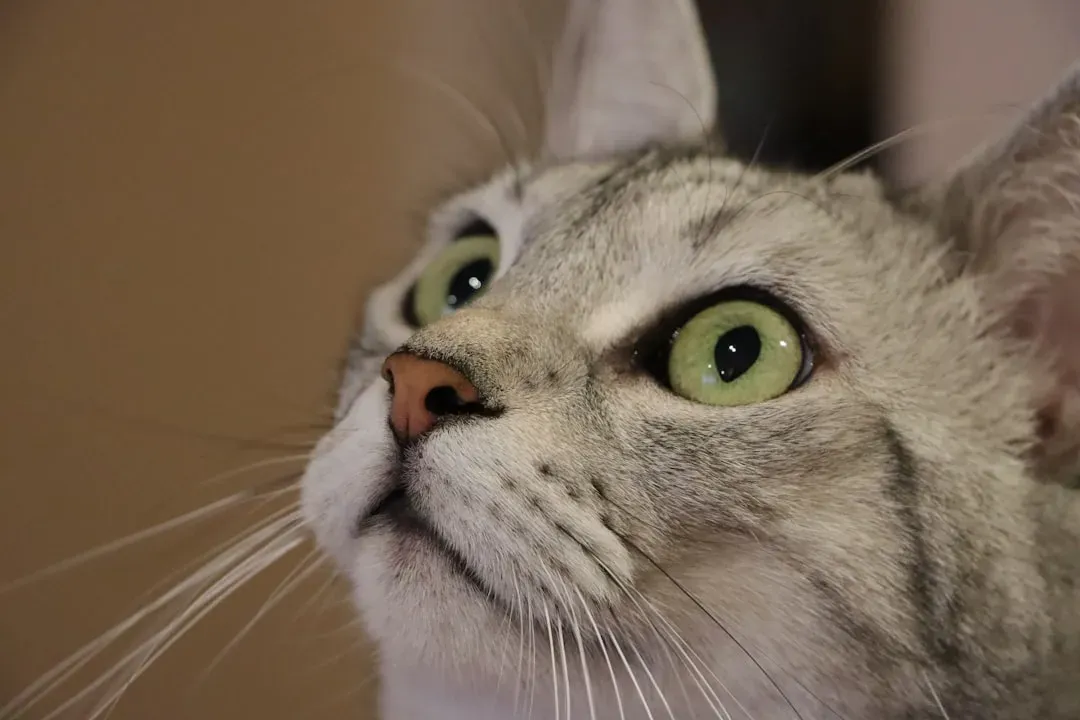
Few things in the animal kingdom feel as quietly intimate as a cat locking eyes with you and then slowly, deliberately, closing those eyes. It feels almost ceremonial. Scientists have studied this behavior extensively – it’s called the slow blink sequence, and it typically involves a series of half-blinks followed by either a prolonged eye narrowing or a full eye closure.
In a landmark study, cat half-blinks and eye narrowing occurred more frequently in response to owners’ slow blink stimuli toward their cats. In a second experiment, cats had a higher propensity to approach an experimenter after a slow blink interaction compared to when the experimenter adopted a neutral expression. In other words, the slow blink is a two-way conversation.
When your cat narrows their eyes around you, they’re signaling vulnerability. Closed eyes mean “I don’t need to watch you for threats.” It’s the same reason cats expose their belly to trusted humans – it demonstrates they feel safe.
Collectively, research suggests that slow blink sequences may function as a form of positive emotional communication between cats and humans. Think of it as a feline “I love you” – delivered without a single word.
2. Kneading on You Like You’re Home
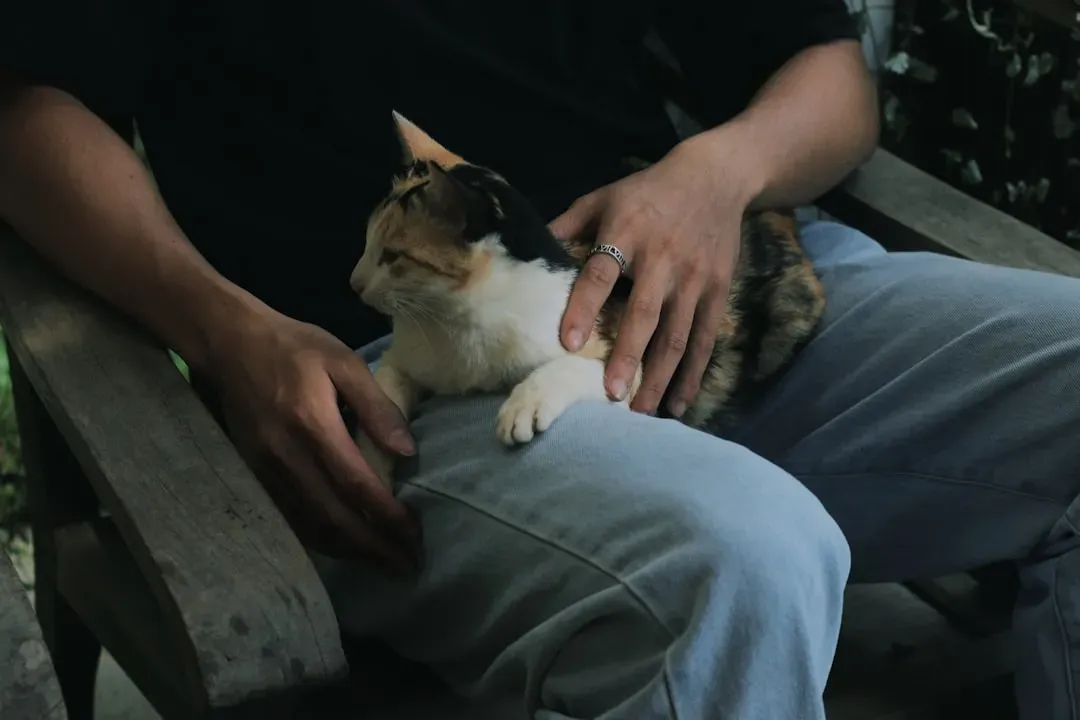
If your cat climbs onto your lap, closes their eyes, and starts rhythmically pushing their paws in and out, congratulations. You’ve just been officially adopted. When your cat kneads and purrs, it’s a clear sign that they’re feeling content and secure. This behavior originates from kittenhood when nursing kittens instinctively knead their mother’s bellies to stimulate milk flow. Even as adults, cats retain this comforting motion, often when they are relaxed or feeling affectionate.
A cat that hops onto your lap, relaxes its muscles, closes its eyes and starts kneading is signalling trust. You are being folded into the same mental category as a safe nest. If the animal purrs loudly, drools a little and stretches its toes, it is likely feeling deeply secure.
Cat paws contain scent glands that release pheromones – chemical markers that other cats can detect. Each time your cat presses its paws into a blanket or your jeans, it leaves tiny invisible “signatures.” These signals don’t scream dominance. Instead, they say: “This place is safe. This is part of my familiar space.” Scientists link this kind of marking with lower stress levels in domestic cats.
Research suggests that oxytocin levels surge when cats engage in affectionate behaviors like kneading and purring. Endorphins also come into play, producing feelings of relaxation and contentment in cats. There’s actual chemistry happening when your cat kneads on you – the warm, bonding kind.
3. Headbutting You With Pure Affection
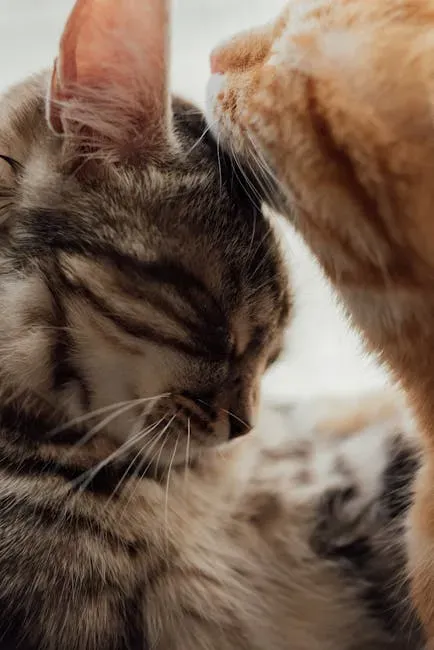
There are few things more surprising than a small furry creature launching their face into yours. But before you panic – relax. Cats that bump heads with you aren’t angry or being aggressive; in fact, they’re more than likely doing it as a sign of affection. Scent glands are on a cat’s cheeks, forehead, and chin, and when they bump heads with you, they release pheromones they use to mark territory, express trust, and more.
Headbutting is a comforting, trusting behavior. It means they feel safe and relaxed with you, and even emotionally connected. It’s a highly vulnerable move. When you understand that a cat’s head is a genuinely vulnerable body area, the gesture becomes all the more touching.
Bunting in domesticated and wild cat species has olfactory roots and a range of uses which include mother-young association bonds, greeting and welcoming of kin, diffusing potential aggression in social environments, and distributing scent on areas to cultivate familiarity. So when your cat headbutts you, they’re essentially weaving you into their emotional world.
4. Purring in Your Presence
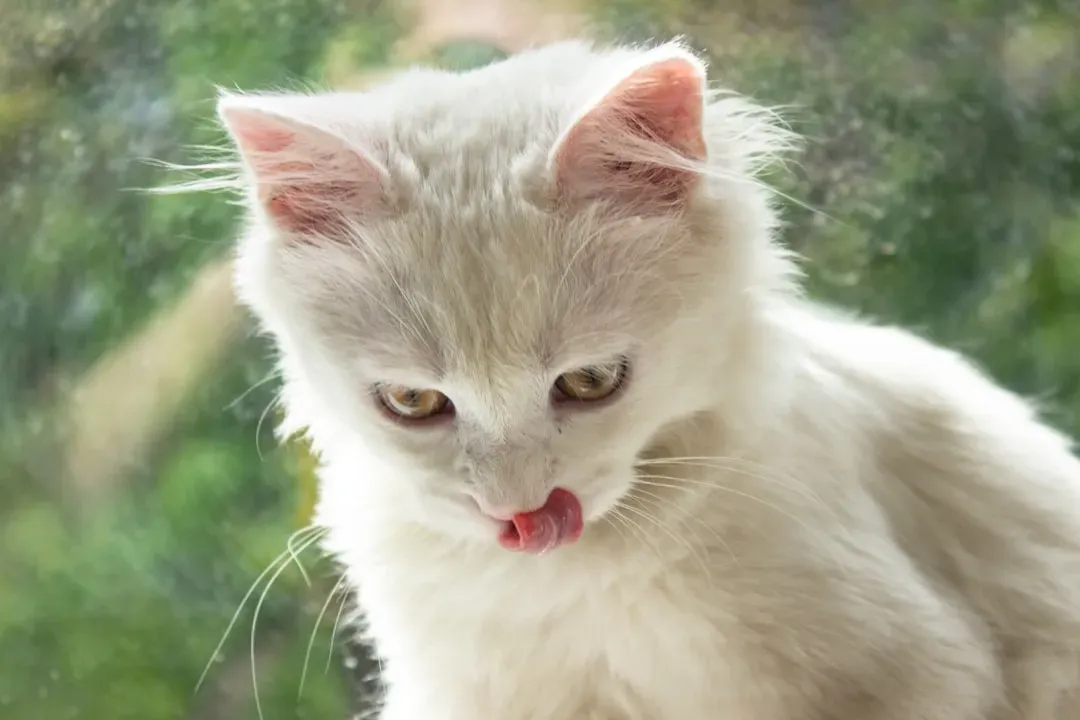
That warm, rolling rumble coming from your cat’s chest is arguably one of the most soothing sounds in existence. Purring is created by rapid, rhythmic contractions of muscles in a cat’s larynx. These movements cause the vocal cords to vibrate as your cat breathes in and out. Unlike many animal sounds, purring occurs during both inhalation and exhalation, creating that smooth, continuous rumble.
Many cats purr when they feel safe, relaxed, and happy. In these moments, purring can be a clear sign your cat is comfortable in their environment and enjoying the interaction. It’s a bit like a human sigh of relief or a relaxed smile.
According to studies from the University of California, Davis School of Veterinary Medicine, a cat’s purr typically vibrates at frequencies between 25 and 150 Hz – the same range known to promote bone healing, muscle repair, and pain relief in both animals and humans. That means purring serves a dual purpose: it expresses comfort while potentially promoting self-healing. Honestly, that’s remarkable.
Purring also plays a role in building trust and connection. When your cat purrs near you, it may reinforce the sense that you are safe to be around. That shared calm can deepen your bond over time.
5. Exposing Their Belly to You
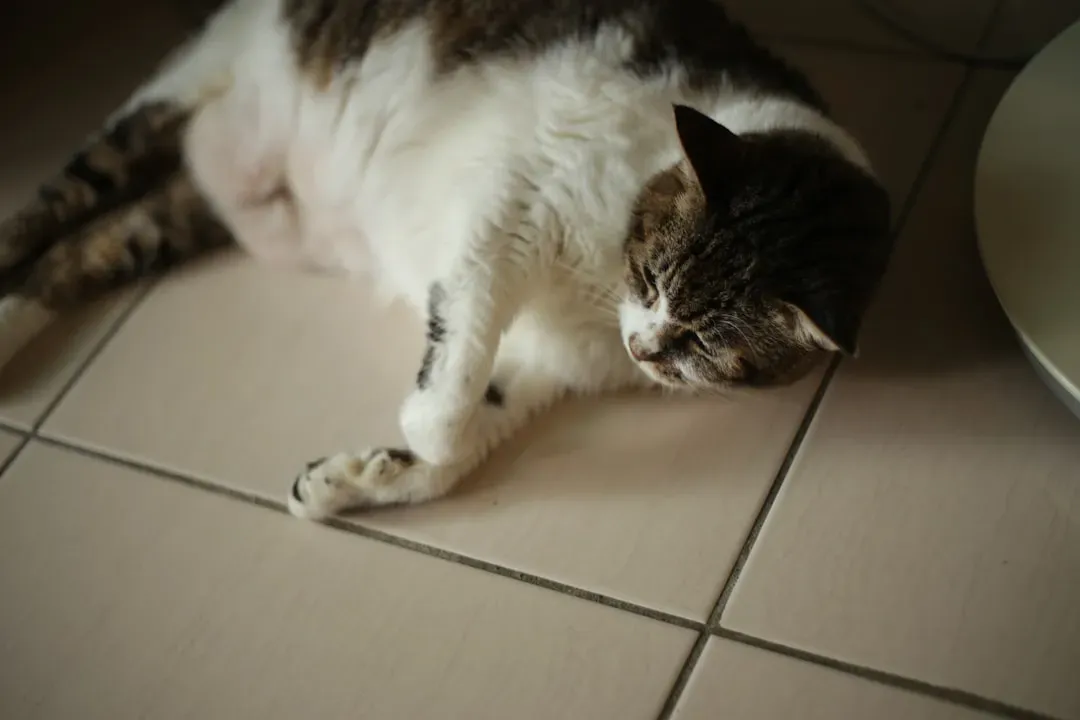
Let’s be real – the cat belly is one of life’s greatest traps. It looks impossibly soft and inviting, and yet touching it without permission can result in consequences. Here’s the thing though: the very act of your cat rolling over and showing you that belly at all is a massive compliment. When a cat stretches out, they’re voluntarily exposing themselves – this shows that they don’t feel threatened.
Think about this from a survival perspective. In the animal world, exposing your belly is one of the most vulnerable things you can do. It’s the region where vital organs live. It’s the same reason cats expose their belly to trusted humans – it demonstrates they feel safe. A cat that rolls belly-up in front of you has essentially decided you pose zero threat to their existence.
If a cat flops over to expose her belly, she may be showing she’s relaxed and is showing that she trusts you, and the home you’ve provided. Some cats will want a belly rub, others just want you to appreciate the gesture. Learning which kind yours is? That’s a relationship milestone in itself.
6. Sleeping Near You or on You

Sleep is the ultimate vulnerability. No animal willingly dozes off next to something it considers a threat. So when your cat curls up on your lap, at your feet, or pressed against your side at night, you should feel genuinely honored. Cats are vulnerable when sleeping, so sleeping near or on you shows deep trust.
If your cat enjoys stealing the covers at night, you’ll be happy to know it’s their way of showing that they feel safe. It isn’t just about warmth, either. Cats are instinctively cautious sleepers. They choose their sleeping spots with intention.
Such socialized cats show what might be called “friendliness to humans,” which in turn affects human attachment to the cat. Sleeping together is perhaps the most honest expression of this mutual comfort. It’s a quiet, unconscious declaration that says “I trust you enough to be unconscious around you.” That’s really something.
7. Following You From Room to Room
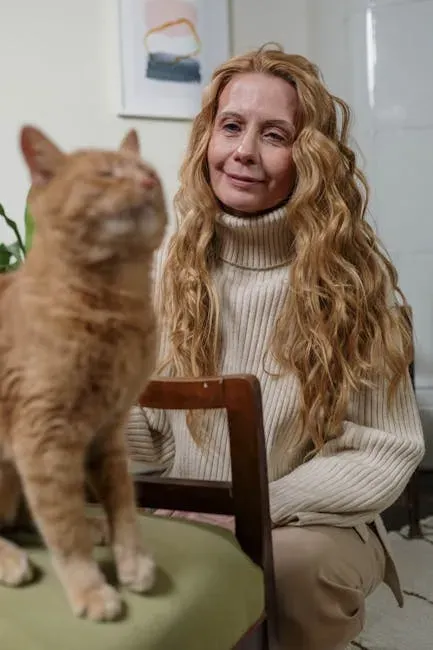
You go to the kitchen. Your cat follows. You move to the bedroom. Your cat is already there. You head to the bathroom and – yes – a small paw appears under the door. It can feel absurd, but this behavior carries real meaning. Cats seek your company when bonded, showing curiosity or affection when following you around.
If your cat is clingy and always wants to be around you, then that’s a strong sign they’ve imprinted on you. They’ll follow you around the house, make noises at you, sleep with you, and just generally be obsessed with you. It can feel like being shadowed by a tiny, fluffy supervisor – but the sentiment is pure.
Following you is a sign your cat is bonded to you, indicating they seek your company and feel safe. It’s a common way cats express attachment. For animals that are wired to be independent and territorial, this kind of proximity-seeking is genuinely meaningful behavior.
8. Grooming in Your Presence or Grooming You
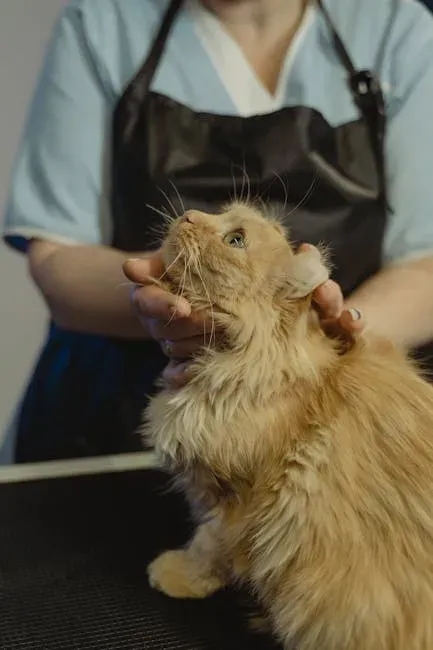
When a cat settles in beside you, licks a paw, and begins grooming as if you aren’t even there, that is a profoundly positive sign. Grooming is deeply self-exposing behavior. An anxious or threatened cat simply will not groom. Grooming near you signals relaxation and acceptance.
Even more significant is when a cat grooms you directly – licking your hand, your arm, or even your hair. Licking mimics grooming within a social group, a clear bonding behavior. It shows your cat views you as family, reinforcing trust and affection. In the feline world, mutual grooming, known as allogrooming, is a social behavior reserved for cats that share a strong bond.
A study on socialization of cats in shelters found that when socialized cats were allowed a few days to relax at the shelter and show their true colors, they had unique behaviors that unsocialized cats never displayed around people. Grooming in someone’s presence was among those distinguishing behaviors. It’s a biological green light – the cat’s nervous system has decided it’s okay to be vulnerable.
9. Greeting You at the Door With a Raised Tail
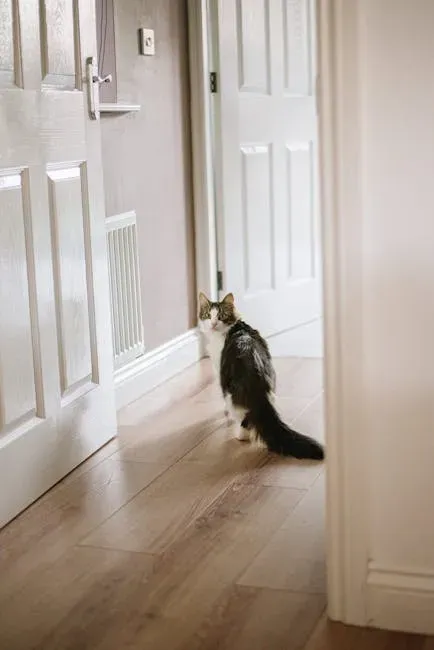
You walk through the front door after a long day. Your cat, who has probably been sleeping for hours, materializes as if by magic and trots over with their tail held straight up. This is not an accident. One of the most reliable signs of a confident cat is a tail that’s lifted vertically, high in the air. Most of the time, this tail position indicates that the cat feels comfortable and open to interaction.
Many cat guardians miss it, but when cats show excitement at our return home by greeting us at the door, they are showing affection and trust. An upright tail, kneading, and even the simple act of being near us and sharing space are bonding activities.
The visual and acoustic behavioral elements used to communicate and interact with other cats can be perceived by people and are also employed by the cats when interacting with them. The initiation, and the initiator of social interactions between cats and humans have been shown to influence both the duration of the interaction bout and total interaction time in the relationship. A cat that greets you consistently at the door has, in its own way, built a routine around you. That’s connection.
10. Vocalizing Specifically for You
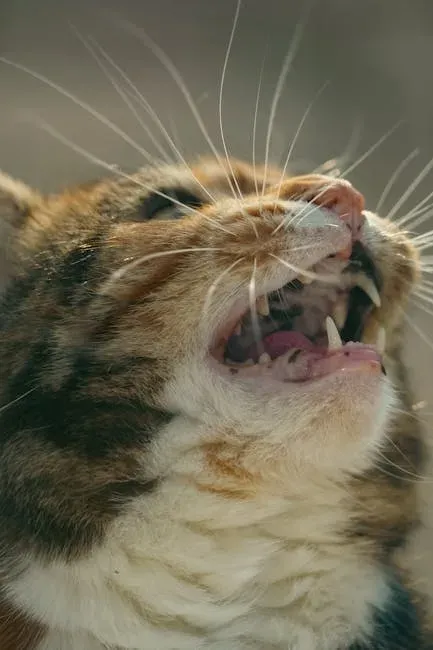
Here’s something that genuinely surprised me when I first learned it: cats barely meow at other cats. Adult cats in the wild almost never use meowing as a form of cat-to-cat communication. So when your cat meows at you, they’re doing something they evolved specifically for human interaction. Human-directed vocalisations tend to be more common and most variable in positive states, such as seeking connection or food.
Soft meows, chirps, or trills directed at you are communication attempts. These aren’t random noises. They’re targeted, intentional, and often context-specific. A cat that chirps when they see a bird through the window is one thing. A cat that comes and meows softly at you until you engage is another thing entirely – they’re initiating a conversation.
Cats – merely their presence but of course their behavior – can affect human moods, and human mood differences have been shown to affect the behavior of the cats. This is beautifully circular. A cat that feels safe vocalizes more. That vocalization makes us feel good. And feeling good makes us warmer, calmer humans. The bond deepens on both sides, in real time.
Over 45 million US households contain at least one companion cat; in the European Union, the population of pet cats is estimated at 113 million, outnumbering dogs. Despite this global popularity, research into the behavior and welfare of cats living in private homes is still limited. We are only beginning to understand the depth of what cats communicate – and who they choose to communicate it with.