6 Outlawed Electrical Add-Ons Inspectors Say Homeowners Keep Attempting to Install
Double-Tapped Circuit Breakers
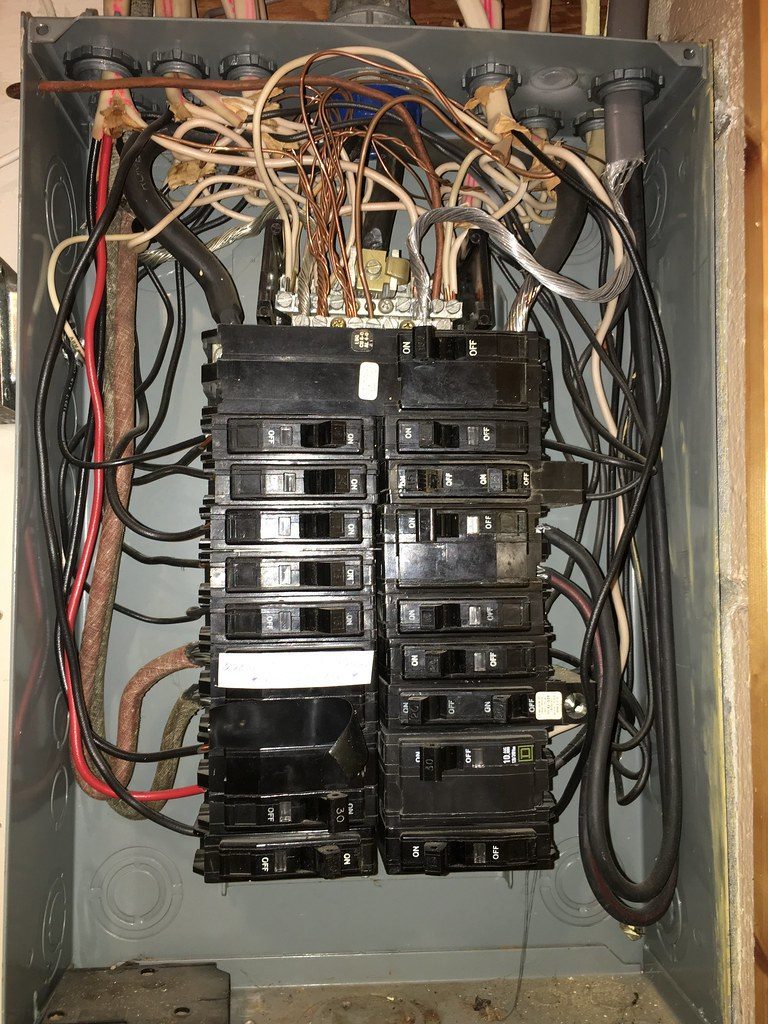
Here’s the thing: when you cram two wires into a breaker designed for just one, you’re playing with fire. Literally. Double-tapping occurs when two wires are connected to a breaker rated for only one connection, violating National Electrical Code 110.3(B), which requires equipment to be installed according to manufacturer specifications. The connection can overheat and create loose connections, leading to electrical arcing and frequent breaker trips. Homeowners often attempt this shortcut when they run out of breaker slots in their electrical panel, figuring it’s easier than installing a proper sub-panel or tandem breaker.
Only certain lower-amperage breakers from Square D and Cutler-Hammer (now Eaton) are designed to accept two wires. Most breakers clearly aren’t built for that. When two wires connect to a single-rated breaker, resistance increases, causing overheating, and wires expand and contract, creating loose connections that can arc and start a house fire. Inspectors flag this immediately because the risk is just too high, and honestly, it’s hard to blame them.
Aluminum Wiring Connected Directly to Copper
Between roughly 1965 and 1973, single-strand aluminum wiring was substituted for copper branch-circuit wiring due to escalating copper prices, but after a decade of use, inherent weaknesses were discovered. The issue isn’t aluminum itself when properly used for feeders. It’s when homeowners try mixing aluminum branch circuit wiring with copper connections without proper fittings. Aluminum and copper expand and conduct electricity at different rates, causing galvanic corrosion that weakens connections and increases resistance, and thermal expansion creates additional dangers as wires under load heat up.
According to the U.S. Consumer Product Safety Commission, homes with aluminum wiring are 55 times more likely to have fire hazard conditions than homes wired with copper. Let’s be real, that’s a terrifying statistic. Licensed electricians can make connections safe by adding short copper wire sections to aluminum wire ends using special connectors like AL-CU rated wire nuts or other approved devices. The problem? Homeowners keep trying to DIY this connection without understanding the chemistry involved, and inspectors consistently call them out during home sales.
Ungrounded Three-Prong Outlets
Installing three-prong outlets without a grounded wire is dangerous because the third prong provides a safety path for stray electricity, preventing electrocution or appliance damage, and according to the Electrical Safety Foundation International, replacing two-prong outlets without proper grounding is one of the most common code violations. People see those old two-prong outlets and think, well, I’ll just swap them for modern three-prong versions. Problem solved, right? Wrong.
The NEC requires all three-prong outlets be properly grounded or replaced with GFCIs clearly labeled as “No Equipment Ground,” and installing grounding-type receptacles without actual grounding was a code violation. Homeowners attempt this illegal upgrade because they want to plug in modern appliances without actually rewiring their entire house. A previous homeowner in an old house with knob-and-tube wiring swapped two-slot receptacles for three-slot ones, which was a code violation. Honestly, I think this one’s so common because people just don’t realize the third prong isn’t decorative.
Covered or Buried Junction Boxes
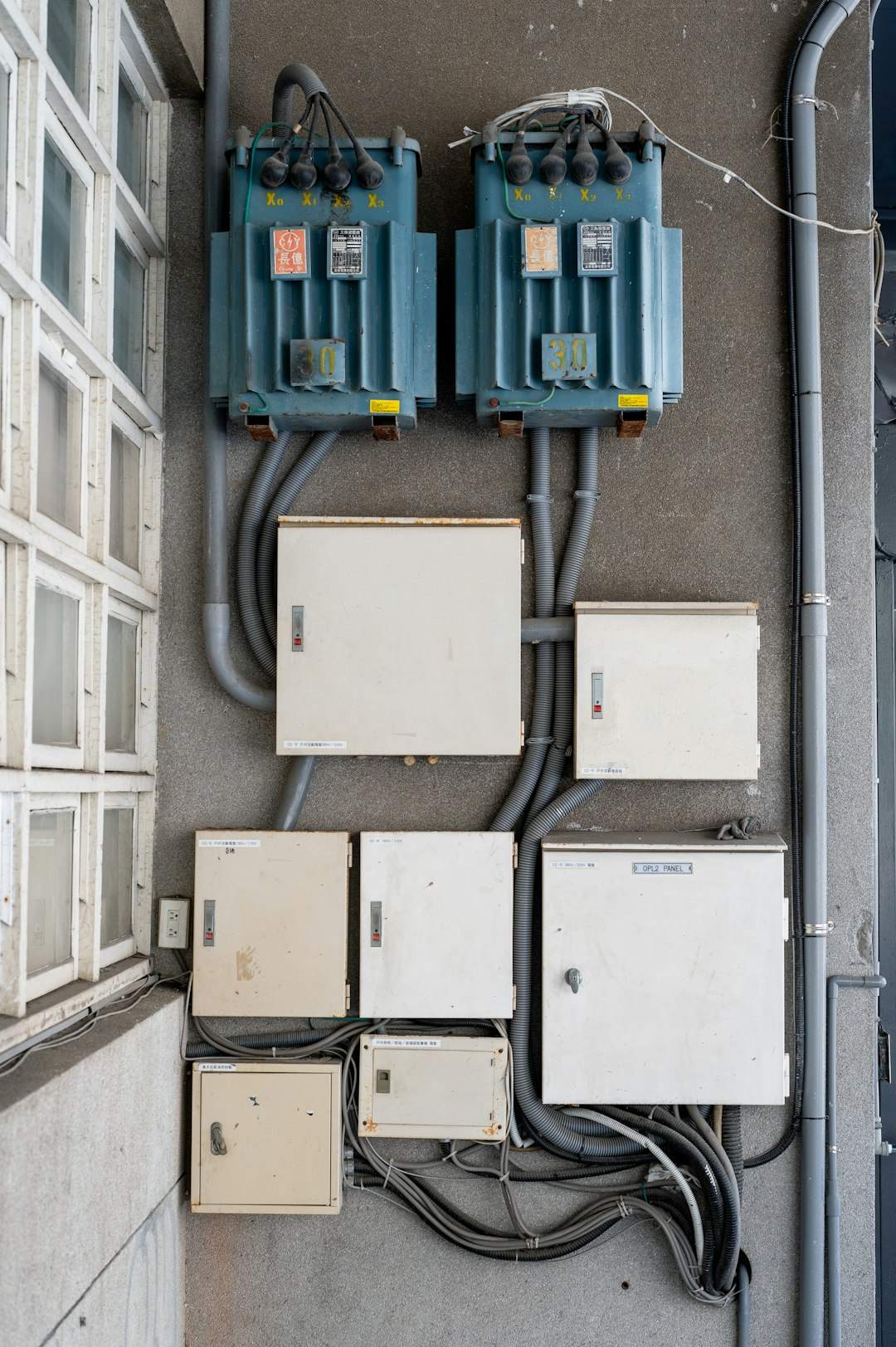
A junction box must remain accessible by law according to the National Electrical Code, and hiding one behind drywall, cabinetry, or insulation prevents future inspections and increases the risk of unnoticed overheating or arcing, with electricians warning that concealed boxes are a leading cause of electrical fires. It’s hard to say for sure, but this violation probably happens during renovations when homeowners want a cleaner look. They figure nobody needs to see that ugly box, so they just cover it up.
Concealed or buried connections contribute to electrical fires in older homes, and every splice or wire connection must be housed inside a visible, covered box for safety inspections and maintenance. Think about it: if a connection starts to fail inside that wall, you won’t know until smoke appears or the power cuts out. The NEC strictly prohibits inaccessible wiring enclosures because they make future repairs hazardous and prevent proper heat dissipation from active circuits. Yet inspectors keep finding these hidden hazards during home inspections, usually when sellers are shocked to learn their “finished” basement needs major electrical work.
Missing or Improperly Placed GFCI Protection
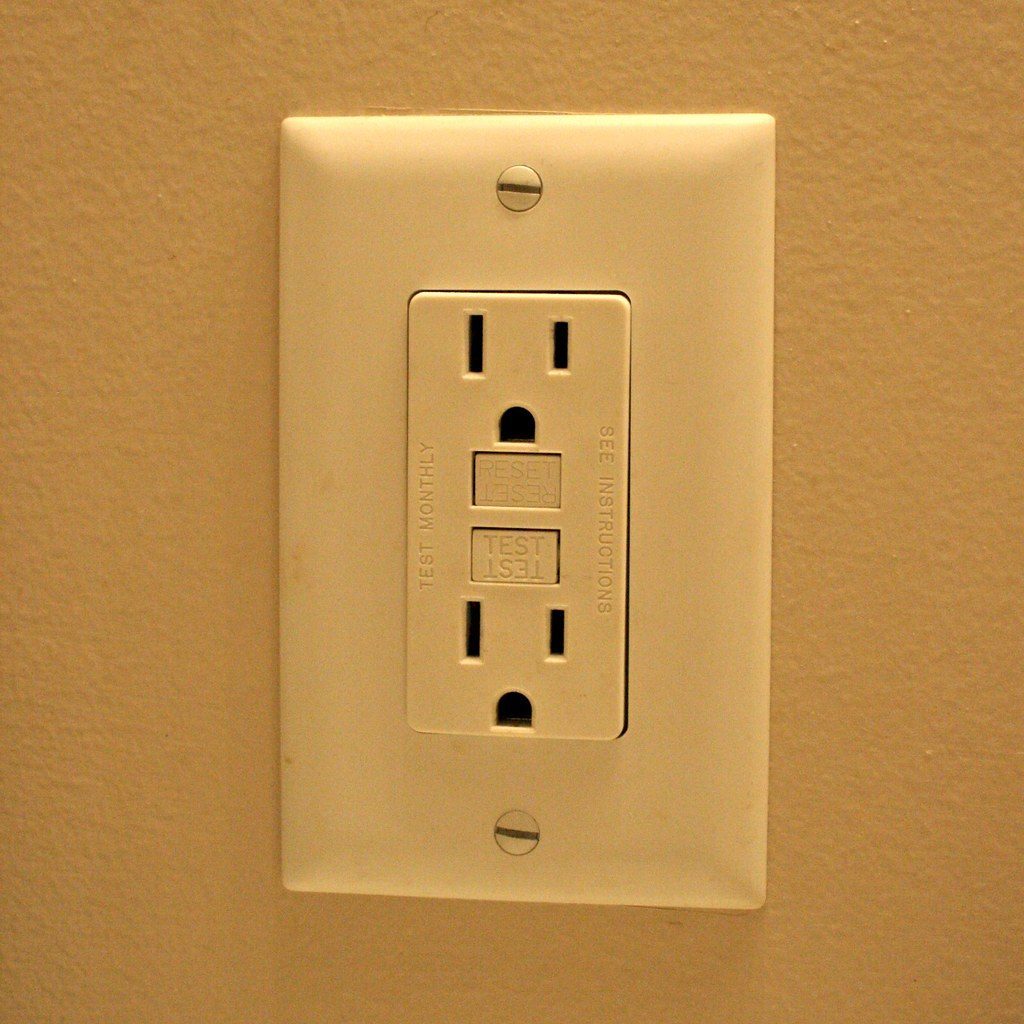
The 2023 NEC requires GFCI protection for all 125-volt, single-phase, 15- and 20-ampere receptacles installed in kitchens. Inspectors frequently flag missing ground fault circuit interrupters, especially in older homes, because GFCIs protect from electric shock and are required in multiple places where water is present, and GFCI requirements have expanded over time. Homeowners constantly skip these during DIY upgrades, thinking regular outlets are good enough.
Kitchens, bathrooms, garages, and outdoor areas require GFCI outlets to prevent shock hazards by cutting power instantly when faults are detected, and according to the National Electrical Code, GFCIs are mandatory wherever water and electricity might meet, yet homeowners who skip installation or use standard outlets violate safety laws. The Electrical Safety Foundation International emphasizes that GFCIs have saved countless lives since their introduction in the 1970s, yet many older homes remain out of compliance today. What’s wild is that the fix isn’t even expensive compared to the potential cost of someone getting shocked or electrocuted.
Oversized Circuit Breakers for Wire Gauge
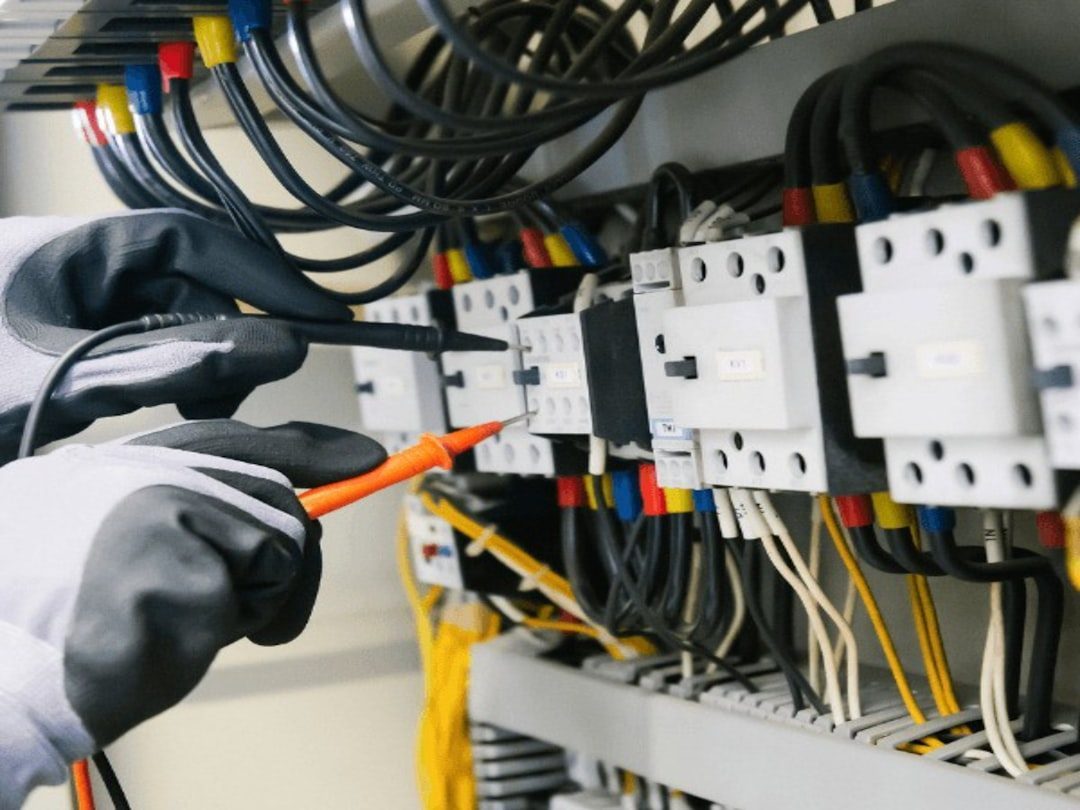
DIYers aggravated by constantly tripping fuses or breakers often replace the breaker with a larger capacity breaker, which is extremely dangerous and illegal, violating electrical codes because breakers are matched to load capacity and wire size, and larger breakers allow more current to flow before they trip, risking fire or system failure. I know it sounds crazy, but people actually do this. They think the breaker is the problem, not the overloaded circuit.
Circuit breaker boxes contain switches that trip to stop electricity flow if current exceeds preset limits, requiring manual reset, and neglecting to install the right circuit breaker or installing none at all is not only a code violation but also puts families at high risk for wall fires. Imagine putting a higher-amp breaker on wire that can’t handle it. The wire heats up, the insulation melts, and suddenly you have an electrical fire inside your walls while the breaker just sits there, completely oblivious. Installing the wrong circuit breaker is an electrical code violation that puts your family at high risk for fire. Inspectors catch this one pretty quickly once they open the panel, and for good reason – it’s one of the most dangerous shortcuts homeowners attempt.