7 Nations That Eat the Most Vegetables Data Shows
The stark divide between nations when it comes to vegetable consumption is more revealing than you might expect. While health experts worldwide recommend eating at least 400 grams of fruits and vegetables daily, the reality shows massive gaps between countries. Some nations pack their plates with leafy greens and root vegetables as part of deeply ingrained cultural traditions, while others barely reach a fraction of recommended levels due to economic barriers, food accessibility issues, and dietary preferences.
Ukraine Takes the Crown with 653 Kilograms Per Person
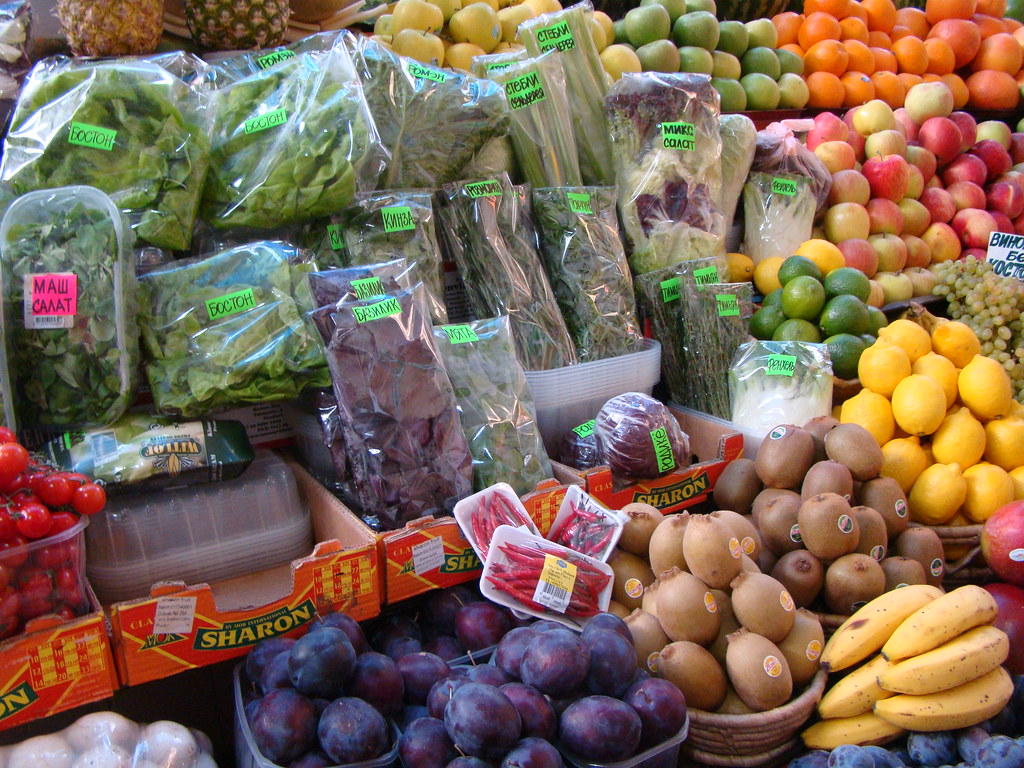
According to some reports, Ukraine has notably high per capita vegetable consumption, making it the undisputed global leader in vegetable intake. This reflects Ukraine’s agricultural heritage and traditional diet centered on vegetables.
Such high consumption stems from Ukraine’s agricultural heritage and traditional diet heavily centered on vegetables, grains, and preserved foods. The country’s climate and fertile soil have historically supported diverse vegetable production, making fresh produce both accessible and culturally integrated into daily meals.
Yet this data comes with important context. Ukraine’s current situation due to ongoing conflict may affect food security patterns, though the 2024 data reflects remarkable vegetable consumption levels that have deep cultural roots extending far beyond current geopolitical circumstances.
China Dominates Both Production and Consumption
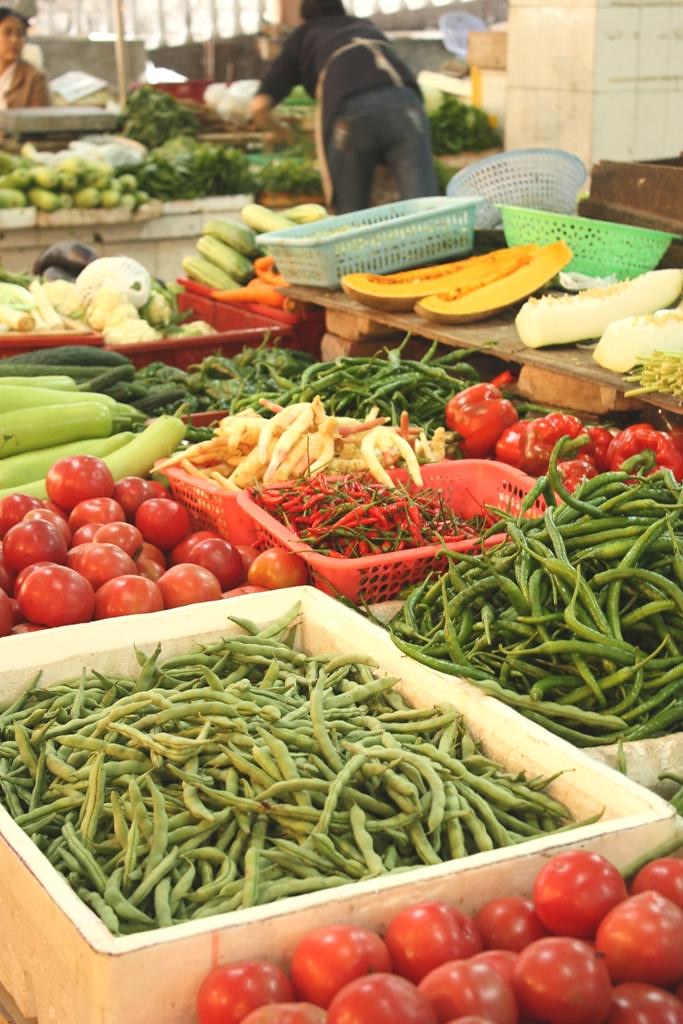
China and Albania lead the global annual per capita consumption of vegetables as of 2022 by quite a bit with 407.84 kg and 377.17 kg respectively, demonstrating China’s position as both the world’s largest producer and one of its top consumers. China has the highest daily vegetable intake per capita in the world – 2.27 lbs. More precisely, a Chinese citizen eats an average of 2.27 lbs of veggies a day.
It’s not surprising that China is also the world’s greatest producer of fresh vegetables. To paint a clearer picture, its production volume reached no less than 594 million metric tons in 2020, surpassing India and the US (the rest of the top three producers) by hundreds of millions of tons. This massive domestic production makes vegetables affordable and accessible across the country.
Traditional Chinese cuisine emphasizes vegetables as primary components rather than side dishes, with stir-frying, steaming, and braising techniques that preserve nutritional value while creating flavorful meals centered around plant foods.
Turkey Ranks Third with Strong Mediterranean Influence
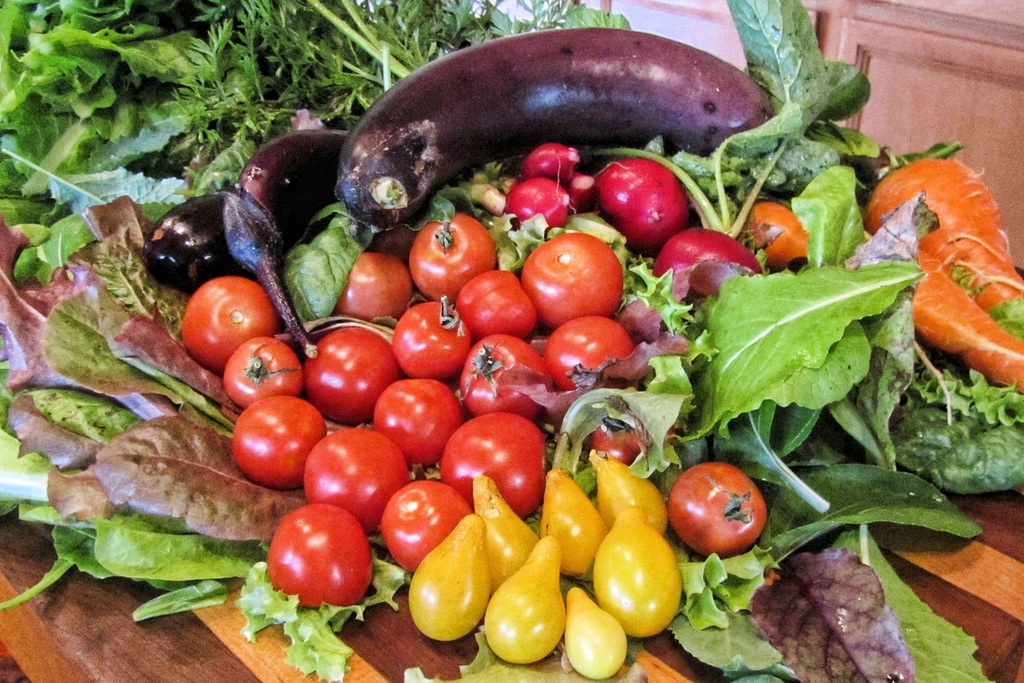
Among countries with high per capita vegetable consumption are reportedly Ukraine, China (with consumption levels around 400+ kg per person), and Turkey, positioning Turkey solidly among the world’s top vegetable consumers. This consumption pattern aligns perfectly with Mediterranean dietary traditions that emphasize fresh vegetables, olive oil, and plant-based ingredients.
Turkish cuisine traditionally features vegetables prominently in dishes like stuffed peppers, eggplant preparations, and numerous vegetable-forward mezze options. The country’s geographic position between Europe and Asia has created a culinary fusion that celebrates diverse vegetable preparations.
Morocco, Poland, and Turkey have increased their presence in the European fresh vegetable market. countries such as Turkey and Poland are becoming bigger producers and exporters of both fresh and processed vegetables. This growing production capacity supports both domestic consumption and export markets.
Greece Leads Europe with 472 Grams Daily
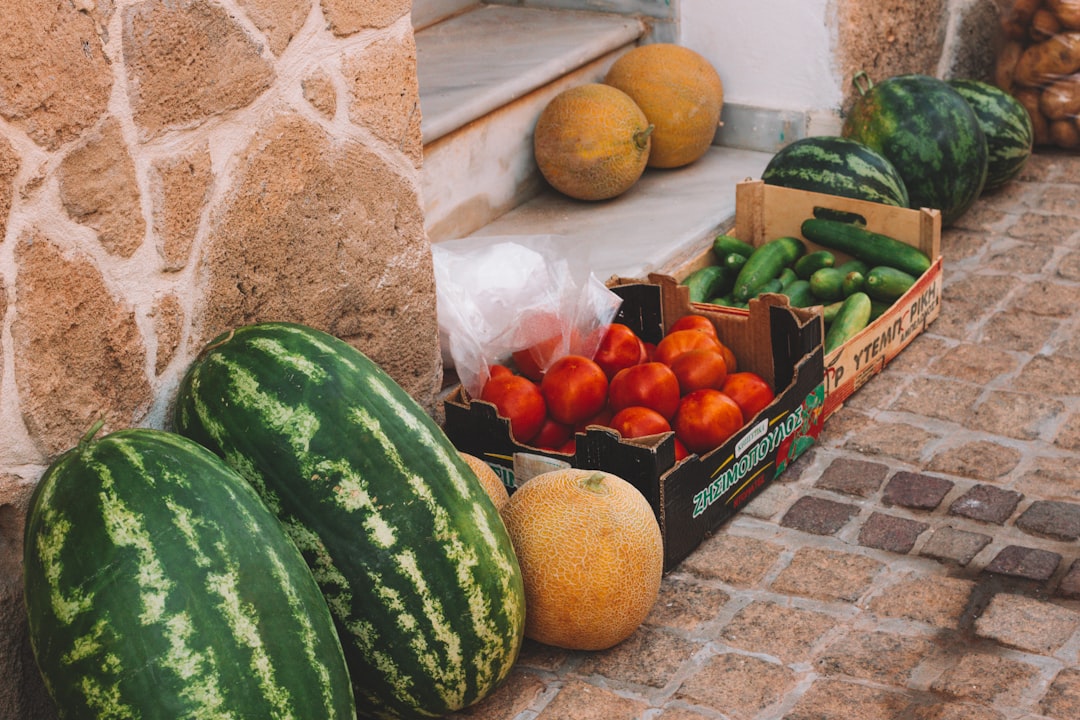
Greece ranked first at an average of 472 g/day/capita, followed by Belgium (460), Italy (440), Portugal (431), Poland (429) and Romania (420), making Greece the European champion for vegetable consumption. This translates to eating roughly five cups of vegetables daily per person, exceeding WHO recommendations.
The Greek diet’s foundation in Mediterranean principles naturally incorporates abundant vegetables through dishes like Greek salads, roasted vegetables with olive oil, and vegetable-based casseroles. Fresh tomatoes, cucumbers, peppers, and leafy greens form staples of everyday Greek meals.
In Greece, almost one-third (31.7 %) of the output value of the agricultural industry in 2022 came from fruits and fresh vegetables, highlighting how integral vegetable production is to the country’s agricultural economy and food culture.
Belgium and Italy Round Out European Leaders
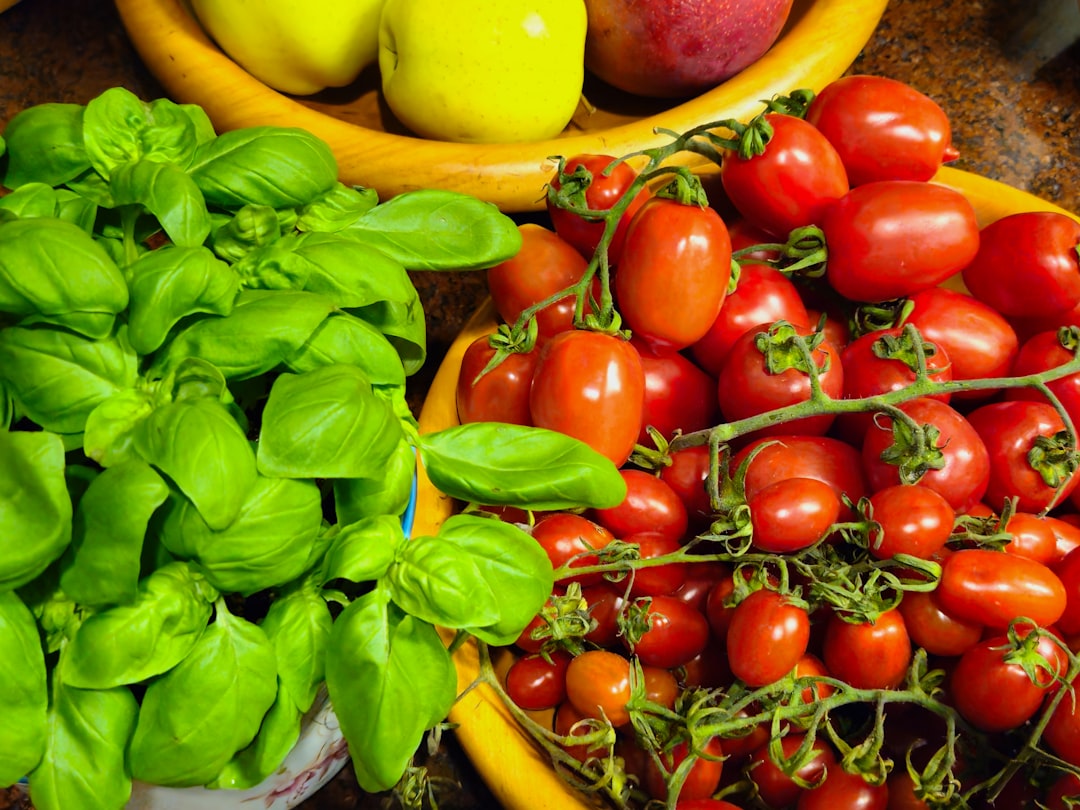
Greece ranked first at an average of 472 g/day/capita, followed by Belgium (460), Italy (440), placing these two nations among Europe’s top vegetable consumers. Topping the list is Belgium, with a total of 84.8% of the population consuming at least one portion of fruit and vegetables per day. Just under three quarters (72.5%) consume between one and four portions, while 12.3% consume five portions or more.
Belgium’s high consumption reflects both cultural preferences and easy access to diverse fresh produce through well-developed distribution networks. Italian consumption patterns align with traditional Mediterranean diet principles, where vegetables appear in pasta sauces, risottos, and countless regional specialties.
Spain (22.5 %), Italy (21.3 %) and France (10.2 %) accounted for a small majority of the EU value of fruits and fresh vegetables in 2022, demonstrating Italy’s significant role in European produce markets both as consumer and producer.
Poland Shows Rising Consumption Trends
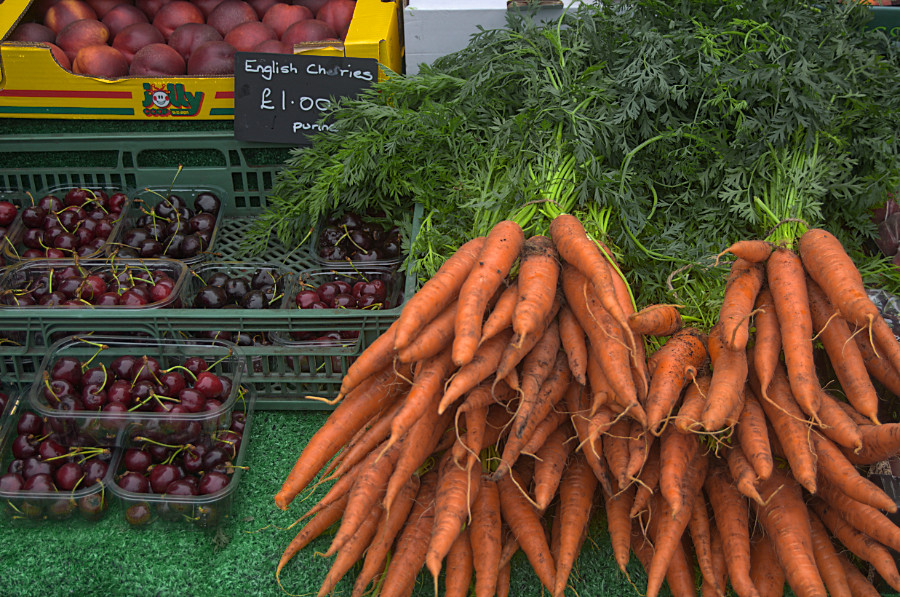
Greece ranked first at an average of 472 g/day/capita, followed by Belgium (460), Italy (440), Portugal (431), Poland (429) and Romania (420), positioning Poland among the top six European countries for vegetable consumption. This represents remarkable progress for a nation that has significantly increased both production and consumption over recent decades.
Poland has not only increased its exports but also its imports. In five years, Poland has moved from the fourteenth to the ninth position on the list of world’s largest vegetable importers. This reflects both its increasingly important position as a trading hub in central Europe and its position as a fast-growing market where consumer preferences have quickly changed.
Traditional Polish cuisine has evolved to incorporate more fresh vegetables alongside historical staples like potatoes and cabbage, reflecting changing dietary preferences and improved economic conditions that make diverse produce more accessible.
Romania Shows Economic Challenges Despite High Numbers
Greece ranked first at an average of 472 g/day/capita, followed by Belgium (460), Italy (440), Portugal (431), Poland (429) and Romania (420), placing Romania sixth in European vegetable consumption. However, this data reveals complex economic realities behind consumption patterns.
In a July 12, 2024-published EUROSTAT report, “Almost 1 out of 10 in the EU could not afford a proper meal,” the share of Romanian households unable to afford a meal with meat, chicken, fish or a vegetarian equivalent every second day rose to more than one-fifth (22.1% in 2022), which was the highest proportion among the EU Member States. In Freshfel’s Consumer Monitor for 2022, Romania ranked sixth highest in produce consumption in the EU.
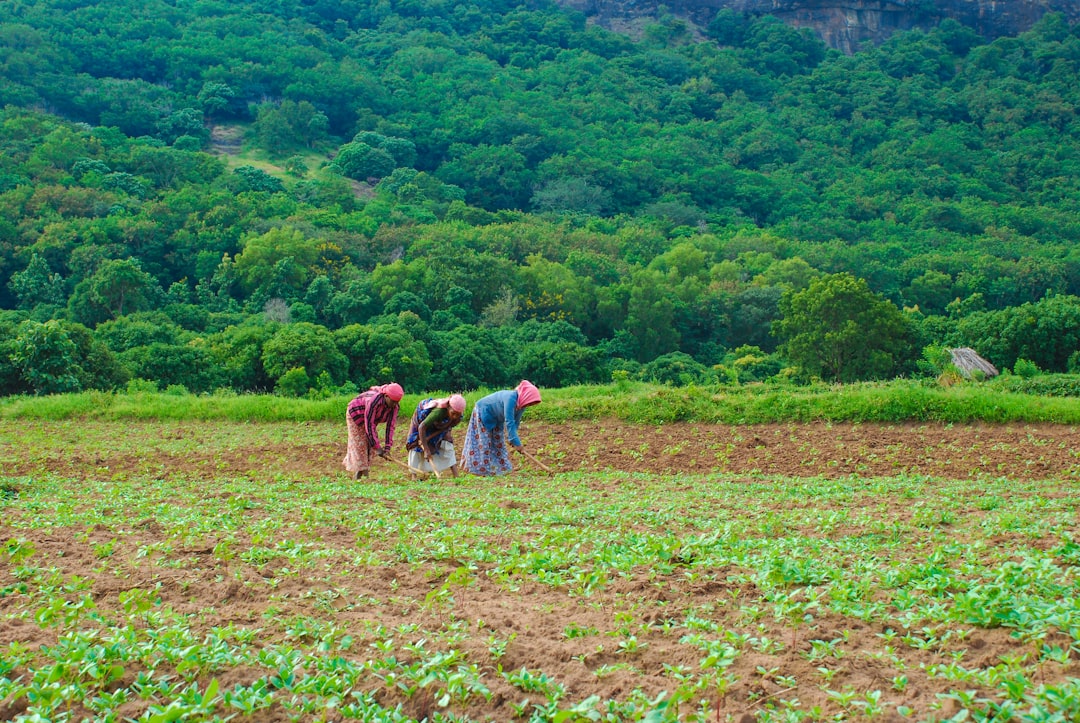
Of note, too, is that out of 9.1 million farms in the EU in 2020, almost one-third (31.8%) were in Romania, and 99% of these were family farms. This suggests that high vegetable consumption may partly reflect home-grown production rather than purchased vegetables, highlighting economic necessity rather than pure dietary preference.