Gone Yet Remembered: 8 Fast-Food Chains Lost to Time, Data Shows
The American fast-food landscape has shifted dramatically over the past several decades, with countless once-beloved chains now existing only in memory. While giants like McDonald’s and Burger King continue to dominate, many other restaurants that once filled our neighborhoods have vanished entirely. Let’s explore these forgotten culinary landmarks and discover what the data reveals about their disappearance.
Boston Market: From 300 to Just Dozens in Two Years
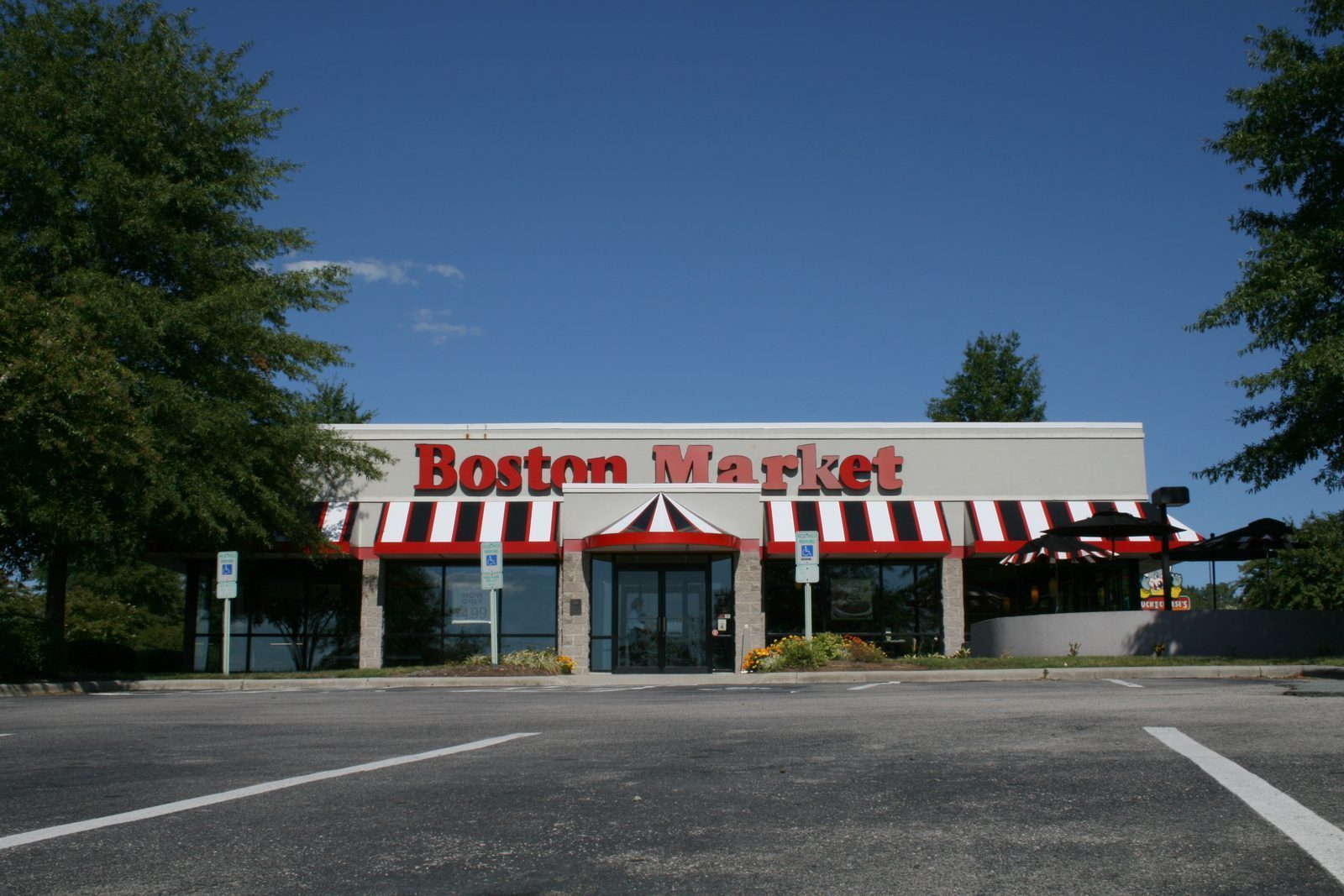
Boston Market has experienced perhaps the most dramatic collapse of any fast-food chain in recent memory, plummeting from around 300 locations in 2023 to just 27 stores by March 2024, with about 74 restaurants remaining as of mid-2025. The closures were driven by landlord evictions due to unpaid bills and state officials shutting down restaurants over unpaid sales taxes. The chain has also faced over 150 lawsuits, many revolving around unpaid bills. Industry experts suggest this rotisserie chicken pioneer may be in its final days as a national chain.
Chi-Chi’s: The Tex-Mex Giant Felled by Food Safety
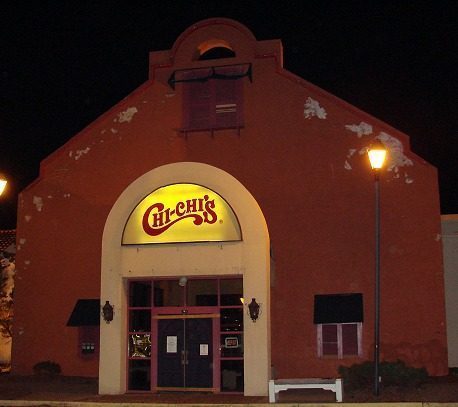
Chi-Chi’s, founded in 1975, grew to 230 locations across the United States and Europe at its peak before filing for bankruptcy in October 2003, with the largest outbreak of hepatitis A in U.S. history occurring one month later in November 2003. This Mexican restaurant chain once dominated the casual dining scene with its festive atmosphere and signature nachos. The combination of financial troubles and the devastating food safety crisis permanently shuttered all Chi-Chi’s locations in the United States. The brand now exists only as a frozen food line in grocery stores.
Gino’s Hamburgers: The NFL Star’s Rise and Fall
Founded in 1957 by NFL Hall of Famer Gino Marchetti, Gino’s Hamburgers grew to 330 outlets by 1972, featuring commercials with comedian Dom DeLuise and the famous “Ameche 35” burger sauce, before being purchased by Marriott for $48.6 million in 1982. At its peak, the Pennsylvania-based chain operated 359 locations, but Marriott rebranded all locations as Roy Rogers restaurants, with the final Gino’s closing in 1986. Two Maryland locations briefly returned in 2010 with a new menu.
Howard Johnson’s: America’s Original Highway Chain
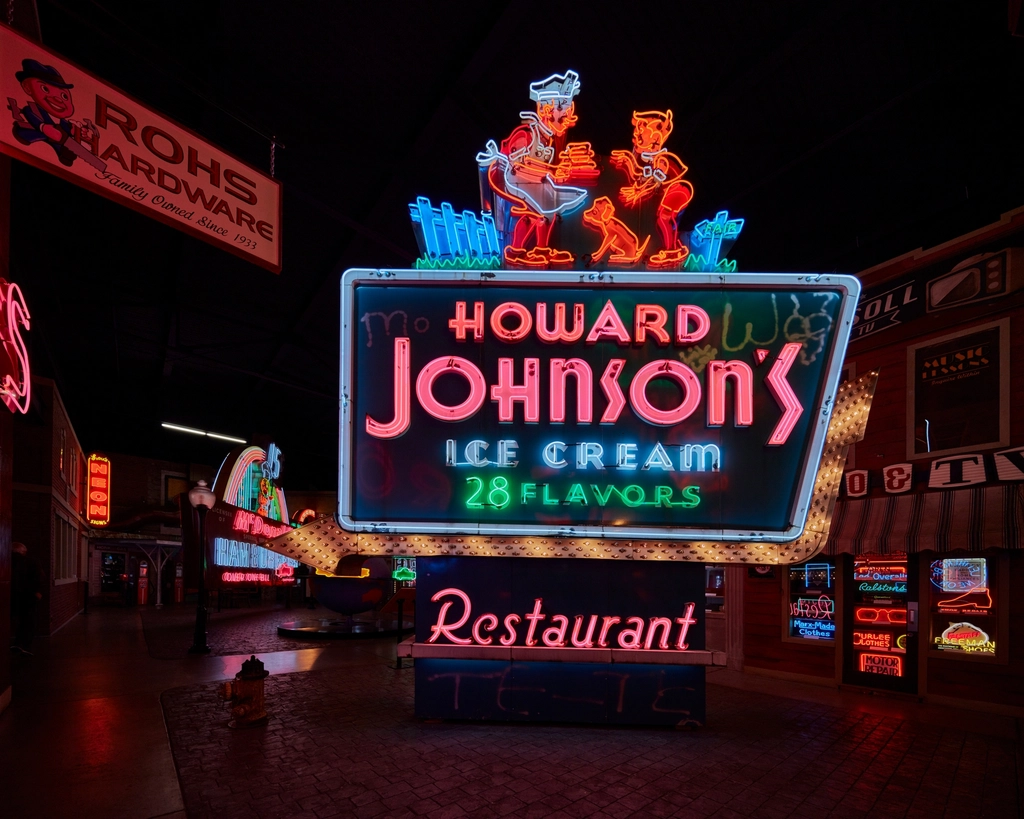
Howard Johnson’s, which began in 1925, became the largest restaurant chain in the United States at its peak with over 1,000 locations, before closing its final outlet in New York in 2022. The chain revolutionized ice cream by doubling the butterfat content compared to competitors and developing 28 flavors using syrup flavorings. The rise of competitors in the 1980s and changing consumer preferences gradually put the roadside dining pioneer out of business.
Burger Chef: The McDonald’s Rival That Introduced Kids’ Meals
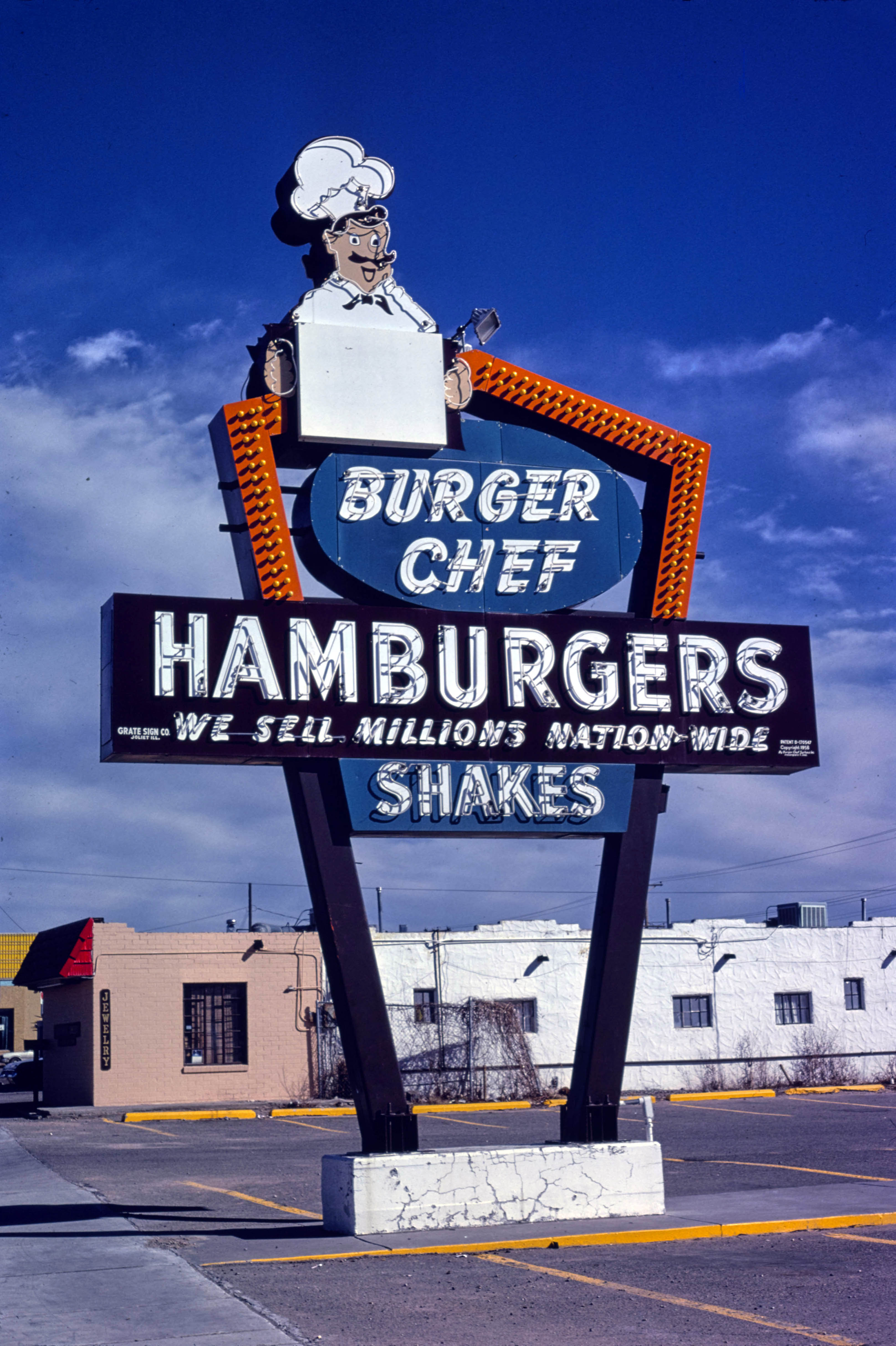
At one time, Burger Chef had over 1,000 locations and rivaled McDonald’s, introducing several fast-food staples to the industry, including kids’ meals with toys. Founded in Indianapolis in 1954, the chain opened 1,050 locations across the country in less than 20 years. Due to lawsuits, corporate shakeups, and poor management, the final Burger Chef closed in 1996. The chain’s legacy lives on through its innovations that became industry standards.
Kenny Rogers Roasters: When Fame Couldn’t Save a Restaurant
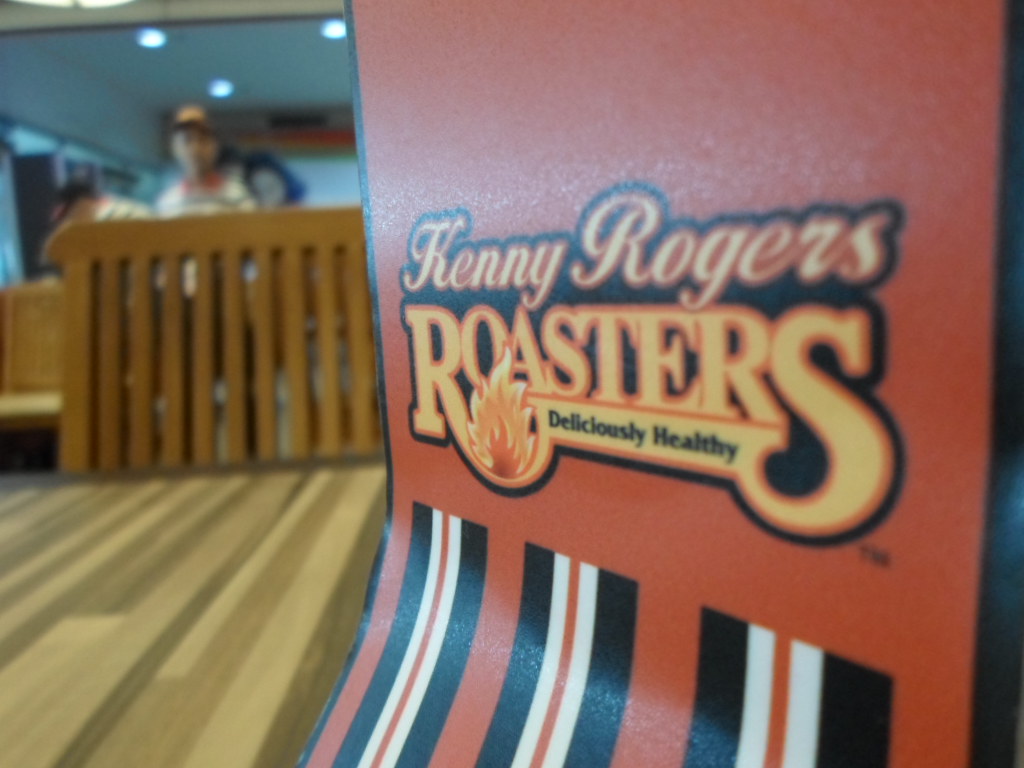
Launched by singer Kenny Rogers in 1991 with KFC mogul John Y. Brown, the rotisserie chicken chain expanded to 425 locations but went bankrupt in 1998 after being bought by Nathan’s, though more than 100 locations still operate in Asia. The chain thrived for years, peaking at over 400 restaurants globally, but many believe rapid expansion was a fatal mistake as the chain filed for bankruptcy in 1998. The last U.S. restaurant closed in 2011.
Arthur Treacher’s: The Fish and Chips Empire That Disappeared
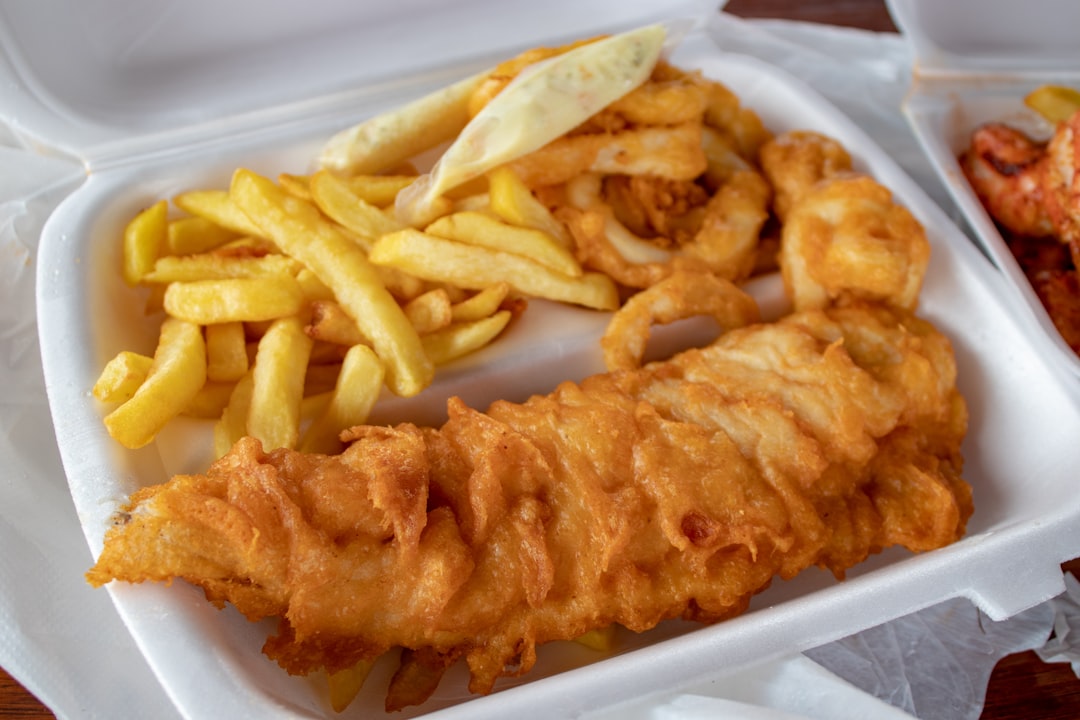
Once a dominant force in the seafood fast-food market, Arthur Treacher’s Fish & Chips was known for its British-style battered fish and chips served in newspaper-style baskets. The chain peaked in the 1970s with hundreds of locations across the United States, particularly in the Northeast and Midwest. Rising seafood costs and increased competition from other fast-food options gradually eroded the chain’s profitability. Today, only a handful of Arthur Treacher’s locations remain, mostly as co-branded restaurants with other chains.
Roy Rogers: The Cowboy Chain Making a Comeback
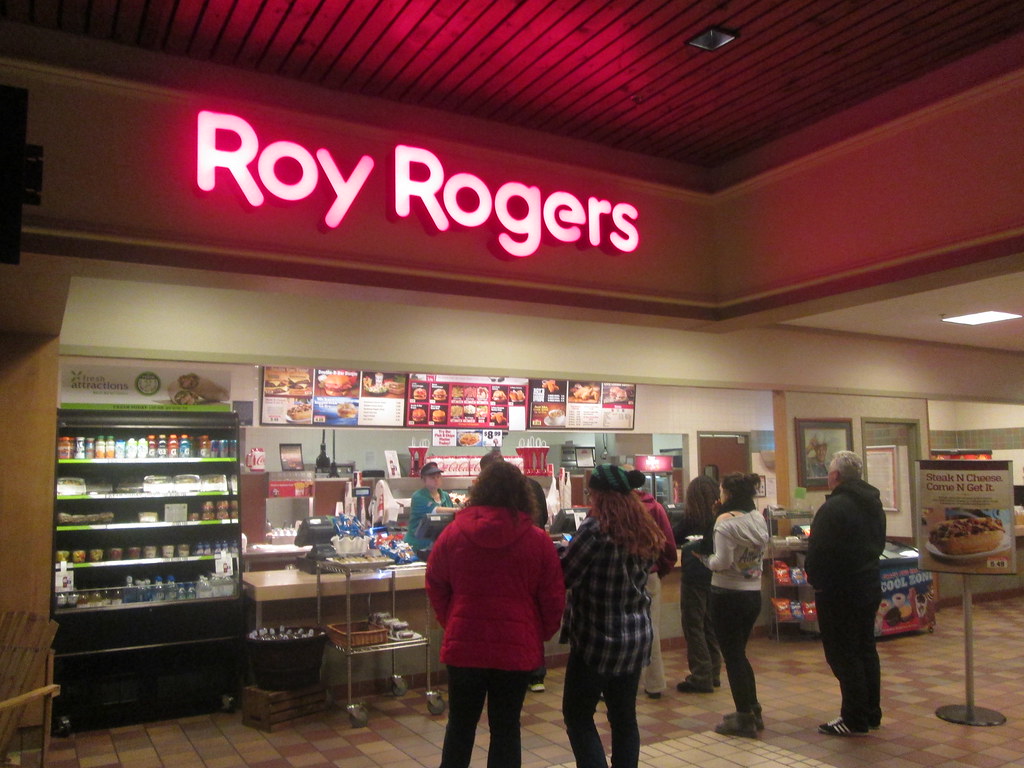
Roy Rogers peaked with over 600 locations before being sold to Hardee’s in 1990, experiencing severe decline as many locations converted to Hardee’s. Despite peaking in 1990, Roy Rogers’ fall came quickly when Marriott sold the chain to Hardee’s, which converted locations and sold hundreds to chains like Wendy’s and McDonald’s, leaving only around 80 locations by the early 2000s. In the mid-2010s, slow-but-steady expansion resumed, with new spots opening around Maryland and Virginia, and a return to the Philadelphia area with a Cherry Hill, NJ location in 2025.
Current Fast-Food Industry Struggles Continue the Pattern
The restaurant industry has endured a particularly brutal five years, starting with 2020 pandemic closures and continuing with inflationary issues and tariffs shifting spending habits away from dining out. According to a 2025 American Consumer Satisfaction Index survey of 16,381 people, precious few quick-service restaurant chains improved over the last year, with two chains dropping a point or more for every one that improved. Fast food chains across America face unprecedented challenges in 2025, with rising costs, changing consumer habits, and economic pressures pushing many beloved restaurants to the brink, forcing some to file bankruptcy or shut down locations at alarming rates.
These vanished chains remind us that even the most beloved restaurants aren’t immune to changing times, economic pressures, and shifting consumer preferences. Their stories serve as both cautionary tales and fond memories of a different era in American dining. What do you think about these lost food empires? Tell us in the comments.