Why Aging in Place Is Becoming More Expensive Than Assisted Living for Boomers
Here’s the thing: most boomers have spent decades believing the safest financial bet is to stay put in the family home. Pay off that mortgage, hold onto the property, and everything will work itself out. Sounds simple, right? Yet more families are discovering the harsh reality that aging in place now carries a price tag that rivals, or even exceeds, professional care facilities.
Nearly four out of five adults age 50 and up want to live at home later in life rather than move to a nursing home or assisted living facility, according to recent data. The emotional pull is undeniable. Still, the financial math tells a different story in 2024 and beyond.
Round the Clock Care Costs Add Up Fast

Let’s be real about what happens when care needs increase. Home care is less expensive if needs are minimal, but if you start to need a lot of help, assisted living becomes the cheaper alternative, particularly when approaching 40 hours or more per week. The annual median cost of in-home care with a home health aide rose from $75,504 in 2023 to $77,792 in 2024.
Think you’ll just hire someone for a few hours a day? Even if you only need four hours of care per day, five days a week, with family helping on weekends, you’d still be looking at around $2,640 per month, but typical care guidelines suggest 44 hours of care per week is typical, bringing the monthly cost to about $5,808. That’s similar to assisted living, and you haven’t even factored in keeping the lights on or fixing the leaky roof.
The price of in-home care for the elderly increased by 14.2 percent between March 2023 and 2024, representing the largest percent increase in home healthcare costs during a 12-month period since the Bureau of Labor Statistics began collecting data on such costs in 2005. The demand is outpacing the labor supply, and costs keep climbing faster than most retirement accounts can handle.
Home Modifications Are Not One Time Investments
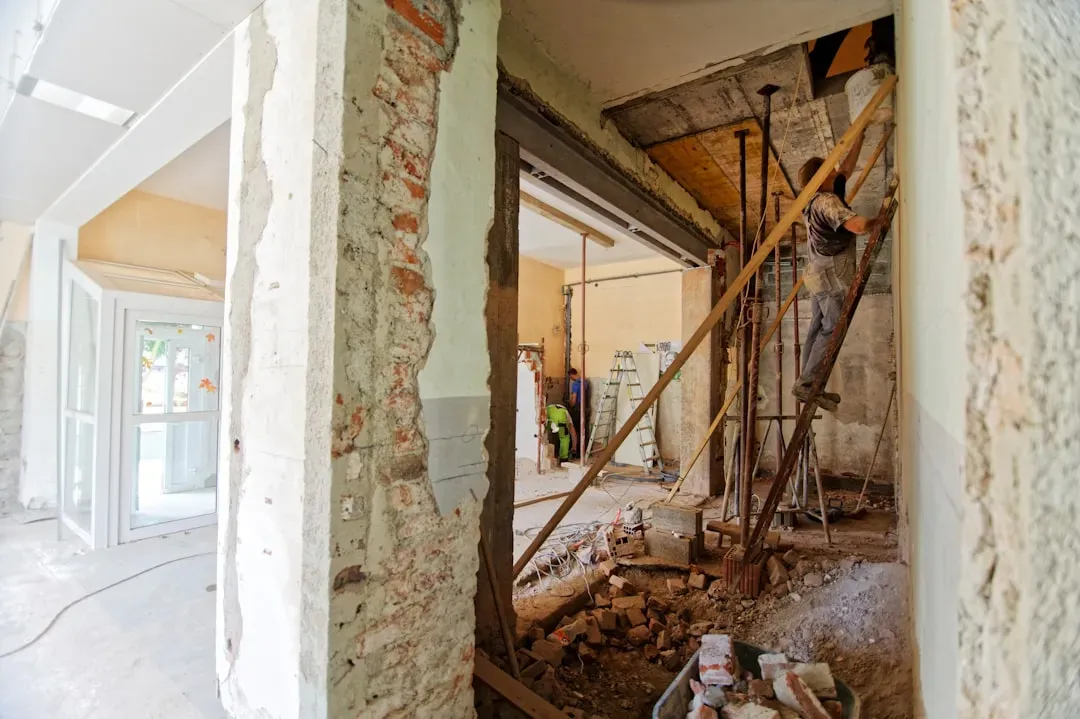
You might think you’ll install a few grab bars and call it done. I wish it were that easy. The national average cost for remodeling tends to be in the $9,500 area and can range from $3,000 to $15,000, though this varies based on the changes needed, services provided, and the rooms being modified.
Some homeowners have estimated their aging in place renovations in the $40,000 to $50,000 range, with one couple’s updates costing $180,000, although they received assistance from the Department of Veterans Affairs to cover a portion. Those aren’t luxury upgrades, either. We’re talking about accessibility basics like lowering shower entries, widening doorways, and installing stair lifts.
What catches people off guard is that modifications aren’t always enough. Larger structural updates to the entire home can cost as much as $50,000, and annual home maintenance costs of $3,000 to $5,000 add to the financial reality. Meanwhile, assisted living wraps all maintenance into one monthly fee with no surprise repair bills.
Property Upkeep Becomes Overwhelming
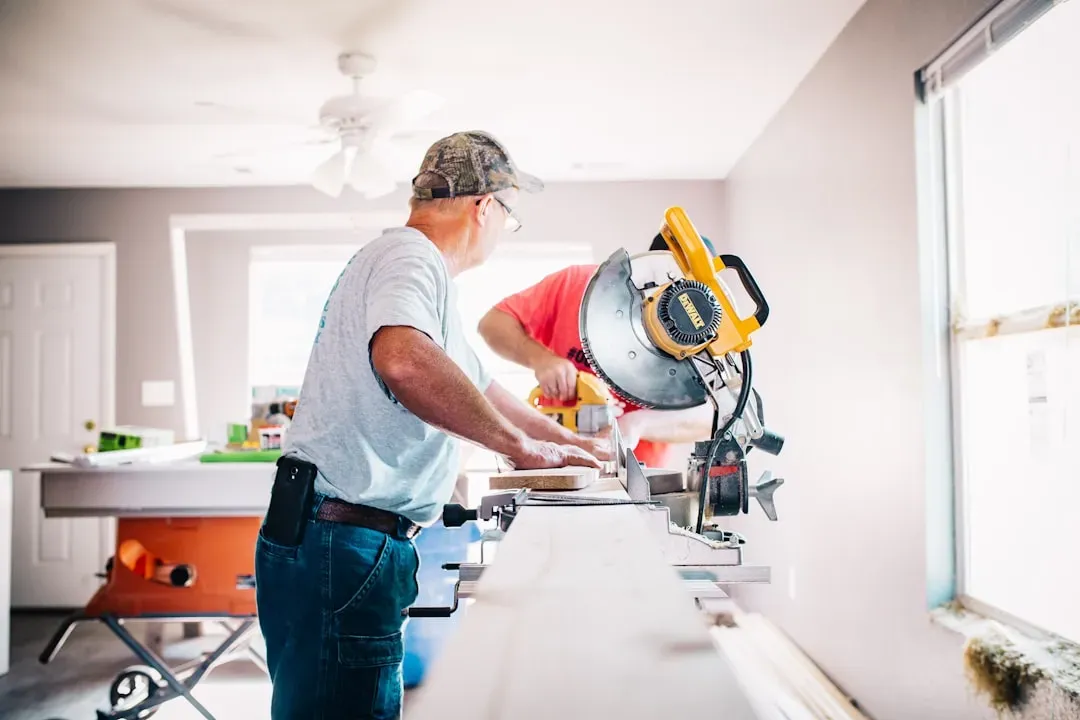
HVAC servicing costs $300-$500 annually, roof repairs and gutter cleaning add $400-$1,200, lawn care and snow removal services typically run $1,000-$2,500 depending on location and property size, while plumbing and electrical repairs average $300-$800. These aren’t optional expenses when you’re seventy-something and can’t climb a ladder anymore.
Deferred maintenance doesn’t just disappear. It compounds. That minor roof leak becomes significant water damage, and the clogged gutter causes foundation problems, while professional maintenance prevents catastrophic failures that could make your home unsafe. An assisted living facility handles every bit of this without you lifting a finger or writing separate checks.
Since a 2017 comparison of aging in place versus moving to senior living, homeownership, maintenance, and home health care costs have risen faster than those of senior housing, with home prices jumping 22%, rents by 45%, food by 31%, and home health care costs by about 75%. Assisted living costs, in contrast, increased just over 30 percent during that same period.
The Hidden Costs Keep Piling On

Honestly, most families don’t see these expenses coming. Property taxes don’t decrease with age, higher utility bills hit harder in older, less efficient homes, emergency repairs can’t wait, transportation costs become a factor if you can no longer drive safely, insurance premiums often increase after home modifications, and temporary care during recovery from illness adds unexpected expenses.
Let me put this in perspective. When you combine the $2,640 monthly cost of four hours of home care, five days a week, with the $3,725 cost of living in a median-priced home, the total comes to about $6,365 for housing and a modest level of home health care, while the average monthly cost of assisted living ranges from $5,350 to $6,422.
And that’s assuming nothing goes wrong. What happens when the furnace dies in January or you fall and need extended rehabilitation? Those emergency costs can derail even careful budgets, whereas assisted living communities have predictable monthly fees.
Assisted Living Offers Better Value at Higher Care Needs

The annual median cost for assisted living care jumped 10 percent, from $64,200 in 2023 to $70,800 in 2024. Yes, that sounds steep. However, the estimated median cost of assisted living in the U.S. is $6,313 per month as of February 2026, which includes housing, meals, utilities, maintenance, activities, and basic care services bundled together.
Compare that to aging in place with substantial needs. While assisted living averages $5,511 monthly for a private room, in-home care costs can climb to $6,481 per month for full-time care in 2024. The difference? Assisted living includes everything, while home costs keep adding up from multiple directions at once.
The financial crossover point happens sooner than most expect. When care needs reach moderate to high levels, the bundled services model of assisted living makes more economic sense than piecing together home modifications, maintenance contracts, utility bills, property taxes, and escalating caregiver hours. It’s hard to say for sure in every situation, but the numbers increasingly favor professional facilities for boomers who need regular assistance.