The “Junk Silver” Surge: Why 1964 Dimes Are Becoming the Ultimate Retirement Backup
You know those old coins rattling around in jars at your grandparents’ house? They might just be worth a whole lot more than anyone thought. Here’s the thing: while most folks are obsessing over Bitcoin or worrying about their 401(k), a quiet revolution is happening in the world of silver coins. U.S. dimes, quarters, half dollars, and dollars minted in 1964 and earlier are 90% silver, and these little pieces of history are suddenly looking like one of the smartest plays for anyone thinking about retirement security.
The term “junk silver” might sound unappealing. Despite the unflattering name, junk silver refers to authentic U.S. coins minted before 1965 that contain real silver. These circulated dimes, quarters, half dollars, and dollars aren’t “junk” at all – they’re widely recognized, government-minted silver that trades close to its melt value. So why all the fuss now? Let’s dive in.
The Silver Price Explosion Nobody Saw Coming
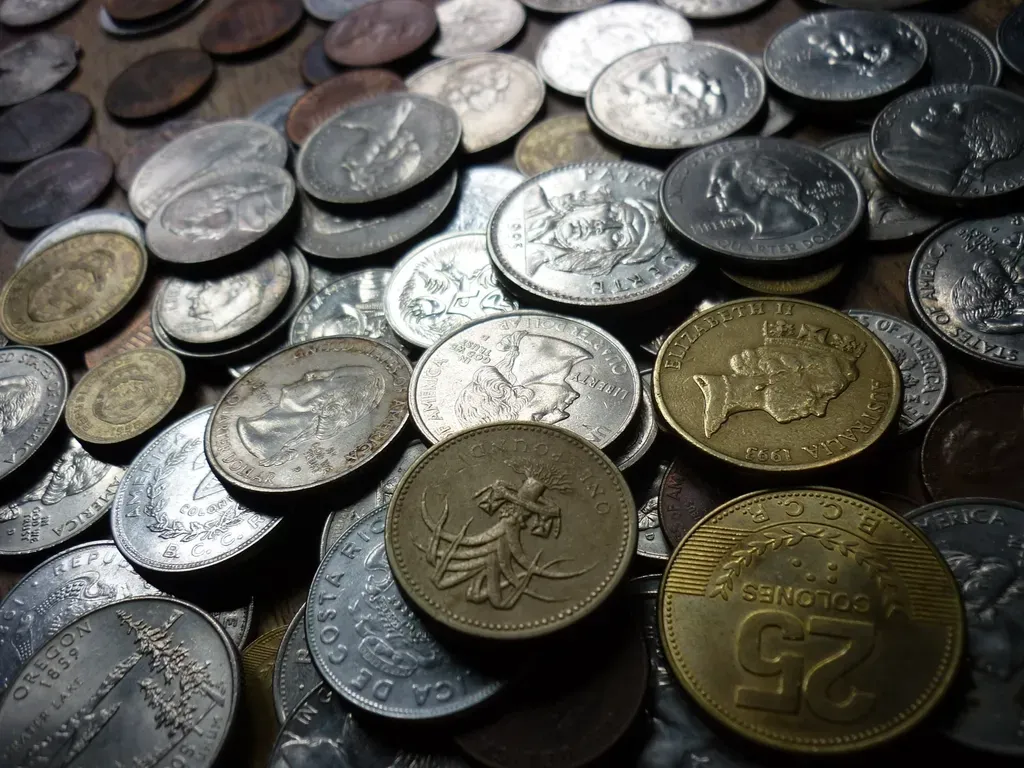
Let’s be real, the silver market just went absolutely wild. In 2025, silver surged rapidly, surpassing $80 per ounce as export controls, geopolitical risk, and investment demand collided with limited supply growth. Think about that for a second. Silver surged from $29 at the beginning of 2025 to a new all-time high above $121 in February 2026. That’s not just a rally – that’s a full-blown moonshot. Silver closed the year at $71.6/oz with a 147% gain. Silver prices exploded when a years-long physical supply deficit met surging industrial demand (for solar, electronics, and AI), constrained mining output, tight inventory, and pure momentum.
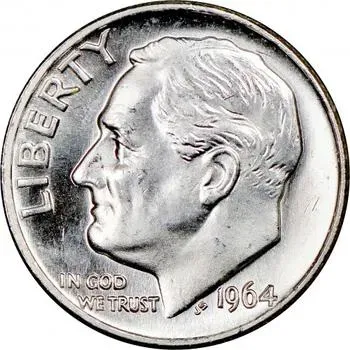
Meanwhile, your standard 1964 Roosevelt dime? A U.S. Roosevelt silver dime, designed by Chief Engraver John R. Sinnock, had a face value of ten cents (USD $0.10) and was comprised of 0.07234 a troy ounce of silver, or about 2.25 grams of silver. With silver now trading above eighty dollars per ounce in early 2026, that little dime is suddenly worth way more than it ever was.
Why 1965 Changed Everything
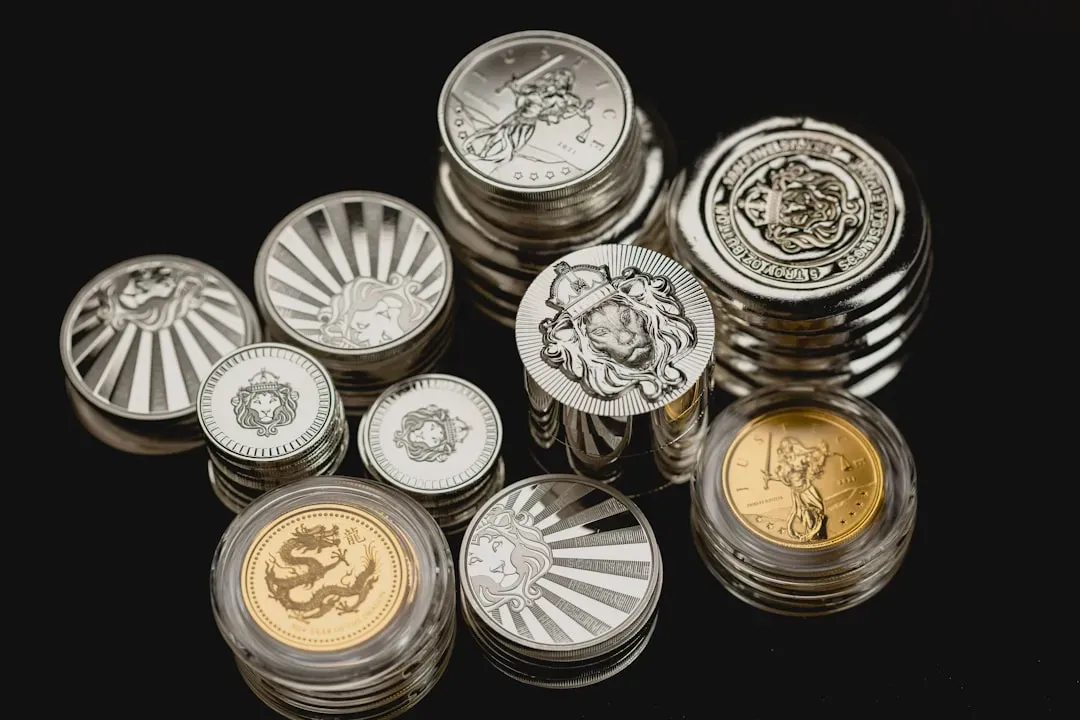
There’s a reason collectors and investors obsess over that 1964 date. The Coinage Act of 1965 changed everything. As silver prices rose, the melt value of these coins exceeded their face value, leading people to hoard them. To keep coins in circulation, the U.S. government removed silver from dimes and quarters, switching to a copper-nickel clad composition. Basically, Uncle Sam couldn’t afford to keep minting money that was worth more melted down than spent.
Until 1965, the US Mint produced every dime, quarter, and half dollar with a 90% silver alloy (the remaining 10% was copper). After that, coins became base metal sandwiches with zero precious metal content. So anything dated 1964 or earlier became a time capsule of real value frozen in history. Smart investors noticed that these old coins weren’t just collectibles – they were portable wealth.
The Ultimate Barter Tool for Uncertain Times
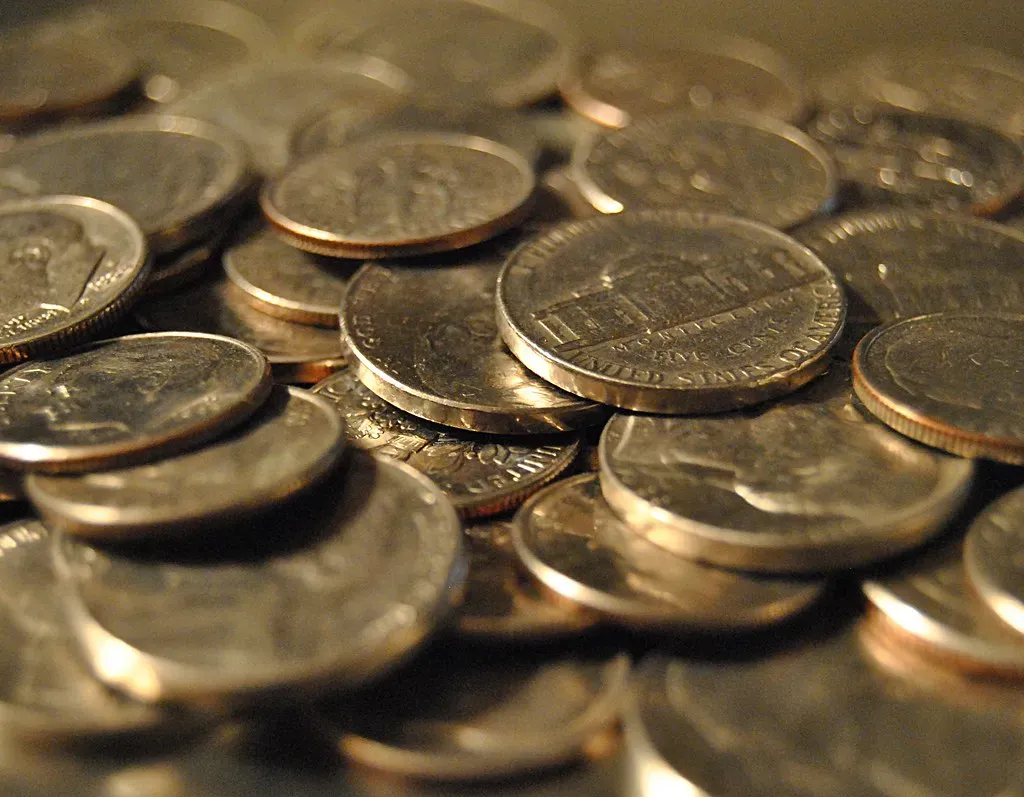
I know it sounds a bit survivalist, but hear me out. Junk silver can be useful for bartering in an emergency situation, or in the event of a collapse of the US dollar. Now, I’m not saying we’re headed for some dystopian meltdown, but economic uncertainty has folks spooked. Inflation isn’t just a number on the news – it’s hitting every grocery bill and gas pump.
A single 90% silver dime contains about 2.25 grams of silver, making these smaller samples particularly useful for potential barter during financial stress or uncertainty. Think about it: you can’t exactly break a gold bar into pieces to buy groceries, but a handful of dimes? That’s flexible, recognizable, and practical. Nobody needs to pull out a testing kit when they’re looking at a Roosevelt or Mercury dime that’s been around since World War II.
The Dealer Frenzy and Market Freeze
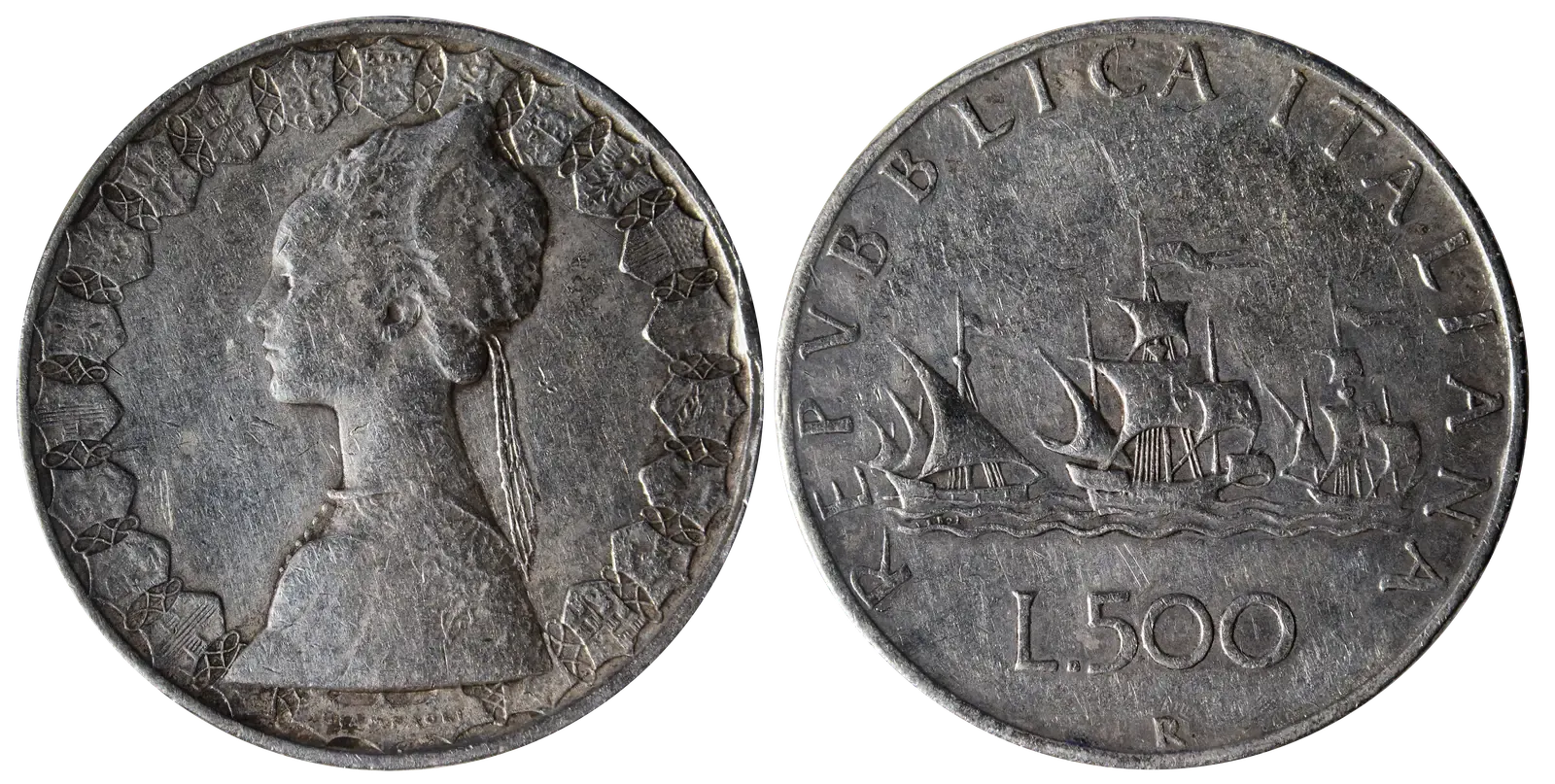
Something wild happened in late 2025 that really caught people’s attention. The situation began late last week when major dealers announced they would no longer purchase junk silver (90%) or scrap silver for melting. Refineries, already facing months-long backlogs, have reached a breaking point. When dealers stop buying, that’s not weakness – that’s a sign of extreme tightness in the physical market.
Investors noticed premiums starting to compress and then suddenly reverse. Premiums on junk silver often run ~$0.99–$2.49/oz over spot in calm markets and can compress further in competitive conditions, according to bullion price tracking from early 2026. Yet during periods of shortage, those premiums can explode. Honestly, when the refineries can’t keep up and dealers are scrambling for inventory, you know demand is off the charts.
Lower Premiums, More Silver for Your Dollar
Here’s where junk silver really shines compared to fancy new bullion. Buying junk silver in bulk can be a cheap way to invest in silver compared to new silver bullion coins, rounds, or bars. You’re not paying for slick packaging, collectible designs, or government mint markups. You’re buying silver content, plain and simple.
Unlike newly minted silver bars or modern bullion coins, junk silver typically carries lower premiums over spot price, making it one of the most accessible ways to own physical silver. Lower Premiums: Junk silver often trades closer to the spot price than newly minted bullion, meaning you get more silver for your dollar. That difference adds up fast when you’re trying to accumulate ounces on a budget. Plus, these coins are already worn and circulated, so there’s no guilt about handling them or storing them in less-than-pristine conditions.
Retirement Accounts and the Silver Strategy
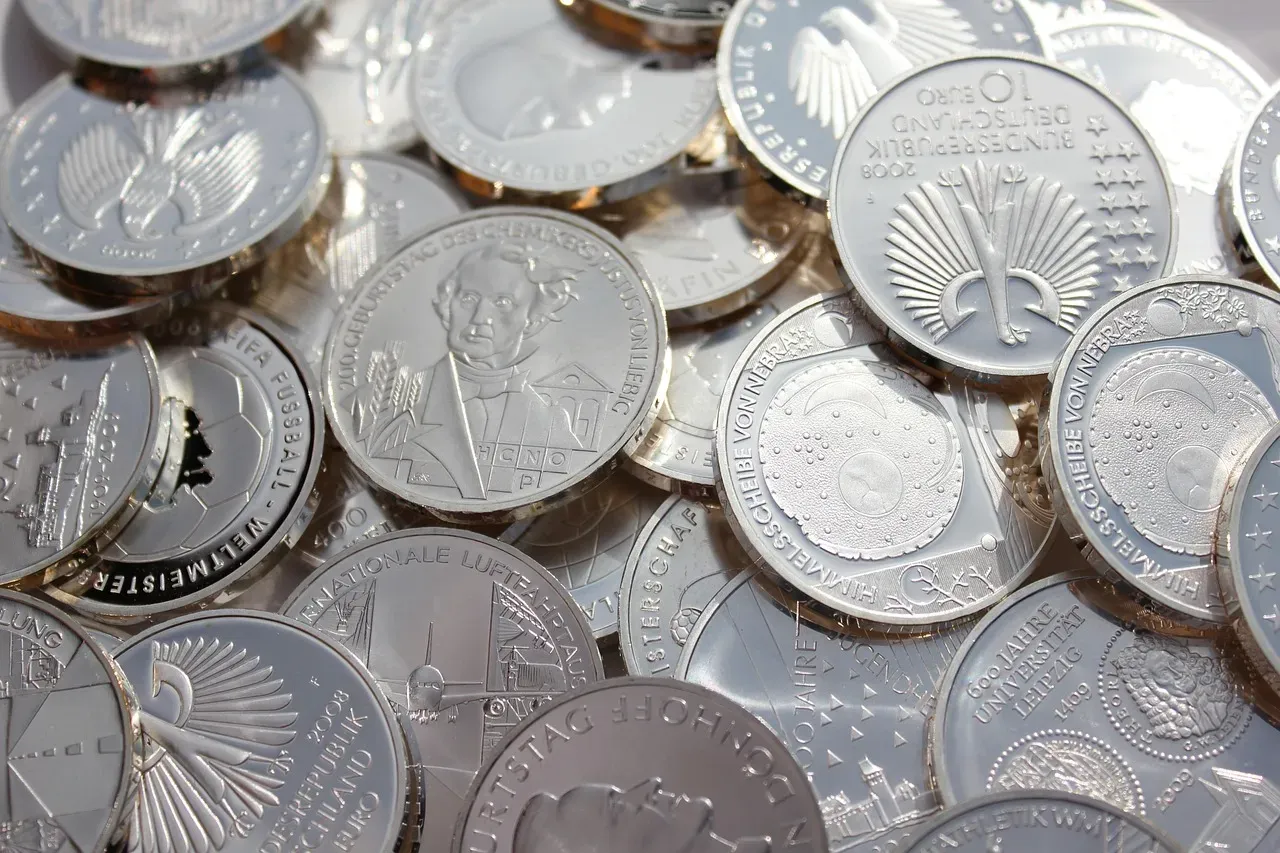
Okay, so can you actually put these old dimes and quarters into a retirement account? Well, sort of. Coins with lower silver content, such as pre-1965 U.S. coins that often have around 90% purity and are known as constitutional silver, aren’t permitted in standard IRAs that require higher purity. IRA-eligible silver typically needs to be at least 99.9% pure.
That said, a Silver IRA rollover has become an increasingly popular strategy for individuals who want to protect and strengthen their long-term financial future. You can set up a self-directed IRA and include approved silver bullion or coins that meet IRS standards. While your pre-1964 dimes might not qualify directly for the IRA wrapper, many retirees are diversifying with both IRA-eligible silver and personal holdings of junk silver outside the account. It’s all about layering your protection strategies.
The Industrial Demand That Nobody Talks About
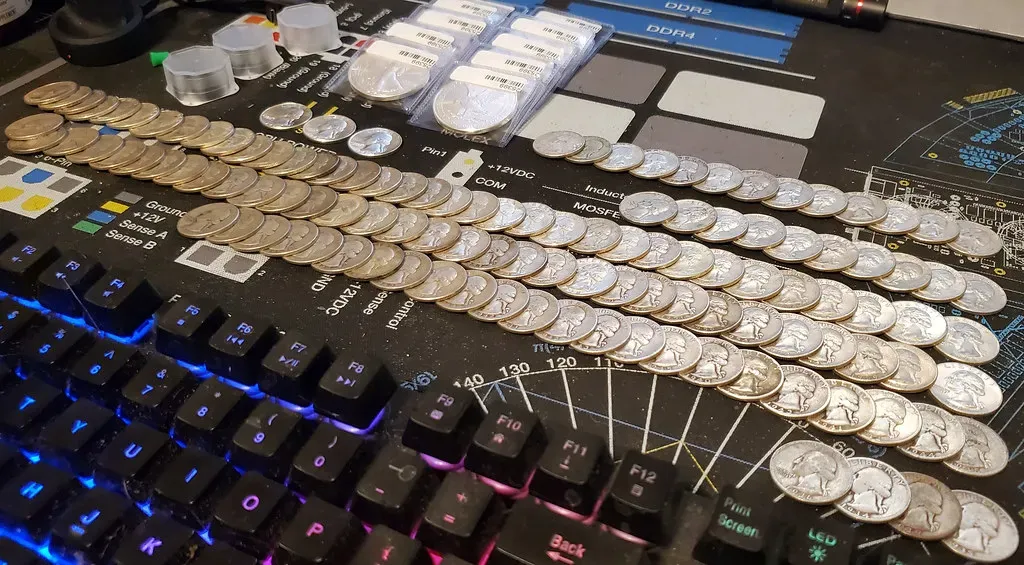
Silver isn’t just sitting in vaults looking pretty. A major driver behind silver’s demand surge is its critical role in green technologies. Solar panels, electric vehicles, and power grid infrastructure all rely heavily on silver’s conductive properties. We’re talking about physical consumption that isn’t coming back – once that silver goes into a solar panel or an EV circuit board, it’s essentially gone from the market.
Silver also has significant industrial utility – particularly in solar panels, electronics, automotive components, and medical technology. Gold is primarily a monetary metal and jewelry component, but silver? It works for a living. That dual role as both a store of value and an industrial commodity creates price dynamics unlike any other precious metal. When tech booms, silver gets squeezed. When investors panic, silver gets squeezed. It’s a beautiful setup for price appreciation.
Recognizability and Trust Across Generations
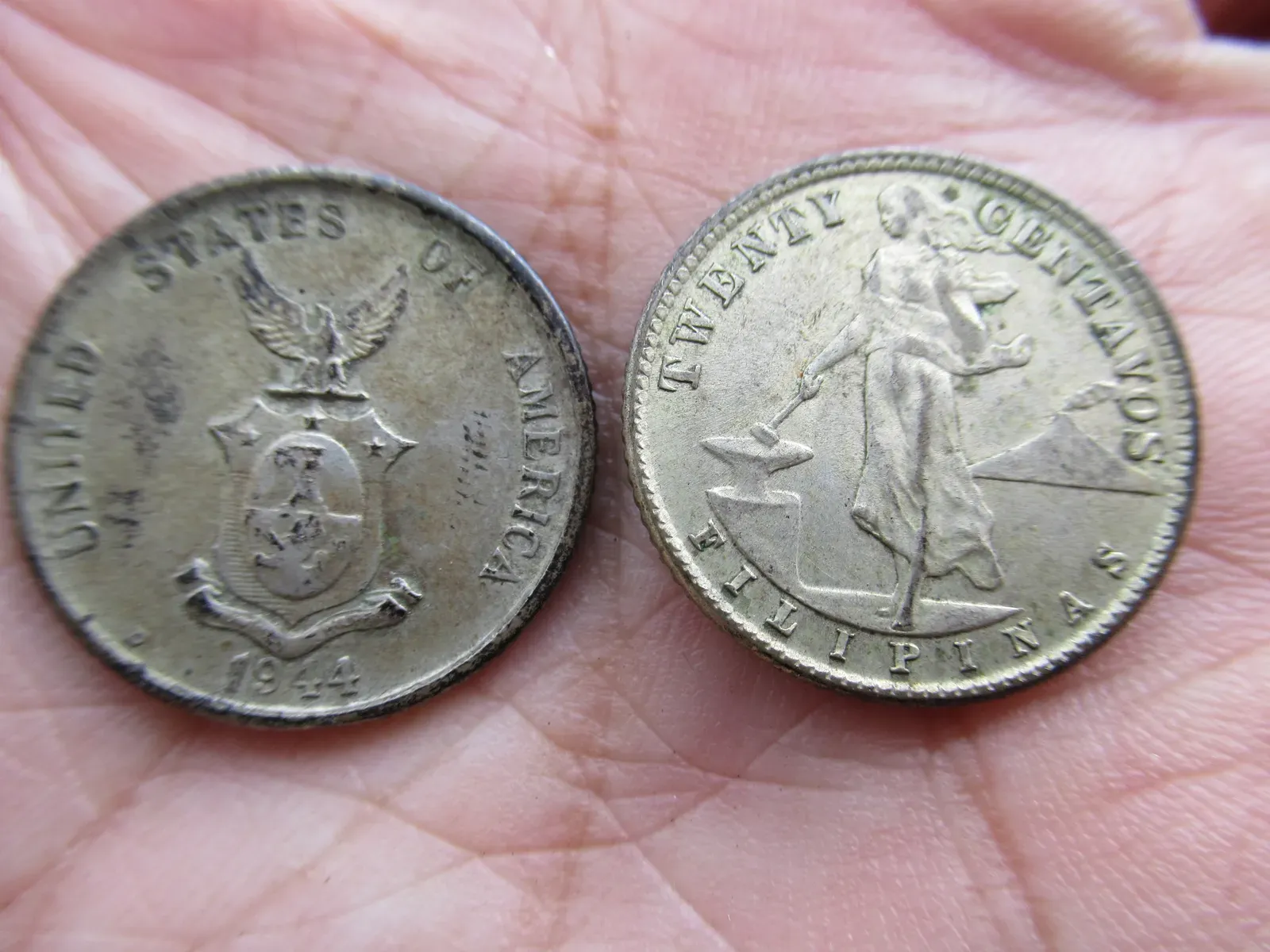
One of the best things about those old U.S. coins? Everybody knows what they are. US Minted coins are recognizable and trusted, even these old silver examples from over 50 years ago. Most of the designs are familiar, even today. There’s no language barrier, no obscure mint mark to verify – people instinctively understand that a worn Washington quarter or a tarnished Mercury dime has intrinsic value.
Compare that to some random private mint silver round that might require authentication or a hallmark check. Pre-1965 U.S. coins are universally accepted by dealers, and plenty of regular folks know enough history to recognize them. That’s a huge liquidity advantage. You can walk into almost any coin shop in America and get an instant quote based on current silver spot prices.
The Math That Makes Millionaires Smile
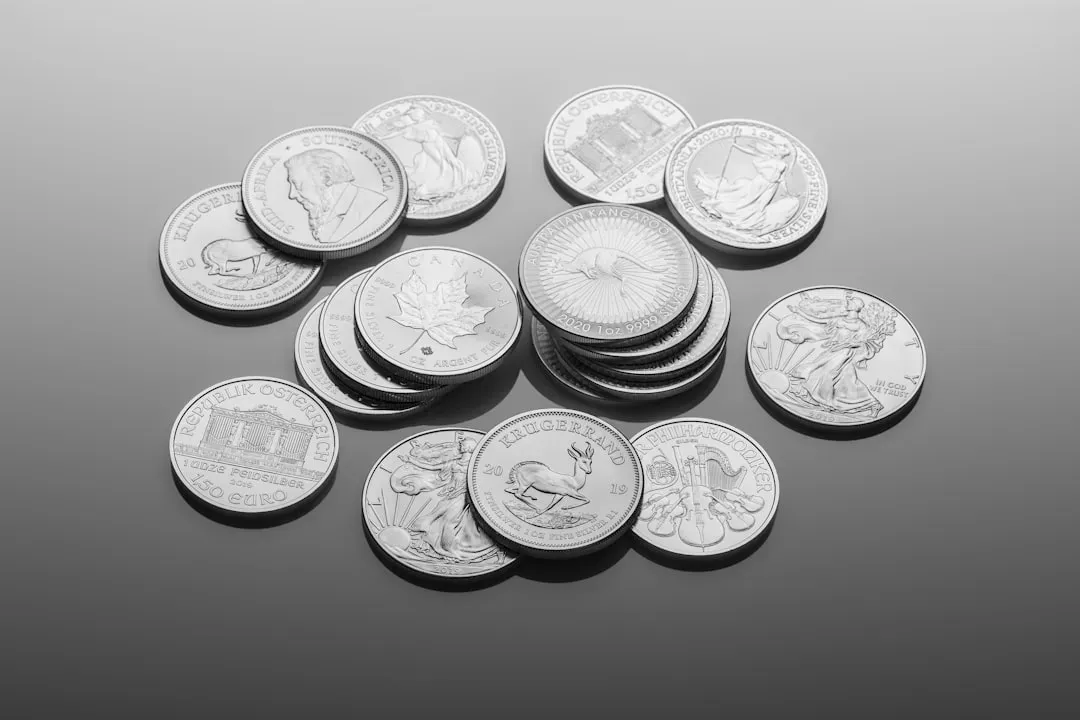
Let’s talk actual numbers for a second. Gold: $4964.62 Silver: $77.95 Platinum: $2095.73 90% Junk $1 FV: $55.73, according to live pricing data from early February 2026. That means every single dollar of face value – ten dimes, four quarters, two half dollars – is trading for over fifty-five dollars. A 90 percent silver quarter from 1964 is now worth 20 times more than its face value due to the metal content.
Imagine you’d picked up a simple hundred-dollar face value bag of mixed junk silver back when silver was still trading below thirty bucks an ounce. That investment has absolutely crushed most traditional portfolio allocations over the past year. The math is simple: more silver content for less money equals better returns when the metal price moves in your favor.
The Long Game and Portfolio Diversification
Nobody’s saying you should dump your entire nest egg into a bathtub full of dimes. While gold’s stability may appeal to many retirement investors in 2026, silver IRAs can make sense for investors who are willing to take on more risk in exchange for potentially larger returns. Silver tends to move more sharply than gold during precious metals bull markets, which means volatility cuts both ways.
Junk Silver has long served as a hedge against inflation, currency weakness, and declining purchasing power. Because silver is a tangible asset with intrinsic value, it tends to remain valuable across decades of economic change. For many investors, US 90 silver is a stable, low-premium, long-term wealth-preservation tool. The key word there is “long-term.” These aren’t lottery tickets – they’re insurance policies that happen to have significant upside potential. Diversification means spreading risk across multiple asset classes, and physical silver checks boxes that paper assets simply cannot.
So here we are. The world’s waking up to the fact that those “junk” coins gathering dust are actually a legitimate wealth preservation strategy and potentially a retirement game-changer. Whether you’re stacking dimes as a hedge against inflation, preparing for market chaos, or simply taking advantage of one of the wildest commodity runs in modern history, 1964-dated silver is having its moment. Did you expect something minted during the Johnson administration to outperform your tech stocks? What’s your take – are you ready to dig through your spare change?