The 2026 “Lemon” List: 4 Redesigned Cars Already Raising Reliability Concerns
There is a well-known rule among savvy car buyers: never be the first to own a completely redesigned vehicle. History keeps proving it right. One of the central messages of Consumer Reports’ latest survey is clear – completely new or newly redesigned models tend to be more exposed to problems during the early stages of commercialization. The data backing that up is hard to ignore. New model launches remain riskier than carryover designs, with carryover models averaging 196 problems per 100 vehicles, while newly redesigned models average 241 problems per 100 vehicles – a 45-point gap indicating that first-year redesigns tend to experience significantly more early issues. These four models, all carrying the weight of ambitious overhauls, are already paying the price.
1. GMC Acadia – A Bold Redesign That Backfired

The GMC Acadia was given a substantial makeover for the 2024 model year, growing larger in nearly every dimension. The midsized, three-row GMC Acadia received a new engine and revamped interior, with the sole powerplant being a 328-hp turbocharged four-cylinder paired with an 8-speed automatic transmission. On paper, the changes looked promising. In the real world, something went very wrong. Consumer Reports expects the 2026 Acadia to be much less reliable than the average new car, based on data from the 2024 and 2025 models and the GMC brand score.
The numbers are stark. The recently redesigned 2026 GMC Acadia scores a predicted reliability rating of just 14 out of 100 according to Consumer Reports. Analysts identified a clear pattern of trouble with the GMC Acadia, specifically citing recurring problems with the transmission, brakes, electrical accessories, and in-car electronics. According to RepairPal, the GMC Acadia holds a reliability rating of 3.0 out of 5.0, ranking it 23rd out of 26 for midsize SUVs, with average annual repair costs of $734 – and when issues do arise, they are more likely to be severe than with other models.
2. Mazda CX-90 – The Ambition Tax
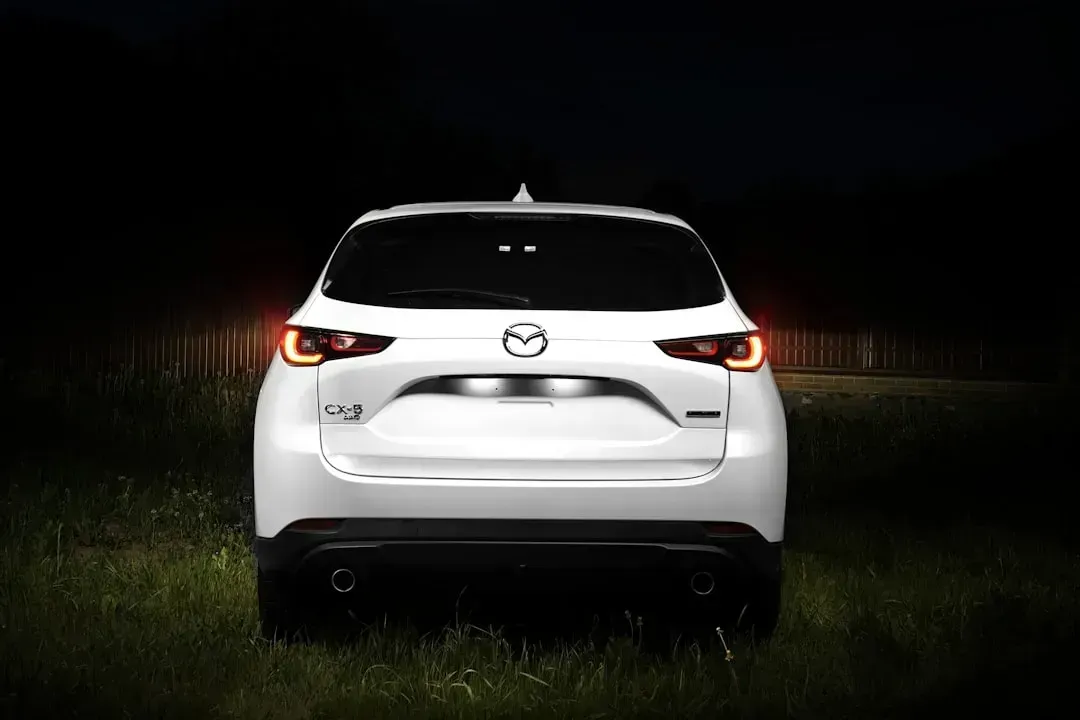
Mazda earned a strong reputation for reliability through years of conservative, well-proven engineering. Then the brand swung for the fences. While automakers such as Toyota and Subaru take a conservative approach to redesigns using existing platforms or powertrains, Mazda went in the opposite direction – the CX-90 uses a new engine and transmission, and a new rear-wheel-drive-based platform, and is also available as a PHEV, the automaker’s first plug-in hybrid model. The gamble has come with a significant reliability cost. The drop in Mazda’s rankings is primarily due to the introduction of the all-new CX-90 and CX-70 models, with Consumer Reports listing the Mazda CX-90 and its plug-in hybrid variant among the least reliable vehicles for 2026, citing growing pains with the new platform and powertrains.
Consumer Reports gave the turbocharged Mazda CX-90’s powertrain and transmission a grade of only 1 out of 5 in the 2024 model, with issues including major engine components such as the turbocharger and timing chain – and in some cases, cylinder heads, gaskets, and entire engines needed replacement. The recall history adds further concern. In 2024, the NHTSA issued 11 recalls for the 2024-25 Mazda CX-90 PHEV and received 120 complaints – many drivers were concerned by inaccurate fuel gauge readings, and another major problem warranted a recall when the engine start-stop system would sometimes fail to restart the vehicle after shutting down at a stop. Mazda tumbled eight spots in reliability rankings due to redesigns that excluded previously reliable models like the CX-5.
3. Mazda CX-70 – The Sister Model With Similar Struggles
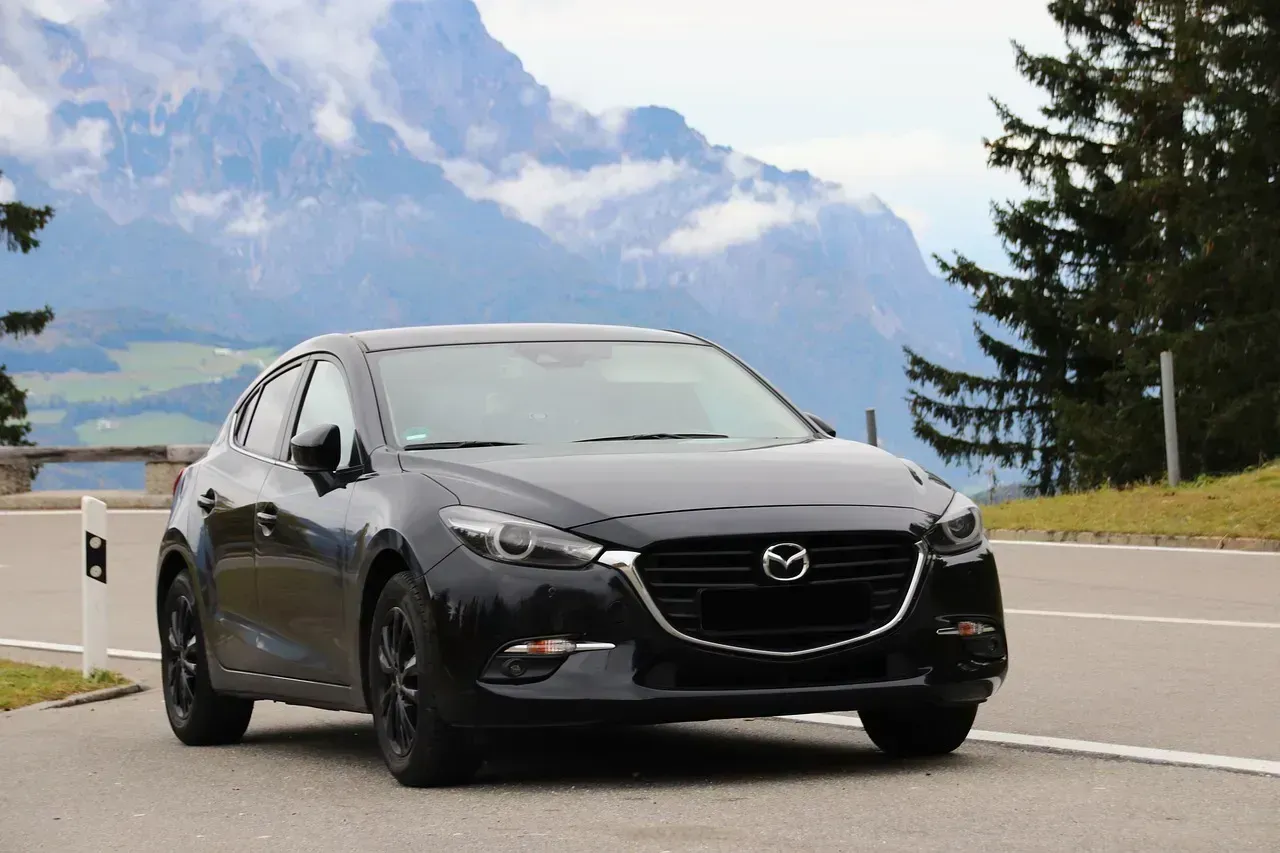
If the CX-90 story sounds familiar, the CX-70 follows an almost identical script. The new-generation CX-70, particularly in its plug-in hybrid versions, highlights issues related to engines, transmissions, and electrical components, representing a more ambitious technical project than anything Mazda has attempted before. The 2025 Mazda CX-70 has been recalled four times by NHTSA. That is a significant red flag for any vehicle still in its early model years. Mazda recalled certain 2024 CX-90 and 2025 CX-70 plug-in hybrid electric vehicles because improper inverter software may cause the malfunction indicator lights to illuminate, and a loss of drive power may occur while in electric vehicle mode.
Owner feedback from real-world use paints a concerning picture. Mazda recalled certain 2024 CX-90 and 2025 CX-70 vehicles because the powertrain control module and engine control module software may cause malfunction indicator lights to illuminate and a loss of drive power. One owner reported a particularly frustrating cold-weather issue, noting that when it is very cold outside, the battery drains to the point that the doors cannot be unlocked – and Mazda did not yet have a fix. Newer, more complex models can experience initial issues that take a few model years to resolve. For buyers writing a check today, that wait is anything but reassuring.
4. Chevrolet Blazer EV – An Award Winner That Became a Cautionary Tale
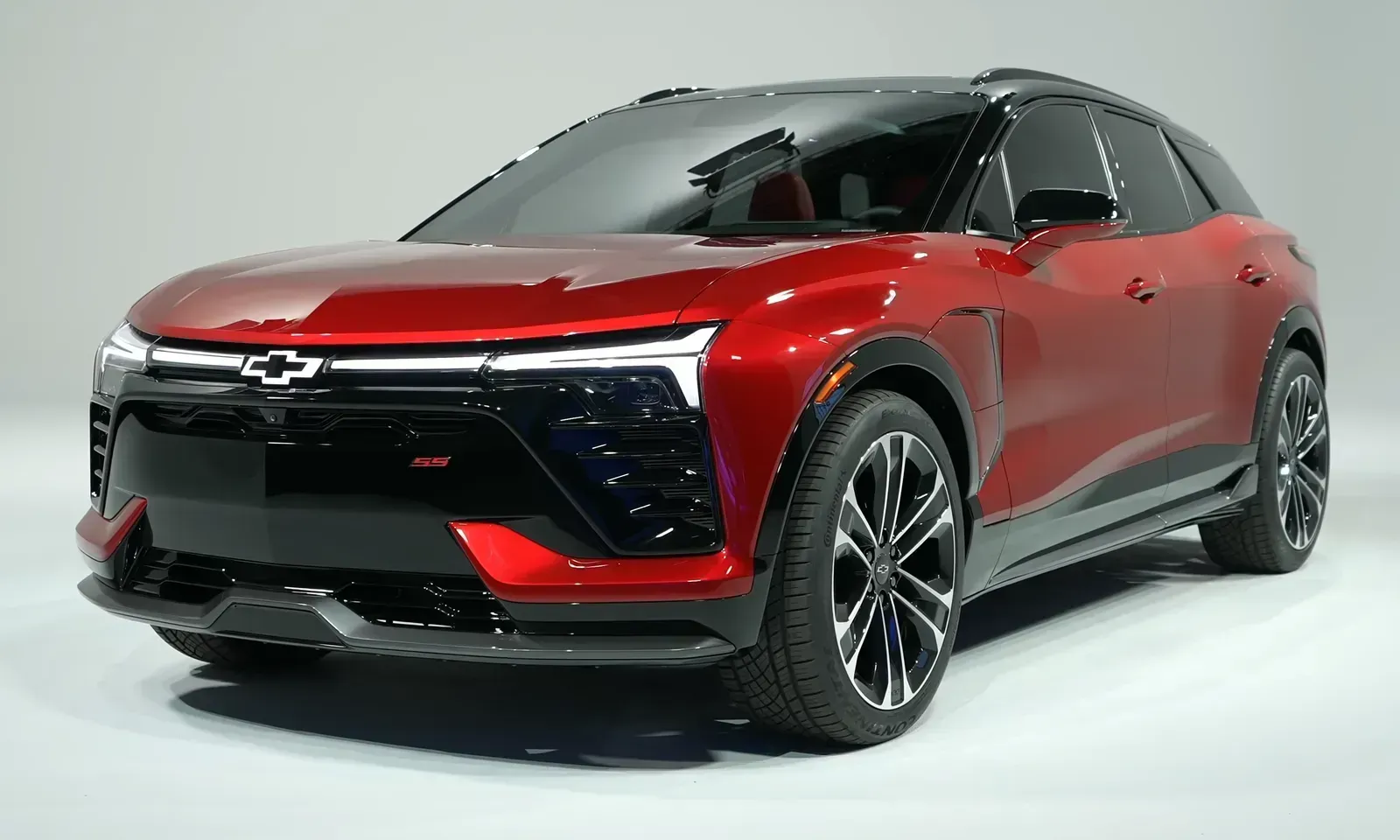
Few automotive falls from grace have been quite as dramatic as the Chevrolet Blazer EV’s. Near the end of 2023, the 2024 Blazer EV impressed reviewers at MotorTrend enough to receive the MotorTrend Car of the Year honor – but the honeymoon ended quickly when GM was forced to halt sales of the award-winning vehicle just two days into the new year. The problems were deep and wide-ranging. The Blazer EV can have EV battery malfunctions and cooling problems, including significant problems with the climate system, and there are numerous reports of the 12-volt battery failing, with in-car electronics frequently cited as a complaint when display screens freeze or go blank.
General Motors attempted to address the issues, but the 2025 and 2026 models have continued to frustrate owners. Things didn’t improve much in the 2025 rollout either, with some drivers reporting they were unable to shift out of park – a complaint that led to over 40,000 Chevrolet Blazer EVs being recalled by General Motors, with 2025 models accounting for about a quarter of that figure. Seven of the 10 least reliable cars identified by Consumer Reports are either PHEVs or EVs, with issues related to EV battery, charging, and drive systems among the most commonly reported problems. The broader industry context is just as sobering: plug-in hybrid electric vehicles remain the most problematic of any powertrain type in J.D. Power’s 2026 dependability study, increasing 39 problems per 100 vehicles year over year to 281 PP100. The Blazer EV sits squarely at the center of that storm.