Why You’d Go Broke Moving to These 10 Cities Residents Now Regret
Ever watched your bank account shrink faster than ice in July? That’s what thousands of Americans are discovering after relocating to cities they thought would change their lives for the better. Spoiler alert: the change wasn’t what they expected.
More than one in four Americans say they thought they’d be happier after they moved, but they’re not. Let’s be real, that’s a crushing statistic. These aren’t just minor inconveniences we’re talking about. More than half of people who moved in 2024 did so with the hope that a change in location would fix their problems. The reality? Sometimes a new zip code just means new financial nightmares.
From skyrocketing rents to insurance premiums that’ll make you weep, the cities on this list have earned their spots for all the wrong reasons. Each one promises something unique but delivers a financial gut punch that leaves residents scrambling. So let’s dive in.
San Francisco: The Tech Dream Turned Budget Nightmare

Picture this: you land that coveted tech job in San Francisco, ready to live the Silicon Valley dream. Then reality crashes down like a rogue wave at Ocean Beach. Average home prices in San Francisco can hover around $1.3 million. That’s not a typo.
San Francisco has some of the highest average home prices in the country, with the average home costing around $1,375,284, and renters face similar challenges, as apartment rents are more than double the national average, with a typical unit costing $3,761 per month. Even those six-figure tech salaries barely keep pace with the relentless cost crush. The city’s homeless crisis has worsened too, with 8,323 people experiencing homelessness as of 2024, a 7% increase from the previous year.
Honestly, it’s hard to say whether the fog or the rent checks are more suffocating. The city saw a net loss of nearly 100,000 residents between 2020 and 2023, driven by high living costs, safety concerns, and a declining quality of life.
New York City: The Price of Never Sleeping
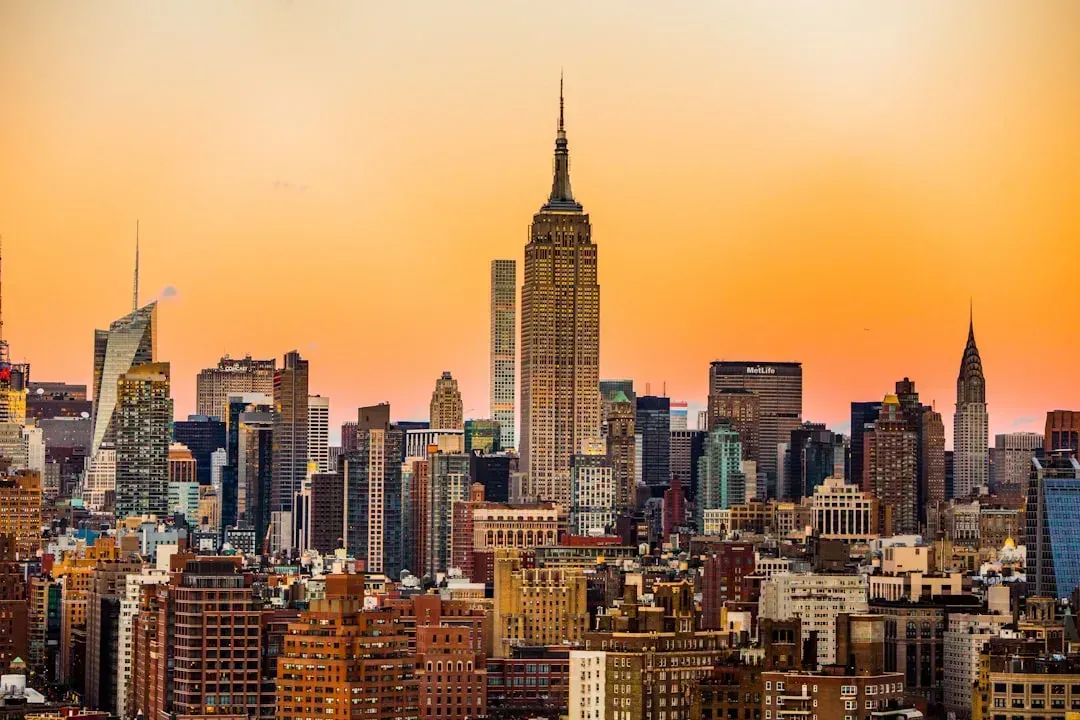
Manhattan continues to hold its position as the most expensive city in the country, with a cost of living index that is more than twice the national average. That iconic skyline comes with a price tag most can’t afford. The average home price is a staggering $3,025,267, and average monthly rent is around $5,654.
Think about that for a second. Five grand a month just for rent. In 2024, about 415,449 people left New York and 285,304 moved in, resulting in a net loss of about 130,145 residents that year. New Yorkers aren’t just talking about leaving anymore – they’re actually doing it.
New York City residents face significant tax burdens, with city income tax rates ranging from 3% to 3.8%, in addition to state tax rates up to 10.9% for high earners. The dream of making it in New York often turns into the nightmare of surviving New York.
Miami: Paradise Lost to Insurance Premiums
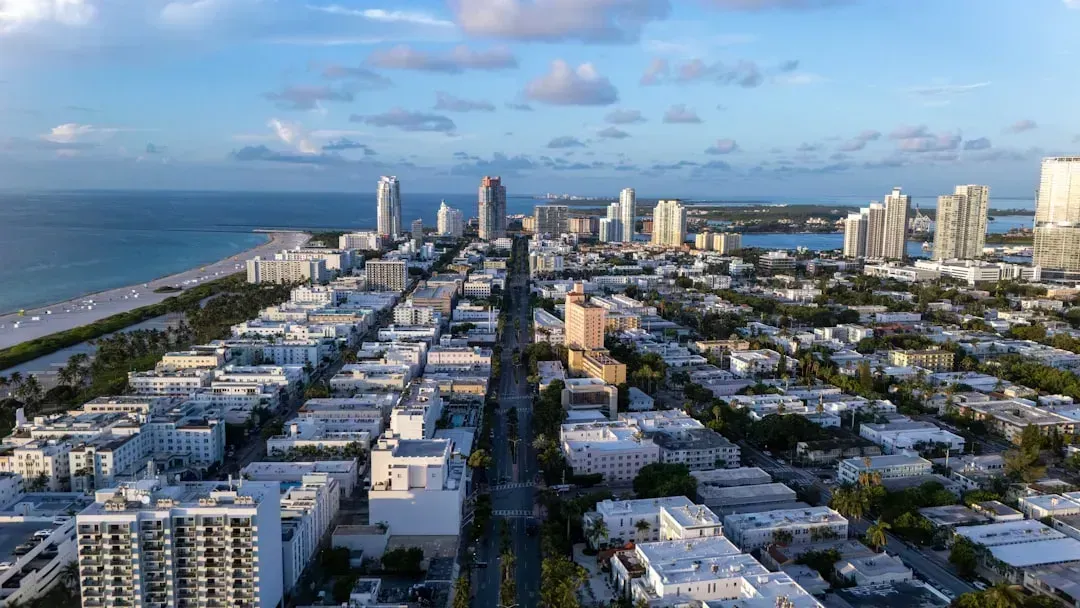
Miami sells itself as tropical paradise, and truthfully, the beaches don’t lie. What they don’t advertise? The financial hurricane that hits your wallet the moment you sign a lease. As of 2025, the average rent in Miami, Florida, is approximately $2,191 per month, which is about 34% higher than the national average of $1,639 per month.
Home prices have surged, with the median sale price reaching $650,000, and homeowners’ insurance remains expensive due to Florida’s ongoing insurance crisis. The kicker? Florida’s average home insurance premium was expected to reach $15,460 by the end of 2025, while home prices had jumped 60% since 2020. That wasn’t a cost of living – it was a ransom.
61 percent of those earning under $50,000 have considered leaving Miami-Dade, against 59 percent in the $50,000–$100,000 range and 55 percent of those earning $100,000. When even high earners are eyeing the exit, you know something’s broken. Roughly 67,000 people left the county between 2023 and 2024 to go to live in other areas of Florida or the U.S.
Los Angeles: Where Dreams Meet Reality Checks
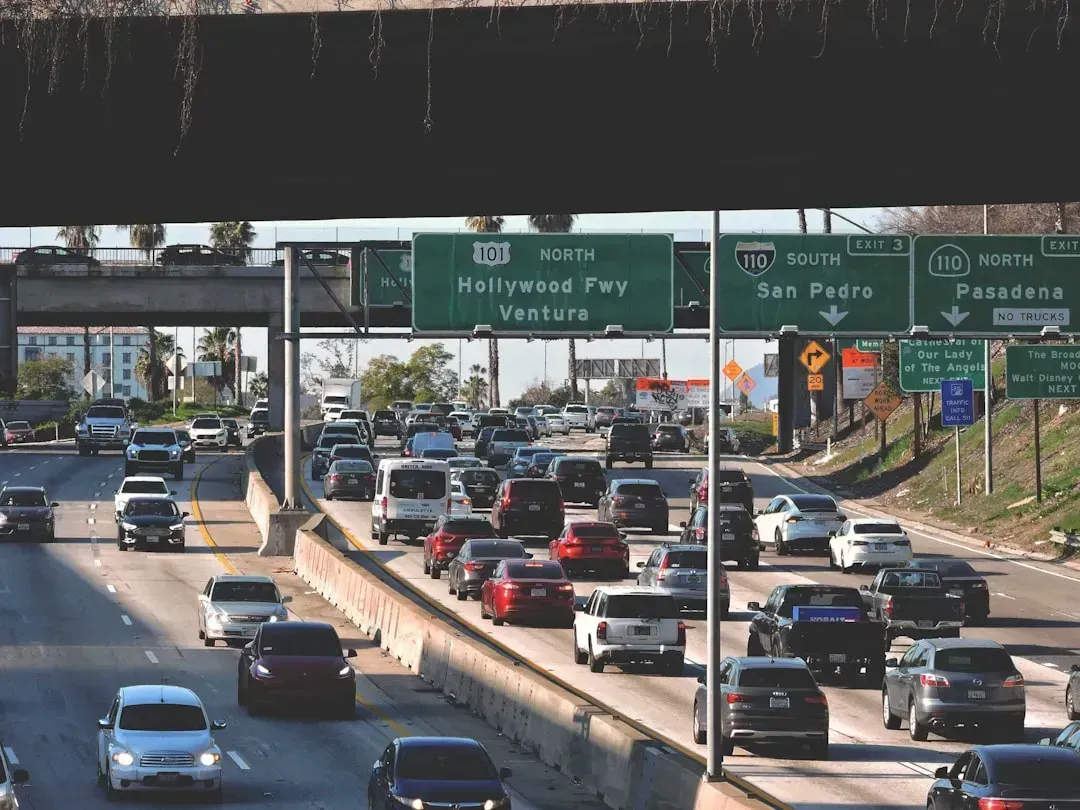
Los Angeles has long been the city of angels and ambition. These days, it’s also the city of astronomical expenses and crushing disappointment. Between October and December 2023, 26,900 more people searched to leave Los Angeles than to move into the city.
People choose to leave because of the high cost of living, expensive housing, and the need to change scenery. As of 2024, over 60,000 people in L.A. are without shelter, reflecting a persistent and growing crisis. Traffic alone is enough to make you reconsider your life choices – traffic congestion is among the worst in the country at 119 hours per year.
The sunshine tax is real, and it’s steep. California overall continues bleeding residents, and LA leads the exodus.
Austin: When the Boom Goes Bust
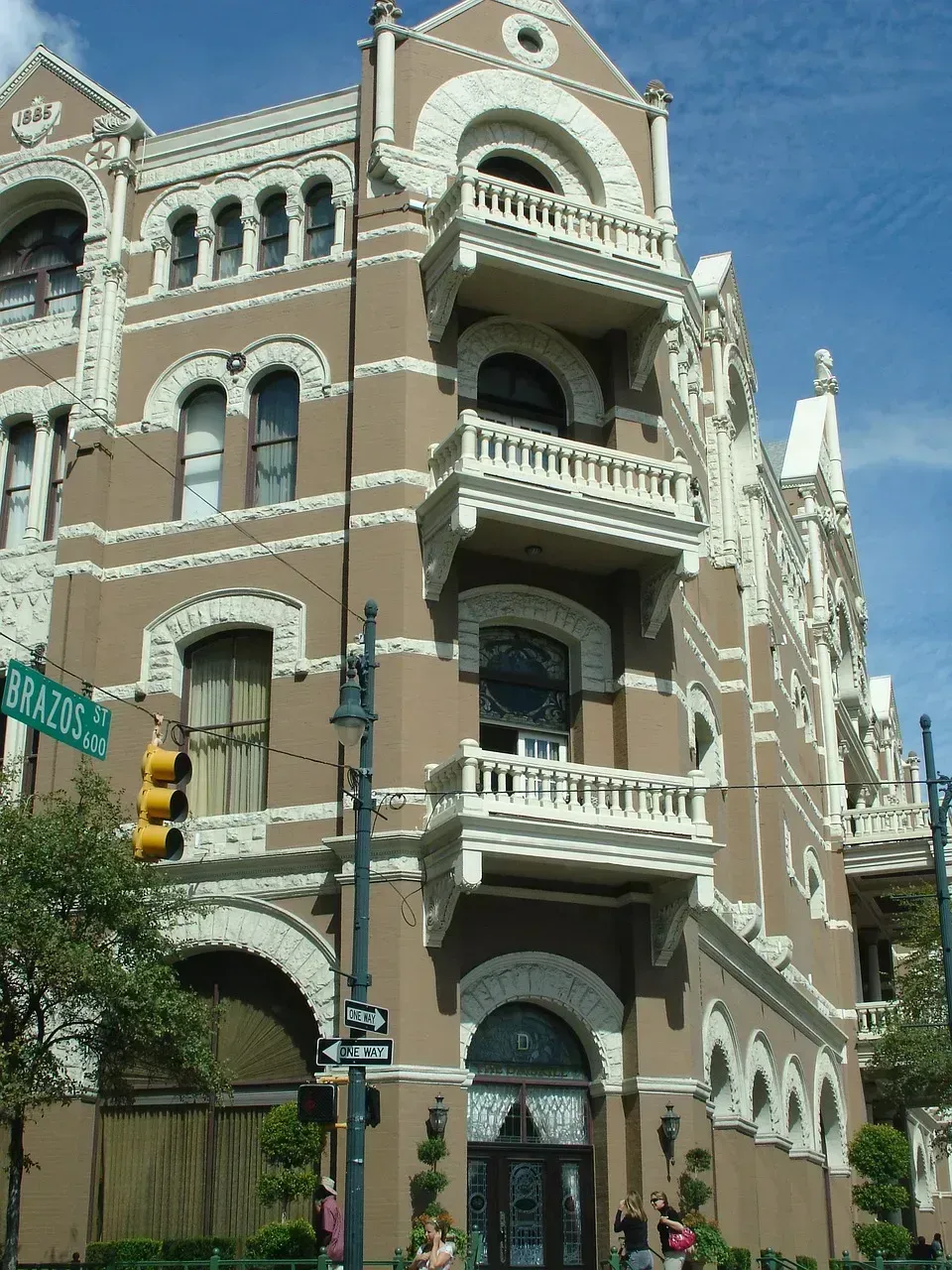
Austin was the 2020 pandemic darling, the place everyone fled to from California and New York. Now? The shine has worn off considerably. Between February 2020 and May 2022, the median sale price of a home in Austin jumped by more than 60 percent, reaching a peak of $659,500.
Here’s the thing though: what goes up eventually has to stabilize or fall. The median listing price in March 2025 was $510,000, down 7.2 percent from March 2024, with 12 consecutive months of prices falling year-over-year. A salary of $113,852 is recommended to live comfortably in Austin, according to recent analyses.
Austin is the most expensive major city in Texas, and compared to San Antonio, Houston, and Dallas, Austin requires a higher income to cover basic expenses like housing, utilities, and transportation. That “Keep Austin Weird” vibe now extends to keeping Austin affordable – it’s basically impossible.
Boston: History Costs Extra
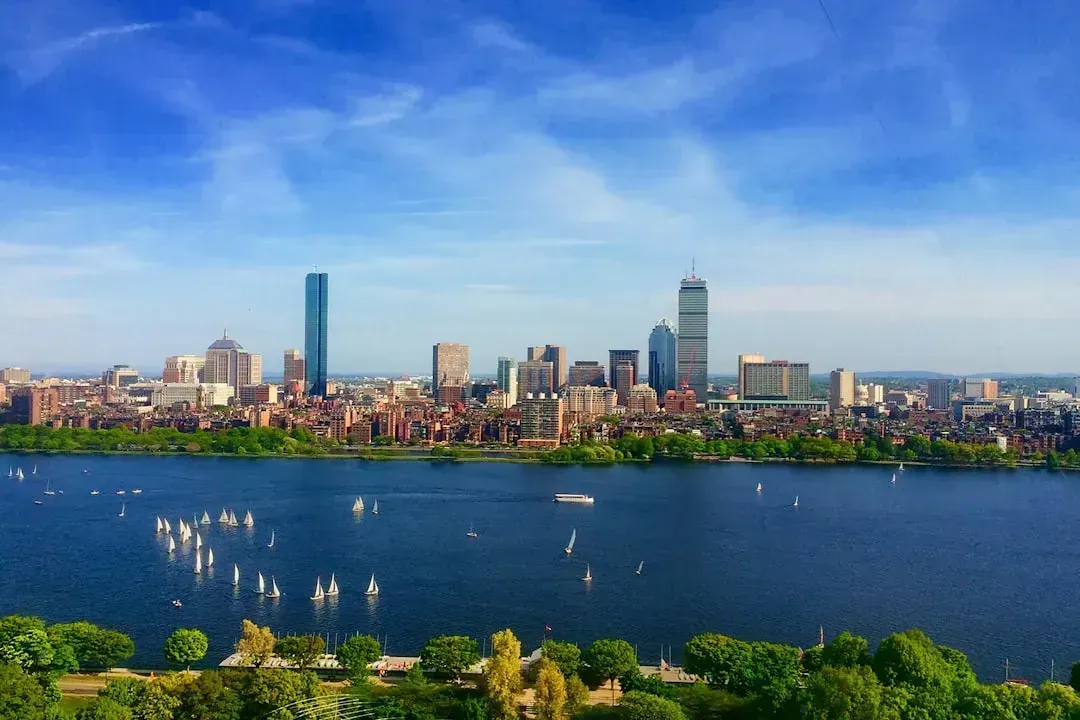
Boston offers ivy-covered prestige and colonial charm. It also offers financial pain that’ll make you long for simpler times. The median home price in Boston has soared to $765,000 as of May 2024, with listing prices reaching up to $1 million, and the price per square foot stands at a staggering $965.
Despite the high cost of living, wage growth remains sluggish at only 2% annually, lagging behind the inflation rate and exacerbating financial strain. That’s the real killer. Your paycheck barely budges while everything else skyrockets. Boston is experiencing a mass exodus, with rising living costs and stagnant wages pushing residents out, while aging infrastructure leads to frequent breakdowns and high maintenance costs.
The historic architecture is beautiful. The cost of maintaining it? Less so.
Honolulu: The Paradise Tax Ain’t Worth It

Hawaii sounds like a fantasy until you check the price tags. A gallon of milk costs $9, and the “paradise tax” is real, affecting every single thing you buy. I know that sounds absurd, but it’s what residents actually face.
Fewer than one in five (19.20%) new entry-level jobs in Hawaii satisfy the local cost of living, according to a 2025 study. The median home value in Honolulu is $1,608,698, and the median household income of $104,264 often falls short of what’s needed to live comfortably.
The isolation of being on an island, thousands of miles from the mainland, hits new residents harder than they expect, and good jobs that pay enough to cover the absurd cost of living are incredibly hard to find. Paradise shouldn’t bankrupt you, but in Honolulu, it just might.
Baltimore: Safety Concerns and Stagnant Wages

Baltimore has seafood, history, and proximity to D.C. What it also has is a reputation problem that’s backed by sobering statistics. Baltimore leads the U.S. in murders and robberies per 100,000 residents, according to 2024 data.
That statistic weighs heavily on people, affecting everything from where they walk to when they come home, and many new residents find the safety concerns are just too much to handle. It’s hard to focus on building a life when personal safety dominates your daily decisions.
The cost of living might be lower than some coastal cities, but the hidden costs – the stress, the worry, the constant vigilance – add up in ways that don’t show up on spreadsheets. People move to Baltimore with optimism, then find themselves reconsidering within months.
New Orleans: High Highs, Low Lows, Empty Wallets
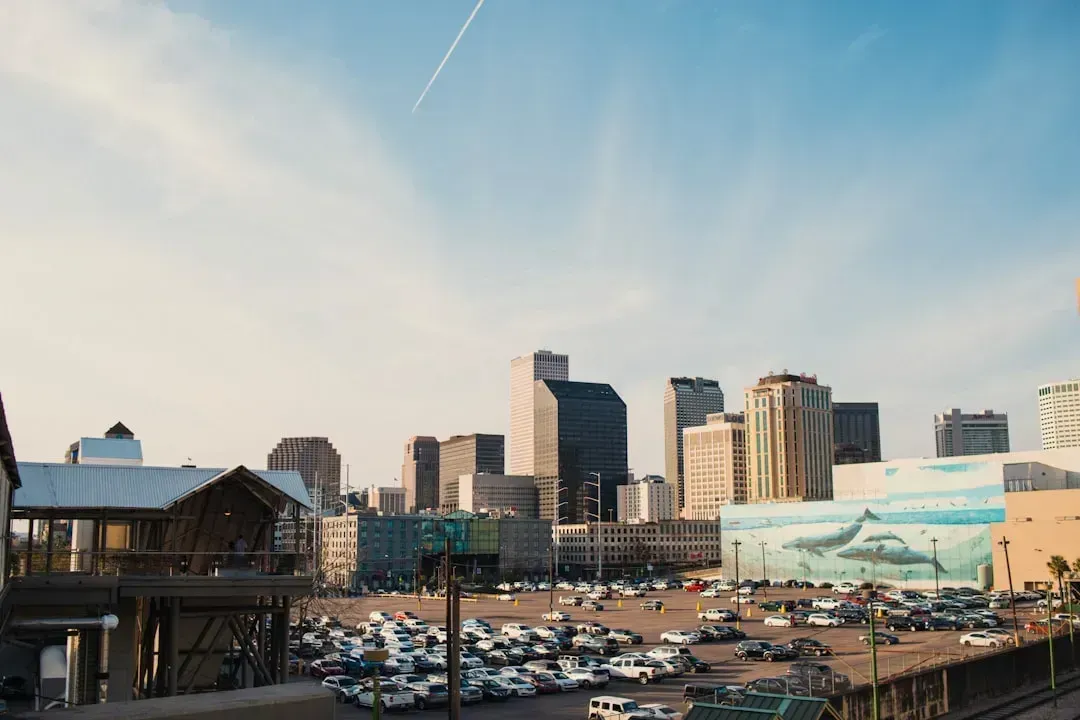
There’s nowhere like New Orleans. The music, the food, the culture – it’s intoxicating. The financial reality? Sobering. New Orleans residents have the highest number of mentally unwell days per 30, at 6.0, according to a 2024 study.
It’s a city of high highs and very low lows, and that emotional rollercoaster isn’t for everyone, while the climate can be summed up in one word: “swamp.” The heat and humidity wear you down physically while the cost of living wears you down financially.
Hurricane season brings constant anxiety and expensive preparations. Insurance costs are through the roof, infrastructure struggles, and job markets remain limited. The French Quarter might be magical, but paying rent in the Crescent City often feels like a curse.
Detroit: The Comeback That’s Still Coming
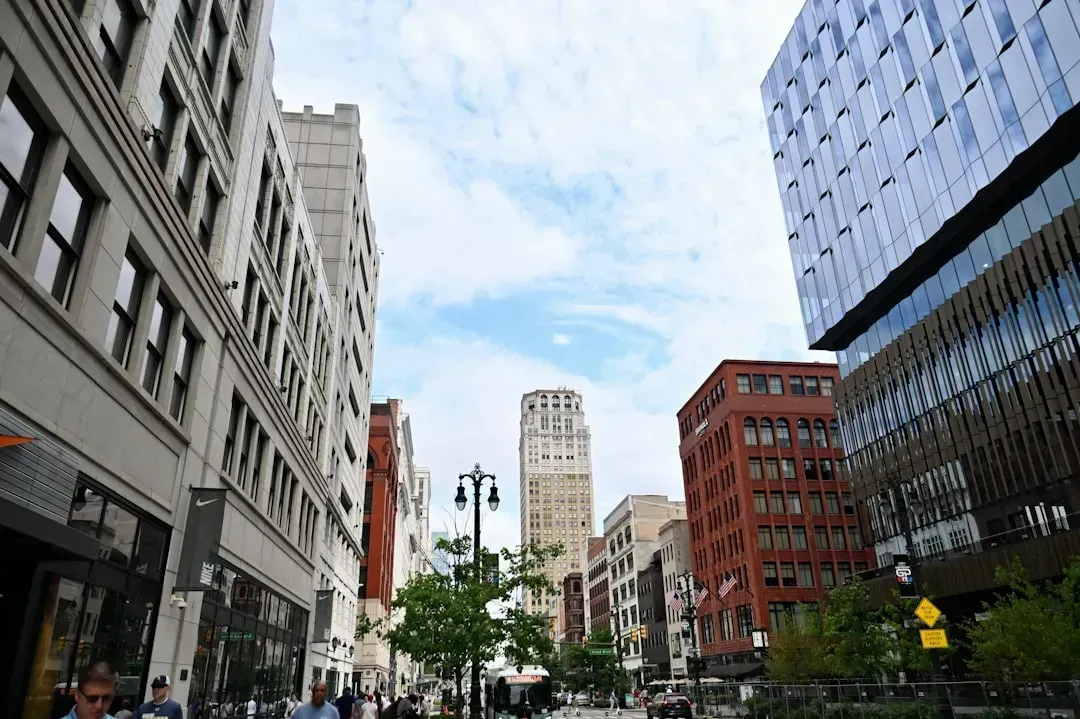
Detroit wants to be a comeback story. In some neighborhoods, it genuinely is. For many newcomers though, reality doesn’t match the hype. The city continues to struggle with deep-seated economic challenges and high crime rates, and job opportunities can be scarce outside of specific industries, like automotive and healthcare.
From October to December 2023, 2,100 more people searched to leave Detroit than to move into the city, wanting to head to Washington, D.C., Boston, and Grand Rapids, Michigan. The affordable housing that attracts people initially becomes less appealing when weighed against limited opportunities and persistent challenges.
A 2024 WalletHub study named Detroit the unhappiest city. That’s not a title any place wants, and it reflects the struggles residents face daily. Revitalization takes time, and many who move there discover they can’t afford to wait it out.