9 Habits of People Who Signal High Status Without Spending Money
They Speak Clearly, Calmly, and at a Slower Pace
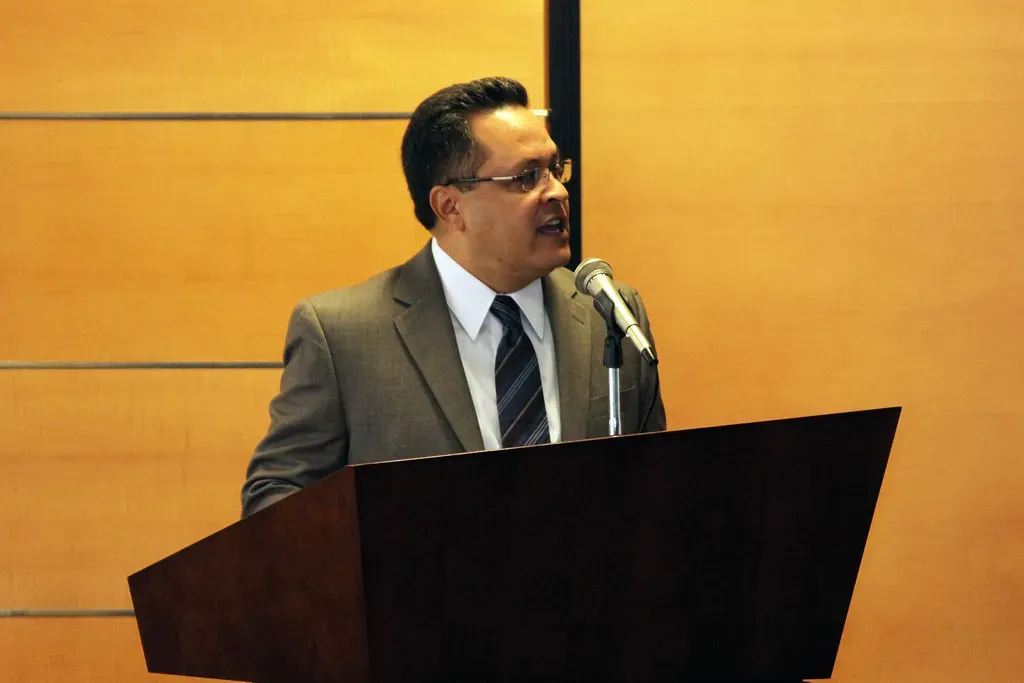
One of the strongest non‑material status signals is how someone uses their voice. Studies from universities in the United States and Europe between 2019 and 2024 have found that people who speak a bit more slowly and with fewer filler words are consistently rated as more confident, competent, and higher status, even when listeners cannot see them. Researchers in social psychology have also shown that a steady, moderate volume and clear articulation are linked with higher perceived leadership potential in job interviews and group tasks. You do not need an expensive education to do this; recording yourself, pausing before you speak, and trimming the “uhm, like, you know” from your speech can quietly shift how others rank you in their mind.
They Hold Eye Contact and Open Body Posture

High status is often read in seconds from posture and gaze, long before anyone knows your income. Experiments in nonverbal communication research have repeatedly found that people who hold eye contact for a few seconds at a time, keep their shoulders relaxed and open, and avoid fidgeting are judged as more powerful and higher ranking in social hierarchies. Lab studies using video ratings between 2020 and 2024 show that even small tweaks, like uncrossing your arms or turning your torso toward the person speaking, meaningfully increase perceived status and warmth at the same time. This is one of the cheapest “upgrades” you can make: simply stand a little taller, plant your feet firmly, and let your body take up its fair share of space without apology.
They Dress Neatly, Even in Very Simple Clothes

Contrary to what advertising pushes, status is less about luxury logos and more about neatness and fit. Research in social perception has shown that observers form a first impression in less than a second from clothing alone, and that clean, well‑fitting but inexpensive garments can lead to better judgments of competence than wrinkled designer items. A 2023 line of work in behavioral economics showed that people in plain but well‑maintained outfits were trusted more in cooperative games than those with visibly branded gear paired with sloppy grooming. Ironing a shirt, choosing neutral colors that are easy to mix, and keeping shoes clean are cost‑free ways to send the quiet signal that you care about yourself and your environment.
They Listen More Than They Talk
People who come across as high status often say less, but their silence is active, not passive. Listening research over the last several years has found that individuals who mirror back what others say, ask follow‑up questions, and allow brief pauses are rated as more likable, more intelligent, and better leaders in both workplace and dating settings. Studies on conversational dynamics from 2021 to 2024 show that when someone feels deeply heard, they unconsciously assign more social value to the listener, even if the listener reveals almost nothing about themselves. You can practice this by letting others finish fully, summarizing their main point in your own words, and resisting the urge to jump in with your own story right away.
They Keep Their Phones Out of Sight During Conversations
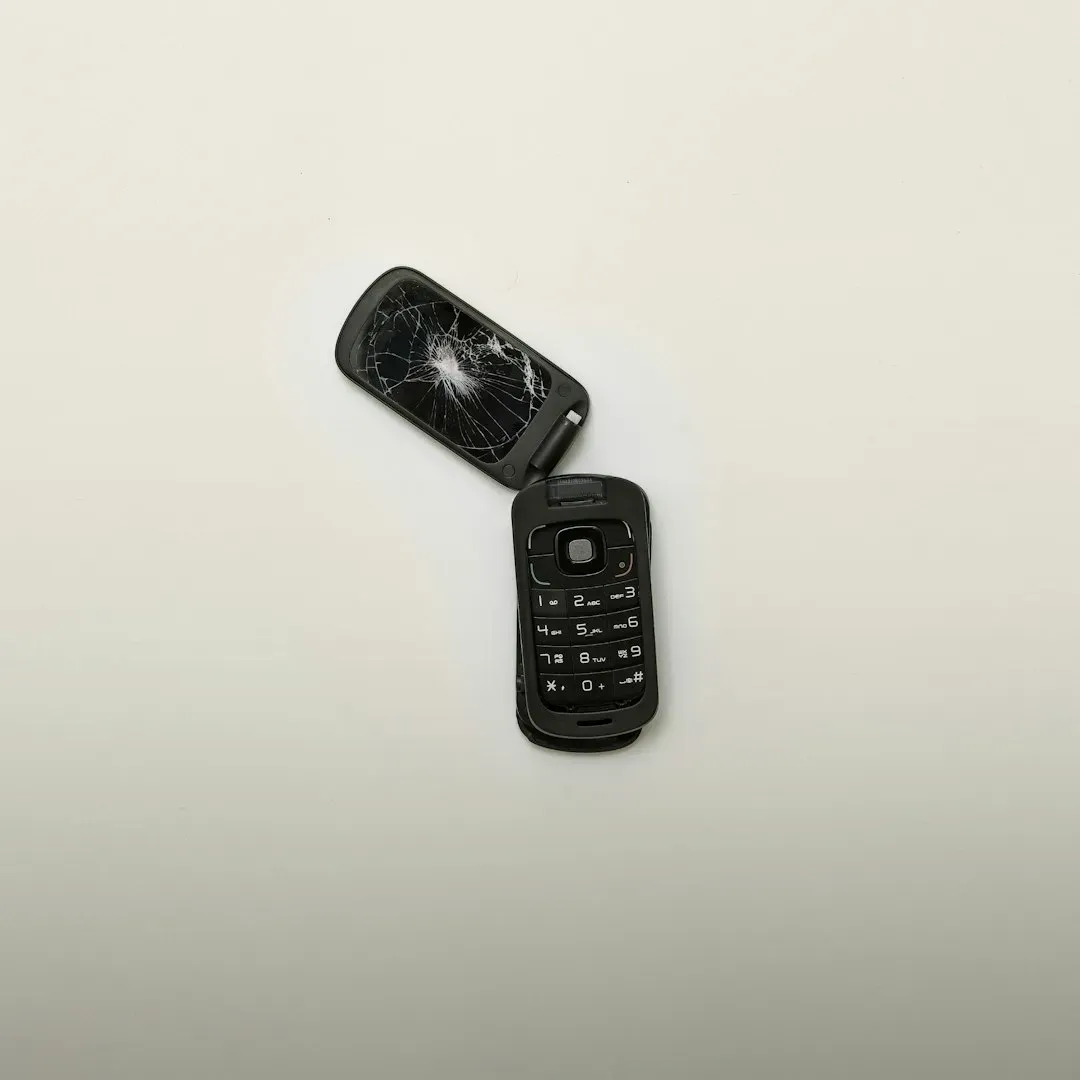
Leaving your phone on the table may feel normal, but it quietly signals that your attention is cheap. Experiments in the past decade, including work updated through 2023, have shown that the mere presence of a smartphone in view, even when it is turned off, reduces reported connection and perceived empathy during a conversation. When researchers compared interactions with and without visible phones, participants consistently rated the no‑phone partners as more engaged, more trustworthy, and more respectful, traits that are strongly tied to perceived status in real‑world networks. Simply putting your device away, turning it face down in your bag, and giving undivided focus costs nothing yet sends the powerful message that your time and attention are not constantly hijacked by notifications.
They Use Precise, Concrete Language Instead of Vague Talk

High‑status communicators tend to be specific, which makes them sound more competent without sounding showy. Linguistic analysis of professional emails, leadership speeches, and even online posts from 2020 to 2024 has found that people who use concrete nouns, clear time frames, and straightforward verbs are rated as more intelligent and more trustworthy than those who lean on buzzwords and abstract jargon. In negotiation and hiring research, candidates who answer with crisp details, such as clear past actions and measurable outcomes, are more likely to be chosen or promoted, independent of their background. Training yourself to replace vague lines like “We should kind of do better” with “Let’s test two new approaches this week and review the results on Friday” immediately raises how others perceive your status.
They Move with Purpose, Not in a Rush

How you move through space quietly teaches people how to treat you. Studies on nonverbal status cues have found that individuals who walk at a steady, unhurried pace and use deliberate gestures are judged as more powerful and in control than those who appear rushed or scattered, even when they are going to the same place. Observations in workplace and campus environments between 2022 and 2024 show that people who avoid frantic movements and unnecessary multitasking are more likely to be approached with questions, opportunities, and invitations, signaling that others see them as central and influential. You can practice this by giving yourself a small time buffer, walking in straight lines instead of zig‑zags, and finishing one micro‑task before you start the next.
They Set Boundaries Around Their Time

Saying no, politely but firmly, is one of the clearest high‑status signals that does not require any money at all. Time‑use research over the last few years shows that people who protect blocks of focused work and personal time tend to report higher life satisfaction and are perceived as more decisive and respected by colleagues. In organizational studies from 2021 to 2024, employees who did not instantly respond to every message, but instead communicated clear expectations about response times, were more likely to be seen as experts rather than assistants, regardless of their official job title. You can start small by setting simple rules, like not checking email during meals or turning down meetings without an agenda, which teaches others that your schedule has real value.
They Stay Calm Under Minor Stress

High status is closely linked to emotional regulation, especially when things go slightly wrong. Research on leadership and stress responses has found that people who keep a level tone of voice, avoid snapping, and focus on solutions during small setbacks are consistently rated as stronger leaders and higher status by observers and teammates. Laboratory and field studies between 2020 and 2024 show that even in short group tasks, the person who stays composed when technology fails or plans change often becomes the informal authority everyone turns to. Practicing slow breathing, pausing before you react, and naming the problem out loud without blame are free habits that quietly signal you are the person who can handle more responsibility and, with it, more respect.