12 Retro Travel Dishes Middle-Class Families Brought Along in the 1960s
Picture this. Your family packs up the station wagon before dawn, cooler in the trunk, thermos on the seat. There’s no GPS, no drive-through on every corner. Just the open road and whatever you brought from home. That was the essence of middle-class travel in the 1960s.
The post-war economic boom created a burgeoning middle class, with more companies offering paid vacation time as leisure travel became a valued part of family life. People hit the highway with their homemade meals stashed in metal containers and wicker baskets. It was practical, sure, yet honestly it was about so much more than saving a few bucks. It was about bringing a piece of home wherever you went.
Deviled Eggs in Tupperware Containers
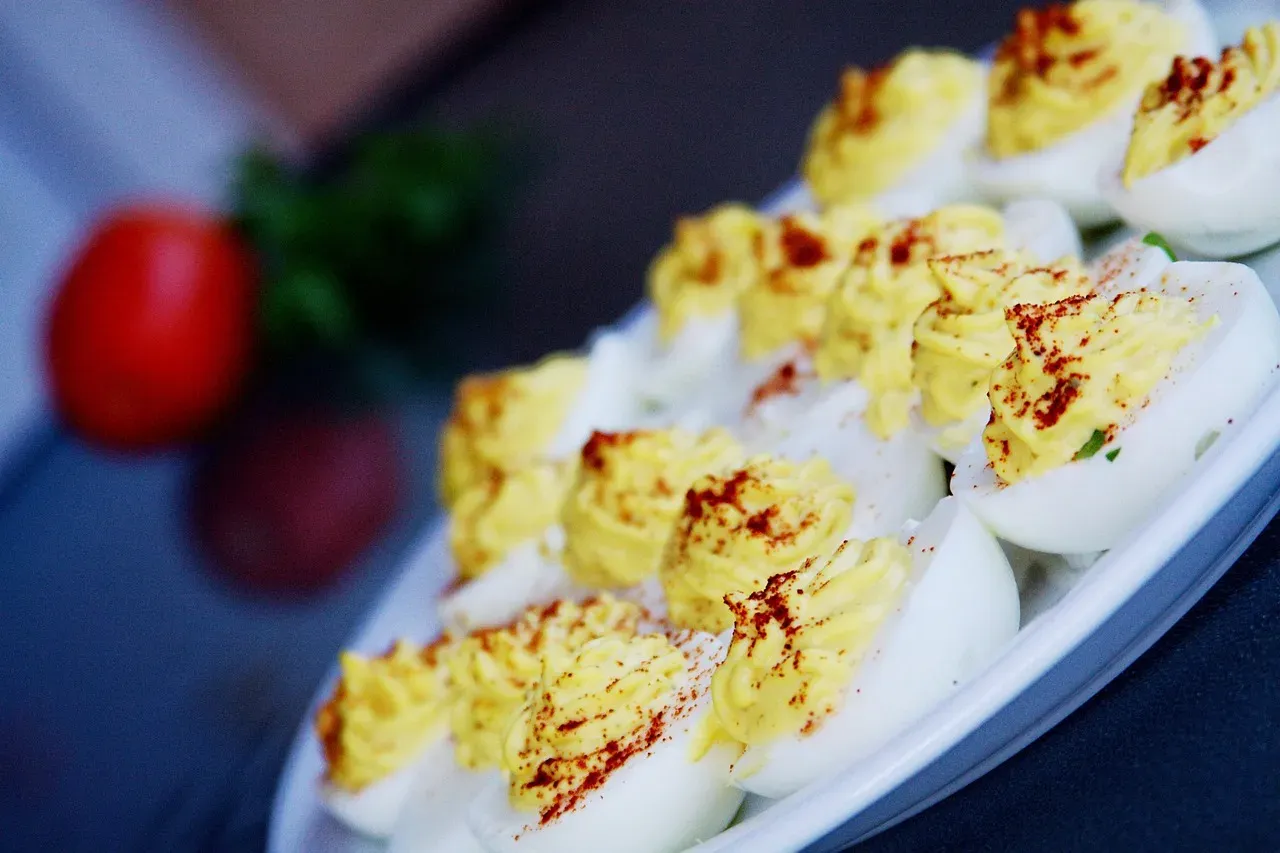
Deviled eggs were beloved staples that worked well for a variety of venues and events. Middle-class families in the 1960s would carefully pack these protein-rich treats in newly popular Tupperware containers that promised airtight freshness. Vintage Tupperware containers are a nostalgic reminder of a simpler time when families gathered around the kitchen table for home-cooked meals. The eggs could sit in a cooler for hours without spoiling, making them perfect road trip fuel. Let’s be real, they were also cheap to make and filled you up fast.
Fried Chicken Wrapped in Foil
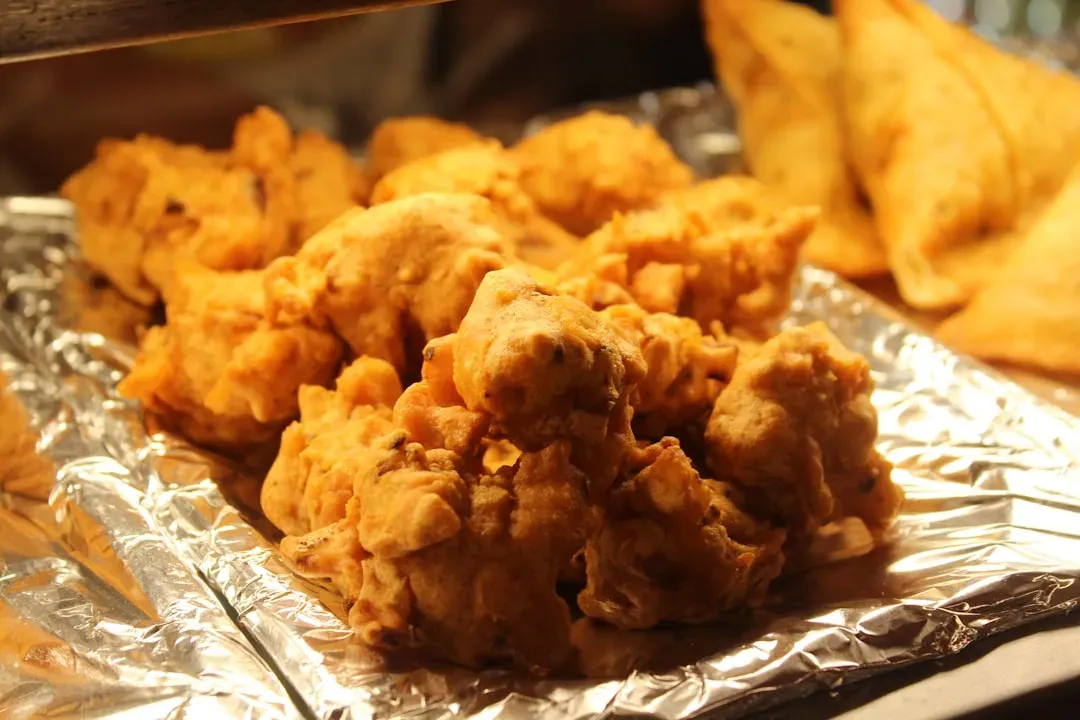
Fried chicken usually happened at home, as chicken was cheap (like 29 cents per pound cheap) and so was oil, with no reason to head to KFC when you can do it at home. Families would fry up a batch the night before, let it cool, then wrap individual pieces in aluminum foil or wax paper. The chicken traveled remarkably well and tasted just as good cold as it did hot. Mama took fried chicken, biscuits potato salad, fruit homemade pound cake, thermos of Kool Aid packed in big cardboard box. Some folks swore by coating it with extra seasoning before packing it up so the flavors had time to really sink in during the drive.
Peanut Butter and Jelly Sandwiches
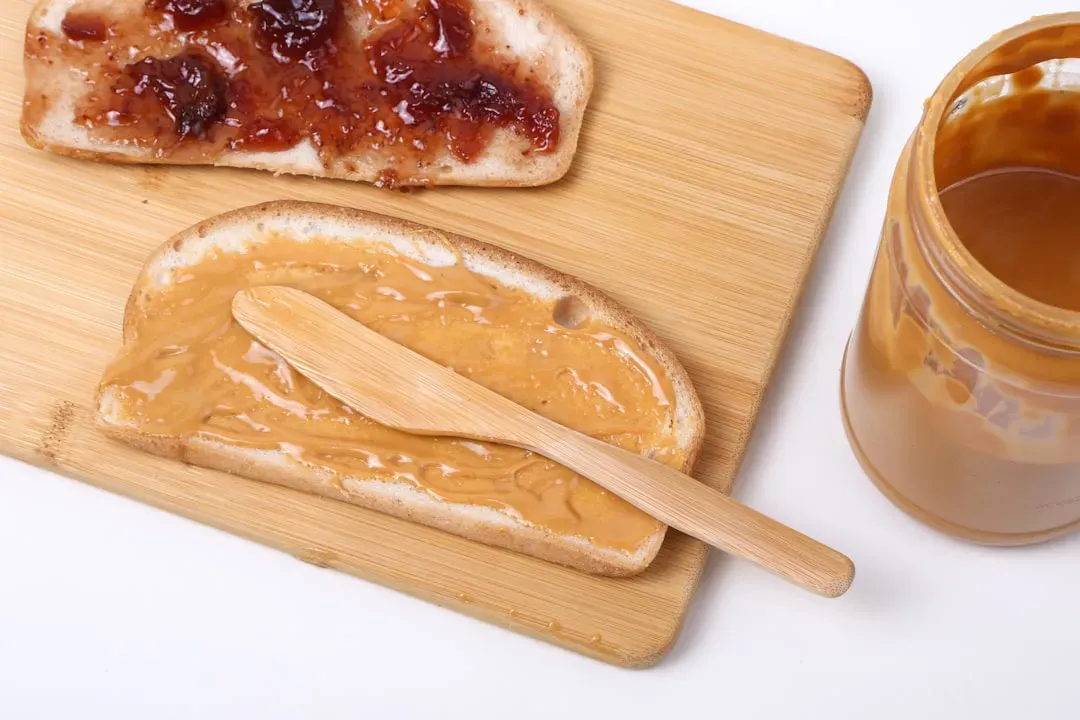
Sandwiches wrapped in foil or wax paper included peanut butter and jelly, which traveled well and no one argued about whether it was still good after six hours. There was genuine genius in this simplicity. No mayonnaise to worry about going bad in the heat, no lettuce to wilt into a soggy mess. Just two slices of white bread, some Skippy, and grape jelly. Honestly, it might sound boring now, but back then it was a dependable classic that kept kids from complaining in the backseat. Some families got fancy with ham and cheese, but there was always the risk of mayo going bad in the heat.
Potato Salad in Covered Bowls
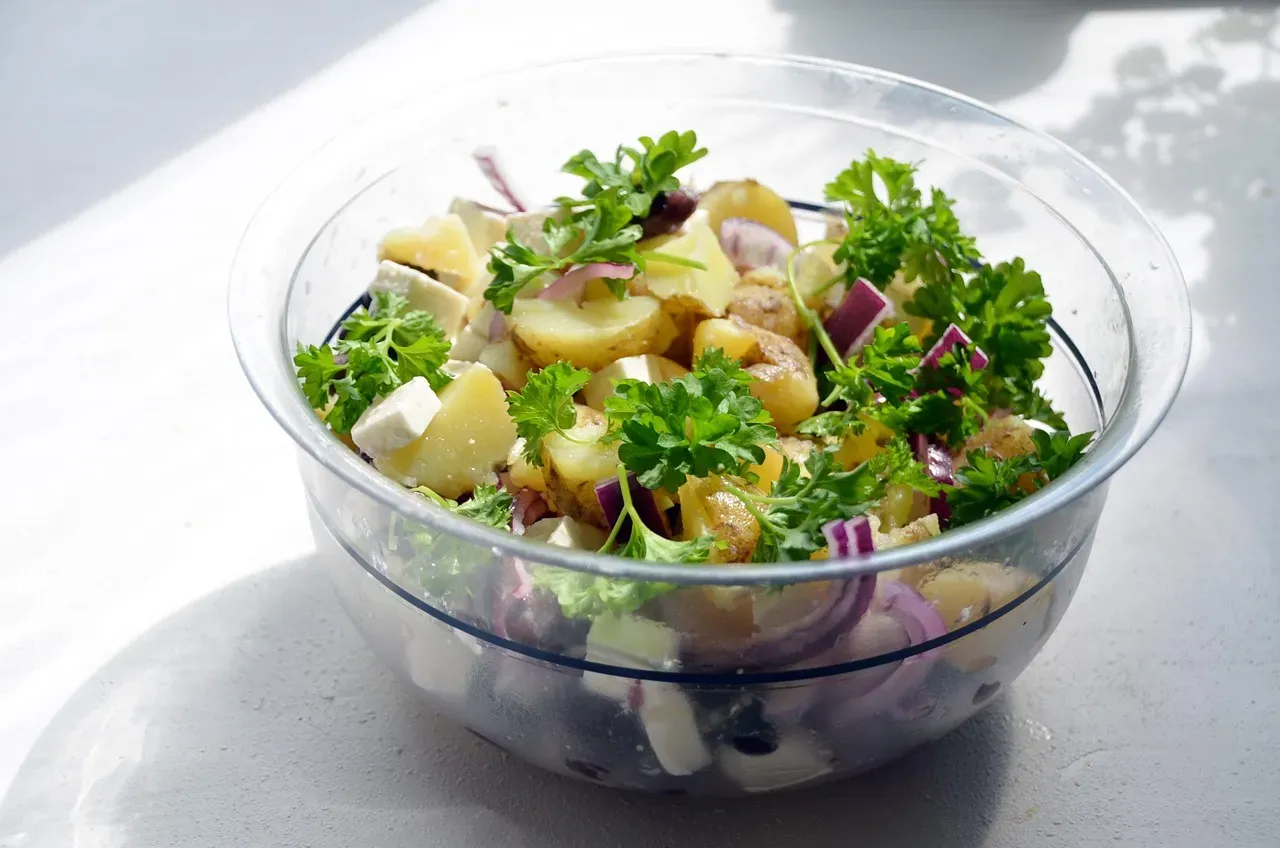
Homemade potato salad was packed in big cardboard boxes or bowls alongside baked beans and deviled eggs. The trick was keeping it cold enough so nobody got sick. For the cold food and drink, families stopped at an ice-house and picked up a large cake of ice which sat on the floor in the back of the car with the perishables on top. Potato salad was comfort food at its finest, made with boiled potatoes, hard-boiled eggs, celery, and a healthy dose of mayo mixed the night before. It tasted like summer, like freedom, like a day away from routine. Families would dish it out onto paper plates at roadside picnic tables, mosquitos and all.
Thermos Bottles of Hot Coffee or Cold Lemonade
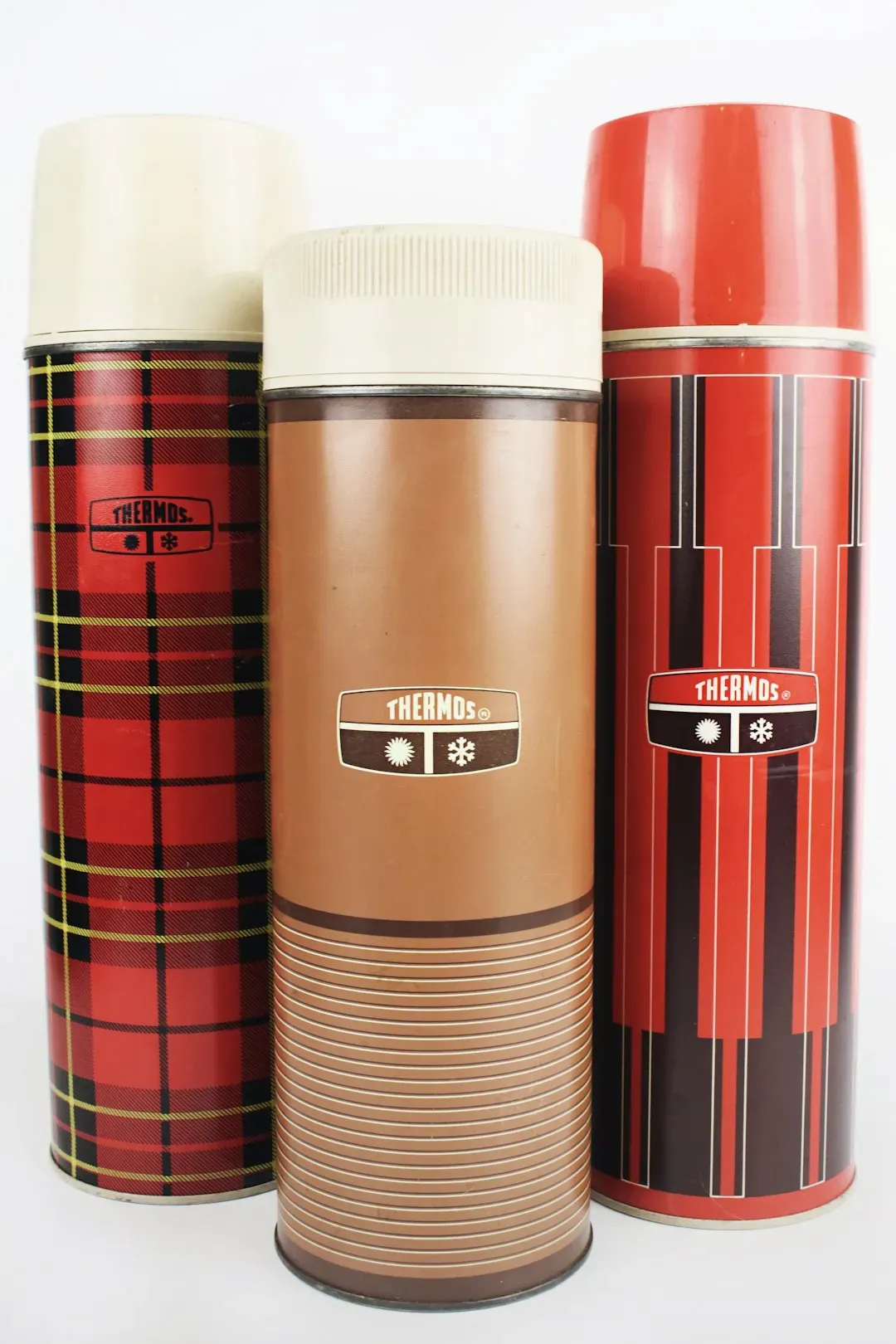
During the 1960s, the lunch box had few changes, however the vacuum bottle steadily evolved, with what was originally a steel vacuum bottle with glass liner becoming an all-plastic bottle with insulated foam. Nearly every family owned at least one Thermos brand vacuum bottle. Those thermoses from the 1950s and 1960s are generally the most popular, and many of them still can be used today. Moms filled them with steaming black coffee for the adults or ice-cold Kool-Aid and lemonade for the kids. These bottles were essential survival tools on long stretches of highway where gas stations were few and vending machines even fewer.
Tuna Casserole in Food Jars
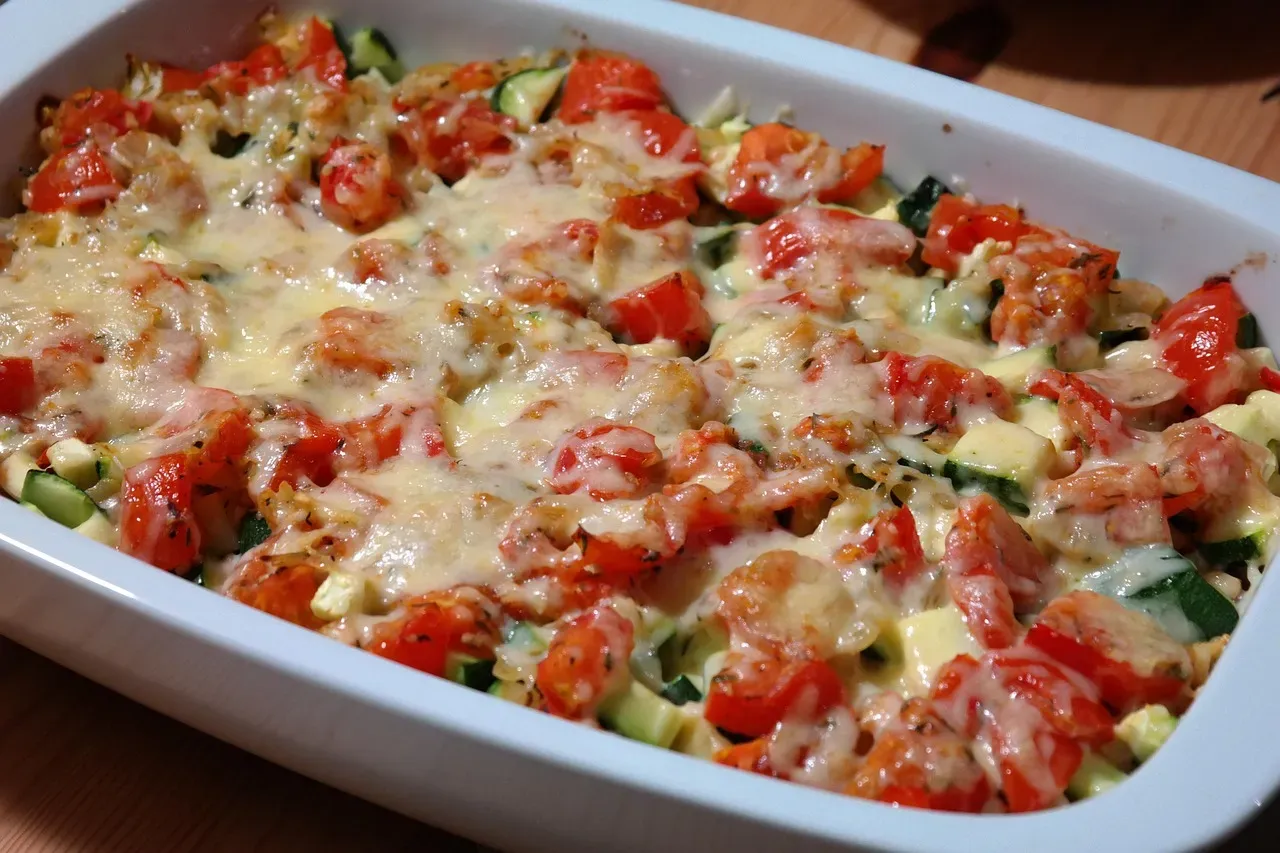
Casseroles were a staple of 1960s cooking, combining ingredients like pasta, meat, and vegetables with a creamy or cheesy sauce, and could be prepared ahead of time and popped into the oven when needed. Tuna noodle casserole was particularly popular because it was inexpensive and filling. Families would pack cooled portions into wide-mouth food jars or Tupperware, trying their best to keep it chilled until lunchtime. It wasn’t gourmet by any means, yet it was familiar and satisfying. Here’s the thing: nobody cared if it looked a little mushy after bouncing around in the trunk for three hours.
Hard-Boiled Eggs in Metal Containers
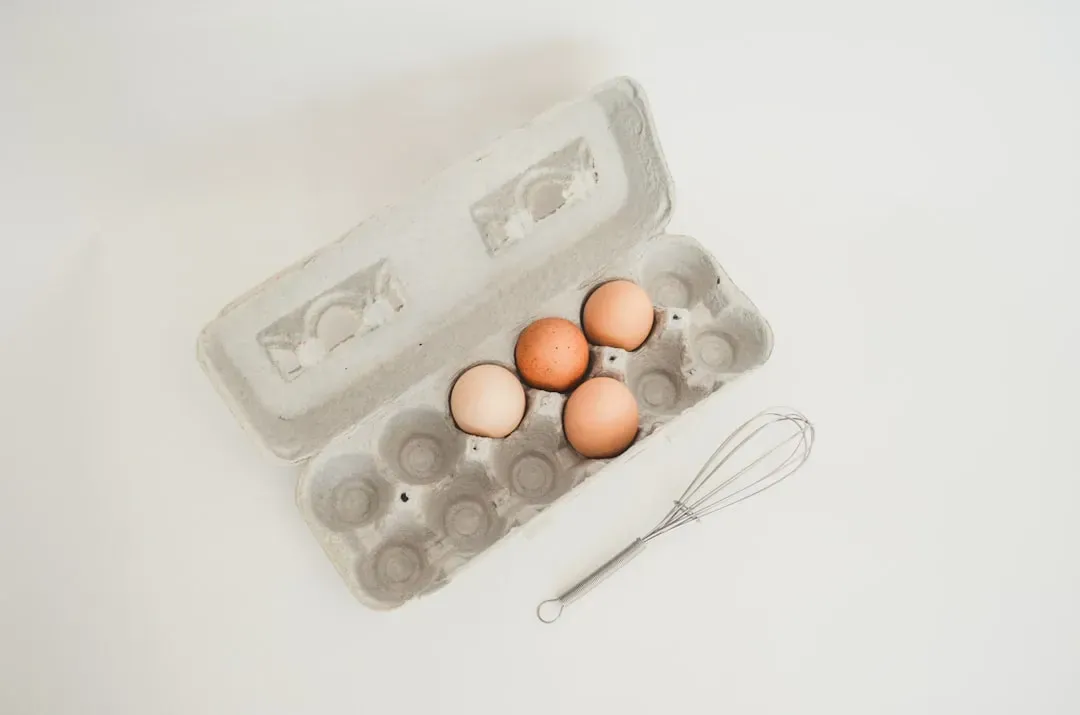
Since the 19th century, American industrial workers used sturdy containers to hold hardy lunches, consisting of foods such as hard-boiled eggs, vegetables, meat, coffee, and pie. These simple protein bombs were staples of 1960s road food. Families would boil a dozen eggs, peel them or leave the shells on, then tuck them into small metal tins or enamel containers. The standard unbreakable picnic mugs and plates were known simply as enamel and were metal with a white enamel coating and a blue trim. They required no refrigeration and could last the entire day without issue. Plus, kids could peel and eat them with minimal mess.
Homemade Baked Beans in Vacuum Jars
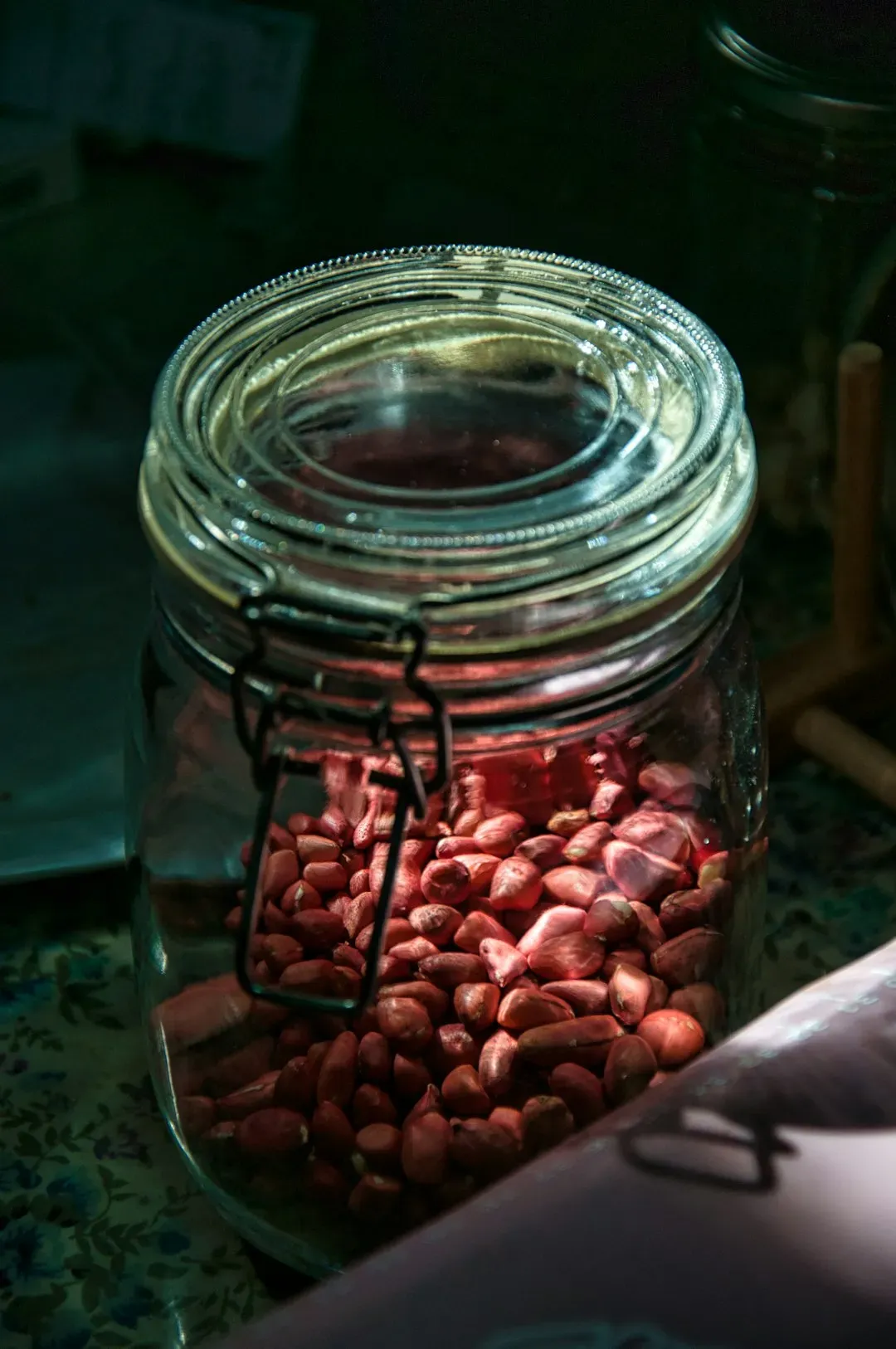
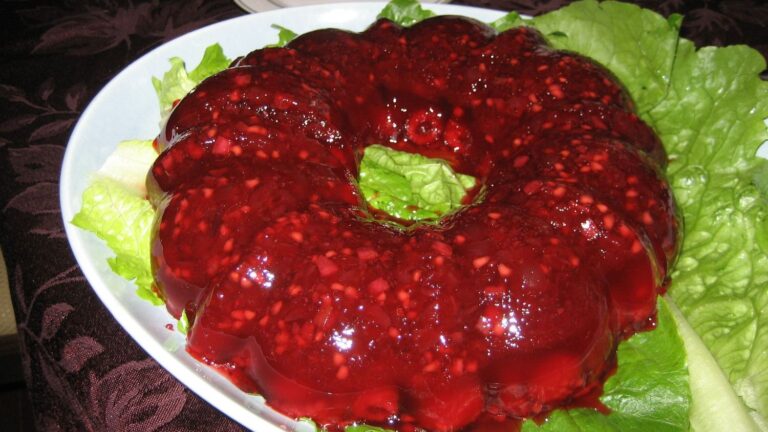
There was a bowl of baked beans, a homemade potato salad, some deviled eggs, homemade rolls, pickles, and a jellied salad. Baked beans were a sweet and savory side dish that traveled surprisingly well. Families would cook them slow on the stove with molasses, brown sugar, and sometimes bacon, then transfer them into vacuum-sealed jars to keep them warm. Men were given a choice and most would vote for the picnic where they could cook at least one dish over the open fire, using folding portable grills which burn charcoal or briquets. Still, plenty of families brought pre-cooked beans and just reheated them over a campfire or Primus stove at their destination.
Fresh Fruit in Wax Paper Bags
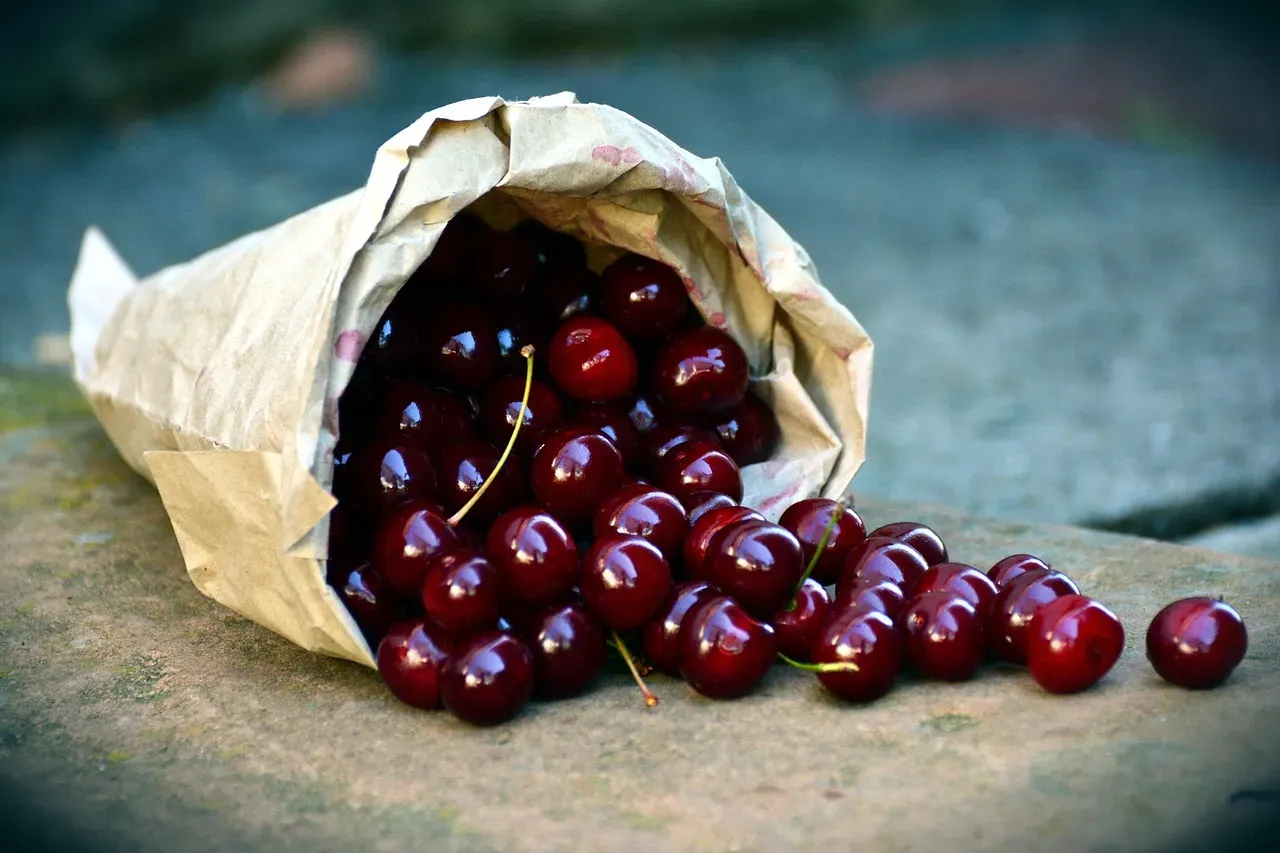
Britons in the 1960s consumed way more sugar and ate more meat, yet their fresh fruit and green veg consumption was also higher. American middle-class families followed similar patterns, packing apples, oranges, bananas, and grapes into brown paper bags or wax paper. Fruit didn’t need refrigeration, it was naturally sweet, and it provided a quick energy boost during long stretches on the highway. Sandwiches wrapped in foil or wax paper, oranges, maybe a couple cans of soda if you were lucky. Oranges were especially popular because they were easy to peel and didn’t make too much of a mess in the car.
Cookies and Brownies in Tin Boxes
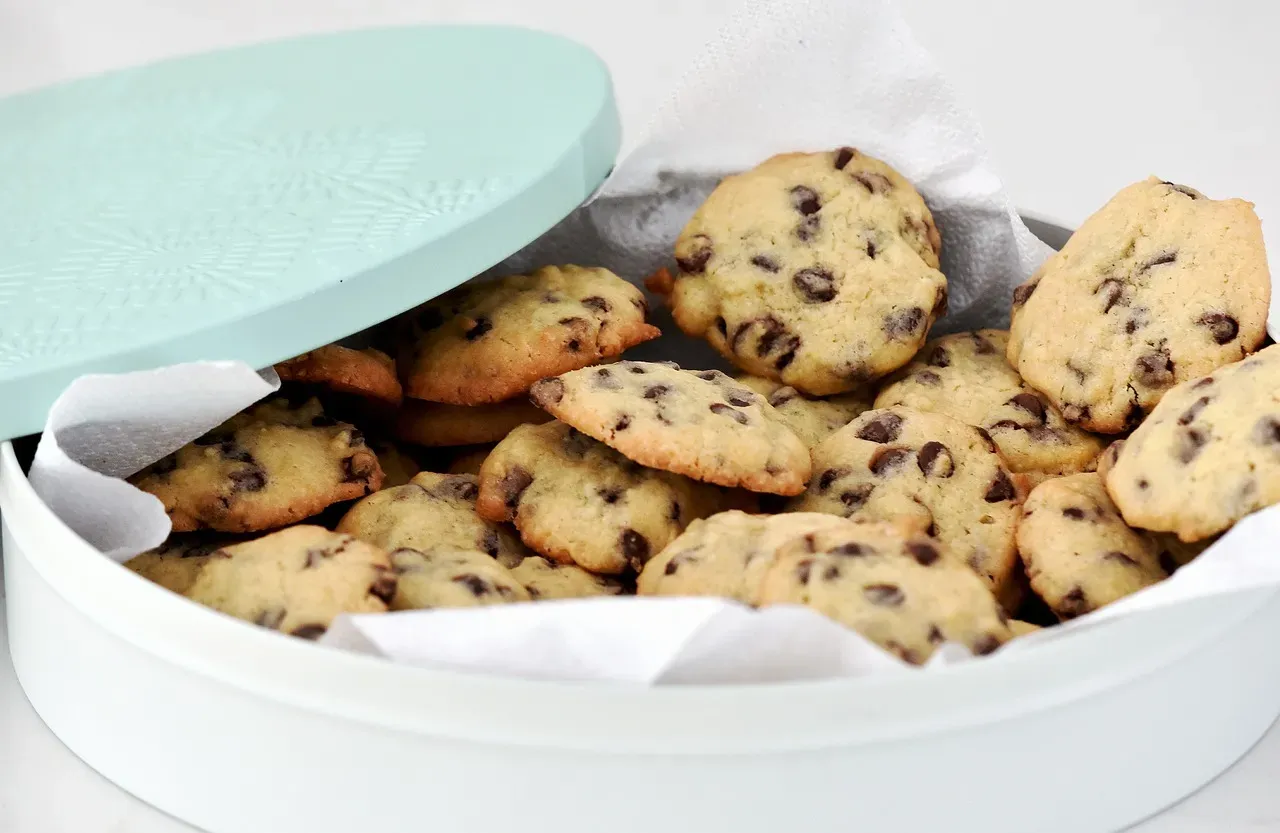
Dessert was never forgotten. Moms would bake batches of chocolate chip cookies, brownies, or oatmeal raisin treats the night before, then pack them into vintage metal tins or cookie jars. Mama took fried chicken, biscuits potato salad, fruit homemade pound cake, thermos of Kool Aid packed in big cardboard box. These sweets were the reward for good behavior in the backseat. They were also excellent bargaining chips when siblings started bickering over who got the window seat. I know it sounds crazy, but those homemade cookies probably kept more family trips peaceful than any amount of parental intervention ever could.
Cold Cuts and Cheese on Ice
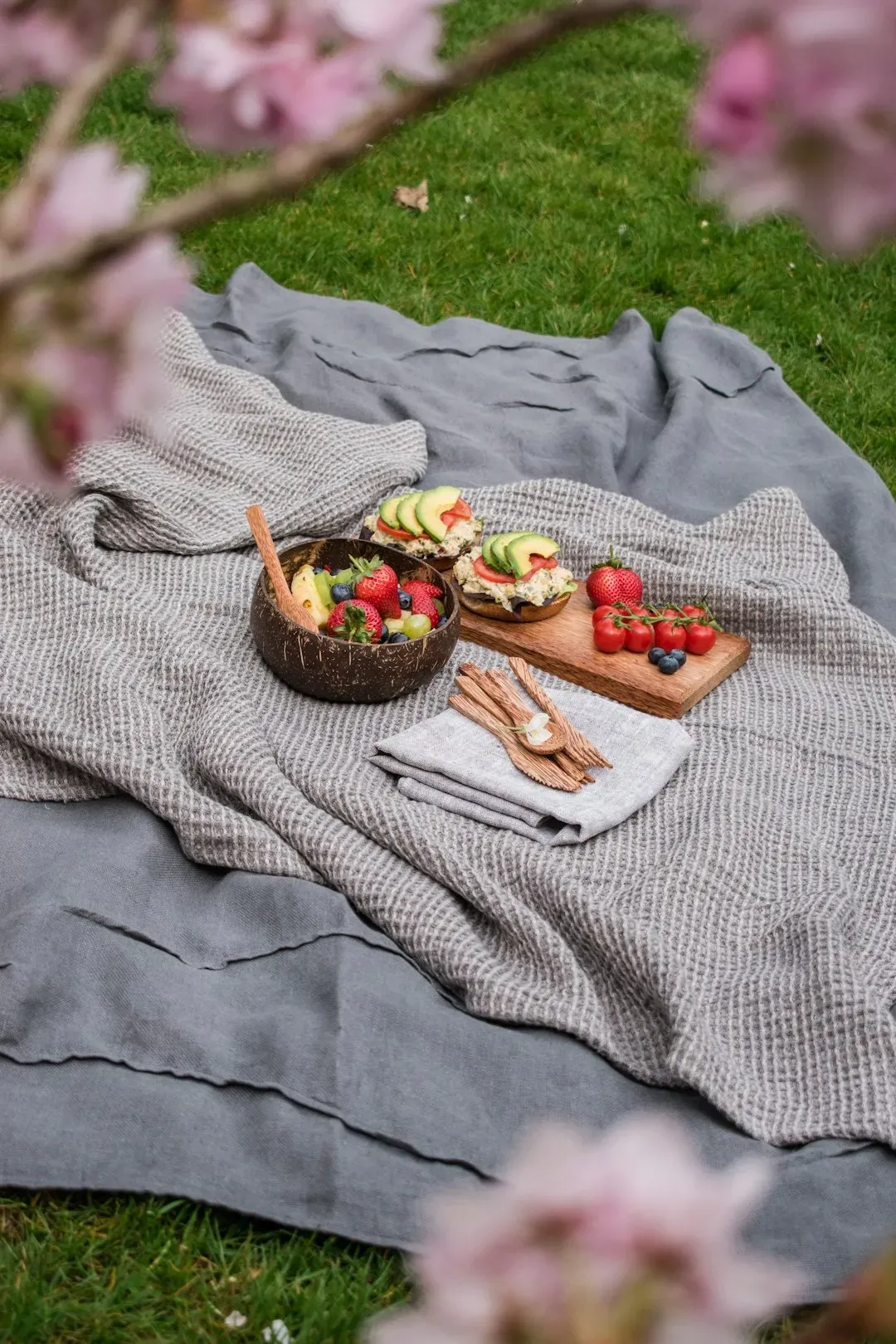
Some families got fancy with ham and cheese, but there was always the risk of mayo going bad in the heat, so parents had to weigh that risk like amateur food safety inspectors. For families willing to take the gamble, cold cuts and sliced cheese were packed on ice in metal coolers. Shiny aluminum coolers were bought in 1959 and used for decades. The key was keeping everything at a safe temperature, which meant regularly checking the ice situation and hoping nobody left the cooler open too long. Ham, bologna, and cheddar slices were assembled into sandwiches on-site, usually at a rest stop picnic table, with mustard squeezed from a glass jar.
Homemade Pickles and Relish in Glass Jars
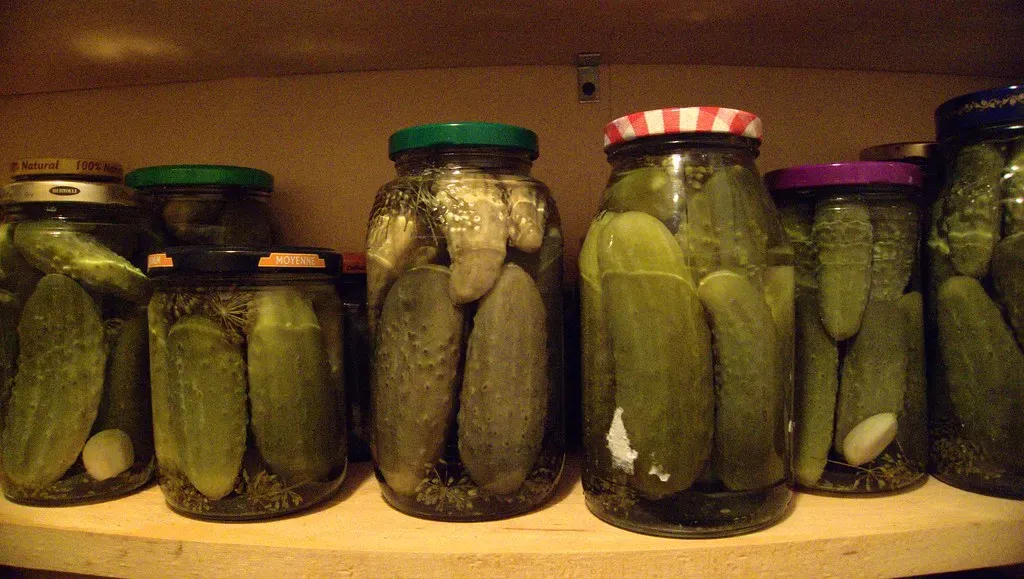
Families carried along several sandwich spreads, plenty of bread, crackers, sliced tomatoes, lettuce, cucumbers, a pickle relish, and let each one make their own sandwiches. Homemade pickles, whether dill or sweet, were a crunchy and tangy addition to any road trip meal. Middle-class housewives took pride in their canning skills, and these jarred treats showed off that effort. There was a bowl of baked beans, a homemade potato salad, some deviled eggs, homemade rolls, pickles, and a jellied salad. They added flavor to sandwiches and were a palate cleanser between bites of heavier foods. Families would pass the jar around, everyone fishing out their favorite pickle with a fork.
Looking back, these dishes weren’t just about feeding hungry travelers. They were about maintaining connection, about bringing the comfort of home on the road. In the 1960s only 1 per cent of men and 2 per cent of women in England were classed as obese compared to today’s 25.2 per cent of men and 26 per cent of women. Perhaps there was something to be said for that slower, more intentional way of eating. Those metal coolers and Tupperware containers held more than just food. They held memories, traditions, and a way of life that seems almost quaint now. Did you ever taste the simple pleasure of a hard-boiled egg eaten at a highway rest stop, sun beating down, family gathered around a weathered picnic table? What dish would you bring back if you could?