Data Shows the Countries Eating the Most Nuts and Seeds per Person
Imagine walking through a busy marketplace anywhere in the world and noticing something remarkable. Some shoppers leave with their bags overflowing with almonds and cashews, while others barely glance at the nut stands. This isn’t just personal preference, it’s a fascinating pattern that reveals itself when we examine global consumption data. The differences between countries are staggering, with some nations consuming twenty times more nuts per person than others.
Recent data from the International Nut & Dried Fruit Council and various market research organizations paint a picture of dramatically uneven nut consumption across the globe. These patterns reflect everything from traditional diets to economic development, cultural preferences, and emerging health consciousness. So let’s dive into which countries are leading the way in transforming nuts and seeds from simple snacks into dietary staples.
Turkey Takes the Crown with Record-Breaking Consumption
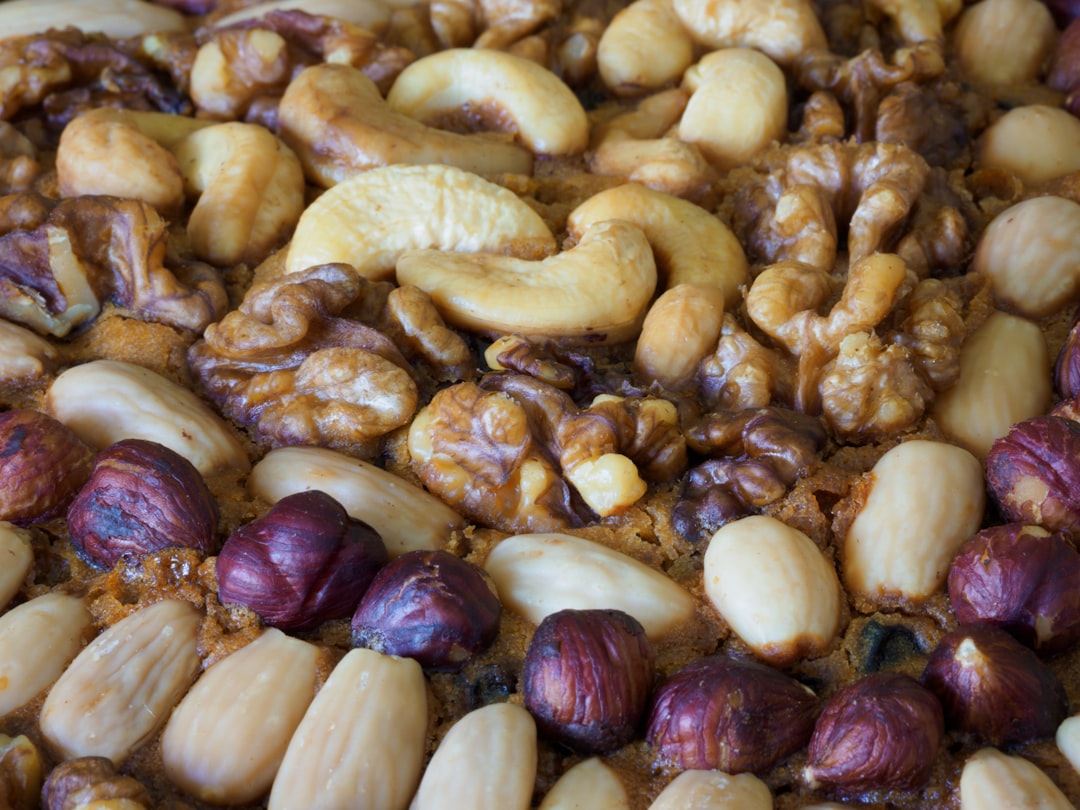
Turkey stands as one of the global leaders in nut consumption, with residents eating approximately 15 kilograms per person annually according to recent market data. This extraordinary figure reflects the deep-rooted importance of nuts in Turkish cuisine and culture.
Turkish markets overflow with pistachios, hazelnuts, and walnuts that feature prominently in both sweet and savory dishes. From baklava loaded with pistachios to traditional Ottoman palace desserts, nuts aren’t just snacks in Turkey, they’re essential ingredients woven into the fabric of daily eating.
The country’s position as the world’s second-biggest producer of pistachios helps explain this massive consumption. When you produce premium nuts locally, they become affordable and accessible to ordinary consumers rather than expensive luxury items.
Vietnam’s Surprising Rise in the Asian Market
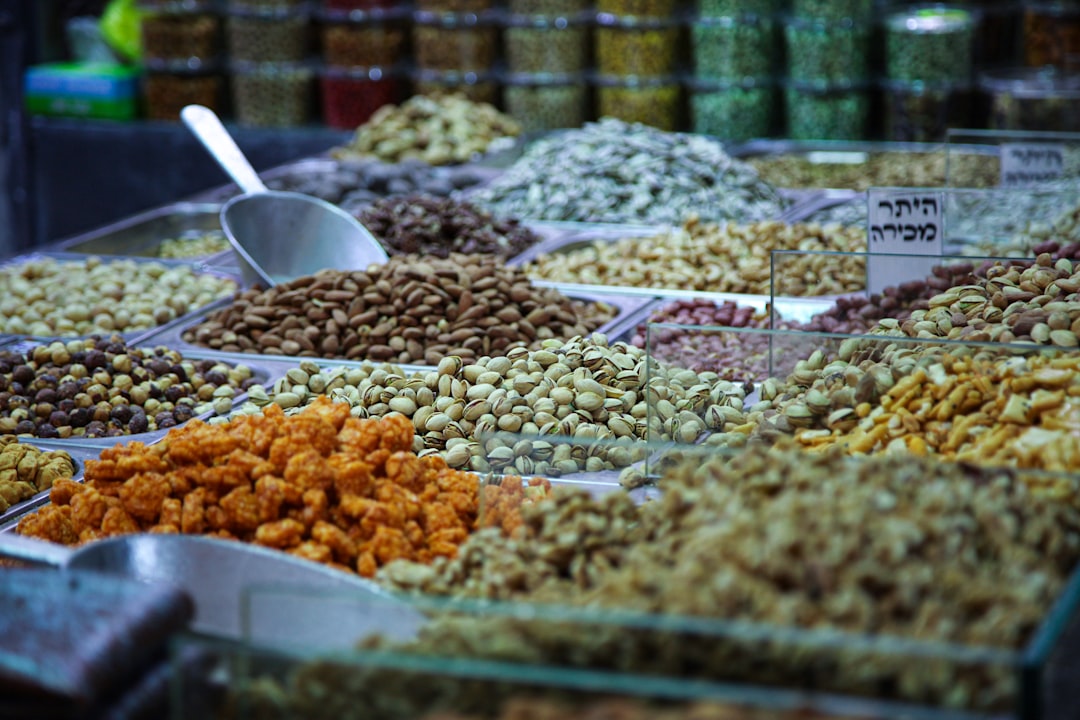
Vietnam has emerged as a significant consumer in the Asian market, a figure that might surprise many observers. This Southeast Asian nation has experienced rapid economic growth alongside changing dietary patterns.
Vietnamese consumers increasingly view nuts as healthy alternatives to traditional snacks, particularly in urban areas. The rising middle class has embraced cashews, peanuts, and imported almonds as both everyday snacks and ingredients in fusion cooking.
Local production of cashews gives Vietnamese consumers access to high-quality nuts at competitive prices. Street vendors throughout Ho Chi Minh City and Hanoi now sell roasted nuts alongside traditional offerings, reflecting this dietary shift.
Spain Leads European Nut Consumption
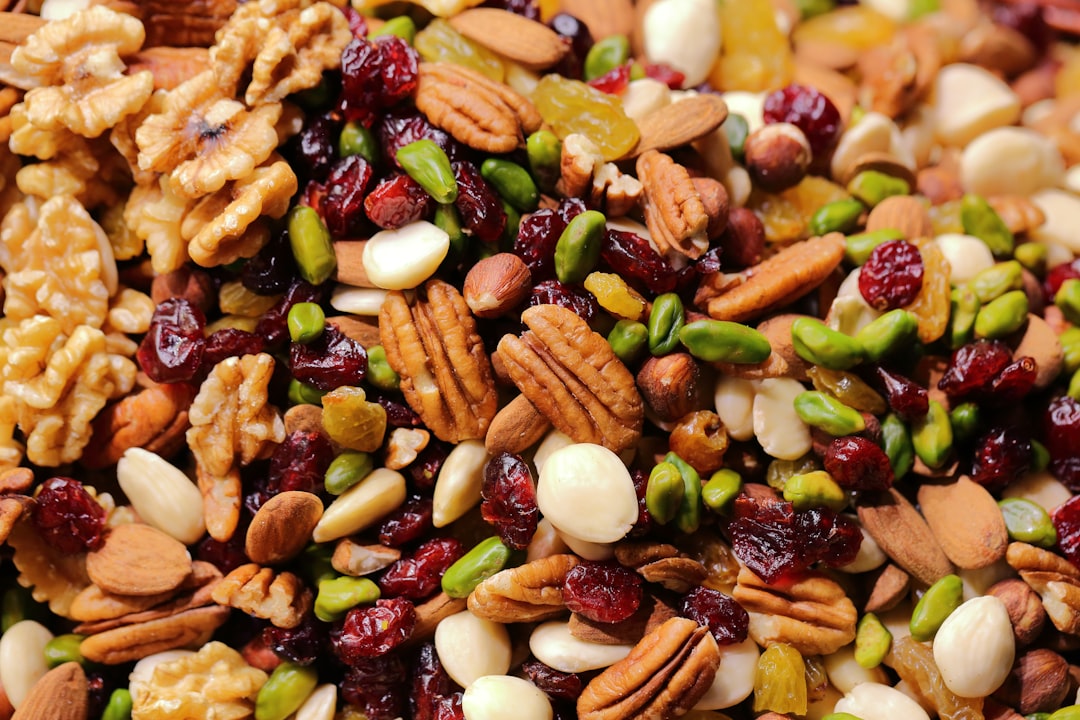
Spain consumes approximately 7 kilograms of nuts per person annually, making it one of the highest consuming nations worldwide. Spanish almond groves have supplied local markets for centuries, creating a culture where nuts appear in countless regional specialties.
From Catalonian romesco sauce made with almonds to traditional Christmas turron nougat, Spanish cuisine celebrates nuts in ways that encourage daily consumption. Spain has shown the most notable growth rate among leading consuming countries, with consumption increasing at a remarkable 7.1% annually from 2013 to 2024.
Spanish supermarkets stock an enormous variety of nuts year-round, treating them as cooking essentials rather than seasonal treats. This accessibility combined with traditional recipes drives the country’s impressive per capita figures.
The Netherlands Dominates Almond Consumption
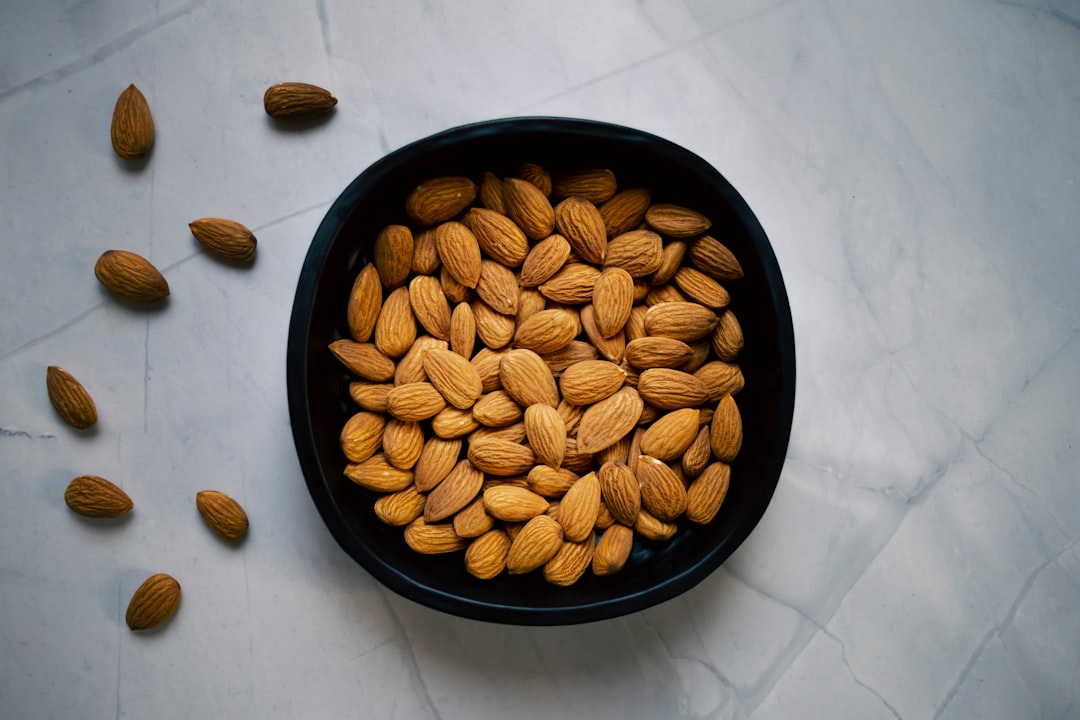
The Netherlands is among the world’s highest per capita almond consumers according to recent data. This specific nut preference sets the country apart from broader consumption patterns.
Dutch consumers have embraced almonds as healthy snacks and ingredients for plant-based products. The country’s advanced food processing industry transforms almonds into milk alternatives, baking ingredients, and premium snack products that drive consumption higher.
Belgium and Spain followed the Netherlands in almond consumption, with 3.32 and 3.65 kilograms per person respectively, showing how European nations lead in this particular segment of the nut market.
Chad Leads the Seeds Category
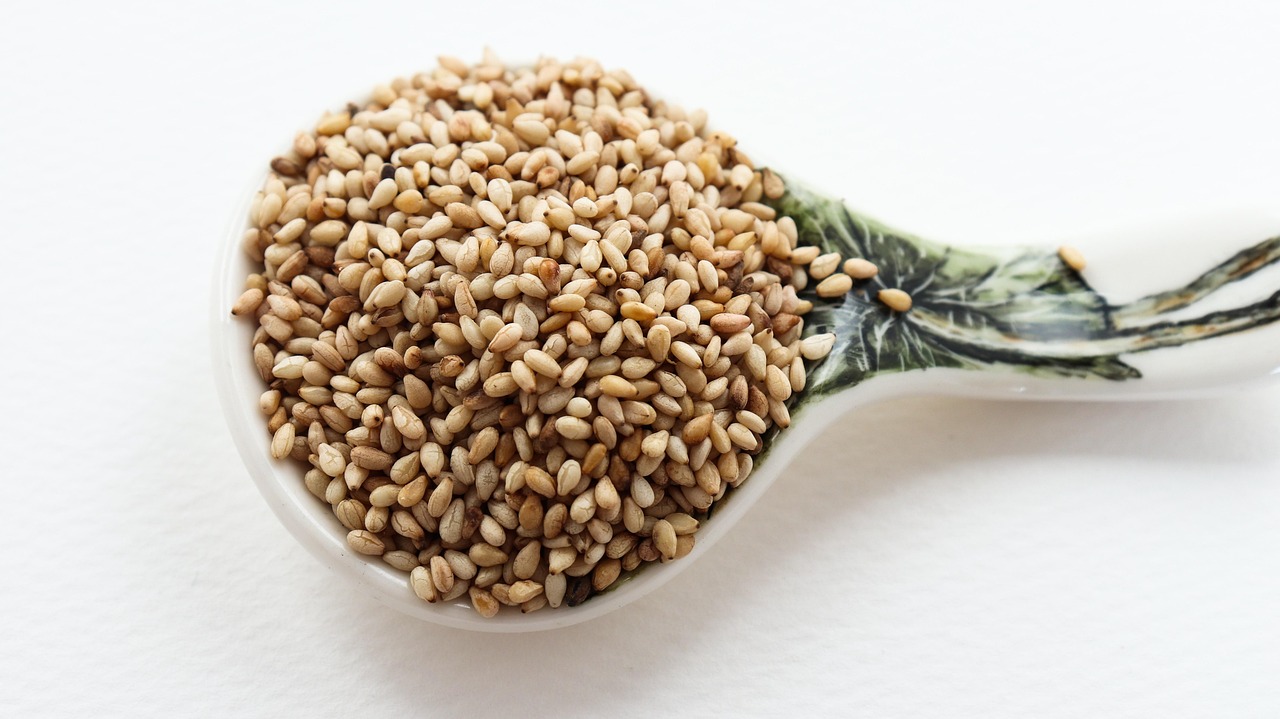
Chad dominates global sesame seed consumption with an extraordinary 7.72 kilograms per person annually as of 2024. This African nation’s consumption pattern reflects traditional cooking methods that rely heavily on sesame.
Sesame seeds appear in countless Chadian dishes, from simple porridges to complex stews. The seeds provide essential nutrition and calories in a region where food security remains challenging, making them dietary staples rather than optional additions.
Israel follows with 4.75 kilograms per capita, demonstrating how Middle Eastern cuisines also depend heavily on sesame seeds for tahini, hummus, and traditional breads.
Groundnut Champions in West Africa
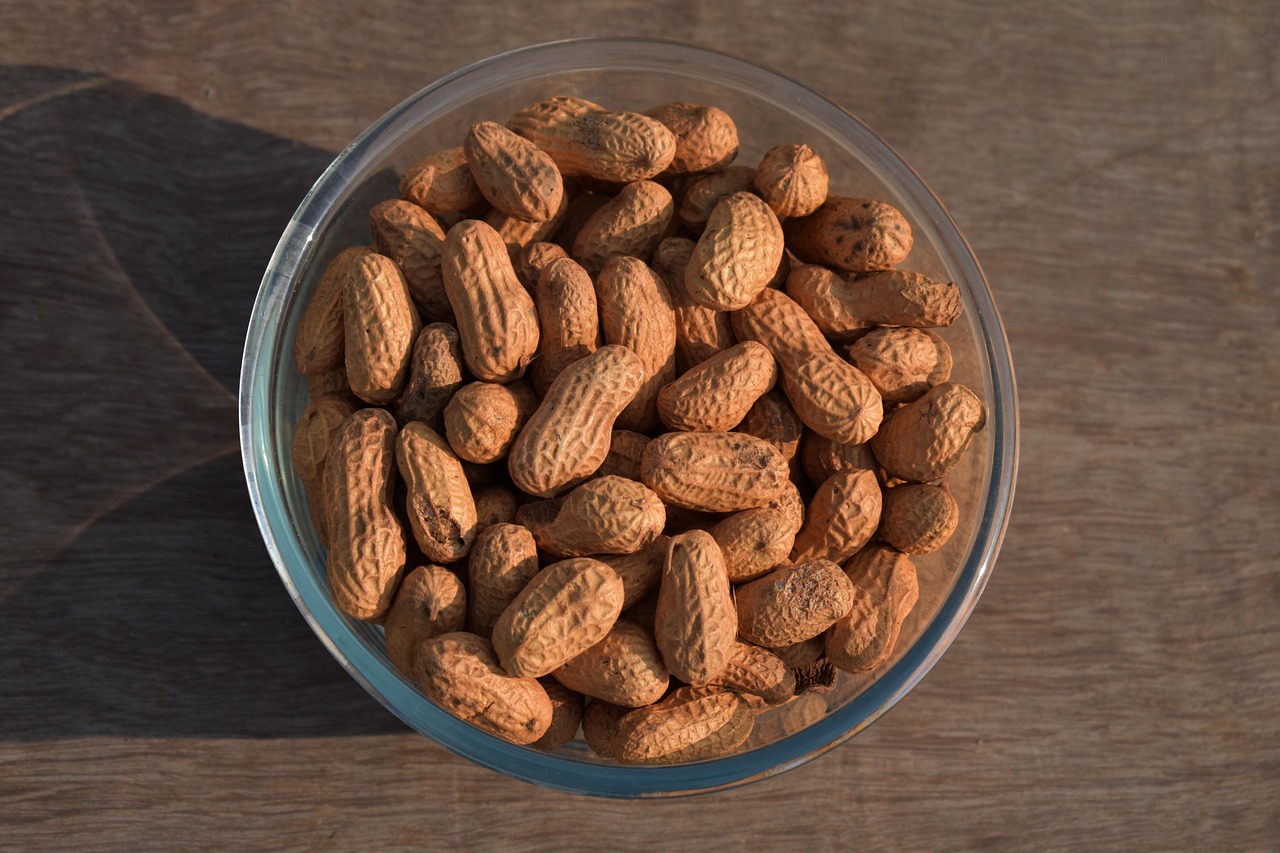
Senegal is reportedly among the leaders in global groundnut consumption, followed by Guinea at 69 kilograms and Sudan at 42 kilograms. These figures dwarf consumption in other regions and highlight how peanuts serve as primary protein sources in parts of Africa.
In these nations, groundnuts aren’t snack foods but essential ingredients in daily meals. Senegalese thieboudienne and Guinea’s groundnut stews demonstrate how these legumes form the nutritional backbone of traditional diets.
Guinea has shown the most dramatic growth in groundnut consumption, with intake increasing at 6.9% annually since 2013, reflecting improving food security and agricultural development.
China’s Expanding Appetite for Premium Nuts

China’s nut imports have surged from 117,000 metric tons in 2015 to 427,000 metric tons in 2023, representing one of the world’s fastest-growing markets for premium nuts. This explosive growth reflects rising disposable incomes and changing dietary preferences.
China leads global macadamia nut imports, with purchases of both in-shell and shelled products doubling over the last three years. Chinese consumers increasingly view expensive nuts as luxury items and health foods worth the premium prices.
China’s plant-based food business has expanded at 14% annually over the last five years, reaching $13 billion in value during 2023, driving demand for nuts as ingredients in meat alternatives and health products.
United States Shows Steady Growth in Tree Nut Consumption
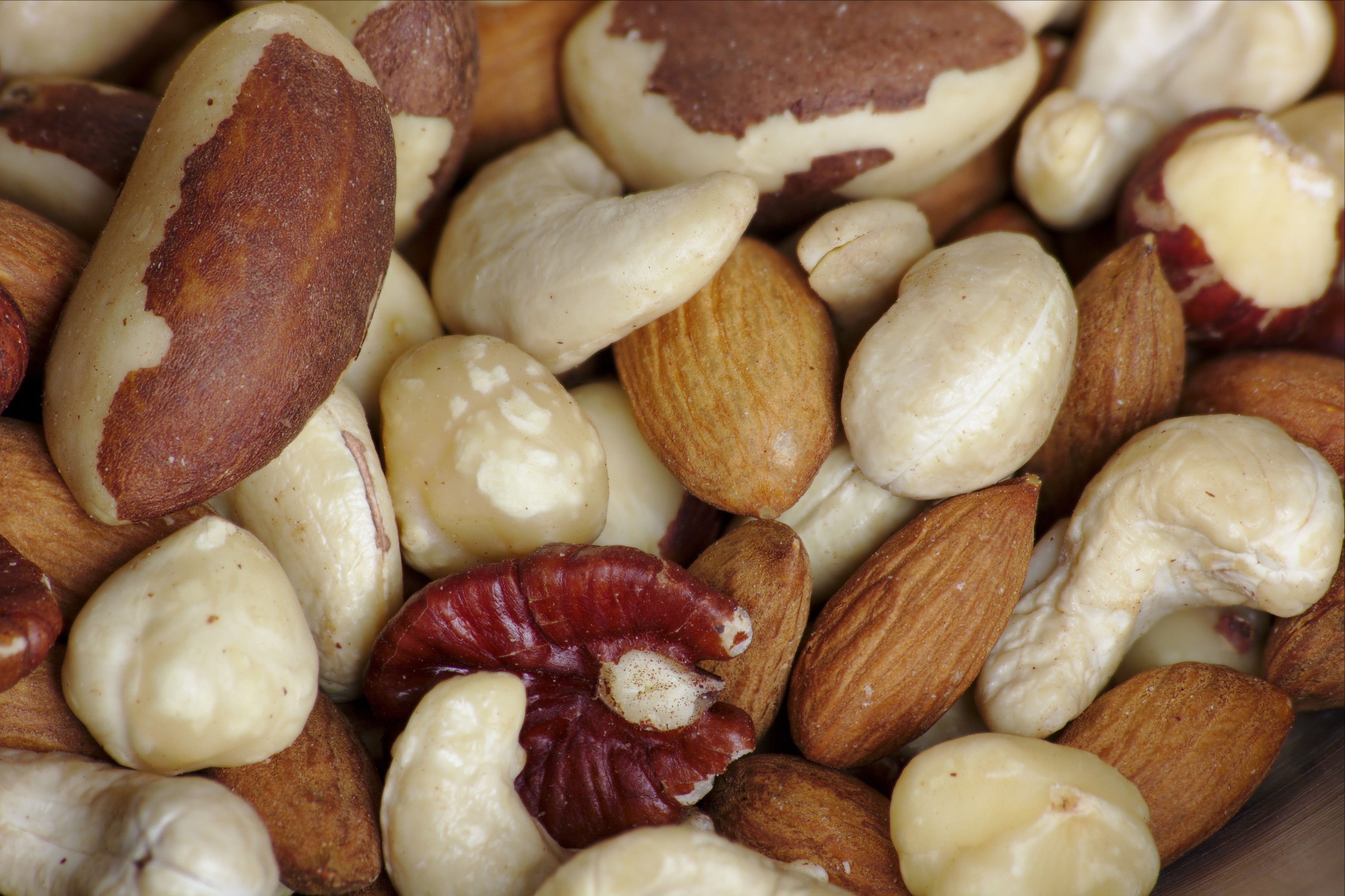
American tree nut consumption has increased from approximately 4 pounds per person in 2015 to over 5.6 pounds per person in 2023. This growth reflects rising health consciousness and the popularity of nuts as protein sources.
Americans consume a record 4.4 pounds of peanut butter per capita annually, with Canada following at 3.1 pounds per capita. These North American consumption patterns differ significantly from global trends by focusing heavily on processed nut products.
American consumption patterns favor convenience products like trail mixes, nut butters, and snack foods rather than whole nuts used in cooking. This preference shapes how the domestic market develops compared to traditional nut-consuming cultures.
Germany Leads European Imports Despite Lower Per Capita Consumption
Germany led the world with nut imports valued at over 1.8 billion US dollars, despite not ranking among the top per capita consumers. This apparent contradiction reflects Germany’s role as a processing and distribution hub for European markets.
Germany accounts for 31% of EU pecan imports, amounting to approximately 3,640 metric tons, much of which gets processed into products for other European markets. German food manufacturers transform imported nuts into chocolate, baked goods, and snack products exported throughout Europe.
The country’s advanced food processing infrastructure allows it to add value to imported nuts while serving as a gateway for premium nuts entering European consumer markets.
Growth Patterns Point to Expanding Global Demand
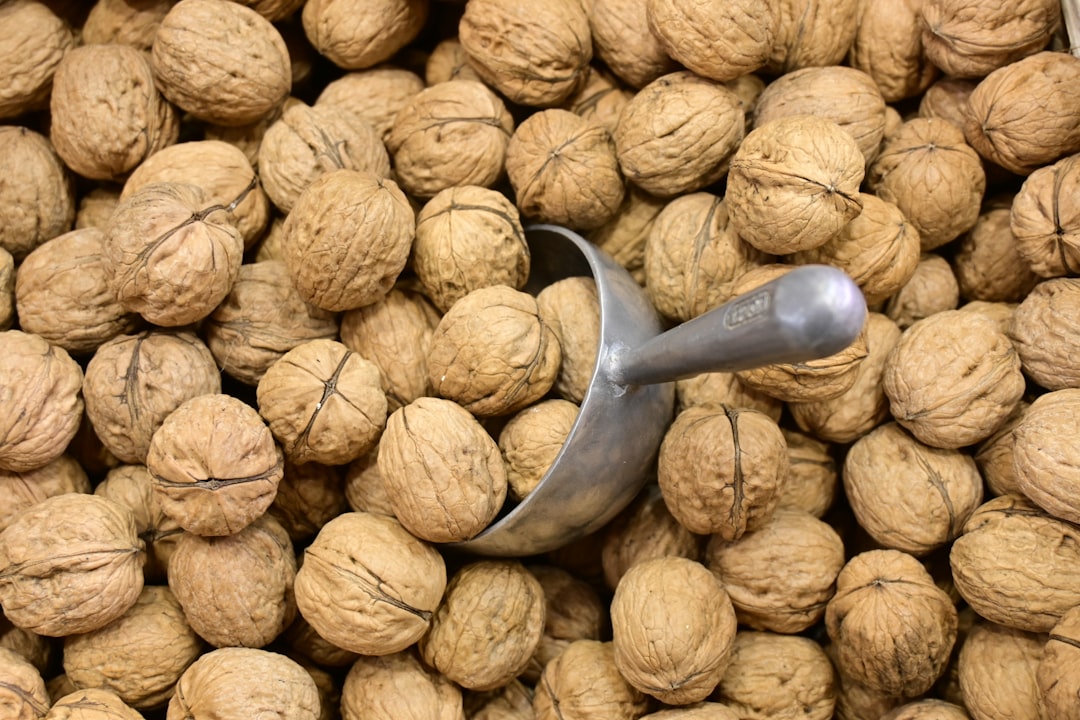
The global fruit and nuts market is projected to increase by over 12% between 2024 and 2029, with average volume per capita anticipated to reach nearly 42 kilograms by 2029. These projections suggest continued expansion in nut consumption worldwide.
The global nut market is estimated to reach 24 million tons with a value of $85 billion by 2035, driven by forecasted growth of 1.5% in volume and 2.0% in value annually. Health consciousness and rising incomes in developing markets fuel this optimistic outlook.
Emerging markets show the strongest growth potential as consumers gain disposable income and exposure to international food trends. Traditional nut-consuming regions continue expanding their intake while new markets develop preferences for premium varieties.
The data reveals a world where cultural traditions, economic development, and health awareness combine to create dramatically different nut consumption patterns. From Turkey’s cultural embrace of pistachios to Chad’s reliance on sesame seeds for nutrition, these figures tell stories about how different societies value and consume these nutritious foods. What would you guess your country’s ranking might be compared to these global leaders?