7 Countries That Drink the Most Coffee – and 2 That Drink the Least, Study Reveals
Coffee culture continues to evolve across the globe, with recent studies revealing fascinating patterns in how different nations consume their daily brew. While some countries have built entire social traditions around coffee consumption, others remain steadfast in their preference for alternative beverages. The data shows remarkable differences in consumption habits that often correlate with climate, culture, and economic factors.
Finland – The Undisputed Coffee Champion
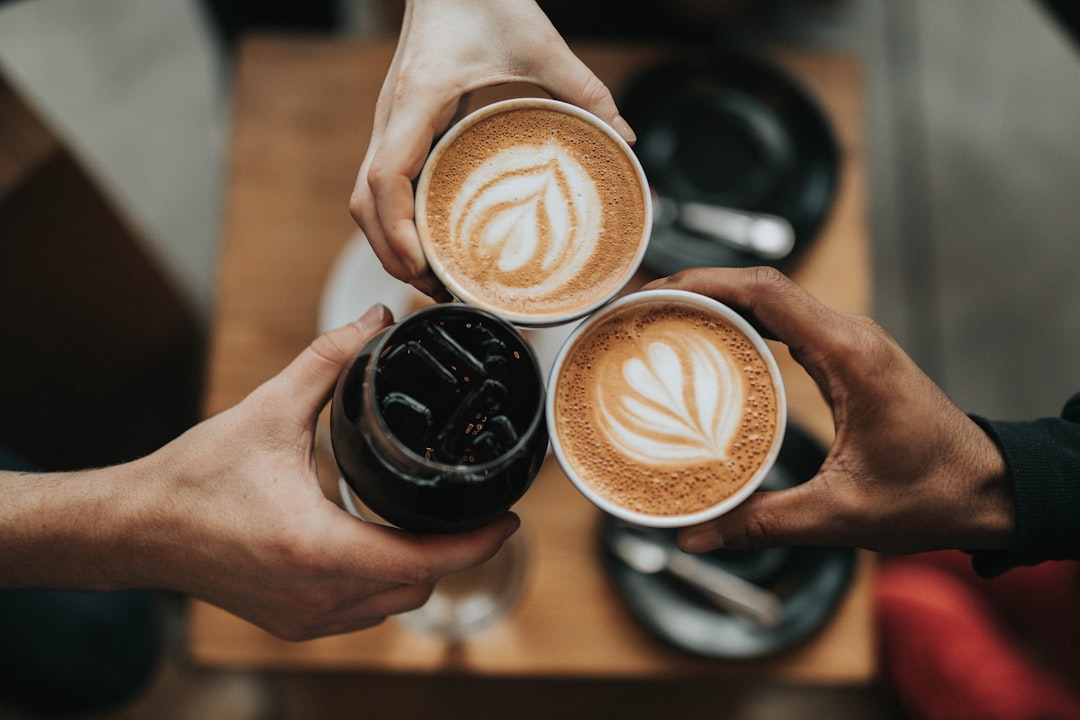
Finland is the number one consumer of coffee in the world. Each person drinks, on average, about 2.6 cups per day and 26.5 pounds per year. Coffee is such a part of the culture that mandatory coffee breaks are required by law at least twice a day while working. This Nordic nation’s extraordinary coffee consumption isn’t just a statistic – it’s deeply embedded in their daily routine. The normal coffee drinker drinks between eight and nine cups daily with the more committed coffee lovers drinking up to 30 cups in one day. It is thought the reason coffee is so popular in this country is because of the freezing temperatures. It can reach 40 degrees below zero at times making a hot beverage a must. The coffee culture here is so strong that it has become a necessity rather than just a preference.
Norway – Where Coffee Breaks Are Sacred
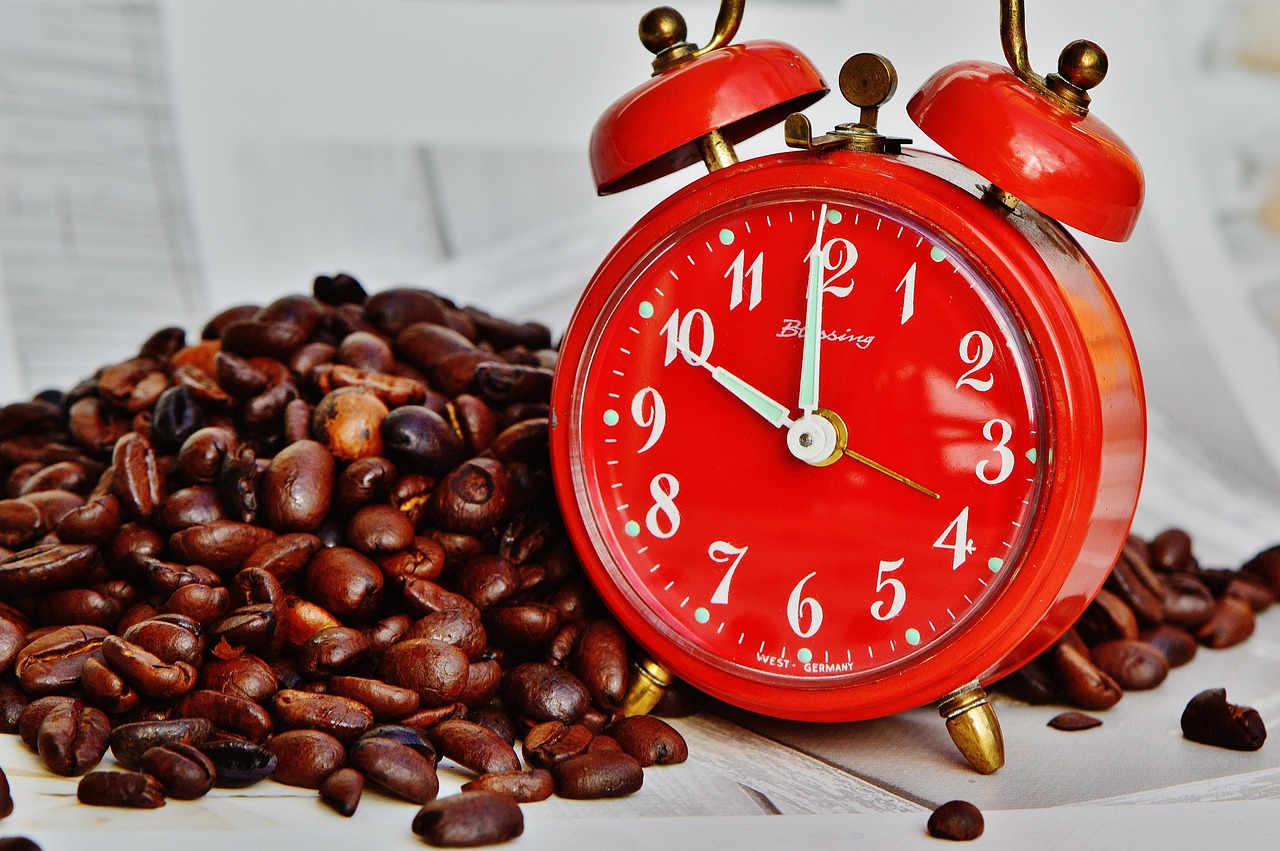
Norway comes in as a close second to Finland in overall coffee consumption. Here the average person drinks about three cups per day with the heavy drinker gulping back more than five or six. The Norwegian approach to coffee extends far beyond mere consumption. In Norway, “Kaffepause” directly translates as a pause for coffee. It’s not only consumed while at work, either, but also after breakfast, dinner, and dessert. These Norwegian cafes are a place to socialize with friends. When visiting your favorite cafe in Norway, you won’t see people studying, reading, or taking cups to go. Instead, you see groups of people talking, laughing, and enjoying each other’s company. This creates a unique coffee culture focused on social connection rather than efficiency.
Iceland – Coffee as a Substitute for Alcohol
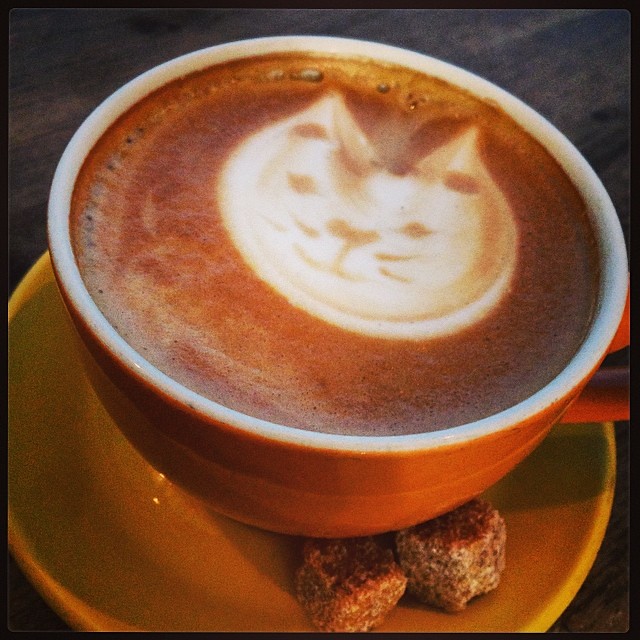
Many believe coffee took hold as the favorite Icelandic beverage because alcohol is not as readily available. It wasn’t until the last 1980s that beer was made available to the public. Other bar drinks such as wine are also very costly. This historical context has shaped Iceland’s relationship with coffee in a unique way. The island nation has developed its own coffee traditions that serve as both social lubricant and warming comfort during the long, dark winters. Like its other northern European counterparts, the island country of Iceland enjoys its coffee. In the capital city of Reykjavik, you won’t find coffee giants like Starbucks or Second Cup.
Denmark – Hygge and Coffee Culture

Denmark consistently ranks among the top coffee-consuming countries globally, cementing the country’s place in the top five. Filter coffee is still a staple, but espresso-based drinks are now common across Copenhagen and other cities. The rise of independent cafés and Denmark’s emphasis on hygge – coziness and comfort – help keep coffee at the heart of Danish life. The Danish concept of hygge has made coffee consumption more than just a caffeine fix – it’s become integral to their philosophy of comfortable living. Coffee shops throughout Denmark emphasize creating cozy atmospheres where people can unwind and enjoy the simple pleasure of a well-brewed cup.
Luxembourg – European Coffee Culture
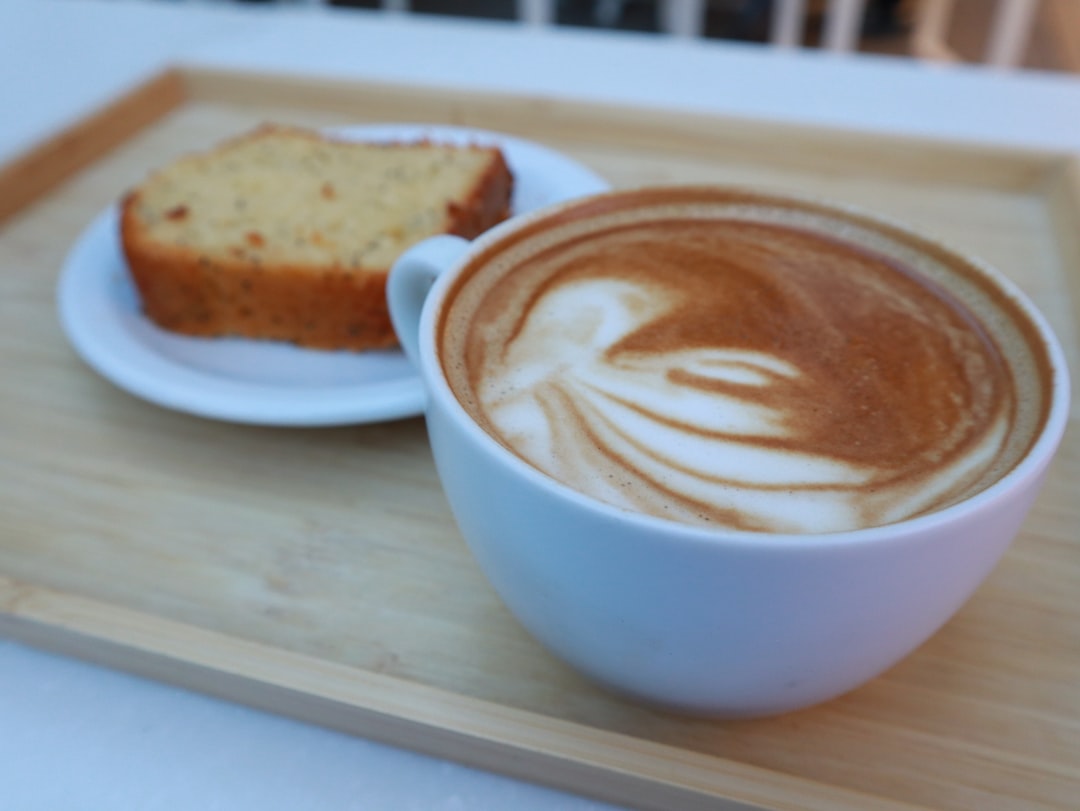
Luxembourg has a notable coffee culture, though it doesn’t rank among the world’s top consumers. This small western European country maintains active coffee consumption with numerous cafés throughout the country. In the capital of Luxembourg City, coffee shops abound, serving both pure filter drip coffee as well as artisan drinks. Some of the espresso drinks unique to Luxembourg include a “lait Russe,” or “Russian Milk,” which is essentially a latte, or a “café gourmand,” a type of espresso drink originating in France that is intended to be served with a dessert.
Switzerland – Premium Coffee Culture
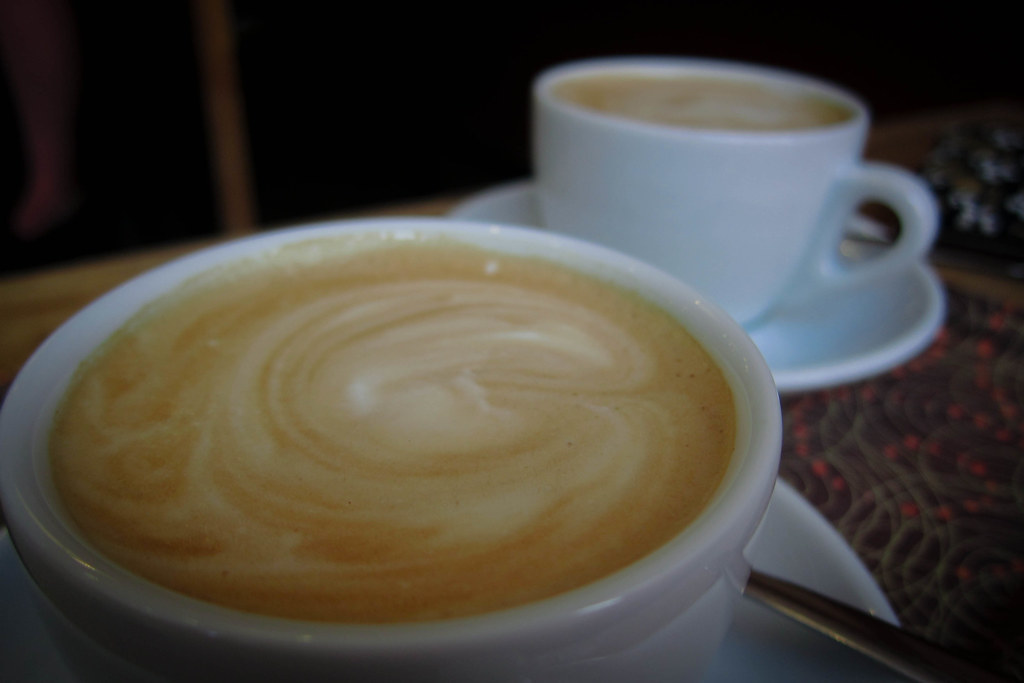
Switzerland maintains strong coffee consumption, with consumption influenced by both Italian espresso culture and French café traditions. The country’s affluence supports high-end capsule machines and artisan roasting, with sustainability and origin also playing a key role in purchasing habits. Switzerland’s coffee culture reflects the nation’s attention to quality and precision. Espresso-based drinks are particularly popular in this central European country, including the “caffè crema,” a type of espresso drink similar to an Americano that is said to have originated in Switzerland near the Italian border. For the average Swiss who drinks an average three cups a day, coffee can be an expensive pastime, as a cup of coffee in a cafe can be as high as $4.64 USD.
Austria – Coffeehouse Heritage

Austria is one of Central Europe’s biggest coffee lovers. Coffeehouses have long been part of Viennese identity, blending intellectual history with specialty traditions. Austrian coffee culture represents one of Europe’s oldest and most refined traditions, dating back centuries to when Vienna was a cultural crossroads. The Viennese coffeehouse culture has been recognized by UNESCO as an Intangible Cultural Heritage, highlighting its significance beyond mere beverage consumption. These establishments serve as social hubs where literature, politics, and philosophy have flourished for generations.
The Countries That Barely Sip – Nepal and Pakistan
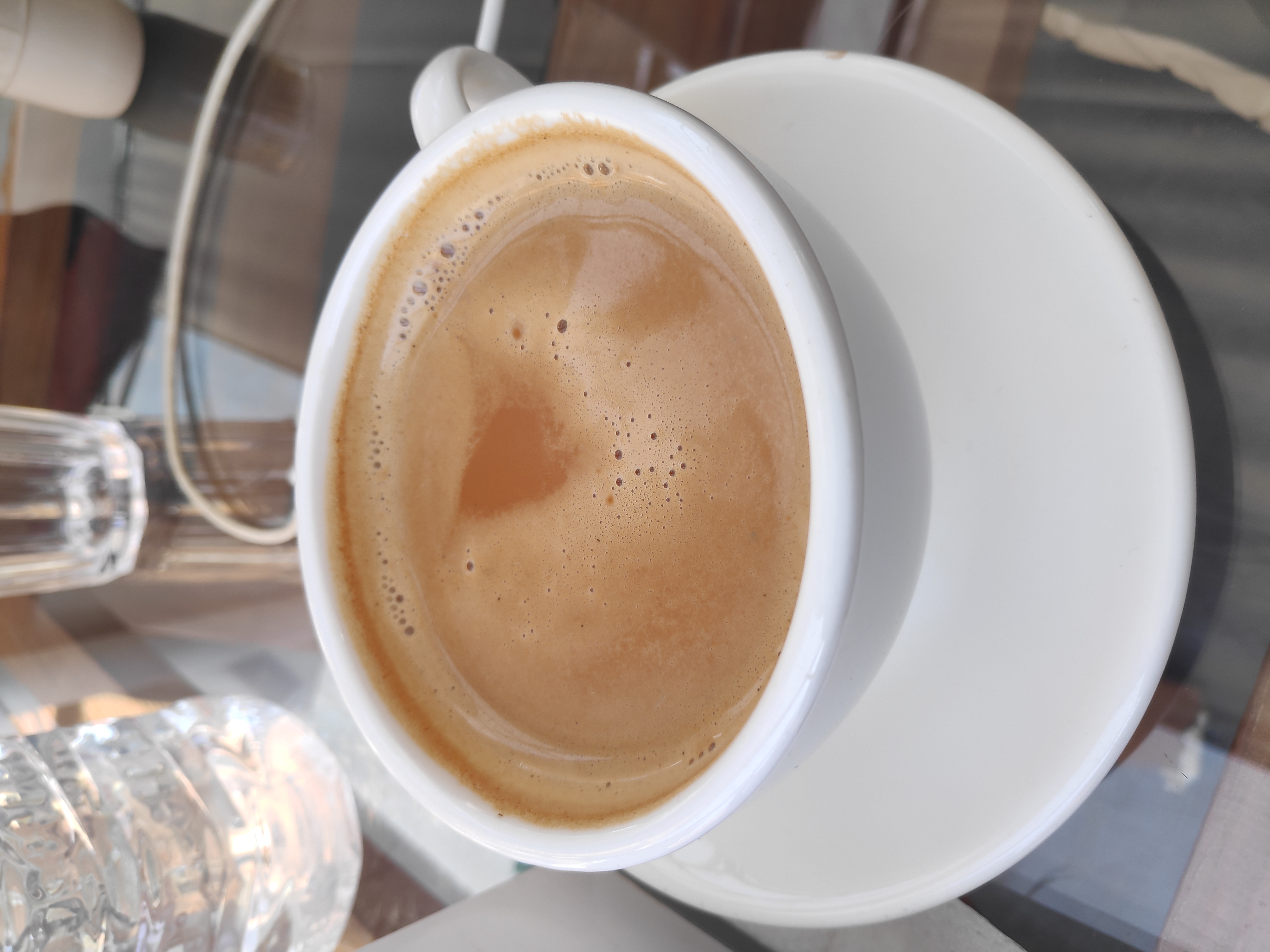
At the opposite end of the spectrum, some countries show remarkably low coffee consumption rates. Nepal, India and Pakistan are the world’s biggest coffee abstainers. Each country drinks less than 0.1 kilos per capita a year. Speaking of which, some countries that drink the least amount of coffee include Pakistan and Nepal, among others. These nations maintain strong tea-drinking traditions that have historically overshadowed coffee culture. Nepal, where coffee only costs $1.49 a cup, is the least expensive place in Asia to drink coffee. Despite the affordability, cultural preferences and traditional beverage choices continue to dominate in these regions. The contrast with the top-consuming countries is striking, showing how deeply cultural factors influence beverage preferences regardless of price or availability.