6 Countries That Eat the Most Meat, Data Finds
When it comes to putting meat on the plate, the world is divided in the most striking way possible. Hong Kong tops the global charts with a staggering per person meat consumption of 137.08 kg, while countries like Bangladesh and India barely reach single digits.
This divide isn’t just about food preferences – it reveals a deeper story about culture, economics, and tradition that shapes what billions of people eat every single day.
Hong Kong: The Carnivore Capital
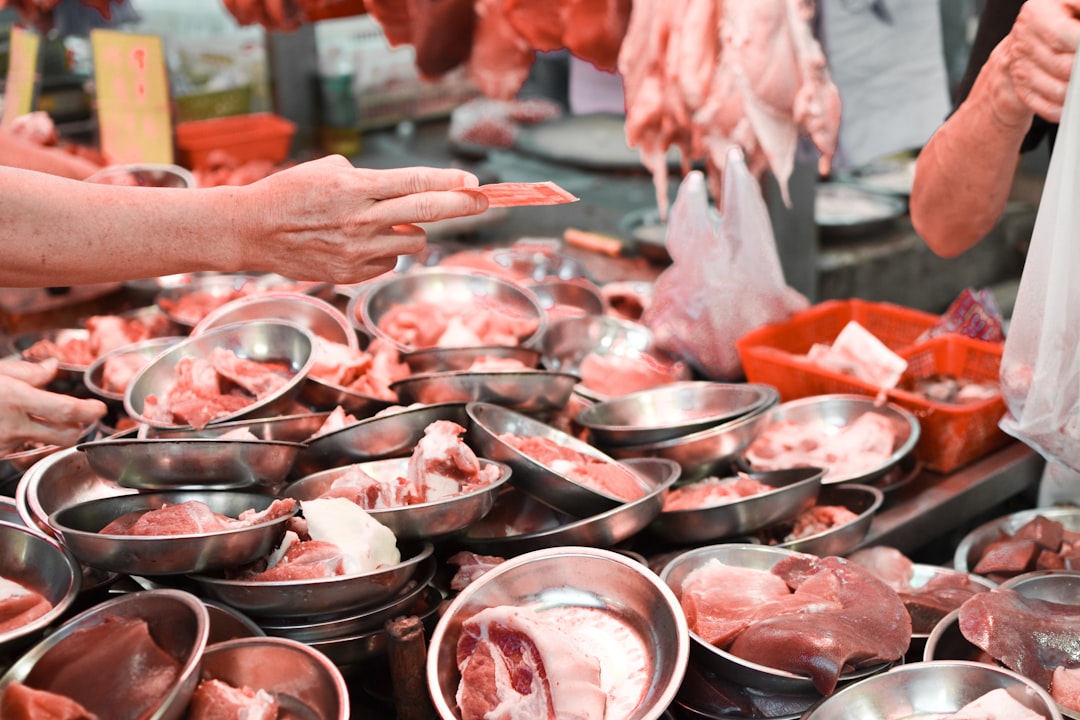
Hong Kong consumes an absolutely staggering 137.08 kg of meat per person annually, which is about 302 pounds of meat per person each year. Honestly, that’s like having an entire refrigerator filled with nothing but meat products for each resident. Hong Kong leads the world in pork consumption per capita annually at 55 kg (121 lbs), which means each person consumes roughly the equivalent of an entire pig annually.
Citizens have a particular predilection for pork and chicken, accounting for over 80 percent of the meat eaten, as these represent a staple of Cantonese cuisine. What makes this consumption pattern even more remarkable is its environmental impact. Hong Kong’s love affair with meat is the primary contributor to the city-state’s disproportionately high greenhouse gas emissions, according to research from Hong Kong University.
United States: The Beef Nation

The United States sits comfortably at number two with 124.11 kg of meat consumption per person annually. Americans have turned meat consumption into a cultural identity, and the numbers back it up spectacularly. United States residents ate 21% of the world’s beef, which was nearly 27.6 billion pounds (12.5 billion kilograms) in 2020 alone.
This isn’t just about volume though. The US per capita beef consumption amounted to 38.01 kg, showing that Americans are highly consistent in their beef eating habits. From backyard barbecues to fast-food chains, meat represents both abundance and tradition in American culture.
Australia: Down Under’s Meat Obsession
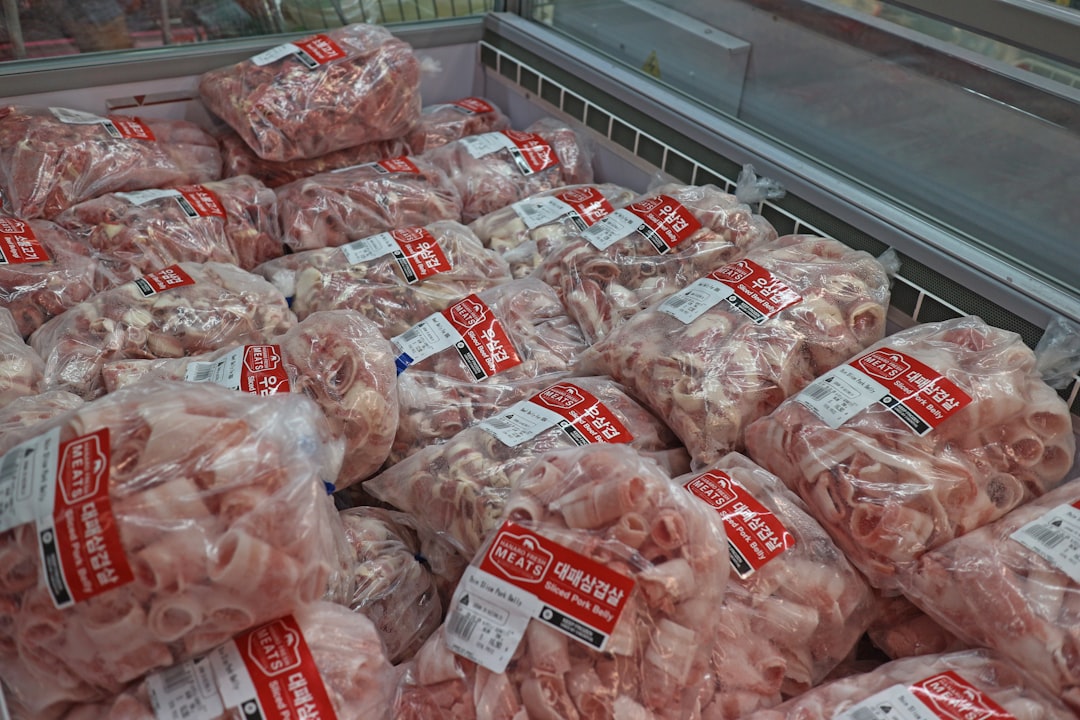
Australia sits at 121.61 kilograms per capita, making it the third-largest meat consumer globally. The country has a fascinating relationship with meat production and consumption. Australians eat 121 kg of meat per year, and Australia produces two million tons of beef annually.
What’s particularly interesting is Australia’s shift in preferences. Australia is actually the country that eats the most chicken, though they’re also known for their quality beef production. The domestic poultry production means they can satisfy this demand without heavy reliance on imports.
Argentina: The Beef Heritage
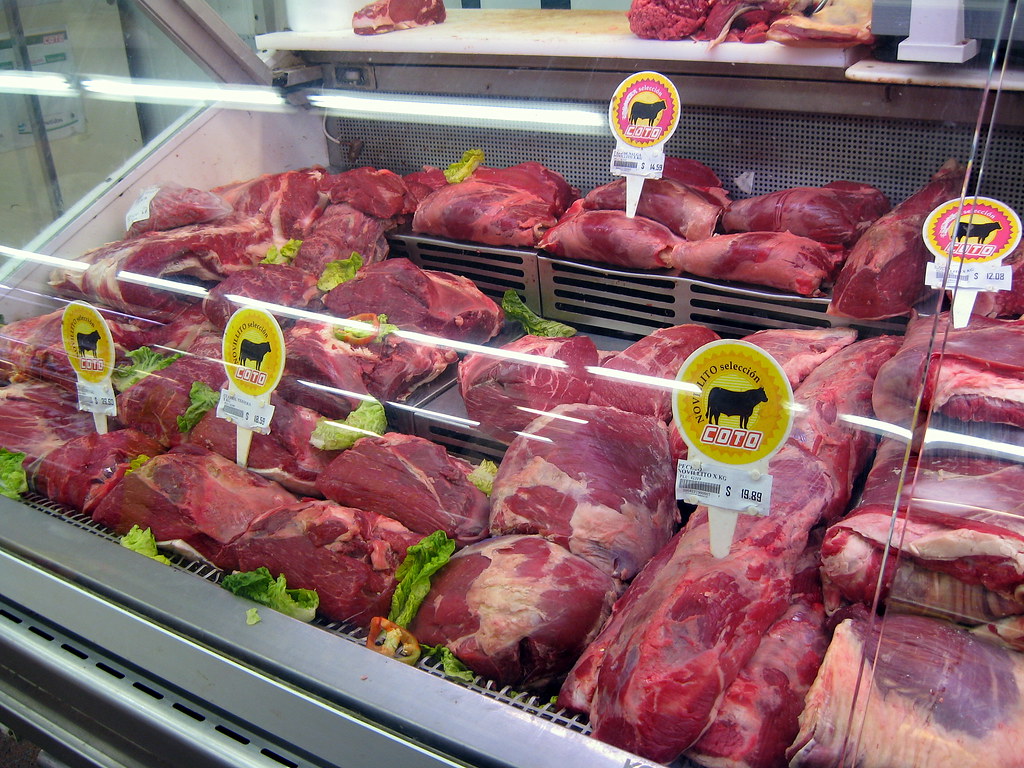
Argentina consumes 110.16 kilograms per capita annually, with beef being the absolute king of their diet. This South American powerhouse has deep cultural ties to cattle ranching that date back centuries. Argentina’s 46-million-strong population eats nearly 47 kg (103 lbs) of bovine meat per person per year, the most by any country in the UN’s database, as cattle brought by Spanish settlers flourished on the grassy plains of the region.
Though there’s been some recent changes due to economic pressures. This inflation has Argentina’s rates of beef consumption slowly but steadily decreasing, from 60kg per person to under 56kg since 2014, though the country’s overall meat consumption has increased as citizens switch their diets to include more poultry and pork.
Mongolia: Traditional Meat Culture
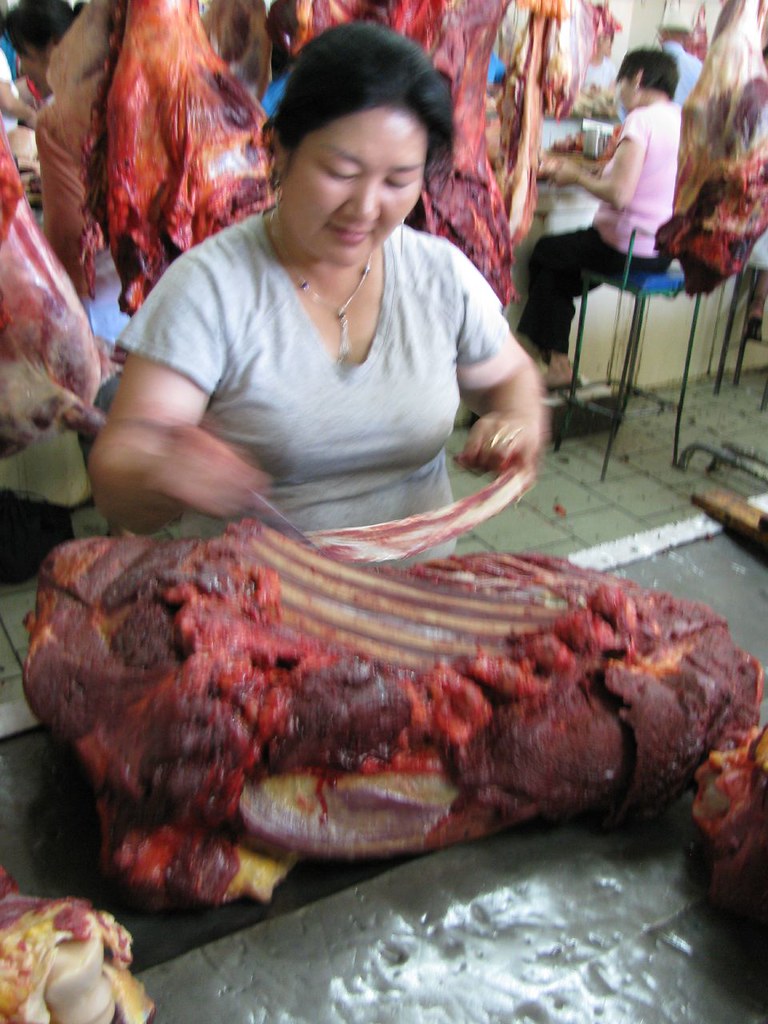
Mongolia at 111.56 kilograms rounds out our list of top meat consumers, but with a unique twist. Mongolia also ranks highly in consumption of other meat per capita, likely due to their traditional consumption of horse meat, with the country producing just over 100,000 tons of horse meat in 2020.
This traditional nomadic lifestyle has created a society where meat isn’t just food – it’s the foundation of survival in the vast steppes. Mongolia’s meat consumption reflects centuries of adaptation to harsh climatic conditions where livestock provided essential sustenance.
Spain: European Meat Leader
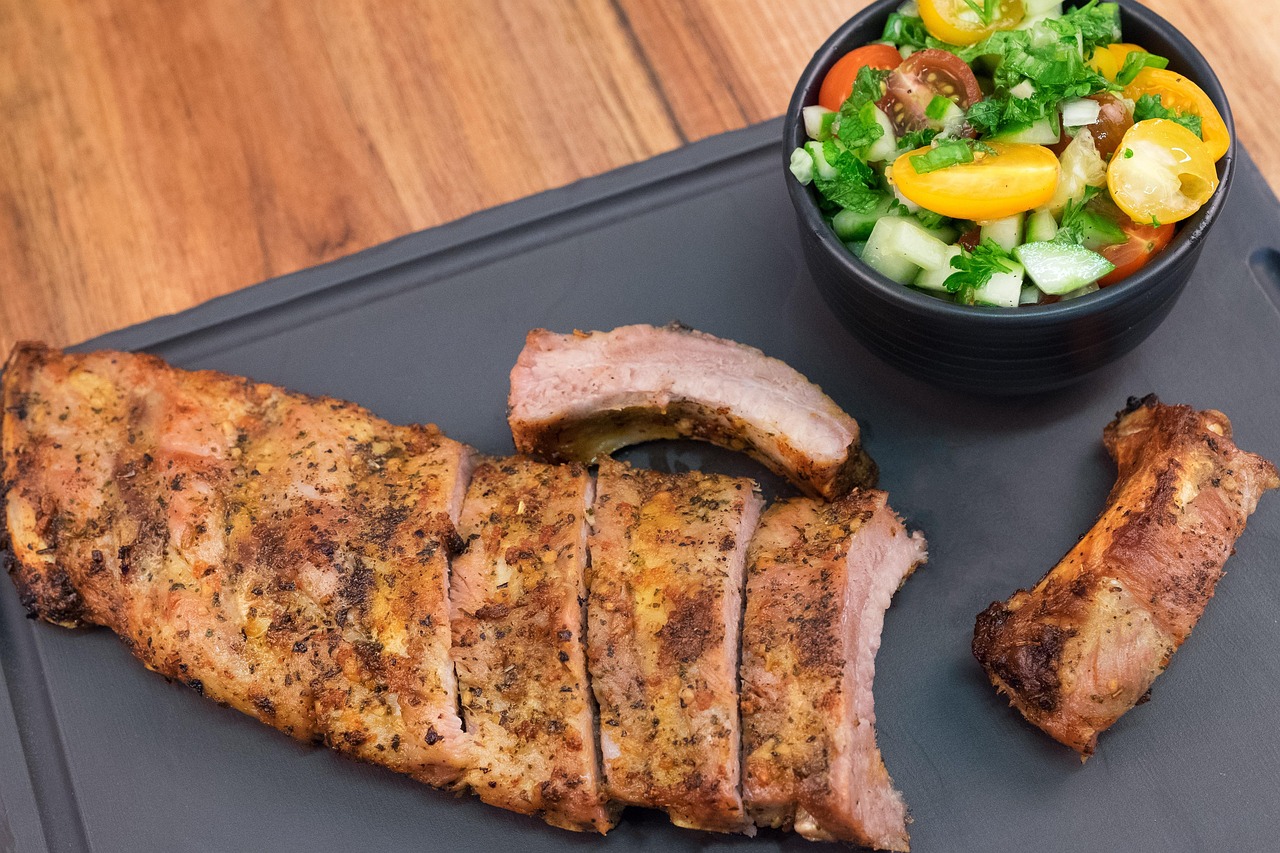
Spain consistently ranks among Europe’s highest meat consumers, reflecting the country’s rich culinary traditions. Spain has various traditional meat-based dishes like jamón ibérico (cured Iberian ham), chorizo (spicy sausage), and lomo (pork loin), with pork being a key ingredient in popular dishes like cocido madrileño (Madrid-style stew) and fabada asturiana (Asturian bean stew).
Countries with the highest yearly meat consumption per-capita include Austria, Spain, Denmark, Luxembourg, and Portugal. Spain’s position among Europe’s top consumers reflects both cultural preferences and economic prosperity that allows access to quality meat products.