8 Outdated Design Choices Stylists Predict Will Disappear by 2030
Think about all the design trends you’ve fallen for over the years. The all-gray everything phase, the open concept craze, maybe even that shiplap accent wall you thought would look incredible. Here’s the thing: design moves fast, especially in our social media driven world. What feels fresh and modern today can start looking tired surprisingly quickly.
Interior stylists and designers have their fingers on the pulse of what’s fading and what’s emerging. They’re already seeing certain choices fall out of favor as homeowners crave more personality, warmth, and functionality in their spaces. Let’s be real, some trends have overstayed their welcome.
All Gray Everything
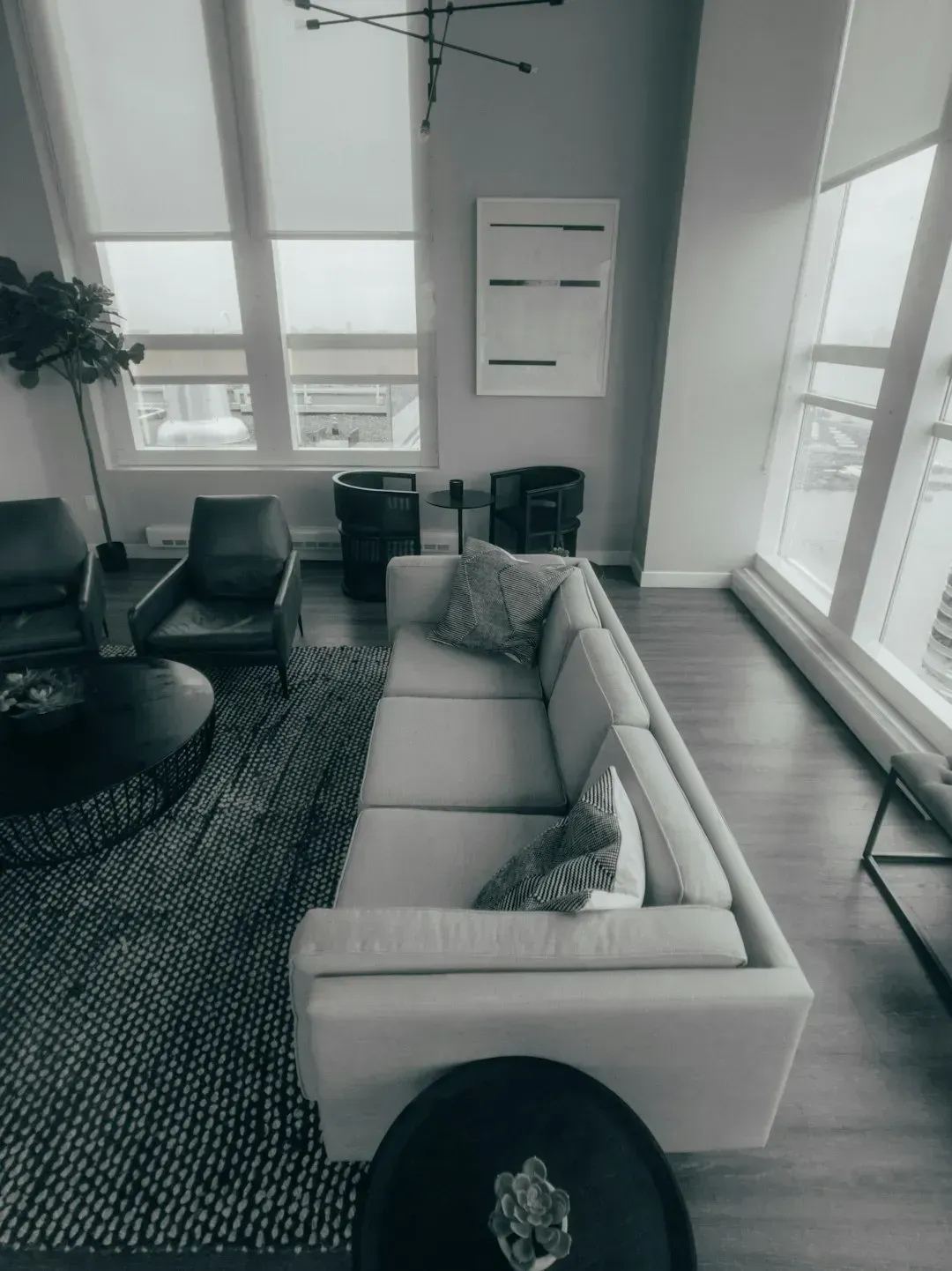
Gray is officially on its way out, with designers confirming that the millennial gray trend that dominated homes for years is now gone. Online color consulting requests for gray paint have reportedly dropped dramatically. The cool, neutral tones that once felt sophisticated now come across as cold and uninspiring. Designers predict various shades of brown like rich taupe, warm clay and burnt umber will become more prevalent, providing an earthy, grounded aesthetic with enduring quality.
Modern Farmhouse Aesthetic
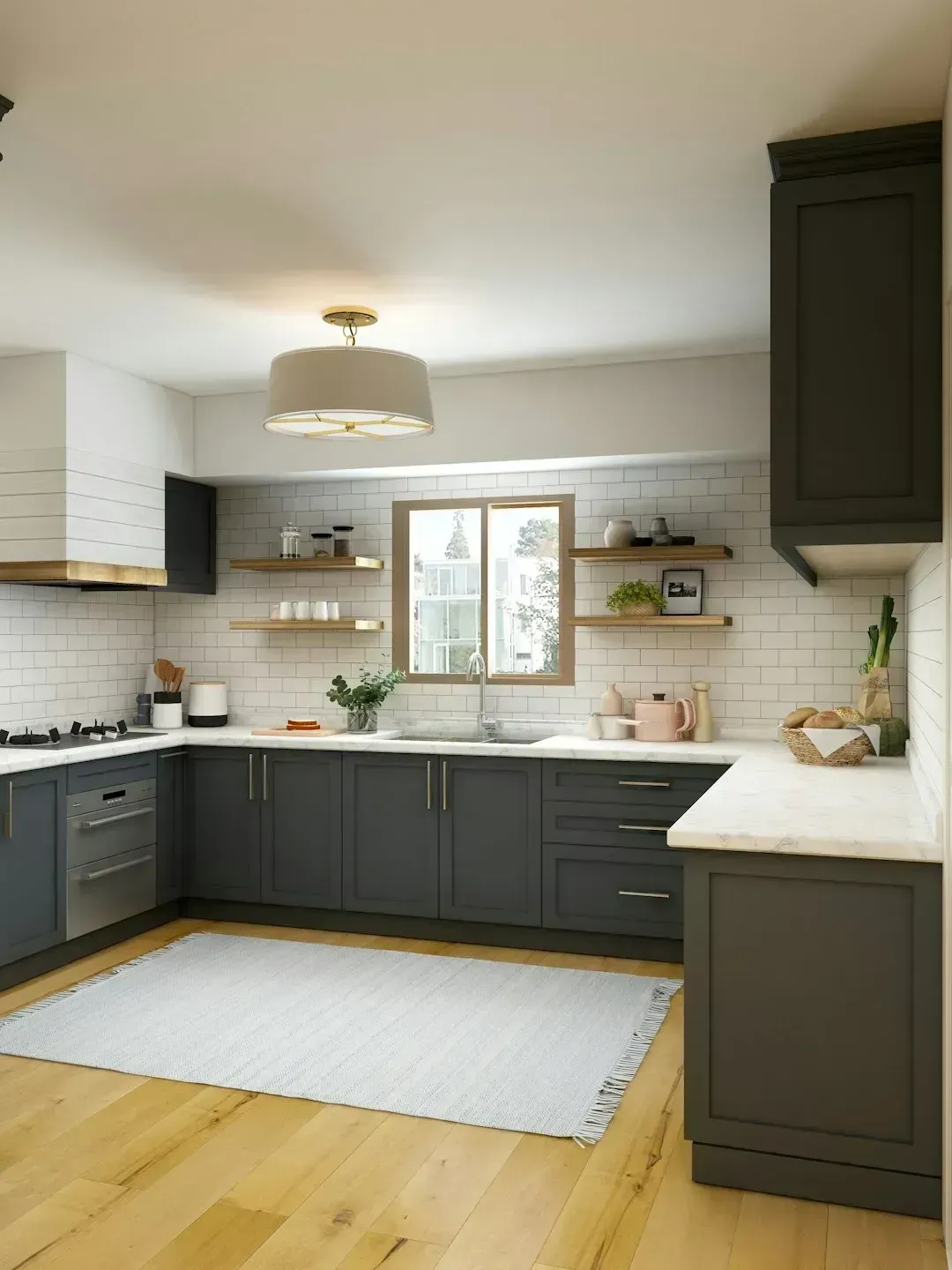
Shiplap walls, once a popular design feature reminiscent of country cabins, are no longer beloved by designers in 2025, with questions about whether shiplap was going out of style emerging as far back as 2023. The farmhouse aesthetic, popularized by shows like Fixer Upper, is being overshadowed by more modern or transitional styles, with refined, clean-lined designs replacing barn doors and rustic accents. The trend simply feels oversaturated at this point. What once felt charming and distinctive now reads as catalog generic, lacking the personal touch that makes a home truly feel like yours.
Open Concept Floor Plans
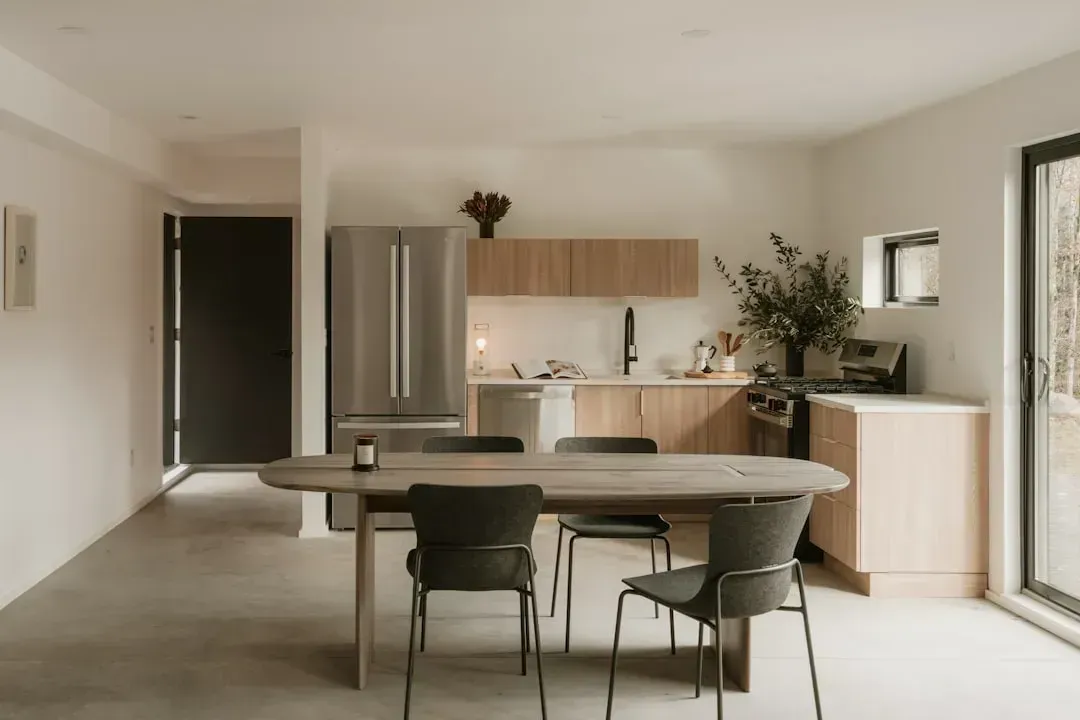
The 2020 pandemic shifted how people experience their homes daily, and when homes became offices, classrooms, and sanctuaries, the need for privacy and separation became clearer, making open concept living feel more like exposure than expansion. Privacy concerns, lack of sound insulation, and increased noise levels with fewer barriers have made it challenging for busy households and those working from home to find quiet spaces. Let’s be honest, trying to take a work call while someone’s cooking dinner and kids are doing homework in the same enormous room gets exhausting. Designers are now more inclined towards closed concept spaces or blended ones, with kitchens featuring banquette seating or living rooms separated from kitchens with pocket doors or partitions.
White Bouclé Furniture
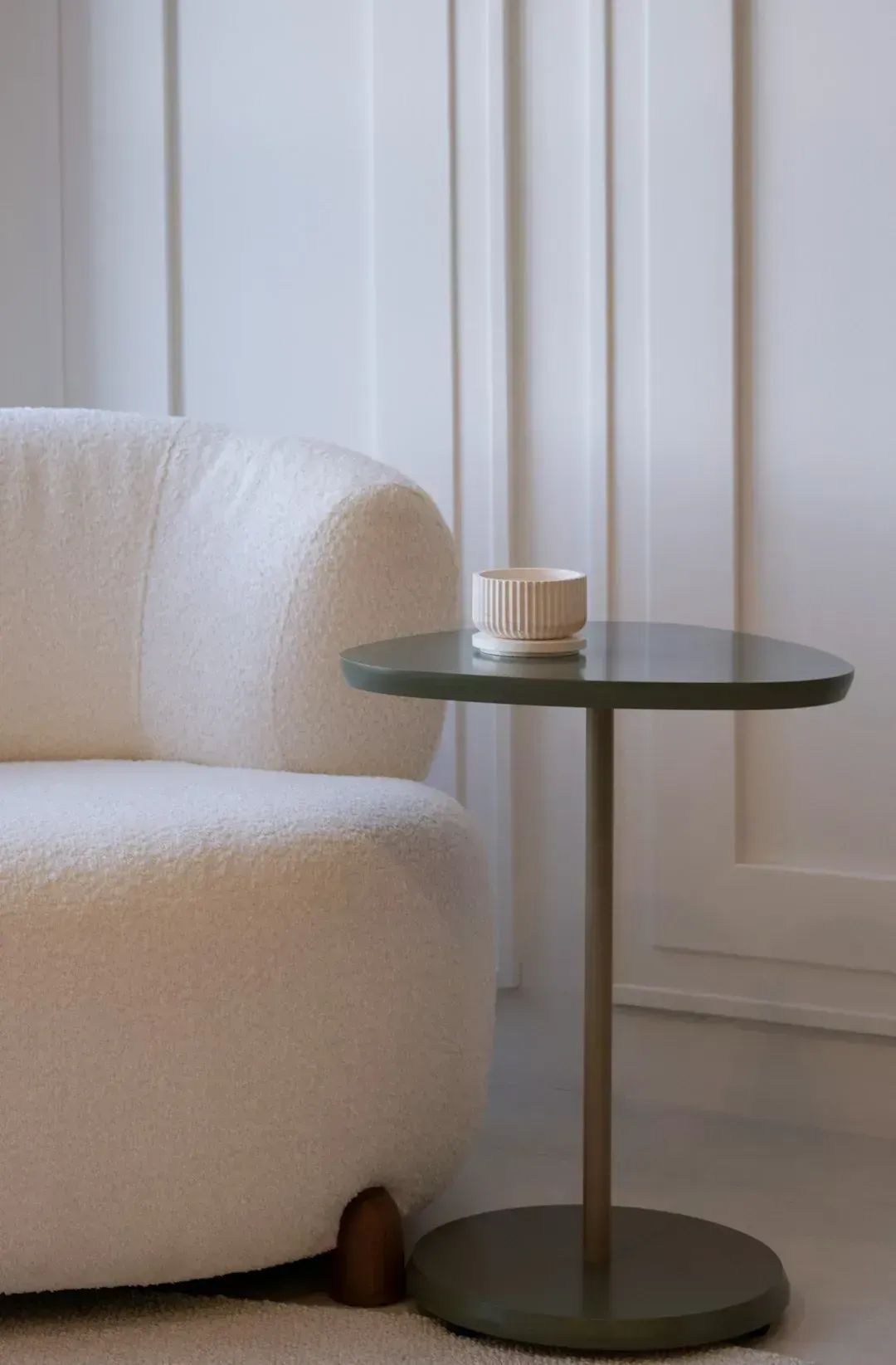
Designers report being tired of bouclé fabric, noting it made its appearance and oversaturated the home, and is impractical when you have pets with claws or tiny fingers running through it. While bouclé is being reconsidered, it’s reappearing in bolder colors and thicker materials, with designers noting that skimpy cream and off-white bouclés feel down-market. That nubby white chair looked amazing on Instagram for about five minutes before reality set in. Every spill shows, pets destroy it, and honestly, it’s become so ubiquitous that it no longer makes a statement.
Stark All-White Interiors
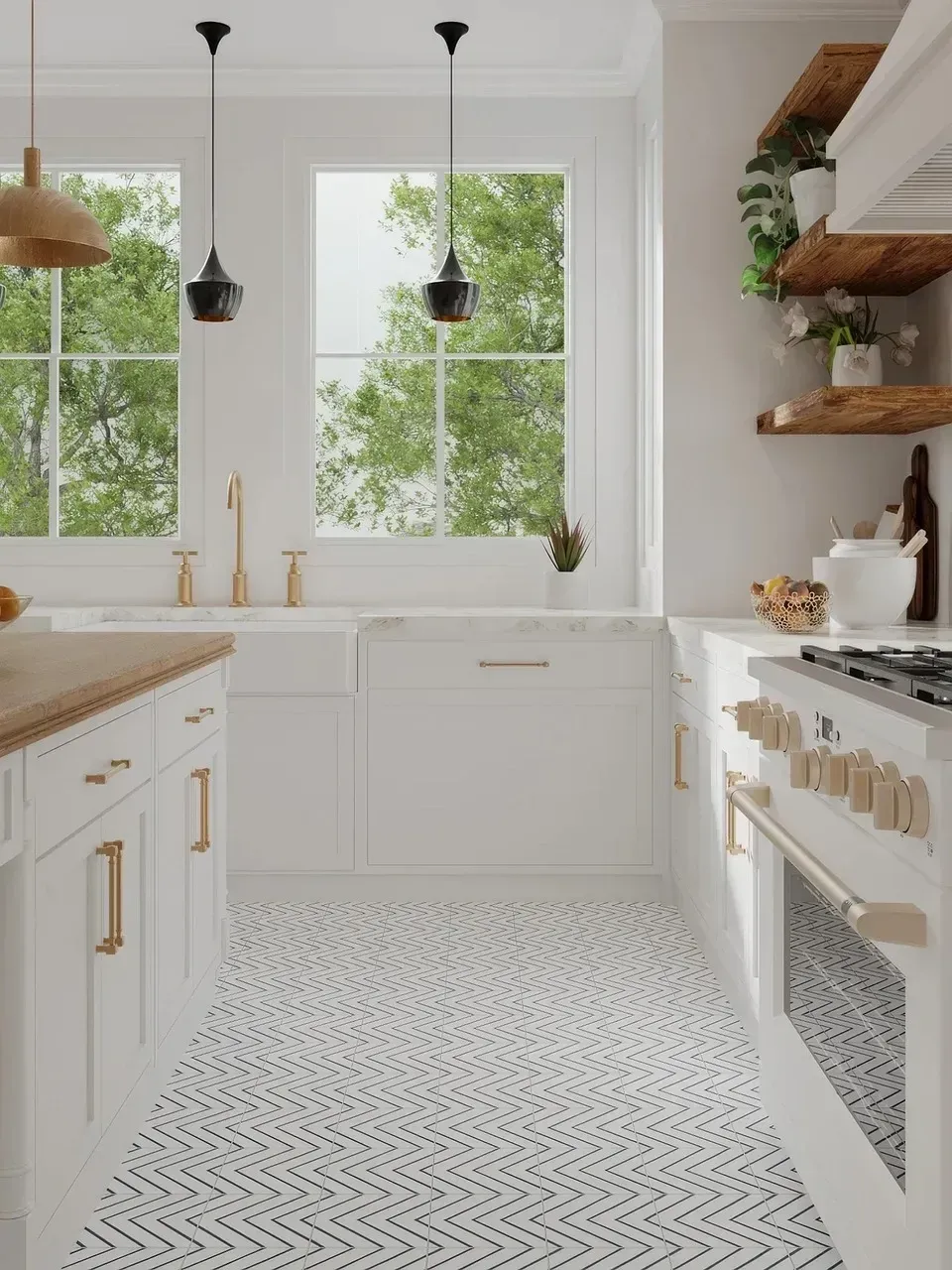
White paint colors are heading out in 2025, with warmer tones trending as stark-white walls shift toward taupes and beiges. After years of sterile white and gray minimalist interiors, there’s a yearning for warmth and coziness that these colors cannot provide, with designers recommending creamier whites, tans, browns, greens and yellows that can wrap you in warmth. Think about it: those bright white spaces photograph beautifully, but living in them can feel clinical and cold. The once-loved monochromatic aesthetic isn’t realistic for everyday design enthusiasts, as these spaces require constant maintenance by house staff and professional cleaning services, with creamy white upholstery often having a short life span.
Man-Made Quartz Countertops
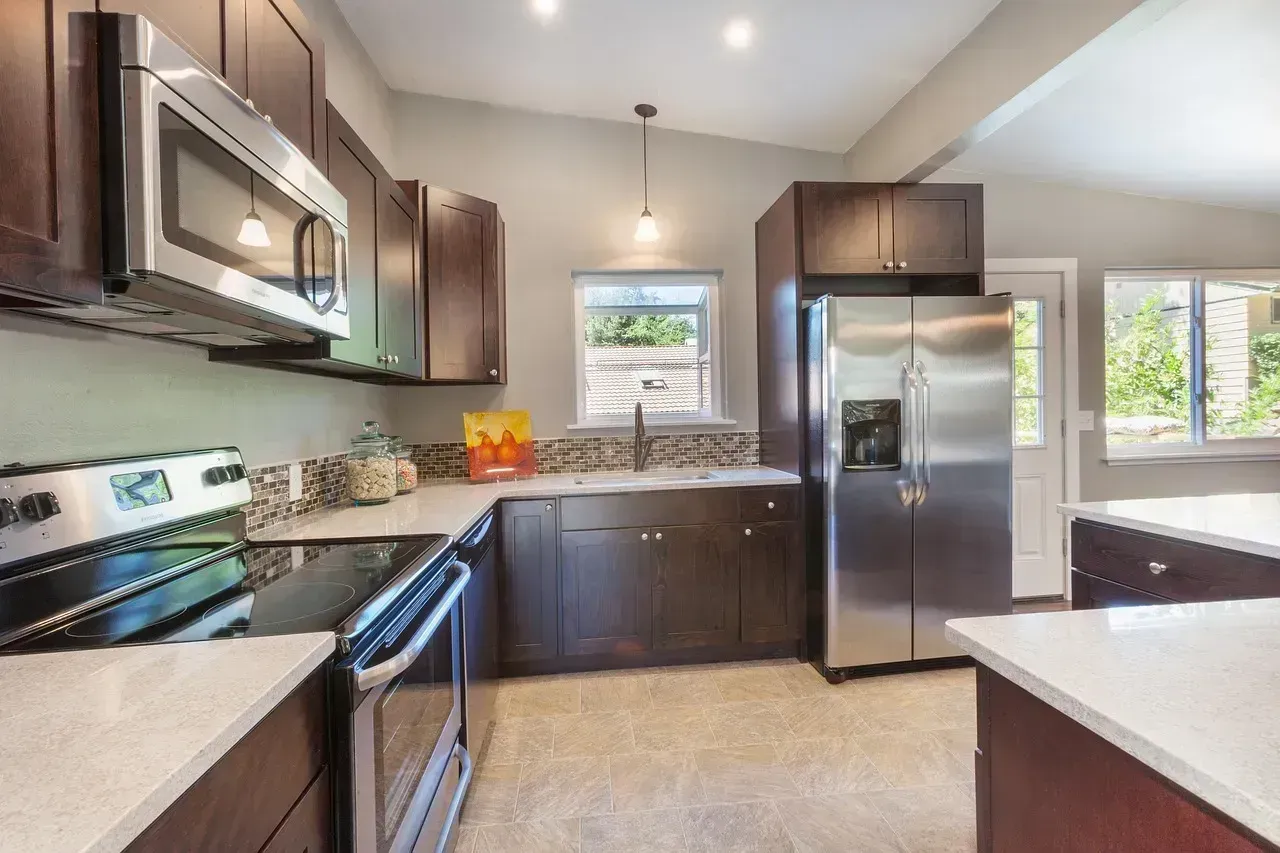
Designers predict a shift away from man-made quartz counters, noting there’s a stronger embrace of natural stone that they hope will be a long-lasting trend. The uniform, speckled appearance of manufactured quartz has started to feel predictable and lacks character. The uniform, speckled quartz countertops that replaced granite are already showing signs of dating, with their perfect consistency and manufactured look lacking the character homeowners increasingly desire, prompting a shift toward sustainable materials like reclaimed wood, concrete with recycled glass, and locally-sourced natural stone. Natural materials with variation and history just feel more authentic right now.
Overly Curated Maximalism
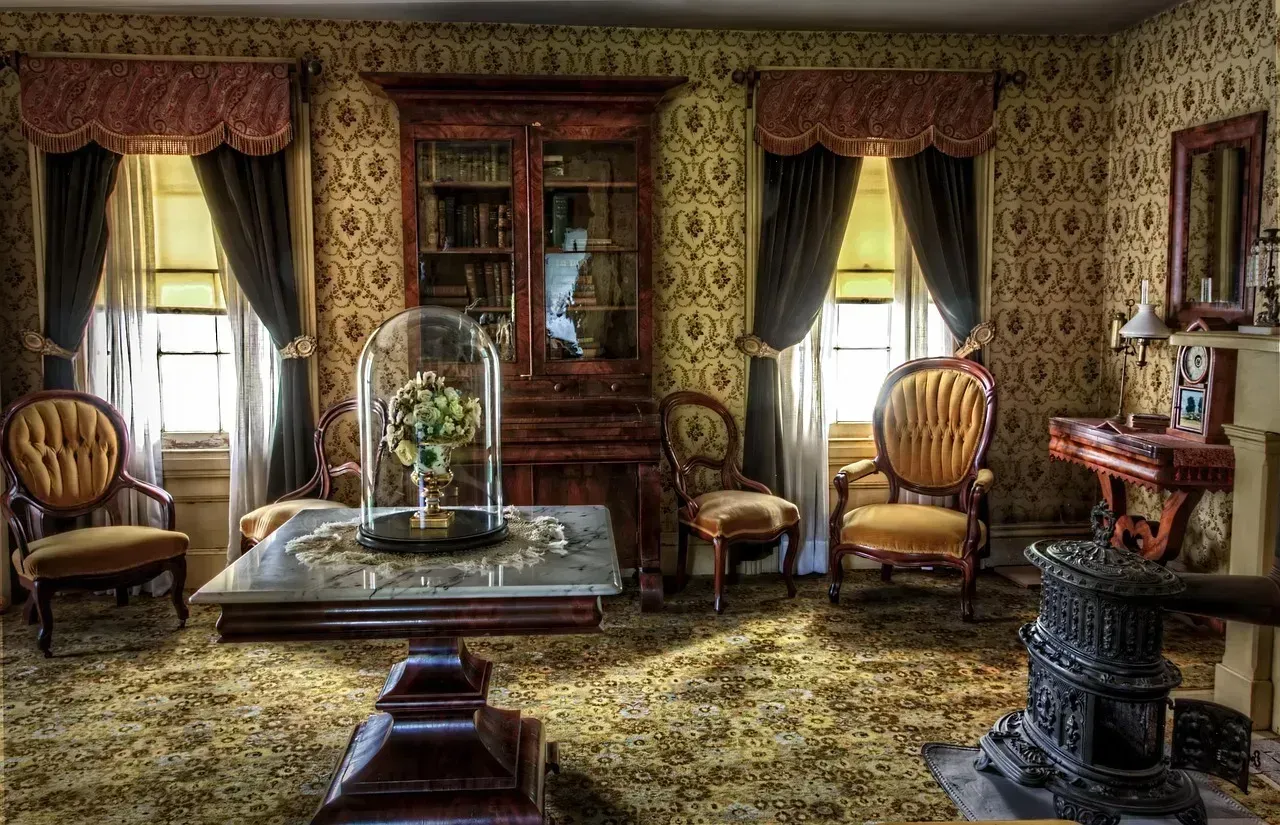
Clients are tiring of granny chic with pattern on pattern on pattern, believing pattern play and Memphis modern items were a reaction to everything being neutral and greige, but now people are pulling back. While maximalism might be declining from a flamboyant, over-the-top, more-is-more point of view, a more curated take to maximalism will remain relevant, focusing on narrative with a craft-driven and resourceful mix-and-match approach. There’s a difference between thoughtfully layered and chaotically cluttered. Designers note that maximalism and all the ‘cores’ should be left behind, suggesting we get back to the core and let go of overzealous trends that have us running to buy more stuff.
Fast Furniture and Matching Sets
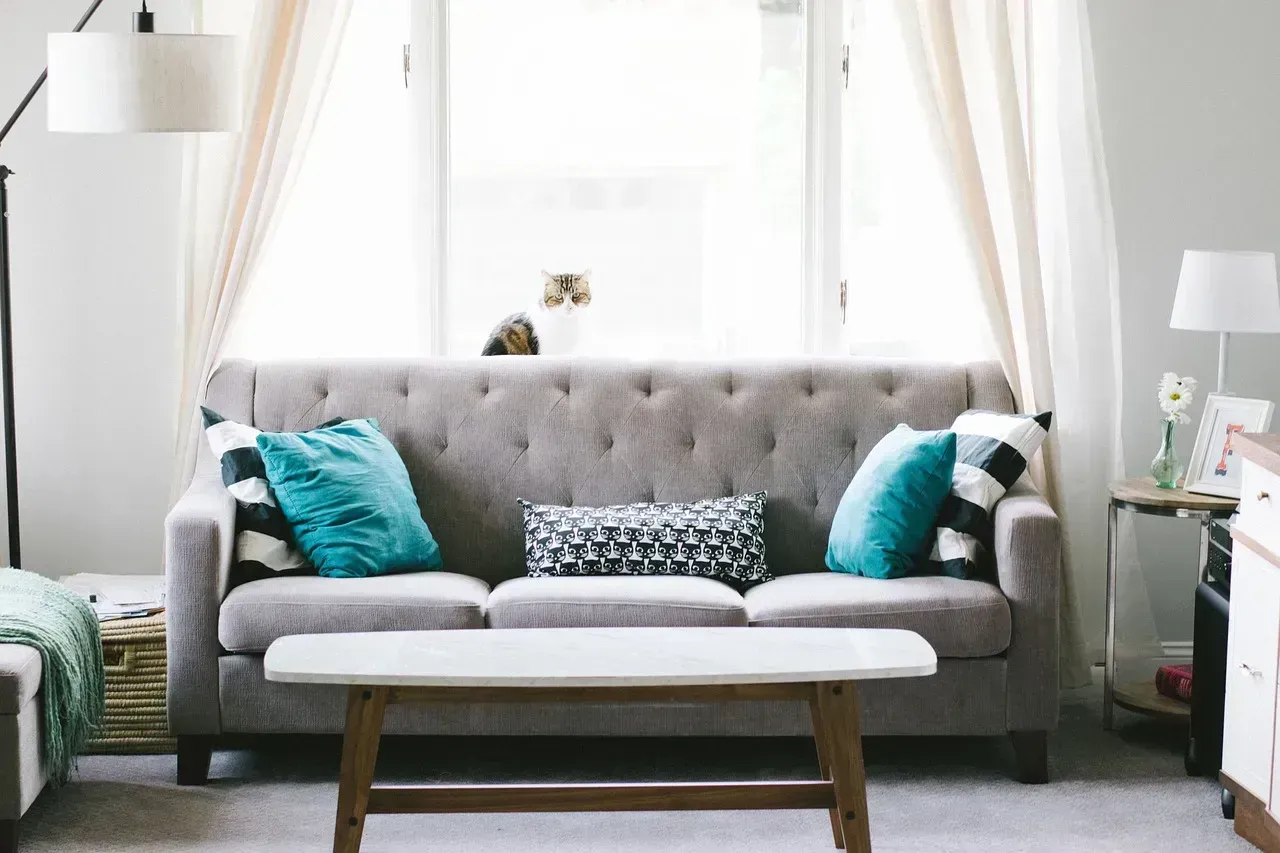
Dubbed fast furniture due to the faster design and making process, many designers are sick of seeing cheaply made pieces in 2025, with the trend towards turning to fast furniture to impulsively replicate every viral look being particularly unloved, and advice being to take time researching and selecting pieces meant to stand the test of time. Those inexpensive, trendy pieces from big box stores might seem like a bargain initially, but they fall apart quickly and end up in landfills. Designers observe a return to individuality and truly customized design, with more client inquiries focused on ensuring bespoke residences highly curated to the homeowners and their tastes versus integrating any one look or trend. Real, quality furniture with character and staying power is what people are gravitating toward now.
Honestly, the overarching theme here isn’t just about what’s going out of style. It’s about moving away from cookie-cutter, Instagram-perfect spaces toward homes that actually reflect who lives there. The general consensus suggests worrying less about chasing the next ‘it’ look and more about creating a home that is layered, unique, and full of soul. By 2030, homes will likely feel warmer, more personal, and more functional than the sterile, overly trendy spaces that dominated the last decade. What do you think about these predictions?