These 3 Rare Pennies From Over 20 Years Ago Are Now Worth Serious Money
You might be surprised to learn that some unassuming pennies from decades past could be hiding in plain sight, worth thousands or even millions. We’re talking about error coins that slipped through the cracks during production, creating monetary anomalies that collectors now covet. Let’s be real, most of us wouldn’t think twice about a penny lying on the ground. Yet the three pennies we’re about to explore have turned into financial windfalls for those lucky enough to discover them. Ready to find out which ones could change your life?
The 1943 Copper Penny – A Wartime Mistake Worth Over a Million
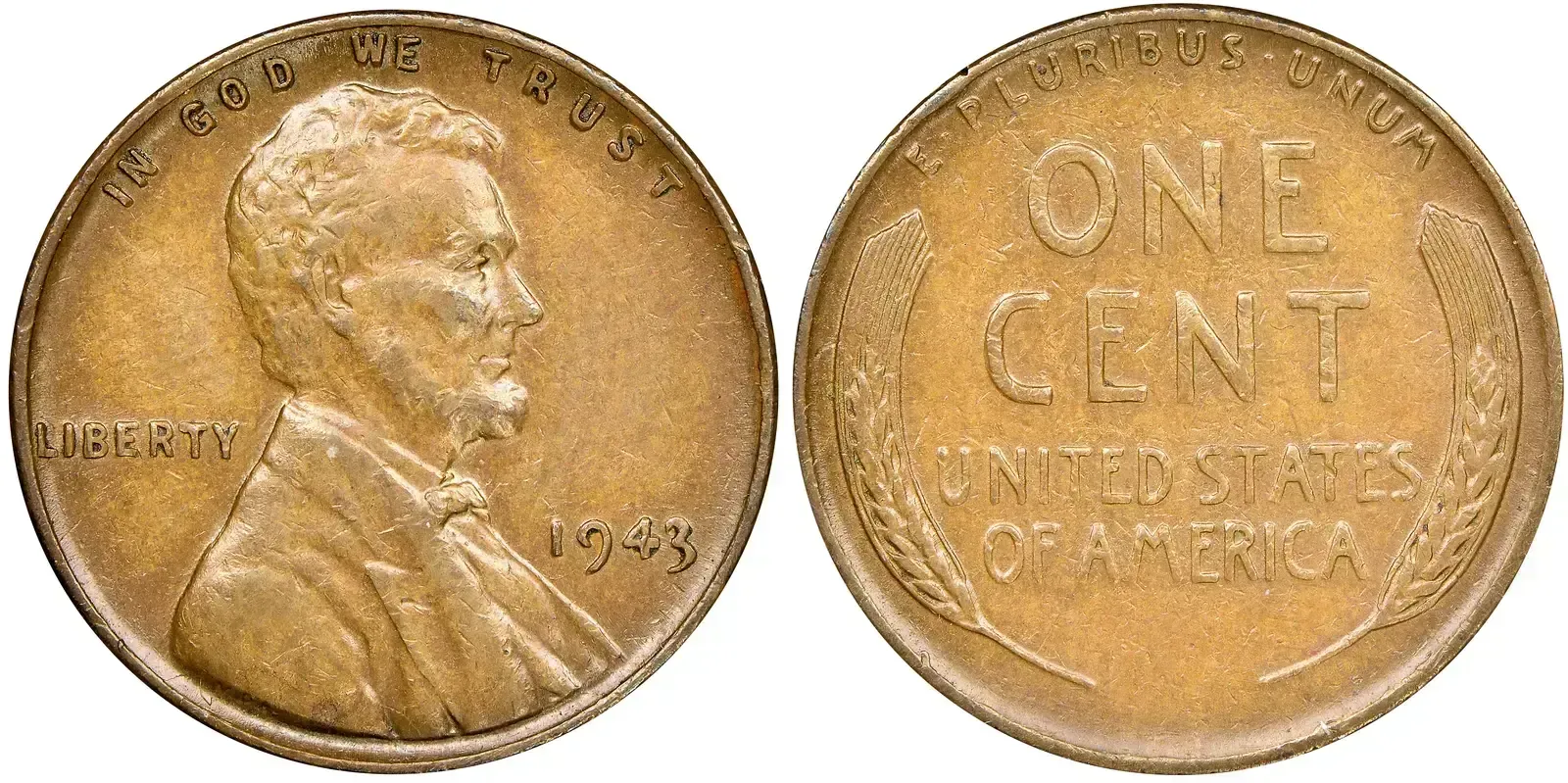
During World War II, the U.S. Mint switched to zinc-coated steel pennies to conserve copper for ammunition and military equipment, yet a handful were mistakenly struck on leftover copper planchets from 1942. This manufacturing error created one of the most valuable mistakes in American numismatic history. The all-time record price for a 1943 bronze cent stands at 1.7 million dollars, paid for the only known example of a 1943-D copper penny graded MS64BN. The most recent sale of a 1943 copper penny occurred in November, when the finest known 1943-S copper cent graded PCGS MS63 Brown brought five hundred thousand dollars.
Experts estimate approximately 20 to 30 known examples exist across all three mints. Honestly, the scarcity alone makes this coin legendary. The magnet test offers the easiest verification method. A genuine 1943 copper penny will not be attracted to a magnet due to its copper composition, while the common 1943 steel penny sticks to magnets. Many fakes flood the market, including copper-plated steel versions and altered dates from 1948 pennies.
The 1955 Doubled Die Penny – Visible Errors That Command Six Figures
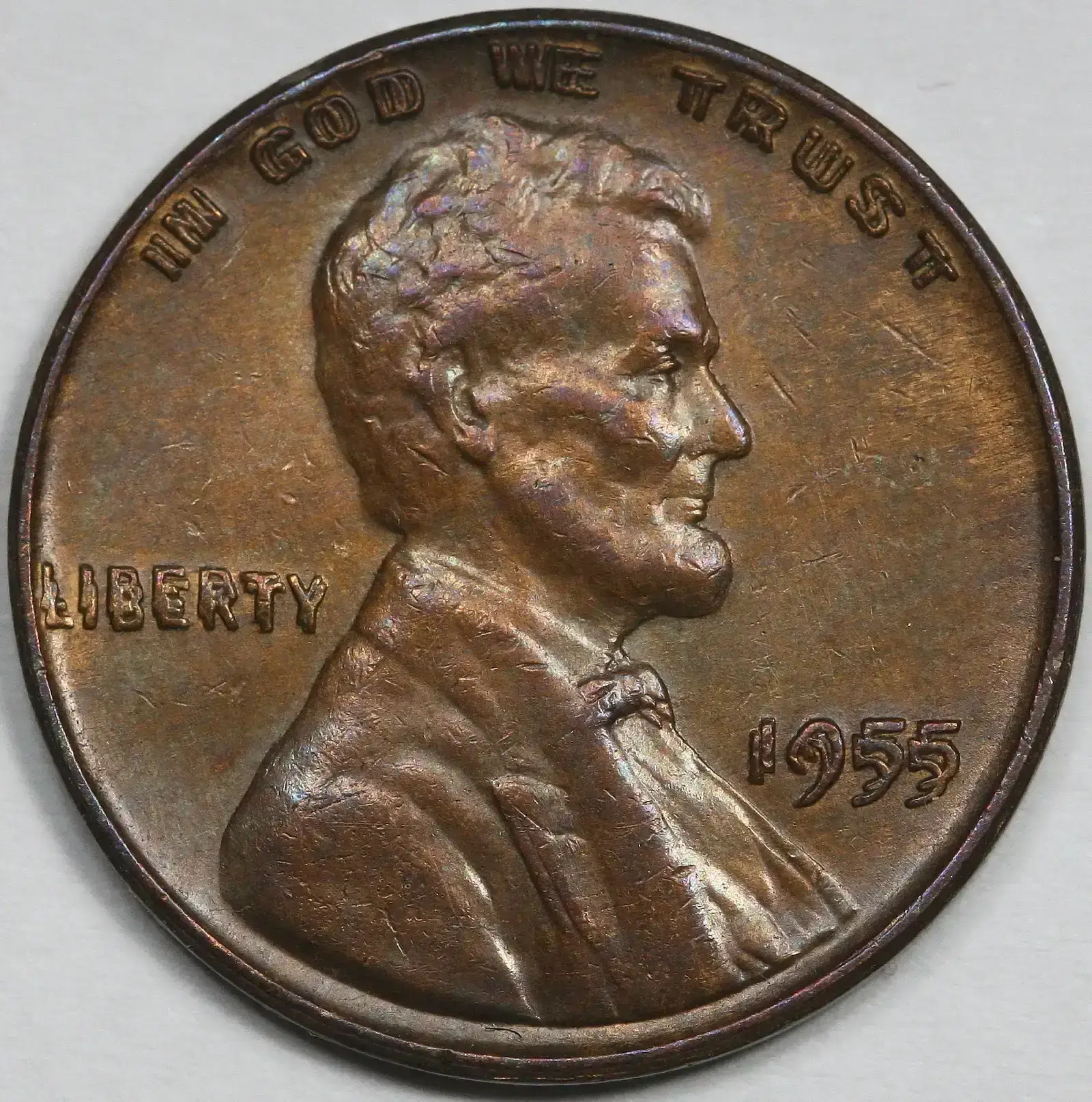
In 1955, a working obverse die at the Philadelphia Mint was misaligned on the second blow from the working hub, resulting in a dramatically doubled image that most noticeably affected the date and inscriptions. The result is very clear doubling of IN GOD WE TRUST, LIBERTY and the date 1955 that can be seen with the naked eye. A 1955 penny struck with a doubled die sold for one hundred twenty-four thousand eight hundred seventy-five dollars in March 2020, graded MS-65+ RD by PCGS.
It’s estimated that forty thousand of these coins were minted, all during one night shift at the Philadelphia Mint. After being released into circulation, many error coins were discovered in change from vending machines, and it’s estimated up to ten thousand to fifteen thousand exist today in varying condition. Here’s the thing though: counterfeits abound. Be wary of so-called Poor Man’s Doubled Dies, which exhibit merely minor mechanical doubling and should take little to no premium over regular 1955 Philadelphia pennies.
The 1969-S Doubled Die Penny – The Modern Rarity That Still Turns Up
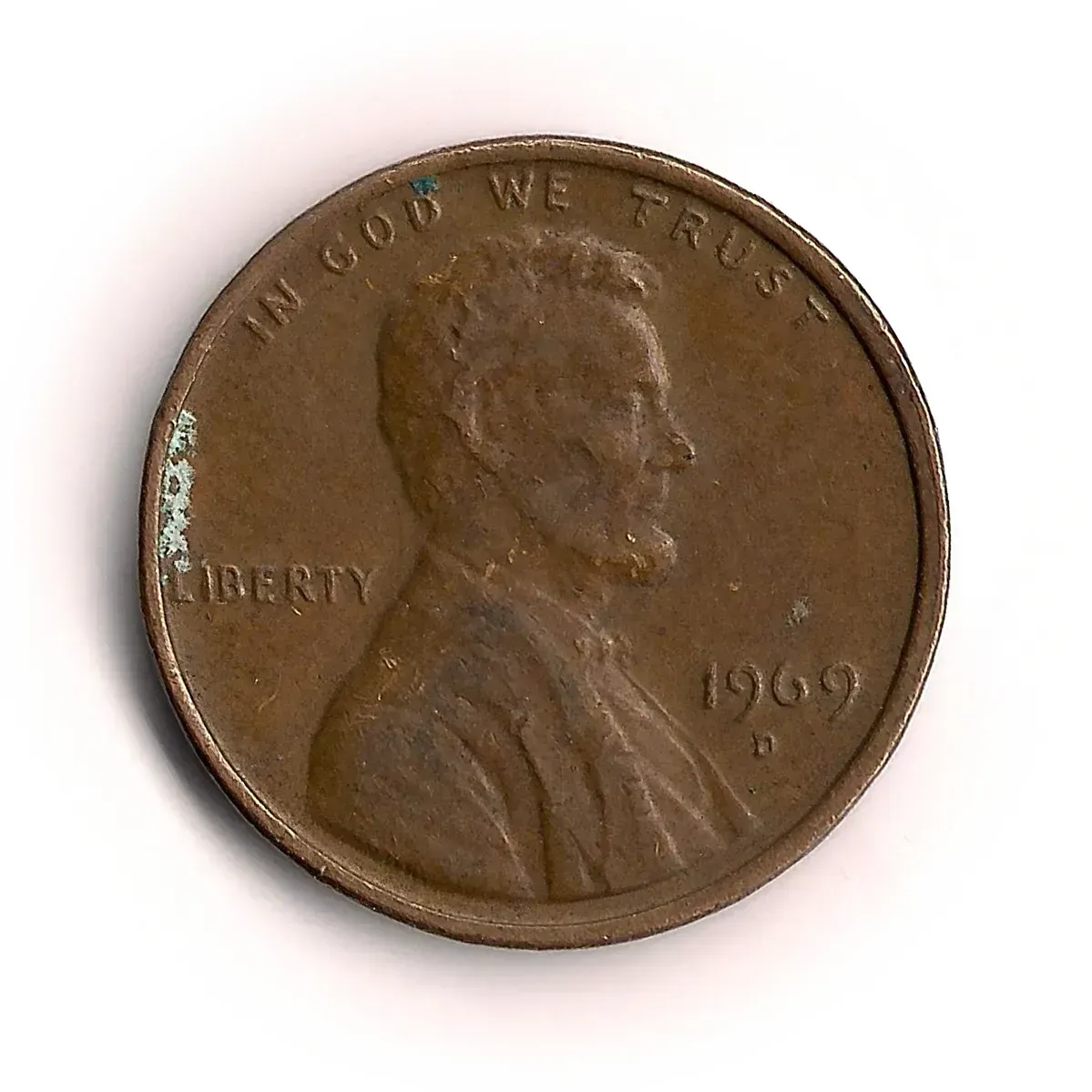
The 1969-S doubled die obverse Lincoln cent is an extremely rare variety that came to light in the 1990s, with doubling prominent in the date and all obverse lettering, including IN GOD WE TRUST and LIBERTY. Collector Michael Tremonti created excitement in the coin market by announcing he discovered a 1969-S Doubled Die Obverse cent in an unsearched roll of Lincoln cents, which was submitted to PCGS in a Brinks Armored truck and sold on January 09, 2008 for one hundred twenty-six thousand five hundred dollars. I know it sounds crazy, but regular people have literally found these in pocket change.
This error shows dramatic doubling with an estimated population of 40 to 50 pieces based on combined certification service statistics. The most important feature to notice is the single, undoubled mintmark, since mintmarks were punched into individual dies by hand after the hubbing process. More than a couple dozen examples have appeared in circulation and through searching existing collections, yet the 1969-S doubled die Lincoln cent remains a major rarity and easily commands five- and even six-figure prices.
The fascinating backstory adds to its mystique. The coin once appeared on America’s “Most Wanted” list because it was initially considered counterfeit. Thousands of fakes flooded the market before authentication became standardized. The lesson here? If you think you’ve found one, get it professionally graded immediately. These three pennies prove that extraordinary value can hide in the most ordinary places.