10 Things People Do Around the House – Without Realizing They’re Illegal
You know that feeling when you discover something you’ve been doing for years might actually land you in hot water with the law? It happens more often than you’d think. Most of us go about our daily routines at home without a second thought, convinced we’re just being responsible homeowners or good neighbors. Yet lurking beneath these seemingly innocent actions are regulations, ordinances, and laws that could technically make you a lawbreaker.
Some of these rules date back decades, while others reflect modern concerns about safety, property rights, and community standards. What’s legal in one state might get you fined in another. The truth is, many household activities exist in a gray zone where enforcement varies wildly depending on where you live and who’s paying attention. Let’s dive into ten surprisingly common things that could put you on the wrong side of the law.
Collecting Rainwater in Your Backyard

While no state bans collecting rainwater, many impose heavy restrictions on its harvesting and usage. This might sound absurd at first – how can rain falling on your own property not be yours to keep? The answer lies in century-old water rights laws, particularly in Western states where water scarcity is a real concern.
In Colorado, House Bill 16-1005 specifies that people can have up to two rain barrels that don’t collectively hold over 110 gallons. Anything beyond that crosses into illegal territory. Residents can harvest rainwater in Utah, but they must register their rainwater collection system with the state if it exceeds a specific size, as Utah’s rainwater harvesting laws are designed to ensure that the water is adequately managed without affecting water holder rights. The logic? The main concern is that if too much rain is collected, it could disrupt the process of seeping back into the ground.
Feeding Wildlife in Your Yard

That squirrel stealing seeds from your bird feeder might seem harmless, but in several states, you could face serious fines for deliberately feeding wild animals. Feeding wildlife is illegal in California, as Section 251.1 of the California Fish and Game Code states that feeding a wild animal can be considered animal harassment, and people can be fined up to $1,000 for feeding a squirrel in California. Let that sink in for a moment.
Under Colorado law, intentionally feeding deer, elk, pronghorn, mountain goats, bighorn sheep, mountain lions, and bears is illegal. Feeding, attracting, or enticing wildlife (except birds and tree squirrels) is illegal in Pima, Pinal, and Maricopa counties, with violations resulting in up to a $300 fine. Under a rule approved by the WDFW director that took effect on May 17, 2025, feeding deer, elk, and moose in Washington is now illegal, as feeding draws animals together where disease spreads more easily. Even leaving out Halloween pumpkins for wildlife can technically violate these laws in certain jurisdictions.
Renovating Your Home Without Proper Permits

Here’s where things get really expensive. Plenty of homeowners tackle DIY projects thinking they’re saving money by skipping the permit process. You may be charged $500 or more daily for violating building permit laws, and your county can also put a lien on your home if you don’t pay the fine. That bathroom remodel or deck addition? It could cost you thousands in fines if discovered.
Local governments usually fine homeowners $500 per day for violating building codes, and according to California Contractors State License Board (CSLB), contractors must pay up to $5,000 per violation and are subject to disciplinary action. The penalties don’t stop there. Your homeowners’ insurance company likely won’t pay for damages caused by unpermitted work, and the insurance company won’t cover injuries sustained on your property related to the unpermitted project. When it comes time to sell, homeowners can rack up close to $40,000 in fines owed to the county.
Using a VPN to Access Streaming Content

Millions of people use VPNs to watch shows available in other countries, but this seemingly harmless practice exists in legal limbo. It isn’t illegal to use a VPN to change your location or circumvent geo-restrictions; however, by accessing geo-restricted content, you may be breaking the terms and service agreement of the streaming platform. The difference matters more than you might think.
VPNs are illegal in a handful of countries, such as North Korea, Turkmenistan, Belarus, and Iraq. In the United States and most Western countries, using a VPN isn’t against the law. It’s possible that a streaming service could ban you or suspend your account if you use a VPN for streaming. So while you won’t end up in jail, you could lose access to your Netflix account and all those carefully curated watchlists.
Installing a Fence Without Checking Property Lines

Building a fence seems straightforward enough – measure, dig, install. What many homeowners don’t realize is that putting up a fence without verifying exact property boundaries can create serious legal headaches. Even being off by a few inches can technically constitute trespassing or property encroachment, giving your neighbor grounds to demand removal and potentially sue for damages.
Most municipalities require permits for fences above a certain height, typically six feet. Installing a taller fence without permission violates local building codes and can result in fines ranging from a few hundred to several thousand dollars. Some homeowners associations have even stricter rules about fence materials, colors, and styles. Ignoring these regulations might seem like asserting your property rights, but it’s actually violating legally binding agreements you signed when you bought your home.
Changing Your Own Electrical Wiring

Swapping out a light fixture might feel empowering, but in many jurisdictions, any electrical work beyond the simplest tasks requires a licensed electrician. Touching your home’s electrical system without proper licensing and permits is illegal in most states, even if you’re confident in your abilities. The reasoning is sound – faulty electrical work causes thousands of house fires every year.
If you do electrical work yourself and something goes wrong, insurance companies can deny your claim entirely. When you eventually sell your home, unpermitted electrical work discovered during inspection can kill deals or force you to hire professionals to redo everything properly. Some states impose fines of several thousand dollars for unlicensed electrical work, and in extreme cases, homeowners have faced criminal charges when their DIY wiring caused injuries.
Hosting Short-Term Rentals Without a License
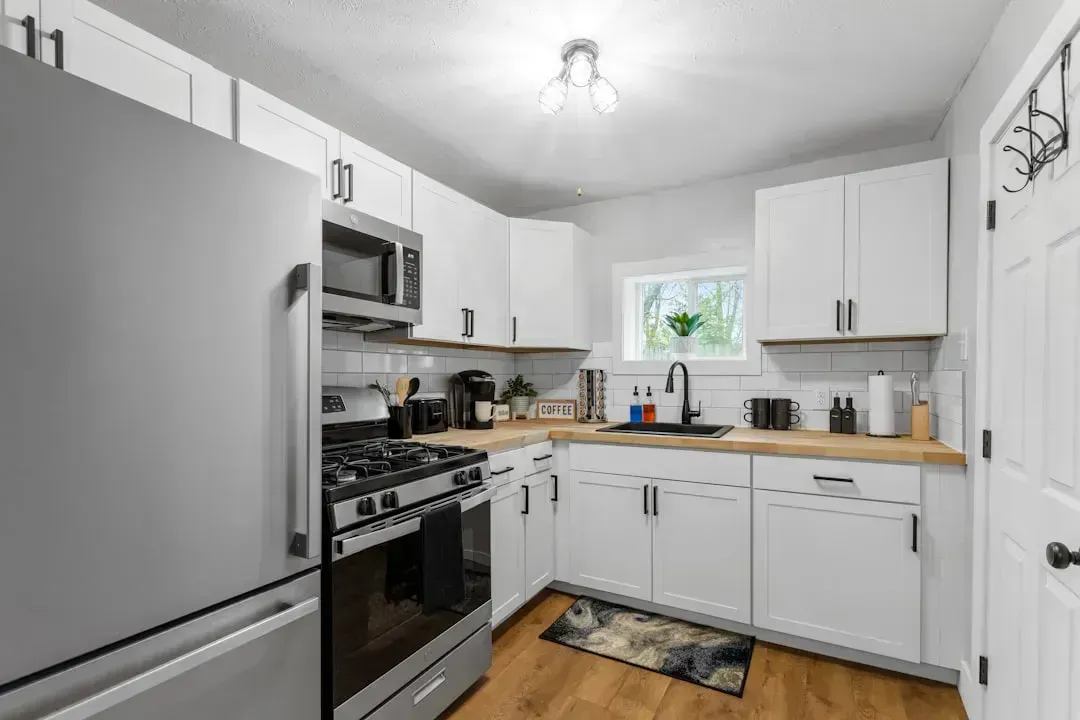
Airbnb and VRBO have made it incredibly easy to rent out a spare room or your entire home while you’re away. What they don’t always make clear is that many cities require specific licenses, permits, and inspections before you can legally operate a short-term rental. Cities like New York, San Francisco, and Miami have particularly strict regulations, with fines reaching tens of thousands of dollars for violations.
Beyond licensing, short-term rentals often violate homeowners association rules and can breach mortgage agreements that prohibit commercial use of residential properties. Some municipalities limit how many days per year you can rent your property, while others ban short-term rentals entirely in certain neighborhoods. Getting caught can mean hefty fines, eviction proceedings from your HOA, or even foreclosure if your lender decides you’ve violated your mortgage terms.
Removing Trees on Your Own Property

It’s your tree on your land, so obviously you can cut it down, right? Not so fast. Many cities and counties have tree preservation ordinances that require permits before removing trees above certain sizes. Protected species, heritage trees, and trees in environmentally sensitive areas often can’t be removed at all without extensive approval processes and sometimes not even then.
Penalties for illegal tree removal can be staggering – some municipalities charge thousands of dollars per inch of trunk diameter. In extreme cases, homeowners have been ordered to pay tens of thousands of dollars to replace illegally removed trees with mature specimens. If your tree removal damages a neighbor’s property or violates easement agreements, you could face additional civil lawsuits. Even trees you planted yourself decades ago may now be protected under ordinances passed since then.
Operating a Home Business Without Proper Zoning

Running a business from home seems perfectly reasonable in our remote work era, but residential zoning laws often prohibit commercial activities. These regulations vary wildly by location, but generally, if your business generates significant traffic, requires employees to come to your home, or involves retail sales, you’re likely violating zoning ordinances.
Some activities require special use permits even if they seem low-impact – music lessons, daycare services, or beauty treatments all fall into gray areas in many jurisdictions. Neighbors can report suspected violations, triggering investigations that may result in cease-and-desist orders and fines. Operating without proper business licenses and permits also affects your taxes, insurance, and legal liability in ways that could prove financially devastating if something goes wrong.
Letting Your Grass Grow Too Long

This one sounds petty until you realize people actually get fined for it regularly. Countless municipalities have ordinances limiting grass height, typically to somewhere between six and twelve inches. Let your lawn grow into a meadow, even on purpose for environmental reasons, and you could receive citations with fines escalating the longer you wait to comply.
Code enforcement can eventually mow your lawn themselves and bill you for the service, adding administrative fees that balloon the cost far beyond what a regular lawn service would charge. Repeated violations can result in liens on your property. Some homeowners have faced fines reaching thousands of dollars for persistent lawn violations. While these laws exist primarily to prevent properties from becoming eyesores that decrease neighborhood values, they effectively criminalize what you do with your own land.
Conclusion

Most of these everyday habits aren’t committed with bad intentions – they’re usually the result of outdated rules, misunderstood laws, or simple convenience. Still, the reality is that local and state regulations can turn ordinary household routines into unexpected legal risks. The good news is that awareness alone goes a long way. Knowing what’s allowed, what’s restricted, and when permits or permissions are required can help homeowners and renters avoid fines, disputes, or worse. When it comes to your home, a little legal knowledge can be just as important as a good toolbox.
What Happens If You Get Caught?

Here’s the part most people don’t think about until it’s too late – the actual consequences of breaking these household rules. Depending on where you live and what law you’ve violated, penalties can range from a warning letter to thousands in fines. Some cities will slap you with daily fines that accumulate until you fix the problem, which can get expensive fast. In more serious cases, like unpermitted electrical work or illegal rentals, you might face legal action from your municipality or even have your homeowner’s insurance deny claims if something goes wrong. Neighbors can also report violations, which is how many people first discover they’ve been breaking a rule for months or even years. The worst part? Ignorance isn’t a valid defense in most jurisdictions, so claiming you didn’t know won’t necessarily get you off the hook.