6 Illegal Electrical Add-Ons Inspectors Say Homeowners Keep Trying
Every homeowner wants to improve their space and save some money while doing it. A quick trip to the hardware store, maybe a YouTube tutorial, and suddenly that outlet replacement or lighting upgrade seems totally doable. Thing is, electrical inspectors across the country see these same violations again and again. Inspectors routinely report homeowners attempting to modernize or improve their electrical systems without realizing that some common DIY practices violate the National Electrical Code and local regulations, creating fire hazards and voiding insurance coverage.
What looks like a successful Saturday project can turn into a nightmare when you try to sell your house or worse, when something catches fire. Home electrical fires account for an estimated 51,000 fires each year, nearly 500 deaths, more than 1,400 injuries, and $1.3 billion in property damage. Let’s be honest, those stakes are terrifyingly high.
Hidden Wire Splices Behind Walls
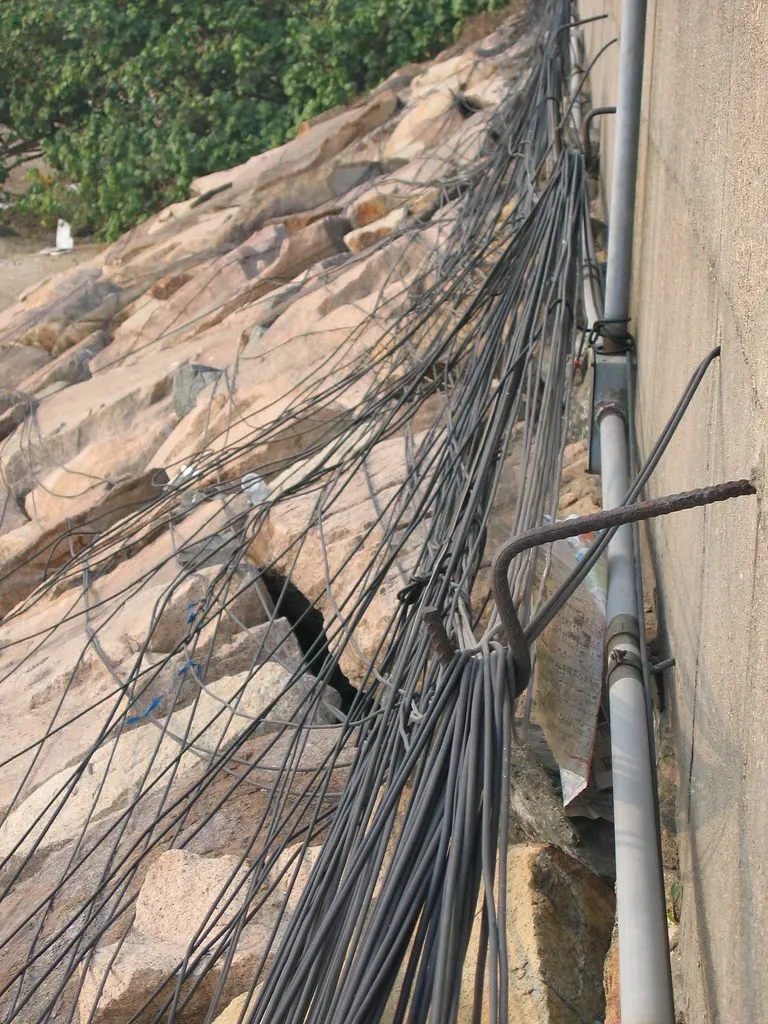
Wire splices hidden in walls represent a prime example of illegal electrical add-ons, and burying a splice behind drywall instead of using an accessible junction box makes it nearly impossible to inspect or repair that connection safely later. Homeowners think they’re saving time by covering up a quick wire connection with drywall, especially during a basement finishing project or kitchen remodel. Twisting wires together in a wall cavity and covering them with tape is strictly prohibited, with U.S. electrical code requiring all splices to be enclosed in approved boxes to reduce the risk of arcing, short circuits, and overheating. Think about it this way: when that connection eventually fails or overheats, you won’t even know where to look until smoke starts pouring through your walls.
Unpermitted Circuit Additions to Electrical Panels
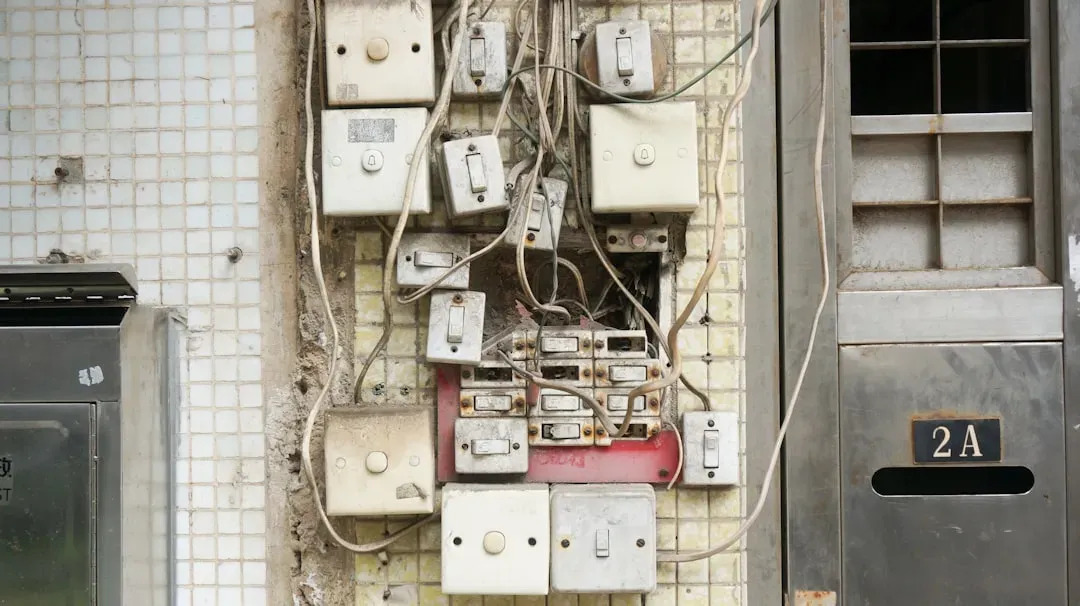
You need power for that new home office setup, and hey, there are empty slots in your electrical panel. How hard could popping in a breaker really be? Turns out, extremely hard and dangerous. Electrical panels must be evaluated for available capacity before adding circuits, with unpermitted additions often overloading panels, creating unsafe heat buildup, and violating local codes that home inspectors frequently flag when homes are sold. The problem isn’t just whether the breaker fits physically. It’s about load calculations, wire gauge matching, proper grounding, and whether your panel can actually handle the additional draw without turning into a fire hazard. Many states require licensed electricians for all but the simplest repairs, and installing new circuits, relocating wiring, or modifying panels without proper certification violates state and local regulations, with insurance companies potentially denying claims if illegal electrical work is found after a fire or accident.
Ceiling Fans on Standard Light Boxes
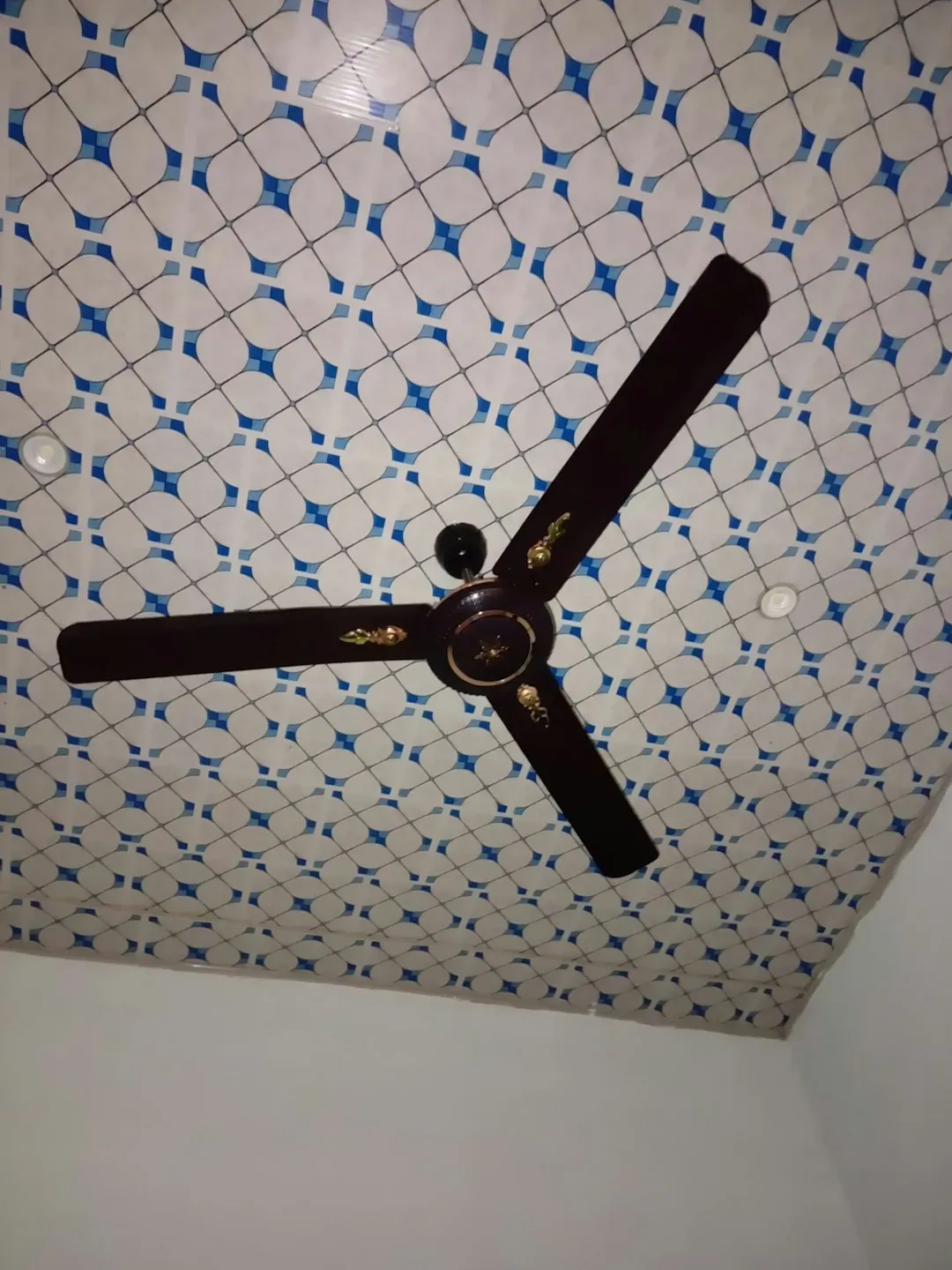
Some homeowners mount heavy ceiling fans to boxes designed only for light fixtures, and electricians warn that these boxes cannot handle the weight or vibration of fans, with failures causing injuries and structural damage, while U.S. building codes specify fan-rated boxes for any overhead fan installation. I know it sounds like overkill. The box is already there, the fan screws right in, everything seems stable. The screws work loose, the box pulls away from the joist, creating a very expensive and dangerous projectile, while fan-rated boxes cost maybe ten dollars more than standard ones and are designed to handle the dynamic loads, with installation taking the same amount of time yet people constantly skip this step. That wobbling fan blade you ignore? It’s slowly destroying an inadequate mounting system that could send your entire fixture crashing down.
Missing GFCI Protection in Wet Areas
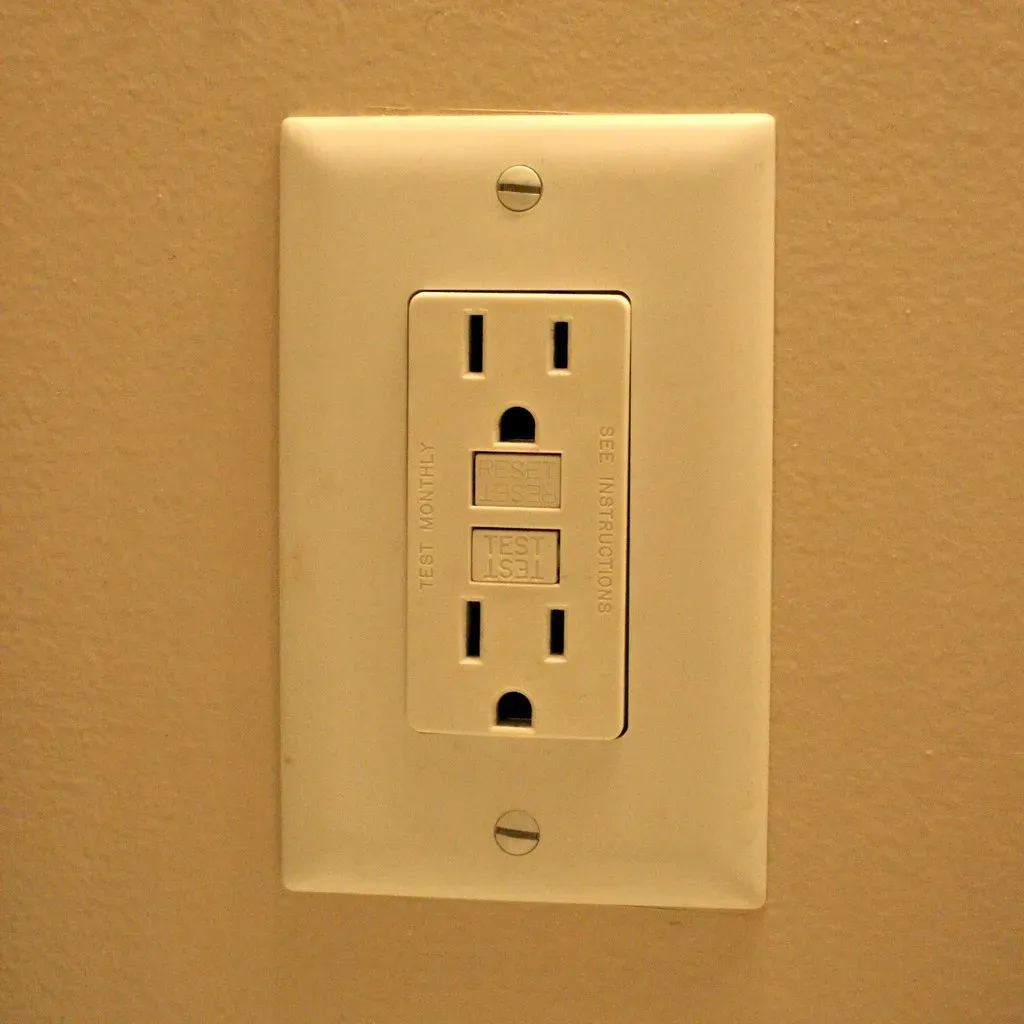
Ground fault circuit interrupters exist because too many people were getting electrocuted doing completely normal things like using a hair dryer near a sink. GFCIs detect ground faults in milliseconds and cut power before shock occurs, but code requirements keep expanding, and what was acceptable in a house built in 1985 isn’t acceptable now if you’re doing any kind of renovation work, with every single receptacle in a kitchen requiring GFCI protection if you add a new outlet, which inspectors know backwards and forwards as one of the easiest violations to spot. Many older homes simply don’t have these safety devices installed in bathrooms, kitchens, garages, or outdoor areas where moisture and electricity create deadly combinations. Honestly, retrofitting GFCI outlets is one of the simpler electrical upgrades you can legitimately tackle yourself in most jurisdictions, yet countless homes still lack proper protection.
Improper Grounding or Fake Three-Prong Outlets
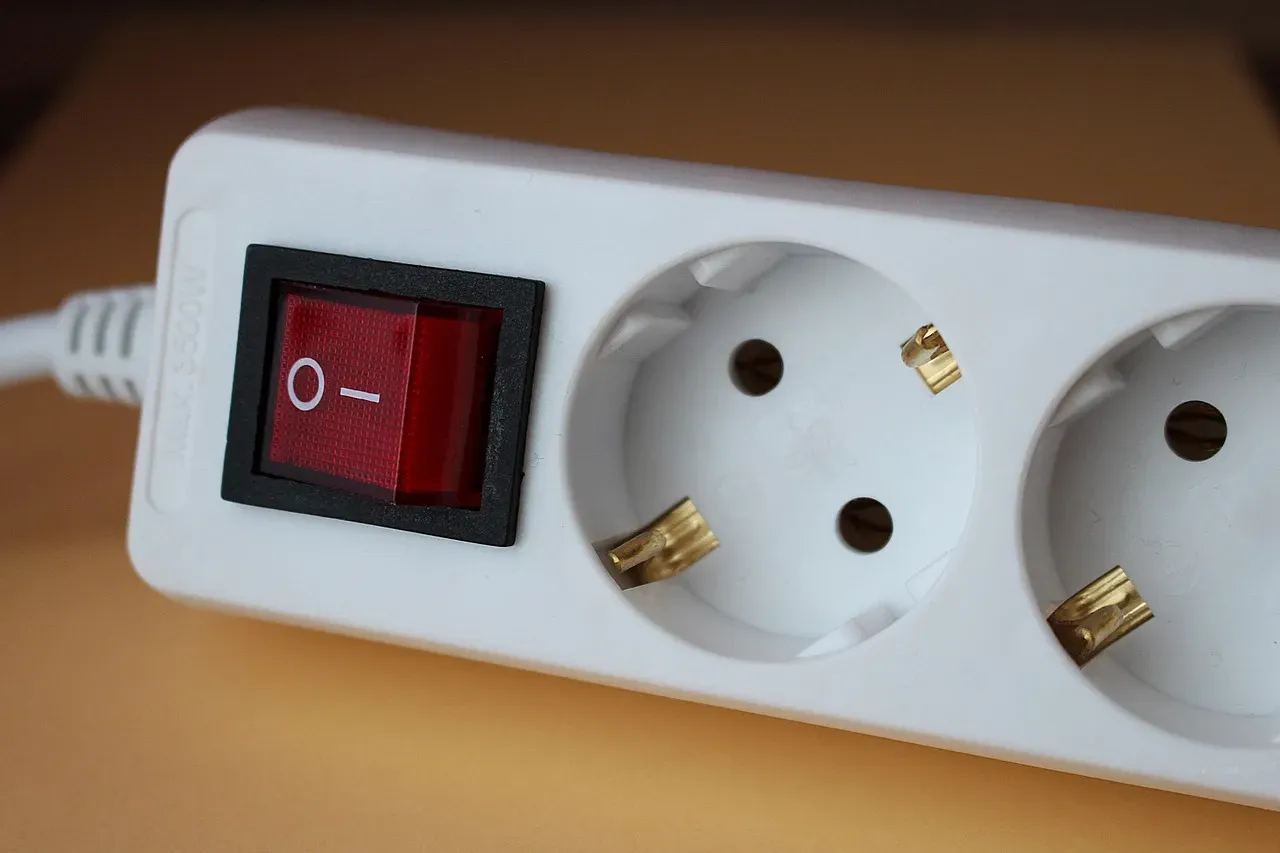
Those three-prong outlets exist for more than just making your plugs fit. In homes with old knob-and-tube wiring that has just hot and neutral wires with no equipment grounding conductor, swapping two-slot non-grounding receptacles for three-slot grounding-type ones creates a code violation. What homeowners don’t realize is they’ve just created a dangerous illusion of safety. Your devices think they’re grounded and protected when they’re absolutely not. Some homeowners add outlets without connecting them to a grounded system, especially in older houses, and un-grounded outlets violate electrical code and put users at risk of shock, especially when plugging in metal-cased appliances or electronics, with certified electricians emphasizing grounding as essential for both surge protection and personal safety. When that appliance malfunctions or a surge hits, there’s no safe path for the electricity to take except potentially through you.
Oversized Breakers to Stop Tripping
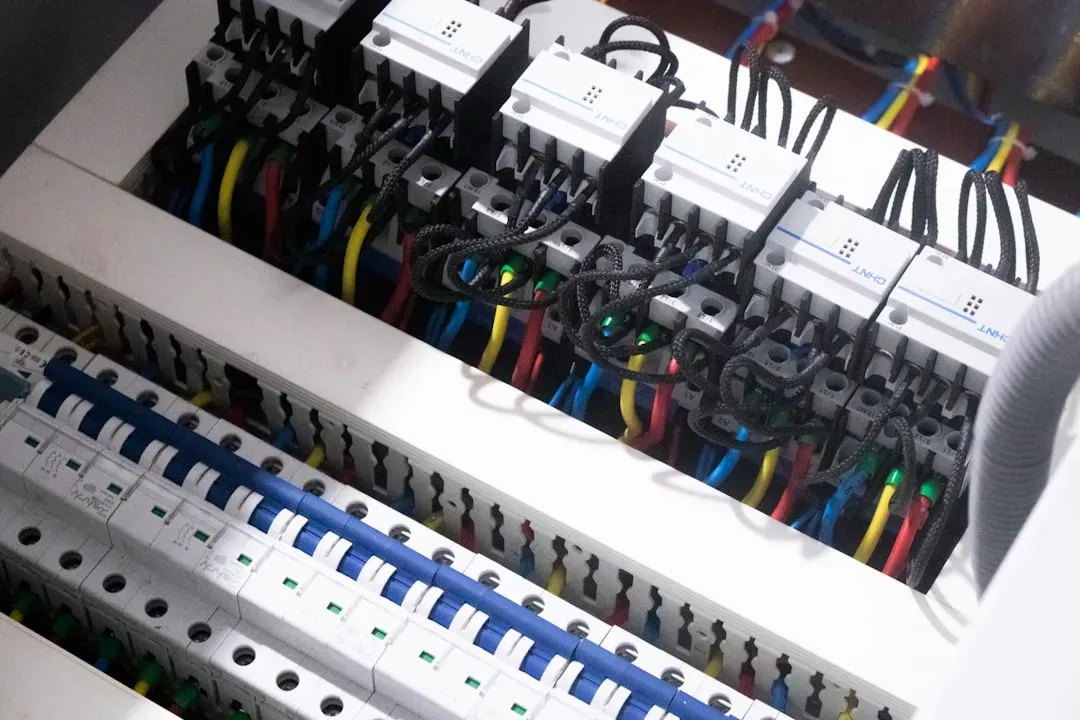
Replacing a 15-amp breaker with a 20- or 30-amp breaker to stop tripping is illegal and extremely dangerous, allowing wiring to carry more current than it was designed for and dramatically increasing fire risk, with licensed electricians considering this one of the most hazardous DIY mistakes seen in U.S. homes. The breaker trips for a reason: your circuit is overloaded and the wiring can’t safely handle more current. When you install a larger breaker, you’re essentially disabling the safety mechanism designed to prevent your walls from catching fire. DIYers aggravated by a constantly tripping fuse or breaker often hastily replace the offending breaker with a larger capacity breaker, which is extremely dangerous and illegal, violating electrical codes since a breaker is matched to load capacity and wire size, with larger breakers allowing more current to flow through before they trip, catch on fire, or blow out your home’s electricity system. The wiring behind your walls doesn’t magically upgrade itself just because you swapped the breaker.