12 College Towns That Make Ideal Places to Retire
Retirement doesn’t have to mean leaving behind intellectual stimulation or cultural vibrancy. College towns across the United States are emerging as unexpected havens for retirees seeking an active, enriching lifestyle without breaking the bank. These communities pulse with energy from young students while offering sophisticated healthcare, educational opportunities, and walkable neighborhoods that make daily life easier as we age. According to MarketWatch, older Americans have been flocking to college towns for several reasons, including affordability, walkability and cultural, educational and entertainment opportunities. Let’s explore twelve standout college towns where you can truly thrive in your retirement years.
Ann Arbor, Michigan
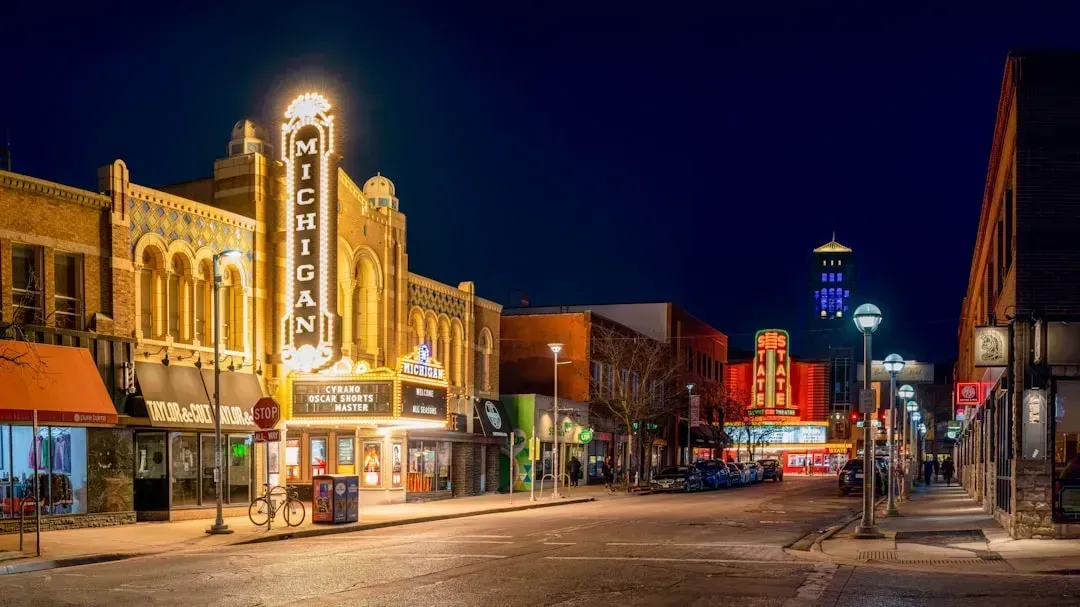
Ann Arbor came in third place thanks to easy access to healthcare and lower prices, earning recognition as one of the happiest places to retire in recent rankings. Home to the University of Michigan with over fifty thousand students, this vibrant city revolves around campus life while maintaining distinct residential neighborhoods perfect for retirees. The Ann Arbor metro area has 368,394 residents (2023 data). Home values in Ann Arbor have risen recently according to Zillow, which reflects the area’s desirability but may challenge those on fixed budgets. Still, the combination of world class healthcare facilities, free public transportation for seniors, and an incredibly educated population creates an environment where intellectual curiosity never has to fade.
Chapel Hill, North Carolina
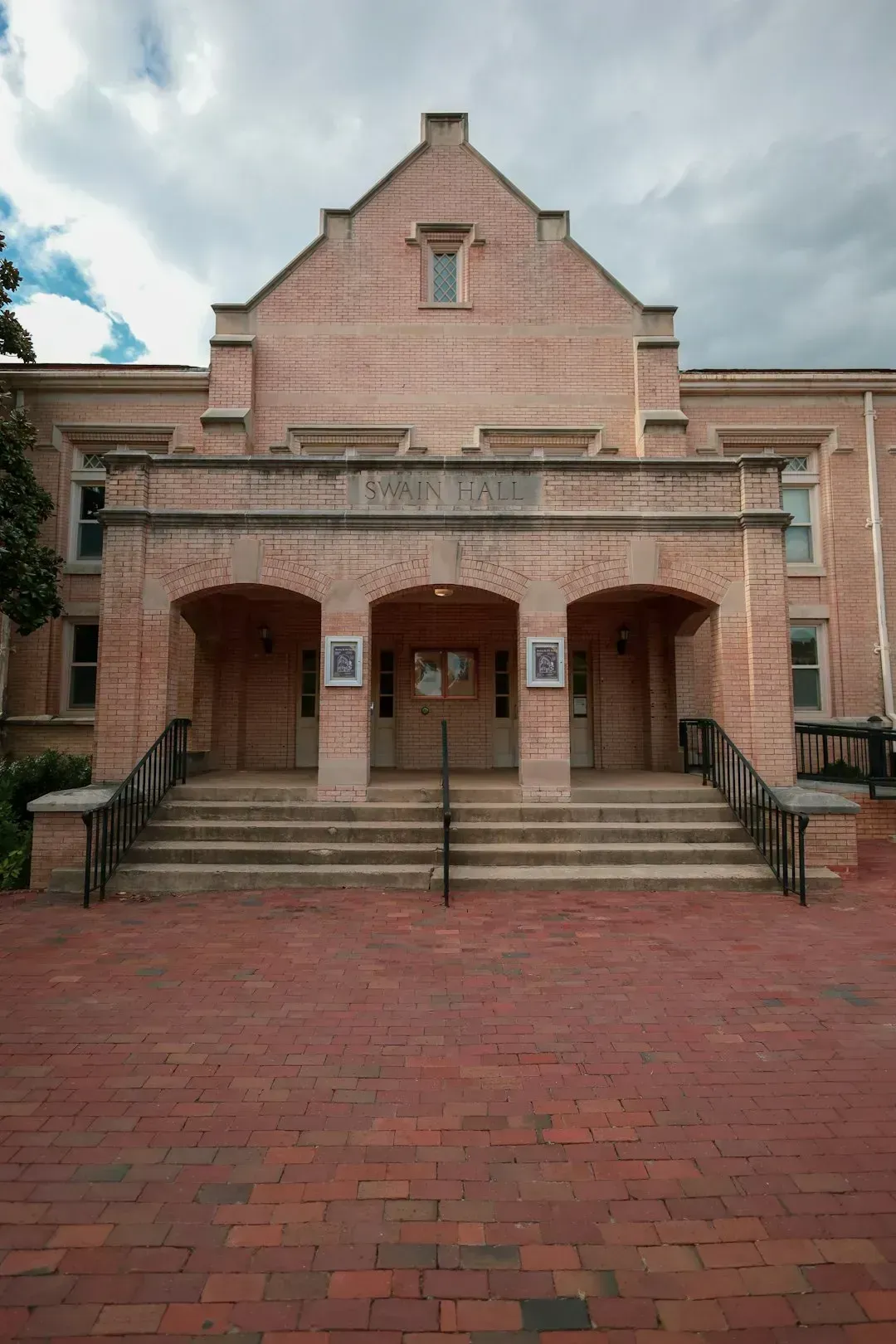
Nestled among the rolling green hills of North Carolina, Chapel Hill makes for a stunning retirement destination. This charming town benefits from being part of the Research Triangle region alongside Durham and Raleigh, giving retirees access to three major universities and their resources. Not only is Chapel Hill an amazing location in and of itself, but it’s also located in one of the most unique and high tech areas in the country – North Carolina’s Research Triangle – the trio of neighboring North Carolina towns encompassing the state’s three main research universities: the University of North Carolina in Chapel Hill, Duke University in Durham, and North Carolina State University in Raleigh. The University of North Carolina’s flagship campus brings continuous cultural events, and it’s home to the UNC Medical Center, which is ranked as the second-best hospital in the state. With mild weather and reasonable living costs compared to many retirement destinations, Chapel Hill offers Southern hospitality with an intellectual edge.
Raleigh, North Carolina
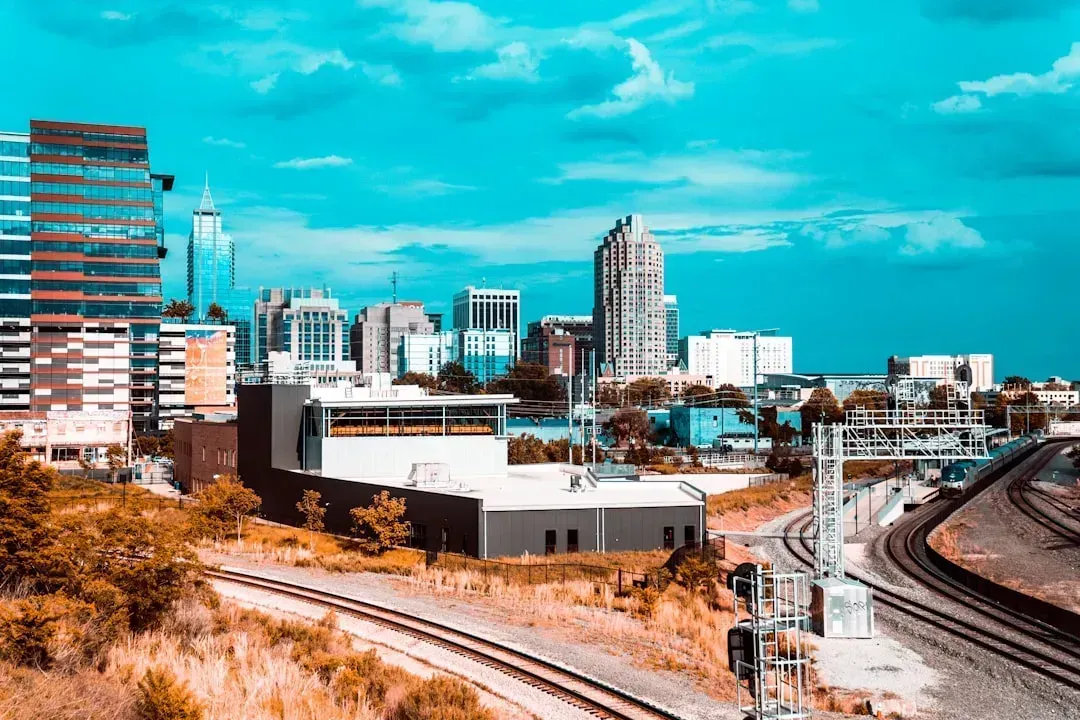
North Carolina State University anchors this dynamic capital city, creating opportunities for lifelong learning alongside modern amenities. According to GoBankingRates, the average cost of living for a single person in 2025 is $4,267 a month or $51,200 annually, which comes in nearly nine percent below the national average. That savings adds up fast when you’re living on a fixed income. It’s also home to North Carolina State University, which comes with over 200 startups and over $1.7 billion in startup capital For culture lovers, the city offers everything from opera performances to massive music festivals, while food enthusiasts can enjoy authentic Southern barbecue at prices that won’t empty your wallet. Honestly, finding a satisfying meal for under ten dollars in a vibrant city is harder than you’d think these days.
Boulder, Colorado

Outdoor enthusiasts who refuse to slow down in retirement should seriously consider Boulder. The University of Colorado campus sits at the base of the stunning Flatiron Mountains, making this one of the most scenic college towns in America. The average household income in Boulder is $140,662 with a poverty rate of 21.8%, reflecting a higher cost of living but also a prosperous community. The median age hovers around twenty nine years, keeping the atmosphere youthful and active. With hundreds of miles of hiking and biking trails literally at your doorstep, plus a thriving farmers market and arts scene, Boulder rewards retirees who value fitness and natural beauty. The climate is generally mild with over three hundred days of sunshine annually, though winters can bring significant snow.
Eugene, Oregon
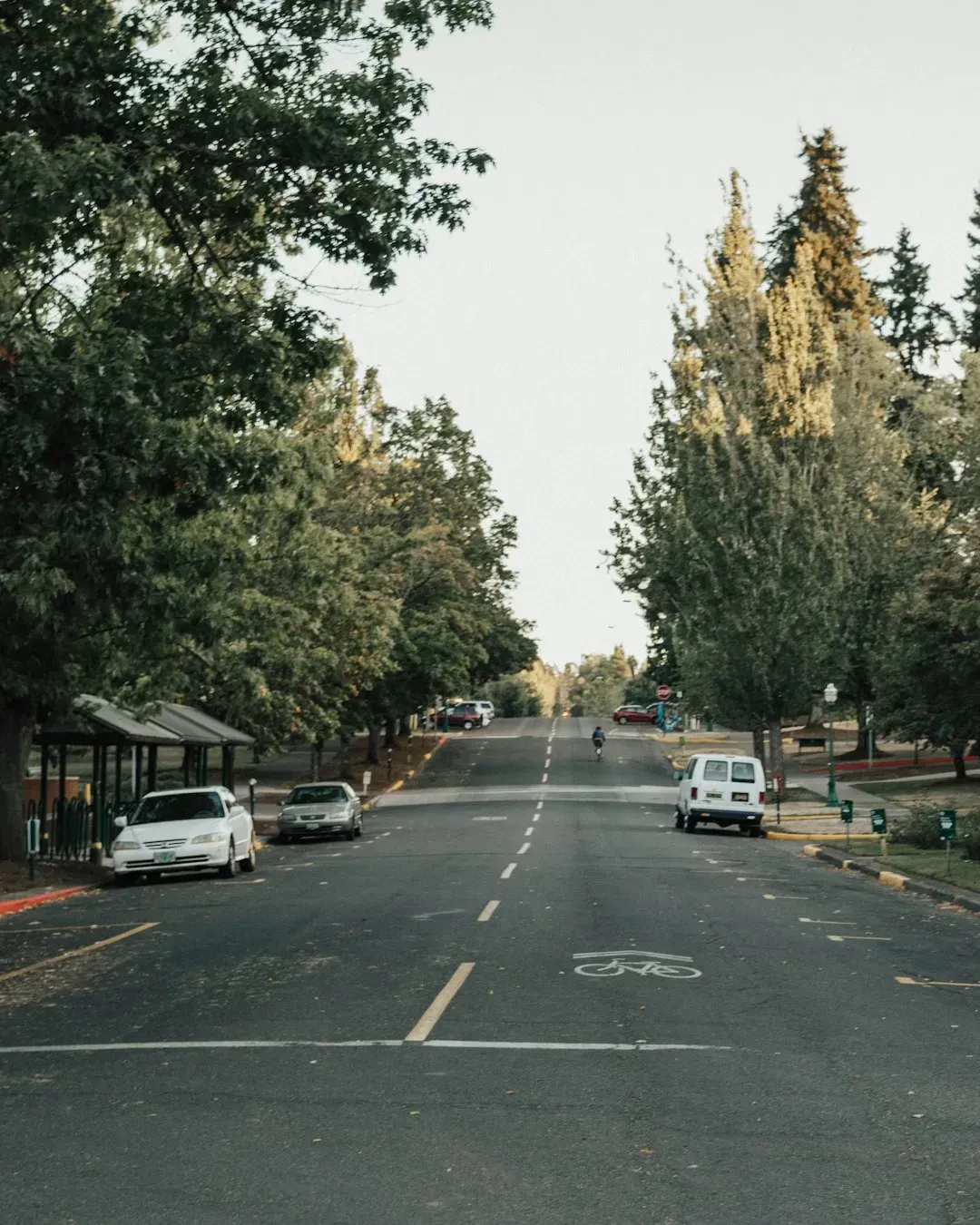
As the state’s third-largest city, Eugene offers urban amenities and countryside access, while the University of Oregon brings thousands of students and continuous programming for older learners. The city has “a great transportation system and biking- and walking-friendly area, ideal for those who may not drive or prefer someone else to do the driving sometimes,” according to residents who relocated there for retirement. The mild Pacific Northwest climate encourages year round outdoor activities without the harsh winters found in many other college towns. Eugene’s numerous cafes create spaces where you can linger over coffee and conversation, fostering the kind of social connections that make retirement fulfilling. The city’s progressive values and environmental consciousness attract like minded retirees seeking community with shared values.
Durham, North Carolina

Home to Duke University, Durham is located in the Research Triangle, a multicounty region that includes Raleigh and Chapel Hill, among other towns, and at least 16 colleges, universities and community colleges. This concentration of educational institutions creates an atmosphere of intellectual engagement rare outside major metropolitan areas. Residents age 60 and over can take courses at the university for free, removing financial barriers to lifelong learning. Duke University has a continuing care retirement community near campus, The Forest at Duke, offering seamless transitions as care needs change. Durham has transformed dramatically in recent decades from a tobacco town into a vibrant hub of innovation, arts, and cuisine. The revitalized downtown features converted warehouses now housing restaurants, breweries, and galleries that give the city an authentic, creative energy.
Gainesville, Florida
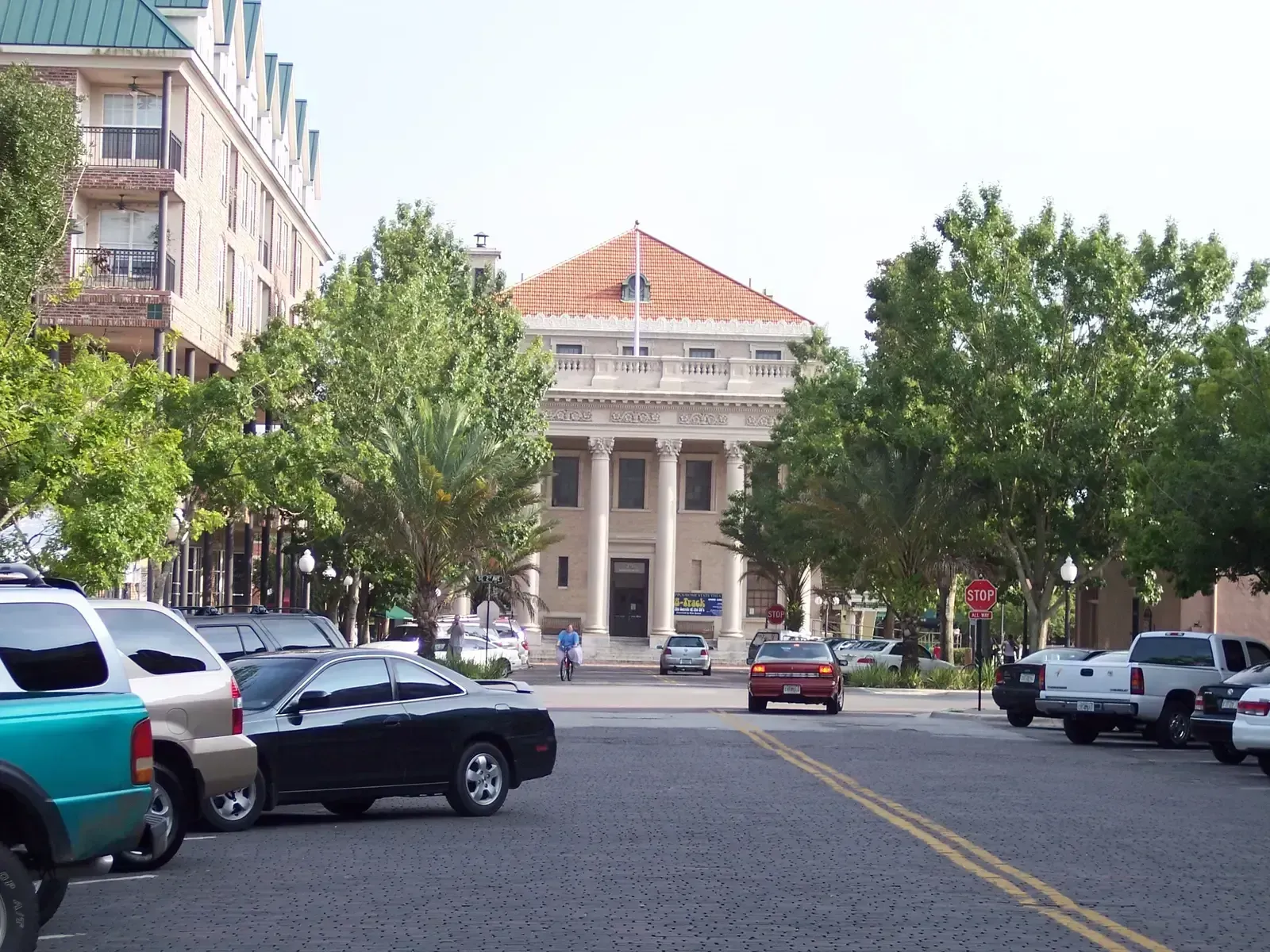
Gainesville is not just the home of one of the best universities in the U.S. With eight state parks and over 100 miles of hiking, biking, and birding trails, it’s an outdoor enthusiast’s dream come true. The University of Florida brings big time college sports, especially football, which creates a sense of community excitement that many retirees find energizing rather than overwhelming. Florida’s lack of state income tax provides significant savings for retirees living on Social Security and retirement account withdrawals. It is located in North Central Florida and boasts a lively arts and cultural scene with impressive art galleries, art museums, art performance venues, and special events. The warm climate allows for active outdoor lifestyles throughout the year, though summer heat and humidity require adjustment for those from cooler regions.
State College, Pennsylvania
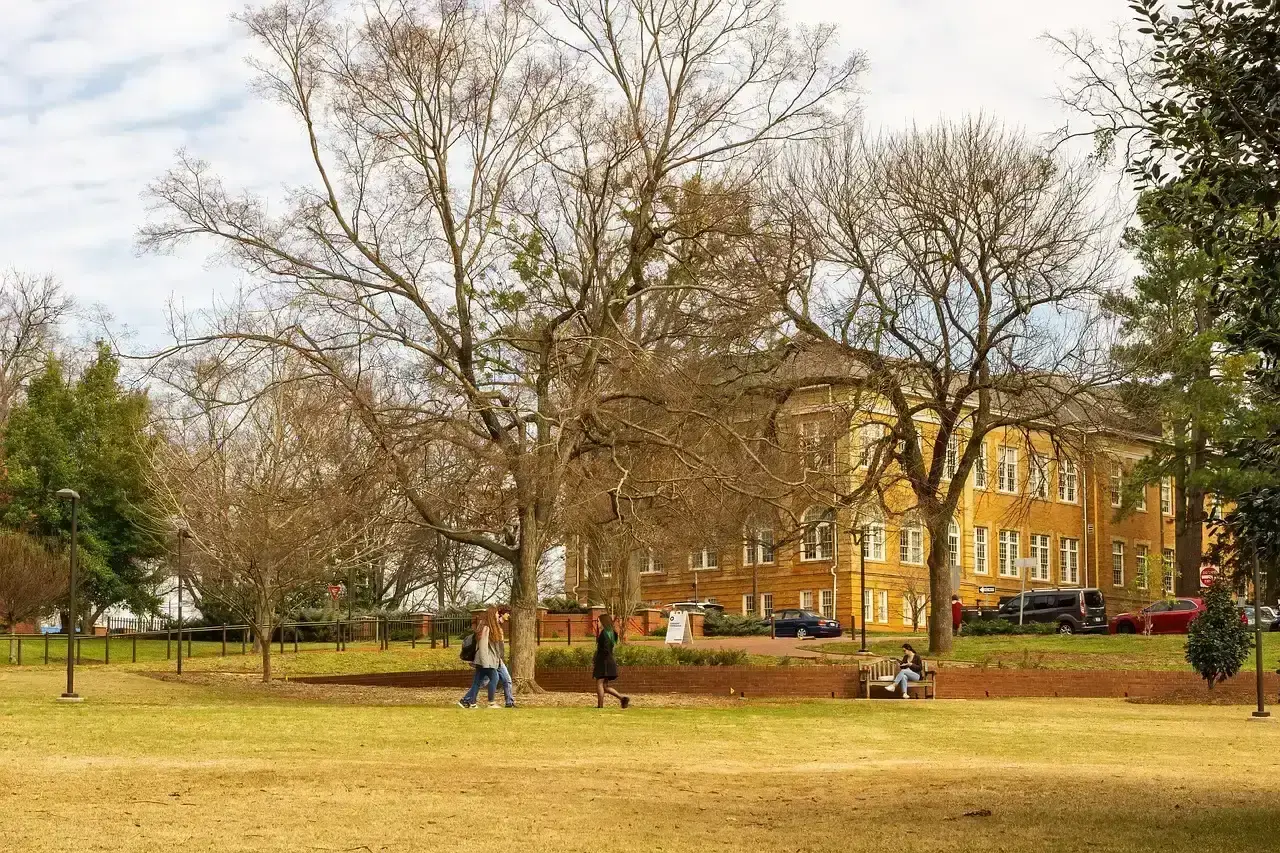
State College may be in the middle of nowhere, but the area is hopping, thanks entirely to Pennsylvania State University’s massive presence with 46,000 students. Residents 60 and older can take evening courses (some free) at Penn State, on a space-available basis. The OLLI program offers more than 300 courses a year, many of which evolve into Special Interest Groups. The endless supply of cultural and athletic events flowing from the university means you’ll never run short of things to do. Many local businesses even offer discounts to OLLI members, stretching retirement dollars further. The town’s relative isolation in central Pennsylvania means lower costs than more accessible locations, though it also requires adjustment for those accustomed to big city conveniences.
Oxford, Mississippi

The picturesque town of Oxford is an affordable mix of Southern hospitality, intellectualism and a healthy dose of football fever. The University of Mississippi anchors the community, and through the Lifelong Learner Program, those 65 and older can enroll tuition-free in one academic course per year. Downtown Oxford centers around a historic courthouse square surrounded by independent bookstores, galleries, and music venues that have earned the town recognition as a literary and cultural hub. And the Division of Outreach and Continuing Education offers noncredit classes and workshops on a variety of topics. The cost of living remains significantly below the national average, making retirement savings stretch further. Here’s the thing, though: you need to embrace football season or you’ll feel like an outsider during fall.
Clemson, South Carolina
Nestled in the foothills of the Blue Ridge Mountains, Clemson is an outdoor lover’s haven, offering everything from hiking through lush forests to golfing on championship courses. Clemson was named the third-best college town for its blend of historical charm and academic excellence, energetic spirit, and stunning natural scenery. The town maintains a small community feel despite the university’s presence, with residents developing genuine connections rather than feeling lost in the crowd. South Carolina’s relatively low taxes and cost of living make retirement dollars go further compared to many states. The thriving arts and cultural community provides museums, galleries, and performing arts venues that punch above the town’s weight class, all thanks to university support and funding.
Ames, Iowa
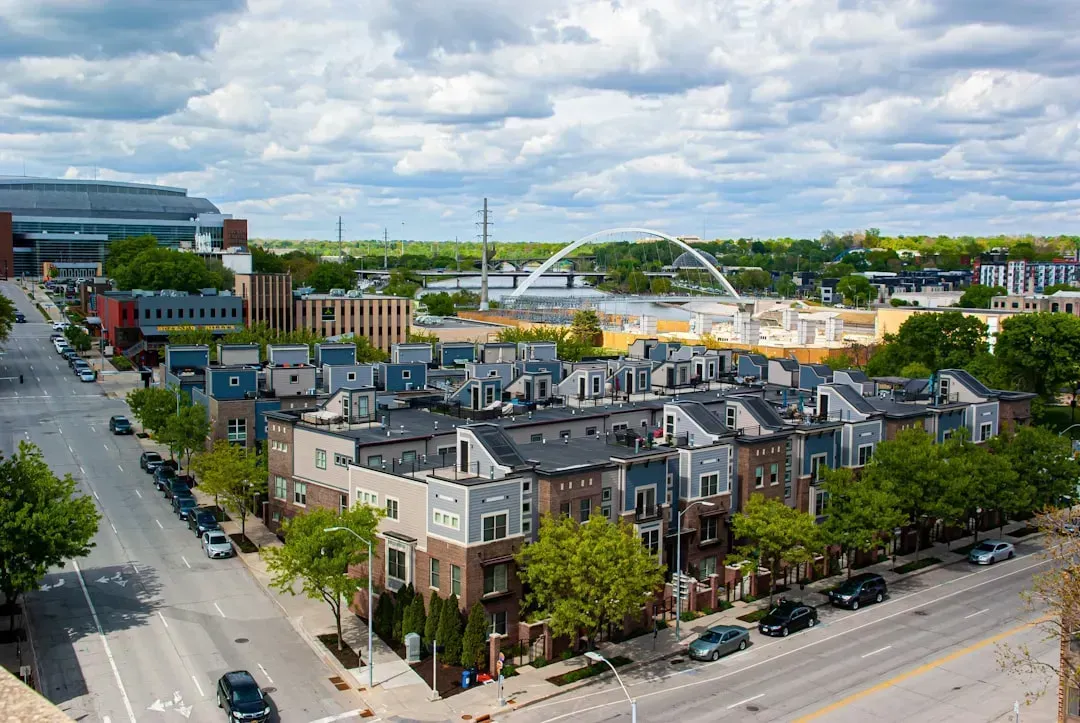
Throw in a monthly expense of $1,863, and a retirement that will set you back just $797,035, this is a great idea for people close to retirement who fall short of that perceived necessity of $1.4 million worth of savings. Iowa State University brings educational opportunities and cultural programming to this pleasant Midwestern town where people still wave at neighbors. Living in a community averages $3,650 per month, or $43,800 per year – still below the state and national average. The landscape may not feature dramatic mountains or ocean views, but the rolling prairie and four distinct seasons have their own beauty. Ames offers a genuine sense of community where people look out for one another, something increasingly rare in our fragmented modern world. The slower pace and Midwestern friendliness create an environment where retirees can truly relax without constant hustle.
Huntington, West Virginia
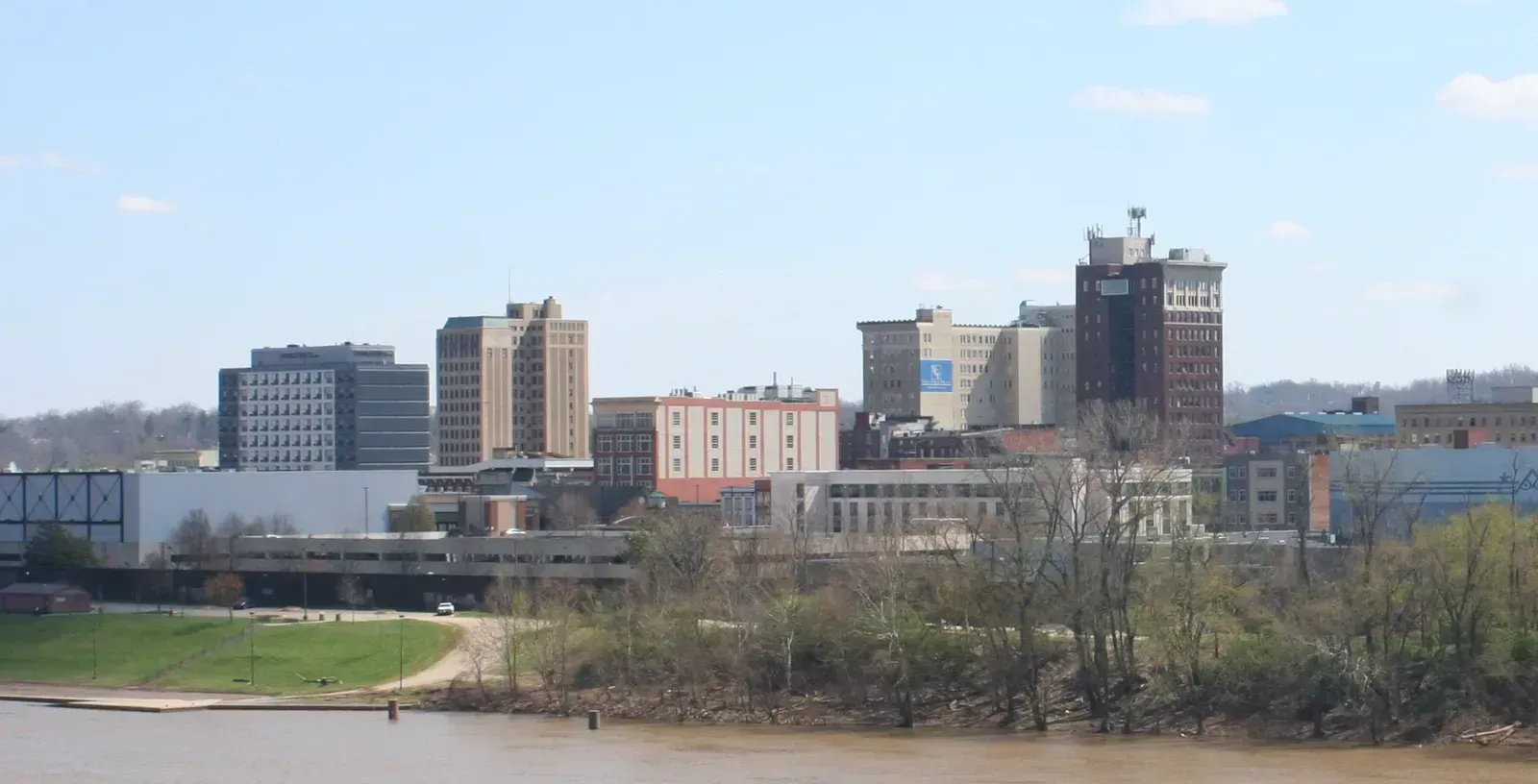
Huntington, West Virginia is a small town with about 46,000 people, yet Marshall University’s presence ensures cultural amenities typically found in much larger cities. West Virginia in 2023 ranked as one of the five best states to retire, with nearly one fifth of the population aged sixty five and older. With a monthly estimated cost of living of $1,951 and an average mortgage payment of $707, you’ll find that you’re ahead of the game. The median cost of a home in West Virginia is around $245,100, which is nearly half the national median. The town’s Ritter Park provides beautiful green space for walks and outdoor gatherings, while regular film festivals and arts events keep the cultural calendar full. Let’s be real: Huntington won’t suit everyone, but for retirees prioritizing affordability over flashiness, it delivers remarkable value.
College towns represent a retirement sweet spot that more Americans are discovering each year. These communities combine intellectual stimulation, quality healthcare access, cultural richness, and often surprising affordability. Great college towns have a spark that comes not only from young blood, but from jazz clubs, literary events, musical performances, theater arts, book stores and cafes. Whether you’re drawn to mountain views in Boulder, Southern charm in Oxford, or Midwestern hospitality in Ames, there’s likely a college town that matches your retirement vision. Have you considered a college town for your retirement years? What matters most to you in choosing where to spend this exciting new chapter?