11 Illegal Electrical Add-Ons Inspectors Say Homeowners Keep Trying to Install
Oversized Circuit Breakers to Stop Constant Tripping
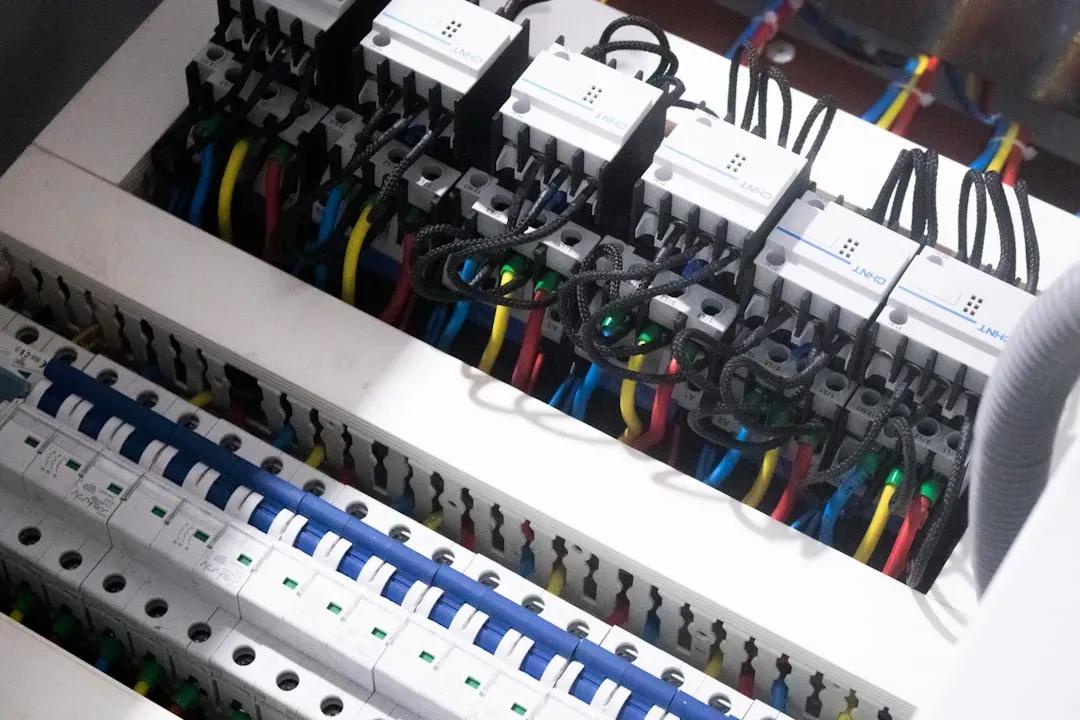
Here’s the thing about constantly tripping breakers. They’re telling you something important. Replacing a 15-amp breaker with a 20- or 30-amp breaker to stop tripping is illegal and extremely dangerous, allowing wiring to carry more current than it was designed for and dramatically increasing fire risk. DIYers aggravated by a constantly tripping fuse or breaker often hastily replace the offending breaker with a larger capacity breaker, which in addition to being extremely dangerous is also illegal and in direct violation of electrical codes, as breakers are matched to load capacity and wire size, and larger breakers allow more current to flow through before they trip, catch on fire or blow out your home’s electricity system.
It’s tempting to think a bigger breaker solves the problem. Honestly, it just creates a much worse one. Licensed electricians see this mistake frequently in older homes where owners added space heaters or multiple devices without upgrading the panel capacity first.
Hidden Junction Boxes Behind Walls or Ceilings
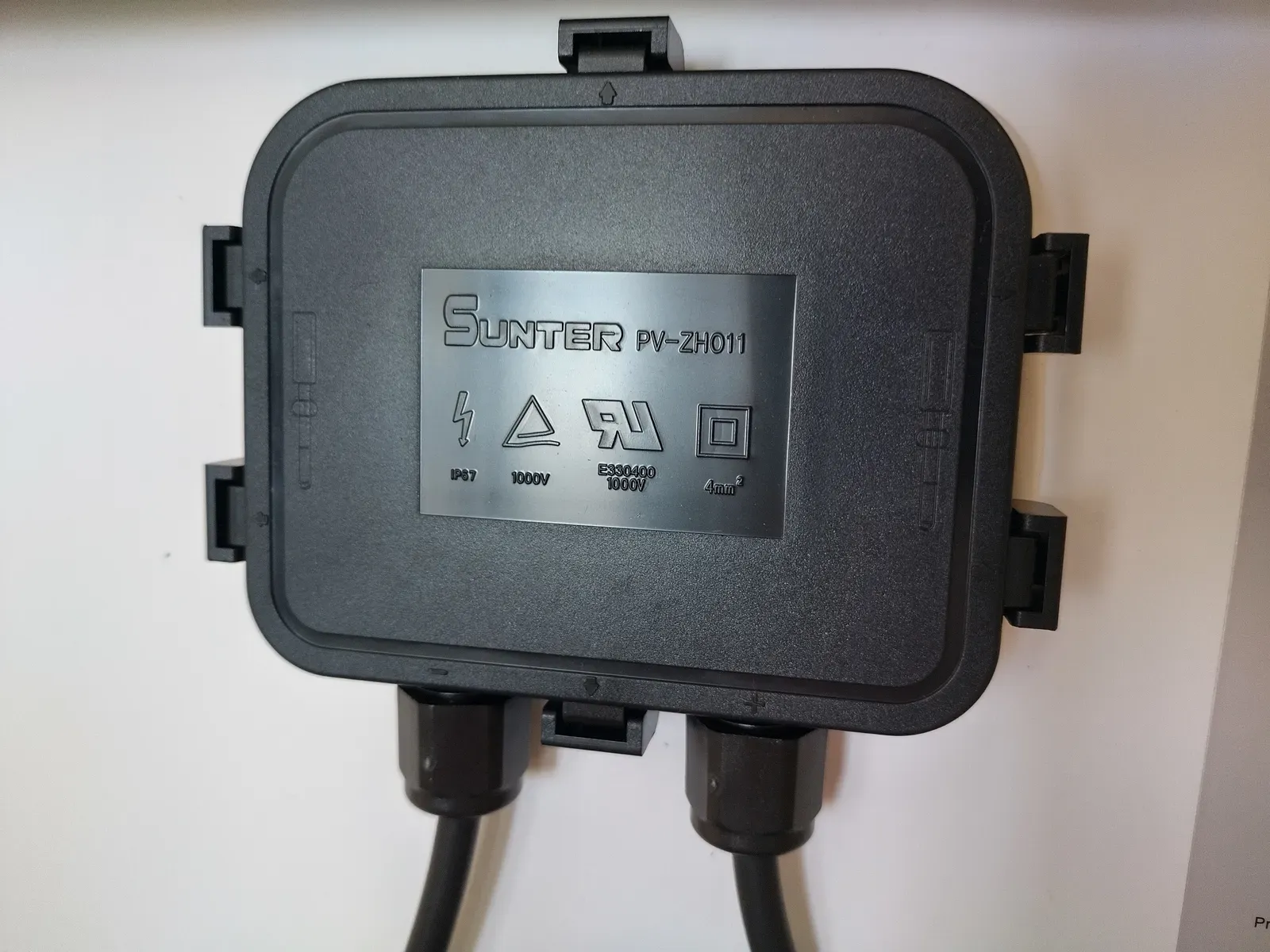
Junction boxes must remain accessible by law as required by the National Electrical Code, and hiding one behind drywall, cabinetry, or insulation prevents future inspections and increases the risk of unnoticed overheating or arcing, with electricians warning that concealed boxes are a leading cause of electrical fires. Inspectors consistently flag this during home sales, and fixing it means tearing open finished walls, which suddenly makes that initial shortcut seem pretty expensive.
The reason for this rule isn’t arbitrary. When connections overheat or wires come loose inside these boxes, you need to access them quickly. Burying them creates a ticking time bomb that could smolder for years before anyone notices.
Outdoor Use of Indoor Romex Cable
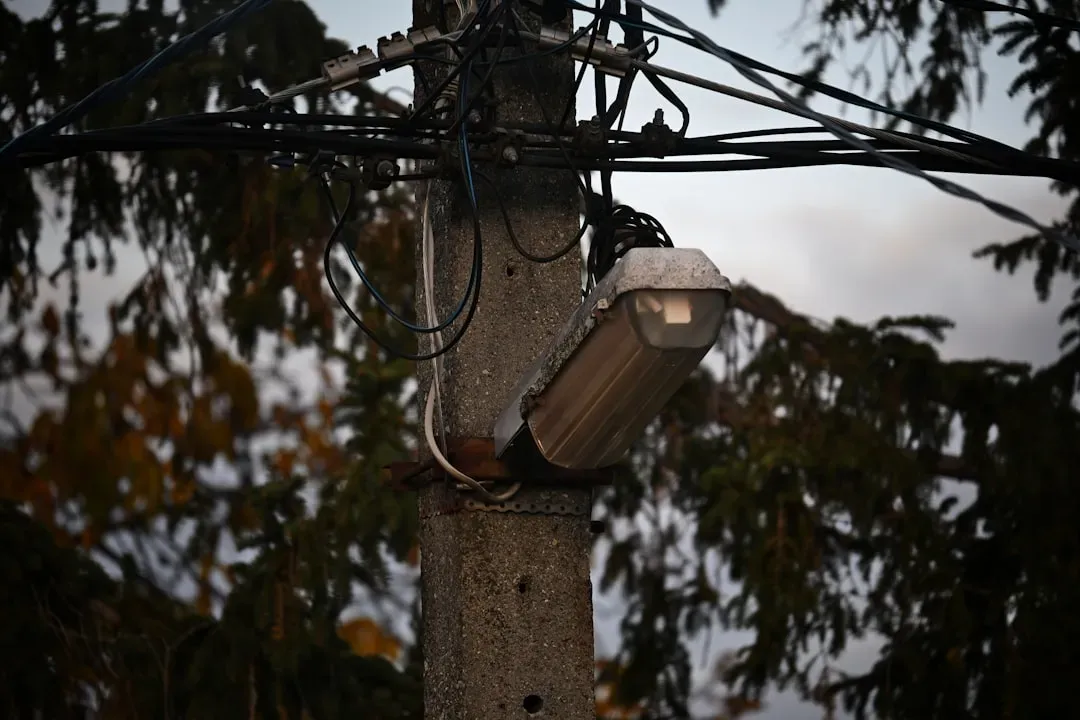
Romex is for indoor use only, and using it outside, under decks, across yards, or along fences exposes it to weather and physical damage violating code, as outdoor wiring must use approved weather-resistant conduit and cable types designed to withstand moisture and UV exposure. Walking through neighborhoods, you’d be amazed how many people run standard Romex cable to outdoor sheds or across their yard.
The problem is straightforward. Romex has a paper covering inside that absorbs moisture like a sponge. Once water gets in there, corrosion starts eating away at your conductors. UV rays from sunlight also break down the outer jacket over time, leaving bare copper exposed to the elements.
DIY Electrical Work Without Proper Permits or Licensing
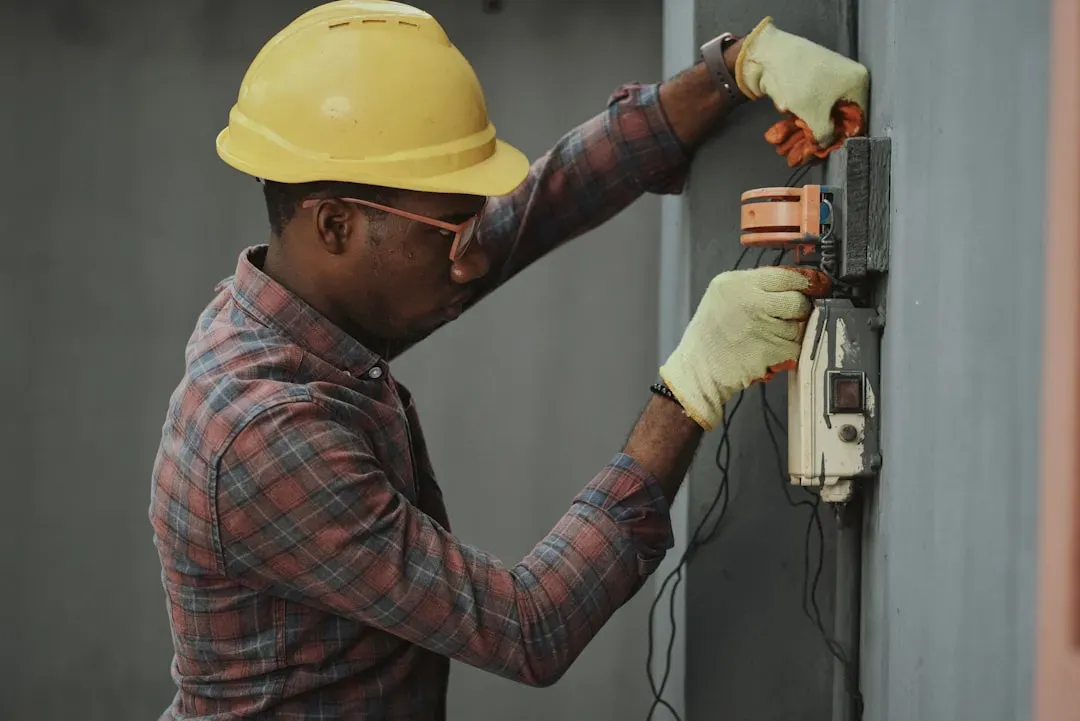
State laws vary, but in many jurisdictions homeowners doing their own electrical work is either restricted or outright illegal, with many states requiring licensed electricians for all but the simplest repairs, and installing new circuits, relocating wiring, or modifying panels without proper certification violates state and local regulations, with insurance companies potentially denying claims if illegal electrical work is found after a fire or accident. Even in states where homeowner electrical work is technically legal, there are catches.
You have to own and occupy the property. You need permits. You might need to pass a basic competency test. The work must be inspected. When it comes to electrical work done by homeowners, the real risk is fire, and getting a permit will mitigate this risk as well as the risk of electrocution, with about 400 electrocutions occurring each year in the U.S. according to the Electrical Safety Foundation International.
Installing Ceiling Fans on Standard Light Fixture Boxes
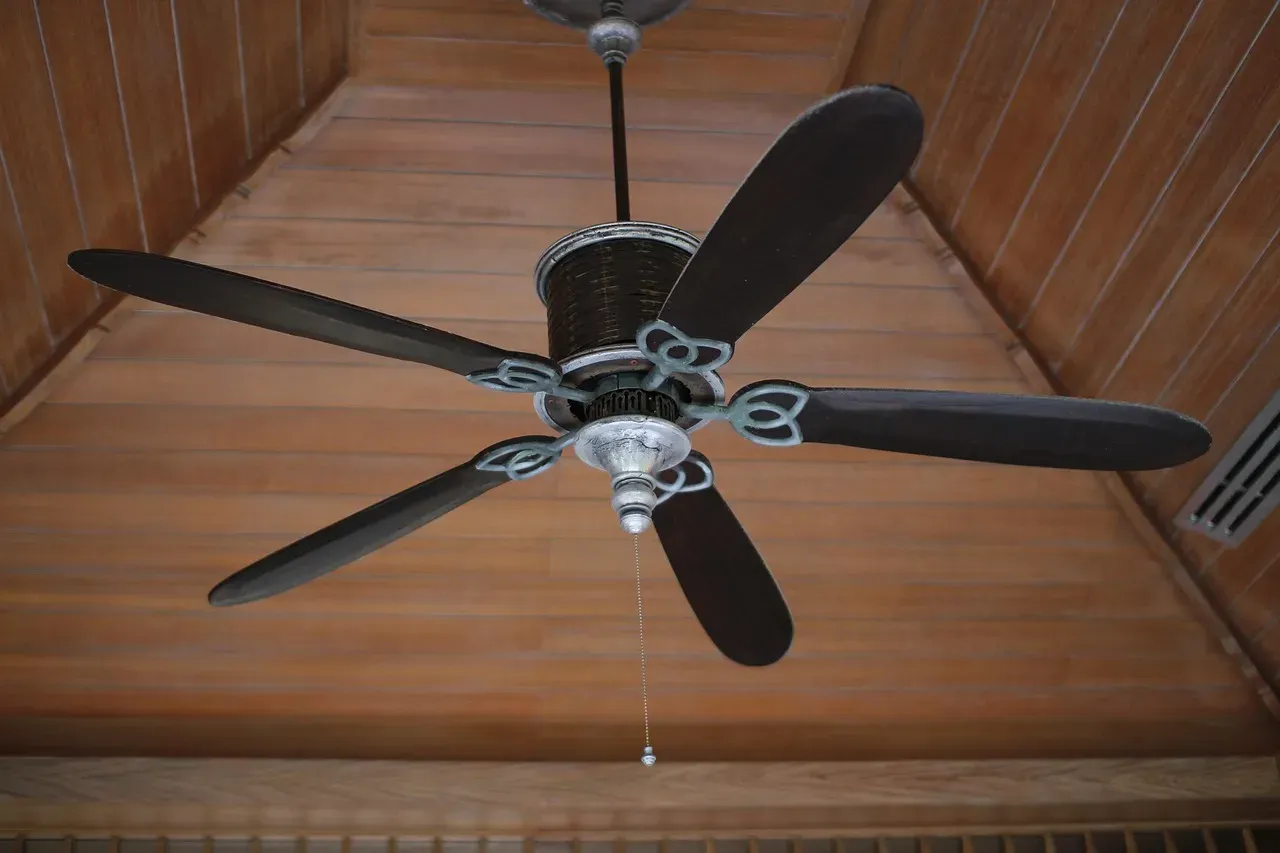
Some homeowners mount heavy ceiling fans to boxes designed only for light fixtures, with electricians warning that these boxes cannot handle the weight or vibration of fans, and failures have caused injuries and structural damage, as U.S. building codes specify fan-rated boxes for any overhead fan installation. This seems like a minor detail until the fan comes crashing down during dinner.
Standard electrical boxes are rated for maybe five pounds. A ceiling fan with blades can weigh twenty pounds or more, plus it vibrates constantly. That combination loosens screws, cracks the box mounting, and eventually the whole thing gives way.
Adding Unpermitted Circuits Without Panel Evaluation
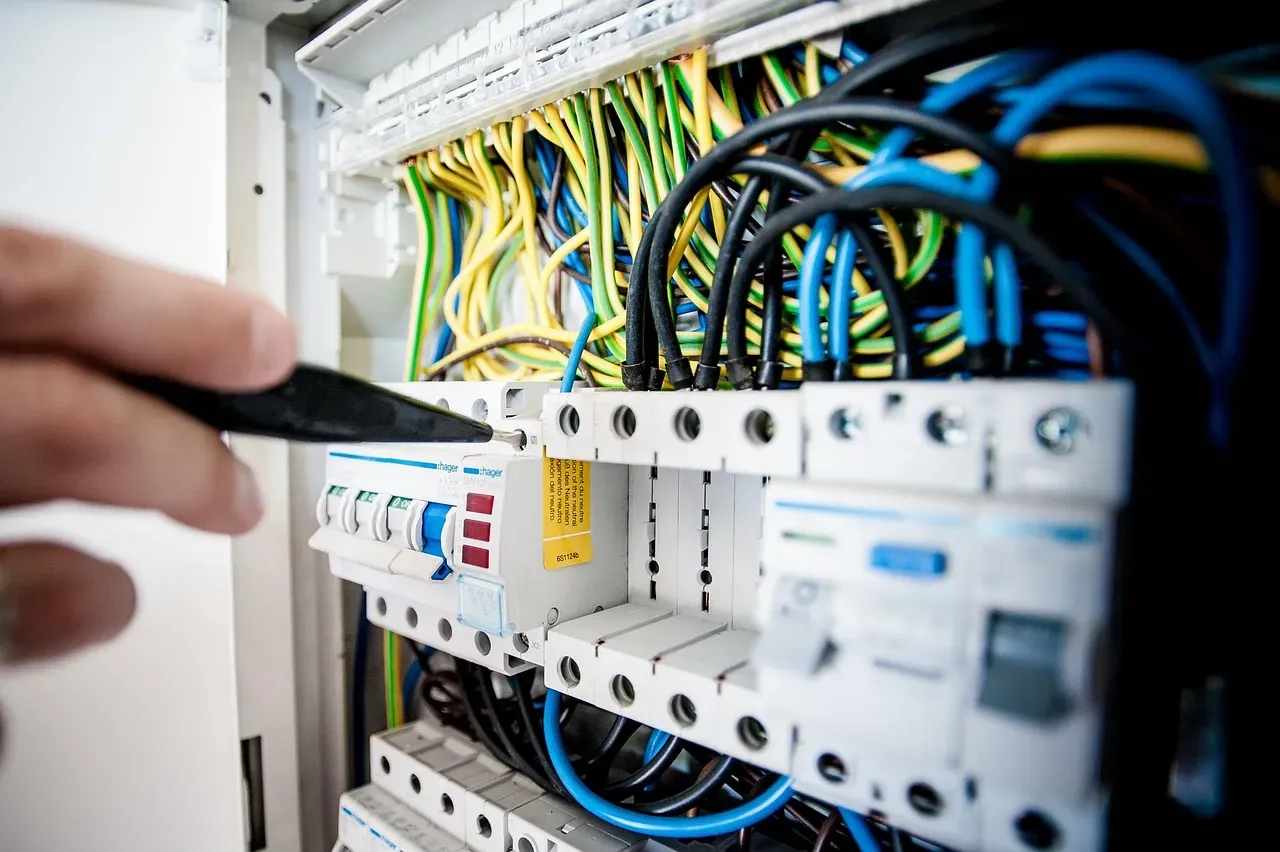
Electrical panels must be evaluated for available capacity before adding circuits, as unpermitted additions often overload panels, create unsafe heat buildup, and violate local codes, with home inspectors frequently flagging these illegal upgrades when homes are sold, sometimes requiring expensive corrections. Every panel has a maximum capacity measured in amps, and exceeding that limit creates serious fire hazards.
I think most people don’t realize their electrical panel isn’t infinite. Adding just one more circuit for a home theater or workshop might push you over the edge. Professional electricians calculate the total load to ensure you’re staying within safe limits.
Missing GFCI Protection in Required Water-Source Locations
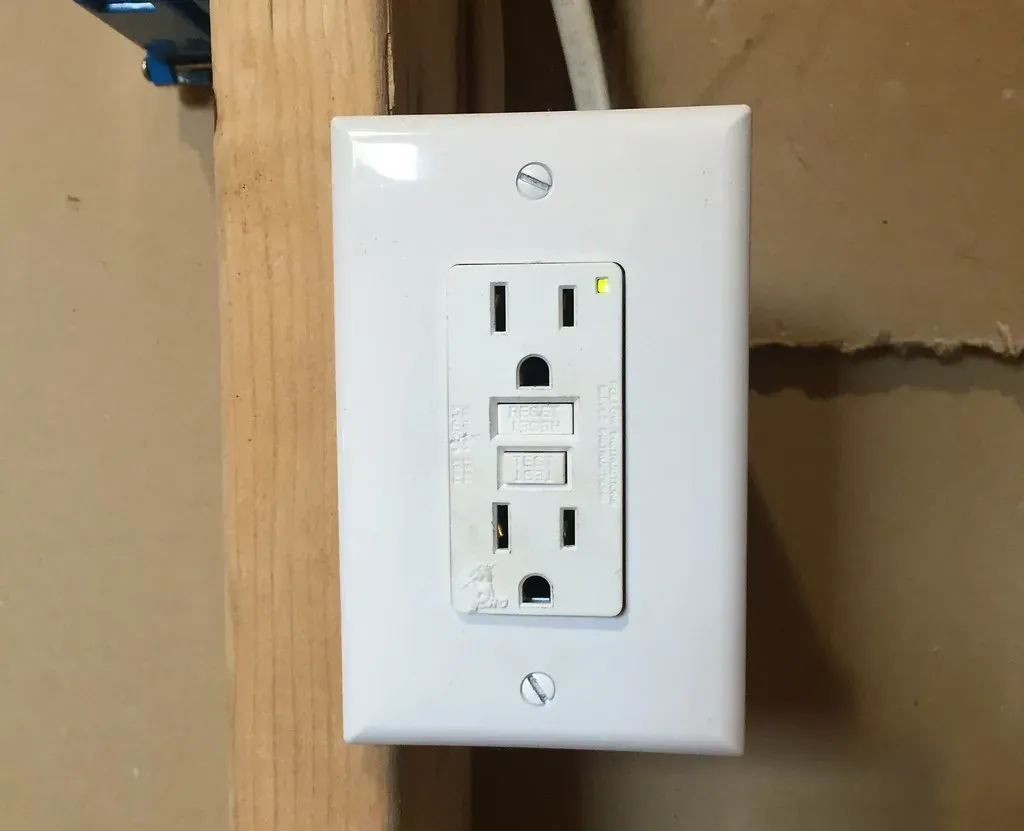
Inspectors flag missing ground fault circuit interrupters especially in older homes, as GFCIs protect from electric shock and are required in multiple places around homes where water is present, with GFCI requirements having expanded over time. Required locations for GFCI outlets include bathrooms, garages, outdoor areas, accessory buildings, laundry areas, kitchen countertops, crawlspaces and lights in crawlspaces, indoor damp or wet locations, basements, kitchen receptacles for dishwashers, receptacles within 6 feet of the edge of a sink, shower, or bathtub and electrically heated floors, with receptacles that don’t meet this requirement noted as a deficiency in inspections no matter when the home was built.
Water and electricity have this unfortunate habit of combining in ways that kill people. The 2023 NEC expanded kitchen GFCI requirements to all receptacles, not just countertops, recognizing shocks can happen anywhere moisture is present.
Installing Three-Prong Outlets Without Proper Grounding
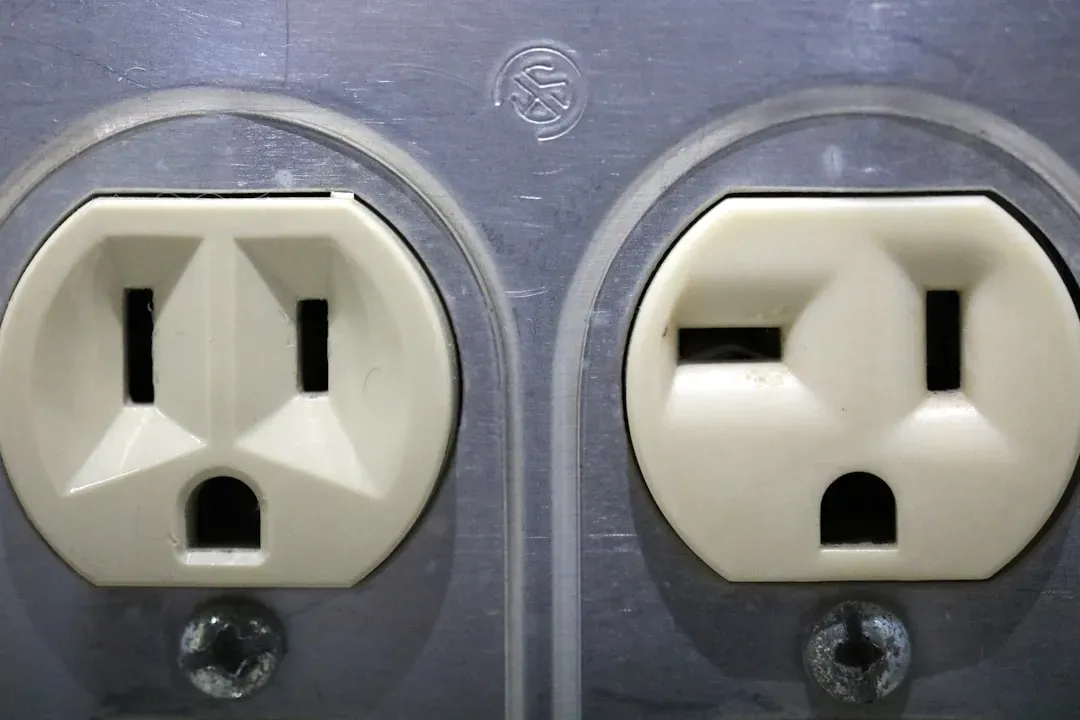
Some homeowners add outlets without connecting them to a grounded system, especially in older houses, with ungrounded outlets violating electrical code and putting users at risk of shock especially when plugging in metal-cased appliances or electronics, as certified electricians emphasize grounding as essential for both surge protection and personal safety. A previous homeowner swapping out two-slot non-grounding type receptacles for three-slot grounding-type ones was a code violation.
This seems harmless on the surface. You’re just giving yourself more places to plug in modern appliances. Yet that third prong exists for a reason, and faking it creates a false sense of security while leaving you vulnerable to shocks and equipment damage.
Extension Cords as Permanent Wiring Solutions
Extension cords are designed for temporary use and lack the insulation and load capacity needed for long-term power delivery, with fire investigators having repeatedly linked permanent extension-cord setups to overheating and house fires, as U.S. codes require fixed wiring to be installed in approved conduit, raceways, or walls. The National Fire Protection Association estimates nearly 50,000 dwelling fires in the U.S. happen every year due to overloading an electrical system not equipped with enough receptacles, with homeowners quick to rely on extension cords not designed to handle large amounts of electricity.
Let’s be real, we’ve all used extension cords longer than we should. Still, running one behind a wall or under carpet for months crosses into dangerous territory. Those cords heat up, insulation breaks down, and eventually something ignites.
Wire Splices Outside Approved Junction Boxes
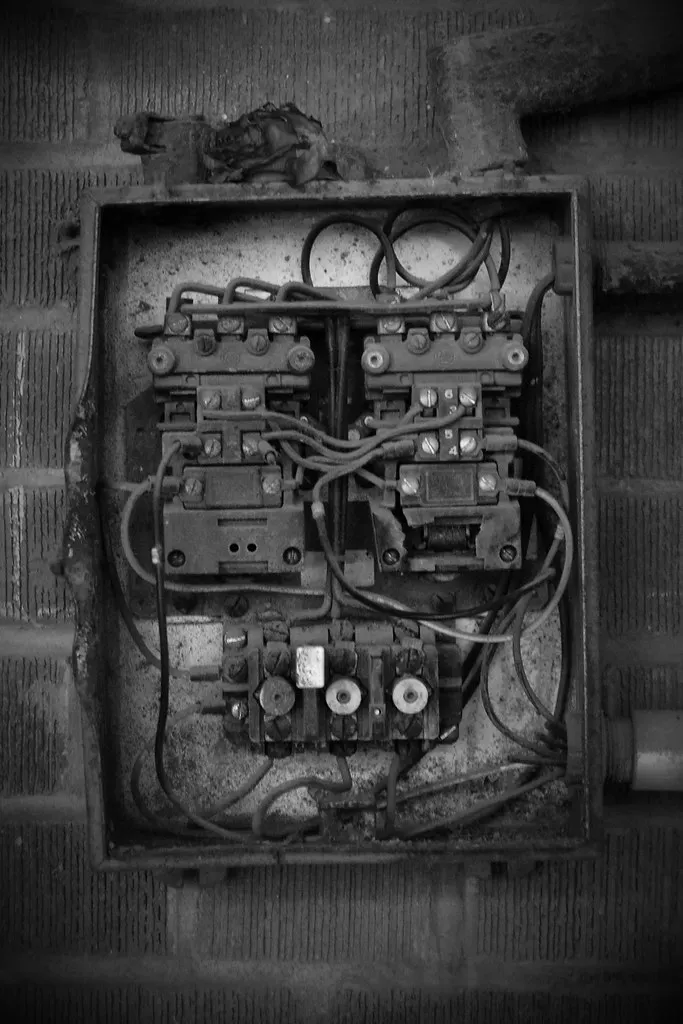
Twisting wires together in a wall cavity and covering them with tape is strictly prohibited, as U.S. electrical code requires all splices to be enclosed in approved boxes to reduce the risk of arcing, short circuits, and overheating, with electrical inspectors flagging open splices as immediate fire hazards. Junction boxes must be covered, and you can’t have splices made outside of a junction box.
Tape feels secure in the moment. Over time, though, connections loosen, tape degrades, and exposed copper starts arcing. Those arcs generate enough heat to ignite surrounding materials, which is precisely why boxes exist in the first place.
Disabling Arc-Fault or Ground-Fault Protection Devices
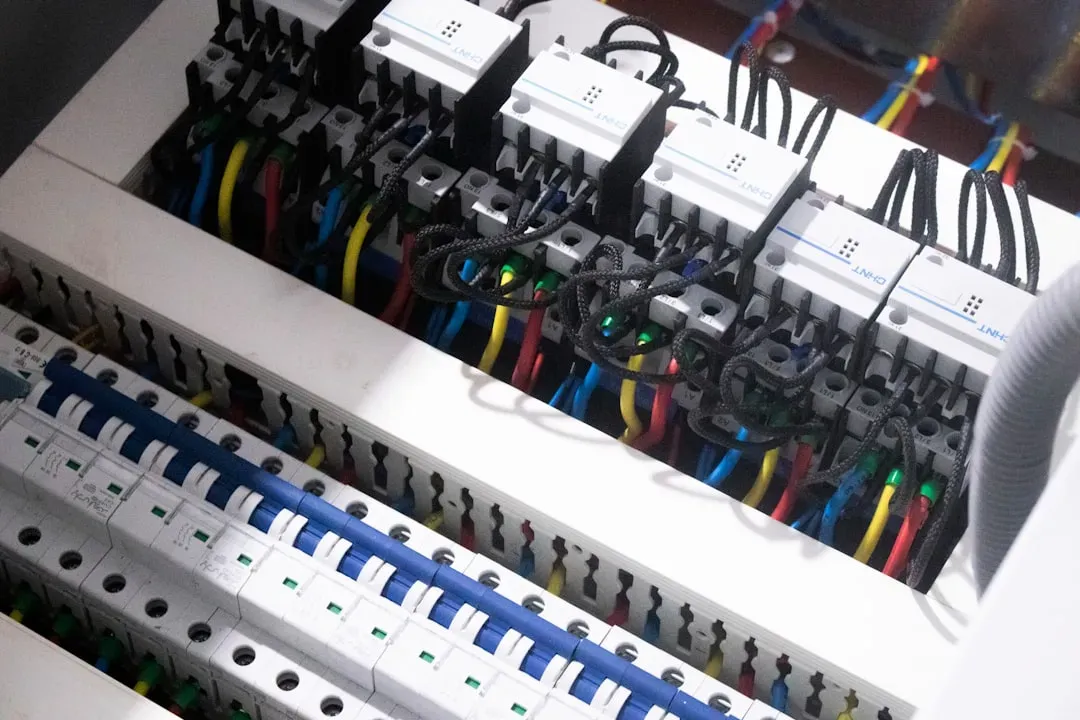
Some homeowners disable ground-fault or arc-fault protection because of nuisance tripping, with both devices required by modern U.S. code in areas where shock or arc hazards are high such as kitchens, bathrooms, and bedrooms, as disabling them removes critical safety layers that prevent electrocution and electrical fires. Electrical codes began requiring AFCI protection in the early 2000s initially just in bedrooms, and over successive code updates the requirement has expanded to include almost all habitable rooms, with the NEC today mandating AFCI protection for virtually all 120-volt, 15 or 20-amp circuits feeding living spaces such as bedrooms, family rooms, dining rooms, living rooms, dens, sunrooms, hallways, and closets.
Nuisance tripping is annoying, I get it. However, that tripping is the device doing its job, detecting problems you can’t see. Bypassing these protections to avoid inconvenience is like removing smoke detectors because you don’t like the beeping.
Improperly Labeled or Unlabeled Electrical Panels
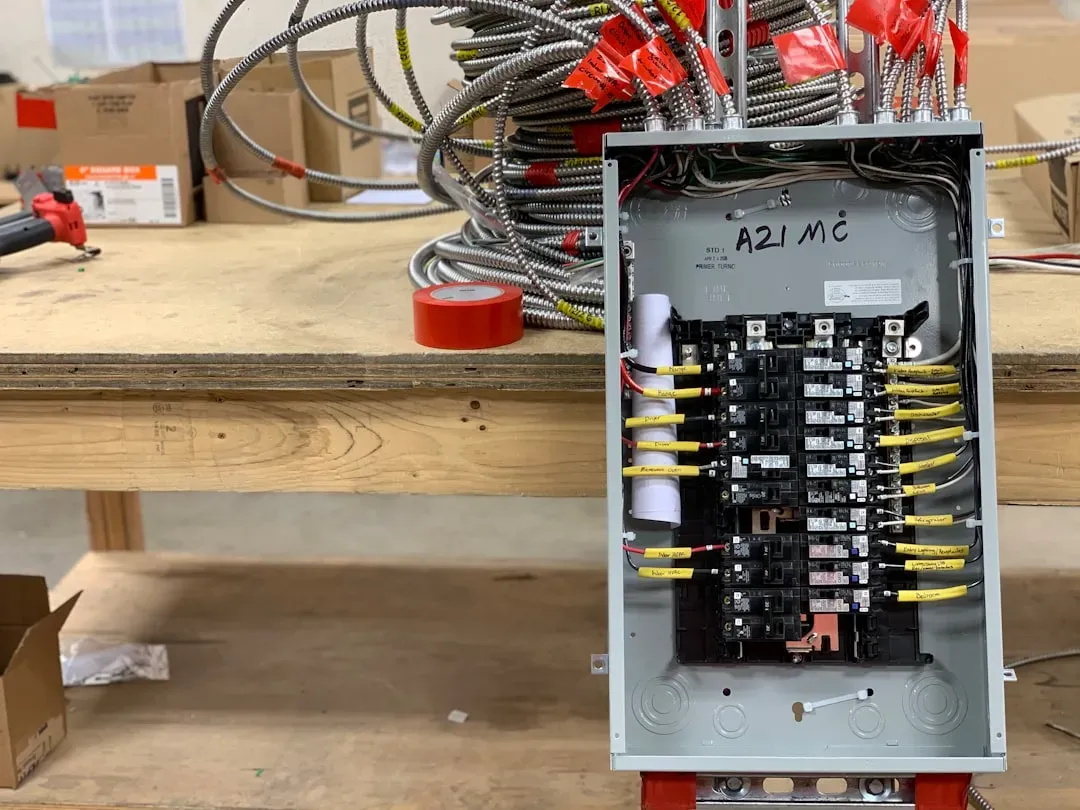
Your electrical panel should have a clear and accurate label for each circuit breaker, and if an inspector cannot tell which breaker controls which part of the house, it will be noted as a safety concern for future maintenance and emergencies. One critical item that needs to be completed on most electrical projects is a properly and legibly labeled circuit directory, which ensures that the homeowner, business owner, or maintenance person knows which circuit breaker controls each of the branch circuits in the dwelling or building.
Poor labeling might not seem like a code violation that matters much. During an emergency, though, when you need to kill power to a specific area fast, vague labels like “stuff” or “bedroom maybe” become genuinely dangerous. Proper labeling is required and takes maybe thirty minutes to do correctly.
What surprises many homeowners is how seriously insurance companies take unpermitted work. Your house burns down, the investigator finds DIY electrical modifications, and suddenly your claim gets denied. You’re out your entire house because you wanted to save a couple hundred dollars on a licensed electrician. Code requirements exist because electrical failures cause thousands of fires annually, and following them protects both your family and your investment. Did any of these surprise you? What electrical upgrades have you tackled in your home?