Top 12 Global Cities People Most Regret Relocating To, New Polls Show
Moving to a new city can feel like stepping into a fresh chapter of life. The promise of better opportunities, cheaper housing, or simply a change of scenery drives millions of people around the world to pack up their belongings and relocate. Yet for many, the dream turns sour faster than expected. Roughly 70% of people who moved in 2024 experienced regrets about their relocation decisions, according to recent surveys.
The reality hits hard when newcomers realize that the glossy brochures and Instagram feeds didn’t tell the whole story. High costs, isolation, bureaucratic nightmares, and cultural barriers leave many wishing they’d never left home. Based on recent data from expat satisfaction surveys, migration studies, and quality of life reports from 2023 to 2025, here are twelve global cities where people most frequently regret their move.
Los Angeles, California
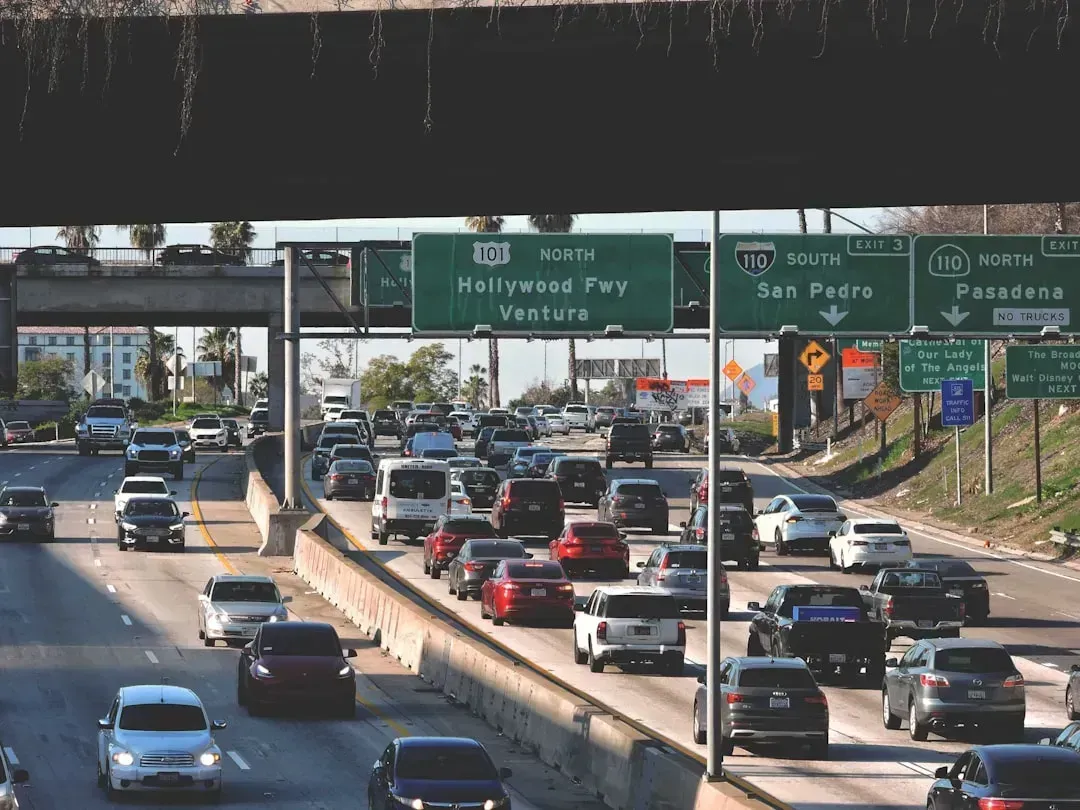
The City of Angels sounds magical until you realize you’re stuck in traffic for three hours just to go ten miles. Los Angeles topped the list of cities people searched to leave, with nearly 27,000 more people looking to escape than move in during late 2023. The cost of living has become unbearable for most newcomers.
People choose to leave because of the high cost of living, expensive housing, and the need to change scenery. That beachside lifestyle you imagined? It comes with rent prices that can swallow your entire paycheck. The sprawl is endless, public transit is limited, and you’ll spend half your life in your car. Many relocators arrive with Hollywood dreams only to find themselves living paycheck to paycheck in a shoebox apartment miles from the coast.
San Francisco, California
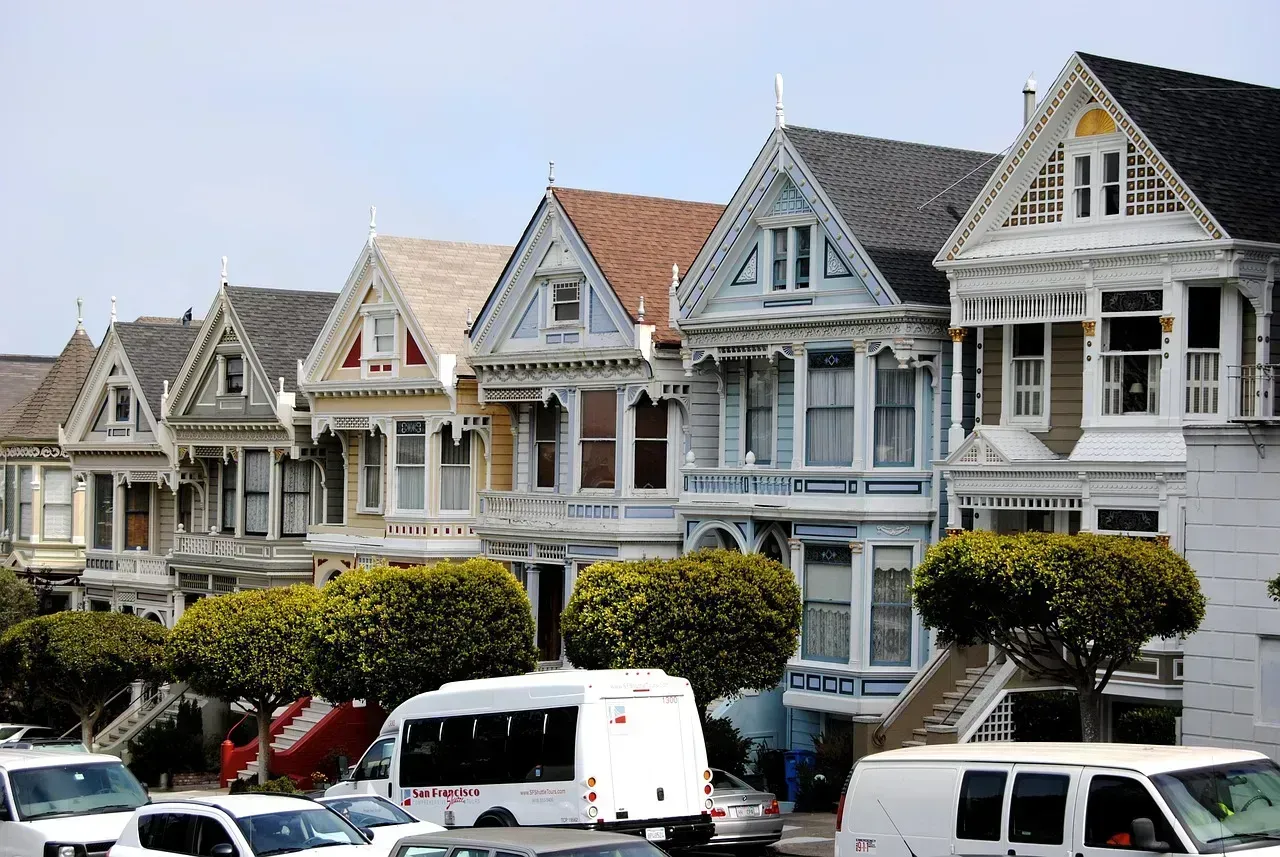
San Francisco saw 25,900 more people searching to leave the city than move in during the same period. The tech hub’s reputation for innovation doesn’t cushion the blow of its astronomical housing costs. Finding an affordable place to live feels like searching for a unicorn.
San Francisco has one of the country’s most expensive and competitive housing markets, a major driver for the potential outflow. Beyond the price tag, many expats report a decline in quality of life, with public safety concerns rising and a general sense of urban stress permeating daily existence. Many residents report a decline in quality of life, citing public safety concerns and a general sense of stress, as the vibe has shifted from bohemian paradise to a high-stakes tech campus. The city that once represented counterculture now requires a spreadsheet just to budget for morning coffee.
Hamburg, Germany
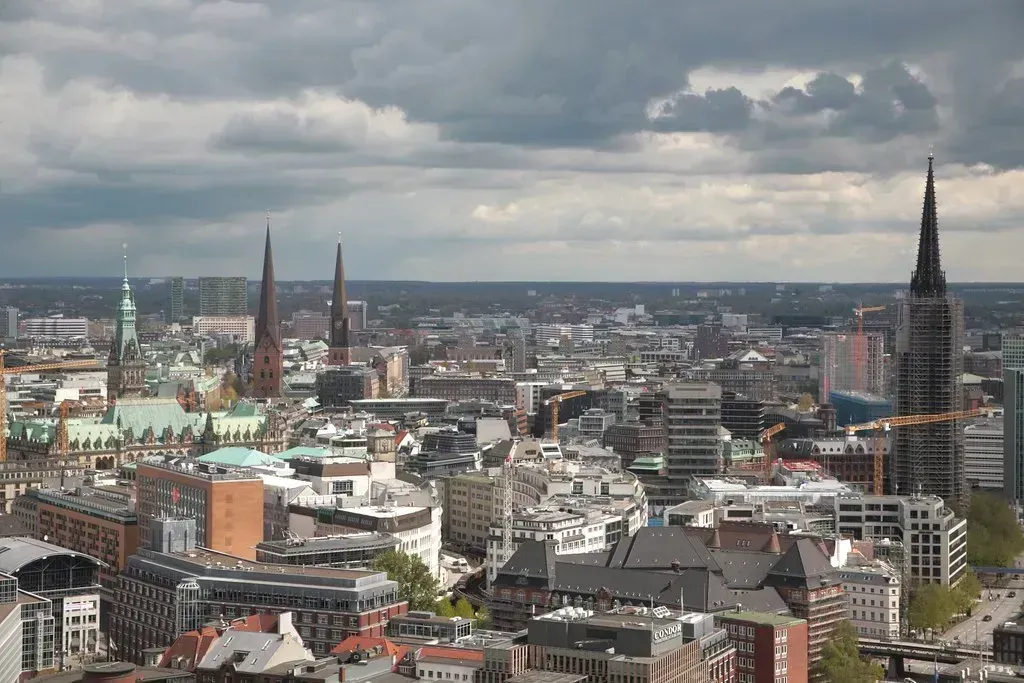
Germany’s port city might be charming to visit, but living there proves challenging for foreigners. Hamburg ranks 52nd out of 53 cities, with respondents struggling most with settling in and the expat essentials. The bureaucracy alone could drive anyone to despair.
Expats complain about digital backwardness regarding cashless payments and internet speed, as well as complicated bureaucracy, with Berlin expats particularly struggling with paperwork and local authorities. Add to that the infamous German language barrier, and you’ve got a recipe for isolation. Expats often face a lack of friendliness in their new surroundings, with four of six German cities ranking in the bottom ten for friendliness, and Berlin placing last. The cold weather and limited green spaces don’t help matters either.
New York City, New York
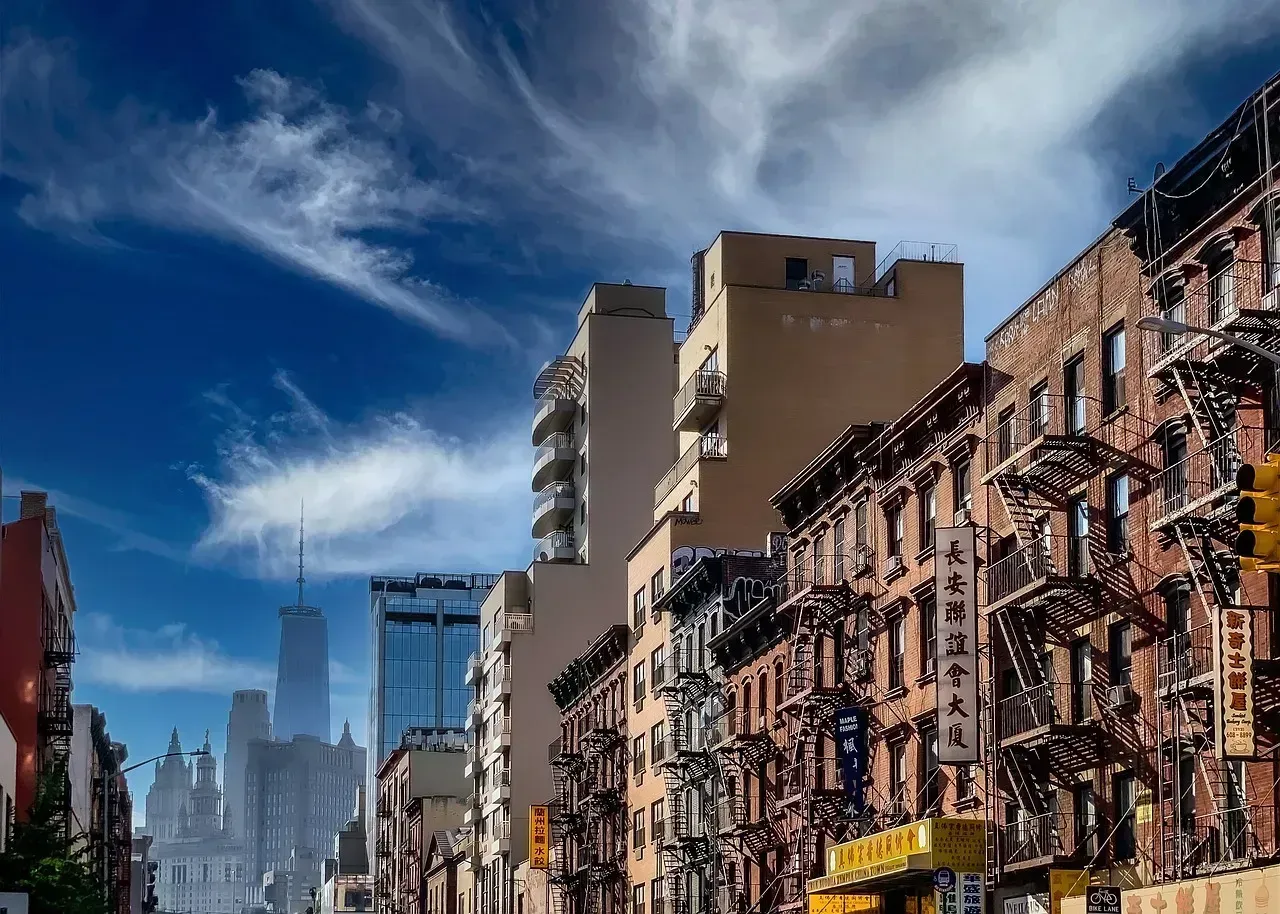
The city that never sleeps probably keeps you awake because you’re working a second job to pay rent. New York City ranks as the ninth worst city for expats, with rental and property prices skyrocketing as rents grow seven times faster than wages. That glamorous Manhattan lifestyle you envisioned? Think again.
Moving to New York City often ends in a rude awakening, with tiny fifth-floor walk-up apartments, eye-watering grocery bills, and a relentless pace that can burn out even the most ambitious newcomer. Safety concerns remain high, and the cost of simply existing in the city can be crushing. Yes, there are world-class museums and endless entertainment options, but when you can barely afford to leave your cramped apartment, what’s the point?
Vancouver, Canada

Canada’s coastal gem looks perfect on paper, but scratch the surface and you’ll find deep frustration. Vancouver ranks 53rd largely because it is difficult to find accommodation in the Canadian city, and it is too expensive, with 52% of expats unhappy with their financial situation. The housing crisis has reached epic proportions.
People leaving Australia, Canada, and Germany mentioned cost of living struggles most frequently, as cities in these countries have seen sharp rises in recent years. While the natural beauty and pleasant climate are undeniable perks, roughly one third of expats are actively looking for work. The disparity between the city’s stunning environment and its unaffordable reality creates a painful disconnect for newcomers who thought they’d found paradise.
Berlin, Germany
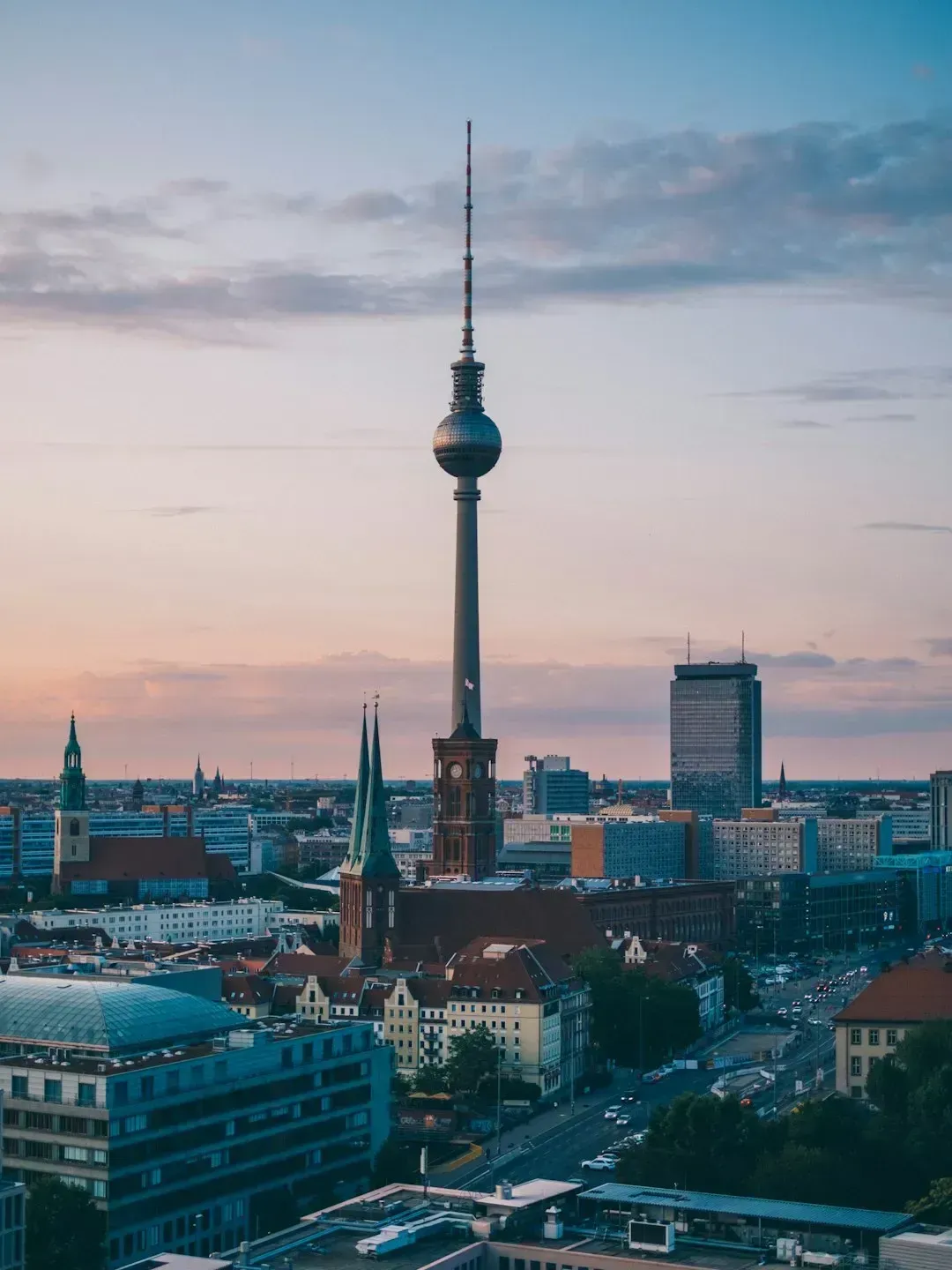
Berlin’s reputation as a creative, affordable European capital has evaporated in recent years. Berlin came in 46th place in the InterNations ranking, making it one of the worst cities for expats globally. The administrative hurdles alone could make you want to flee.
The “expat essentials” category sunk German cities to the bottom of rankings, with Berlin placing 53rd in this category, taking one of the bottom six spots – all occupied by German cities. Navigating German bureaucracy without fluent language skills is a nightmare. Housing has become scarce and expensive, and the famous Berlin friendliness? Don’t count on it. The city’s slow digitization means you’ll be filling out paper forms in triplicate while the rest of the world moves online.
Houston, Texas
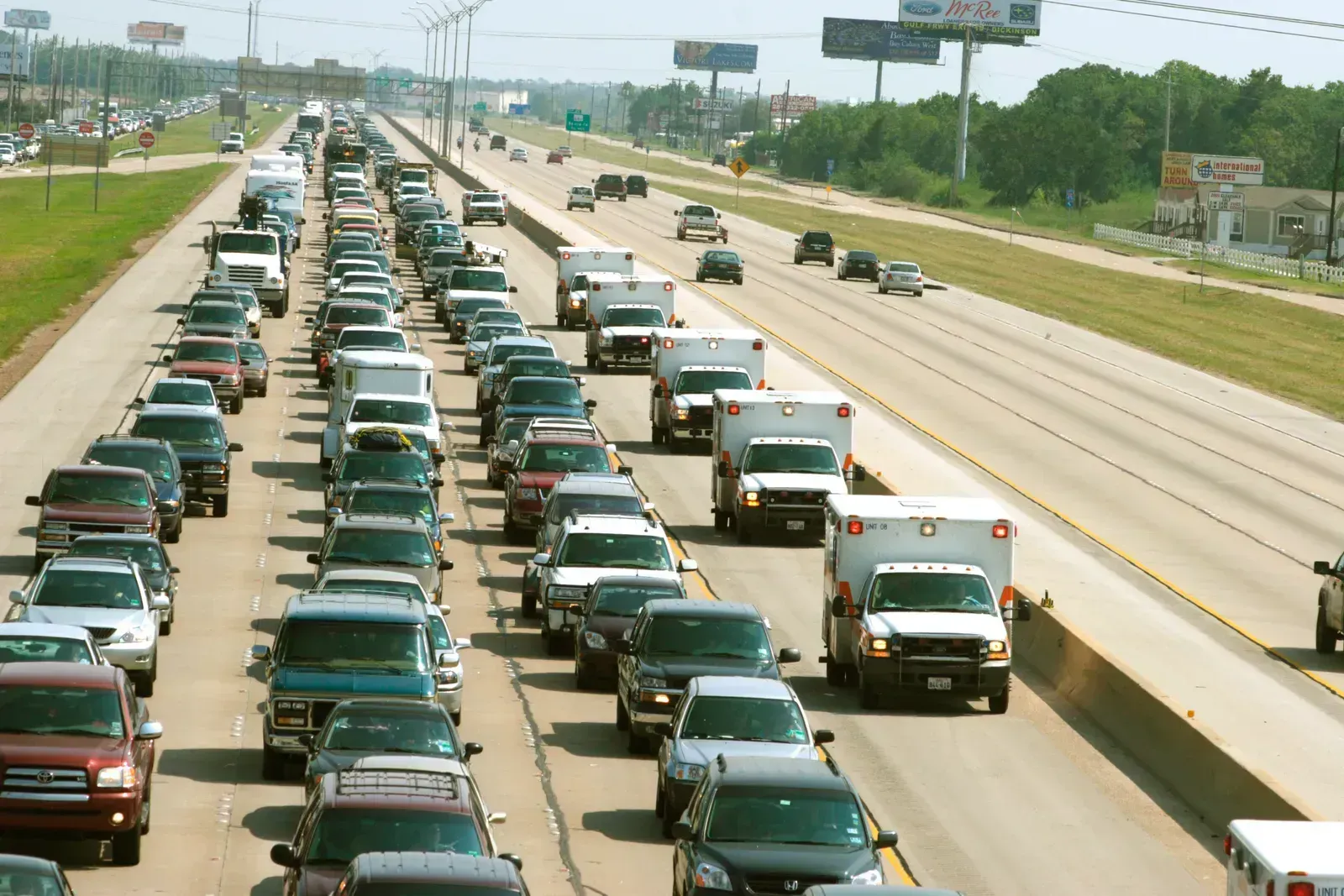
Everything’s bigger in Texas, including the regrets. Houston might offer lower costs compared to coastal cities, but the trade-offs are significant. The heat and humidity are relentless for months on end, and flooding poses a constant threat.
The climate can be summed up as swamp-like, with oppressive heat and humidity, while Houston ranked near the bottom at number 151 out of 182 in WalletHub’s 2025 Happiest Cities report. The sprawl is legendary, with virtually no walkable neighborhoods and a car dependency that means hours lost to traffic. Low costs don’t automatically translate to high spirits when you’re perpetually stuck in traffic and drenched in sweat. Houston recorded the largest net outflow of residents among U.S. cities in early 2023, with a net loss of about 8,369 movers.
Toronto, Canada
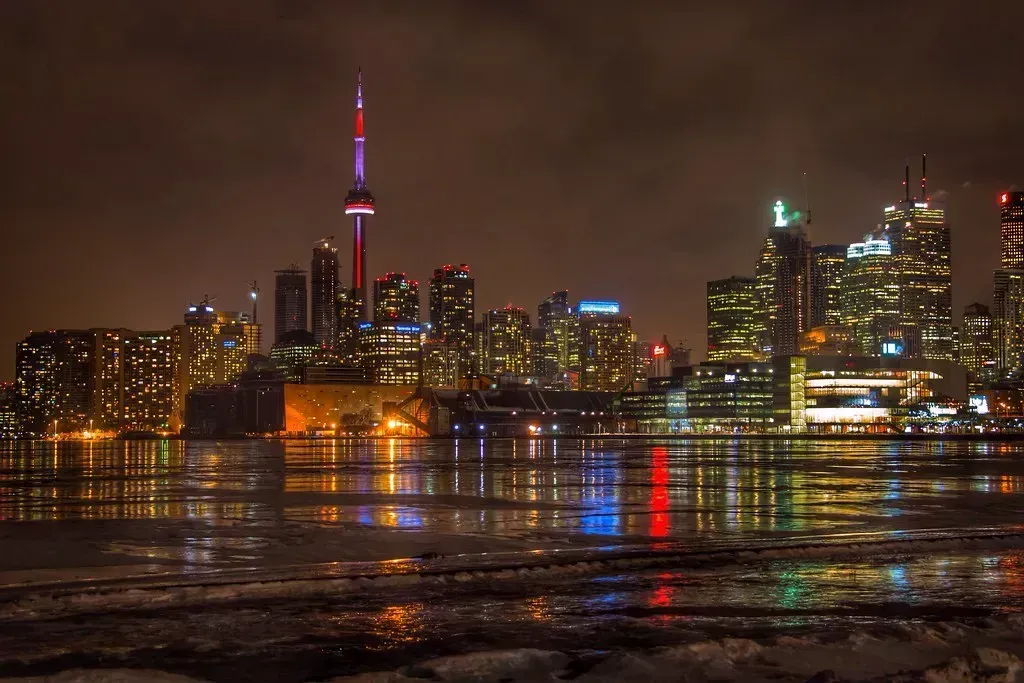
Canada’s largest metropolis disappoints many expats who arrive expecting world-class living. Toronto is one of the worst places to live for expats, ranking 46th on the list. The housing costs rival those of much sunnier cities, but without the weather benefits.
The city ranked 49th for travel and transit, 48th for healthcare with 20% of Canadians having no family doctor, and 35th for safety and security, with congested roads, poor healthcare options, and crime making many expats prefer to live elsewhere. Winters are brutally cold, transforming simple errands into Arctic expeditions. The promised multicultural paradise often feels more like a collection of isolated communities struggling with the same soaring costs and limited opportunities.
Detroit, Michigan
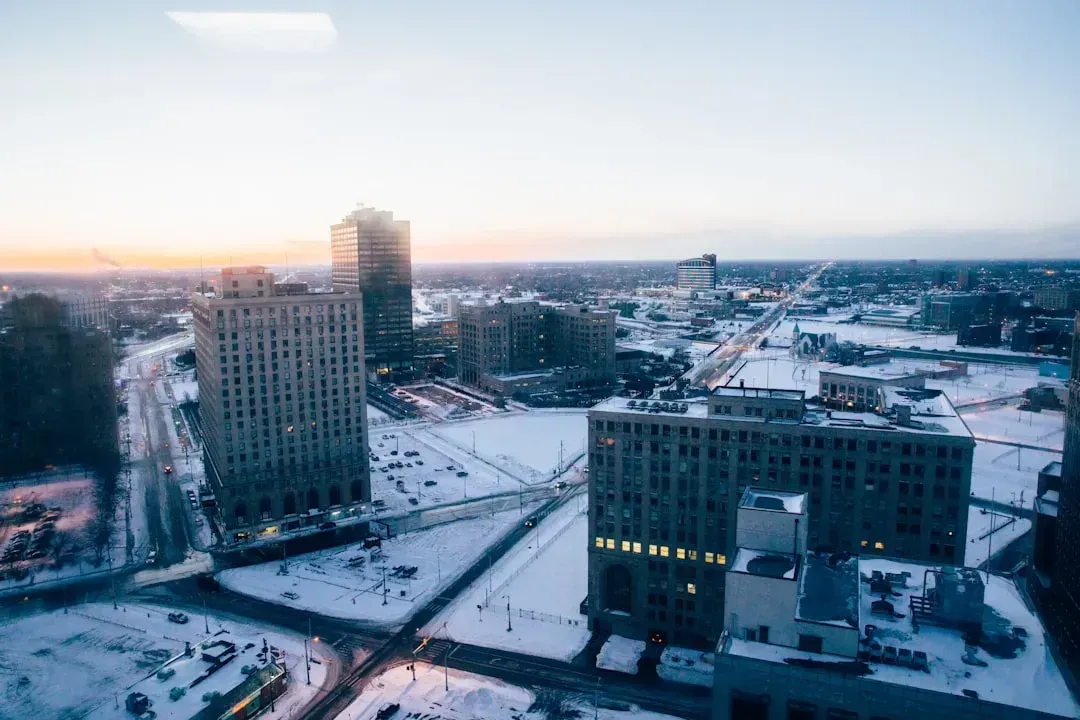
Detroit’s comeback story is real, but it’s happening slowly. Too slowly for many newcomers. A 2024 WalletHub study on happiness named Detroit the unhappiest city in America, ranking last in terms of lowest adequate sleep rate and highest separation and divorce rates. Those are tough social factors to overcome.
Despite revitalization in some neighborhoods, the city continues to struggle with deep-seated economic challenges and high crime rates, with job opportunities scarce outside specific industries like automotive and healthcare. While downtown has seen impressive development, vast swaths of the city remain economically depressed. The bitter winters and ongoing infrastructure challenges add to the difficulties newcomers face when trying to build a life here.
Las Vegas, Nevada
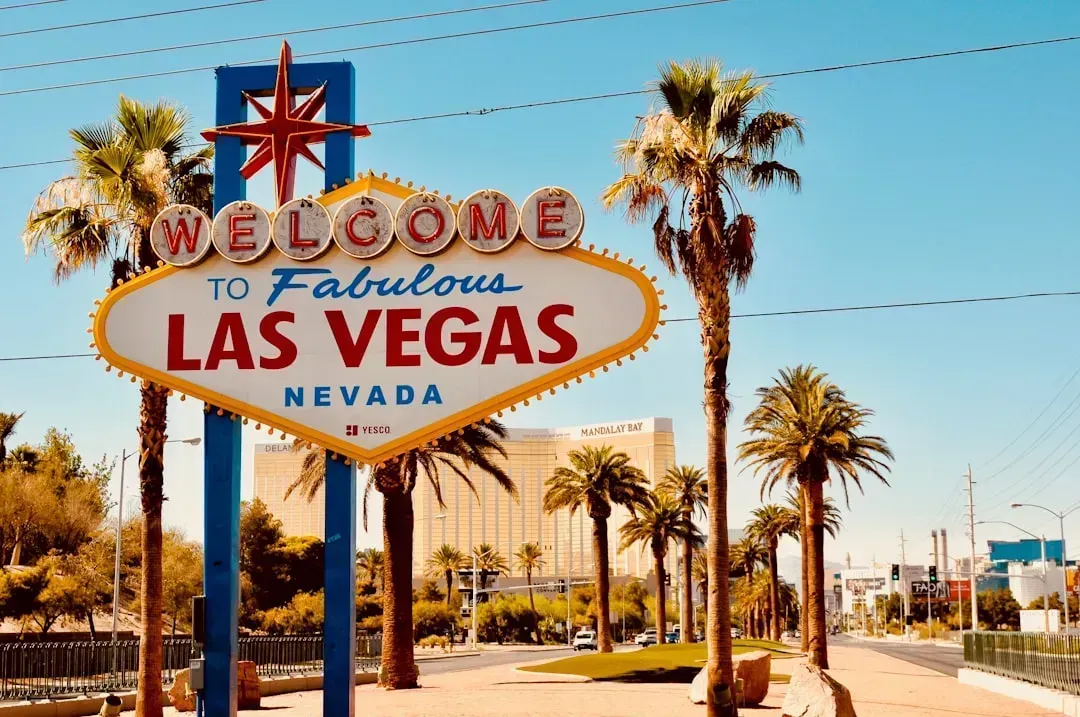
Living in Vegas sounds exciting until the novelty wears off, which happens faster than you’d think. Moving to Vegas seems like a permanent vacation with 24/7 entertainment and glitzy lifestyle, but once the novelty wears off, many are left with a sprawling suburb in the middle of an inhospitable desert. The desert heat becomes unbearable, not exciting.
The job market is overwhelmingly dominated by service and hospitality industries resulting in low wages and non-traditional working hours, while summer heat is a blistering, triple-digit inferno that makes going outside feel like a chore. Beyond the Strip, there’s surprisingly little to do. The transient population makes forming lasting friendships difficult, and the party atmosphere that never stops can take a serious toll on mental health and well-being.
Baltimore, Maryland
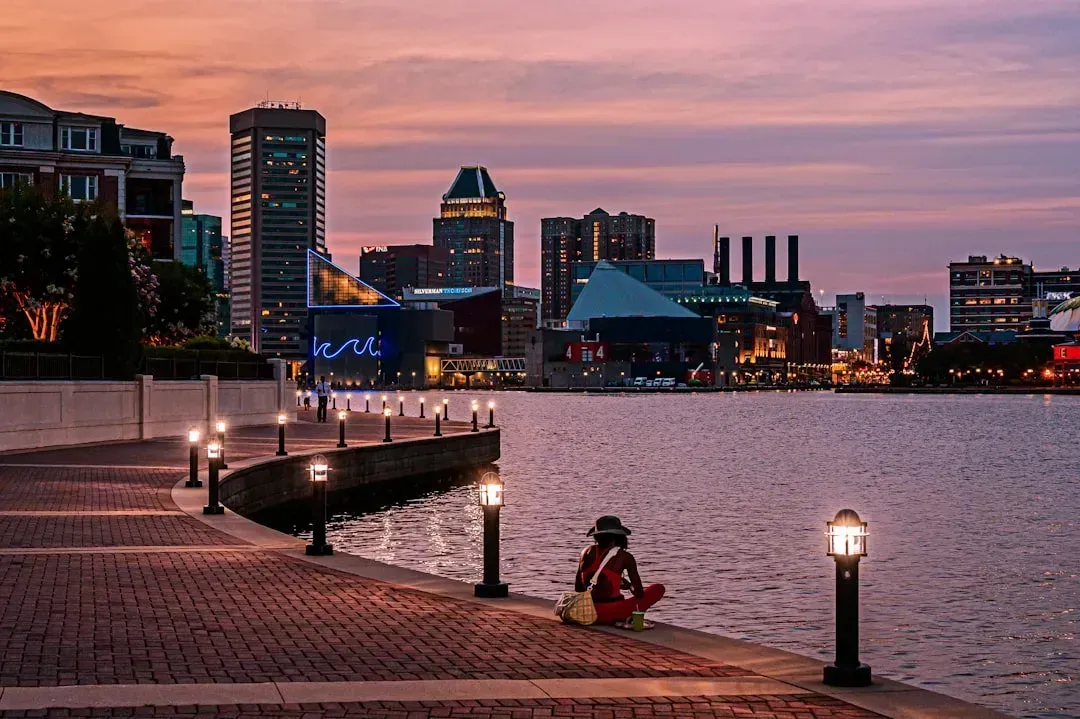
Baltimore’s affordability attracts people, but safety concerns drive them away. According to 2024 data from Clever Real Estate, Baltimore led the U.S. in murders and robberies per 100,000 residents, a statistic that weighed heavily on people and affected everything from where they walked to when they came home. That’s a grim reality to live with daily.
The city has charm and history, but the crime statistics are impossible to ignore. Neighborhoods can change dramatically from block to block, and newcomers often struggle to know which areas are safe. While housing costs are lower than in other East Coast cities, the trade-off in personal security leaves many residents counting the days until they can move somewhere safer.
Rome, Italy

The Eternal City might be eternal, but many expats’ patience isn’t. Rome ranks among the ten worst cities in the Urban Work Life Index, criticized for poor political stability, with only 44% of expats satisfied with their financial situation. Living among ancient ruins doesn’t pay the bills.
One expat cited the problems clearly: “impossibility of professional growth, underpayment, nepotism, bureaucracy, and the general state of the infrastructure” as major downsides. The Italian bureaucracy makes German paperwork look efficient. Job opportunities are limited, especially for foreigners, and salaries lag far behind the cost of living. Yes, the history and culture are unmatched, but when you’re struggling to make ends meet and facing constant administrative obstacles, even the Colosseum loses its charm.
When the Honeymoon Phase Crashes Hard

Most people who relocate internationally experience what experts call the “honeymoon phase” – those first few magical weeks or months where everything feels exciting and new. You’re exploring neighborhoods, trying exotic foods, and posting envy-inducing photos on social media. But here’s what nobody tells you: that phase always ends, usually around the three to six month mark. Suddenly, the charming quirks become daily annoyances. The language barrier that seemed manageable now exhausts you every time you need to handle basic tasks. That trendy expensive café you loved? You realize locals never go there, and you can’t afford it on a regular basis anyway. Research shows that relocation regret typically peaks between months four and eight, right when the initial excitement fades and the harsh realities of your new life become unavoidable. This is when people start seriously questioning their decision and calculating how much it would cost to move back home.