People Who Truly “Get It” Often Ignore These 12 Things Society Pushes on Them
1. The Pressure To Work More Hours Than Everyone Else

One of the biggest illusions right now is that working longer automatically means working better. In the United States, people work more hours on average than workers in many Western European countries, yet don’t consistently report higher life satisfaction or better health. Research from the World Health Organization and the International Labour Organization has linked very long working weeks with a higher risk of stroke and heart disease, especially for people doing more than roughly about fifty-five hours per week. People who “get it” look at numbers like that and decide that chasing an endless grind is not ambition, it is self-sabotage.
2. The Idea That Success Equals How Much Stuff You Own

Our culture loves to treat success like a shopping list: a big house, a newer car, the right brands. Yet several large studies in the last decade have shown that once basic needs and some comfort are met, constantly buying more things does not keep increasing happiness in a meaningful way. Economists who look at well-being data have found that life satisfaction rises with income up to a point, then levels out, while financial stress can still grow if spending rises just as fast. People who see through this realize that owning fewer but well-chosen things, and avoiding debt that comes from trying to look rich, often creates a calmer and more stable life.
3. The Need To Be “Always On” Social Media
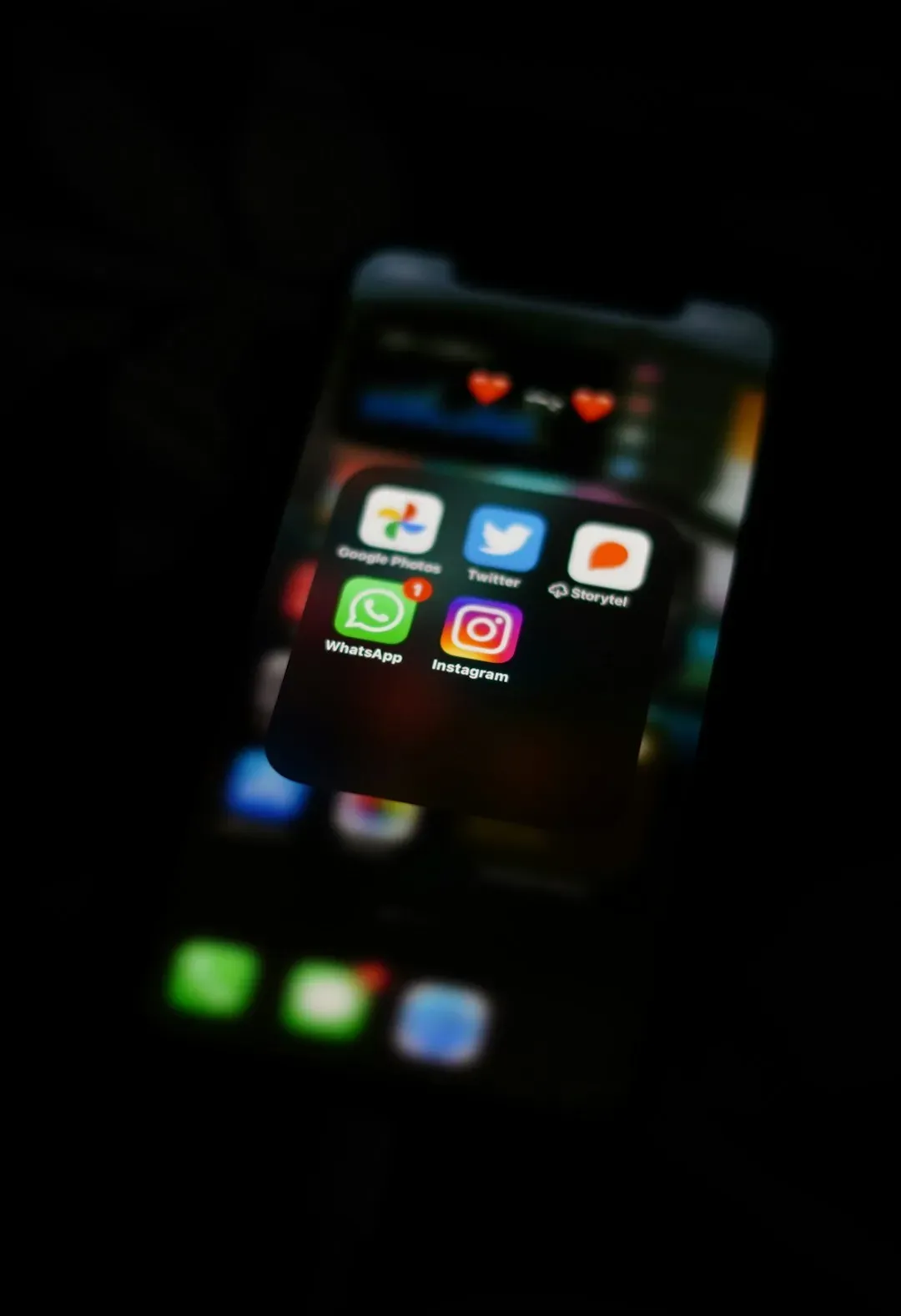
Social platforms are designed to keep you scrolling, but the cost is real. Studies of young adults in the United States and Europe between 2023 and 2025 have repeatedly linked heavy social media use with higher levels of anxiety, loneliness, and body image concerns, especially when people constantly compare their lives to carefully edited posts. Some research has also suggested that frequent checking of social apps can disrupt focus and sleep, making it harder to concentrate during the day. People who truly “get it” often set quiet limits, such as leaving their phone in another room or deleting the apps they keep mindlessly opening, and they notice their mood and attention improve.
4. The Obsession With Constant Busyness As a Status Symbol

In many workplaces and friend groups, saying you are exhausted and overloaded has become a twisted badge of honor. Behavioral researchers have pointed out that, especially in the United States, being constantly busy is often used to signal that you are in demand and important, even when much of that busyness is caused by poor boundaries or distractions. At the same time, health data has connected chronic stress and lack of downtime with higher risks of sleep problems, anxiety, and burnout, which can lead workers to quit or become far less productive. People who understand this stop bragging about how little time they have, and instead quietly protect slow evenings, real weekends, and unstructured time like something valuable.
5. The Script That Says You Must Follow a Perfect Life Timeline

Society still pushes a neat checklist: graduate by a certain age, build a career fast, marry, buy a home, and have kids in a tidy order. Yet real data about adult life shows a much messier and more flexible picture, with many people changing careers in their thirties or forties, returning to school later in life, or deciding not to marry or have children at all. Surveys from the last few years have reported that younger adults are delaying big milestones like home ownership and parenthood for financial reasons, personal choice, or both, and many say they still plan to live meaningful lives without following the old script. People who “get it” take this as permission to design a timeline that fits their values and realities, not someone else’s expectations.
6. The Belief That More Screen Time Equals Better Productivity

It is easy to assume that being in front of a screen all day means you are getting things done, but the numbers often tell a different story. Studies of office workers and remote employees have shown that constant switching between email, messaging apps, and other notifications can sharply reduce deep focus, making tasks take longer and feel more tiring. Some experiments suggest that even having a smartphone on the desk, within sight, can slightly distract the brain, lowering performance on tasks that require attention and problem solving. People who understand this often ignore the pressure to reply instantly to every ping, batch their messages a few times a day, and build screen-free blocks of time where real work finally happens.
7. The Push To Tie Your Identity To Your Job Title

When you meet someone new, one of the first questions is usually about work, which sends a quiet signal that your job is who you are. Yet research on well-being has found that people who build their identity from several areas, such as relationships, hobbies, community roles, and personal values, tend to cope better with setbacks like layoffs or career changes. In recent years, large layoffs in fields like technology and media have reminded many people how fragile a job title can be, even for high performers. Those who “get it” still work hard, but they resist letting a company’s logo or a line on a business card decide their worth.
8. The Chase for Trends Instead of Long-Term Health

Every month seems to bring a new quick fix: extreme diets, flashy supplements, or intense fitness challenges that spread fast online. However, major health organizations and long-running research consistently show that what protects people over the decades is not short bursts of extreme effort, but steady habits like regular movement, balanced meals, not smoking, and getting enough sleep. For example, large studies tracking adults over time have found that people who stick to a handful of core healthy behaviors often have lower risks of heart disease, type 2 diabetes, and some cancers. People who truly “get it” stop jumping from one trend to another and quietly commit to boring, repeatable routines that actually work when no one is watching.
9. The Expectation To Keep Up With Every News Cycle

In the last few years, the speed and volume of news have exploded, and many people feel they should keep up with every headline or risk being uninformed. Yet psychologists have been warning about what some call news fatigue, where constant exposure to stressful stories raises feelings of helplessness, anger, or numbness, without giving people more power to act. Surveys taken after major global crises have found that people who closely followed breaking news for many hours a day often reported higher stress levels than those who limited their exposure. People who “get it” still stay informed, but they choose calmer, slower sources and accept that it is okay not to know everything the moment it happens.
10. The Pressure To Turn Every Hobby Into a Side Hustle

Over the past decade, turning personal interests into extra income has been widely praised, but there is a cost when it becomes an expectation. Researchers who study motivation have found that when an activity that once felt fun and freely chosen becomes tied too strongly to money or outside approval, enjoyment can fade and stress can rise. Many people who tried to monetize their hobbies online during recent years have shared that constant posting, branding, and performance drained the simple joy out of what they once loved. Those who understand this often choose to keep at least one thing in their life completely free from metrics, followers, or payment, just because it makes them feel alive.
11. The Demand To Always Be Positive and Never Struggle

There is a growing cultural message that if you are thinking correctly, you should always feel upbeat, which can make normal human sadness or frustration seem like failure. Mental health research, however, has repeatedly shown that trying to suppress all difficult emotions can actually make them stronger and increase stress over time. Approaches that encourage people to accept their feelings, name them, and respond with self-compassion have been linked to lower anxiety and better resilience after setbacks. People who “get it” ignore the pressure to pretend everything is fine, and instead allow honest conversations, therapy, or support groups to be part of a healthy life.
12. The Myth That One Path Fits Everyone’s Version of a Good Life

Even with more conversations about individuality, many messages from advertising, entertainment, and social media still push a narrow picture of what a successful life looks like. Yet when researchers ask people in different countries what makes life meaningful, they hear wildly different answers: some speak about relationships and community, others focus on creativity, faith, or service, and many blend several of these together. Studies of long-term life satisfaction have found that people who feel they are living in line with their own values, rather than just copying what they think they should want, tend to report deeper contentment, even when their choices look unusual from the outside. People who truly “get it” let this evidence sink in and give themselves quiet permission to build a life that might not impress everyone, but feels right when they wake up in the morning.