The Shrinking Corn Belt: America’s Farm Heartland Under Growing Threat
A Farm Region Moving North and East
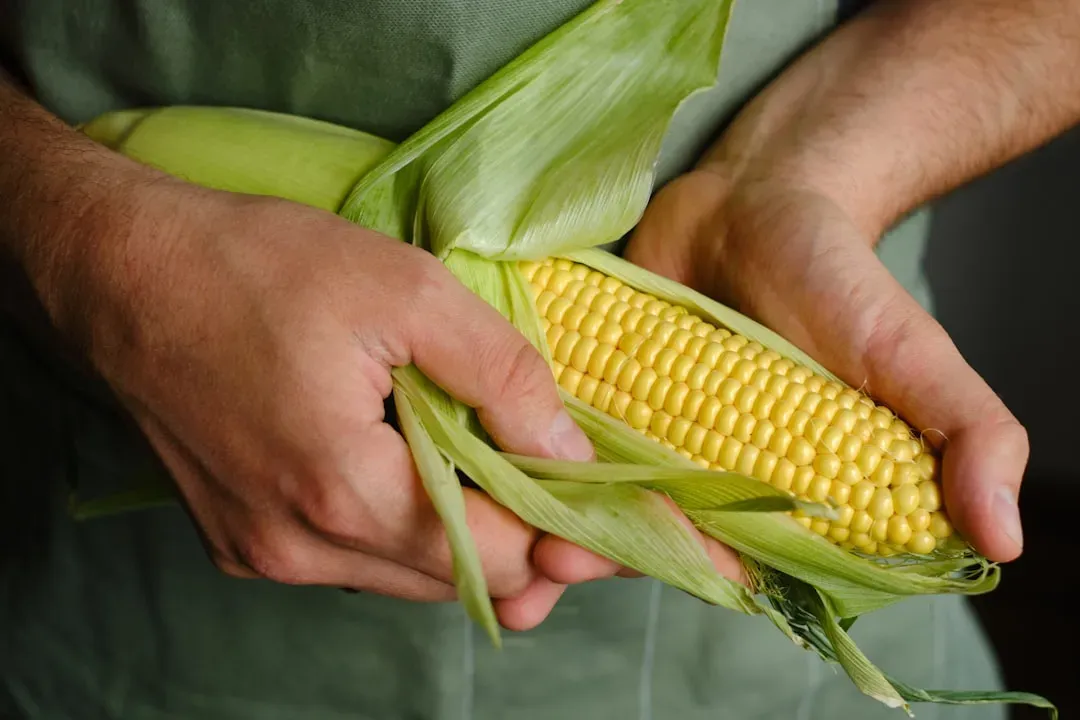
The classic Corn Belt used to be easy to picture: Iowa, Illinois, Indiana, and parts of Ohio, Nebraska, and Minnesota, stretching like a golden blanket across the Midwest. Now that blanket is fraying at the edges and slowly sliding north and east as the climate warms. Recent field and satellite studies from U.S. and university researchers show that corn suitability is declining in parts of Kansas, Missouri, and southern Illinois, while it is increasing in the northern Great Plains and upper Midwest. In plain terms, counties in the Dakotas, Minnesota, Wisconsin, and even parts of Michigan are becoming friendlier to corn, while some long‑reliable counties farther south are getting too hot and too dry for stable yields.
Heat, Drought, and the Corn Yield Squeeze
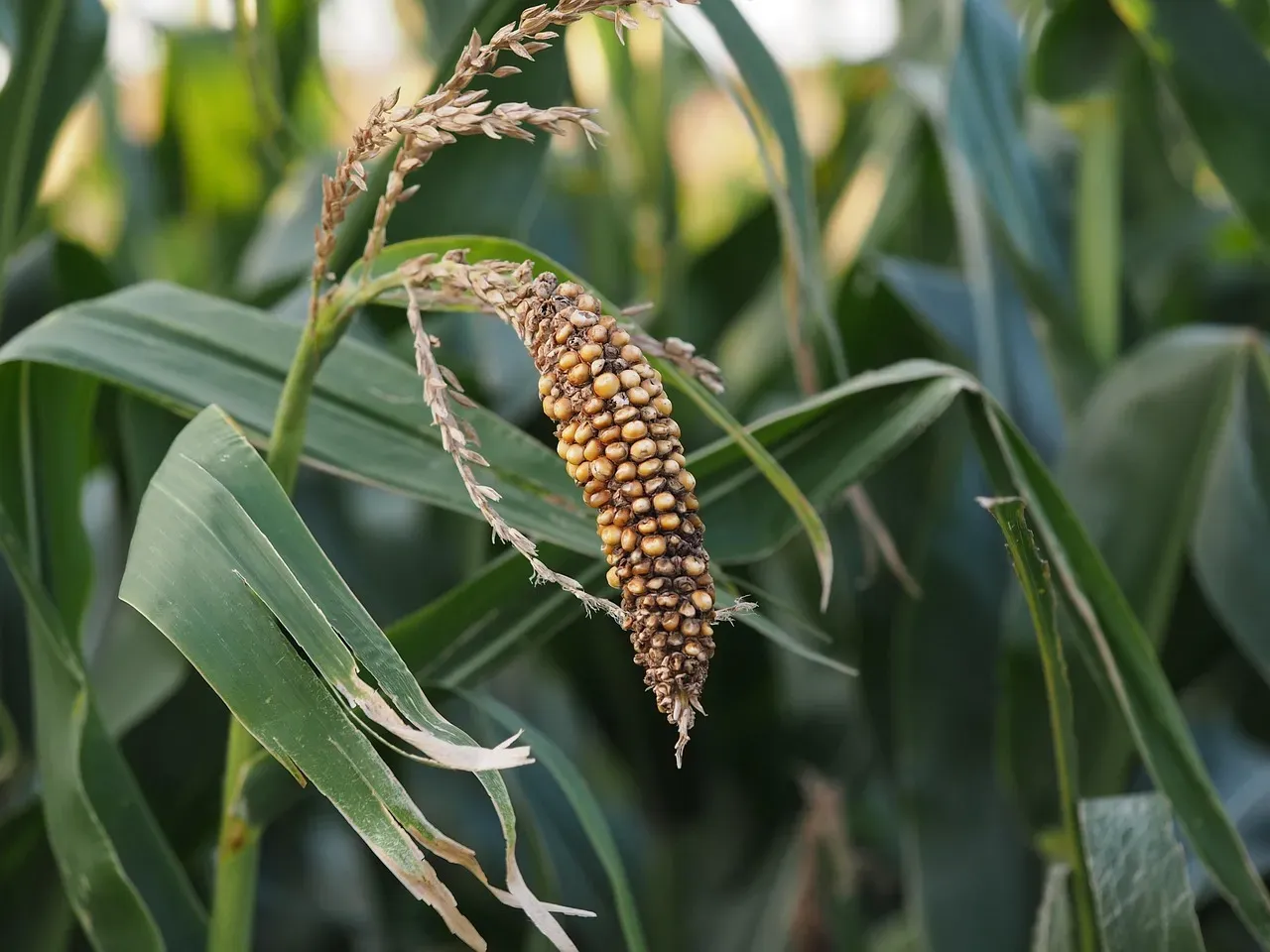
Modern corn hybrids are tough, but there’s a breaking point, and it is being hit more often. Agronomy studies over the last few years find that when daily highs push much above the low nineties during key growth periods, each extra hot day can shave measurable bushels off the final yield. At the same time, large stretches of the Corn Belt have seen more frequent summer droughts and erratic rainfall, including multi‑year dry spells in the central Plains and western Corn Belt. Farmers respond with more irrigation where they can, but that pushes up costs and draws harder on already stressed aquifers, turning what used to be weather “bad luck” into a trend that feels like a slow squeeze.
Soils, Water, and the Hidden Limits of Expansion
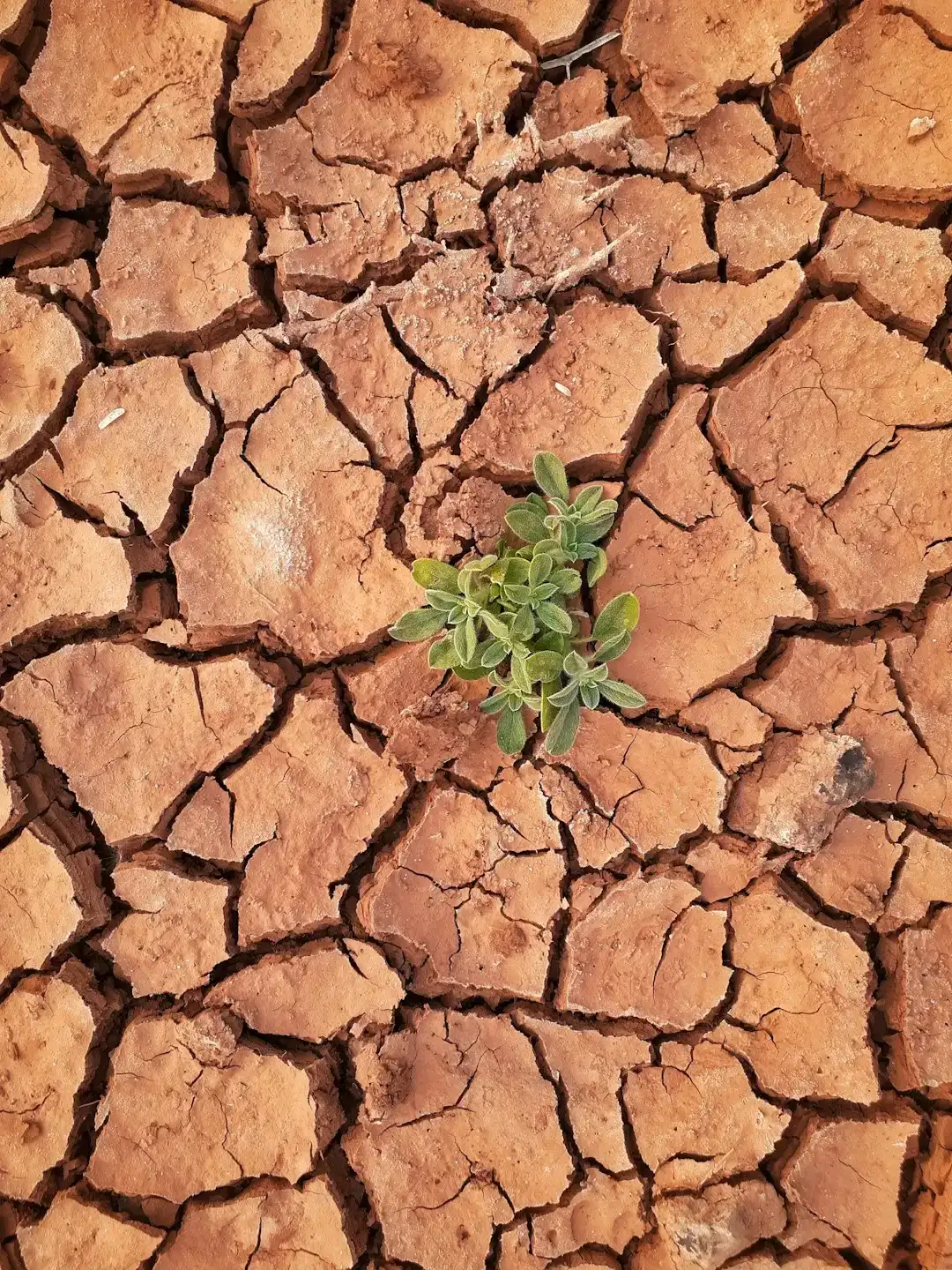
On paper, a northward shift might sound like a simple relocation story, but the land itself complicates everything. Much of the traditional Corn Belt sits on deep, fertile prairie soils that were built over thousands of years and are hard to replace, while many northern and eastern areas have thinner, rockier, or more erodible ground. In the western Corn Belt and Plains, new corn acres often depend on irrigation from major aquifers that have been dropping, and recent monitoring shows continued declines in groundwater levels in key farm regions. Even where the climate is turning more favorable for corn, those limits in soil depth, water availability, and erosion risk mean that not every new “corn‑friendly” zone can truly fill the gap left by shrinking productivity farther south.
Shifting Crop Choices and Farm Economics
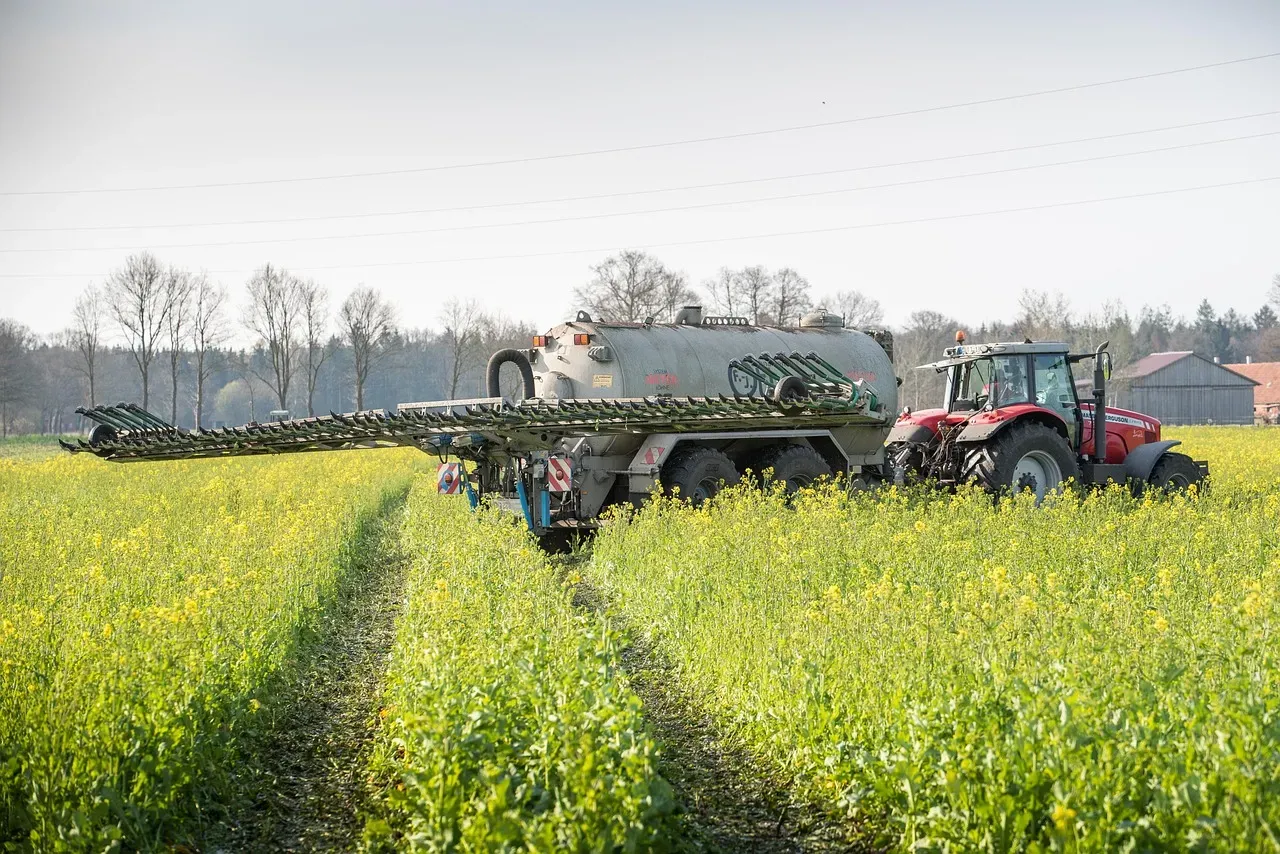
As conditions become less reliable, farmers in some Corn Belt counties are quietly changing their playbook, not just their seed. In drier and hotter fringes of the region, a growing share of acres has been rotating more often into sorghum, soybeans, or wheat, which generally handle heat and water stress better than corn. Crop insurance data and planting surveys from recent seasons show that corn acres are still dominant in the heart of Iowa and Illinois, but the margins are where change is happening first and fastest. Those shifts matter financially, because national corn production underpins everything from ethanol plants to meat and dairy feed, so a smaller or more volatile core region can ripple through fuel prices, feed markets, and ultimately grocery bills.
Adaptation, Technology, and Uneven Outcomes
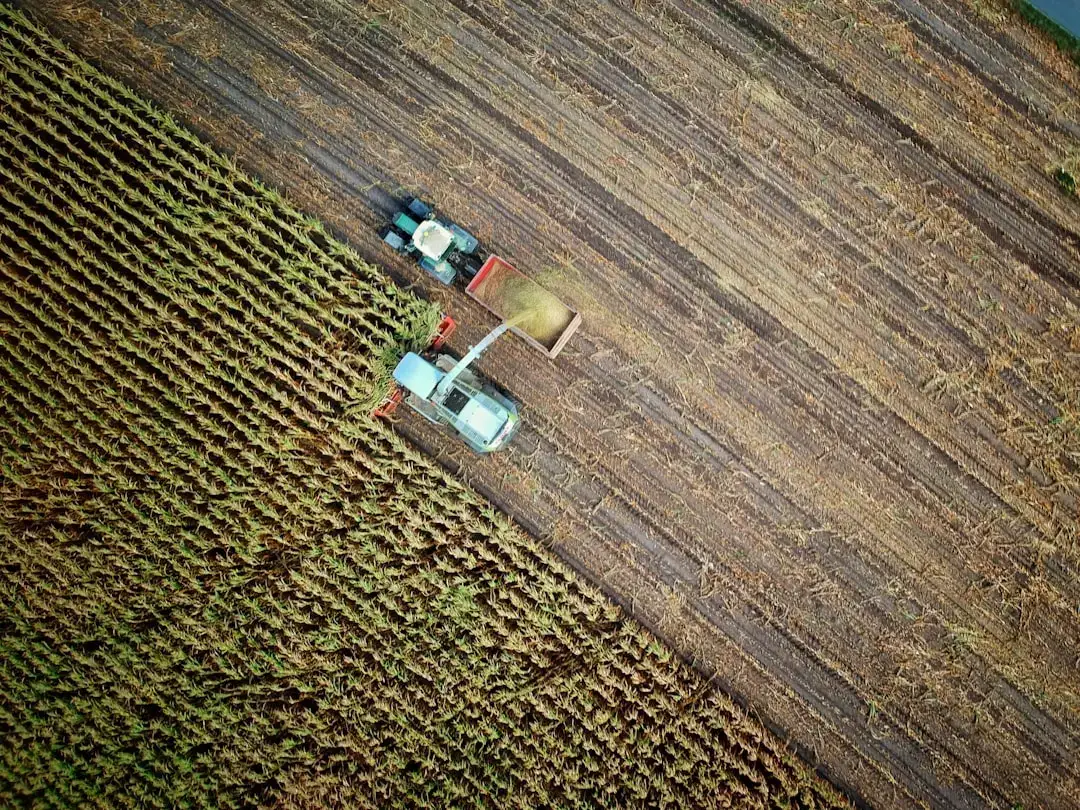
The shrinking Corn Belt is not a simple story of collapse, because farmers and seed companies are pushing back with technology and strategy. New hybrids with better drought and heat tolerance, more precise fertilizer and water management, and tools like conservation tillage are helping many growers hold their yields steady even as the weather grows more erratic. At the same time, those tools often require good credit, reliable infrastructure, and technical support, which can leave smaller or more isolated operations at a disadvantage compared with large, well‑capitalized farms. The result is a patchwork of outcomes where some counties adapt and even gain ground, while others quietly slip out of the heartland map that once looked so stable.