12 Things Mechanics Wish Every Driver Knew Before Bringing a Car in for Inspection
Know Your Dashboard Warning Lights Before You Panic
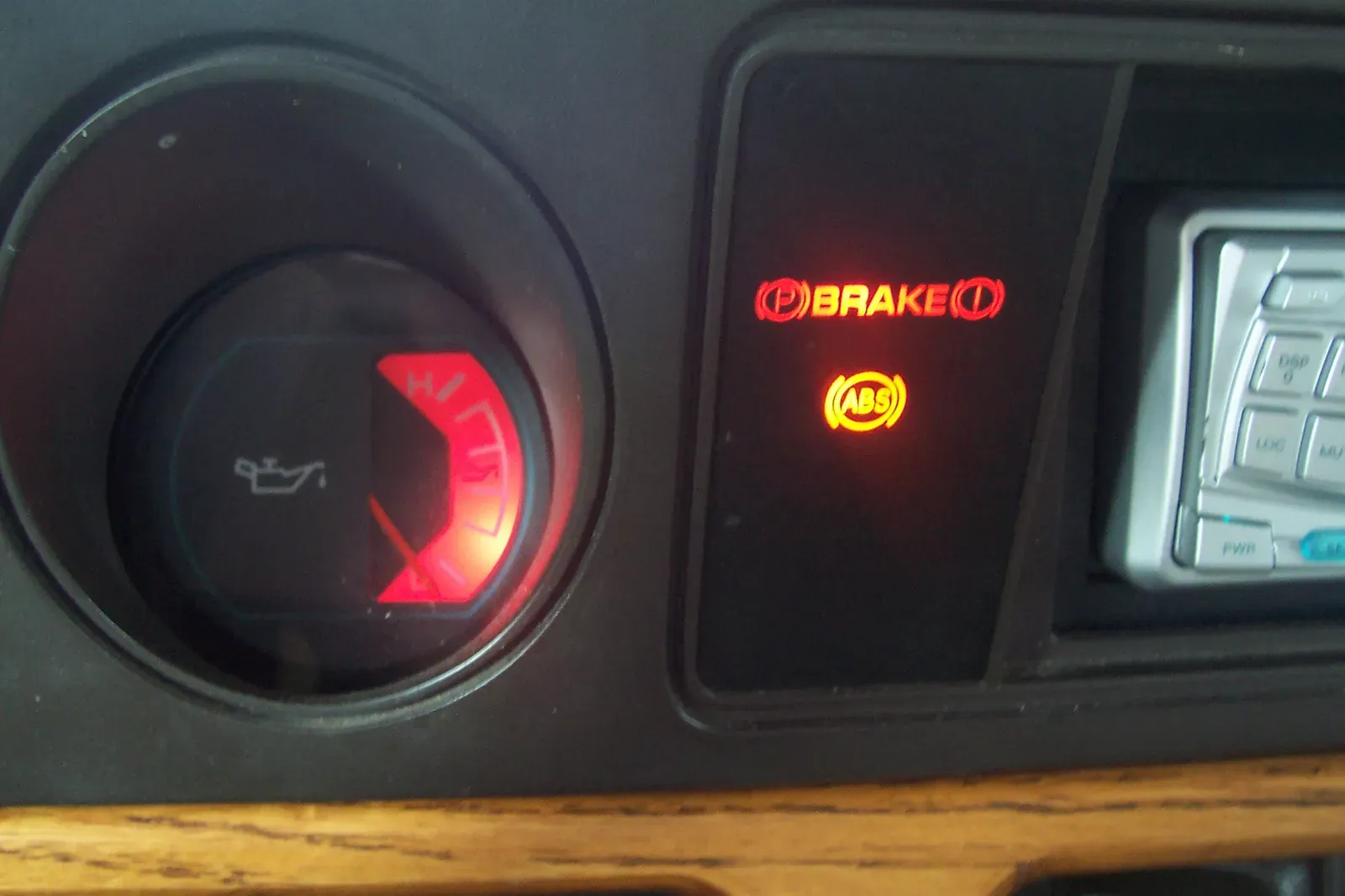
That little orange or red symbol on your dash is often the first sign something’s wrong, but a lot of drivers still confuse a check engine light with an oil pressure warning or a brake warning. Nearly half of drivers cannot identify even half of the warning lights on their own dashboard, meaning many people drive too long with serious problems or rush in for minor ones. Mechanics wish more drivers would glance at the owner’s manual or a reputable online guide so they at least know which lights mean “get to a shop soon” and which mean “stop right now.” Understanding those basics helps you explain the problem more clearly and helps the shop prioritize what to look at first, saving time and sometimes a lot of money.
Describe Symptoms, Not Diagnoses

Most mechanics quietly cringe when someone walks in saying they already know exactly what’s wrong because a video or forum told them so. They’d much rather hear what you heard, felt, or saw: a grinding noise while braking, a vibration at highway speeds, a burning smell after driving uphill, or a hard start on cold mornings. Research on automotive troubleshooting shows that vague or biased descriptions from owners commonly lead to longer diagnostic time and more back-and-forth, because technicians have to undo assumptions before they can test the car properly. If you just describe the symptoms in simple language and mention when it happens and how often, you give the mechanic a clean starting point, which usually means a faster, more accurate answer.
Bring Maintenance Records or At Least Basic History

One of the first things shops silently wish for is a clear picture of what’s been done to your car and when. Industry data shared by several large repair chains shows that vehicles with complete maintenance histories usually have fewer surprise failures and smoother inspections because the technician can see patterns over time. Even if you don’t have a perfect folder of receipts, a simple note on your phone listing the last oil change, brake job, battery replacement, and major repairs is a huge help. That history lets mechanics avoid repeating work, spot recurring issues, and recommend only what you actually need instead of guessing in the dark.
Clean Out the Car So They Can Actually Work
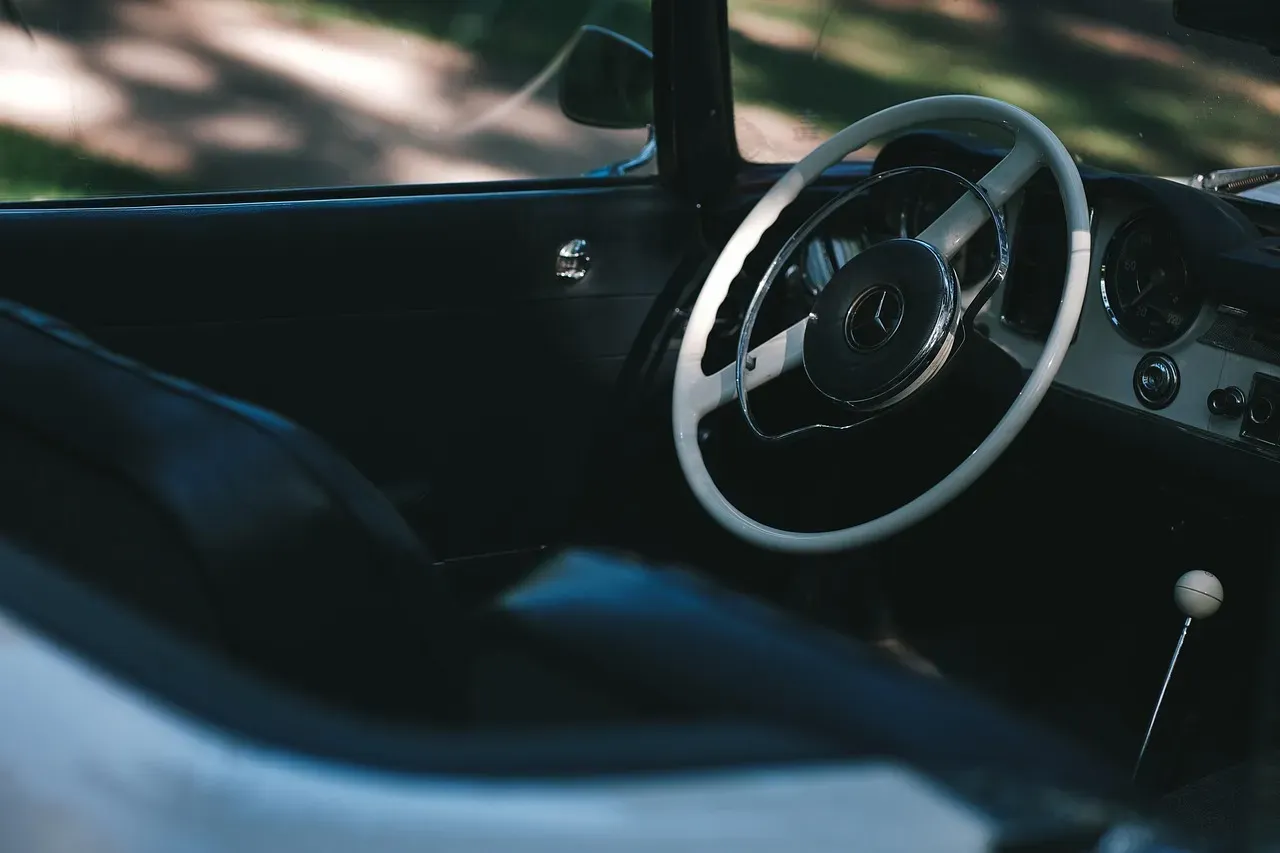
It sounds trivial, but clutter in the cabin and trunk really can slow an inspection down. Mechanics often need to fold seats, move trim pieces, reach under mats, or access the spare tire area, and that’s a lot harder when the back seat is packed with bags, tools, or sports gear. Many shop managers quietly report that messy interiors add extra minutes to basic checks, which might not sound like much but adds up over the day and can delay your car getting finished on time. A quick five-minute tidy-up before you drop the car off not only shows respect for the person working on it, it also means they can get right to the actual inspection instead of playing cleanup crew.
Warm Up Odd Noises Before You Arrive
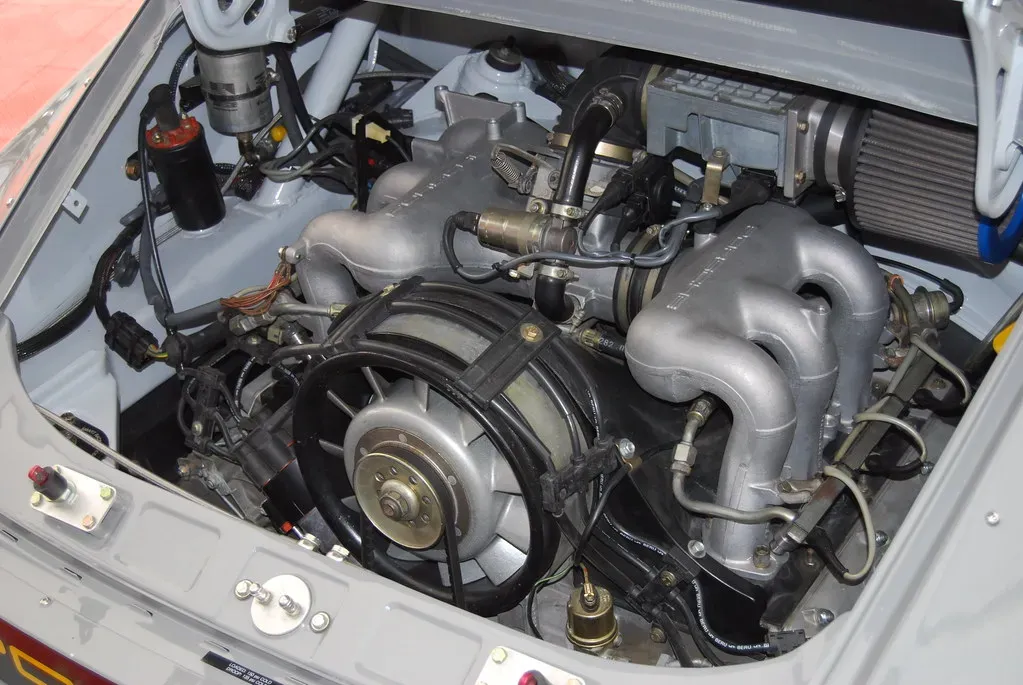
One big frustration for technicians is the mystery noise that completely disappears the moment the car rolls into the bay. A lot of issues only show up after the car has been driven for a while, like a squeak from hot brakes, a rattle at highway speed, or a belt noise once the engine is warm. Studies on automotive diagnostics have found that intermittent problems are some of the hardest to trace because they cannot be easily repeated during a short test drive in city traffic. If the problem shows up after a certain routine, try to reproduce that just before you arrive at the shop and tell the mechanic exactly what you did, so they have a better chance of catching it in the act.
Be Honest About Previous DIY Fixes or Cheap Parts
Mechanics see it all: home-done wiring with tape instead of proper connectors, bargain brake pads that glaze and squeal, or aftermarket sensors that fail months after installation. Independent research and insurance data have repeatedly noted that poor-quality parts and untrained repairs are a common factor in breakdowns and repeat shop visits, especially on older vehicles. If you or a friend tried to fix something, or you know certain parts are “the cheap ones,” tell the shop right away so they can double-check those spots and not waste time assuming everything was done to factory spec. Being upfront might feel a bit embarrassing, but it almost always leads to faster, clearer answers and often a safer, more reliable repair in the long run.
Understand That “Inspection Time” Is Real Work Time
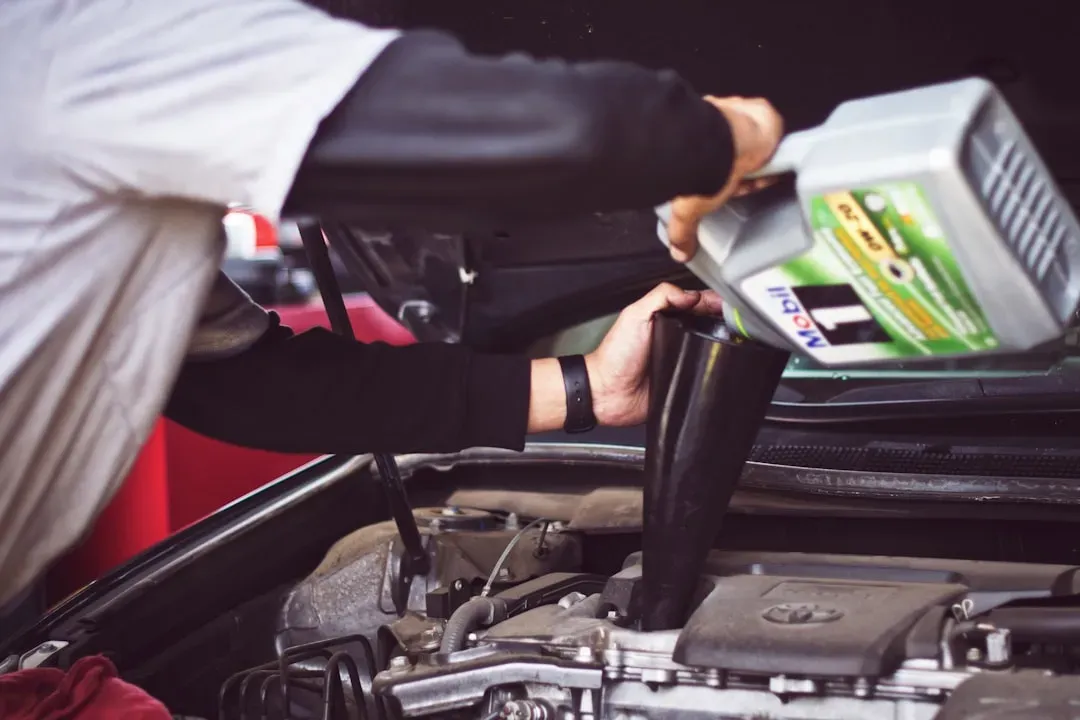
Many drivers assume an inspection is just a quick visual once-over, but modern vehicles are packed with electronics and safety systems that take real time to check properly. According to data from manufacturer maintenance schedules and large chains, a thorough multi-point inspection can easily run thirty minutes or more if done carefully, especially on late-model cars with complex driver-assistance features. That time includes test drives, scanning the onboard computer, checking fluid conditions, measuring brake and tire wear, and documenting everything. When you show up expecting it to be done in ten minutes, you put pressure on the shop to rush, and rushing is the enemy of accurate, honest inspection work.
Know That Diagnostic Fees Are Not “Just Pushing a Button”
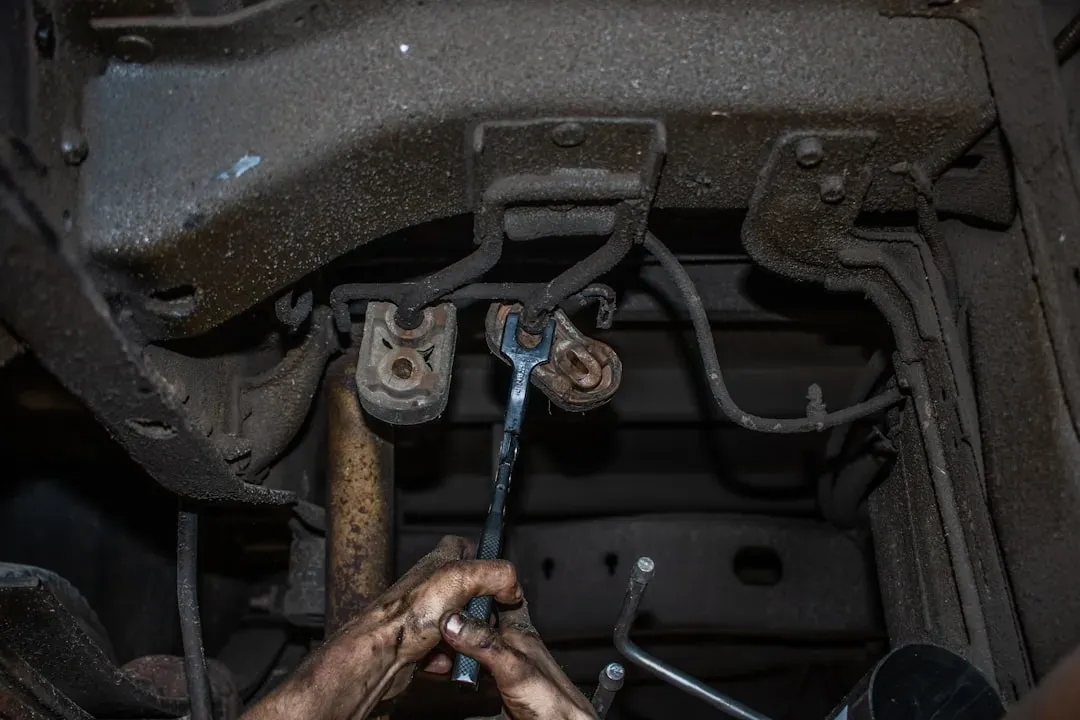
There’s a widespread belief that mechanics just plug in a scan tool, read a code, and instantly know what to replace, so any fee for diagnosis feels like a rip-off. In reality, repair industry groups explain that scan tools provide only starting points, and technicians often spend a lot of time testing circuits, checking service bulletins, and ruling out multiple possible causes before they can confidently name the real problem. Modern cars can throw the same code for several different failures, from a bad sensor to a wiring issue or even a software update need. That diagnostic time is skilled labor, and paying for it up front usually saves you from the far more expensive game of swapping random parts and hoping one fixes it.
Approval, Estimates, and Communication Protect You Too

When a shop asks whether they can contact you if they find additional issues, that’s not just a formality, it’s a legal and ethical safeguard. Consumer protection rules in many states require written or recorded authorization for work beyond the original estimate, because surprise bills have long been one of the biggest complaints against repair shops. When you respond quickly to calls or messages about updated findings, you help the mechanic keep your car moving instead of letting it sit in a corner waiting for approval. Clear communication about budget limits and priorities turns the inspection into a partnership instead of a tug-of-war over money at the end.
Basic Maintenance Really Does Prevent Bigger Failures
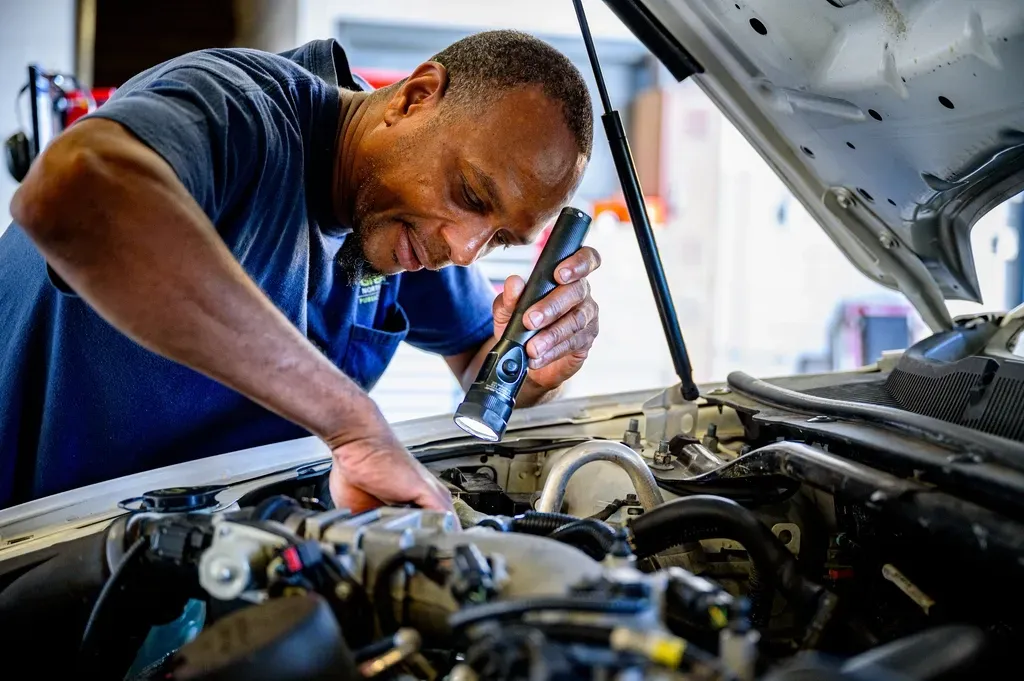
Some people still think regular services are just a way for shops to make extra money, but long-term data from fleet operators and manufacturer studies say otherwise. Cars that get oil changes, fluid checks, tire rotations, and brake inspections on schedule have far fewer catastrophic failures, and often stay on the road well beyond one hundred and fifty thousand miles without major drama. Something as simple as spotting uneven tire wear or a small coolant leak during an inspection can stop a blown engine or a dangerous blowout months later. Mechanics wish more drivers saw maintenance visits as cheap insurance rather than an optional luxury they can skip until something breaks.
Rust, Age, and Region Matter More Than You Think
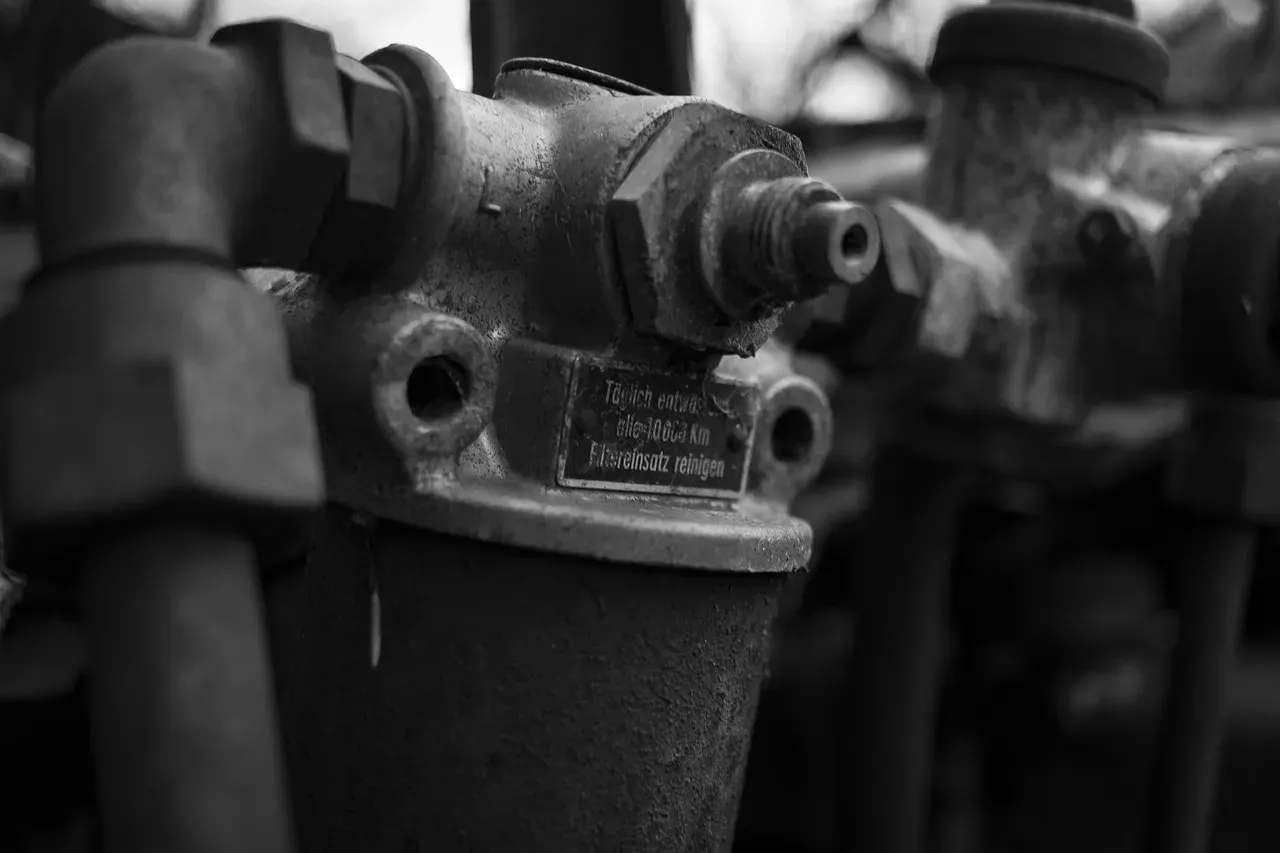
Two cars of the same model year can look similar from the outside but be very different underneath, especially in areas that use road salt or have coastal air. Shops in the northern United States and along salty coastlines routinely deal with seized bolts, rusted brake lines, and corroded suspension components that take far longer to inspect and replace than on cars from milder regions. Industry repair time guides even list separate allowances for “rust belt” repairs in acknowledgement of how much harder those jobs can be. When a mechanic explains that something will take longer or cost more because of rust and age, it is usually not an excuse, it is just the reality of working with metal that has been quietly eaten away for years.
Be Realistic About Costs and Car Value Before Saying Yes
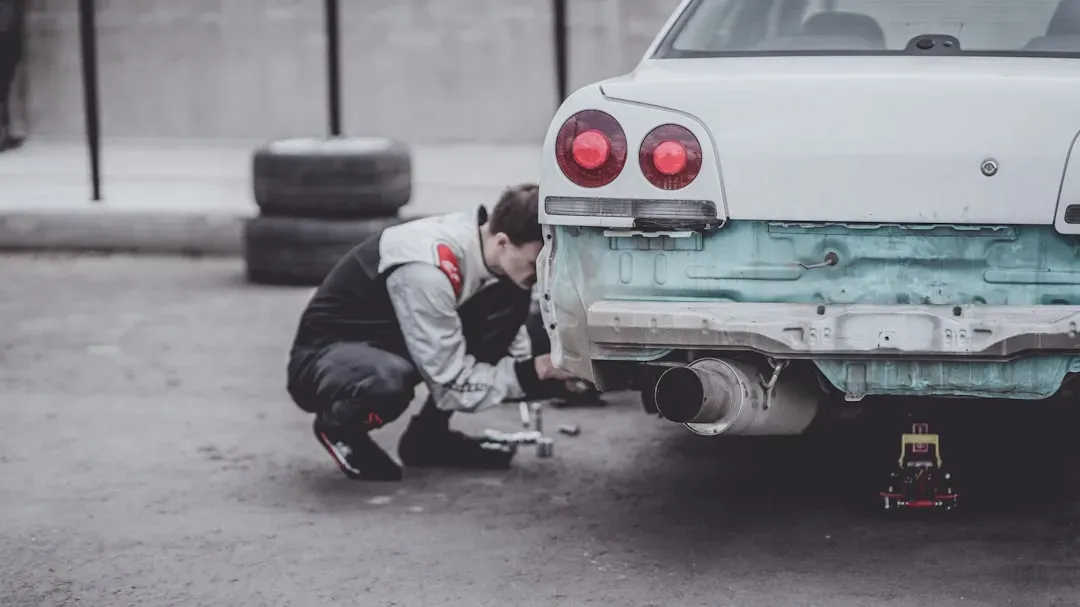
One tough truth mechanics wish more people accepted is that not every old car is worth saving at any price. Independent studies on repair spending show that owners of older vehicles sometimes authorize repairs that come close to or even exceed the cash value of the car, mostly because of emotional attachment or shock at how fast small issues added up. During an inspection, a good shop might uncover a list of safety problems and overdue maintenance that together form a big bill, even if the car still drives. Before you approve everything, it helps to step back, check the approximate market value of the vehicle, and decide whether you are investing in a long-term keeper or just trying to squeeze a little more safe time out of it.