What to Do With Spare Change as Coin Minting Comes to an End
The Dramatic Drop in Coin Production Is Reshaping America’s Currency
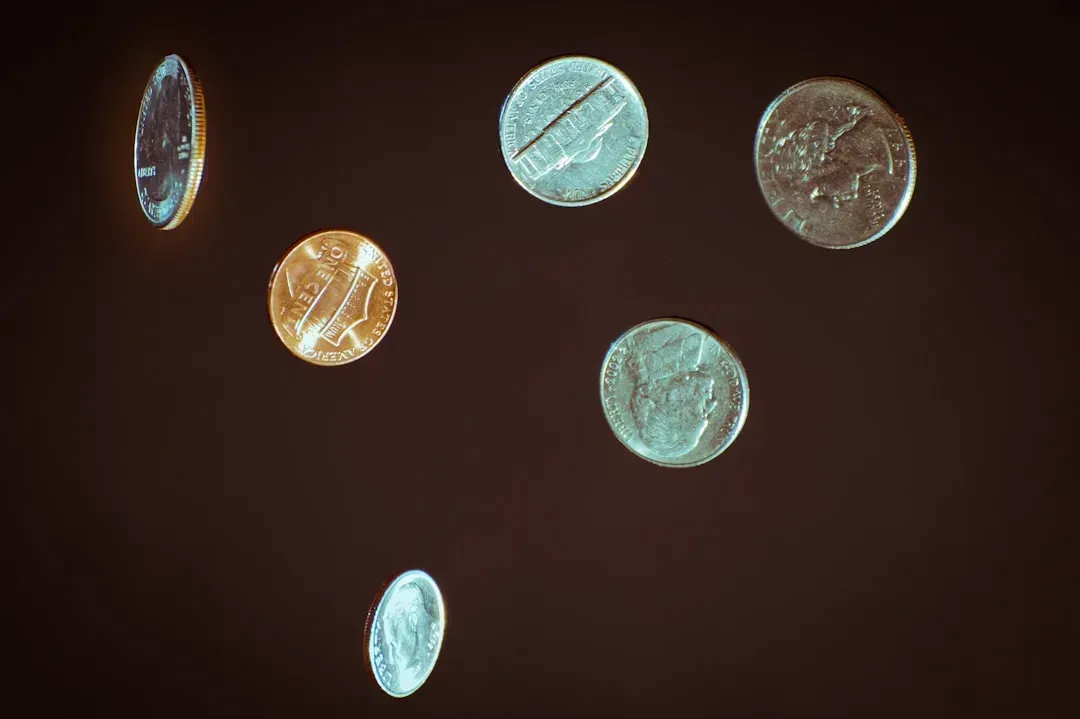
The United States is witnessing a historic shift in coin production, with 2024 marking the fourth consecutive year of declining output. In 2024, U.S. Mint facilities delivered just over 5.613 billion coins to Federal Reserve Banks for circulation, marking a 50.7% decrease from the 11.381 billion coins struck in 2023. This was the lowest annual total since 2009, when 3.548 billion coins were minted for circulation during a year heavily impacted by the Great Recession. The decline hits even harder when you look at specific denominations.
Penny production totaled 3.23 billion in 2024, making it the third year in a row of decreasing cent mintages, less than half of the 2021 levels of 7.9 billion. The U.S. Mint experienced a stretch of four consecutive months without producing any nickels and another three months without minting dimes. While the 2009 mintages were certainly a response to the Great Recession, 2024 mintages are more likely down due to the rapid increase in cashless transactions. Many businesses are not accustomed to handling cash anymore, and self-service payment stations that don’t accept cash are increasingly common.
Production Costs That Make Zero Economic Sense
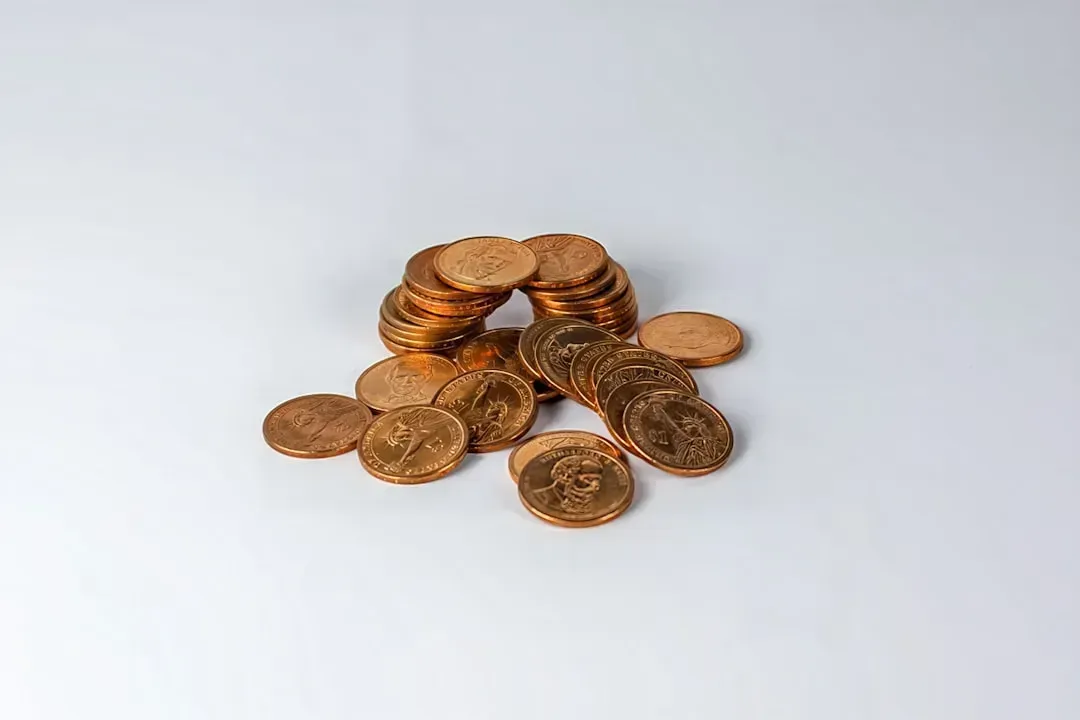
It currently costs the U.S. Mint 3.69 cents to produce a single penny. Think about that for a second. Every time the government makes a penny, taxpayers lose nearly three cents on the deal. The Mint spent 3.69 cents to make a penny in 2024, according to its most recent annual report, and it spends 13.8 cents to make a nickel.
This financial hemorrhaging adds up quickly. In 2024, the Treasury incurred a seigniorage loss of $85.3 million on penny production. Meanwhile, the government is expected to save $56 million by halting penny minting, according to the Treasury Department. The US Mint issued 3.23 billion pennies in 2024, the last full year of production, more than double the output of the country’s second-most minted coin, the quarter. However, pennies are rarely recirculated back into the economy after being issued and given as change. Americans tend to store them in jars or use them for decoration, requiring the Mint to produce significant volumes each year to compensate.
Your Spare Change Is Actually Sitting in Your Home, Not the Economy
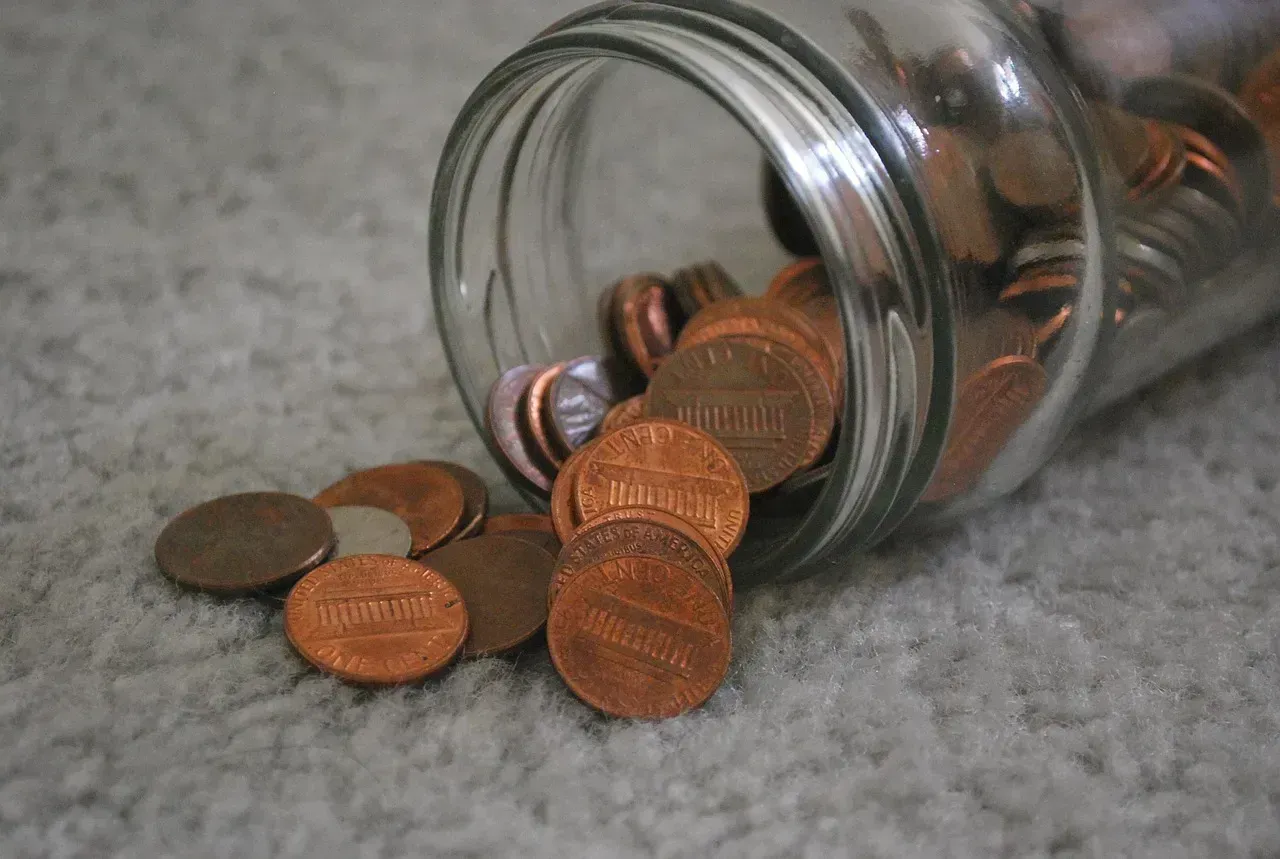
Here’s the kicker. There’s currently $48.5 billion in coin sitting idly in more than 128 million American households instead of flowing through the economy. Let that sink in for a moment. The coin shortage everyone talks about isn’t really a shortage at all. It’s a circulation problem.
Consumer coin jars, which already represented the largest holdings of actively circulating coin, grew by as much as 15-20% during the 2020 pandemic. The actual cause of the circulation shock was the erosion of consumer pathways to return coin to circulation via commercial avenues such as tolls, laundromats, mass transit, casinos, and to a lesser degree, directly to bank branches. This erosion resulted from an acceleration of structural changes during the 2020 pandemic, including a shift to digital payments and changing physical bank footprints.
The National Parks Service no longer accepts or handles cash across the entire park system. About 18% of transactions were cash-based as of 2022, according to the Boston Fed. A survey from the Federal Reserve found that cash only accounted for 14% of all payments in 2024, down from 31% in 2017.
Smart Ways to Convert Your Coins Into Usable Money
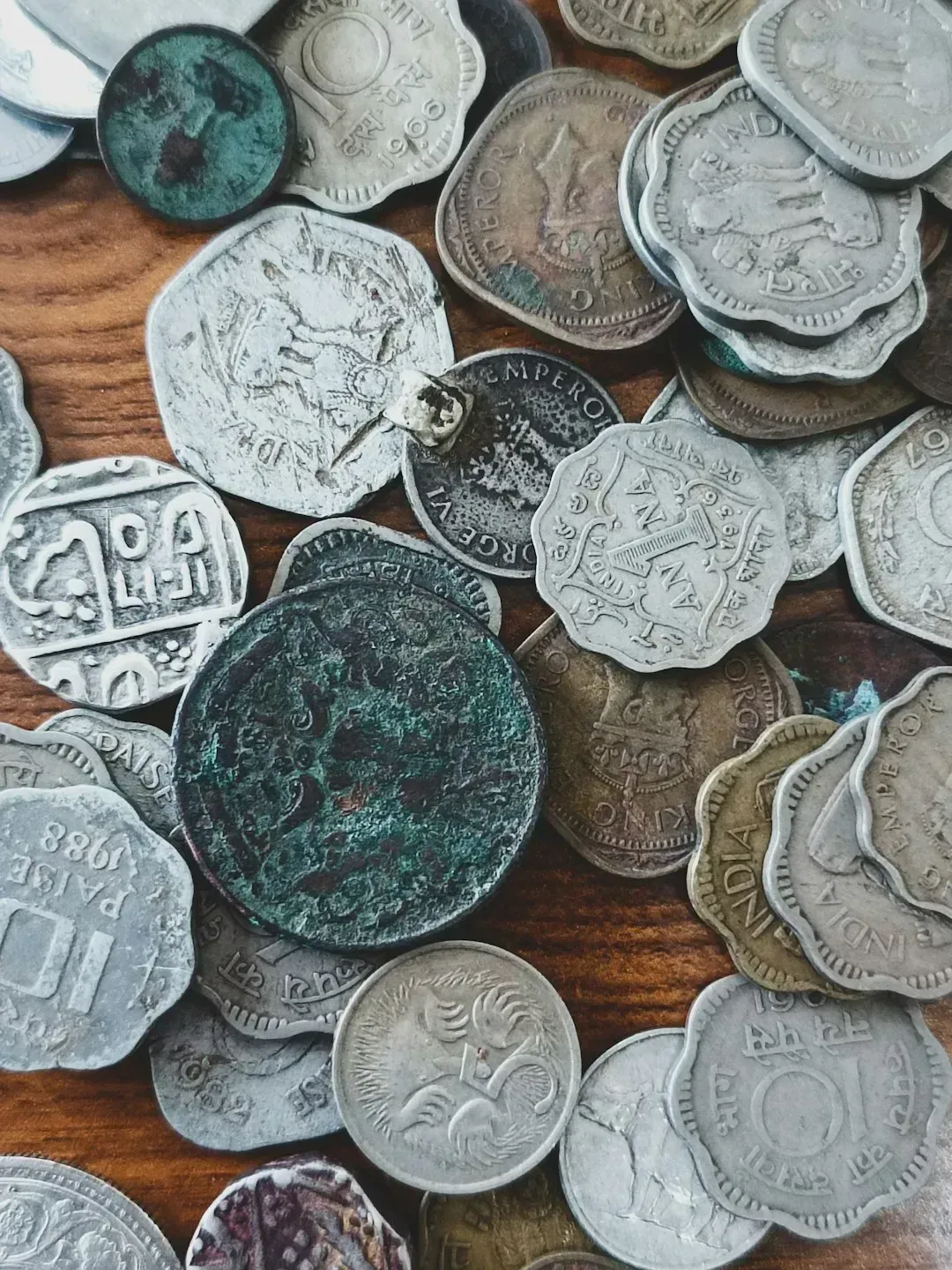
Banks typically don’t charge for the coin exchange service if you’re an account holder. This is probably your best bet for getting full value from your spare change. National banks like Chase and Capital One exchange pre-rolled coins for cash for account holders. Some credit unions, such as Mission Fed Credit Union, provide coin-counting machines at most branches. However, you might need to do some prep work.
Banks handle coin exchanges through two primary methods. Some institutions, particularly local banks and credit unions, maintain automated counting machines in their branches where you simply dump your change into the machine to be automatically counted. However, these machines can be expensive to maintain, so they’re not always readily available. More often, you’ll be able to take advantage of manual counting and sorting by bank tellers, usually with pre-rolled coins.
If you don’t want to roll coins yourself, Coinstar charges a fee of up to 12.9 percent of your total coin value, plus a flat fee of 99 cents per transaction. For example, if you exchange $50 in coins, you could pay up to $7.44 in fees, receiving only $42.56 in cash. You can avoid the fee by opting to receive your coins’ value as a gift card instead of a cash voucher. Options include major retailers including Home Depot and Cabela’s, chain restaurants such as Applebee’s, delivery service DoorDash, Southwest airlines and more.
What the Penny Phase-Out Means for Daily Transactions
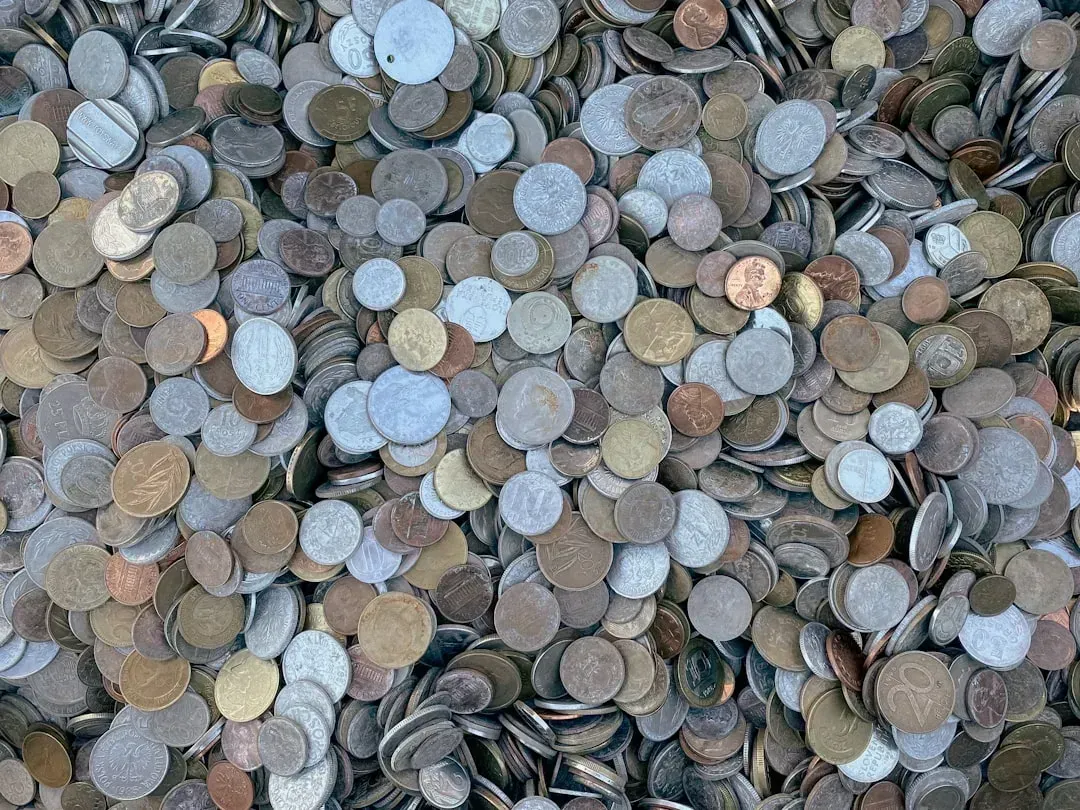
After 232 years of production, the U.S. Mint has ceased penny production. The Treasury Department halted minting because the government loses money on every coin, as it costs 3.69 cents to produce each penny. There are an estimated 250 billion pennies still in circulation in the US. This means the last pressed pennies will not disappear quickly, but circulation will slow. Pennies remain legal tender, and will continue to be worth the same humble one cent.
Nearly one-quarter of the country’s largest retailers say that more than 1,000 of their store locations are now without pennies, according to a November survey conducted by the Retail Industry Leaders Association. Retailers are struggling to keep enough 1-cent coins on hand to produce correct change. Some stores are rounding purchases to the nearest nickel, and others are holding events where they reward customers for bringing in pennies.
In response, businesses will begin rounding cash transactions to the nearest 5 cents, which is common in countries that have phased out low-denomination coins. In most places that have eliminated small-denomination coins, cash transactions are rounded to the nearest 5-cent increment, though cashless transactions are still calculated to the cent. Using data from the 2023 Diary of Consumer Payment Choice, researchers estimate that rounding tax could cost U.S. consumers approximately $6 million annually.