15 Things You Should Never Leave On, Plug In, or Forget to Unplug
1. Space Heaters
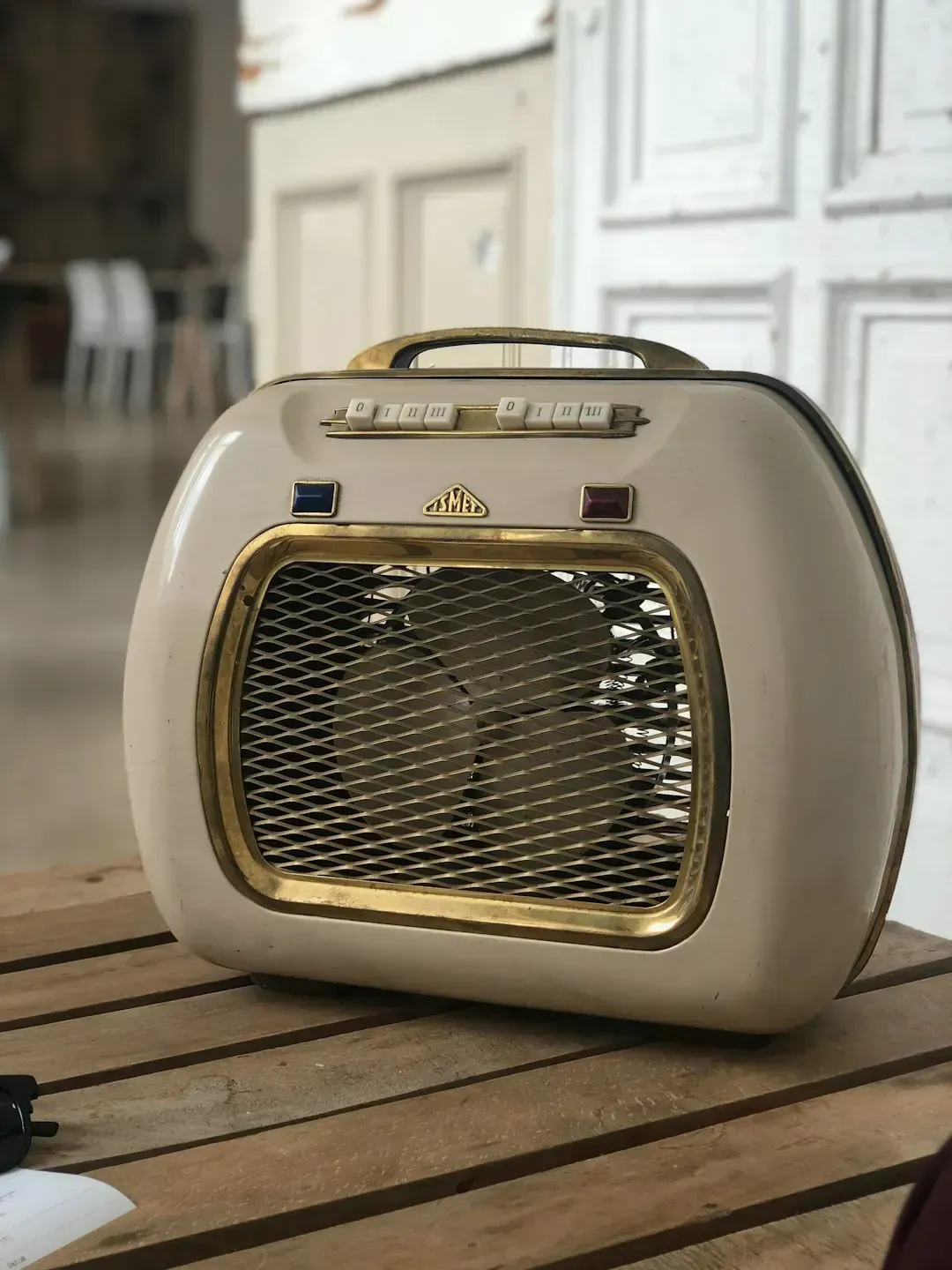
Leaving a space heater running while you sleep or leave the house is one of the riskiest things you can do in a home. Data from the U.S. National Fire Protection Association shows that portable and fixed space heaters are involved in roughly about two out of every five home heating fires and the vast majority of deadly heating fires in recent years. Many of these fires start when heaters are left near bedding, curtains, or furniture and continue running unattended. If you use one, keep it at least three feet away from anything that can burn, plug it directly into the wall (never a power strip), and turn it off every single time you walk out of the room for more than a short moment.
2. Electric Blankets and Heating Pads
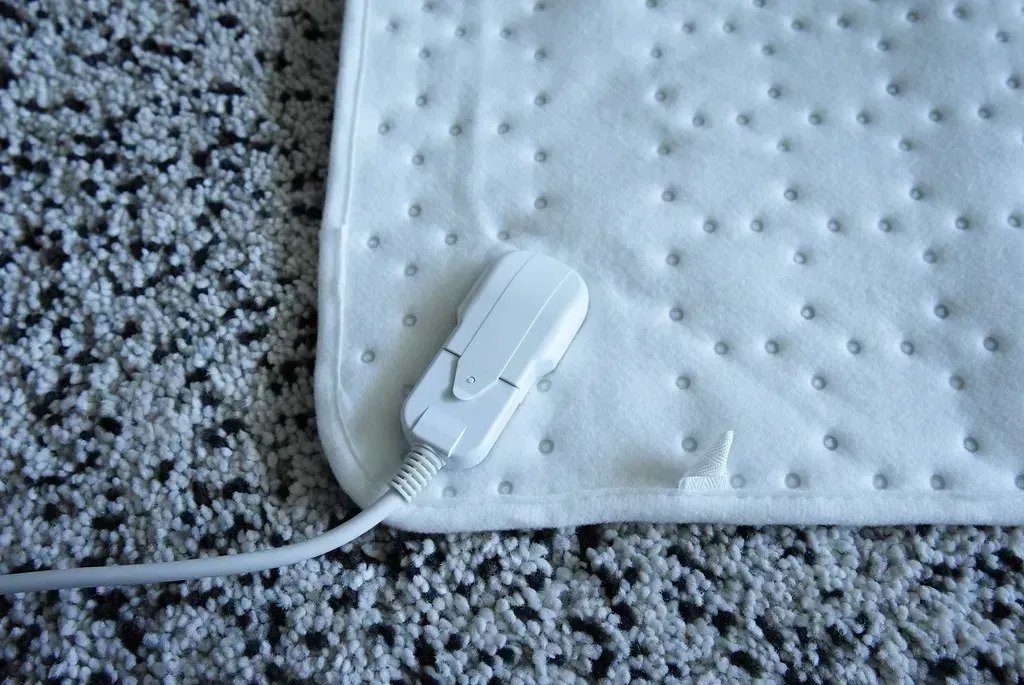
Electric blankets and heating pads feel harmless, but they can quietly overheat if left on for hours or if they get bunched up under your body. Fire investigators have linked some house fires to older or damaged electric blankets that were left on overnight or while people were away. Modern models often include automatic shutoff timers, but safety agencies still recommend turning them completely off and unplugging them when not in direct use, especially for older adults or children who might fall asleep on them. Treat these like a power tool for warmth: use, monitor, then unplug instead of leaving them running in the background.
3. Phone Chargers and USB Chargers Plugged In All the Time
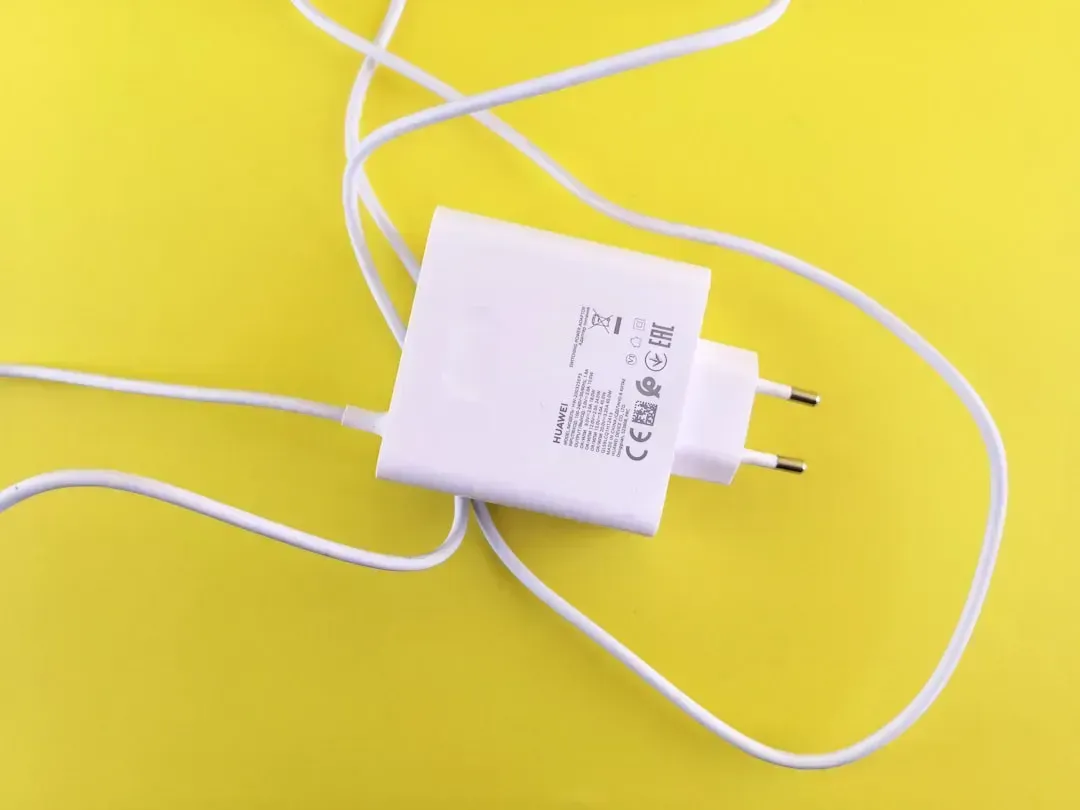
Most people leave phone bricks and USB chargers plugged in permanently, but this habit quietly adds risk and a little extra cost to your electric bill. Tests and incident reports show that while the standby power draw is small, low-quality or counterfeit chargers are far more likely to overheat, short, or even cause small electrical fires when left energized for long stretches. Safety regulators have repeatedly warned that overloaded outlet strips stuffed with chargers are a common factor in home electrical incidents. A simple routine – unplugging unused chargers and avoiding no-name, ultra-cheap models – cuts both fire risk and unnecessary energy use with almost no effort.
4. Laptops and Tablets Charging on Beds or Sofas
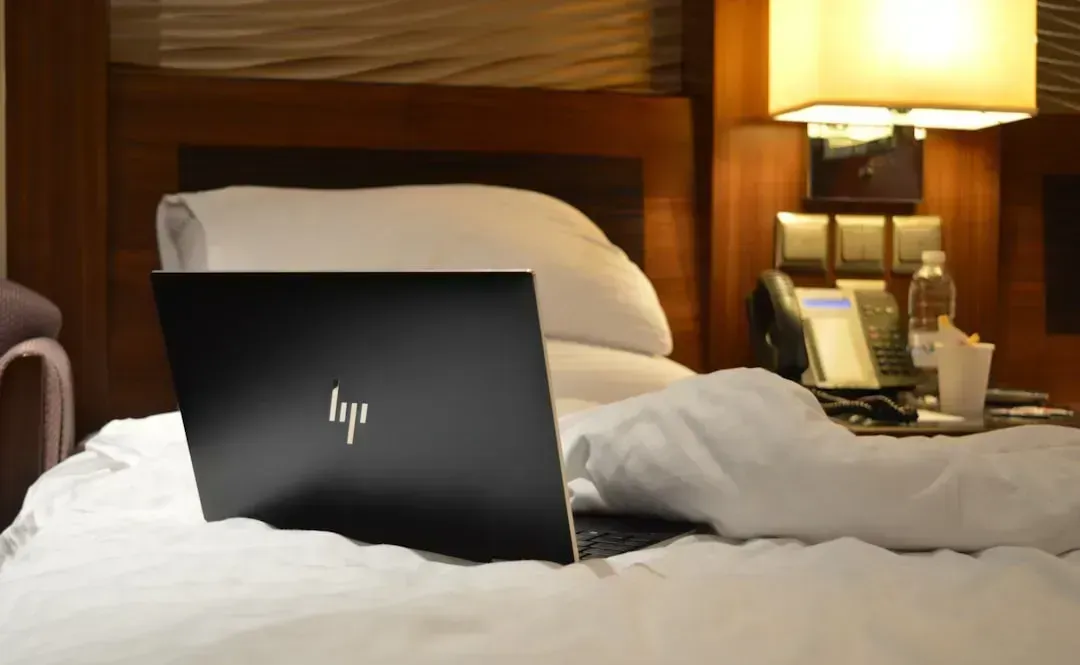
Charging a laptop under a pillow or letting a tablet sit connected on a soft, padded surface can turn into a hidden heat trap. Lithium-ion batteries in laptops and tablets already get warm while charging, and when vents are blocked by blankets or cushions, that heat has nowhere to go. Fire departments have documented cases where devices scorched bedding or smoldered on couches after being left to charge unattended like this. A safer rule is to charge on hard surfaces like desks or tables, unplug once charged, and never bury a charging device under anything soft.
5. Cheap Extension Cords and Power Strips
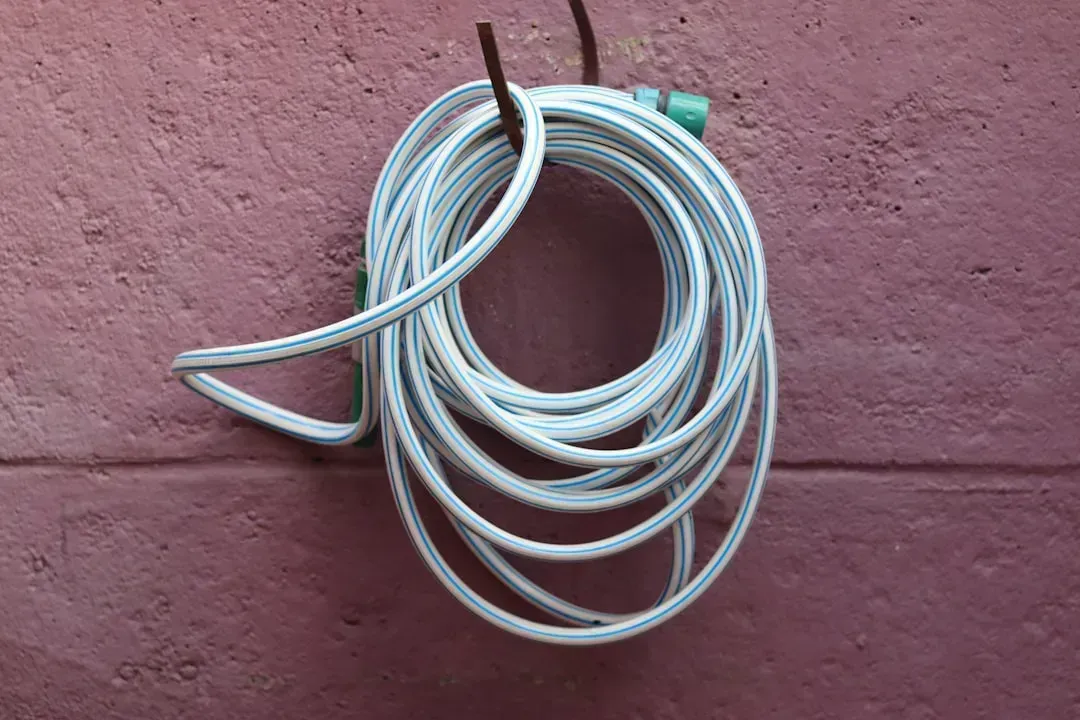
Extension cords and power strips look simple, but they are a major source of home electrical fires when misused or left overloaded. Investigations in the United States have found that many cord-related fires start because people plug high-wattage devices like space heaters, hair dryers, or microwaves into basic strips or daisy-chain multiple strips together, pushing them past their rated load. Cheaper, uncertified products are more likely to overheat, melt, or fail internally over time if they stay energized day and night. Using properly rated, safety-certified strips, avoiding overloading, and unplugging them when not needed removes a surprisingly common ignition source from your home.
6. Stovetops and Ovens Left On After Cooking
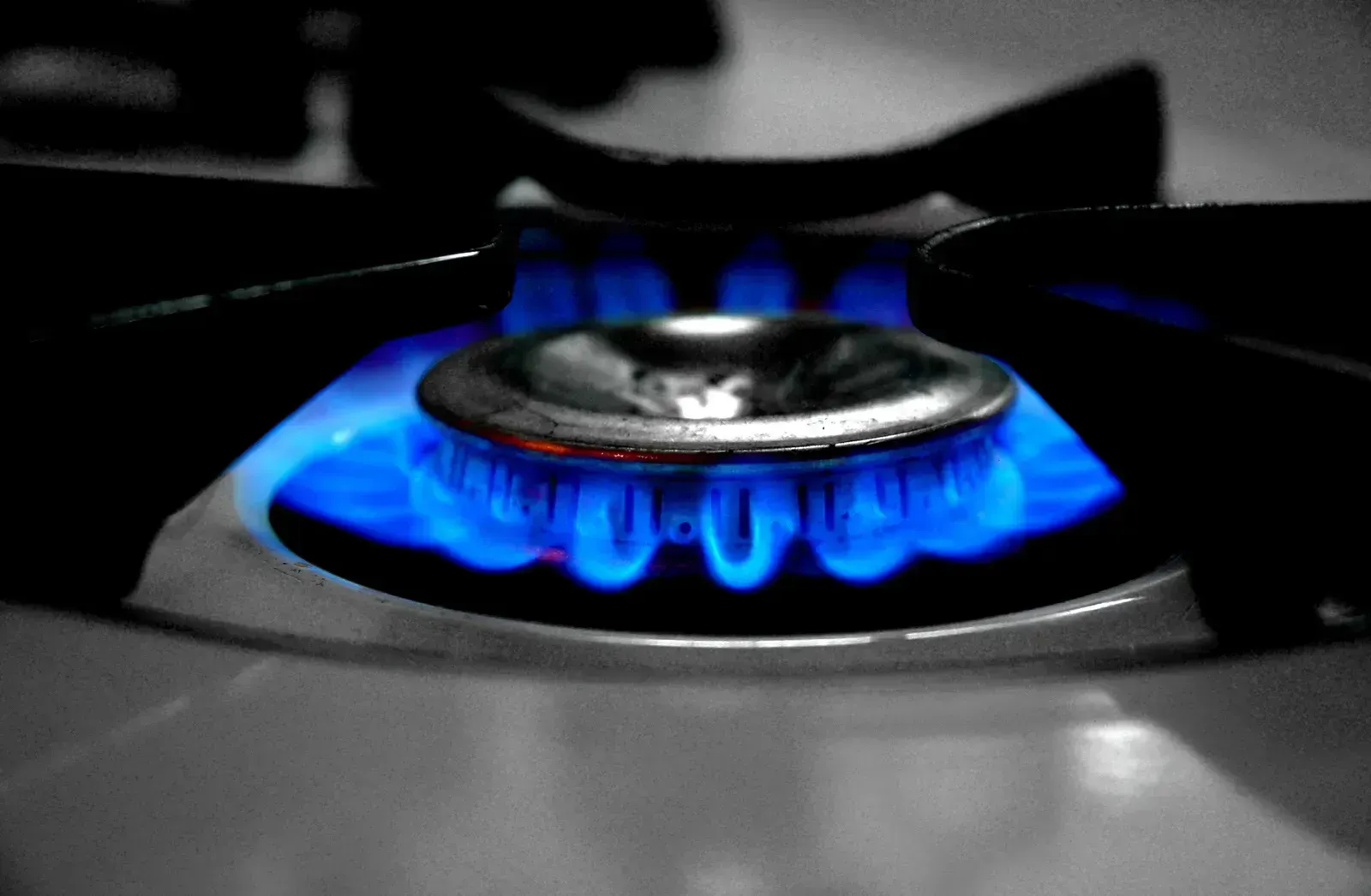
Cooking equipment remains one of the leading causes of home fires and fire-related injuries in the United States, and a large share of those start on stovetops that are left on or unattended. National fire statistics show that cooking causes roughly about half of all reported home fires in recent years, often when someone walks away from food on the burner or forgets to turn a knob fully off. Even an empty burner on low under an empty pan or stray plastic utensil can start a kitchen fire in minutes. Getting into the habit of double-checking every knob, setting a timer, and treating the last look at the stove as part of your “leaving the house” checklist makes a real difference.
7. Clothes Dryers Running While You Sleep or Go Out
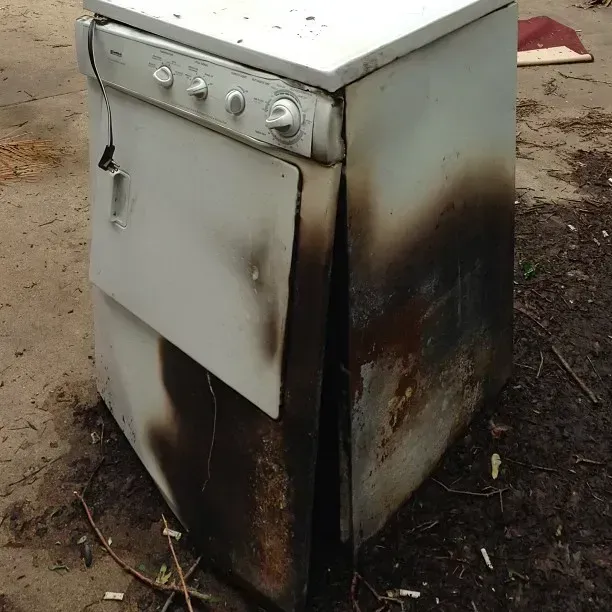
Clothes dryers might feel routine, but they are a documented source of thousands of home fires per year, often because of lint buildup and lack of cleaning. Safety data from U.S. fire agencies show that dryers are responsible for many laundry room fires, especially when lint traps, vents, and ducts are clogged, which makes the machine work harder and run hotter. When a dryer is left running overnight or while nobody is home, a small internal spark or overheated lint can grow into a serious fire before anyone notices. Cleaning the lint filter every load, having the vent duct inspected, and only running the dryer while you are awake and nearby are simple habits that sharply lower this risk.
8. Curling Irons, Hair Straighteners, and Hot Styling Tools

Hot hair tools can reach temperatures similar to an oven rack, yet many people casually set them down on a bathroom counter and rush out the door. Fire and burn reports include cases where curling irons ignited towels, tissues, or cosmetic bags simply because they were left on and forgotten. The small size of these tools makes it easy to underestimate how much heat they hold, especially older models without automatic shutoff features. Using heat-resistant mats, turning off and unplugging immediately after use, and doing a quick bathroom scan before leaving can keep a moment of distraction from turning into a serious incident.
9. Irons (Clothes Irons) Left Plugged In
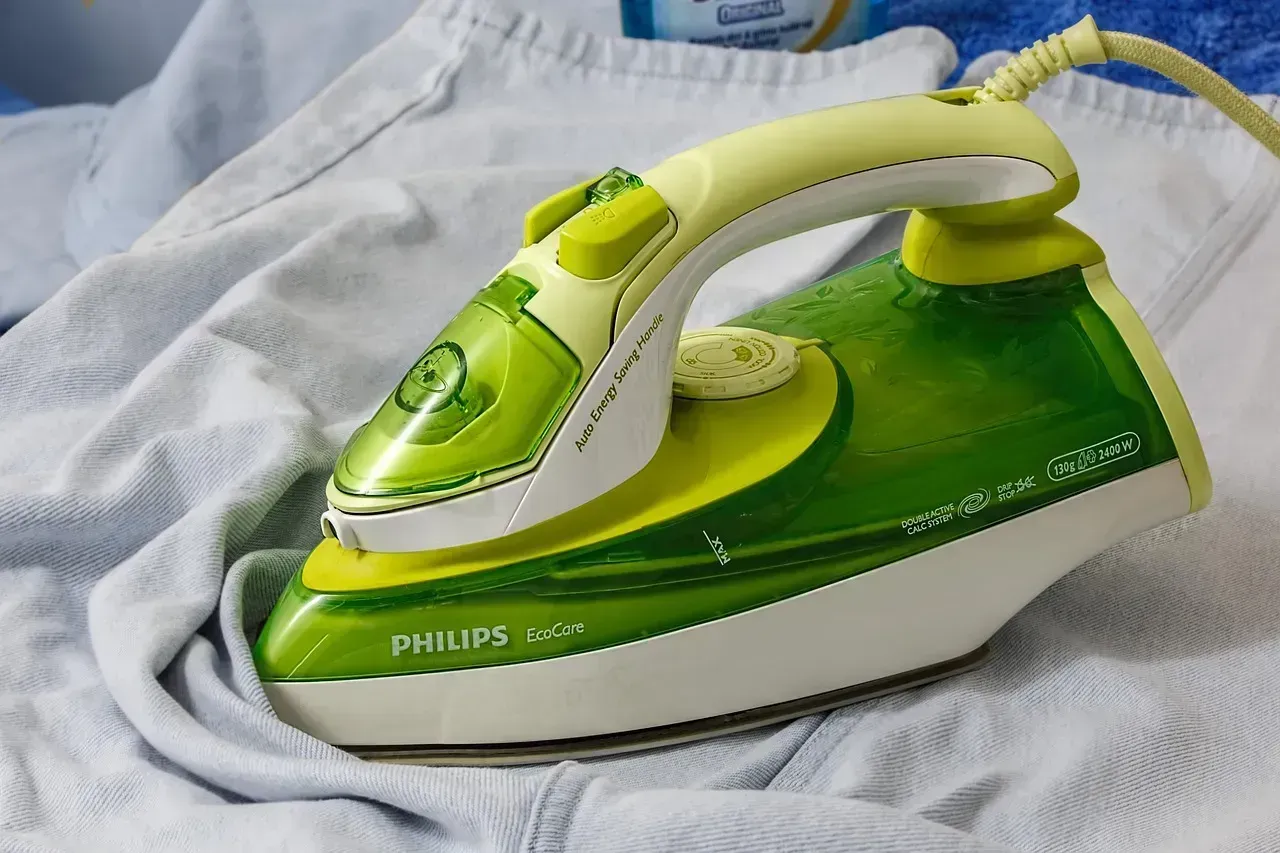
Clothes irons are another classic source of accidental burns and home fires when someone gets distracted mid-task. Many modern irons include automatic shutoff features after a period of inactivity, but those rely on sensors and power that can fail, especially as products age. Fire safety organizations still recommend physically unplugging the iron after every use and never leaving it face down on an ironing board, even for a short phone call or quick errand. Making a habit of unplugging the cord as the final step of ironing is a small, consistent action that removes a lot of risk.
10. Portable Fans and Box Fans Running Unattended
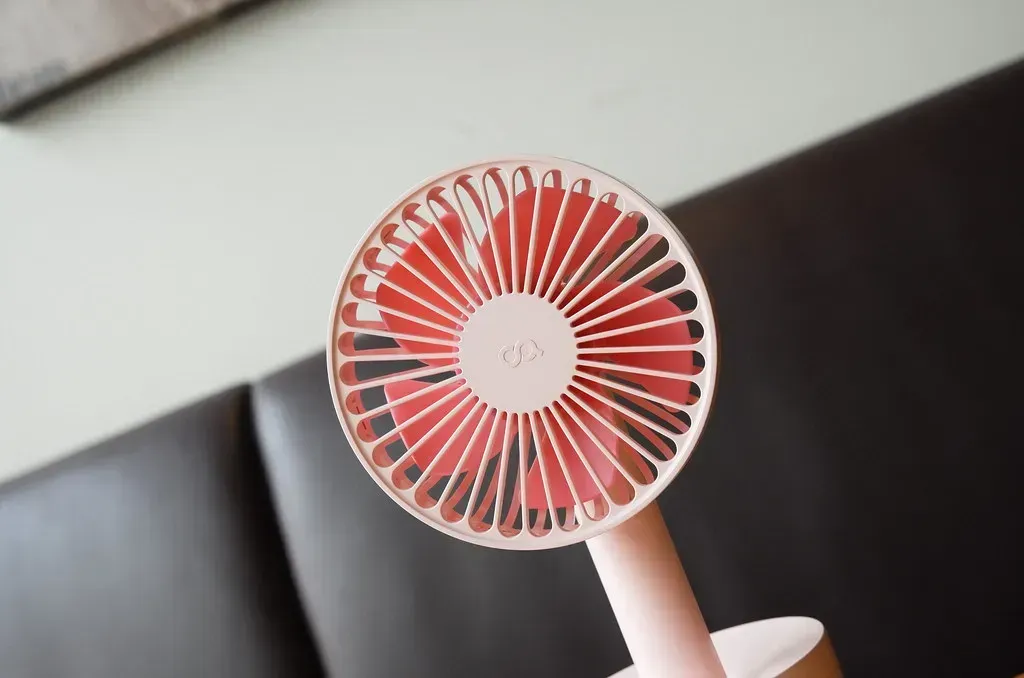
Portable fans and box fans seem harmless because they are everywhere in homes, dorms, and offices, but they are still electrical motors spinning for hours at a time. Over years of use, dust builds up in the motor and bearings wear out, which can make some fan models overheat or spark, especially cheaper units that never get cleaned. Fire investigations have recorded cases where old or faulty fans ignited nearby curtains, paper, or plastic items when left on for long, unattended stretches. Turning off and unplugging fans when not in the room, cleaning dust from grills, and replacing very old or rattling fans is a smart move, particularly during hot summers when they run nonstop.
11. Slow Cookers and Countertop Cookers
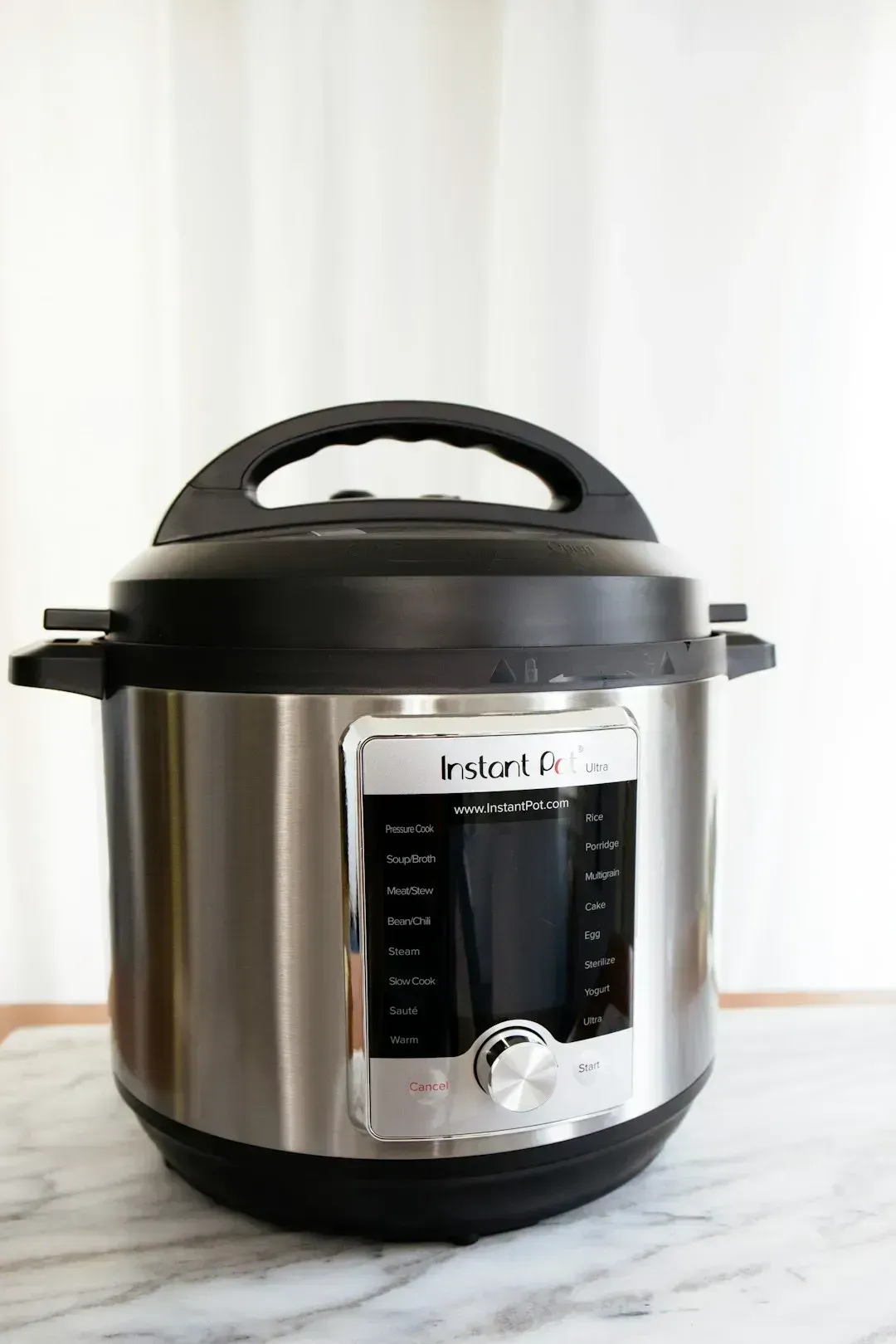
Slow cookers are sold as set-and-forget appliances, but they still carry heat, electricity, and food all sitting out for many hours. While modern units are generally safe when used according to manufacturer instructions, fire departments have seen kitchen fires where cord damage, cracked ceramic inserts, or proximity to combustibles like paper towels and plastic bags turned an unattended slow cooker into a hazard. Leaving them running while you quickly run errands nearby is one thing; letting an old or chipped unit simmer for an entire workday on a crowded counter with flammable clutter is another. Regularly checking cords, keeping clear space around the appliance, and unplugging it as soon as the cooking is done are easy ways to keep the convenience without the extra risk.
12. Toasters and Toaster Ovens with Crumbs Inside

Toasters and toaster ovens quietly collect crumbs, grease, and bits of food at the bottom, and all that buildup becomes dry fuel right next to heating elements. Fire service warnings often mention toasters beginning to smoke or flame up when left on a high setting or when someone uses them repeatedly without cleaning the crumb tray. Leaving a toaster plugged in and jammed in a tight space under cabinets or next to paper towels can turn that small flare-up into a full-fledged kitchen fire. Unplugging when not in use and cleaning out crumbs regularly turns a surprisingly common ignition point into a much safer appliance.
13. Plug-In Air Fresheners and Scented Warmers
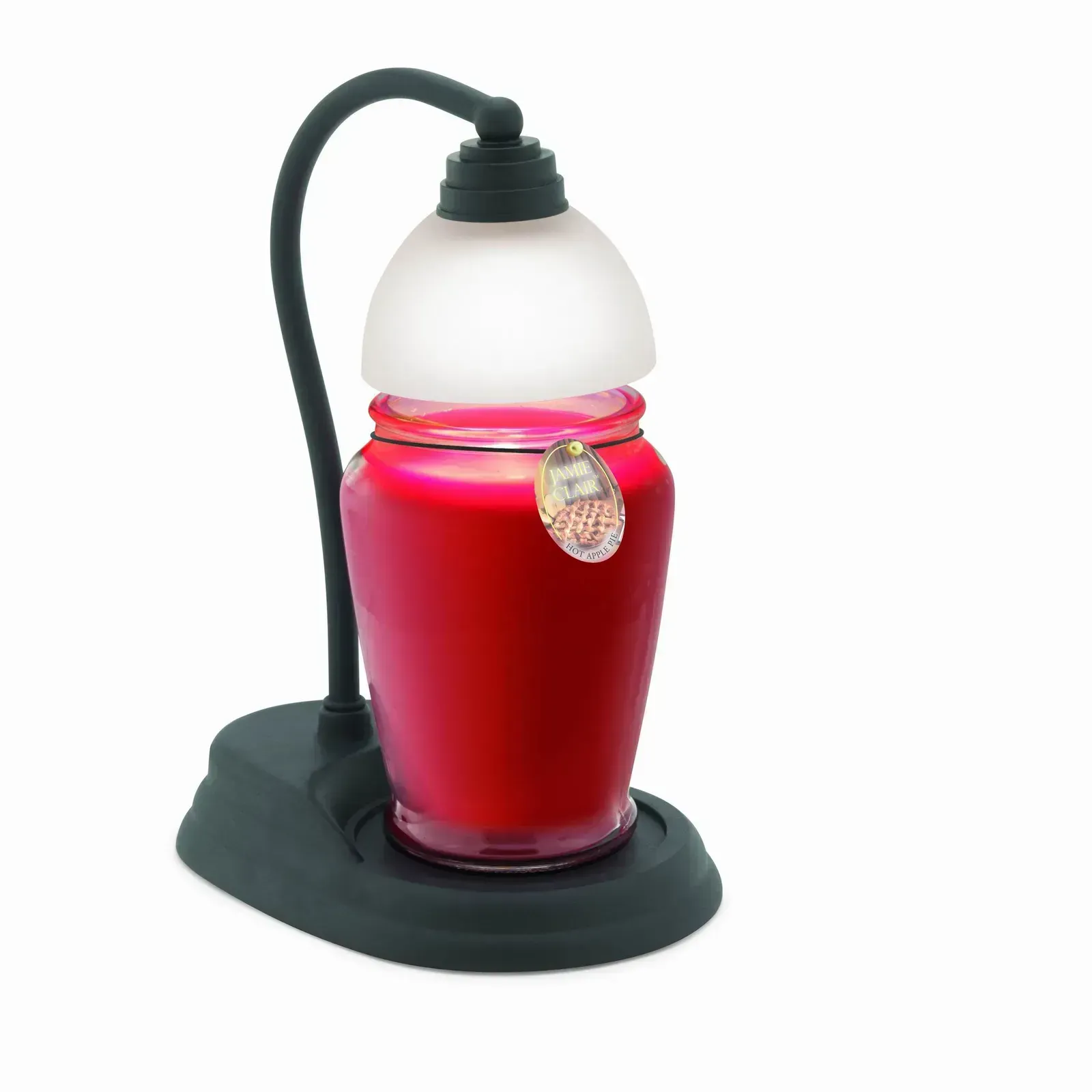
Plug-in air fresheners and scented wax warmers stay energized for hours or even around the clock, which means warm surfaces and small heaters running near walls, curtains, and furniture. While many major brands are tested to safety standards, fire reports and insurance data show that any constantly powered device can fail, crack, or overheat, especially if it is old, knocked loose, or used with extension cords or adapters. The scented oils and waxes themselves can add to the fuel load if leakage or spills occur. Using them sparingly, keeping them away from fabrics, replacing any unit that feels hot or discolored, and unplugging them when leaving for trips or overnight adds an extra layer of protection.
14. Desktop Computers and Gaming Consoles Left Running Nonstop
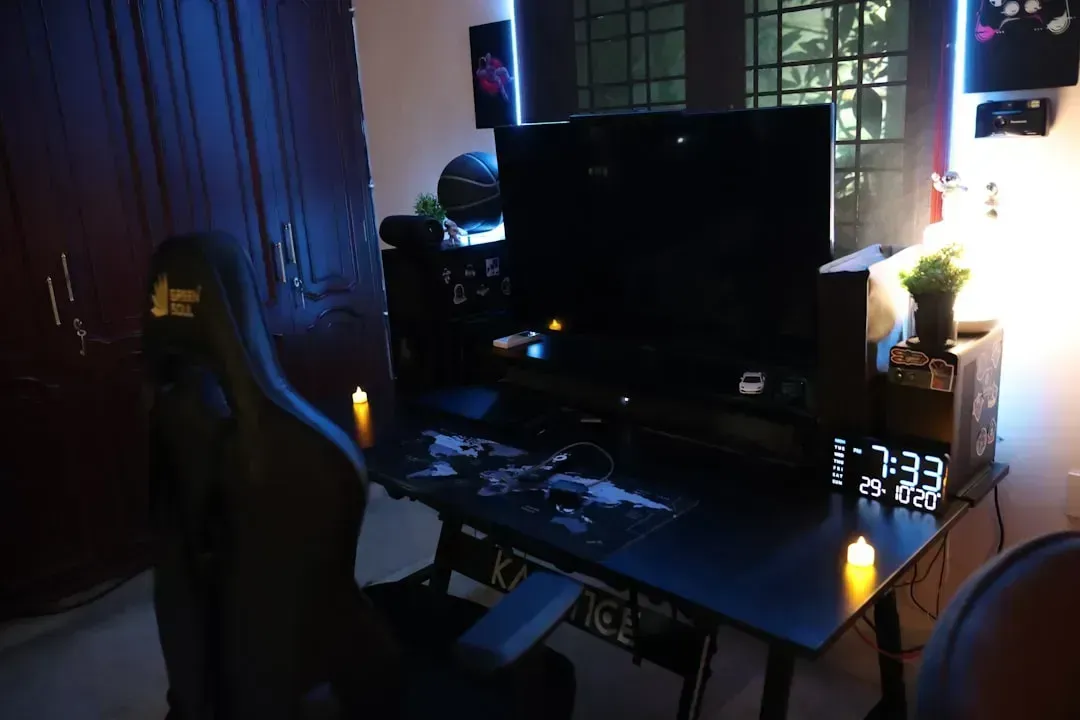
Desktop PCs, gaming consoles, and powerful graphics cards draw a lot of power and generate significant heat when running, especially during long gaming sessions or intensive tasks. Ventilation fans can get clogged with dust, and power supplies can degrade over time, which increases the chance of overheating or component failure when devices are never powered down. There have been documented cases where electronics left on top of soft surfaces, jammed into tight cabinets, or stacked with other hot components led to scorching and in rare situations to small electrical fires. Shutting systems down, enabling sleep modes, keeping vents clear, and unplugging surge protectors during long trips are simple, modern equivalents of flipping off the lights when you leave.
15. Battery Packs, E-Bike Chargers, and Power Tool Chargers
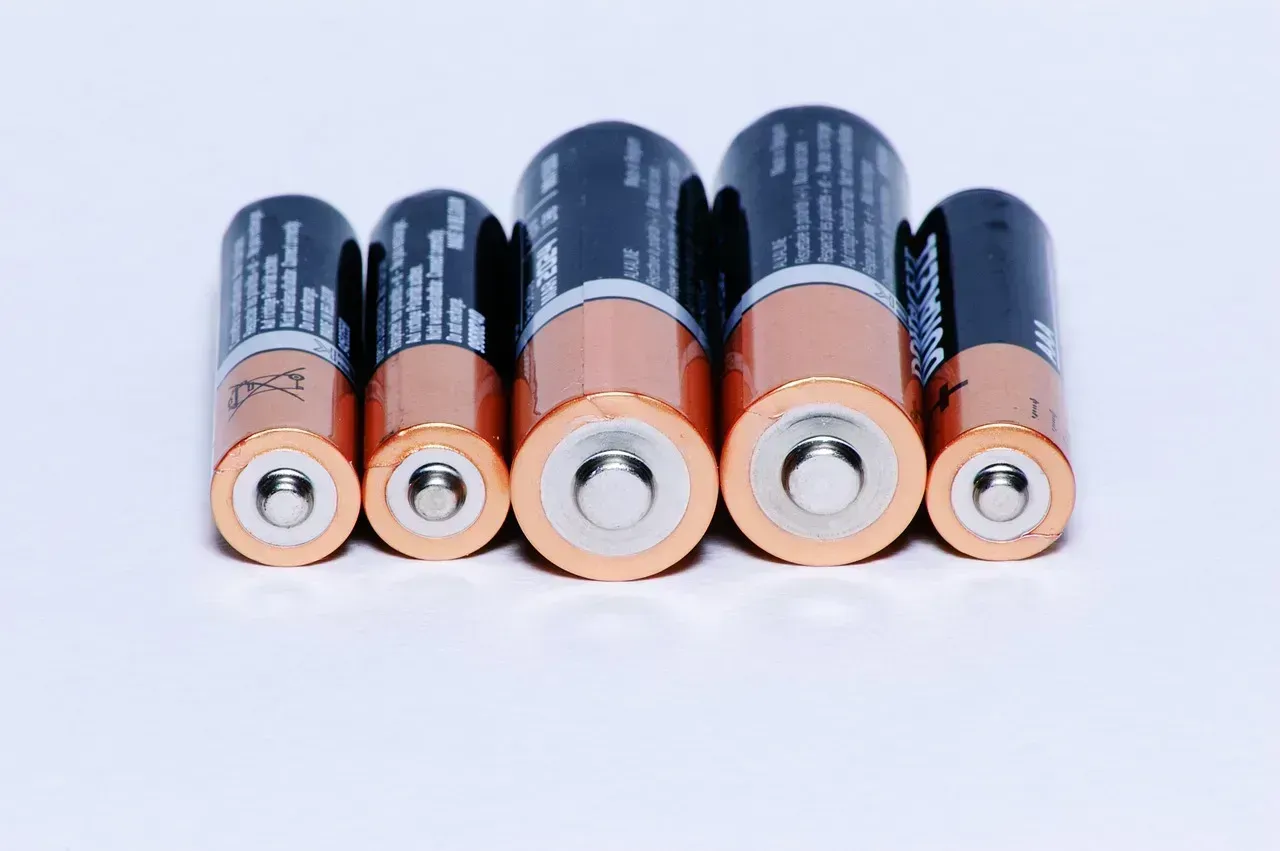
Rechargeable lithium batteries for e-bikes, scooters, and power tools have been involved in a growing number of intense fires in recent years, particularly in crowded cities. Fire departments in several major U.S. and international cities have reported that when these batteries fail, they can ignite violently and spread flames quickly, especially if they are charging unattended in hallways, near exits, or in cluttered rooms. Safety bodies strongly advise using only the charger that came with the device, avoiding cheap replacement packs, keeping batteries off beds and sofas while charging, and never charging them overnight or when nobody is home. Unplugging chargers once the battery is full and storing packs in cool, well-ventilated areas away from escape routes is one of the most impactful changes you can make to keep your home safer.