13 Leftovers You Should Never Save, Freeze, or Combine (Yet Families Do It Daily)
1. Cooked Rice Sitting at Room Temperature
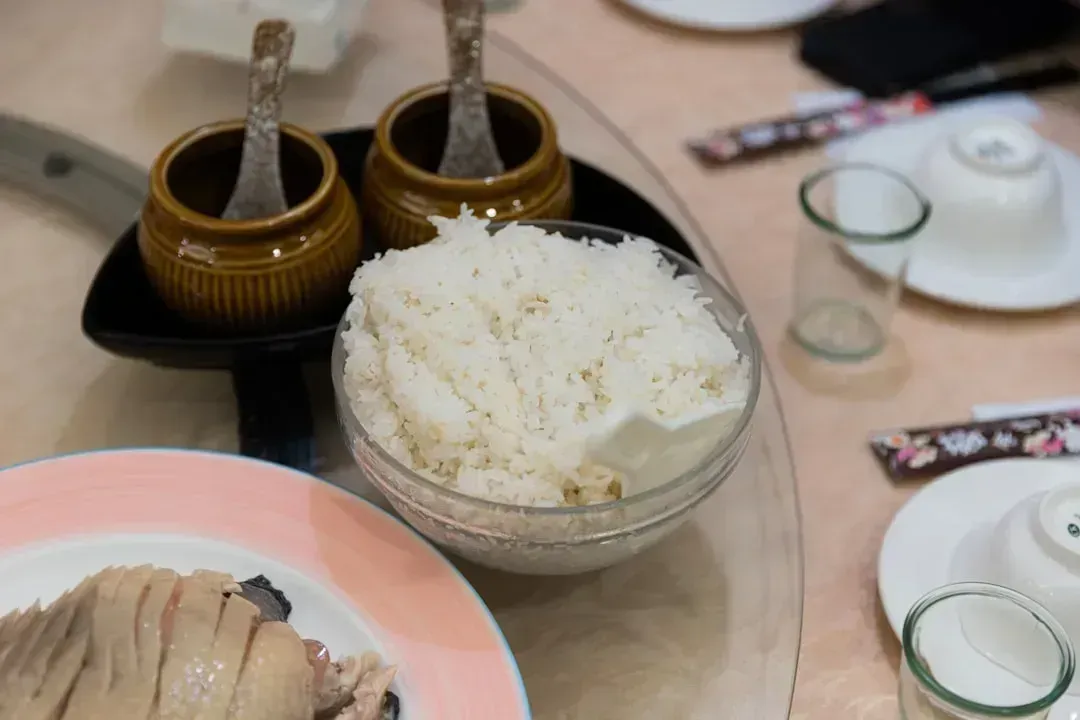
It feels harmless to leave the pot of rice on the stove until the next meal, but that cozy-looking side dish can turn risky fast. Cooked rice can contain spores of Bacillus cereus, a bacteria that survives boiling and can release toxins if rice cools too slowly at room temperature. Food safety agencies warn that rice should be cooled quickly and refrigerated within about two hours, and leftovers should be reheated only once and eaten within a day. Many food poisoning outbreaks linked to rice are not from how it is cooked, but from how long it sits on the counter before going into the fridge.
2. Reheated Chicken Again and Again
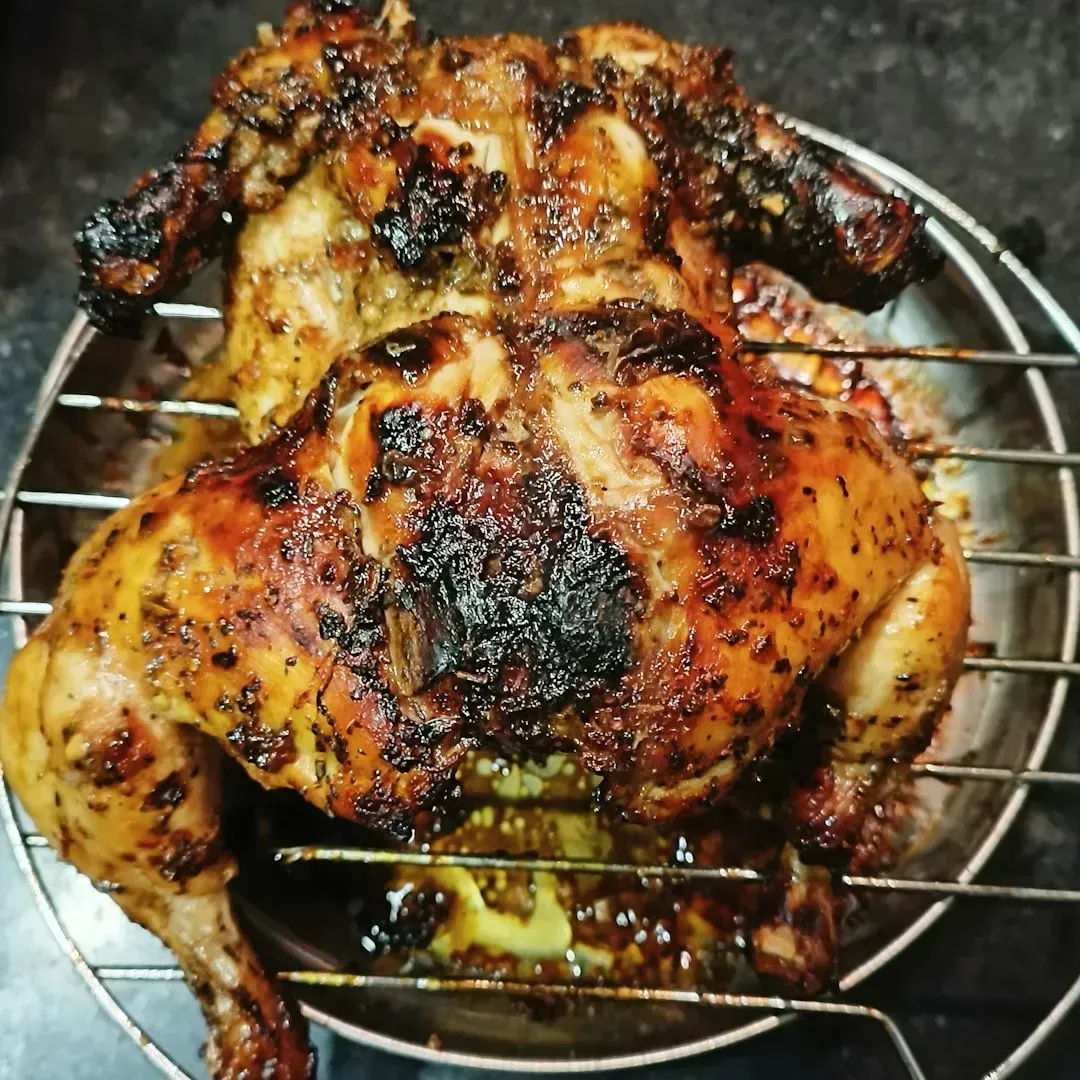
Chicken is one of the most common leftovers in American kitchens, yet it is also among the easiest to mishandle. When cooked chicken cools and warms repeatedly, bacteria like Campylobacter and Salmonella can multiply if the temperature lingers in the so‑called danger zone between roughly forty and one hundred forty degrees Fahrenheit. Food safety guidance recommends refrigerating cooked chicken within two hours, keeping it no more than three to four days, and reheating it only once until steaming hot all the way through. The habit of microwaving the same chicken dish three or four times over several days, or nibbling from it while it cools on the stove, quietly raises the risk of foodborne illness.
3. Eggs in Big Batch Dishes (Like Frittatas and Casseroles)
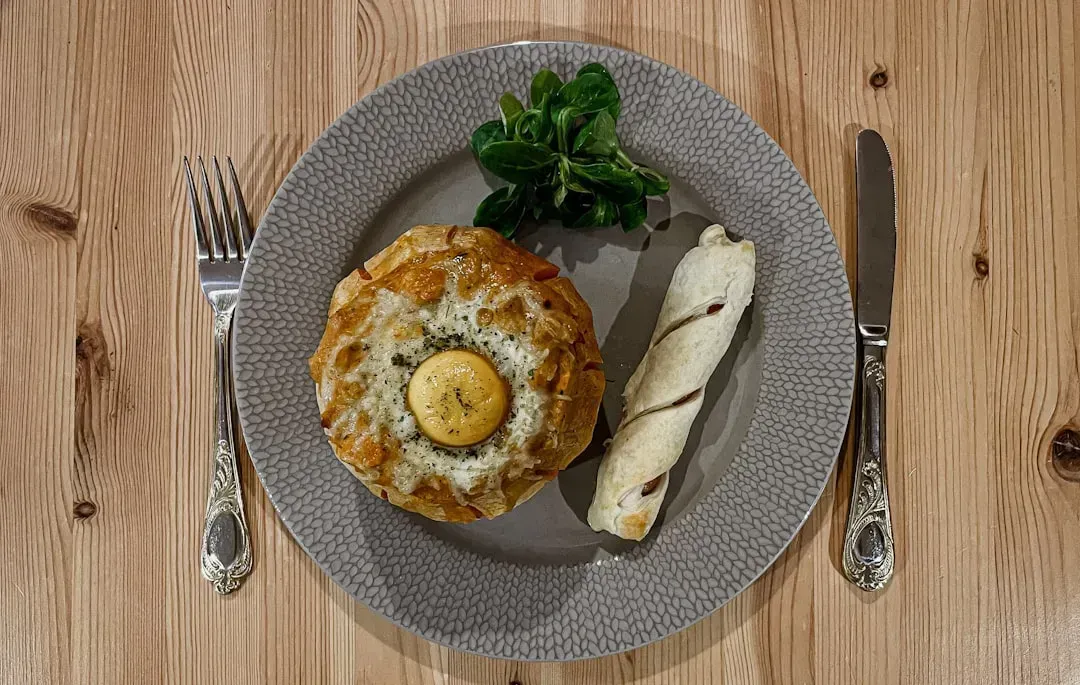
Egg-based dishes such as frittatas, breakfast casseroles, or quiches often feel like meal-prep perfection, but they can quickly become bacterial playgrounds if not cooled and stored correctly. Public health data show that eggs are still a major source of Salmonella infections, especially when large pans take a long time to cool in the center. Food safety experts advise slicing big egg dishes into smaller pieces, cooling them quickly in shallow containers, and eating them within three to four days. Leaving that deep casserole dish on the counter for “just a bit” after brunch, then sliding it whole into the fridge, is exactly how many families unknowingly create unsafe leftovers.
4. Leftover Seafood, Especially Shellfish
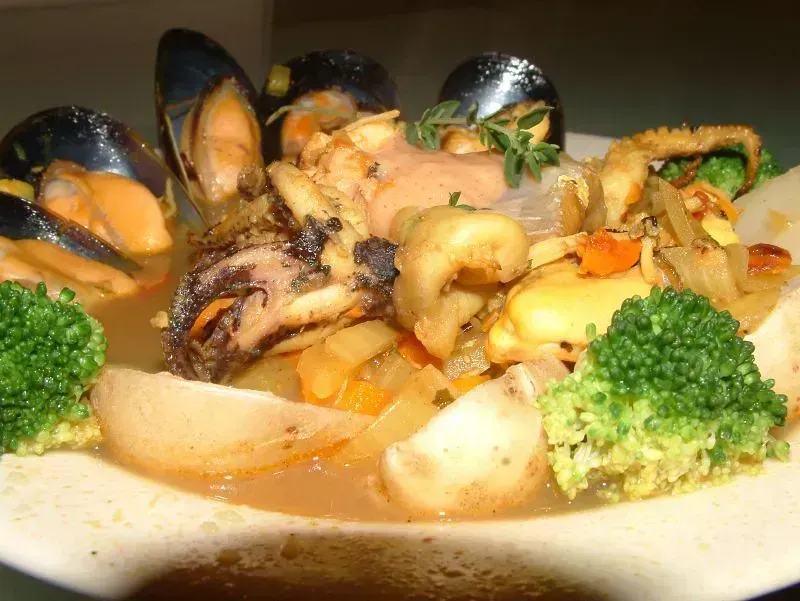
Seafood spoils more quickly than many other proteins, and that delicate flavor we enjoy is partly why it becomes risky so fast. Studies have found that bacteria such as Vibrio and Listeria can grow rapidly in cooked fish, shrimp, or mussels if they are not chilled promptly and kept cold. Food agencies typically recommend eating leftover cooked seafood within one to two days, because quality and safety drop much faster than with chicken or beef. When families stretch a shrimp pasta or leftover sushi into day three or four, or leave cooked seafood out during long gatherings, they are well beyond what experts consider a safe window.
5. Cooked Potatoes Cooled Slowly or Left in Foil
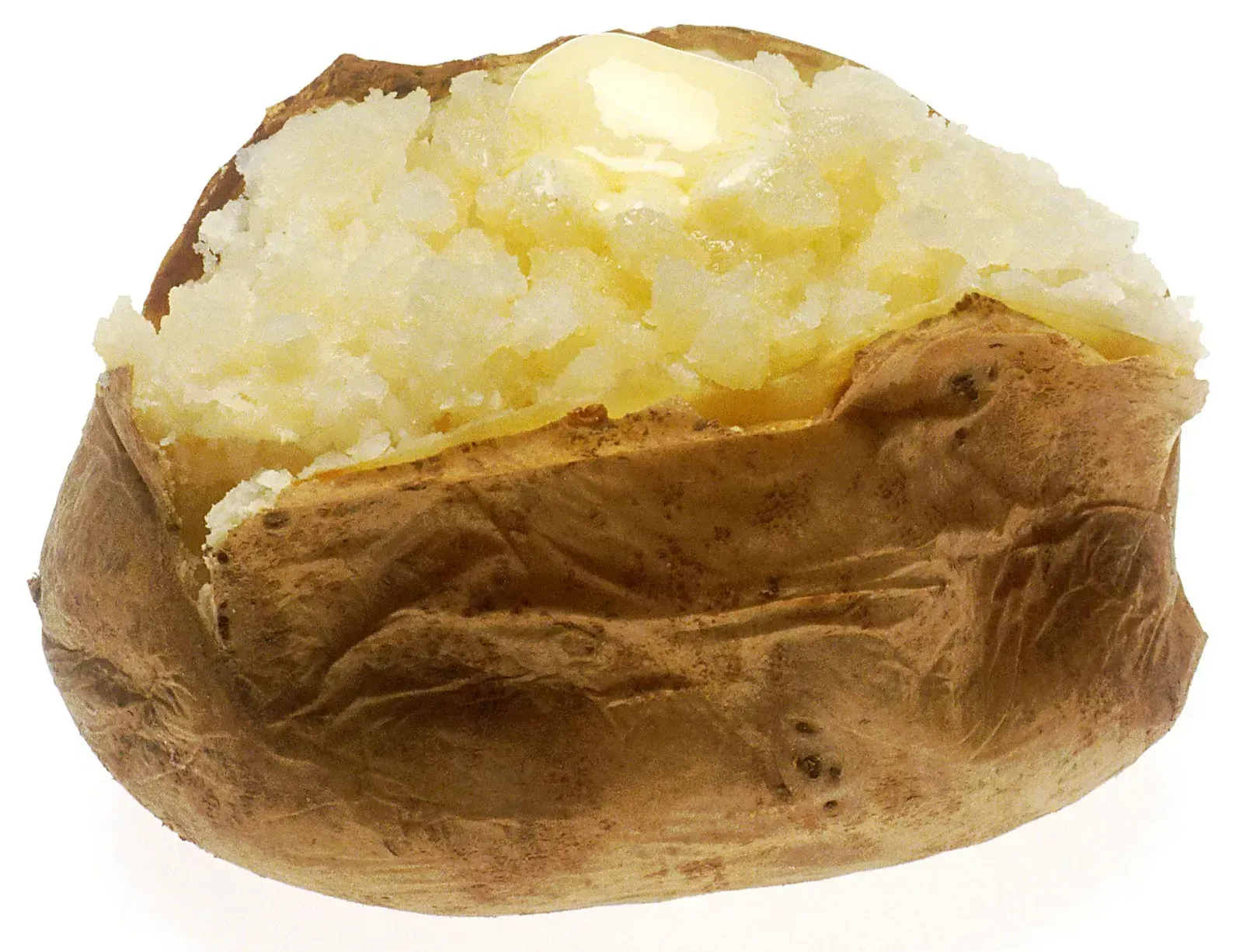
Potatoes seem harmless, yet cooked potatoes are frequently mentioned in outbreak reports when they are cooled too slowly or wrapped in foil at room temperature. Bacteria like Clostridium botulinum, which is linked to botulism, can grow in low-oxygen environments such as foil-wrapped baked potatoes kept warm for hours or left on the counter. Food safety guidance suggests removing foil, cooling potatoes quickly, refrigerating them within two hours, and using them within a few days. Turning yesterday’s foil-wrapped baked potatoes into potato salad after they sat out all evening is exactly the kind of everyday shortcut that has been tied to some serious illness clusters.
6. Creamy Salads: Mayo-Based Potato, Egg, and Pasta Salads
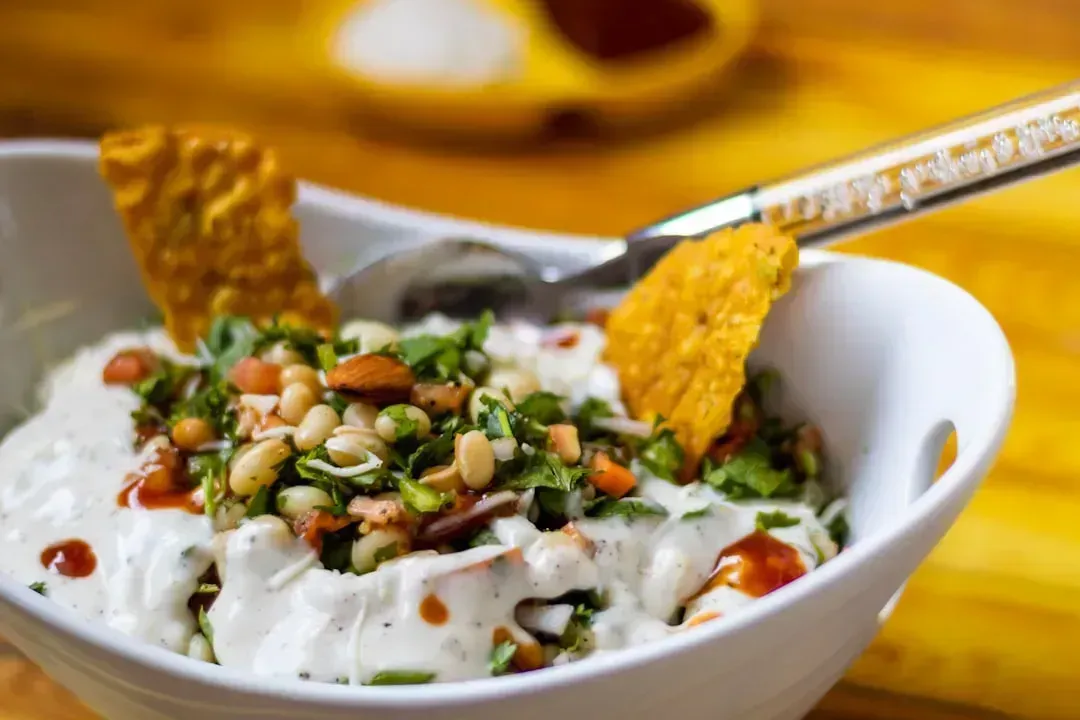
Potato salad, egg salad, and creamy pasta salads are staples at cookouts and family parties, yet they show up repeatedly in investigations of foodborne outbreaks. These dishes combine multiple cooked ingredients, mayonnaise or creamy dressings, and often sit in large bowls at room temperature or in lukewarm coolers. Health authorities warn that once these salads have been at room temperature for more than about two hours, or one hour on a hot day outdoors, they should not be saved. Scraping the leftovers back into a container for another meal might feel frugal, but it ignores the hours during which bacteria were able to multiply unnoticed.
7. Mixed Leftover Meats All Tossed Together
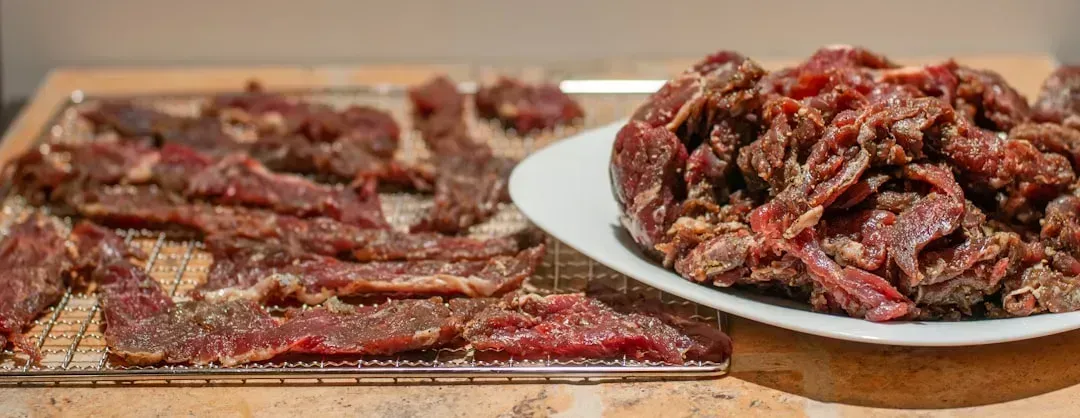
Many families keep one big “mixed meat” container, tossing in leftover sausage, bits of steak, roast chicken, and random slices of deli meat. The problem is that different meats have different safe storage times, and the earliest cooked or sliced item often becomes the weak link, quietly aging while everything is jumbled together. Food safety recommendations for the United States generally suggest that cooked meats last about three to four days in the fridge, while opened deli meats are best eaten within about three to five days. Combining everything into one container makes it nearly impossible to track how long each piece has been there, and the oldest meat can carry bacteria that then spread juices and contamination to the rest.
8. Leftover Ground Meat and Burgers
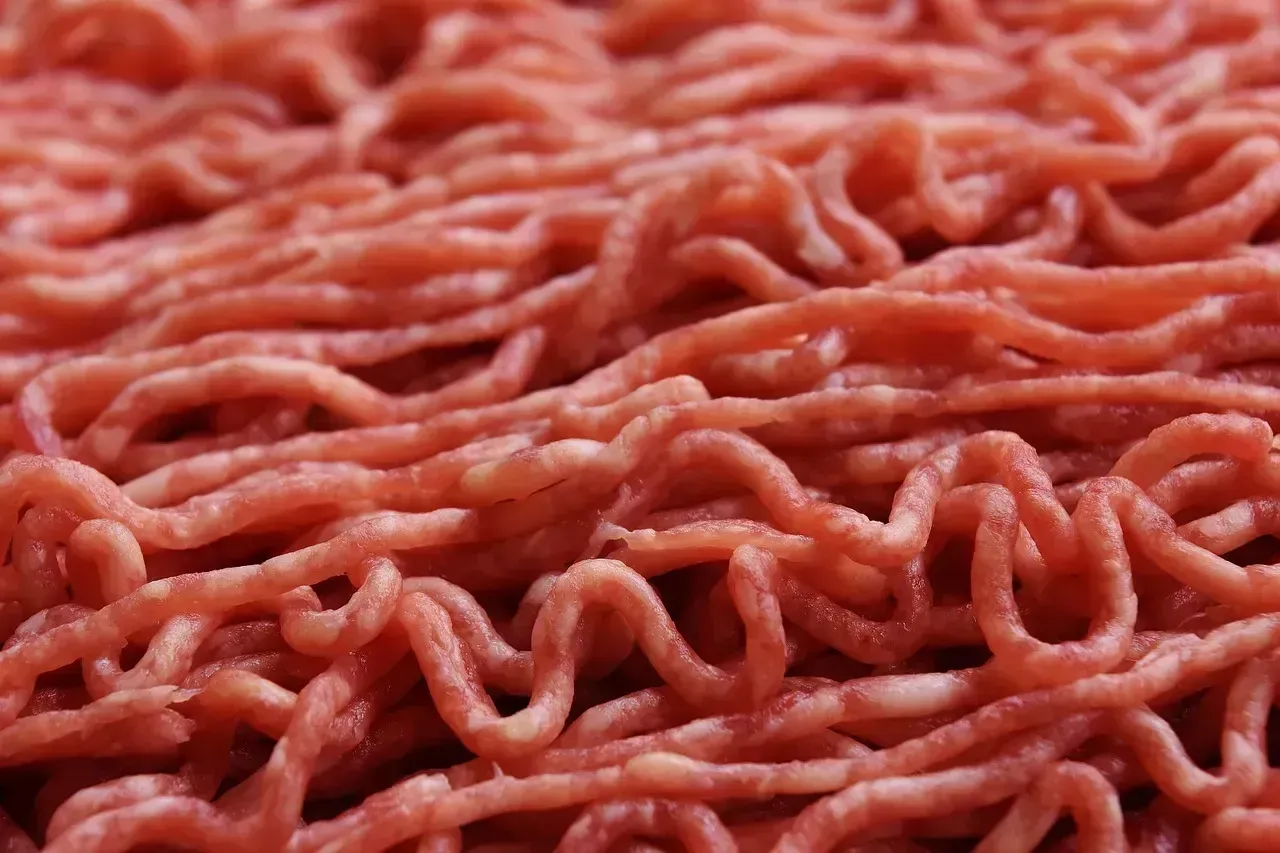
Ground beef, turkey, pork, or mixed burgers are riskier than whole cuts because any bacteria on the surface get mixed throughout the meat during grinding. Public health agencies emphasize that ground meats are involved in many E. coli and Salmonella outbreaks, which is why they must be cooked thoroughly and handled carefully as leftovers. In the refrigerator, cooked ground meat is usually only recommended for about three to four days, and it should be reheated until steaming hot, not just warmed. Families who keep a pan of taco meat or a container of crumbled ground beef for a full week, reheating only portions while the rest sits, are stretching far beyond what experts consider a safe timeline.
9. Saucy Leftover Pasta Left on the Stovetop
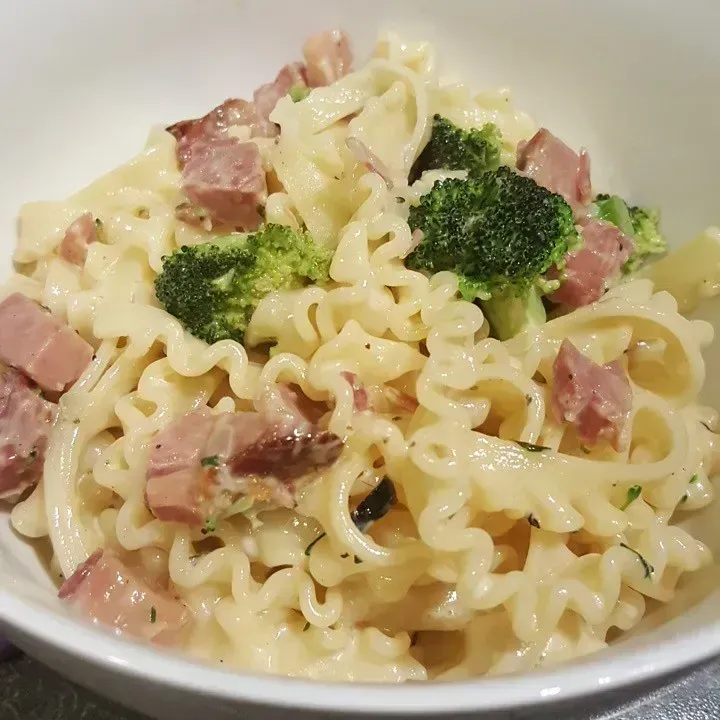
Pasta dishes often seem sturdy and forgiving, but cooked pasta is actually an excellent growth medium for bacteria, especially when coated in sauce. Research on food poisoning has identified Bacillus cereus and other pathogens in leftover pasta that cooled slowly or was repeatedly reheated and cooled again. Food safety guidance recommends refrigerating sauced pasta within about two hours, using shallow containers so it cools quickly, and consuming within a few days. Leaving a big pot of spaghetti on the stove for hours, then covering it and eating from it over several days without proper cooling, is a common family habit that quietly raises the risk of illness.
10. Leftover Gravy and Meat Juices
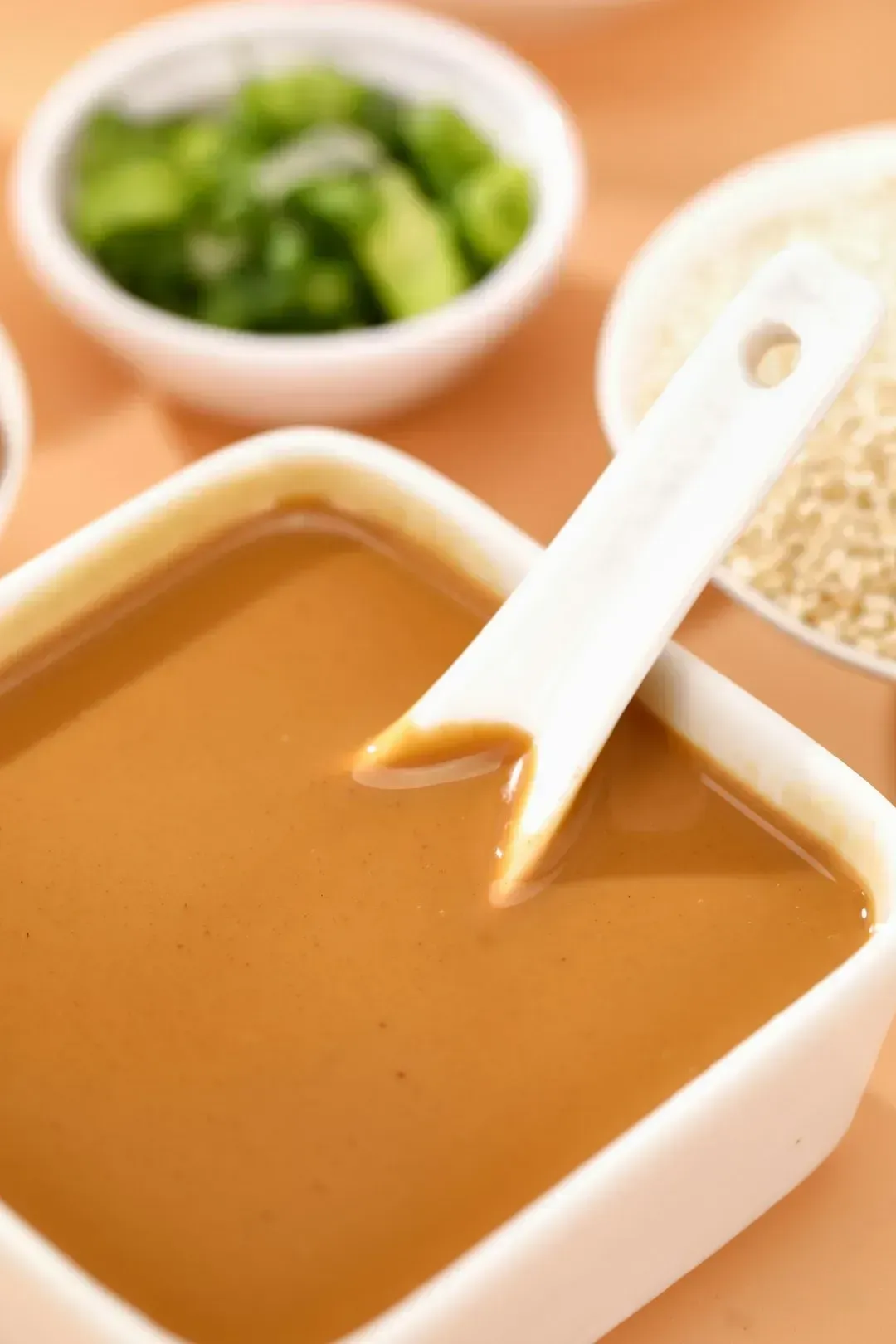
Gravy, pan drippings, and meat juices are packed with nutrients and moisture, which is exactly what bacteria love. Outbreak reports have linked gravies and sauces to illnesses when they are cooled in large, deep pots that stay warm in the center for a long time, or when they are reheated only until lukewarm. Food safety experts recommend dividing leftover gravy into small, shallow containers for rapid chilling, keeping it in the fridge for only a few days, and reheating it to a full rolling boil. Many households instead keep one tall jar of mixed drippings from several roasts or birds, topping it up over time, which combines different ages of leftovers and creates an ideal place for bacteria to survive.
11. Leftover Sushi and Raw Fish Dishes
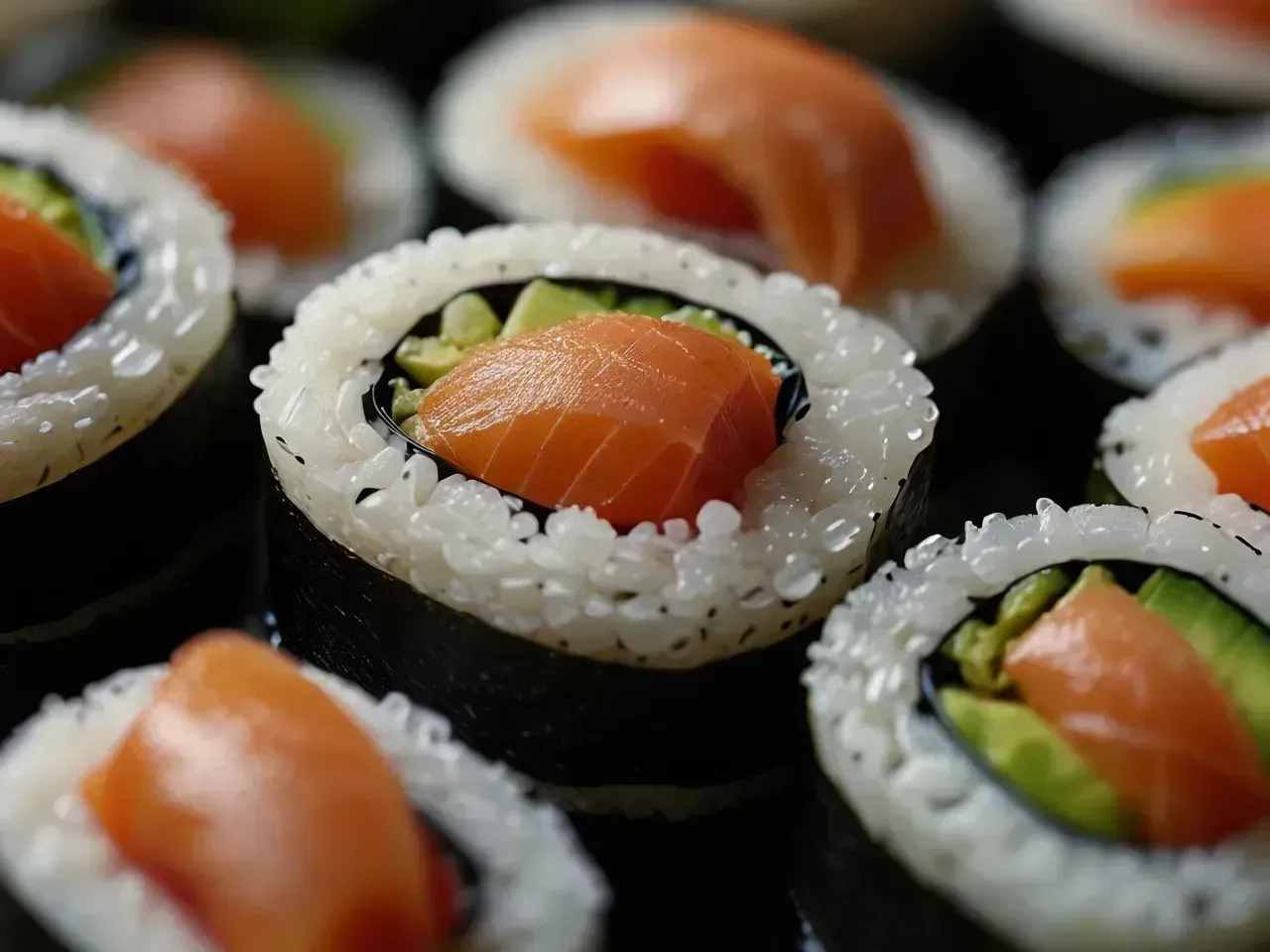
Restaurant sushi is often made under strict temperature controls, but once that takeout box is in a warm car or sits on a counter, the safety assumptions change quickly. Public health guidance typically advises eating sushi containing raw fish as soon as possible after purchase and discarding it if left at room temperature for more than a couple of hours. Refrigerated, any leftovers should be eaten within about twenty-four hours, because both the quality and the safety decline rapidly as bacteria and parasites become more of a concern. Many people stretch sushi leftovers into the next day or two, assuming the fridge makes it safe indefinitely, when in reality they are moving well outside what experts consider acceptable.
12. Leftover Baby Food and Formula After Feeding
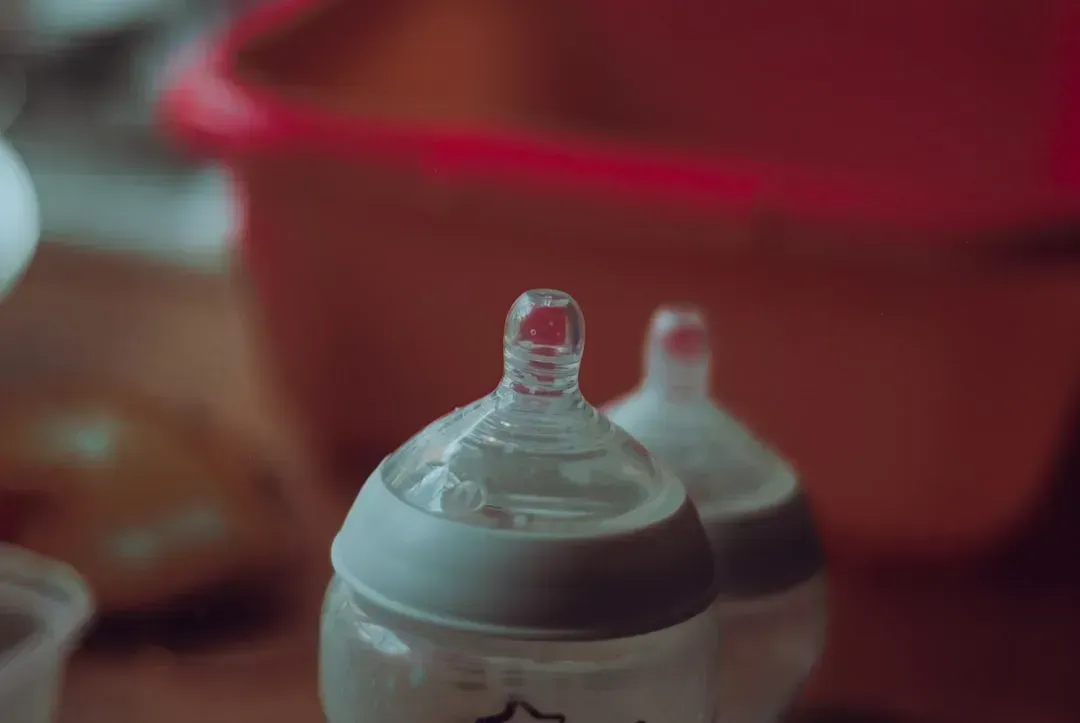
Baby bottles and jars of baby food that have been in contact with a child’s mouth or spoon are especially vulnerable, because saliva introduces bacteria directly into the food. Pediatric and food safety organizations warn that formula left at room temperature for more than about one to two hours, or refrigerated for more than about a day once a baby has drunk from it, should not be saved. The same goes for baby food jars or pouches that have been eaten from directly, which are ideally discarded after the feeding instead of recapped for later. Parents who refrigerate half‑finished bottles or jars for the next meal often do so out of a desire not to waste, but the introduced bacteria can multiply between feedings in ways that are particularly risky for infants with more fragile immune systems.
13. Leftover Takeout Rice, Noodles, and Mixed Dishes Kept Too Long
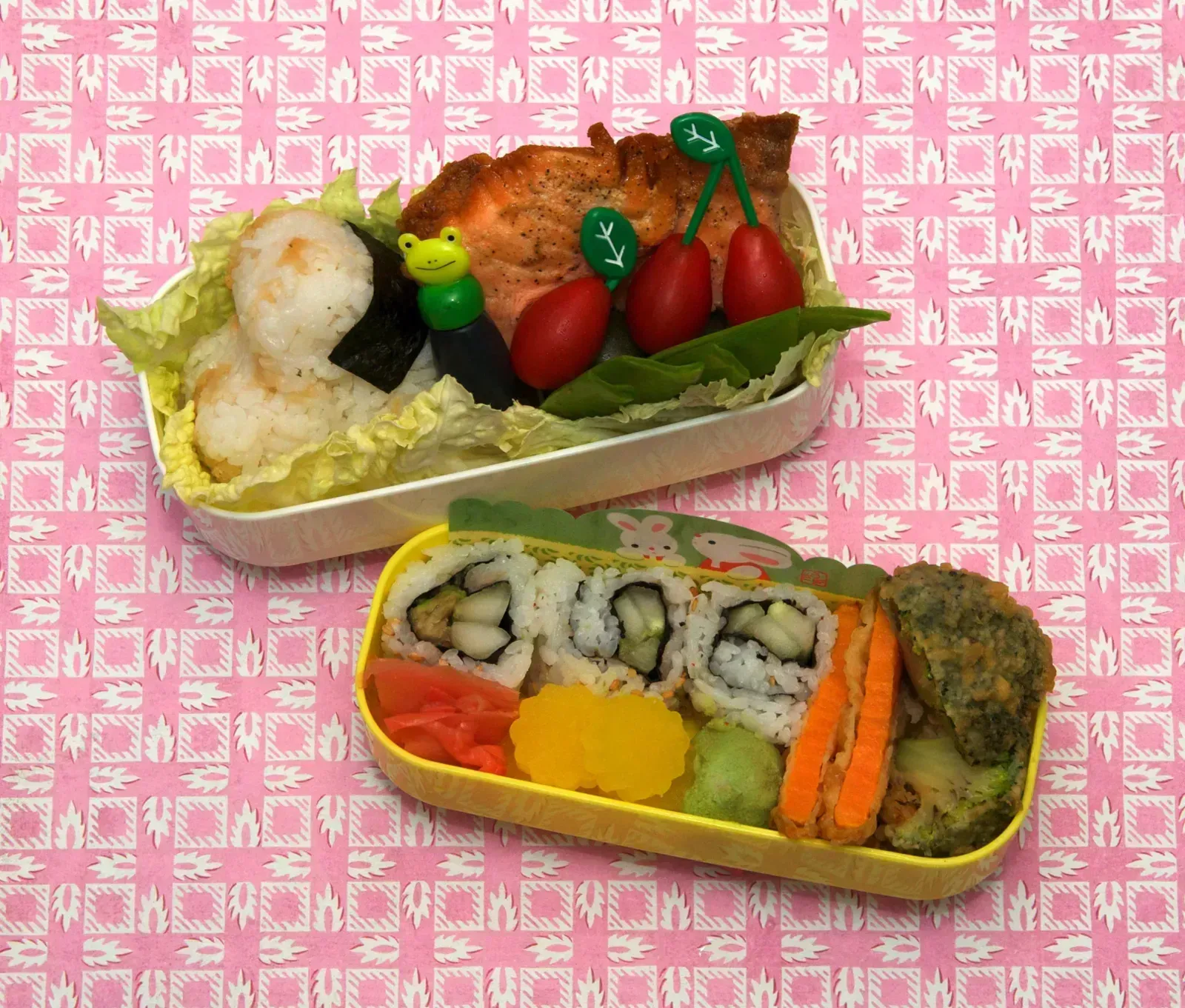
Takeout boxes of fried rice, lo mein, curries, and combination plates are incredibly common in home refrigerators, yet they often sit far longer than food safety rules suggest. These dishes combine multiple ingredients like rice, meat, eggs, and vegetables, and they may already have spent time at unsafe temperatures during transport or on buffet lines before they ever reach home. Food safety authorities typically recommend refrigerating takeout promptly and eating leftovers within about three to four days, and some items with rice or seafood are safest even sooner. Letting cartons linger for a week, or reheating just small portions while the rest cools and warms repeatedly, is an everyday habit that quietly increases the chance of spoilage and foodborne illness.