The Real Reason Travelers Are Skipping These 6 U.S. Cities
Something’s happening across America that nobody predicted. Cities that once topped every traveler’s bucket list are now watching their visitor numbers plummet. The shift is massive, dramatic, and it’s reshaping the entire tourism landscape.
The United States is on track to see 13 million fewer international visitors by year-end compared to 2019, according to Tourism Economics. Even more striking? The World Travel and Tourism Council projected in May that the United States will lose $12.5 billion in international visitor spending in 2025, making it the only country out of 184 economies analyzed that will see such a decline this year.
Seattle: Canadians Are Staying Home
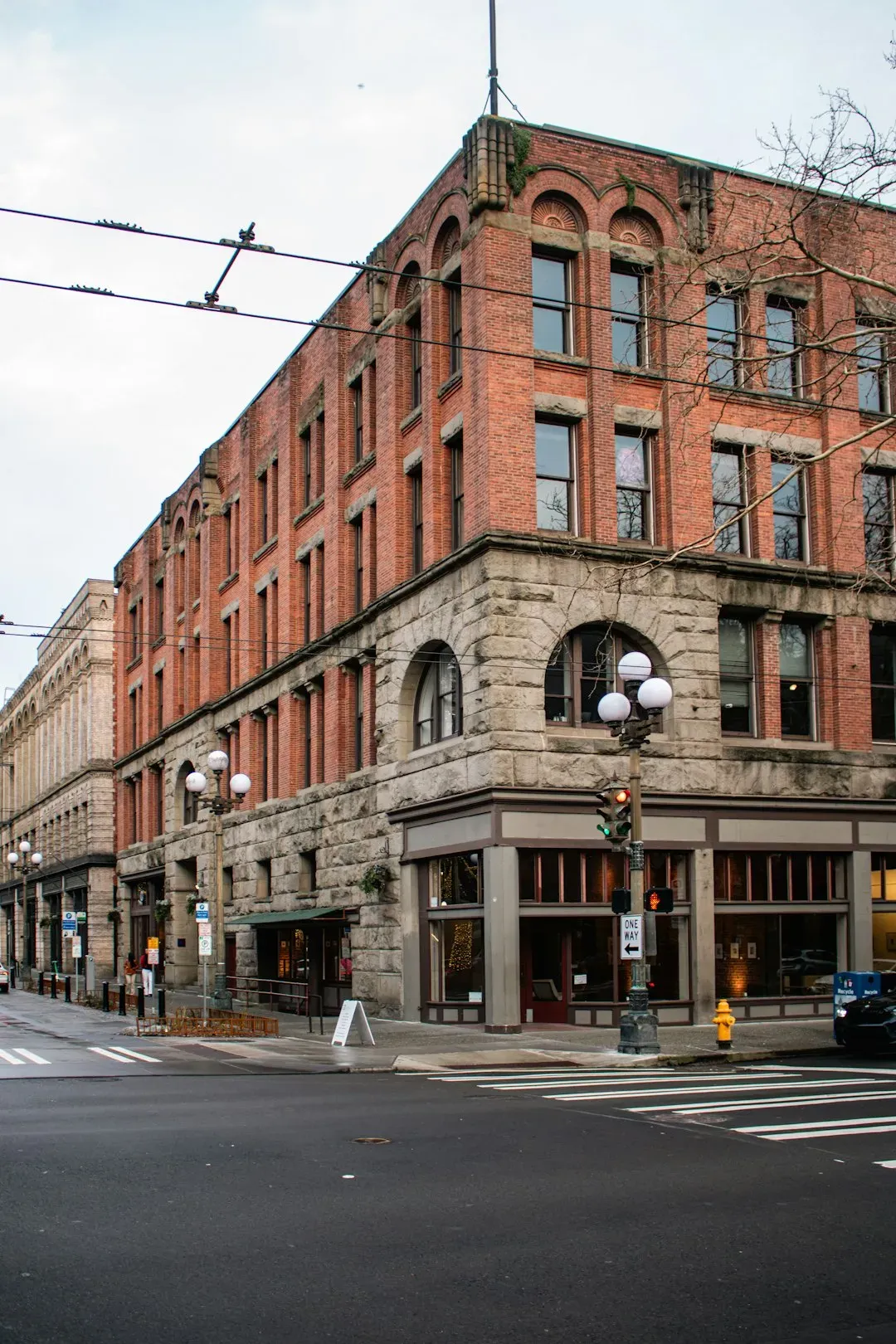
Seattle is expected to see a massive 26.9% fall in overnight international visitors in 2025, according to Tourism Economics data. This Pacific Northwest gem is feeling the absence of Canadian tourists more than nearly any other American city.
Canadians calling to cancel their tours “explicitly told me that it was because of the policies and the behavior of our current president”, said Joe Koenen, who runs Seattle Free Walking Tours. The man hasn’t seen a single Toronto Blue Jays baseball hat all summer, and streets that used to flood with Canadian tourists now look eerily empty. As a result of seeing 30% fewer customers this year overall, Koenen has been paying his employees but not himself, and for the first time since 2021 he has had to put his own savings into the business to keep it afloat.
Geography works against Seattle here. The city’s proximity to Canada made it a natural weekend getaway for British Columbians, but Tourism Economics’ updated outlook now estimates an 8.2% decline, led by about one quarter fewer Canadians visiting the US from January to July, compared to the same period in 2024.
Portland: Fighting Perception Problems
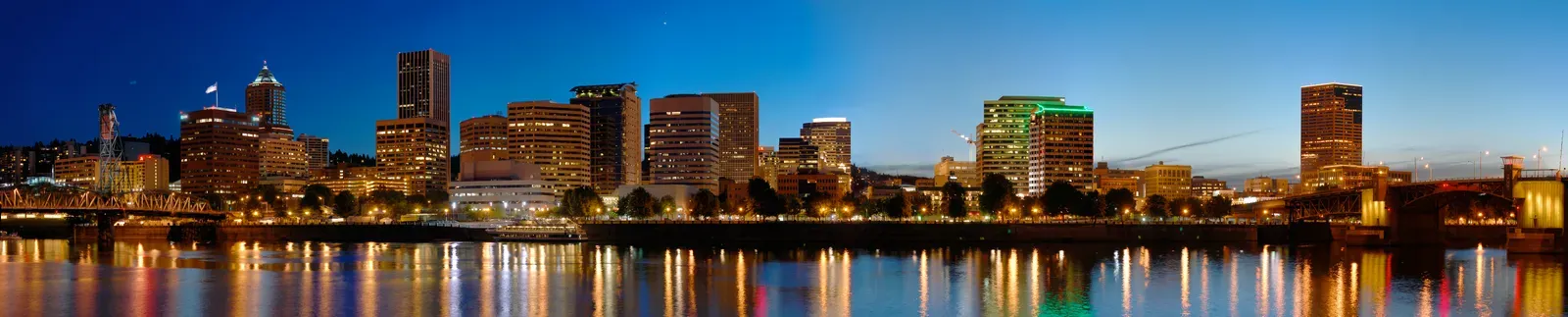
Portland’s story is more complicated than crime statistics suggest. In the first half of 2025, a national report from the Major Cities Chiefs Association showed Portland recorded the steepest drop in violent crime among 68 major U.S. agencies, with homicides plummeting by 51%, falling from 35 incidents to 17.
Despite these impressive improvements, Portland still struggles with perception issues. The pullback in Canadian travel is expected to negatively impact Portland with an 18.3% fall in overnight international visitors expected in 2025. The city continues to grapple with a significant property crime problem, particularly concerning larceny and vehicle theft, which gets amplified in national media coverage.
Here’s the thing: actual crime data often doesn’t match public perception. Reported crimes have increased less than 10% over the past four years, according to data from PPB. Yet the narrative about Portland being dangerous has taken hold and refuses to let go, keeping potential visitors away even as the city makes real progress on safety.
San Francisco: International Tourists Are Disappearing
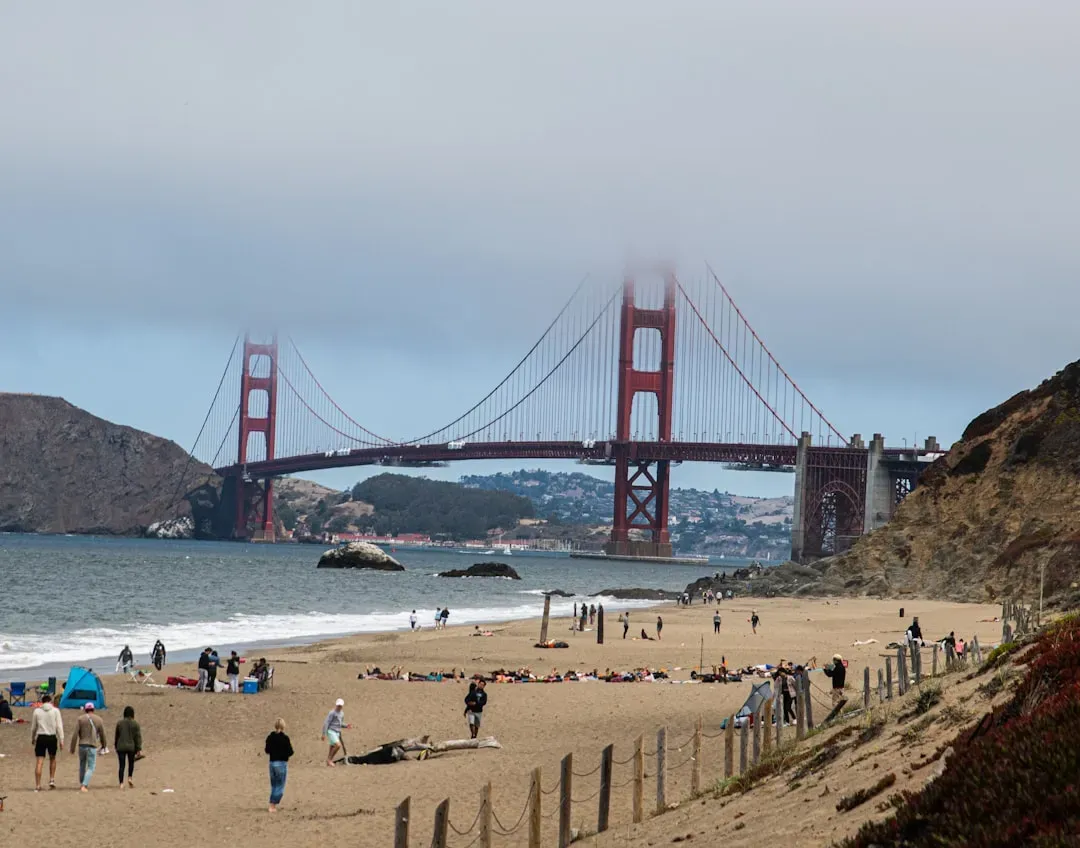
Overnight international visitors are projected to drop 3.2% this year to 2.26 million from 2024, and international spending will drop 2.7% to $4.89 billion, according to the San Francisco Travel Association. The City by the Bay is experiencing a tourism paradox: domestic visitors are returning, but international tourists remain hesitant.
San Francisco’s critical tourism sector is growing in 2025 thanks to more conferences and domestic visitors, but President Trump’s hostility towards foreigners is taking a toll, experts said. Canadian visitors are expected to decline 15% to 242,700 and Mexican visitors are forecast to decline 7.8% to 535,000, compared with 2024.
One Austrian visitor named Kaitlin Szentes had planned an exciting trip to San Francisco with her college-age son. She canceled because Trump’s policy on immigrants was unpleasant, she said. Stories like this are multiplying across Europe and Asia. Visitors to San Francisco from overseas dropped nearly 5% in February compared with 2024, revealing just how quickly international sentiment can shift.
New York City: Falling Short of Expectations
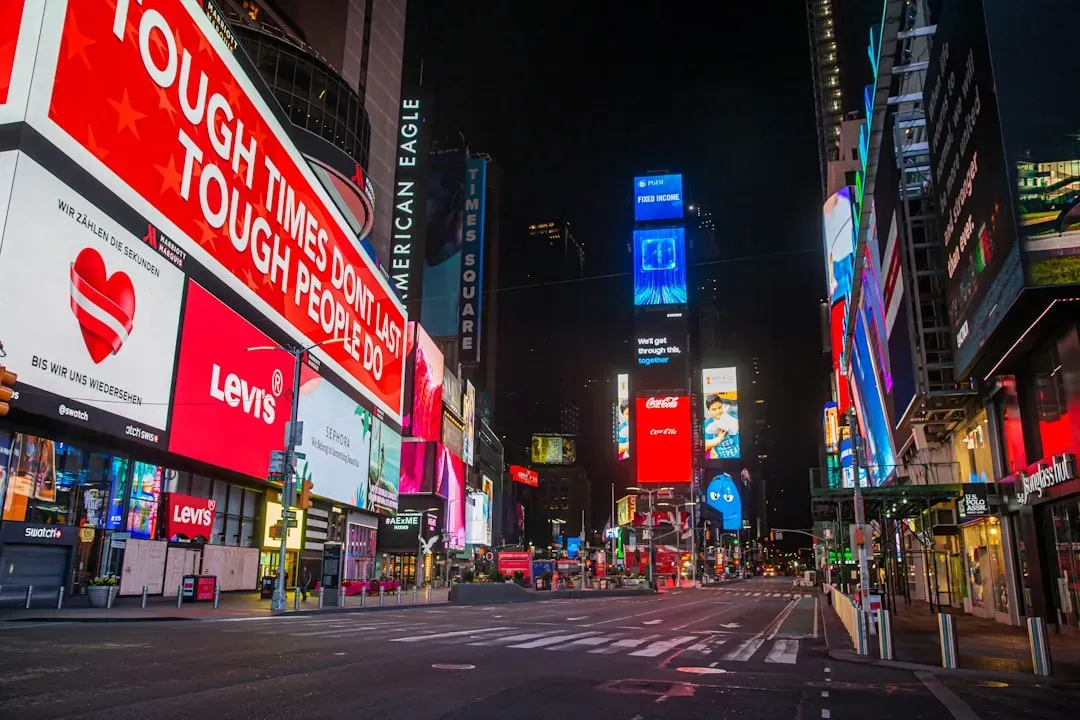
The Big Apple isn’t immune to these broader trends. The city recorded 64.7 million visitors last year, a marginal 0.3% increase compared with 2024, missing the city’s long-touted goal of attracting 67 million tourists and failing to eclipse the all-time record of 66.6 million visitors set in 2019.
NYC Tourism + Conventions pointed to “tariffs and negative rhetoric” surrounding travel to the United States as major contributors to a nearly 5% decline in overseas visitors year over year, with international arrivals slipping from 12.9 million in 2024 to 12.3 million in 2025. Western Europe showed particular weakness.
The CVB had dropped its total estimated visitors from 67.2 million to 64.1 million – a decline of 3.1 million travelers, and the international forecast has been adjusted from 14.1 million to 12.1 million visitors. That’s not just a number, that’s billions of dollars in lost economic activity. Together, the decrease in domestic and international visitors is estimated to result in a loss of more than $4 billion.
Los Angeles: The Hollywood Effect Fades
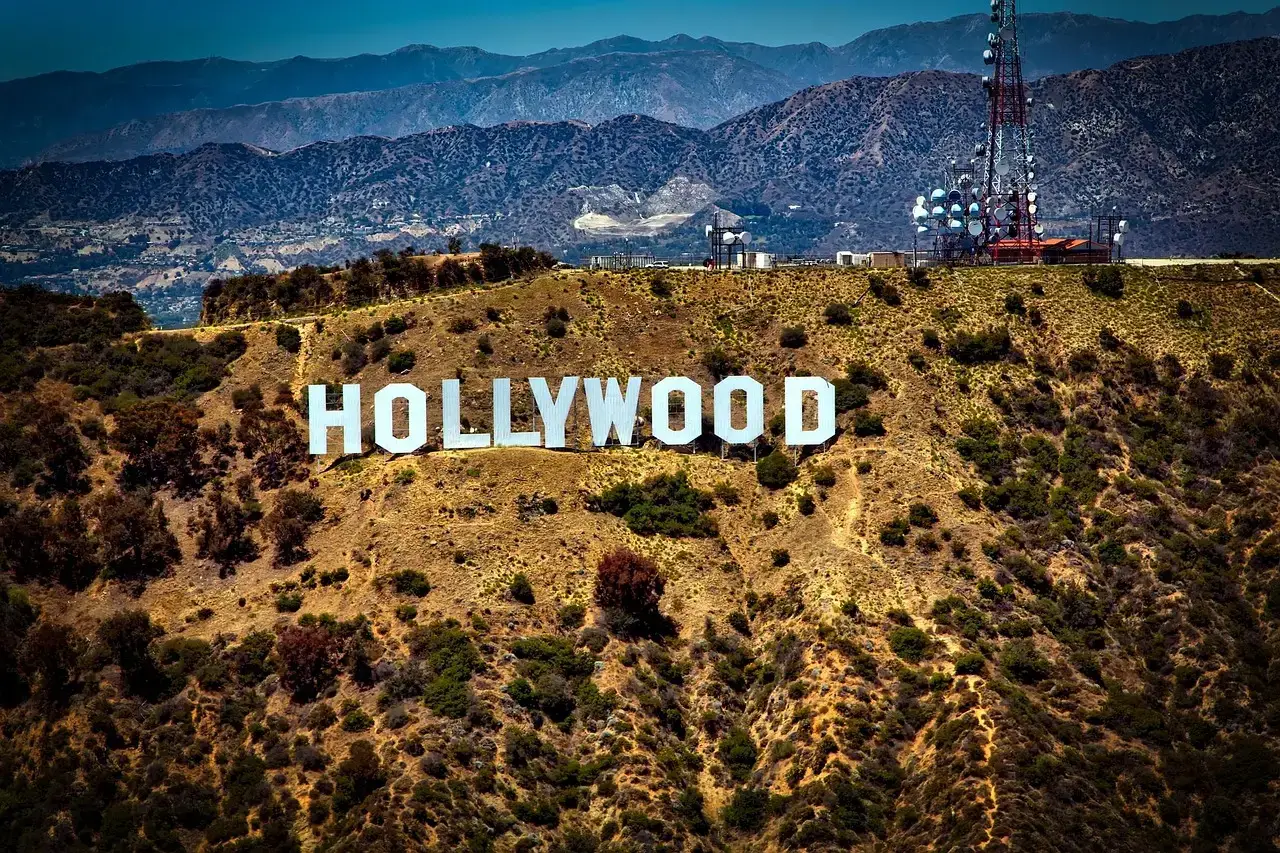
Cities like New York City, Los Angeles, Miami, and Las Vegas that have historically attracted the most international visitors appear to be suffering the most from the loss of foreign tourists. Los Angeles, despite its global brand recognition, hasn’t escaped this pattern.
Los Angeles tourism boomed pre-pandemic, with visitor numbers reaching a record 50 million in 2019, though a strong recovery is underway, with visitor numbers nearing that level again in 2023. The city’s recovery has been steady but incomplete. The homeless population declined by 0.27% to 75,312 in LA County, and by 2.2% to 45,252 in the City of LA in the 2024 count, showing some progress on a visible issue that affects tourism perception.
Rising costs compound the problem. Rising travel costs – from airfare and hotels to car rentals and everyday expenses – are putting additional pressure on both foreign and domestic travelers. Many tourists are rethinking long-haul trips to Los Angeles and instead choosing more affordable destinations in Latin America, Europe, and Asia.
Las Vegas: When the Party Stops
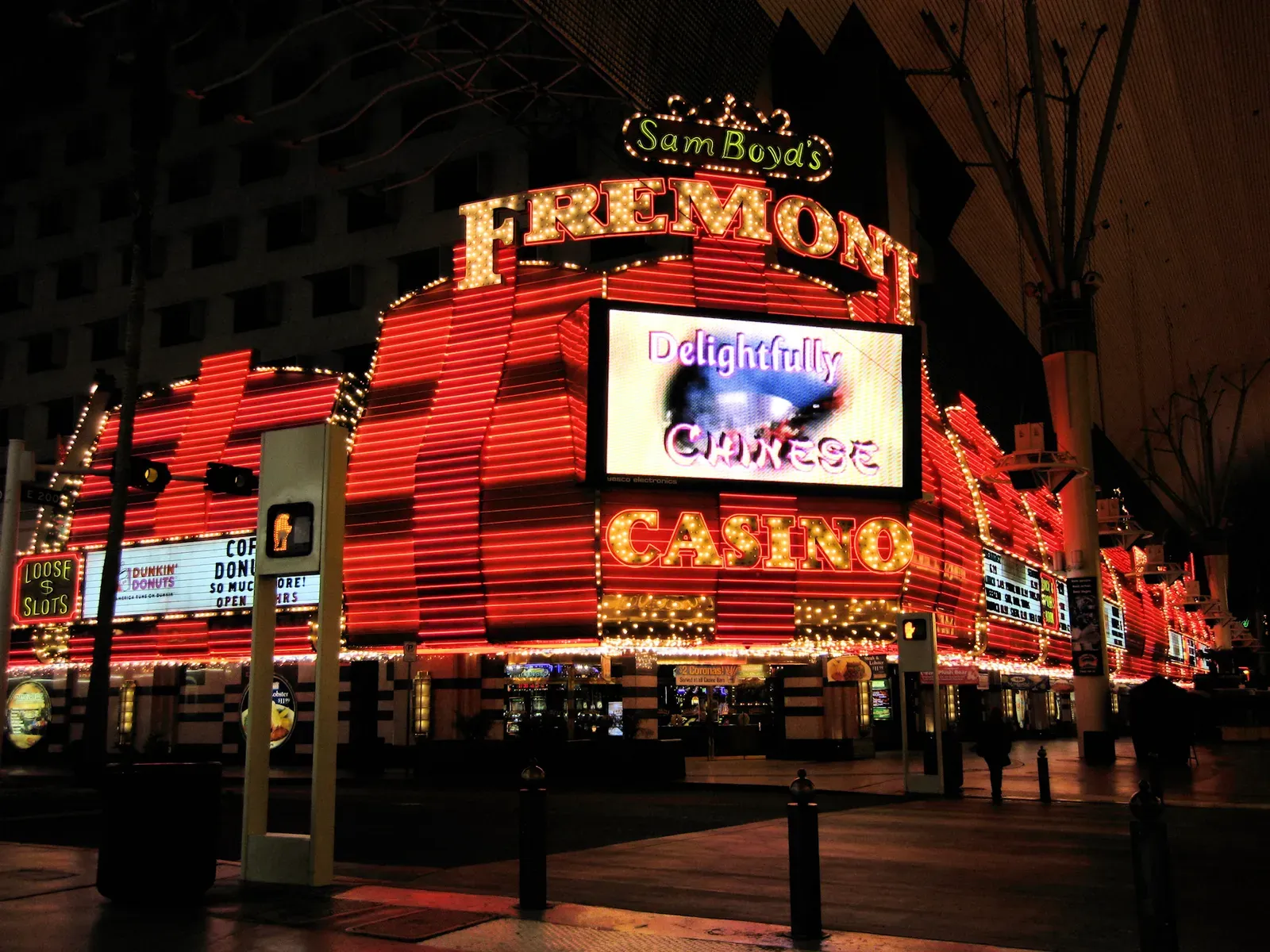
Las Vegas has seen a drop in both domestic and international tourists, with overall visitor volume down 8% from January to July 2025 compared to the same period the year before, according to the Las Vegas Convention and Visitors Authority’s latest data.
It’s no coincidence that Las Vegas has suffered without the regular inflow from Canada, its largest source of international visitors, per the Las Vegas Convention and Visitors Authority. In September, Vegas ran its first-ever city-wide sale to lure back visitors disillusioned with its hidden resort fees.
On social media, viral “ghost town” stories circulated about Vegas in 2025, as both places have faced a chorus of complaints about their “nickel-and-diming” of guests, as their once-affordable resorts have become luxury destinations. The Entertainment Capital of the World is discovering that value matters more than glitz when wallets get tight.
Steve Hill, CEO of the Las Vegas Convention and Visitors Authority, recently returned from a sales mission in Vancouver. What he heard was not surprising: A certain portion of Canadians will not visit the US right now on principle.
These six cities tell a larger story about American tourism in 2026. Political rhetoric, trade tensions, rising costs, and shifting perceptions have combined to create what some are calling a self-inflicted wound to the industry. The cities themselves remain as fascinating and vibrant as ever, but getting international travelers to see past the headlines has become the challenge nobody anticipated.