5 Fast-Food Chains That Still Make Everything From Scratch, According to Experts
As consumers have become more conscious of nutrition, ingredients, and sustainability, several chains have reimagined preparation by offering made-from-scratch items, proving that fast food doesn’t have to mean factory-made. While many drive-through restaurants rely heavily on frozen, pre-packaged components, a handful of national chains buck this trend entirely. These spots refuse to compromise on quality, choosing instead to prep, chop, cook, and assemble food right in their kitchens daily. It’s not always the fastest route, but when you taste the difference, you’ll understand why fans drive miles out of their way for these burgers, fries, and bowls.
In-N-Out Burger
In-N-Out has formally banned all microwaves, freezers, and heat lamps from every location. Nothing sits under a heat lamp waiting for you. Each burger is made from scratch, in-house, one at a time, and to order, which explains why the line sometimes snakes around the parking lot.
The chain’s meat is carefully selected from the highest quality cattle and delivered fresh from In-N-Out patty facilities, where it has been ground in-house. The fries are made with one hundred percent sunflower oil after being cut in-store, and you can watch employees slice whole potatoes right through the window. Even the shakes use real ice cream with very little else mixed in.
The company does not utilize freezers in its operations, shipping food daily to its stores from its facilities. This commitment to freshness means all restaurants need to be within three hundred miles of its distribution centers because nothing is ever frozen and new restaurant locations are limited by the distance they can travel from patty-making facilities.
Five Guys
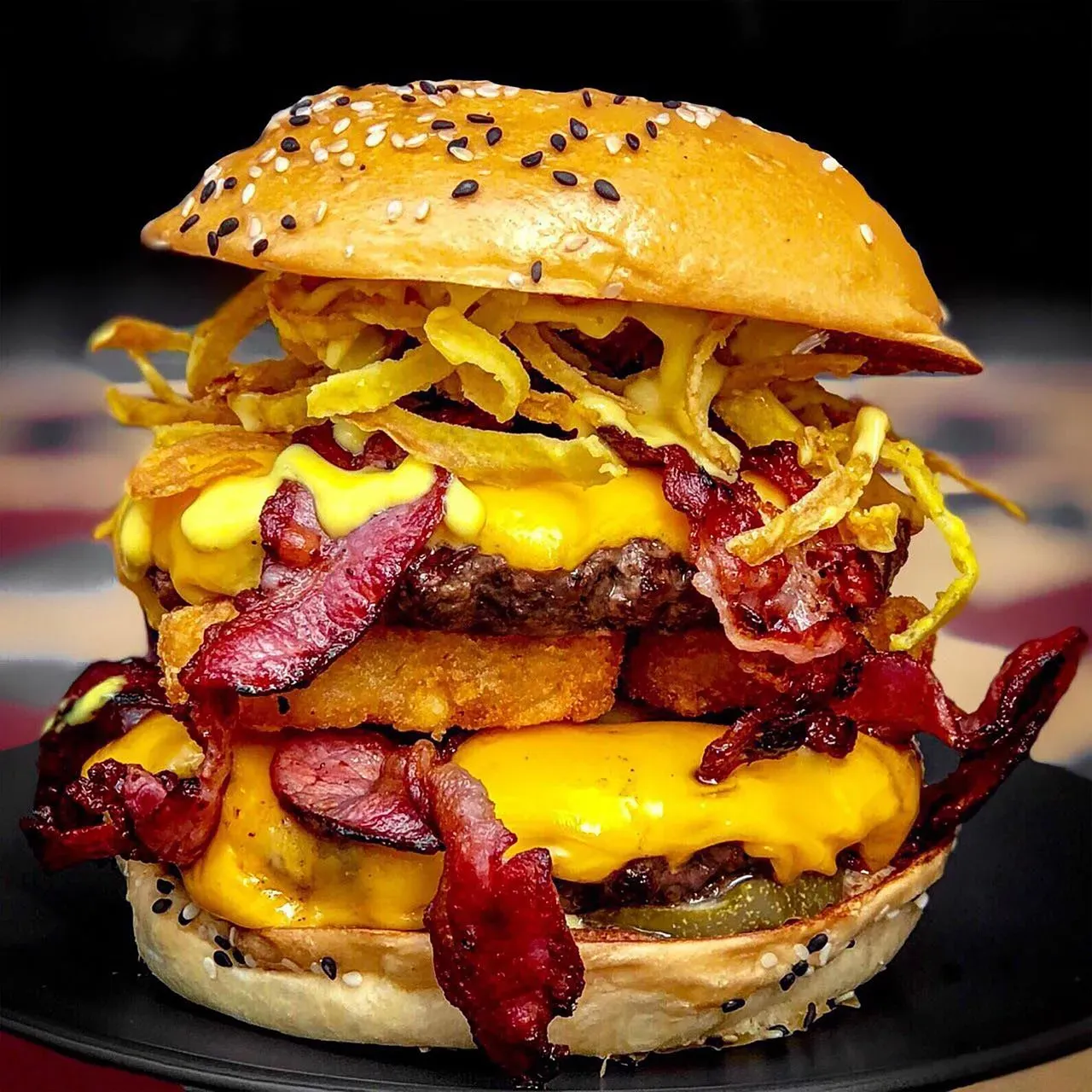
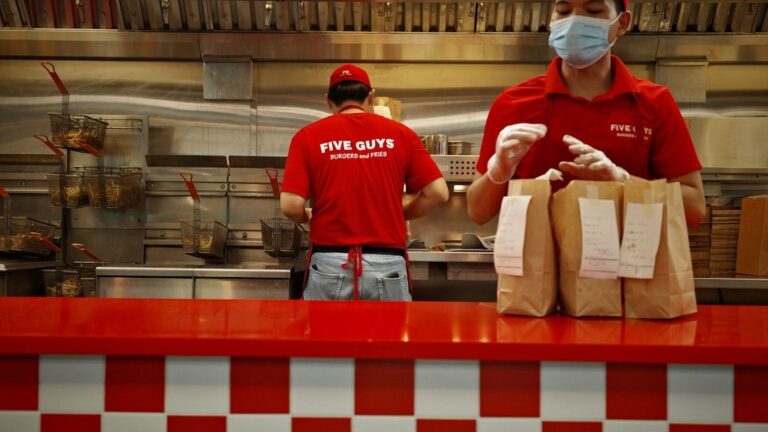
There are no freezers in Five Guys locations, just coolers, and the meat sits in a large refrigerator for up to thirty hours, which means that the beef inside your burger hasn’t been inside the restaurant for more than a day and a half at most. That’s about as fresh as you’ll find in the fast-food world.
Every uncooked ball of ground beef, which must weigh between three point five and three point seven ounces, is put between squares of parchment paper, hand-flattened, and then fully smashed using a metal burger press. Meat is hand-formed into meatballs that weigh three point five to three point seven ounces, pressed into patties and refrigerated, and is prepared in the morning to be used for the day’s lunch shift, dinner shift, and tomorrow’s lunch shift. This level of precision isn’t typical for fast food.
Employees also make the fries from scratch, cutting and frying them in peanut oil daily, as this dedication to using real food is a fundamental aspect of the brand. These heavenly spuds are cut in store, fried in peanut oil, and sourced only from Idaho potatoes from farms north of the forty-second parallel, where the densest tubers are grown.
Chipotle
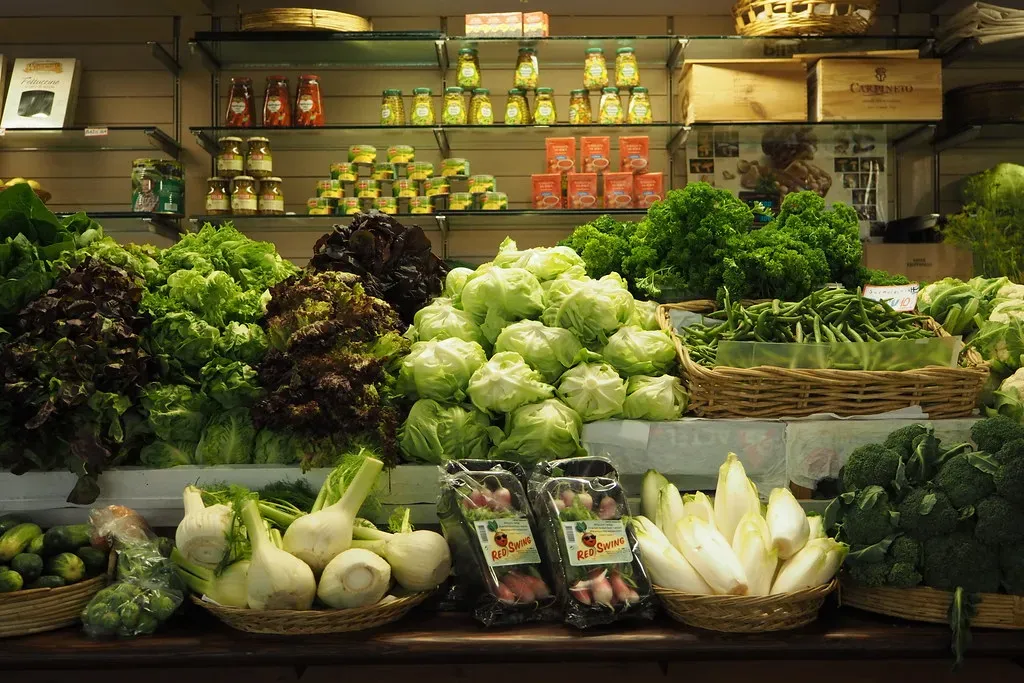
The national restaurant boasts no freezers, no can openers, no added hormones, and no artificial flavors, colors, or preservatives. Every single item you can build and order at Chipotle is made from a selection of only fifty-three total ingredients, all of which are prepared fresh. That’s an impressive feat when you consider the vast majority of menu combinations customers can create.
Chipotle announced that it has become the only national restaurant brand with no added colors, flavors or preservatives in any of the ingredients it uses to prepare its food, excluding beverages. Their salsa is made daily with roasted garlic, chili peppers, and fresh cilantro.
Rather than switching from artificial colors, flavors, sweeteners and preservatives to natural alternatives, Chipotle questioned why their food needs added colors, flavors, sweeteners and preservatives in the first place, and because they prepare fresh food using classic cooking techniques, they avoid using industrial additives typically associated with fast food. The result? Food that tastes like it came from your own kitchen, not a factory line.
Chick-fil-A
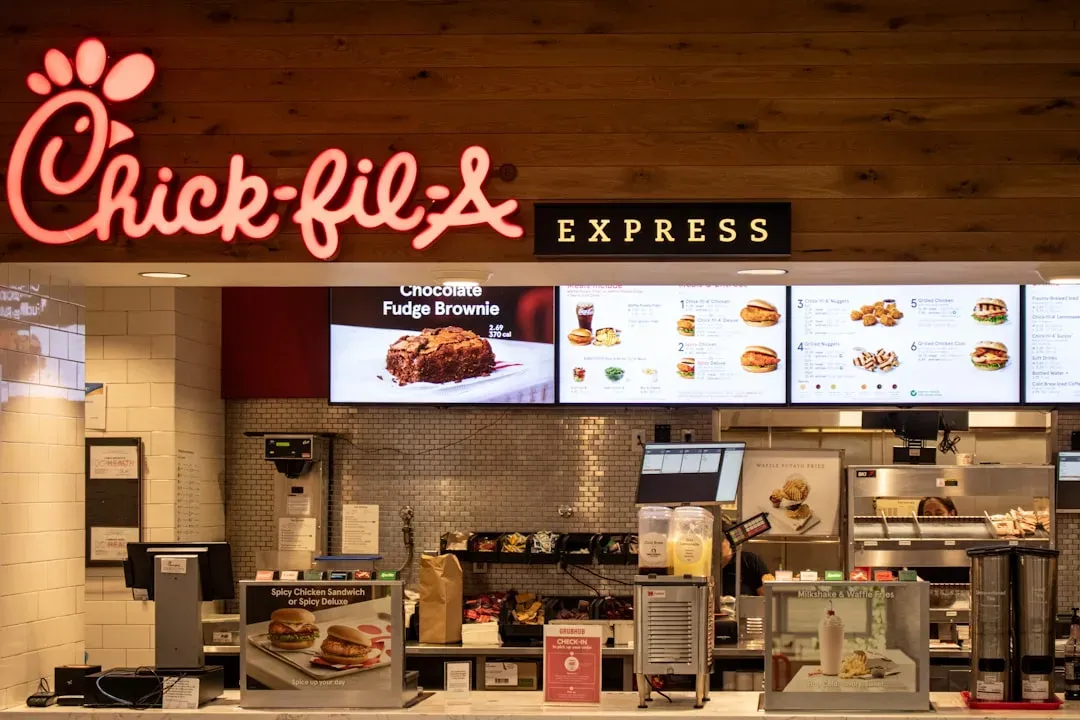
Several menu items at Chick-fil-A are hand crafted, made in-house and from scratch, notably the fried chicken breast, which uses a decades-old recipe and method to ensure high quality and consistency. When chicken arrives to stores, it is defrosted in a thawing cabinet and then carefully inspected for defects, hand-dipped into a milk and egg wash, then covered in seasoned flour, deep fried, and each sandwich is hand-assembled.
Of all its fresh menu items, the Chick-fil-A biscuits are a standout, as most Chick-fil-A chains make their biscuits from scratch daily at free-standing locations, which takes thirty minutes to make, and staff members who make them start prepping around five thirty a.m., continuing until the breakfast rush ends. There’s something irreplaceable about a warm biscuit that was mixed, rolled, and cut just hours before you ordered it.
Panera Bread
Panera CEO Ron Shaich confirmed that the U.S. food menu is one hundred percent clean with a comprehensive policy that ensures customers will get a menu free of artificial flavors, artificial preservatives, sweeteners and colors from artificial sources. Panera announced that its entire U.S. food menu and portfolio of Panera at Home products are now free from all artificial flavors, preservatives, sweeteners, and colors from artificial sources as defined by their No No List of ninety-six separate ingredients and additive classes, making Panera the first national restaurant company to make such a comprehensive commitment and meet it.
Panera reviewed more than four hundred fifty ingredients, reformulated one hundred twenty-two ingredients resulting in changes to the majority of bakery-cafe recipes, and partnered with more than three hundred food vendors to innovate solutions. Let’s be real, that’s a massive undertaking for a chain of their size. At Panera, they serve food made with responsibly raised proteins and freshly prepared with Clean ingredients.
While some operational changes have been discussed in recent years, the changes to ingredients have not changed Panera’s ability to state that ingredients are clean as defined by their no-no list, and the company remains focused on serving food guests can feel good about, with the right combination of quality, taste, and value. The chain continues holding itself to high standards for the ingredients used across its soups, salads, sandwiches, and signature mac and cheese.