9 Surprising Facts About the King Cobra: The Snake That Hunts Other Snakes
You’ve probably heard stories about venomous snakes, maybe even shivered at the thought of encountering one. The king cobra stands apart from the crowd in ways that might genuinely shock you. This isn’t your typical snake slithering through the grass hoping to avoid attention. We’re talking about a serpent with behaviors so unusual, so specific to its kind, that scientists are still scratching their heads trying to figure out how it all works. Let’s get into what makes this creature one of nature’s most fascinating predators.
It’s Actually Not a True Cobra at All
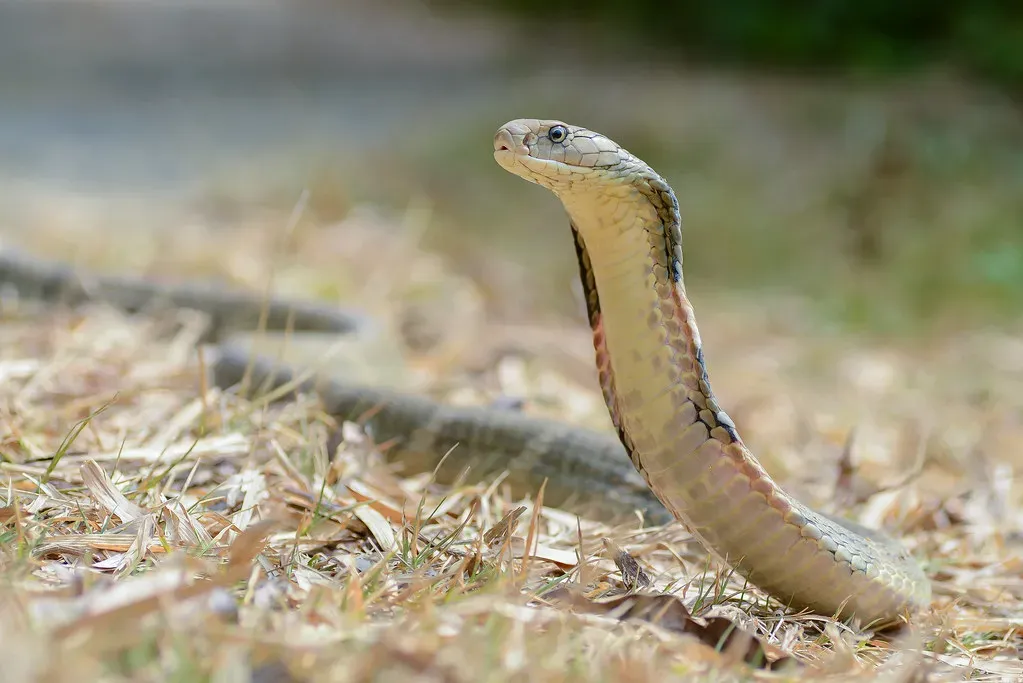
Here’s something that catches most people off guard. Despite its common name and some resemblance, the king cobra is not phylogenetically a true cobra under the genus Ophiophagus. The King Cobra is the sole member of its genus, Ophiophagus, which means “snake-eater” in Greek, highlighting its preference for preying on other snakes. True cobras belong to the genus Naja, spread across Africa and Asia. The king cobra’s name comes from its dominance over other cobras, including its willingness to hunt and eat them.
The Longest Venomous Snake on Earth
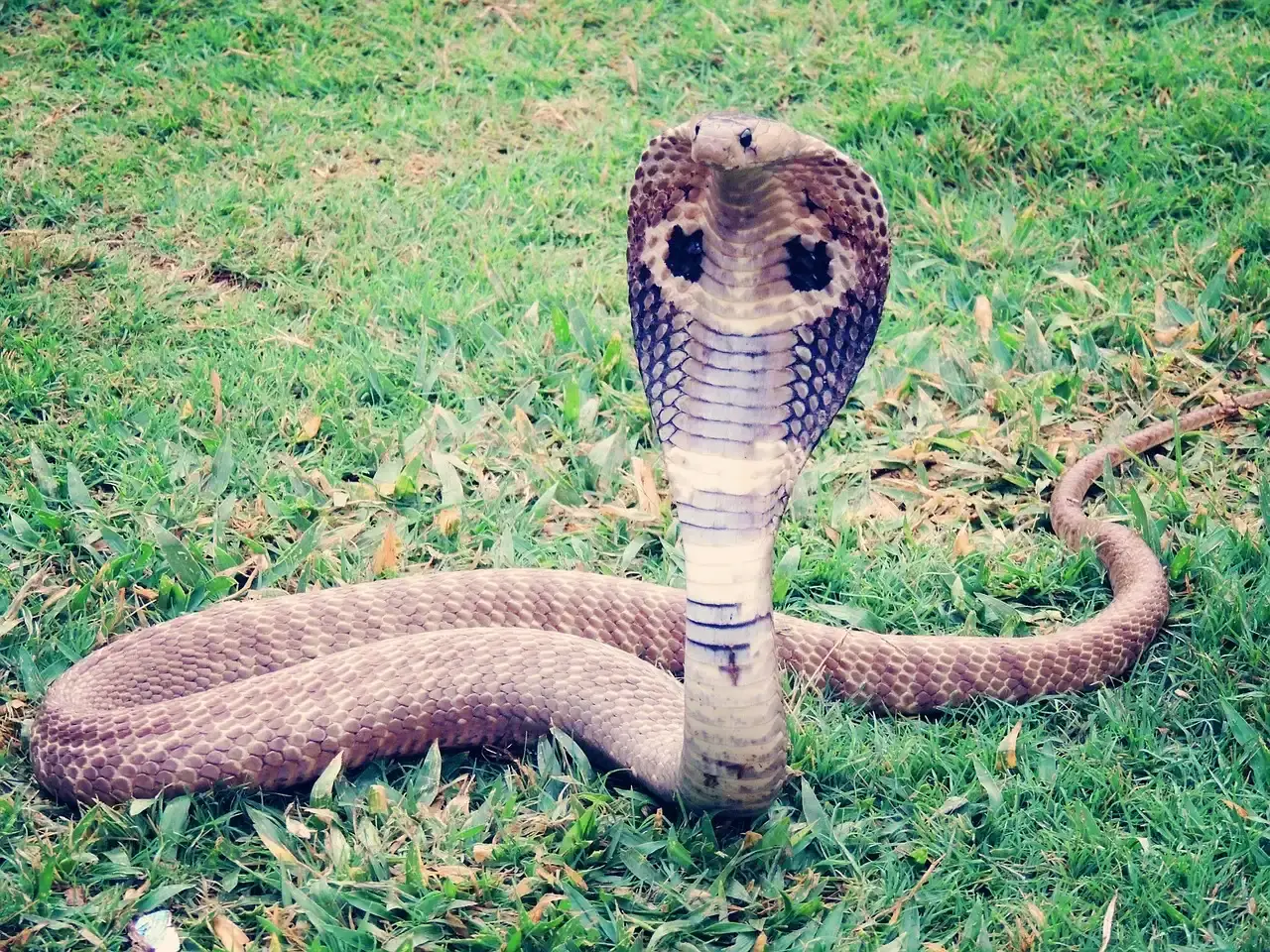
Let’s be real, size matters when we’re talking about venomous reptiles. With an average length of 3.18 to 4 m and a record length of 5.85 m, it is the world’s longest venomous snake and among the heaviest. By the autumn of 1939, an individual was officially measured at a length of 5.71 meters (18 feet 8 inches), establishing the standing record for the longest venomous snake in the world. Most specimens you’ll encounter measure somewhere between 10 and 13 feet, but extraordinary individuals in places like Malaysia and Thailand can stretch much further.
Its Venom Can Take Down an Elephant
One bite from a king cobra contains enough neurotoxins to kill 20 humans or an elephant, which is why this species is named as one of the world’s deadliest snakes. What’s wild is that the venom itself isn’t the most potent by volume when compared drop-for-drop with other snakes. It can deliver up to 420 mg venom in dry weight per bite, with a LD50 toxicity in mice of 1.28 mg/kg through intravenous injection. The sheer quantity is what makes it so devastatingly effective. Of all the three-finger toxins, alpha-neurotoxins are the predominant and most lethal components when cytotoxins and beta-cardiotoxins also exhibit toxicological activities.
An Exclusive Snake-Eating Diet
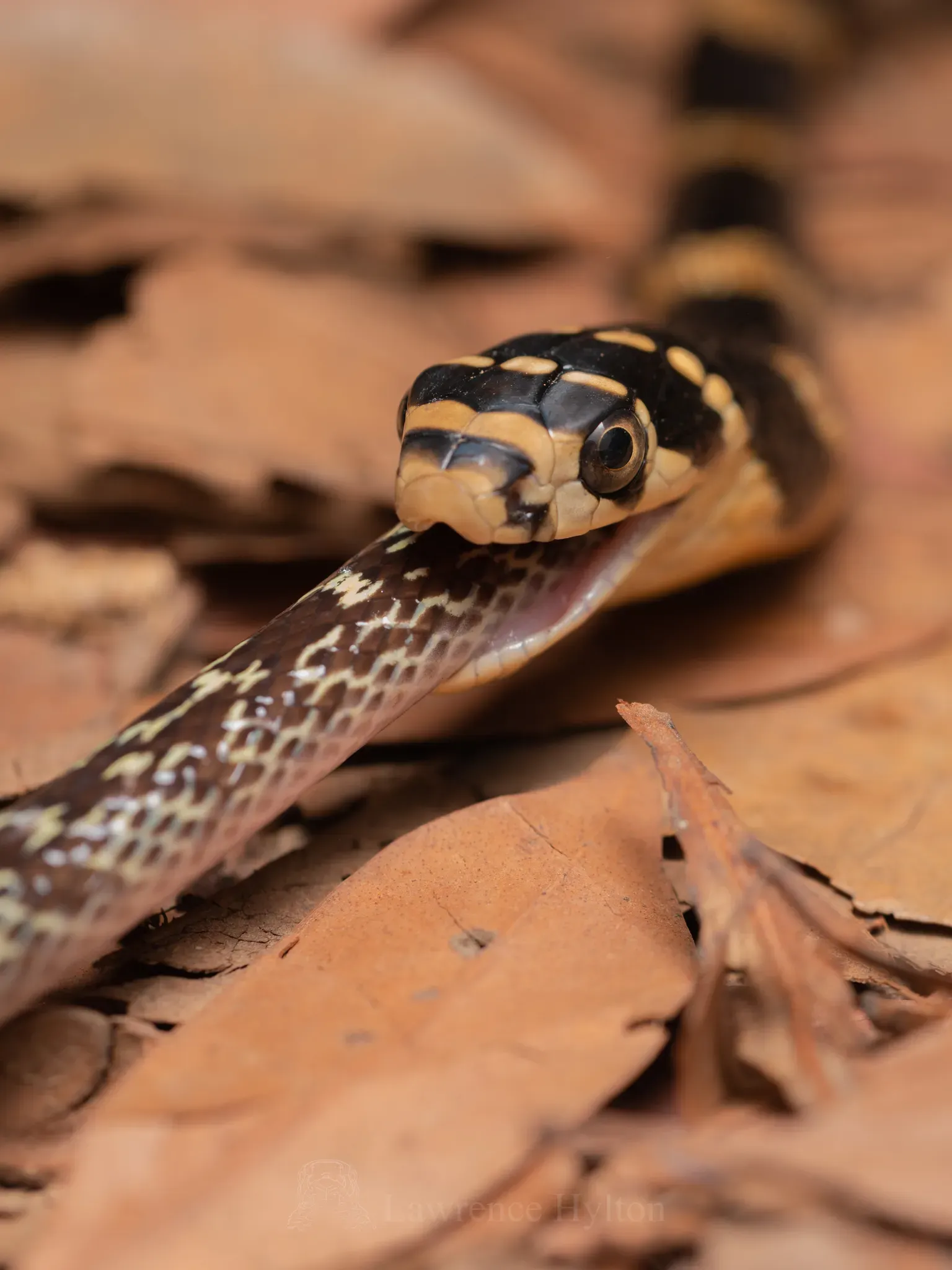
Most snakes aren’t particularly picky eaters. Rodents, birds, frogs – they’ll take what they can get. Each preys almost exclusively on other snakes, prowling in forests, fields, and villages in the daytime as well as at night. A king cobra may develop a rigid diet of a single snake species and may refuse any other snake species, and they tend to eat larger harmless species like Asian rat snakes and pythons up to 10 feet in length. They’ve been documented consuming venomous species including cobras, kraits, and even other king cobras. These lethal cannibals haven’t developed immunity to their own venom and have been known to kill and eat one another.
It Recently Became Four Separate Species
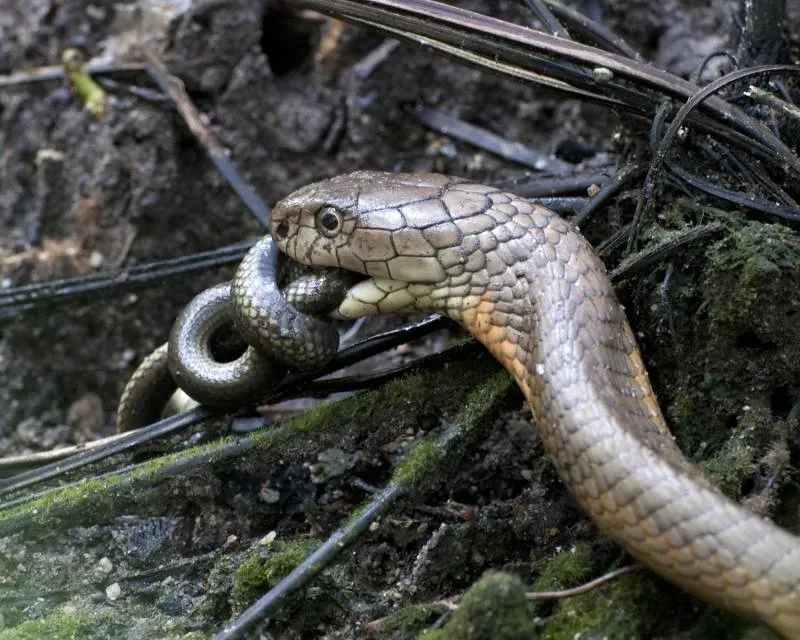
Science threw us a curveball in 2024. On the basis of a genetic study published in 2024, they were divided into four species: the northern king cobra, the Western Ghats king cobra, the Sunda king cobra, and the Luzon king cobra. Three more king cobra species exist in addition to O. hannah, namely the Sunda king cobra, the Western Ghats king cobra, and the Luzon king cobra, and these distinct genetic lineages are geographically isolated and adapted to specific ecological regions. For almost two centuries, researchers believed there was only one species. The discovery changes how we think about conservation and venom variation across different populations.
The Only Snake That Builds a Nest
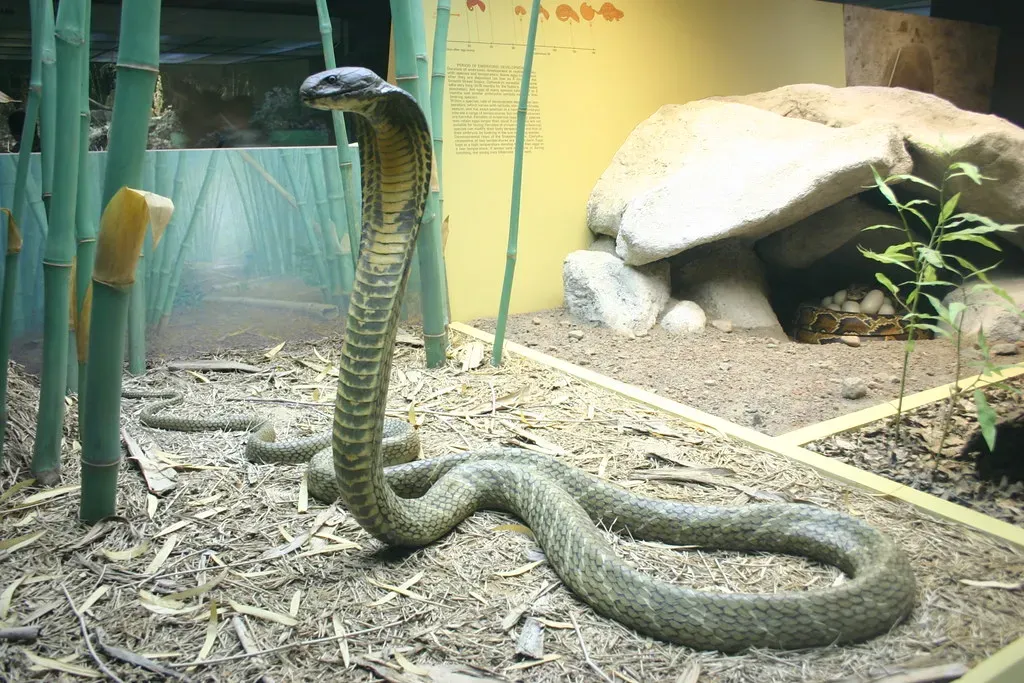
The king cobra is the only snake that builds a nest using dry leaf litter, starting from late March to late May. The female meticulously gathers leaves and debris into a two-chambered nest, depositing her clutch of 20 to 40 eggs inside and remaining on top to guard them until they hatch. Think about that for a second. A reptile, an animal we often consider driven purely by instinct, constructing an elaborate structure with a lower chamber for eggs and an upper chamber where she stays to defend against predators. Clutch size ranges from 7 to 43 eggs, with 6 to 38 eggs hatching after incubation periods of 66 to 105 days, and females stay by their nests between two and 77 days.
Surprisingly Intelligent and Aware
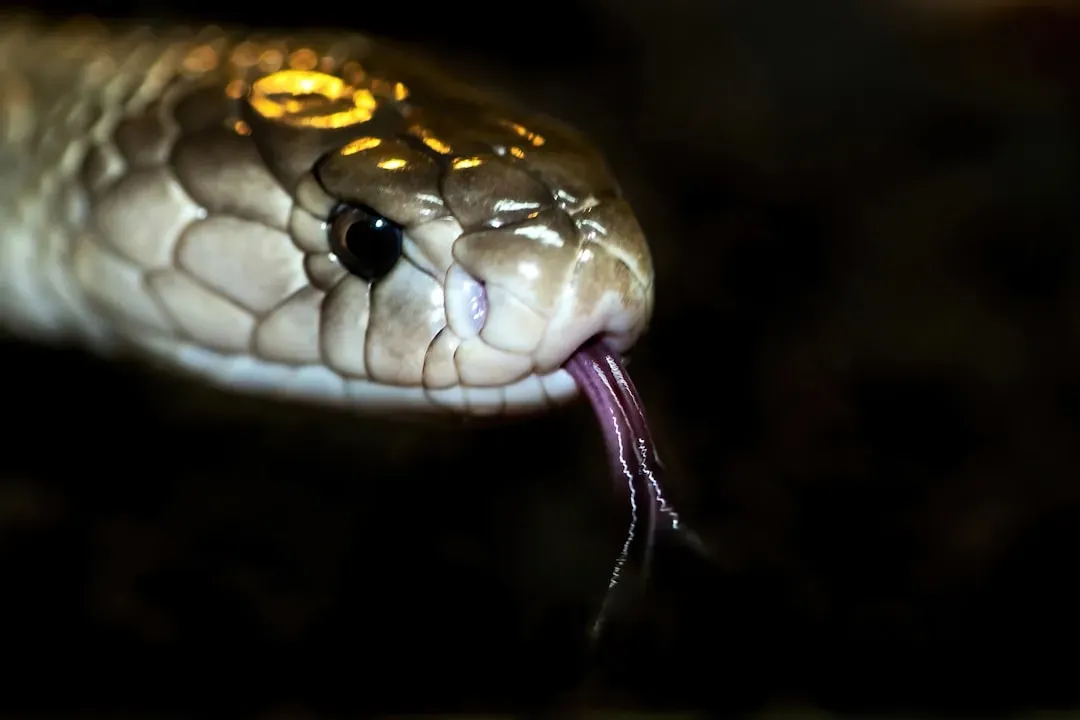
This might be the strangest fact of all. Handlers of king cobras have long said that instead of the vacant stare of a reptile, king cobras look back as if they understand they’re alive, and the anecdotal evidence suggests that cobras do indeed have an above-average intelligence for a snake. A scientist in the 50s noted that king cobras with excess eye scales that underwent a procedure to remove those scales were cooperative after a few times of undergoing the process, making it easy to be clamped down by putting themselves in the proper position as if they understood they were being helped. Anecdotal observations from zookeepers and reptile handlers have shown that king cobras appear to recognize the people who care for them, and this recognition suggests a level of learning and memory that is uncommon in snakes.
Responsible for Fewer Than Five Human Deaths Per Year
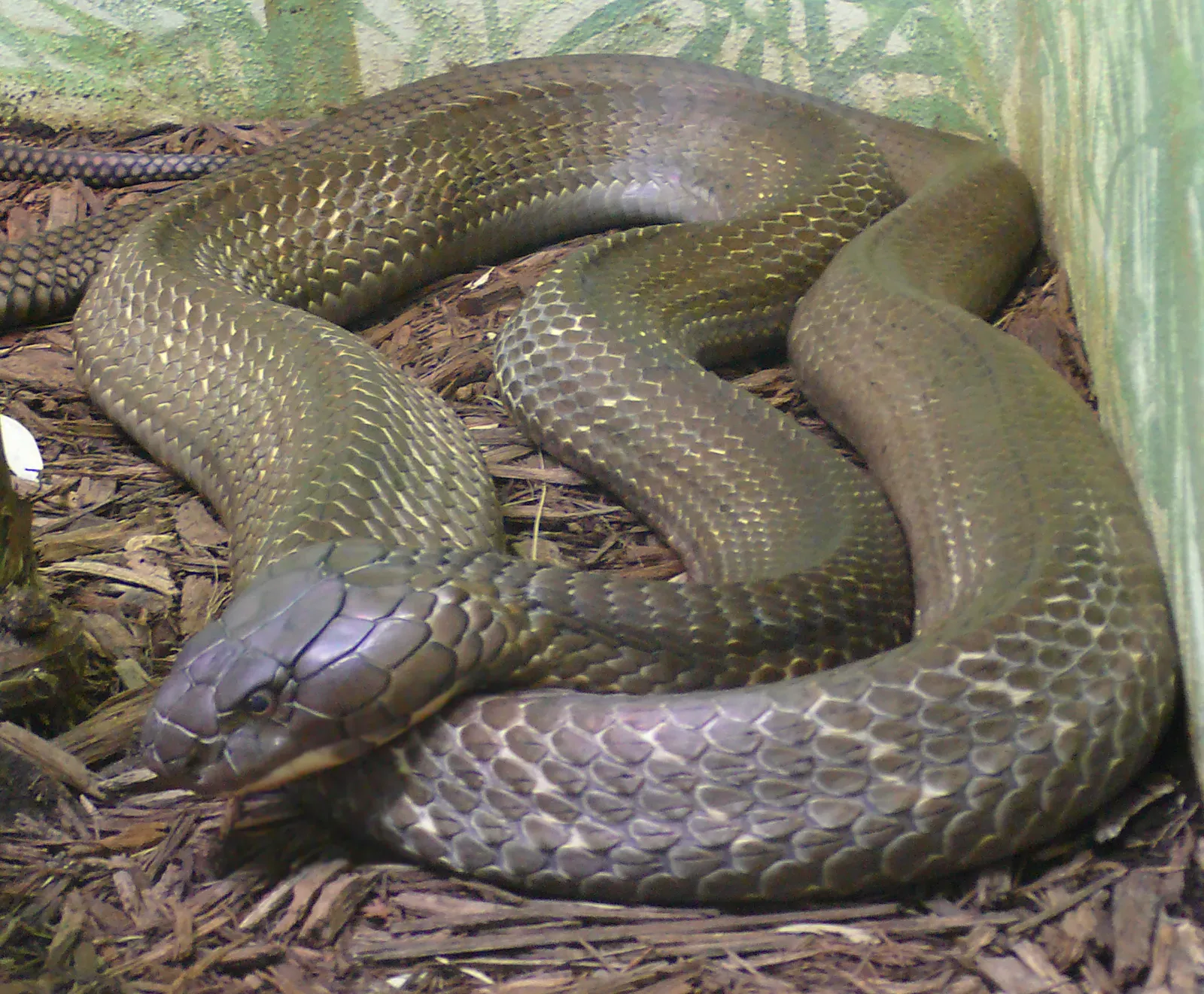
Despite its fearsome reputation, the king cobra isn’t the serial killer you might imagine. Across its range, king cobra causes fewer than five human deaths a year. King cobras are responsible for reportedly fewer than five human deaths a year, and they are generally shy snakes that tend to avoid people, choosing to flee unless provoked. Most bites happen to snake handlers or people who accidentally corner the animal. During the brood care period, the king cobra tends to be very aggressive toward approaching humans, and nesting females are more likely to attack without provocation. That’s when they become genuinely dangerous.
Better Eyesight Than Most Snakes
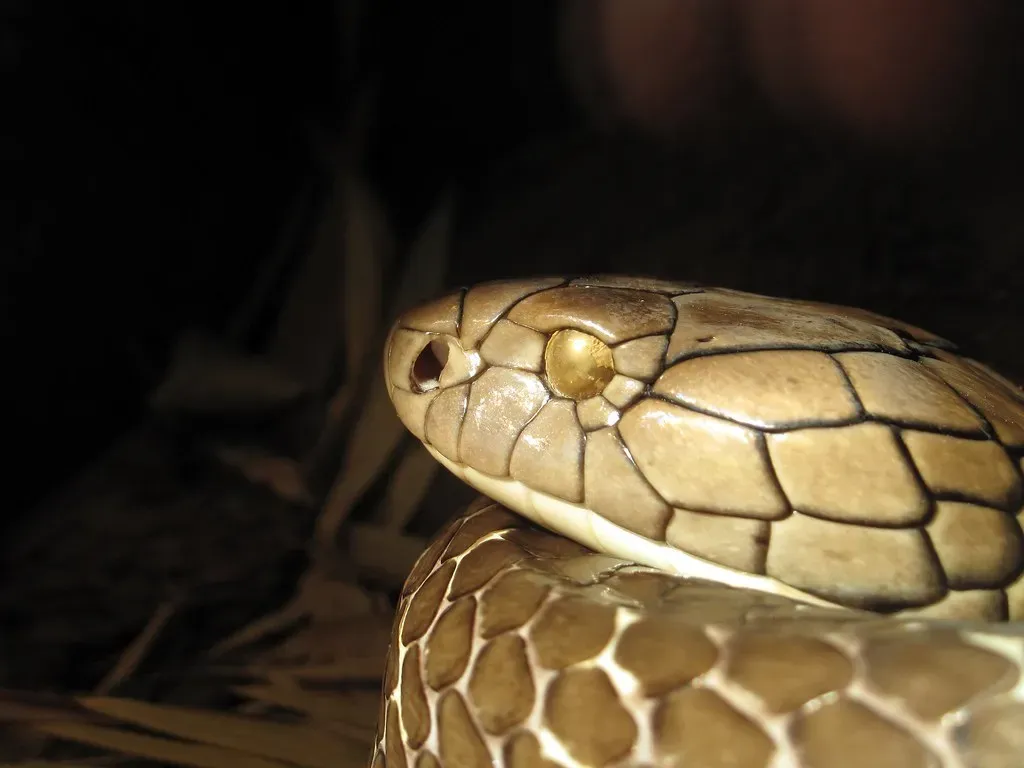
In comparison to other snake species, the king cobra has great eyesight and is able to see a moving person almost 330 feet away. Most snakes rely heavily on their sense of smell through tongue-flicking and heat detection through specialized pits. King cobras can actually watch you from a considerable distance and track your movements visually. Like other snakes, a king cobra receives chemical information via its forked tongue, which picks up scent particles and transfers them to a sensory receptor (Jacobson’s organ) located in the roof of its mouth. They’ve got multiple sensory tools working together, making them formidable hunters both day and night.
Did you expect a snake to be this complex? What surprises you most about the king cobra?