4 Classic American Breakfast Foods Disappearing From Diners
Walk into almost any traditional diner across America and you’ll notice something’s changed. Those iconic booths and checkered floors may still be there, yet the menus have quietly transformed. Some beloved breakfast staples that once anchored every morning rush are vanishing from laminated pages, replaced by trendier alternatives that appeal to younger crowds or simply cost less to prepare.
Year-over-year morning traffic to fast-food chains has fallen every quarter for the last three years, and classic diners aren’t immune to the shift. Let’s be real, breakfast has never faced this much pressure. Rising ingredient costs, labor shortages, and changing customer preferences have forced restaurant owners to make tough decisions about what stays and what gets cut. Here are four traditional American breakfast foods slowly slipping away from diner menus nationwide.
Authentic Eggs Benedict
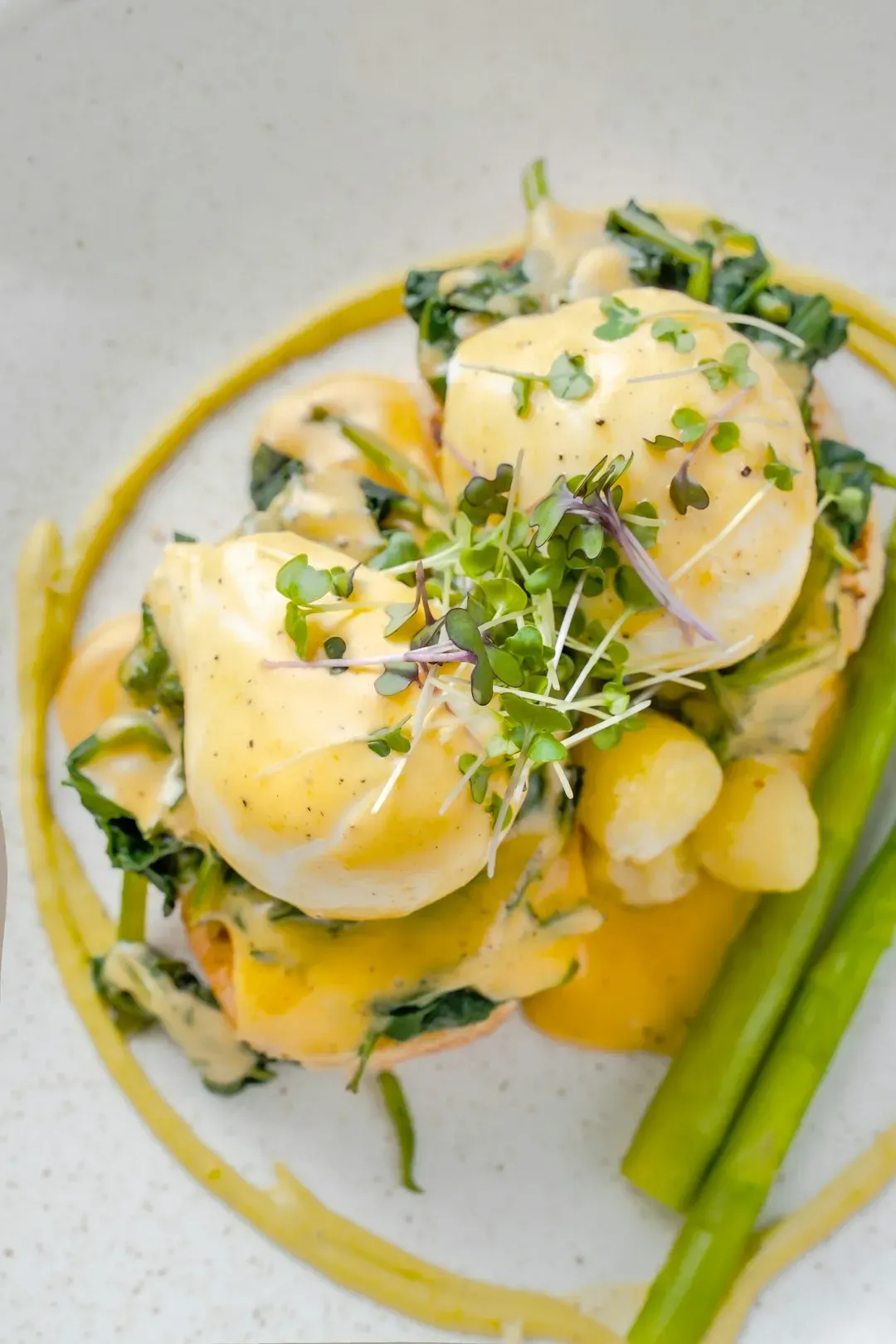
This elegant brunch classic is becoming harder to find in its true form. The art of poaching eggs consistently and preparing fresh hollandaise sauce represents a level of culinary skill that’s becoming rare in casual dining establishments. Think about what goes into real Eggs Benedict – perfectly poached eggs with runny yolks, genuine Canadian bacon, homemade hollandaise that needs constant attention. It’s labor-intensive and risky.
Many restaurants have simplified or eliminated this dish entirely, unable to justify the labor costs and potential waste associated with hollandaise preparation. When you do find it on menus these days, there’s a decent chance corners have been cut. Packaged hollandaise mix instead of the real deal. Regular bacon swapped for Canadian. Even celebrity chef Anthony Bourdain famously warned diners about restaurant hollandaise due to food safety concerns. The few places still making authentic Benedict are charging premium prices that reflect the skill and time investment required.
Buttermilk Pancakes From Scratch
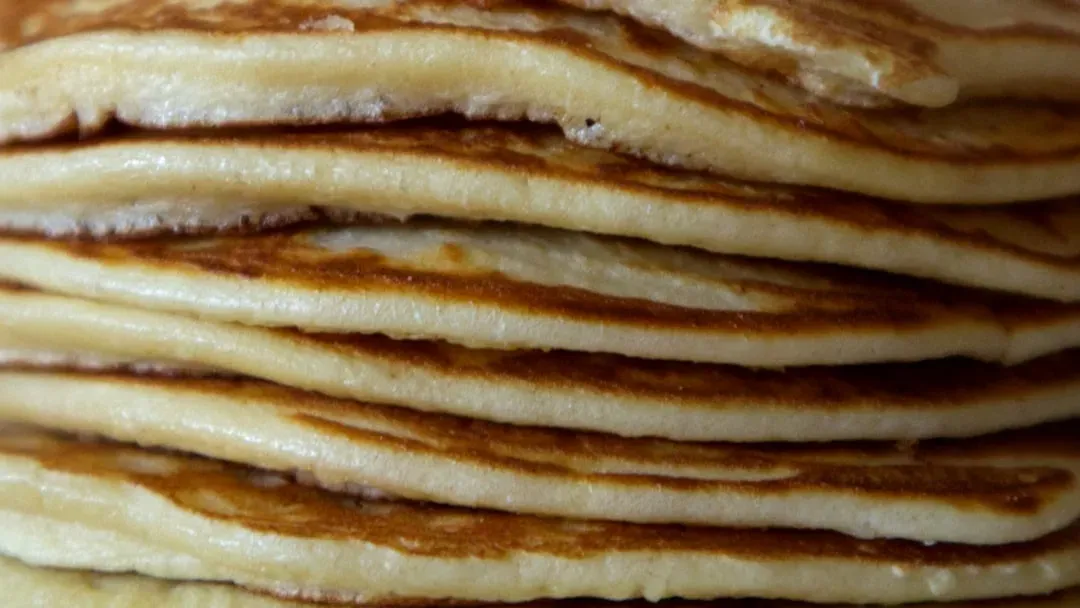
Traditional breakfast foods like pancakes and muffins are being swapped out for hearty, savory dishes such as shakshuka (poached eggs in tomato sauce), breakfast flatbreads with toppings like spinach and feta, or savory oatmeal bowls. Sure, you can still get pancakes at most diners, but honestly, the ones made from actual buttermilk batter mixed fresh each morning are disappearing fast.
Pre-made mixes and frozen batters have taken over because they’re consistent and require zero skill. The profit margins are tight enough without paying someone to measure flour at five in the morning. Health-conscious millennials and Gen Z customers now gravitate toward protein-packed options instead of carb-heavy stacks drenched in syrup. Traditional breakfast foods like pancakes and muffins are being swapped out for hearty, savory dishes that keep people full longer without the sugar crash. Diners have noticed. It’s hard to say for sure, but the era of fluffy, made-to-order buttermilk pancakes as a menu staple might be fading into nostalgia.
Homemade Biscuits and Gravy
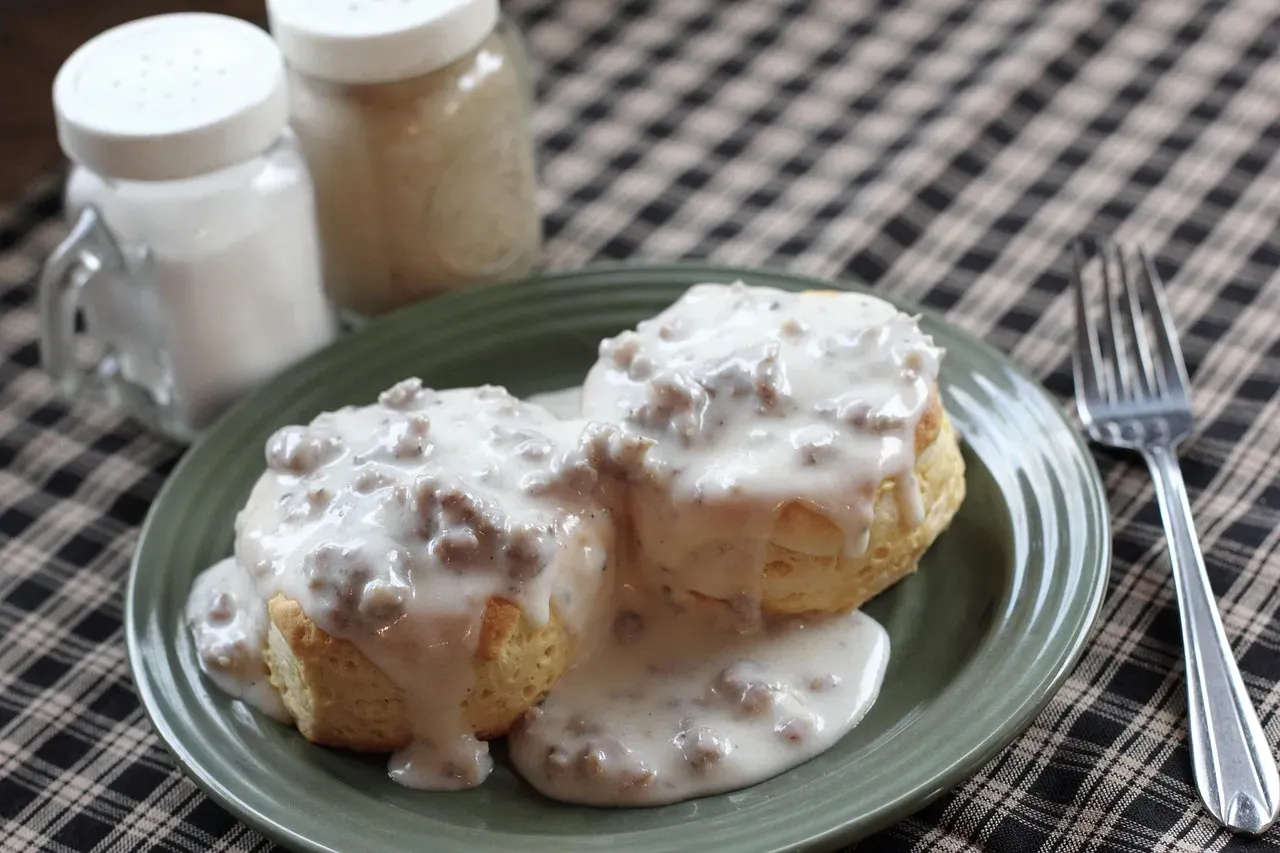
Few dishes scream “American comfort food” quite like biscuits smothered in sausage gravy. Yet this Southern classic is quietly vanishing from diner menus across the country. The process of making biscuits from scratch multiple times daily, combined with preparing proper sausage gravy, requires dedicated preparation time and skilled cooks. The economics of biscuit-making are particularly challenging – the dough requires careful handling, proper mixing techniques, and timing that doesn’t align well with modern fast-service expectations.
Good biscuits demand skill – overwork the dough and you get hockey pucks. Underwork it and they fall apart. Many establishments have switched to pre-made frozen biscuits or eliminated the dish entirely, unable to maintain the quality standards that make homemade biscuits worth ordering. When restaurants do serve it now, nearly half are using frozen or pre-formed biscuits reheated in ovens. The gravy itself has become simpler too, often made from packets rather than pan drippings and patience. Rising labor costs make paying someone to hand-roll biscuits throughout morning service economically unfeasible.
Real Corned Beef Hash
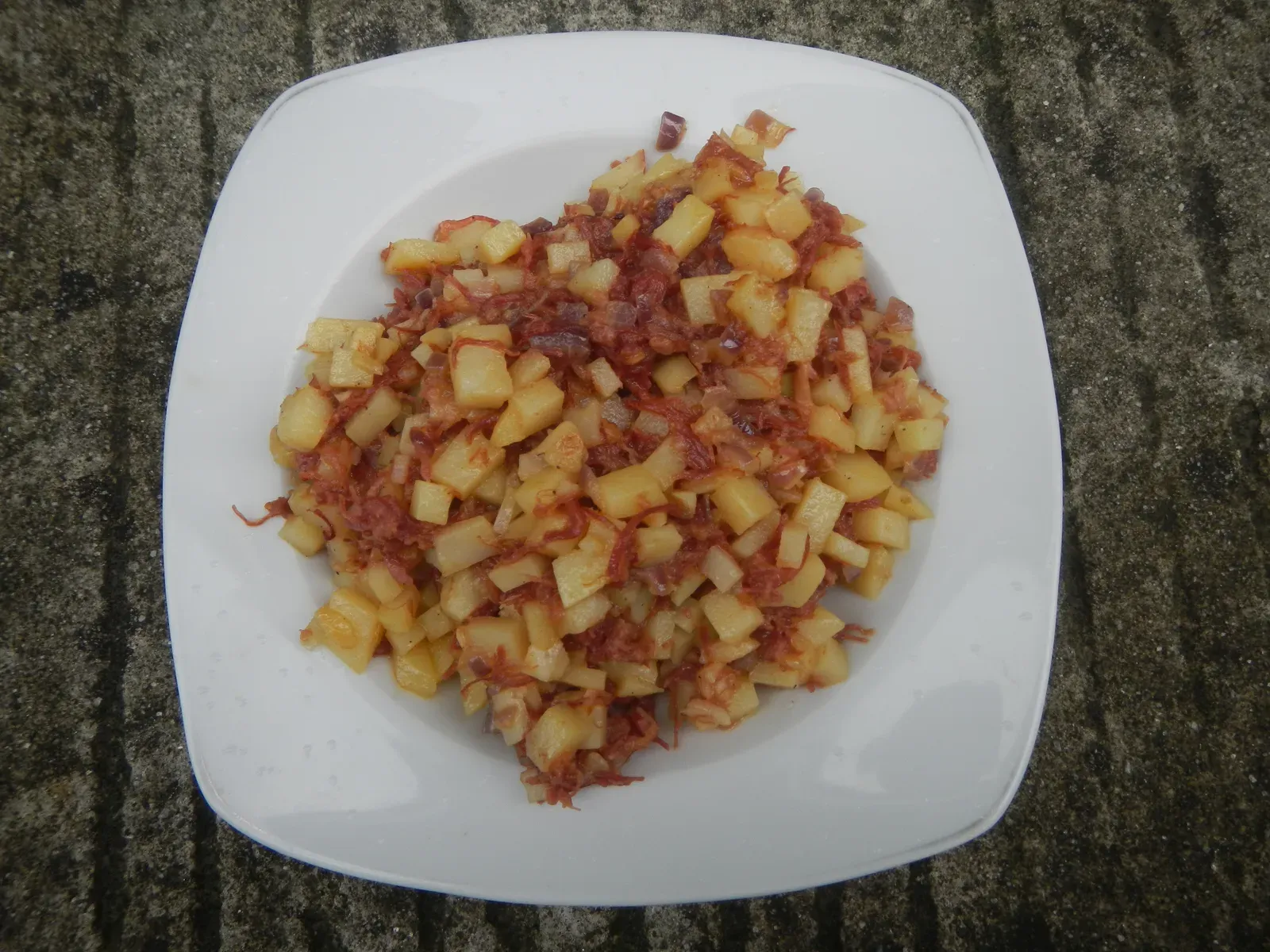
There’s a massive difference between authentic corned beef hash and the canned stuff heated on a griddle. Corned beef hash is on the menu at almost any diner or breakfast establishment. The savory dish typically consists of chopped corned beef, diced onions and potatoes, and fried onions, and is sometimes served with poached eggs on top. Genuine corned beef hash features chunks of actual corned beef brisket, hand-diced potatoes, caramelized onions, and a crispy golden crust formed on a hot flat-top grill.
Most of the corned beef hashes served in restaurants were a miss. The corned beef was bland, the potatoes mushy, or there’s a lack of overall flavor. Here’s the thing – making it properly costs money and takes time that most kitchens can’t spare during the breakfast rush. Quality corned beef isn’t cheap, and the prep work to dice everything uniformly adds labor. Many diners have quietly switched to canned versions or dropped it altogether, replacing it with simpler hash options using regular bacon or sausage. The few places still making hash the old-fashioned way have become destination spots for people willing to drive across town for the real experience.