5 Fast-Food Chains That Really Do Make Food From Scratch
Let’s be real. When you’re racing through a drive-thru, you’re not exactly expecting farm-to-table quality or artisanal preparation methods. Most of us have accepted that fast food means reheating frozen patties, microwaving pre-packaged sauces, and assembling ingredients that arrived weeks ago in a frozen state. The industry has trained us to expect efficiency over authenticity. Still, there’s something refreshing about discovering chains that refuse to compromise on quality, even when speed is the name of the game.
Think about it. How many times have you bitten into a burger and felt like you were eating something genuinely fresh? Not just marketed as fresh, truly fresh. It’s rarer than you’d think in this world of frozen convenience. Yet some chains have built their entire reputation on doing things the old-fashioned way. They’re cutting potatoes in-store, hand-forming burger patties, and baking bread daily while their competitors rely on industrial shortcuts. These are the places where you can actually watch your food being prepared from real ingredients, not just assembled from packages.
We’re about to introduce you to five chains that go against the grain. They’ve made commitments that sound almost impossible in the fast-food world. No freezers. Daily prep work starting before dawn. Ingredients sourced fresh and delivered multiple times a week. These aren’t just marketing promises either. We’re talking about verifiable practices that you can literally see happening in their kitchens. So let’s dive in and discover which chains are genuinely making food from scratch.
In-N-Out Burger: The No-Freezer Pioneer
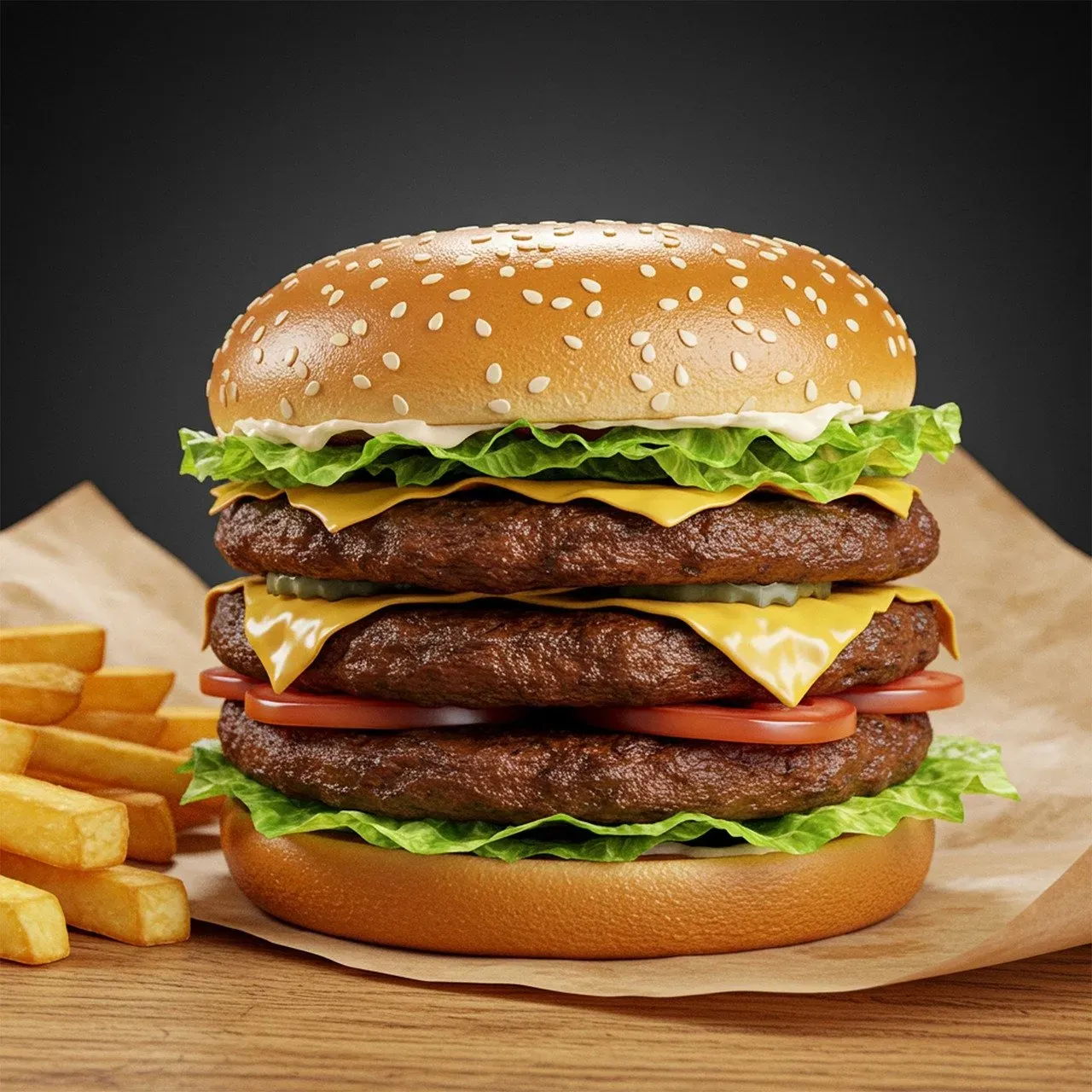
In-N-Out has formally banned all microwaves, freezers, and heat lamps from every location, which honestly sounds like culinary insanity when you consider how most fast-food operations work. Each patty is made using fresh, individually inspected whole chucks from premium cattle, with the company’s own team removing bones, grinding the meat, and making each patty using only fresh, 100% USDA ground chuck free of additives, fillers and preservatives. This California institution ships fresh ingredients daily from its own patty facilities to ensure nothing ever sees the inside of a freezer.
Their buns are baked using old-fashioned, slow-rising sponge dough, and they make every burger one at a time, cooked fresh to order. Even the fries get special treatment. French fries come from the finest, freshest potatoes shipped right from the farm, individually cut in stores, and then cooked in 100% sunflower oil. The entire operation is designed around freshness rather than convenience, which explains why In-N-Out expands slowly compared to competitors. They won’t open a store unless it’s close enough to distribution centers to maintain their no-freezer standard.
The commitment extends to every menu item. Their iceberg lettuce is hand-leafed, the American cheese is real, and they use the best available onions and the plumpest, juiciest tomatoes they can find. Even the shakes are made with real ice cream because that’s the only way they’ll ever make them. It’s this dedication that has kept their recipes unchanged for over 60 years.
Five Guys: Where Freezers Don’t Exist
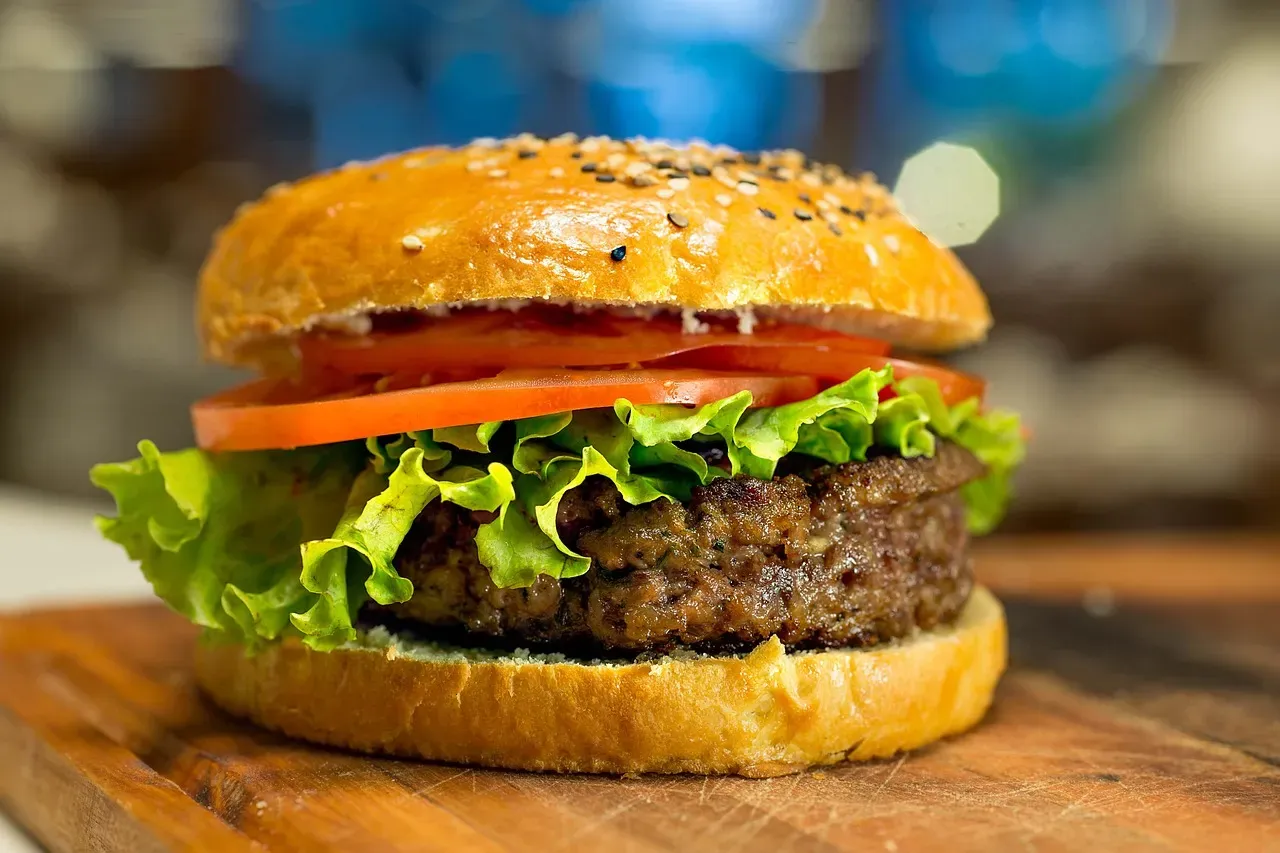
Five Guys locations have no freezers, just coolers, a fact the chain loves to advertise across its social media. Walk into any location and you’ll spot bags of whole potatoes stacked near the entrance, waiting to be cut that very day. Instead of relying on frozen patties, Five Guys receives shipments of ground beef which gets shaped into patties on-site. The meat never sits in the restaurant for more than a day and a half, kept refrigerated rather than frozen to preserve texture and flavor.
Employees make the fries from scratch, cutting and frying them in peanut oil daily. The fast food joint uses a combination of an 80/20 blend of ground chuck and sirloin, creating that signature juiciness fans crave. According to research, ice crystals formed during slow freezing can rupture cell walls of meat, leading to moisture loss and a change in consistency when cooked, which is exactly what Five Guys avoids with their fresh-never-frozen approach.
The construction of each burger is meticulous too. Buns are toasted on their own meat-free grill to prevent sogginess, and after patties are prepared using a three-stage cooking process, toppings are carefully aligned with specific items designated for the bottom versus top bun. The fries are sourced only from Idaho potatoes from farms north of the 42nd parallel, where the densest tubers are grown. This labor-intensive approach contrasts sharply with chains that prioritize broader menus with frozen ingredients.
Chipotle: 53 Real Ingredients and Nothing More
Chipotle boasts no freezers, no can openers, no added hormones, and no artificial flavors, colors, or preservatives, with every single menu item made from a selection of only 53 total ingredients, all prepared fresh. This remarkable restraint in a world of endless ingredient lists shows real commitment. Chipotle continues to offer a focused menu of burritos, tacos, burrito bowls and salads made from fresh, high-quality raw ingredients, prepared using classic cooking methods, seeking ingredients that are not only fresh but sustainably grown and raised responsibly.
The chain prepares everything in-house throughout the day. From barbacoa that’s slow-cooked for hours to salsas made fresh daily, Chipotle refuses to take shortcuts. Their chili is made daily with roasted garlic, chili peppers, and fresh cilantro. Even the tortillas got a special overhaul to meet their standards. While commercially available tortillas use dough conditioners and preservatives, Chipotle achieved a tortilla made the way you would make them at home.
The company continues offering a focused menu made from fresh, high-quality raw ingredients prepared using classic cooking methods, with a vision of Food With Integrity focused on using ingredients that are sustainably grown and raised responsibly with respect for animals, land and farmers. The approach has created a cult following among customers who can taste the difference that real, fresh ingredients make in every burrito bowl.
Panera Bread: The Clean Food Revolution
Panera’s entire U.S. food menu and portfolio is now free from all artificial flavors, preservatives, sweeteners, and colors from artificial sources as defined by the company’s No No List, inclusive of 96 separate ingredients and additive classes. This wasn’t a simple marketing tweak either. The chain reviewed more than 450 ingredients and ultimately reformulated 122, resulting in changes to the majority of recipes at the company’s bakery cafes. They had to partner with more than 300 food vendors to make those clean menu changes happen.
The transformation hit some challenging categories head-on. Deli meats, bacon and select bakery items were among the most difficult challenges given the ubiquity of additives in these categories, with many removed additives like FD&C colors, sodium benzoate, sodium nitrite and sodium phosphate remaining pervasive in retail and restaurant food today. Their soups underwent particularly intensive testing. They revised Broccoli Cheddar 60 times, proving that replacing artificial additives with simpler ingredients actually achieves better taste.
The achievement makes Panera’s menu free from flavors, preservatives, sweeteners and colors from artificial sources, encompassing 96 separate ingredients and additive classes. While some recent reports suggest possible shifts in certain animal welfare standards, the core commitment to clean ingredients appears to remain intact, showing that transparency and quality can coexist with scale.
Chick-fil-A: Hand-Breaded Every Single Day
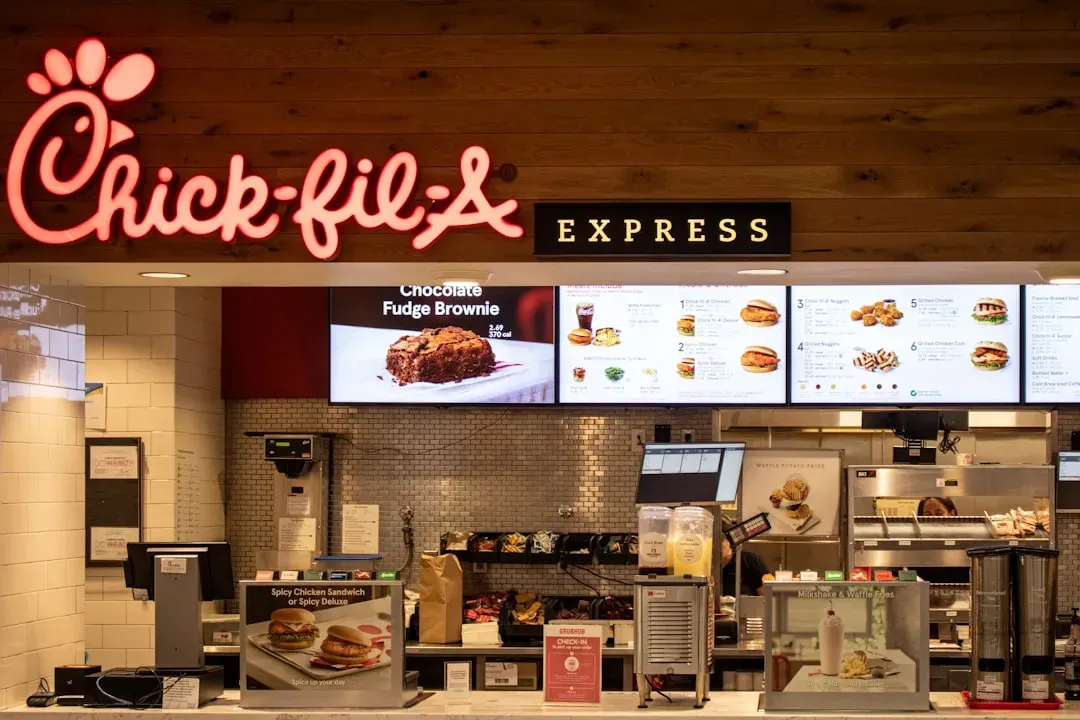
Chick-fil-A uses a decades-old recipe and method to ensure high quality, with chicken arriving to stores where it’s defrosted in a thawing cabinet, carefully inspected for defects, hand-dipped into a milk and egg wash, covered in seasoned flour, and deep fried. Every single chicken sandwich is hand-assembled, which explains the consistent quality customers experience nationwide. This isn’t some automated process churning out uniform products. Real human hands are prepping your meal.
Most freestanding Chick-fil-A locations make their biscuits from scratch daily, with the process taking 30 minutes as staff members start prepping around 5:30 a.m. and continuing until the breakfast rush ends. That’s dedication few chains can match. Imagine arriving at work before dawn just to ensure customers get fresh-baked biscuits with their breakfast. It’s the kind of labor-intensive approach that flies in the face of modern efficiency metrics.
The brand’s commitment to from-scratch preparation spans beyond just the marquee items. Several menu items are handcrafted, made in-house and from scratch, with fried chicken breast as the principal ingredient and star player. Each chicken sandwich is hand-assembled, ensuring consistency while maintaining that homemade quality that keeps customers coming back week after week.
These five chains prove that fast doesn’t have to mean fake. They’ve built successful businesses by refusing to compromise on ingredient quality and preparation methods. Sure, you might wait a few extra minutes for your order. The prices might be slightly higher than the cheapest options. Yet the difference is undeniable when you bite into a burger made from beef that was never frozen, or fries cut from whole potatoes that morning, or chicken hand-breaded just minutes before hitting the fryer. It’s a reminder that even in our rush-rush world, some things are still worth doing right. What do you think? Are these fresh-food standards worth the extra cost and wait?