4 Regional American Foods You’ve Likely Never Tried
America’s culinary landscape stretches far beyond burgers and hot dogs. Hidden across the country are regional foods that rarely travel beyond state lines, dishes so local that even Americans from neighboring areas might never encounter them. These aren’t trendy fusion creations or Instagram sensations. They’re authentic, deeply rooted traditions that tell stories of immigration, resourcefulness, and community. Let’s be real: most of these foods sound unusual at first glance, but that’s exactly what makes them worth seeking out.
Scrapple: Philadelphia’s Breakfast Mystery Meat
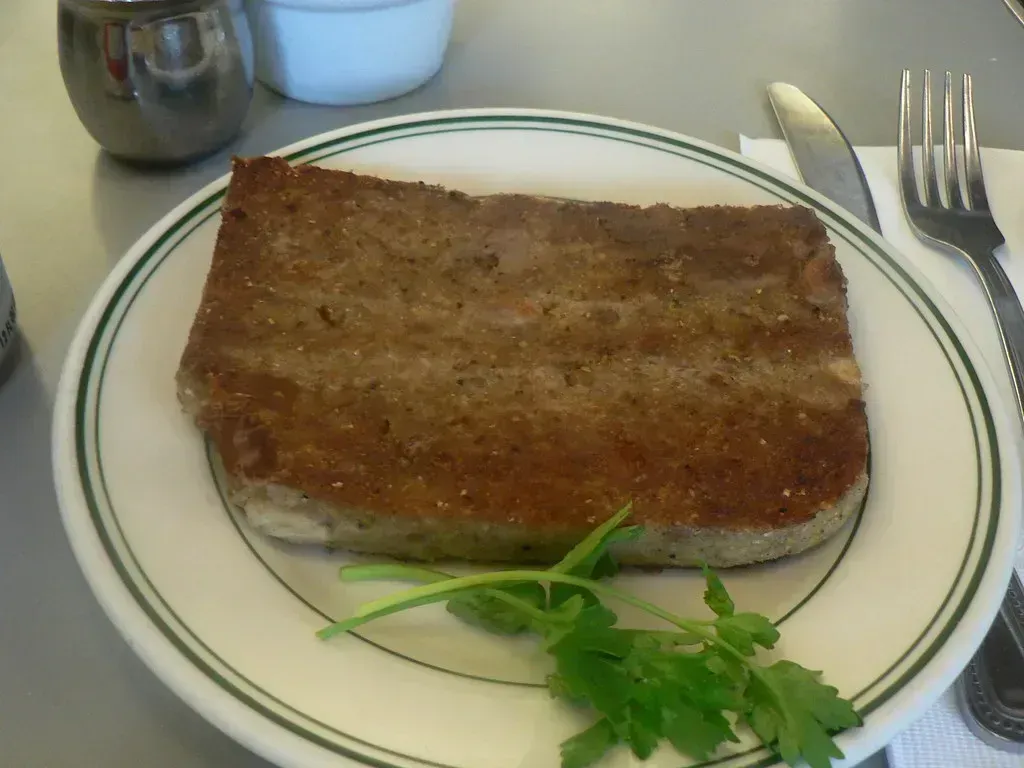
Scrapple is a traditional mush of fried pork scraps and trimmings combined with cornmeal and wheat flour, and it’s primarily eaten in the southern Mid-Atlantic areas of the United States including Delaware, Maryland, South Jersey, Pennsylvania, Virginia, and North Carolina. Here’s the thing about scrapple: it was born from necessity. The dish traces back to German colonists who settled in Southeastern and South-Central Pennsylvania in the 17th and 18th Centuries, evolving from pannhaas or “pan rabbit,” a meat scrap-and-grain pudding. The two largest brands in Philadelphia are Habbersett and Rapa, controlling approximately half and one-quarter of the market respectively. On Instagram, you’ll find nearly 26,000 posts about scrapple, many from gourmet home cooks and influencers lauding the virtues of this breakfast meat. What’s fascinating is how this humble food is experiencing a renaissance. The locavore movement, which celebrates regional cuisine, has shown signs of making scrapple popular again as an edible artifact of the region’s rural roots.
Fry Sauce: Utah’s Cult Condiment
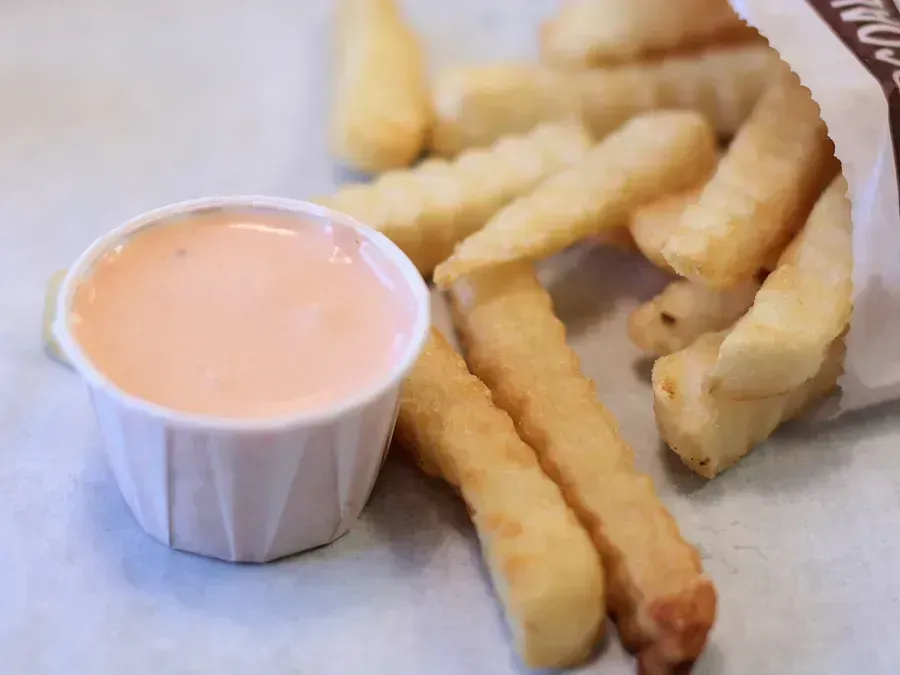
If you’ve never been to Utah or Idaho, you’ve probably never encountered fry sauce. In its basic version, fry sauce is nothing more than ketchup and mayonnaise mixed together, traditionally one part ketchup to two parts mayonnaise, to form a brand new condiment. Fry sauce was popularized in Utah, when Don Carlos Edwards used a pink sauce at his restaurant sometime between 1941 and 1943. The origin story is contested though. At a Provo, Utah franchise location in the 1950s, teen workers allegedly experimented with condiments and came up with the mayo-ketchup combination, eventually customers began requesting it and an Arctic Circle rep asked permission to take their fry sauce to company headquarters. The regional devotion to this condiment is intense. Chains like Arctic Circle serve approximately 105,000 gallons annually as of 2022, while Hires Big H sold more than 12,000 gallons in 2021. While fry sauce might be most famously tied to Utah, it’s nearly as popular in neighboring Idaho, where you’ll find it served up with not just fries but local favorites like finger steaks.
Boiled Peanuts: The South’s Salty Snack
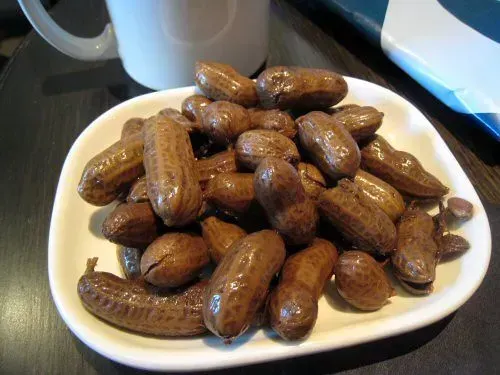
Boiling peanuts has been a folk cultural practice in the Southern United States since at least the 19th century, and the practice was likely brought by enslaved black people from West Africa, where the related bambara groundnut is a traditional staple crop. Honestly, if you didn’t grow up with them, boiled peanuts can be perplexing. They’re soft, salty, and absolutely nothing like the crunchy roasted peanuts you know. Raw or green peanuts are put in a large pot of heavily salted water and boiled, and the process can go on from four to seven hours or more depending on quantity and the age of the peanut. In recognition of their cultural significance, boiled peanuts were officially declared the official snack food of South Carolina in 2006. The tradition runs deep. In July and August when peanut crops would come in, unsold peanuts would be prepared in a boiling pot, and extended families and neighbors would gather to share conversation and food, like a fish fry serving as an organizing principle for social gatherings. Roadside stands throughout the South still sell them in paper bags, continuing a custom that dates back generations.
Poke: Hawaii’s Raw Fish Tradition Gone Mainstream
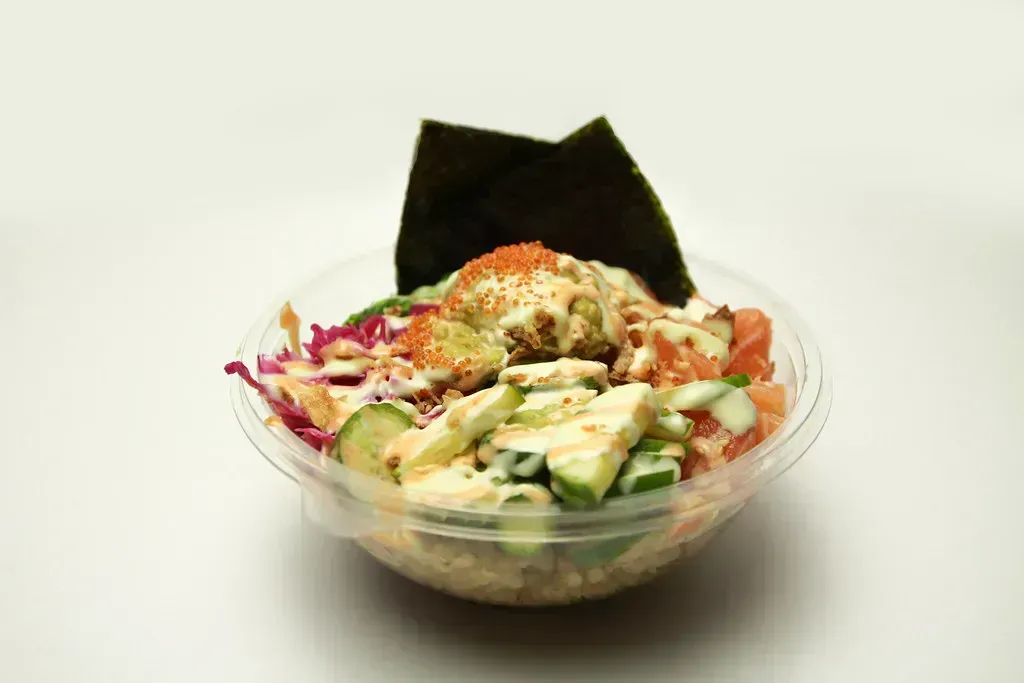
Poke is a traditional Hawaiian seafood dish and a mainstay in everyday cuisine for islanders, and while modern authentic Hawaiian poke draws from a number of traditions including related dishes from the Philippines and Japan, it always features fresh, raw seafood as the base. The dish has ancient roots. Poke began as cut-offs from catch to serve as a snack, with fish preferably cut up for immediate consumption, raw with sea salt, inamona, and sometimes seasoned with blood from the gills. According to food historian Rachel Laudan, the present form of poke became popular around the 1970s, though poke made at home or found at seafood counters were only limited to one or two flavors like onion or limu. The mainland discovery happened relatively recently. Poke became increasingly popular in North America starting in 2012, and from 2014 to mid-2016, the number of Hawaiian restaurants on Foursquare doubled, going from 342 to 700. Yet there’s tension around this popularity. In Hawaii, poke is traditionally fish on rice without the colorful toppings found in mainland poke shops, but since poke got so popular on the mainland, some new places in Hawaii started incorporating these extras. It’s a reminder that regional foods can transform dramatically when they leave home.
The Bigger Picture: Why Regional Foods Matter
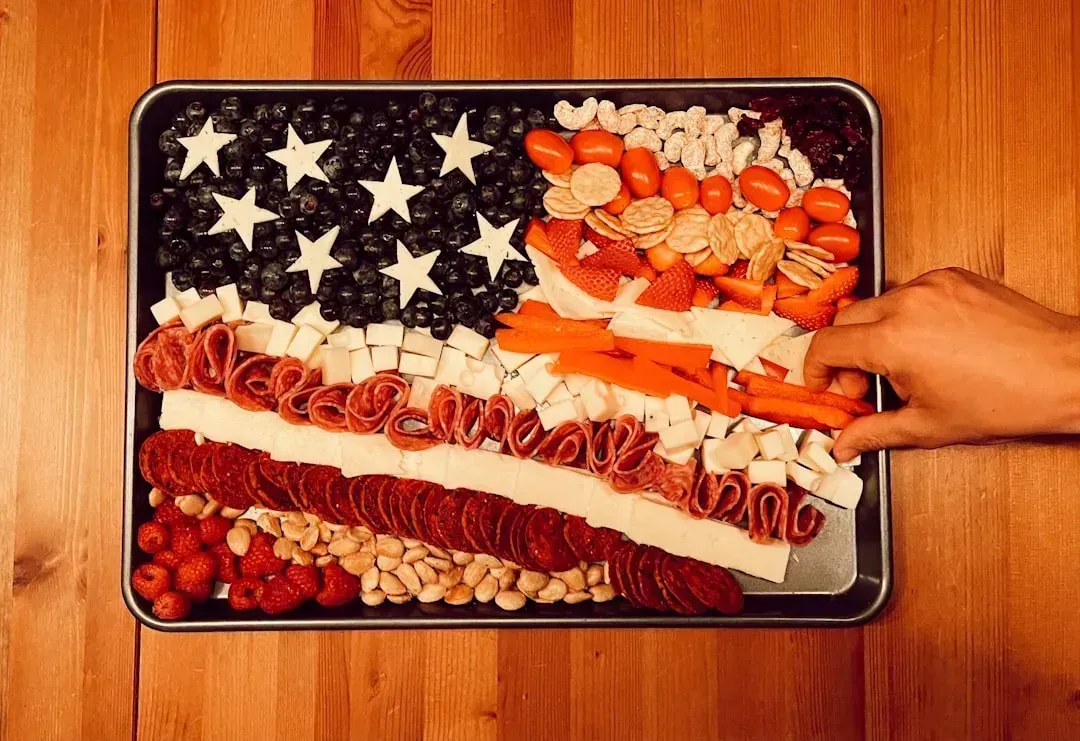
As people explore, they are becoming more deeply aware of more obscure regional ingredients and recipes, with restaurants featuring lesser-known cuisines priming consumers to realize that it’s quite easy and accessible to try new things. These five foods represent something larger than just unusual eating habits. They’re living history, each one telling a story of the people who created them and the communities that kept them alive. Scrapple speaks to German immigrant thrift. Fry sauce emerged from Western drive-in culture. Boiled peanuts carry the legacy of West African culinary traditions. Poke connects us to Polynesian fishing practices. The National Restaurant Association’s 2024 What’s Hot Culinary Forecast reports that regional menus ranked in the overall Top 10 trends for the year. What’s remarkable is how these dishes stayed hyperlocal for so long, surviving on pure tradition rather than marketing campaigns.
So what do you think? Would you try scrapple with your eggs, or dip your fries in Utah’s signature sauce? Maybe the real question is: what regional foods are hiding in your own backyard, waiting to be discovered?