Check Your Change: The 1983 Quarter Mistake That Could Be Worth $15,000
That Ordinary Quarter in Your Pocket Might Be a Small Fortune
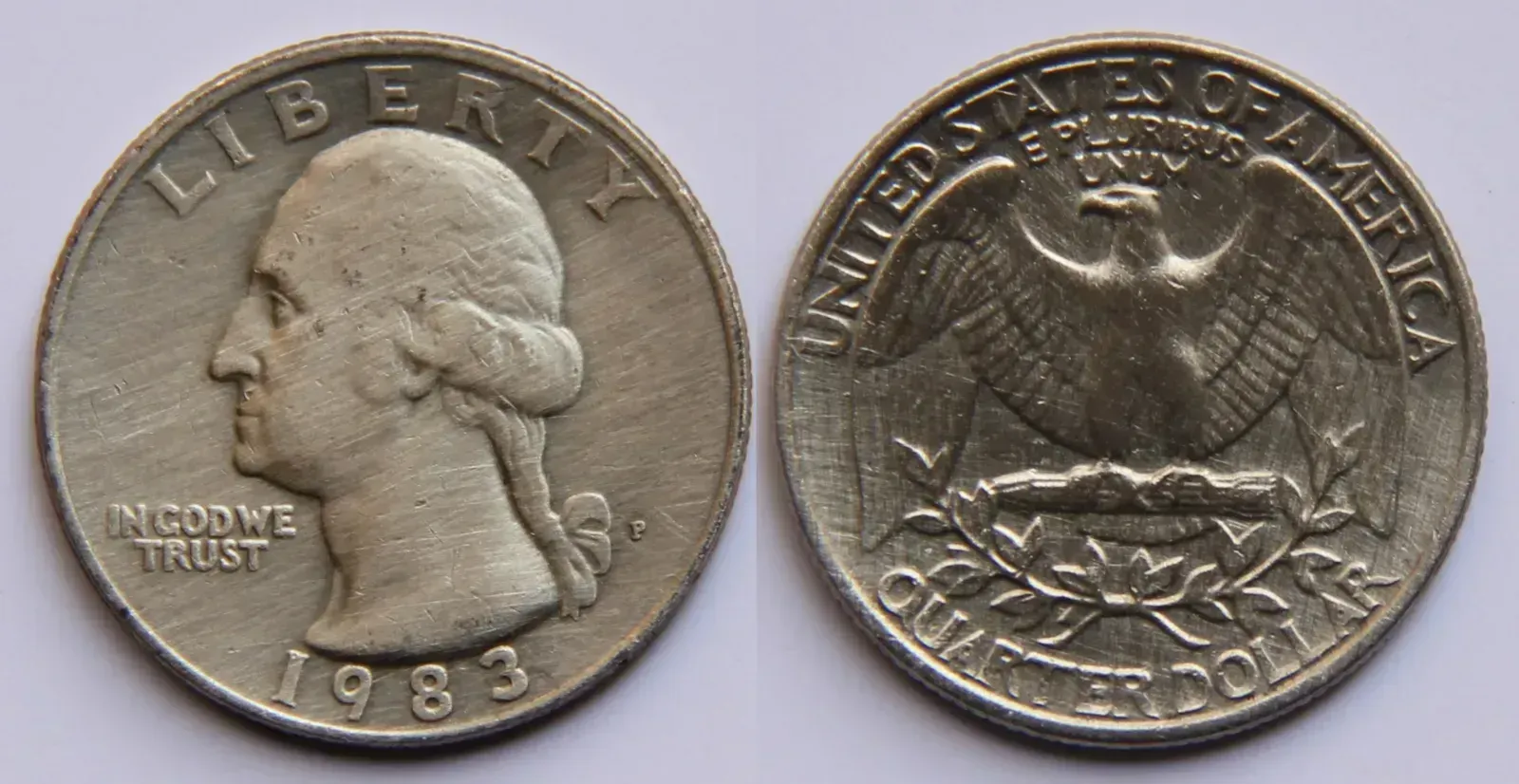
A 1983 quarter graded MS-65 sold for a stunning $15,862 in 2014, which is quite a bit more than twenty-five cents. Most of us toss quarters into jars or use them at parking meters without a second thought. Yet here’s the thing: some of these everyday coins harbor minting mistakes that turn them into serious collectibles. The U.S. Mint did not produce mint sets in 1982 or 1983, making high-quality examples from circulation rare and valuable even without errors.
Let’s be real, you probably have a handful of 1983 quarters somewhere around the house. Most are worth exactly what they say. Still, a select few escaped the mint with errors so dramatic that collectors will pay thousands to own them.
Why 1983 Quarters Became Collector Favorites
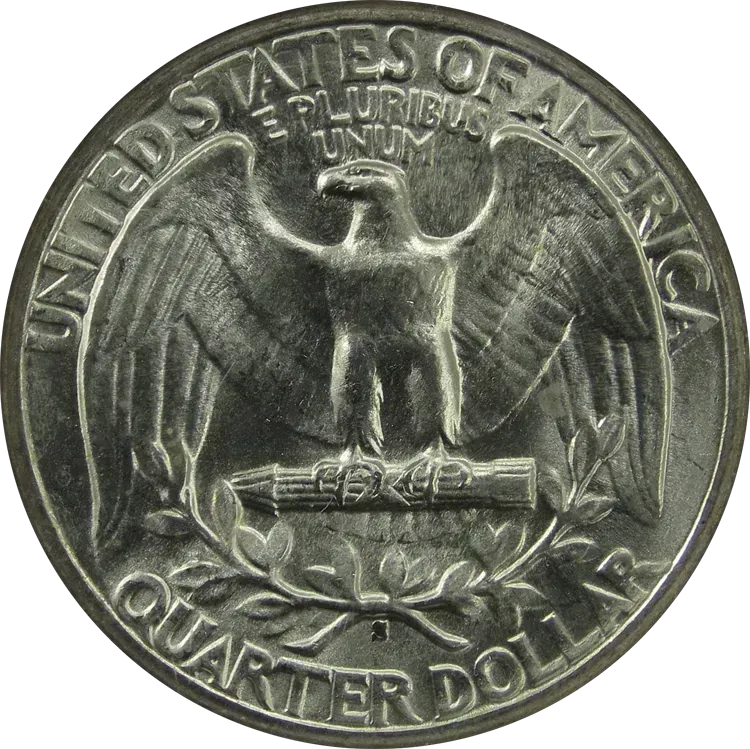
In the early 1980s, the U.S. economy was in shambles due to a massive recession, while President Ronald Reagan vowed to slash federal budgets to help reduce the growing national deficit. The U.S. Mint did not produce proof sets for general circulation in 1982 and 1983, making high-quality uncirculated coins from these years more valuable to collectors.
Without those sets, fewer pristine examples were saved. Collectors had to pull quarters directly from circulation, which made well-preserved specimens surprisingly scarce. Forty years after its release, the 1983-P Washington Quarter is not frequently encountered in circulation despite its mintage of over 670 million pieces.
In the first edition of 100 Greatest U.S. Modern Coins, the 1983-P Washington Quarter was selected as the 29th-greatest modern U.S. coin because it was not saved in large quantities and were not made easily available to future generations of collectors in Mint Sets. That’s quite an honor for a coin many people spent at vending machines.
The Famous Overstruck on Amusement Token Error
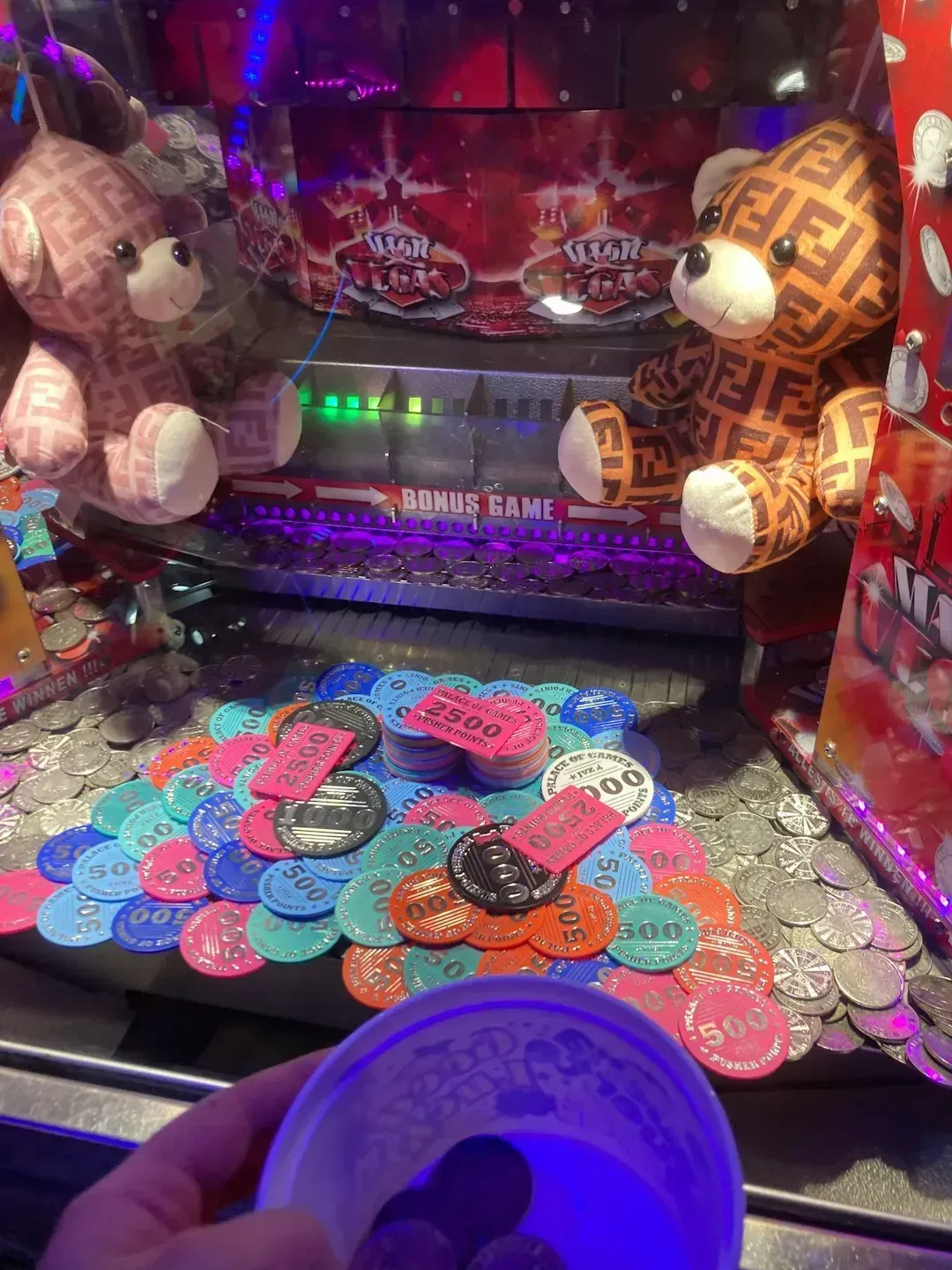
A 1983-P Washington Quarter overstruck on an amusement token was ranked #65 in the 100 Greatest U.S. Error Coins. This bizarre mistake occurred when a privately made vending machine game token found its way between quarter dollar dies, presumably with assistance from a mischievous mint or planchet supplier employee.
On the obverse, the legend THIS IS / MY / LUCKY / DAY is fully readable and adorned with clovers, while the reverse undertype legends read FOR PLAY ONLY / NO / CASH / VALUE. Honestly, the irony of a token saying “this is my lucky day” selling for nearly sixteen grand is hard to miss. The MS65 grade example sold for $15,862.50 in 2014.
Such pieces are virtually one-of-a-kind. The combination of visible token text beneath Washington’s portrait and the clear 1983 date creates a collector’s dream scenario.
Spitting Eagle Error: A Die Clash Oddity
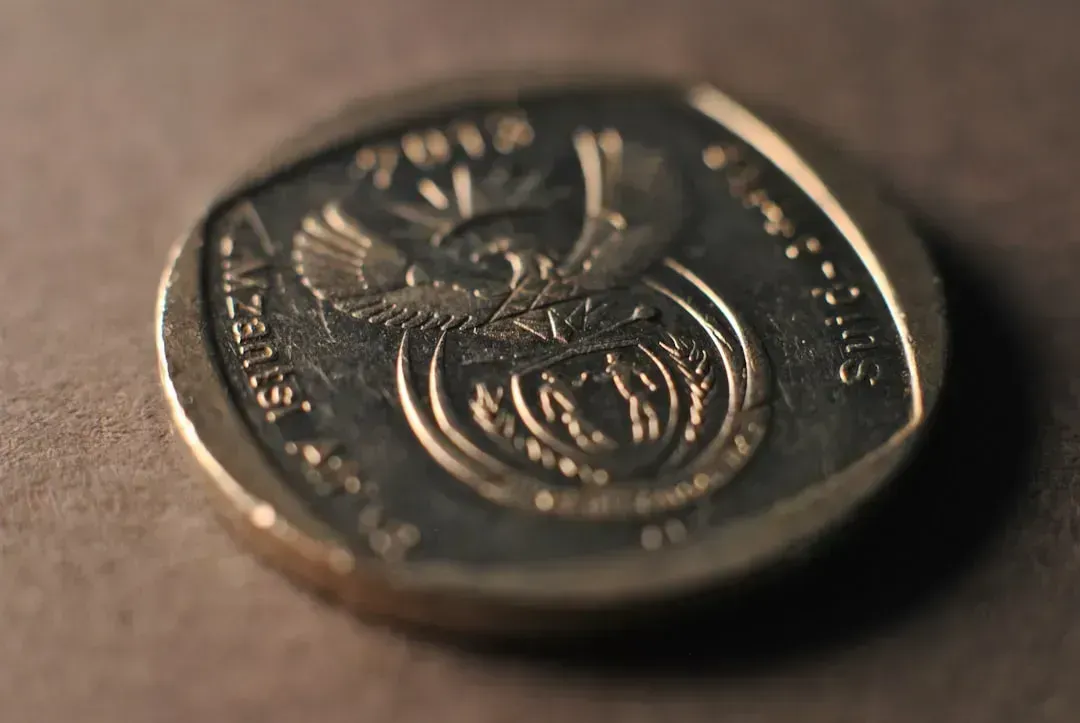
The Spitting Eagle error occurs when a die clash causes a line to appear beneath the eagle’s beak, resembling a “spit,” with values ranging from $1 to $500. It is made when 2 dies strike without a planchet between them, creating a line on the reverse die close to the eagle’s beak.
1983-P Spitting Eagle quarters in MS66+ grade have sold for up to $500. While that’s nowhere near the overstruck token’s record, it’s still a significant premium over face value. I think the nickname alone makes this error memorable to collectors.
Wrong Planchet Strikes: Quarters on Nickel Blanks
In 1983 a small number of Washington Quarters were mistakenly struck on planchets intended for Nickels, with higher copper content rather than the copper-nickel alloy. Occasionally, a 1983 quarter can be struck on a nickel planchet, resulting in a coin that is smaller, lighter, and has missing design elements, with values ranging from $180 to $260 for well-preserved examples.
These wrong-planchet errors represent one of the rarest types of modern mint mistakes. These wrong-planchet errors use planchets meant for other denominations. A standard quarter weighs 5.67 grams, so anything significantly lighter may warrant closer inspection.
Imagine pulling a quarter from your pocket that feels oddly light and looks slightly off. That unusual feel might be worth hundreds.
Off-Center Strikes and Broadstrike Errors
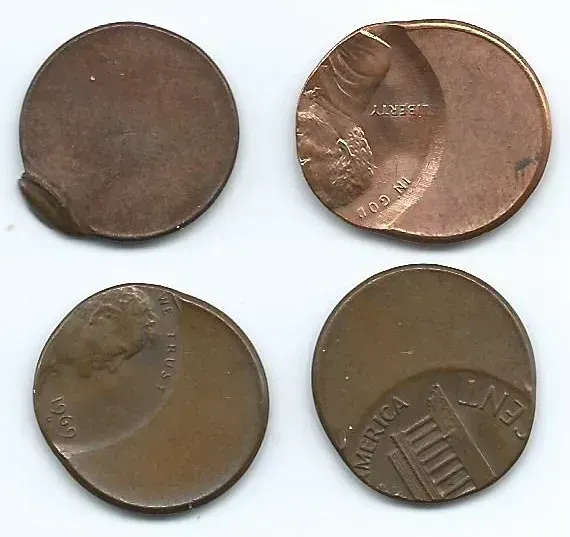
1983 off-center quarters start around $20 apiece and increase, depending on how much of the design is missing and whether or not the date is fully present. Off-center errors happen when the blank planchet is misaligned when the die strikes, radically shifting the design to one side, with value depending on the degree or percentage of the off-center.
Broadstrike errors, where the coin was struck outside the retaining collar, also exist. 1983 broadstruck quarters have values ranging between $15 and $50, though some are worth higher prices. The wider, thinner appearance of these coins makes them distinctive.
Identifying a Valuable 1983 Quarter: Weight and Appearance
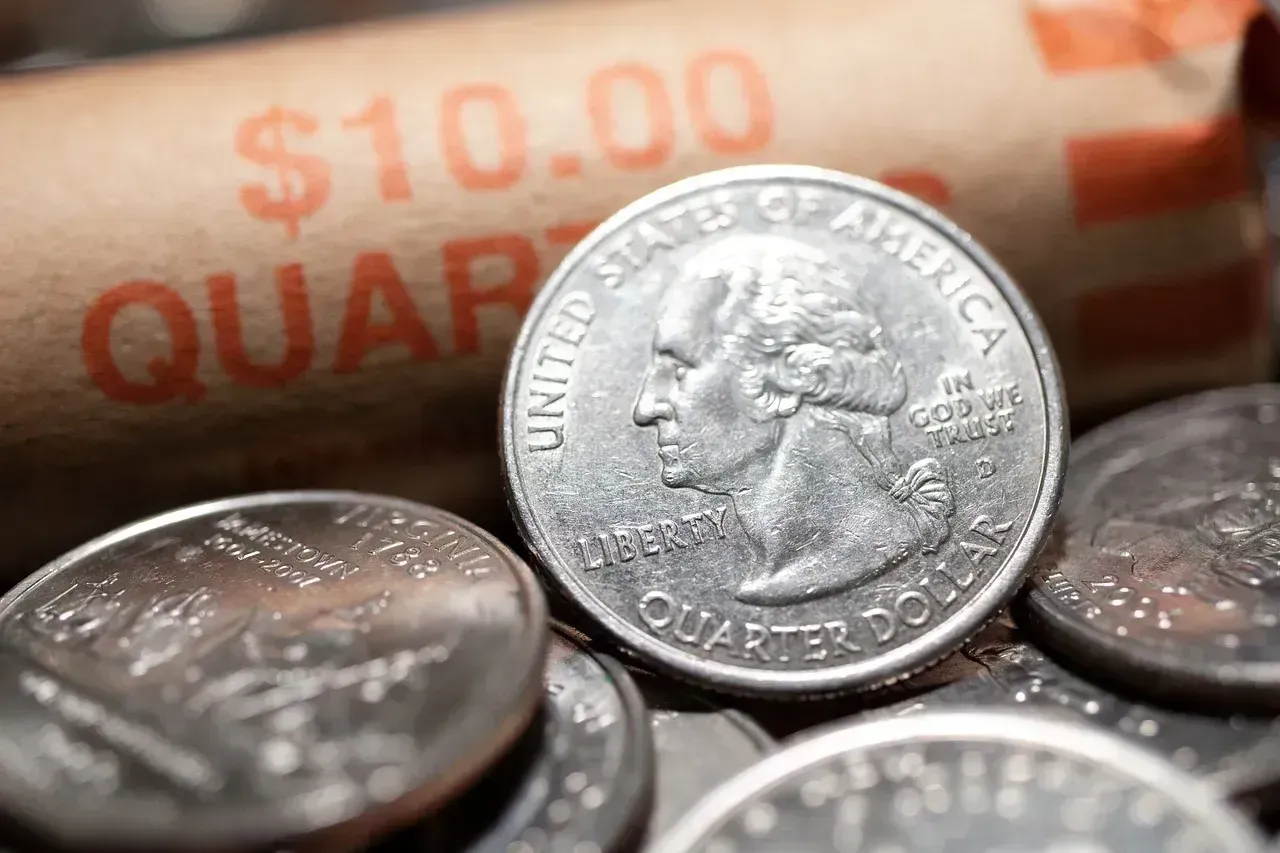
The 1983 Washington quarter is made from a copper-nickel clad composition and weighs 5.67 grams. A standard quarter weighs 5.67 grams, so using a digital scale is the first step in spotting potential errors.
Look for missing clad layer revealing a copper-colored surface, misaligned strikes or design details off-center, and blurry or doubled lettering, especially in “LIBERTY” or the date. The typical 1983 quarter shows weakness in the lettering, especially the “IN” of IN GOD WE TRUST, and the luster isn’t strong, with a thin haze of yellow toning likely to develop over time.
It’s hard to say for sure without professional grading, but obvious visual anomalies or weight discrepancies are your first clues. A magnifying glass helps tremendously when examining lettering and design details.
Current Market Values for High-Grade 1983 Quarters
NGC MS67 examples have sold between $379.99 and $599.99 in 2023-2024, with one PCGS MS67 specimen selling for $504 in 2023. Auction prices for Superb Gem 1983-Ps have declined considerably since 2016, and as of late 2024, the combined NGC/PCGS MS67 population has grown significantly.
That population growth has affected prices. Scarcity drives value, and as more high-grade examples get certified, the extreme premiums soften slightly. At grade level MS66, coins retail for $50 to $60. Regular circulated 1983 quarters remain worth face value unless they carry dramatic errors.
The 1983-D and 1983-S Varieties
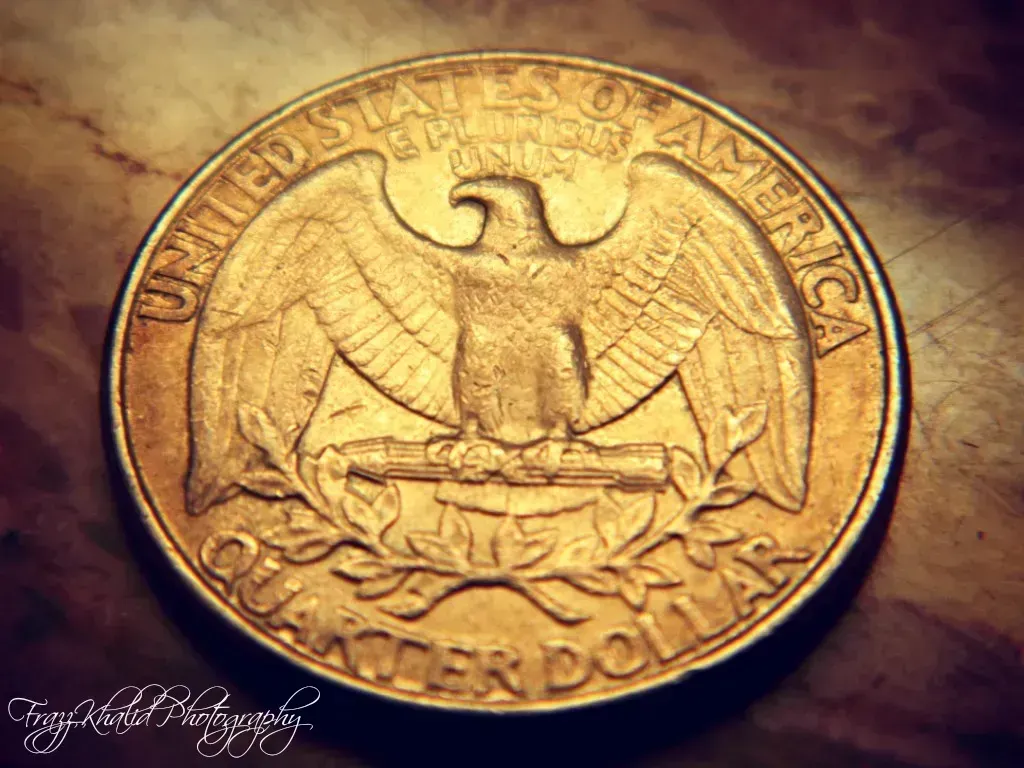
Uncirculated 1983-D quarters are generally worth $12 to $15, while the most valuable 1983-D quarter graded MS-67 took $1,410 in a 2016 auction. The Philadelphia and Denver mints produced massive quantities in 1983, with over 673 million P quarters and nearly 618 million D quarters hitting circulation.
The 1983-S was issued only as a proof coin, with a mintage of 3,279,126, and a 1983 S PR 70 coin was sold for $495 in 2003. Proof coins aren’t found in circulation, so if you discover one in your change, something unusual happened. Most proof quarters came in collector sets and stayed in protective holders.
Recent Auction Activity and News from 2024-2025
Rare 1983 quarter errors, such as the overstruck amusement token, have sold for thousands at auction. The coin’s combination of rarity, historical importance, and visible error created a perfect storm of value.
These sales show that interest in error coins remains strong. Some experts believe this may only be the beginning, as more collectors take interest in error coins and transitional years, values could continue to rise. Market momentum suggests that now is a good time to check your quarters carefully.