10 Things You Didn’t Know About 1776–1976 Quarters Gaining Value in 2026
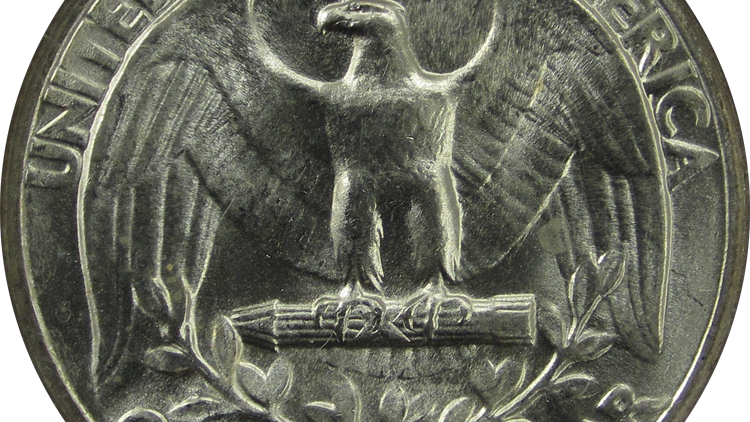
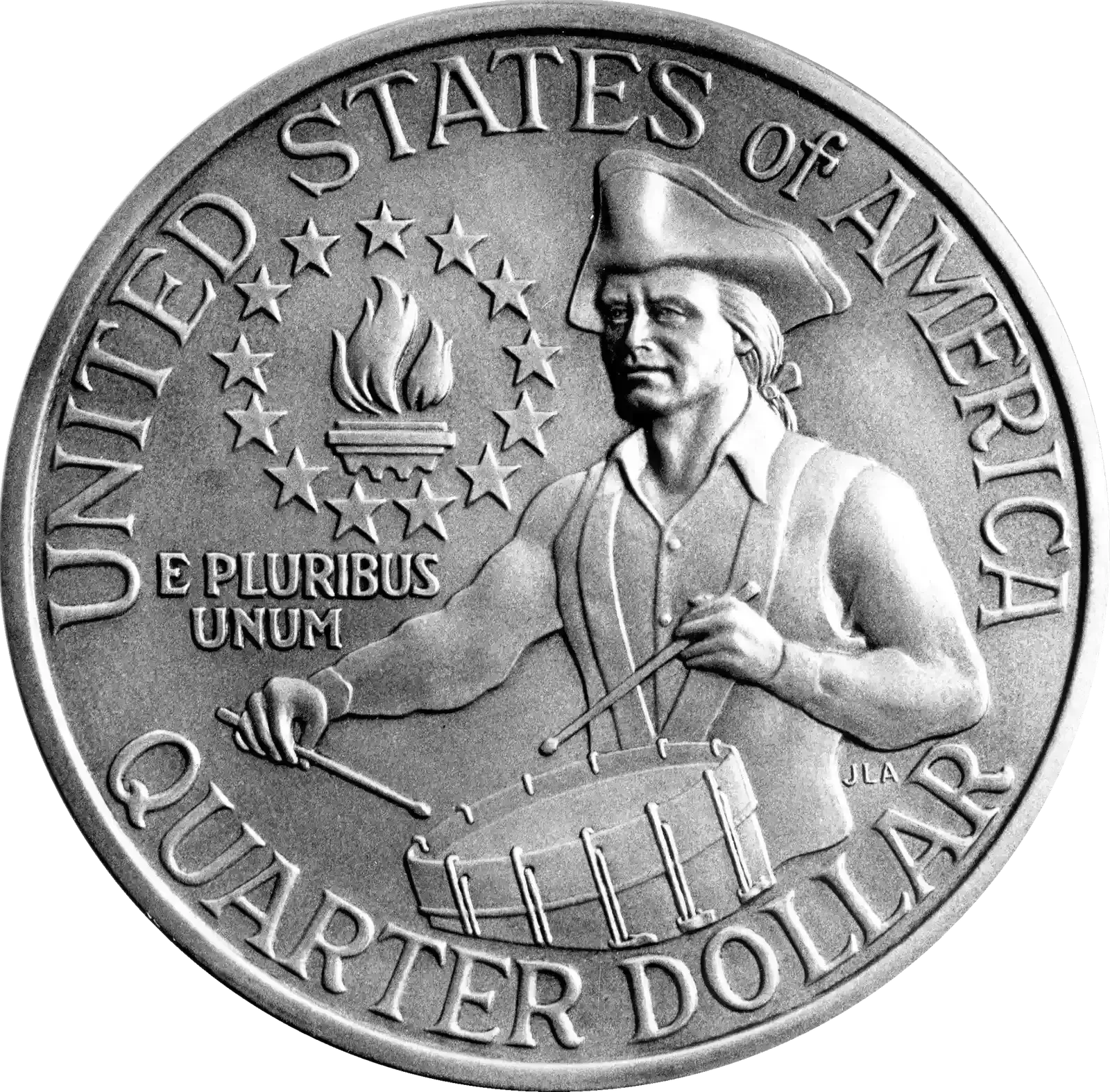
You probably have a few of these sitting in a drawer somewhere. The 1776–1976 Bicentennial quarter seems like just another coin, but here’s the thing: some of them are becoming unexpectedly valuable right now. We’re talking about quarters that were minted to celebrate America’s 200th birthday, featuring that distinctive colonial drummer on the back instead of the usual eagle. Over 1.6 billion quarters were produced across three facilities, so they’re everywhere. Still, certain examples are catching serious attention from collectors in 2026, and if you know what to look for, you might be holding something worth way more than twenty-five cents.
Most people toss these coins into jars without a second thought. What they don’t realize is that specific variations, errors, and conditions can transform an ordinary commemorative coin into a genuinely valuable piece. Let’s be real, not every Bicentennial quarter is going to make you rich. Yet understanding which characteristics matter could turn your spare change into something surprisingly worthwhile.
Most Circulated Bicentennial Quarters Are Worth Almost Nothing
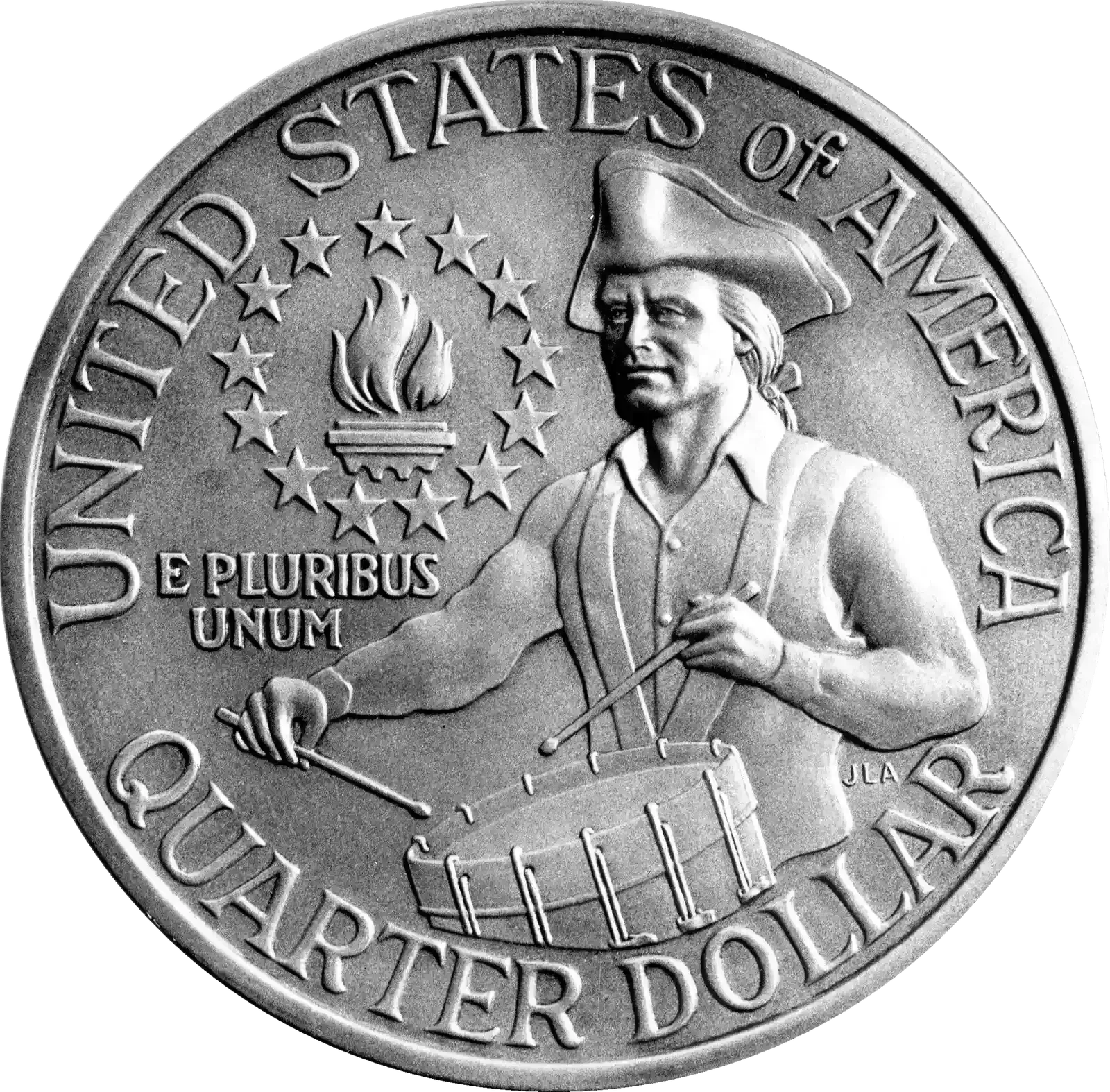
Let’s start with the reality check. Most circulated copper-nickel 1976 quarters are worth face value, and as of April 2024, the NGC Price Guide indicates that circulated coins 1776-1976 hold a value between $0.30 and $0.85. If you pulled one from your pocket change, chances are it’s been handled thousands of times and shows visible wear. Scratches, dull surfaces, and general circulation damage make these coins common and relatively uninteresting to serious collectors. The sheer volume of production means most examples simply aren’t rare.
Think about it this way: when billions of anything get made, scarcity isn’t really part of the equation. Nearly 2 billion 1976 quarters were made, flooding the market with commemorative coins that people initially hoarded but eventually spent. Honestly, if your Bicentennial quarter looks like it’s been through a washing machine or spent years in circulation, it’s probably worth exactly what it says on the coin.
Uncirculated High-Grade Coins Command Serious Premiums
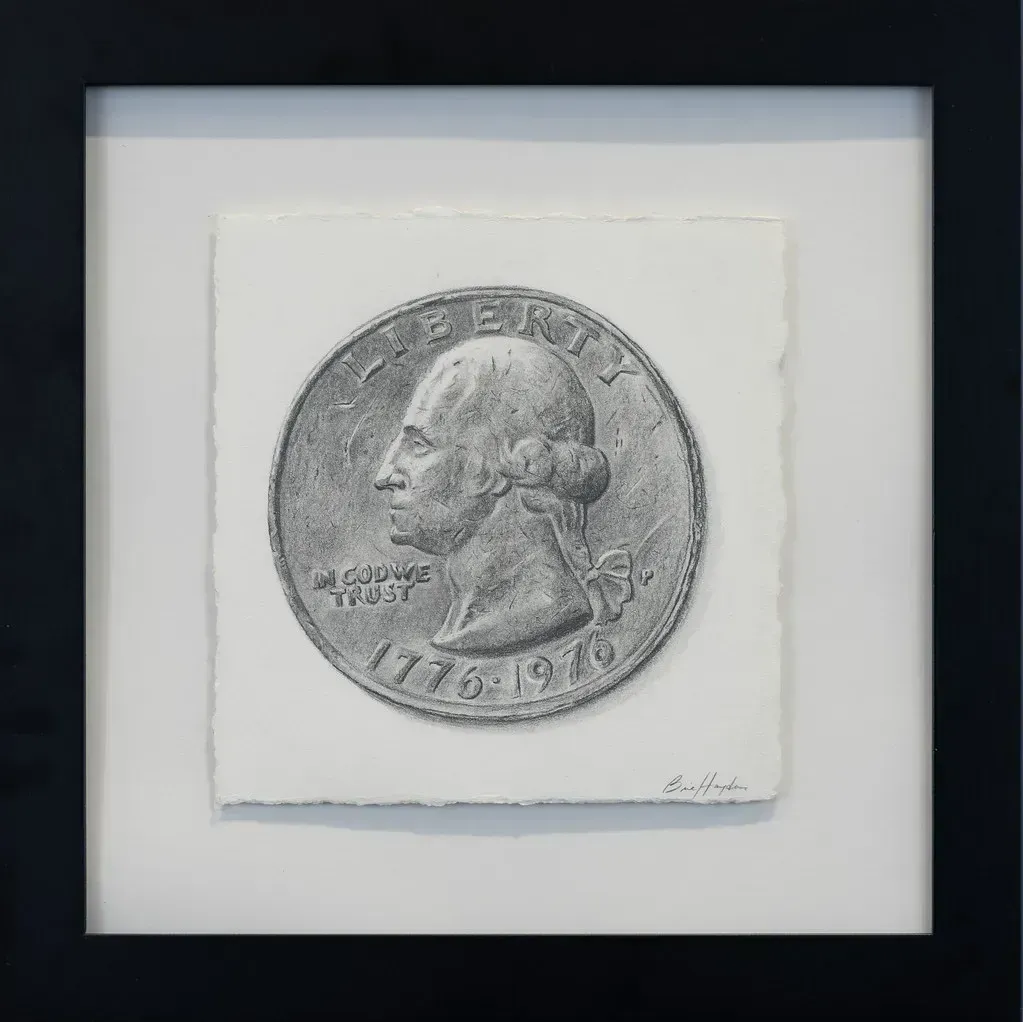
Here’s where things get interesting. Certified uncirculated coins, especially in grades MS65 and above, can be expensive, and 1776-1976 D Quarters in pristine, uncirculated condition can fetch prices as high as $6000 on the open market. The difference between a worn quarter and one that’s never touched human hands is staggering. Coins graded at the highest levels retain sharp details, clean surfaces, and original luster that make them stand out dramatically from their circulated cousins.
Professional grading services like PCGS and NGC have documented just how scarce top-tier examples really are. As of September 2024, PCGS reports only 13 coins in MS68 grade, while NGC reports 15. That kind of rarity drives prices upward fast. Even at slightly lower grades, MS66 examples typically sell for $10–$40, which isn’t life-changing money but definitely beats face value. Storage conditions from the past fifty years have eliminated many potential high-grade survivors, making the remaining pristine examples increasingly desirable.
40% Silver Versions Are a Completely Different Animal
Not all Bicentennial quarters were created equal in terms of composition. The U.S. Mint also produced special 40% silver versions mainly for collectors, and these silver quarters were sold in sets and not widely released into circulation. You can identify them by checking the mint mark and weight. If your 1976-S quarter weighs about 5.75 grams, it’s made from a 40% silver clad composition. Regular copper-nickel clad quarters weigh slightly less at 5.67 grams.
The silver content alone provides intrinsic value beyond the coin’s numismatic appeal. The 40% silver Bicentennial quarters contain approximately 0.074 ounces of pure silver, giving them a melt value floor that rises and falls with precious metal markets. Historically, millions of silver Bicentennial quarters were melted in 1982 and subsequent years, reducing the surviving population. Fewer survivors mean higher collector interest, especially when you factor in the approaching 50th anniversary of the Bicentennial celebration.
The Filled D Mint Mark Error Is Highly Collectible
Minting errors transform ordinary coins into numismatic treasures, and the Bicentennial quarter has its share. One particularly sought-after variety involves the Denver mint mark. Found on coins minted in Denver, the “D” mint mark appears filled or partially obscured due to excess metal or clogged dies during production. This isn’t damage from circulation but an actual production flaw that occurred at the mint itself.
Collectors actively hunt for these filled D varieties because they represent genuine manufacturing anomalies. Collectors are willing to pay a premium for this unique flaw, and when combined with other desirable characteristics, values climb even higher. For example, coins combining this error with off-center strikes are worth approximately $1,500. It’s hard to say for sure how many exist, but the combination of error and decent condition creates real collector demand.
Double Die Varieties Can Be Worth Thousands
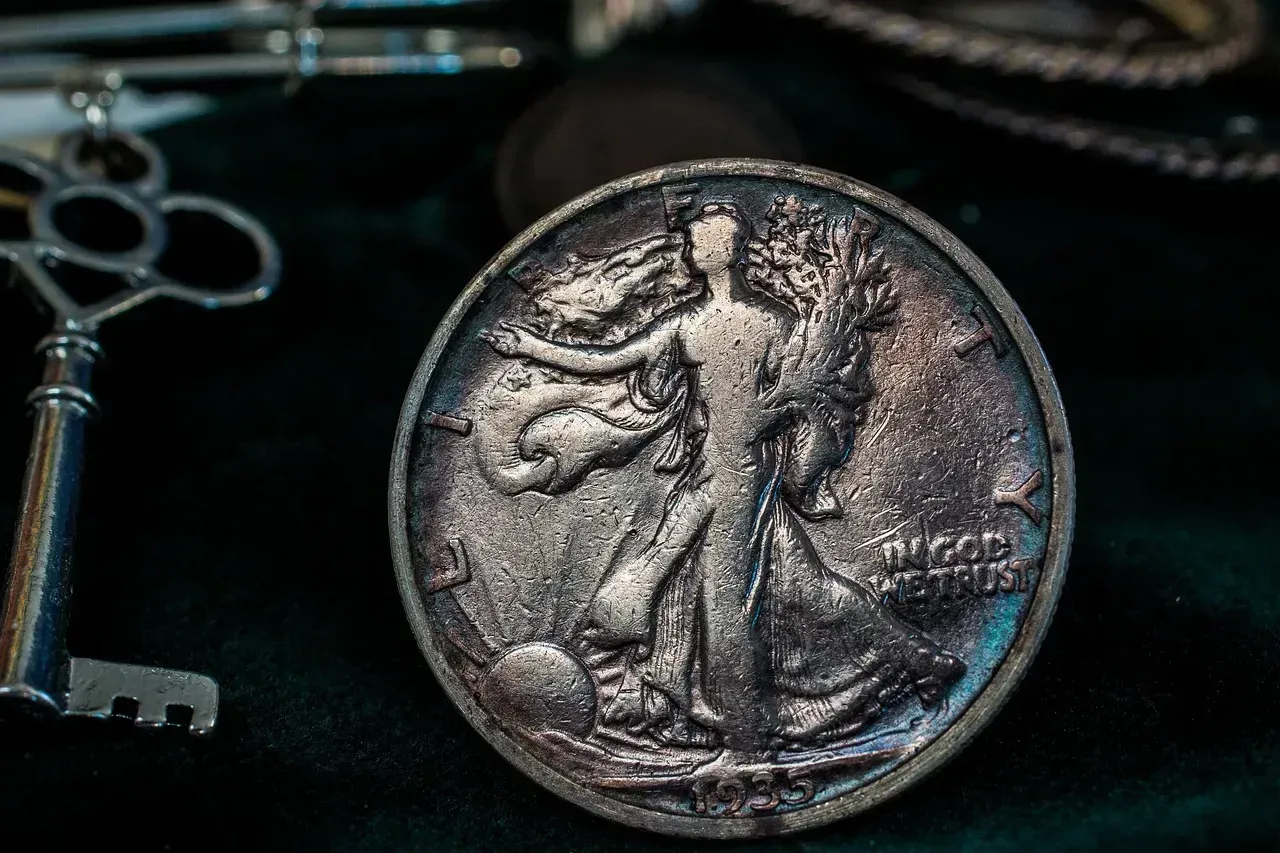
Among the most valuable errors are the double die obverse varieties, particularly two specific types designated as FS-101 and FS-102. FS-101 shows clear doubling on “LIBERTY” and the date “1776-1976,” while FS-102 displays pronounced doubling on “IN GOD WE TRUST” and Washington’s profile details. These errors happened when dies were improperly prepared during the minting process, getting struck twice in slightly different positions.
What makes these varieties especially appealing is that these errors are easily visible to the naked eye once you know where to look. You don’t need expensive equipment to spot them, which means dedicated collectors can potentially cherry-pick valuable specimens from dealer inventory or even circulation. High-grade examples have sold for thousands of dollars, though population data shows they’re genuinely scarce. According to grading service records, PCGS had 59 FS-101 and 97 FS-102 varieties recorded, while NGC had 23 FS-101 and three FS-102 varieties.
Off-Center Strikes Create Dramatic Visual Appeal
Sometimes coins don’t get struck exactly where they’re supposed to be, creating off-center errors that collectors find fascinating. An improperly mounted planchet always results in an off-center coin, with coins showing 3% to 5% off-center being less expensive, while those with 10% to 15% are more valuable. The sweet spot for collectors involves significant displacement while still showing the critical date information.
Interestingly, the best collectible specimens are about 50% to 55% off-center with a visible minting date. These dramatic errors catch the eye immediately and represent clear evidence of something going wrong during production. Even moderately off-center Bicentennial quarters can fetch a few hundred dollars, making them worthwhile finds for anyone systematically checking coins.
Struck-Through Errors Are Weird and Valuable
Occasionally, foreign material gets between the die and the coin blank during striking, creating what’s called a struck-through error. One documented example involves a quarter struck through a piece of cloth, which sounds bizarre but actually happened. Such a weird error coin is collectible and can cost hundred dollars, with the priciest being a piece with the MS 66 grade that sold for $881.25.
These errors are genuinely unpredictable and impossible to fake convincingly, which adds to their appeal. Each struck-through error creates a unique pattern or texture on the coin’s surface that collectors find compelling. While not as common as some other error types, they represent authentic production anomalies worth looking for.
Pristine Condition Matters More Than You Think
Condition is absolutely critical when determining value. Most 1976 and 1976-D bicentennial quarters are attractive, well-made coins but lack sharpness in specific areas, with a fully struck coin without scratches or bag marks considered a standout example. Small differences in preservation can mean hundreds or thousands of dollars in value differences.
Coins that show heavy wear, scratches, or dull surfaces are generally worth only twenty-five cents, while coins that retain sharp details, clean surfaces, and original luster can attract strong collector interest. It sounds obvious, but many people don’t realize just how dramatically condition affects value. Even coins with interesting mint marks or minor errors become essentially worthless if they’re badly damaged or excessively worn.
The 50th Anniversary Is Driving New Interest
Timing matters in the collectibles market, and 2026 represents a significant milestone. As we approach the 50th anniversary of the bicentennial celebration in 2026, interest in these commemorative coins may experience renewed attention from both nostalgic collectors and investors looking for appreciation potential. Anniversaries have a way of sparking fresh demand for historically significant items.
People who remember the original Bicentennial celebration are now older, with more disposable income and interest in preserving pieces of their past. Younger collectors are discovering these coins through social media and online communities, creating a broader market than existed even a decade ago. This convergence of factors suggests that values for premium examples could continue rising throughout 2026 and beyond.
Current Market Shows Real Demand for Quality Examples
According to recent price guide data, there’s genuine market activity around better specimens. The NGC Price Guide shows that a 1776-1976 bicentennial quarter in pristine, uncirculated condition can be worth up to $4,750, demonstrating that top-tier examples command serious money. Most Bicentennial quarters are worth at least $5 in Mint State condition, providing a baseline for uncirculated pieces.
Even specific varieties without major errors can bring impressive prices in top grades. The 1976-P Clad Bicentennial Quarter can fetch $4,500 in pristine condition, showing that condition alone can create substantial value. For higher grades beyond MS65, an MS67 silver Bicentennial quarter might trade for $15-25, while perfect MS70 examples can reach $50-100 or more. The market has proven willing to pay premiums for quality, making it worthwhile to have potentially valuable specimens professionally graded.
What did you learn from all this? The Bicentennial quarter demonstrates how ordinary commemorative coins can develop unexpected value over time. While most examples remain common, specific combinations of condition, composition, and errors create genuine collector demand. If you have any of these quarters sitting around, it might be worth taking a closer look before spending them. You never know when that pocket change might actually be worth keeping.