I Traded My Electric Car for a Hybrid – and It Didn’t Go as Planned, Drivers Say
The Surprise: Hybrids Are Winning While EVs Grab Headlines
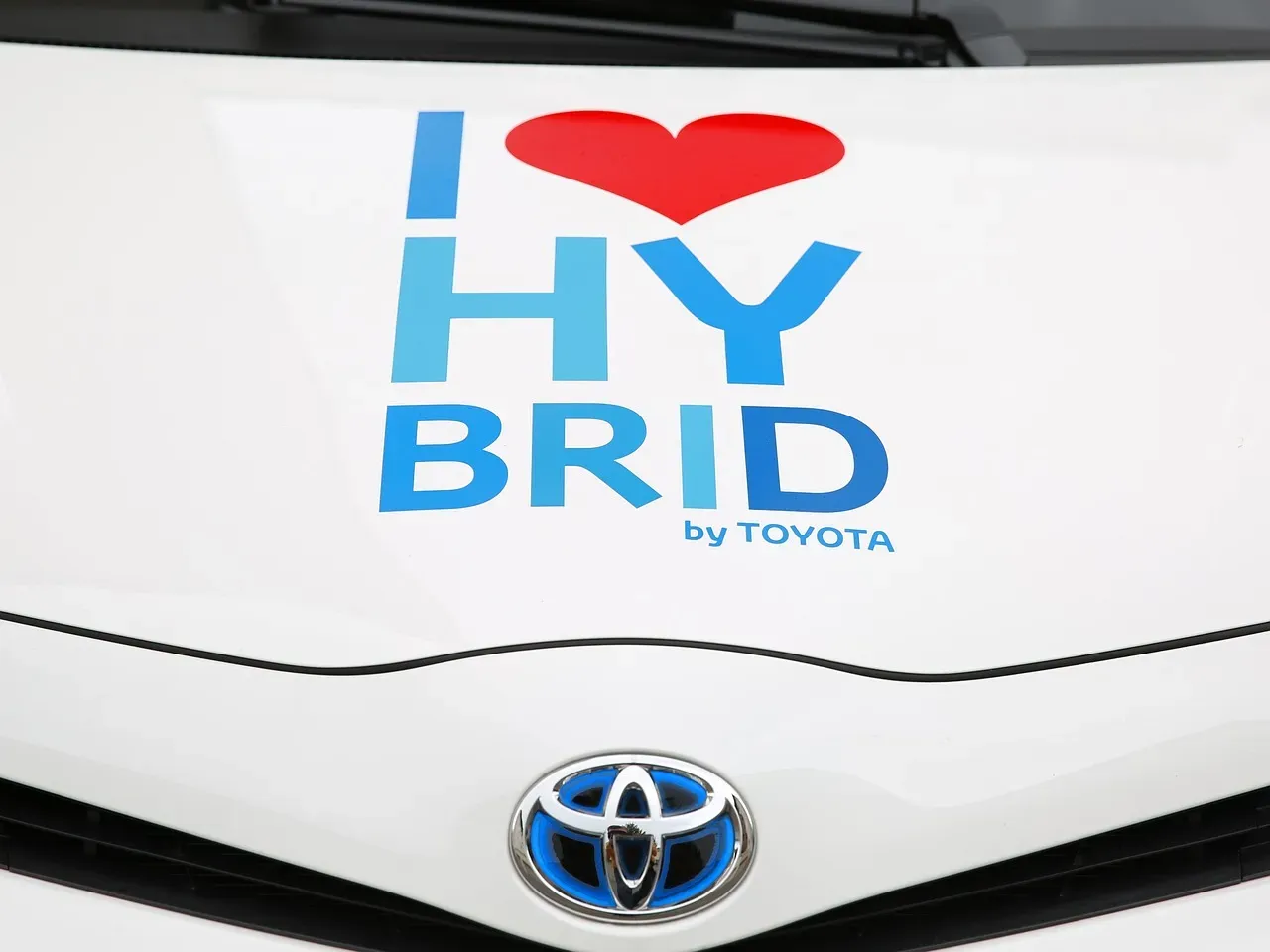
Many drivers who switched from a fully electric car back to a hybrid expected to feel like they were moving backward, but the sales numbers tell a different story. In the United States, electrified vehicles hit a record in 2024, with more than 3.2 million sold, and roughly about two thirds of those were hybrids, including plug‑in hybrids, compared with about one third fully electric vehicles. That means around 1.9 million hybrids versus about 1.3 million battery‑electric cars, according to Motor Intelligence data reported in early 2025, showing that hybrids still fit how most Americans actually drive. People who made the switch often say they were shocked to find that the “compromise” option is actually what the market is choosing too, not just cautious or tech‑shy drivers.
Charging Reality Check: Infrastructure Still Has Rough Edges
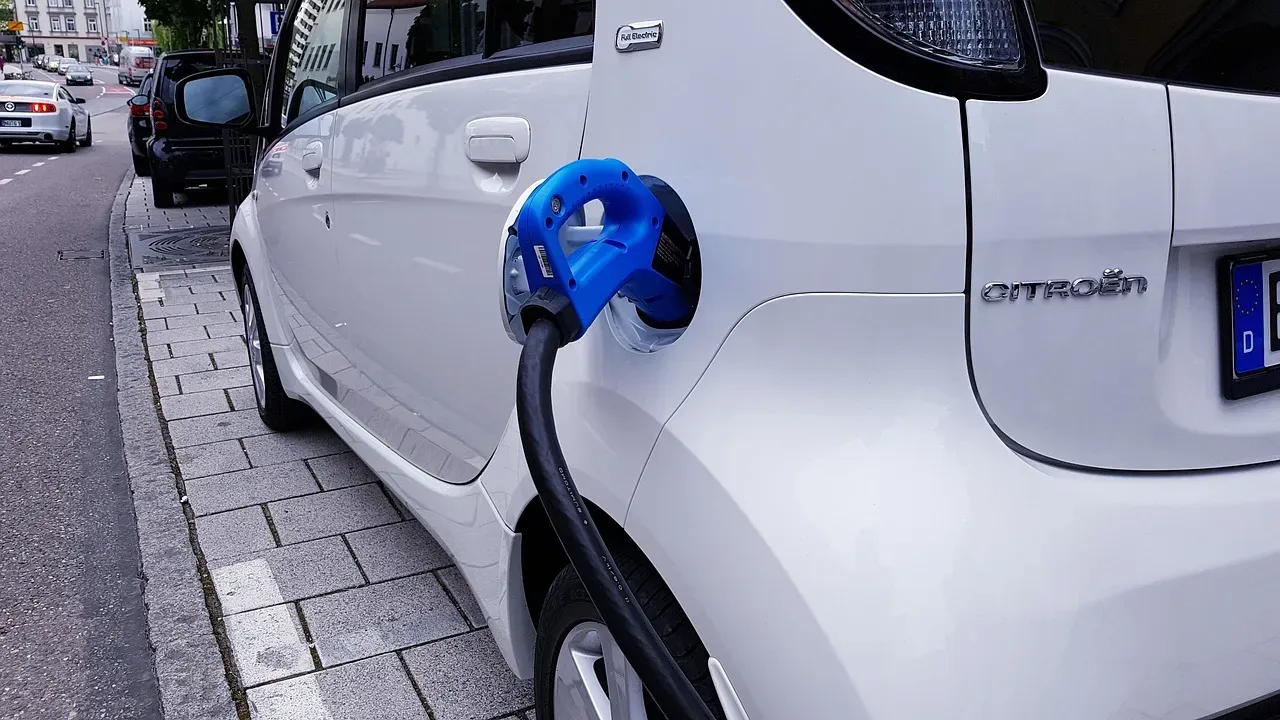
One big reason some drivers gave up their EVs is that charging in the real world still does not match the promise in the ads. As of early 2024, the United States had just over sixty thousand public charging locations and about one hundred sixty thousand to one hundred seventy thousand connectors, according to national infrastructure tallies, compared with an estimated one hundred forty thousand gasoline stations that can each serve many more vehicles at once. A federal program originally set aside seven and a half billion dollars for new chargers, but by April 2025 only a few hundred charging ports had actually been built under that program. Drivers who counted on a rapid build‑out of fast chargers now find themselves circling crowded stations or slowing trips to search for working plugs, and those who moved to hybrids say they simply got tired of planning every long drive like a small military operation.
Costs, Incentives, and the Hybrid “Sweet Spot”
Another twist for people trading EVs for hybrids is that their wallets sometimes felt the shift more than the planet did. In 2023 and 2024, battery‑electric cars in the United States reached record sales, with about 1.2 million EVs sold in 2023 and EV market share around seven to nine percent, helped by federal tax credits of up to several thousand dollars per vehicle. But those incentives have been weakened or scheduled to end by late 2025, and tariffs on imported battery materials and components have raised manufacturing costs, pushing many EV prices back up just as household budgets are getting tighter. Hybrids, meanwhile, often come in closer to the price of a conventional gas car and have been a key growth driver for brands like Ford, which saw nearly a forty percent jump in sales of hybrid, plug‑in hybrid, and electric models combined in 2024, while still letting drivers skip most public charging altogether.
Range Anxiety vs. Real‑World Driving Patterns
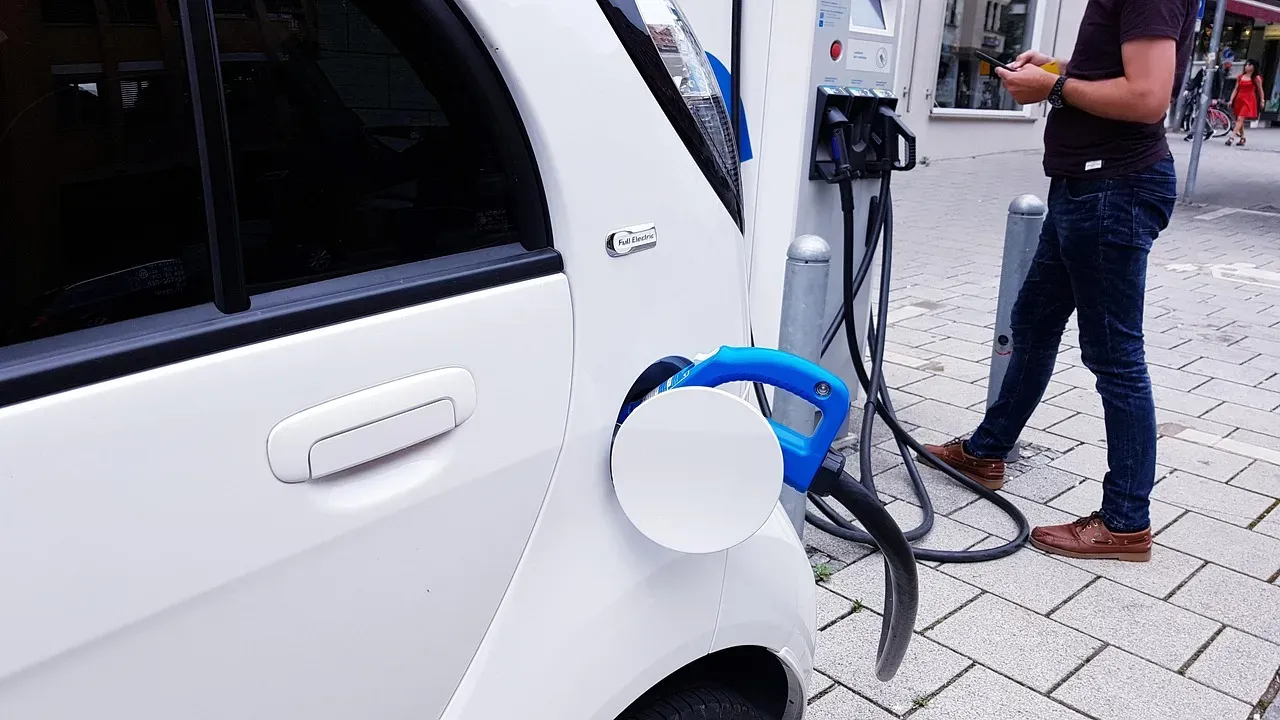
People who went from electric back to hybrid usually talk about one emotional factor more than any other: range anxiety that never really went away. Even though many modern EVs easily cover two hundred to three hundred miles on a full charge, surveys and sales data show that American buyers still worry about unexpected detours, winter weather, or towing cutting into that range, especially outside dense coastal cities. By contrast, plug‑in hybrids and conventional hybrids let drivers run electric power for short daily trips but fall back on gasoline for road trips, which feels safer to those who live far from major interstates or who drive long distances for work. The market numbers line up with that feeling, since pure EVs made up about 8 percent of new car sales in the United States in 2024, while hybrids and plug‑in hybrids combined accounted for about 12 percent that year.
Why Some Drivers Still Regret Switching Back
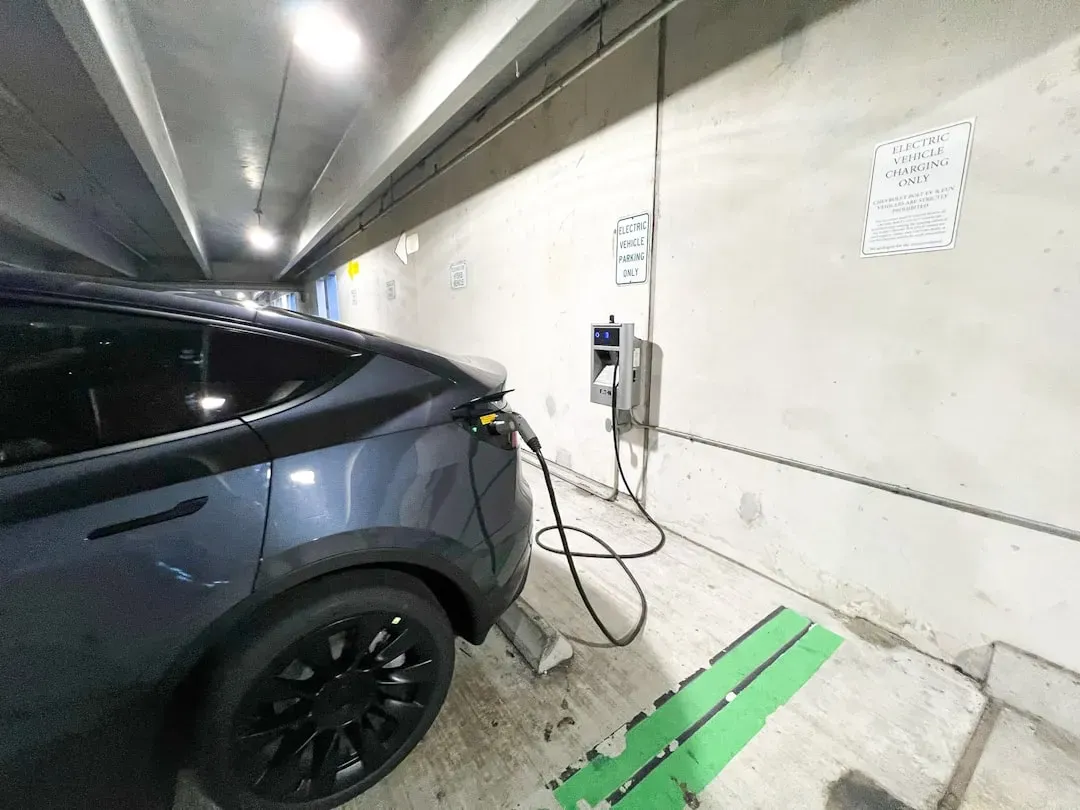
Even though many people feel relieved after dumping their EVs for a hybrid, plenty of them also admit a nagging sense that they stepped away from the future. The United States passed the one‑million‑EVs‑sold‑in‑a‑year mark in 2023, and EV share continued rising into 2025, helped by a growing mix of models from legacy automakers and new brands, and by expanding charging networks from companies like Tesla, GM‑backed highway chargers, and urban fast‑charging projects. For city dwellers with home or workplace charging, or for drivers whose daily mileage fits neatly inside an EV’s range, a well‑chosen electric car can still cut fuel costs and emissions more than any hybrid, and those owners often say they would never go back. That leaves some former EV drivers feeling stuck in between, enjoying the convenience of a hybrid but watching sales charts and infrastructure maps and quietly wondering if they bailed out right before the turning point.