Cash on the Way Out: 3 Critical Moves to Make Before Your Neighborhood Bank Shuts Down
The landscape of American banking is shifting beneath our feet. As of May 2, 2025, there have been 336 bank branches closed, and the pace shows no signs of slowing. Major U.S. banks announced plans to shut 311 branches since late August, a pre-Christmas wipeout that puts 2025 on track to be the worst year ever for walk-in banking. This isn’t some distant crisis affecting only rural communities. It’s happening in cities and suburbs across America, from Philadelphia to Chicago to California’s Bay Area.
Here’s the thing that catches most people off guard. Despite digital options, 83% of Americans still visit bank branches at least once annually, meaning millions of us rely on that physical location for at least some of our banking needs. Yet from 2019 to 2023, the total number of bank branches declined by 5.6 percent, the number of banking deserts increased by 217, and the number of Americans living in banking deserts grew by 760,000. When that closure notice arrives in your mailbox, you’ll have roughly three months to prepare. Federal law requires at least 90 days before the proposed closing date, the bank must mail a notice to customers of the branch. And, at least 30 days before the closing, the bank must post a visible notice at the branch.
What you do during that window matters more than most people realize.
1. Secure Your Safe Deposit Box Contents and Physical Documents

Let’s start with what gets overlooked until it’s too late: your safe deposit box. Most people stash important documents, heirlooms, or valuable items in these boxes and then forget about them for years. That’s fine until the branch housing your box suddenly announces it’s closing shop. The contents of that metal box become your immediate problem.
If you have a safe deposit box at the branch and haven’t received a notice regarding it, find out from the bank whether you need to remove the contents before the closing date or whether they will be transferred to another location. Don’t assume your bank will automatically transfer your box to another branch. Some banks do, some don’t, and you really don’t want to discover their policy after the building is locked up.
Visit the branch well before the closure date. Bring proper identification and any keys or access codes you need. Remove everything from the box, even if you plan to rent another one at a different location. Photograph the contents for insurance purposes. Store time-sensitive documents like passports, property deeds, or stock certificates in a fireproof home safe temporarily while you sort out alternative arrangements.
2. Establish Alternative Access Points for Cash and Deposits
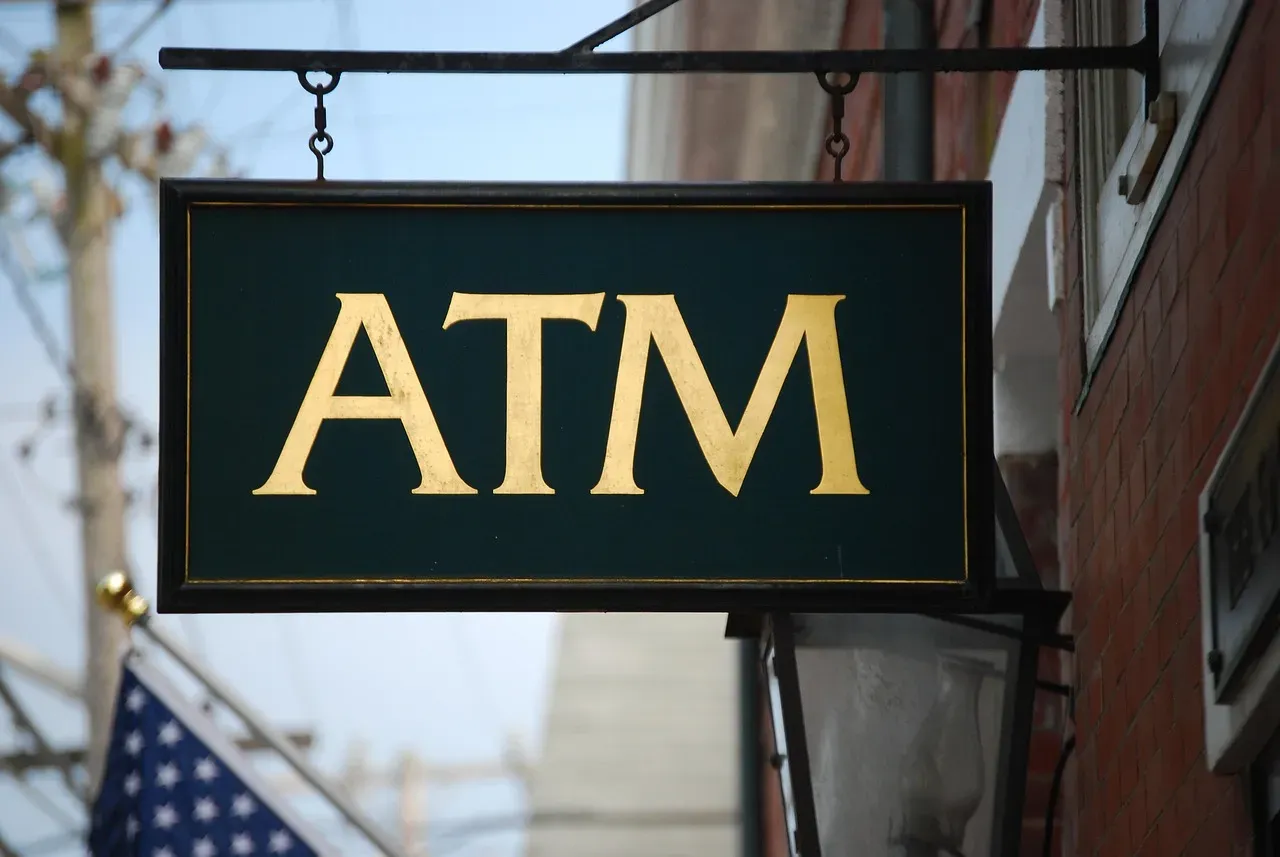
Overall, cash use has decreased as a share of total payments by about half compared to when the study began. When the study began in 2016, people were using cash about 31 percent of the time. Still, in 2024, consumers made an average of seven payments per month with cash, a number that has remained unchanged since 2020. Additionally, cash was the third-most-used payment instrument after credit and debit cards. That means you still need reliable access to physical currency and deposit services.
Map out your nearest alternative branches before your current one closes. Not all locations offer the same services. Some might have limited hours, no teller services, or restrictions on certain transactions. Check whether your bank has partnerships with other banks or credit unions that allow fee-free ATM access. There are approximately 450,000 ATMs in the U.S. as of 2024. The number of ATMs in the U.S. declined 3.83% between 2019 and 2022, meaning ATM availability is shrinking alongside branch closures.
Honestly, this might be the moment to embrace mobile deposit technology if you’ve been resisting it. Nearly every major bank now offers check deposit via smartphone app. Test it out while your branch is still open so staff can help troubleshoot any issues. For cash deposits, some banks partner with retail locations like CVS or 7-Eleven where you can deposit money directly into your account. Research whether your bank offers this service and locate participating retailers in your area.
3. Audit and Update Your Automatic Payments Before the Transition Window Closes

The most financially dangerous consequence of a branch closure isn’t the inconvenience. It’s the chaos that erupts when automatic payments fail because you didn’t update your banking information properly. When your local bank branch closes, it may be a good time to reassess whether your current bank still meets your needs. Start by evaluating the practical aspects: Is there another nearby branch? Does your bank still offer access to ATMs without extra fees? If the closure makes banking inconvenient or costly, it might make sense to switch.
Pull up every automatic payment linked to your account. This includes mortgage or rent payments, utility bills, insurance premiums, subscription services, gym memberships, and any recurring charitable donations. Check your bank statements from the past three months to catch everything. Write down each payment, the amount, the date it processes, and the company receiving it. This documentation becomes critical if you decide to switch banks entirely.
If you’re staying with the same bank but your account number changes due to the closure, contact each payee individually to update your information. Don’t rely on the bank to notify your billers. They won’t. Set calendar reminders for the week before each automatic payment is due to verify it processed correctly. Just make sure you have money in the new account before you’re charged for any bills and subscriptions. After any automatic payments and direct deposits transfer to your new account, close your old account.
The same scrutiny applies to direct deposits. Notify your employer, the Social Security Administration, or any other entity that deposits money into your account about upcoming changes. Most organizations need at least one full pay cycle to implement banking changes, so start this process immediately after receiving your closure notice. Keep enough funds in your old account to cover at least one month of expenses while the transition completes. Banking errors happen, and you don’t want a bounced mortgage payment because a transfer didn’t process as expected.
There’s no denying it feels unsettling when institutions we’ve relied on for years suddenly disappear. As of March 31, 2025, the Federal Deposit Insurance Corporation (FDIC) listed 4,462 total banks in the U.S., down from 4,577 in March 2024, indicating a decrease in the number of banks. The consolidation continues, and more closure notices are coming. Taking these three critical steps protects your financial stability during what might otherwise be a disruptive transition.
Your money remains safe regardless of whether your branch closes. FDIC insurance still covers your deposits up to regulatory limits. Yet access to that money and the services you depend on requires proactive planning. Start today, not next week. Map your safe deposit box contents, test alternative access methods for cash and deposits, and audit every automatic payment touching your account. These actions transform a potential crisis into a manageable inconvenience. What’s your backup plan if your bank sends you that closure notice tomorrow?