10 Streets Around the World Locals Warn You Never to Walk Alone After Dark
1. Turk Street, Tenderloin – San Francisco, USA
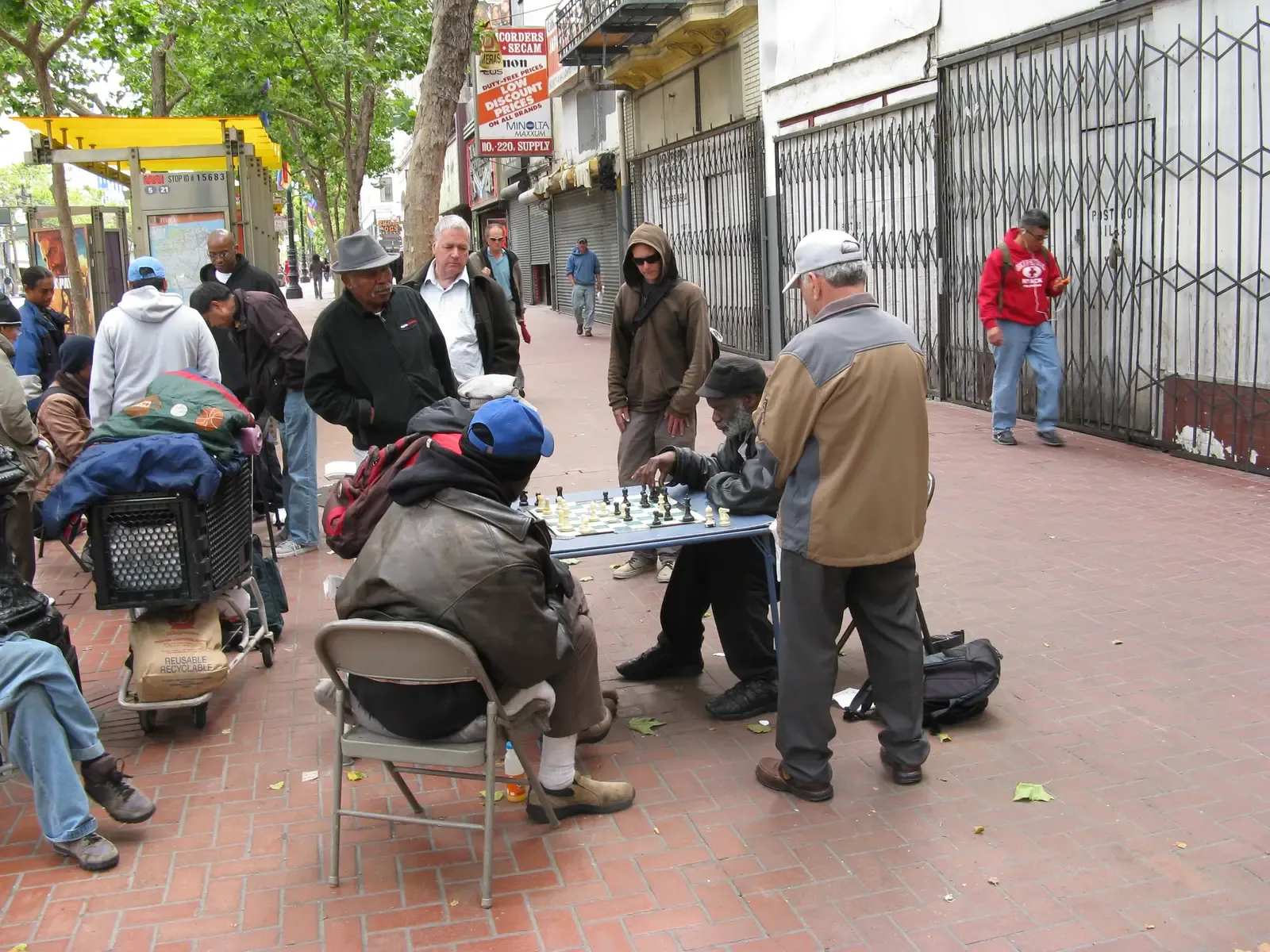
The first block of Turk Street in San Francisco’s Tenderloin has a reputation that even locals respect, and not in a good way. A survey by the Tenderloin Housing Clinic reportedly identified this specific stretch between Taylor and Mason as one of the single worst hotspots for violence and open drug dealing in the city, prompting the city to ban parking there in an attempt to reduce crime. Reports over the past decade describe regular robberies, aggravated assaults, and brazen street-level drug markets, all concentrated into a dense, narrow block where it’s hard for a lone pedestrian to simply slip past unnoticed. When a neighborhood reportedly produced roughly one in seven of the city’s homicides, as the Tenderloin did in 2007, choosing to walk that block alone at night is less about being adventurous and more about taking a calculated risk that locals generally say just is not worth it.
2. South Figueroa’s “The Blade” – Los Angeles, USA
Along South Figueroa Street in South Los Angeles, a stretch widely known as “The Blade” has become a byword for human trafficking and violence, and it is exactly the kind of place outreach workers warn people not to wander into after dark. Recent investigative reporting in 2024 and 2025 has documented how gangs like the Hoovers control rows of motels and sidewalks here, forcing girls, some as young as early teens, to work the street under threat of brutal retaliation. Federal operations in 2024 reportedly arrested nearly two hundred traffickers and rescued around two hundred children connected to that corridor, yet advocates say visible street exploitation remains rampant. For an outsider walking alone at night, the danger is not only the risk of robbery or assault but also stepping straight into an active, volatile criminal economy that sees every stranger as either a customer, a threat, or a target.
3. Queens Boulevard – “Boulevard of Death”, Queens, New York City, USA
Queens Boulevard, which slices through central Queens, is infamous enough that New Yorkers started calling it the “Boulevard of Death” long before city officials admitted how bad it was. between 1990 and 1997, 42 pedestrians were killed, largely because of high-speed traffic and extremely wide crossings that left people stranded in the middle. Even after safety upgrades in the 2000s and 2010s – longer crossing times, lower speed limits, new medians – serious crashes have continued, and advocacy groups still list parts of the corridor as among the most hostile urban streets in the country. At night, when visibility drops and drivers often go faster, locals will tell you that walking along certain sections feels less like a normal stroll and more like trying to tiptoe along the edge of a highway.
4. 8th Avenue Corridor, Between Port Authority and Penn Station – Manhattan, New York City, USA
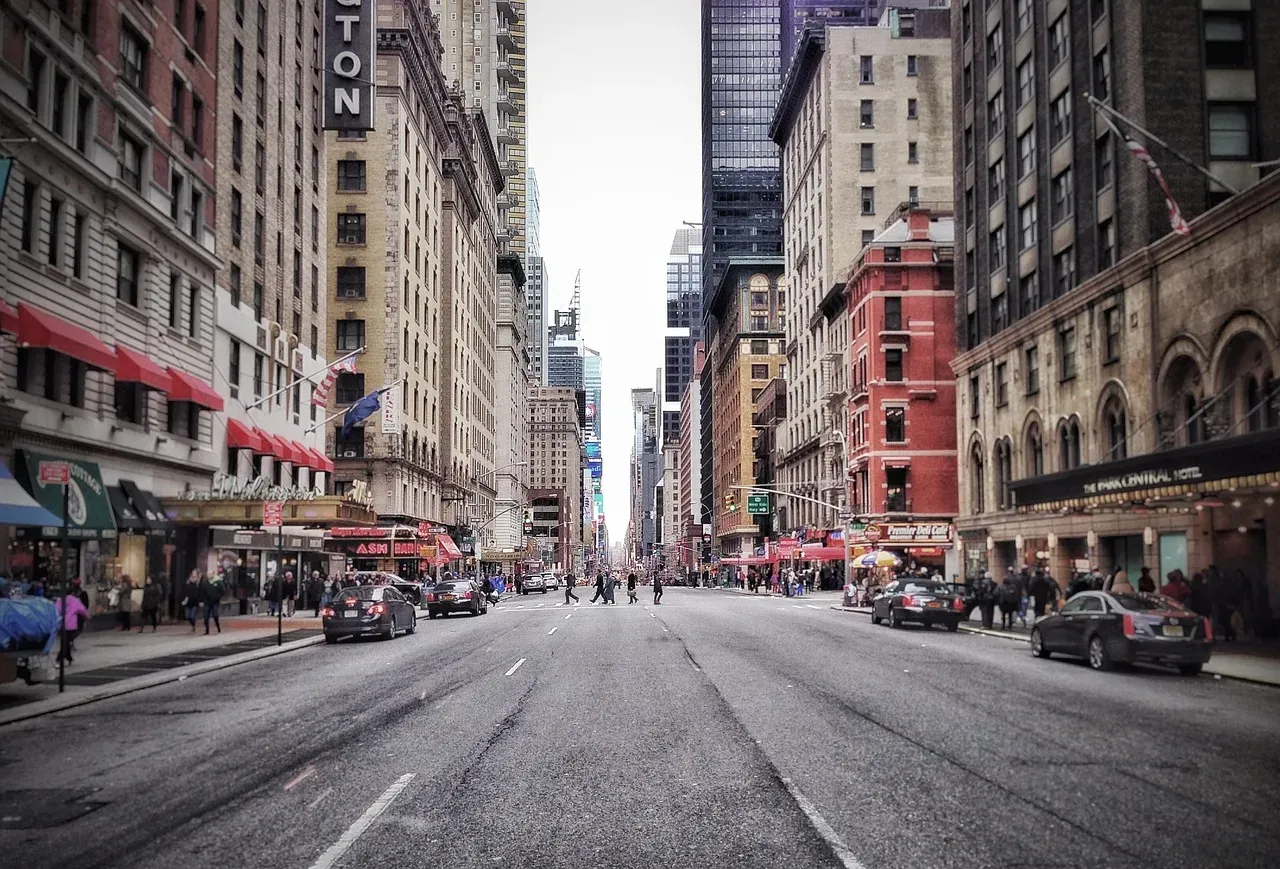
The roughly ten-block stretch of Eighth Avenue between the Port Authority Bus Terminal and Penn Station in Midtown Manhattan has picked up a chilling nickname from residents and workers: the “strip of despair.” Local reporting in 2024 detailed daily scenes of people passed out from drugs on the sidewalk, open-air dealing under dark scaffolding, fights breaking out near convenience stores, and regular thefts hitting small businesses that say they have simply stopped calling the police. While city officials point to certain crime categories trending downward, felony assaults and drug arrests in the area have gone up, and shopkeepers describe being robbed so often they no longer bother filing every report. For a solo traveler leaving a late train or bus, especially at night when office crowds disappear and only the most desperate linger, the feeling is less big-city excitement and more an unpredictable gauntlet that even many New Yorkers try to avoid on foot after dark.
5. Union Square Side Streets – San Francisco, USA
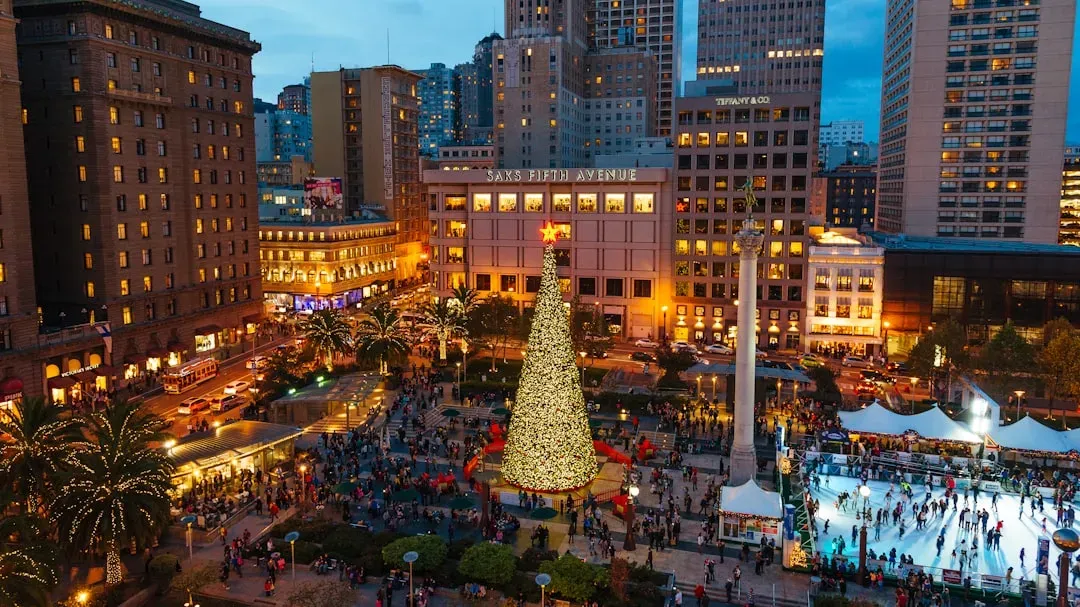
Union Square used to be sold as the polished heart of San Francisco shopping, but in the last few years the story has changed enough that even hotel concierges now quietly warn guests about walking there at night. By mid-2023, local reporting showed that nearly half of the retail storefronts in the Union Square area had closed since 2019, leaving dark, empty blocks that feel abandoned once the remaining shops shutter for the evening. As of late 2024, the district was still described as so troubled that staff at nearby hotels were advising visitors to take cars even for three-block trips after dark, because of repeat robberies, vehicle break-ins, and unpredictable street encounters. When a place that once thrived on foot traffic becomes a zone where locals recommend you avoid walking altogether at night, that is a clear sign to treat those side streets around the square with serious caution.
6. Fremont Street and Its Offshoots – Downtown Las Vegas, USA
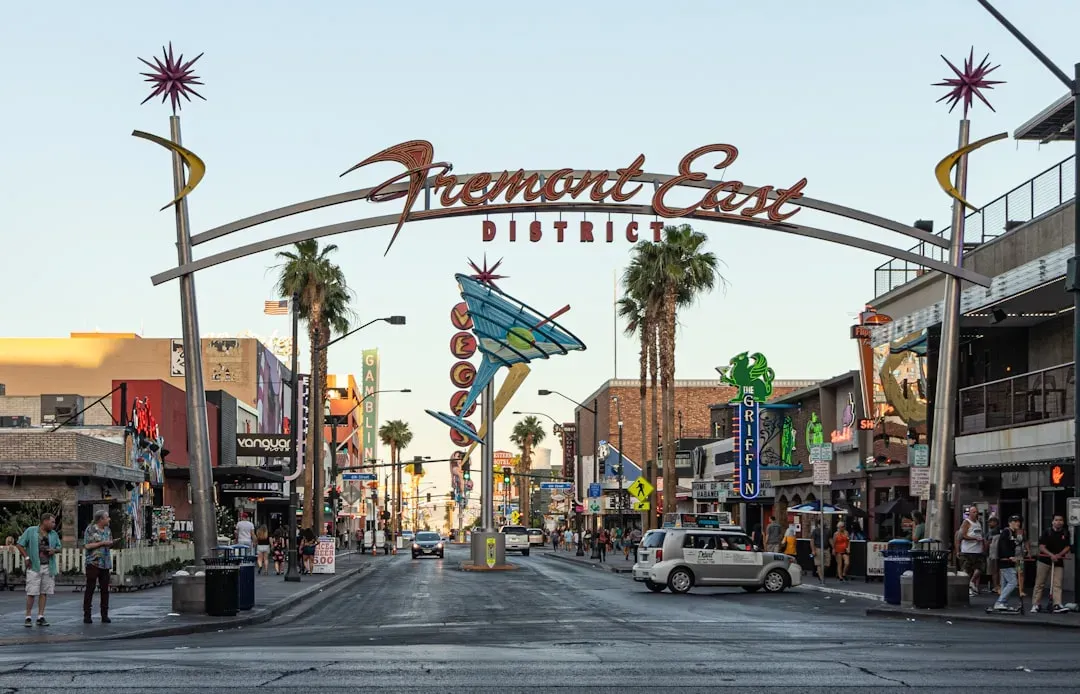
Fremont Street in downtown Las Vegas pulls people in with its huge LED canopy, live music, and 24-hour party vibe, but regulars know that once the crowds thin out, the tone can shift fast. Travel safety writeups and local accounts from 2023 to 2025 consistently describe a surge of aggressive panhandling, visible drug use, and occasional violent fights in the very late hours, especially on side streets branching off the pedestrian mall. Police are present, but their focus is often on managing the crowd and keeping the spectacle running rather than babysitting isolated walkers who drift beyond the busiest zones. Step just a block or two away from the lights after midnight, and you can go from tourist carnival to dim, nearly empty streets where a distracted, possibly intoxicated visitor walking alone becomes a very easy target for theft or harassment.
7. Certain Streets Around Gare du Nord and Stalingrad – Paris, France
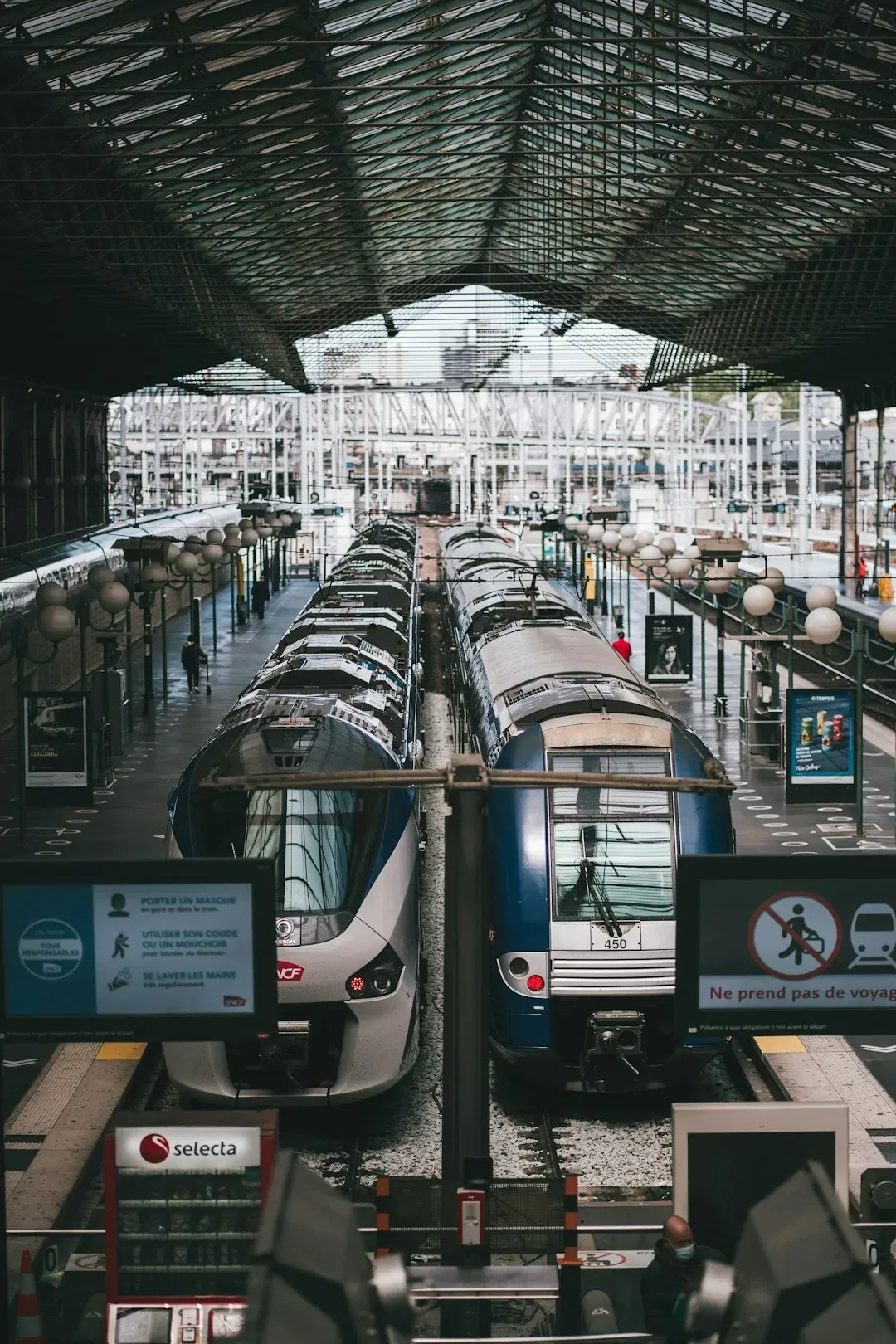
In Paris, the areas around major transit hubs like Gare du Nord, Stalingrad, Jaurès, and parts of Les Halles have become known among both locals and recent travel advisories as places where you need to be extra alert after dark. Following the 2024 Olympics, authorities increased police presence with thousands of officers across key districts, which helped reduce some tourist-targeted crime, yet night-time safety ratings for parts of the city still hover around a middling level. Reports from 2023 to 2025 repeatedly mention phone snatchings, bag grabs, and small groups surrounding distracted travelers near station exits and in poorly lit side streets off main boulevards. Many Paris residents now tell friends, especially women, to use taxis or ride-hailing services late at night instead of walking alone between these stations and their hotels, not because danger is guaranteed, but because the odds of an unpleasant encounter are simply much higher there than in more residential neighborhoods.
8. Bibb Street and Commerce Street Area – Downtown Montgomery, Alabama, USA
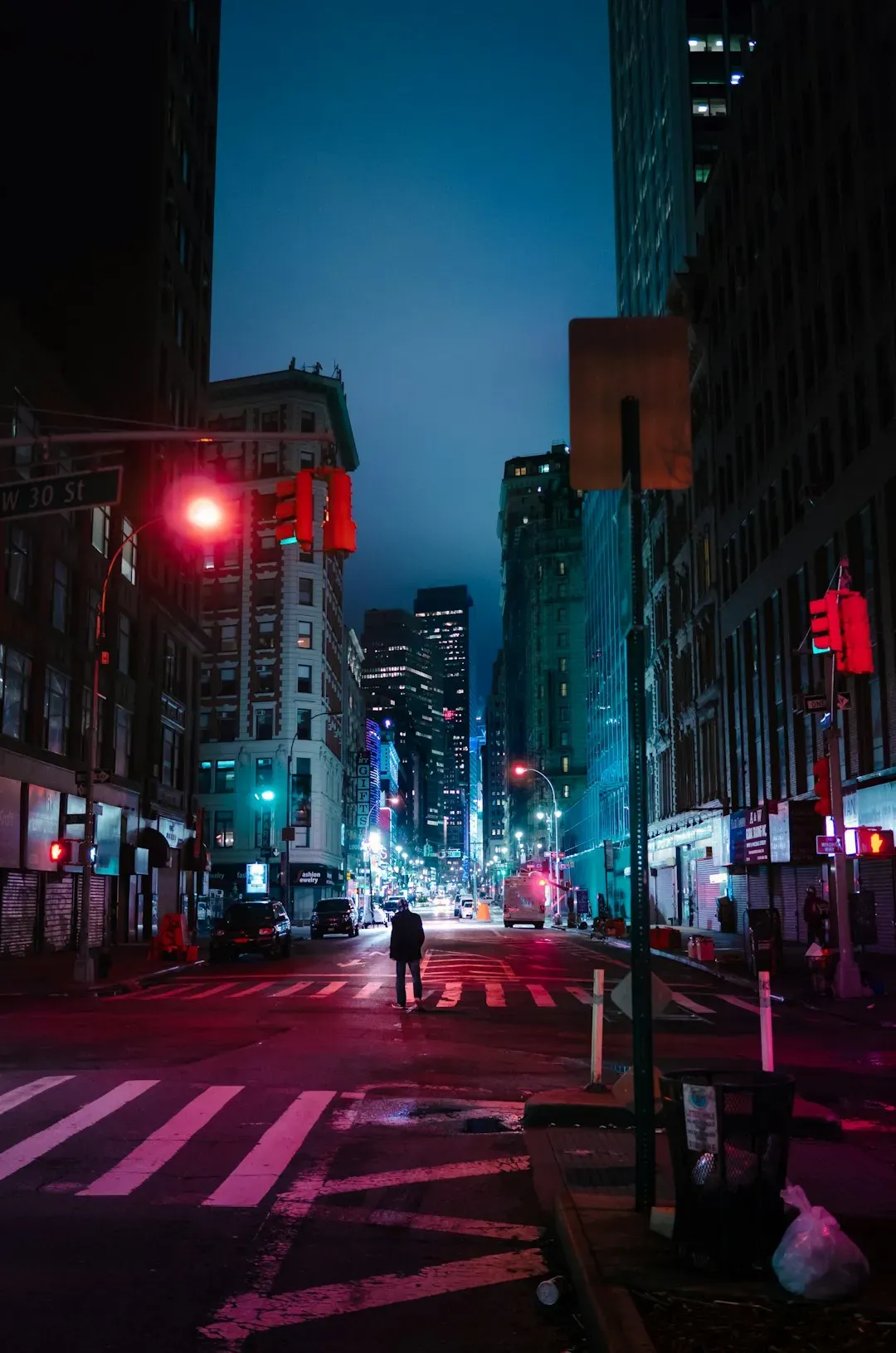
The intersection of Bibb Street and Commerce Street in downtown Montgomery was reportedly the scene of a chaotic mass shooting that killed two people and injured twelve, an incident that shook locals’ already fragile sense of safety after dark when multiple gunmen opened fire into a crowd near fair attractions and post-game festivities, with police later noting that several of the victims were teenagers. Alabama already ranked among the states with the highest firearm death rates as of 2023, and the Montgomery attack reinforced a pattern of public, late-night shootings across the state, including previous multi-shooter incidents in Birmingham and other cities. While downtown still hosts events and nightlife, many residents now say that lingering there late, especially near big gatherings around those same streets, feels much riskier than it did a few years ago, and walking alone through that area after dark is something they actively avoid.
9. Jackson Avenue Pedestrian Corridors – Memphis, Tennessee, USA
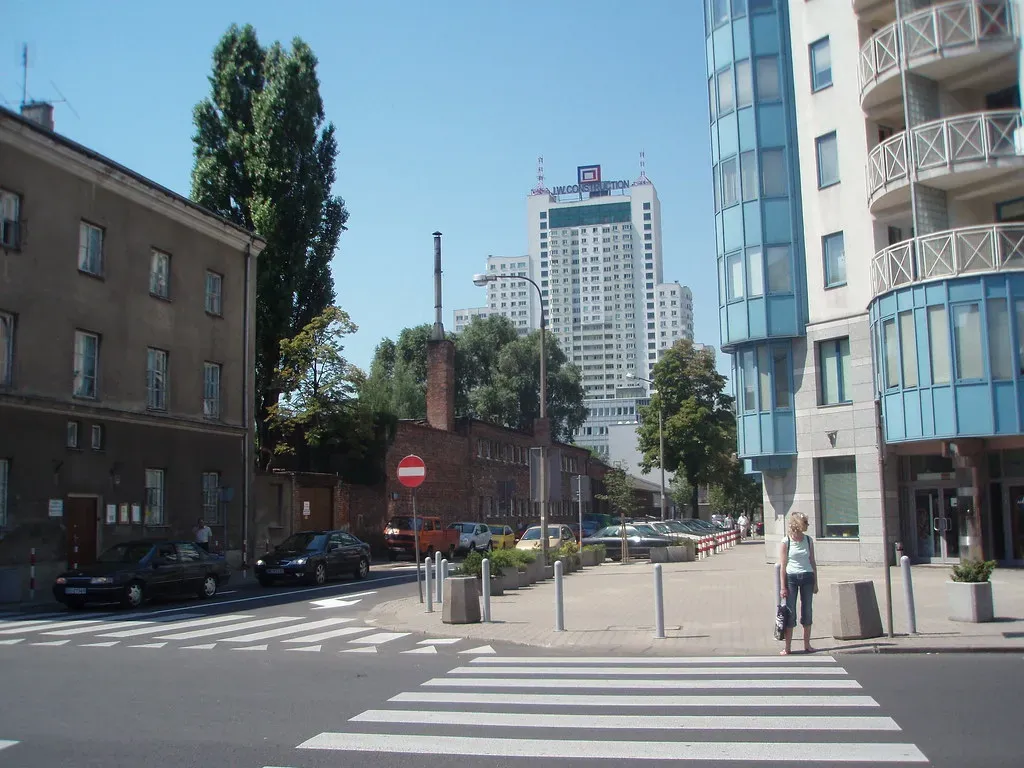
Memphis has been identified in a recent national investigation, including by the Washington Post, as one of the deadliest large metros in the United States for pedestrians, and Jackson Avenue stands out as one of the city’s most lethal corridors. The Washington Post’s analysis of federal crash data found that wide, high-speed arterials like Jackson, lined with budget motels, small retail, and bus stops but very few safe crossings, have seen clusters of deaths concentrated along just a few miles of asphalt. Night-time is when the danger spikes, because dim lighting, speeding cars, and people on foot trying to cross multiple lanes to reach work, home, or a bus stop form a deadly combination. Locals who do not own cars often have little choice but to walk there, but when they warn visitors not to stroll Jackson Avenue alone after dark, it is not about fear of muggers so much as the cold reality that the road itself has claimed far too many lives.
10. Side Streets Off Bourbon Street – French Quarter, New Orleans, USA
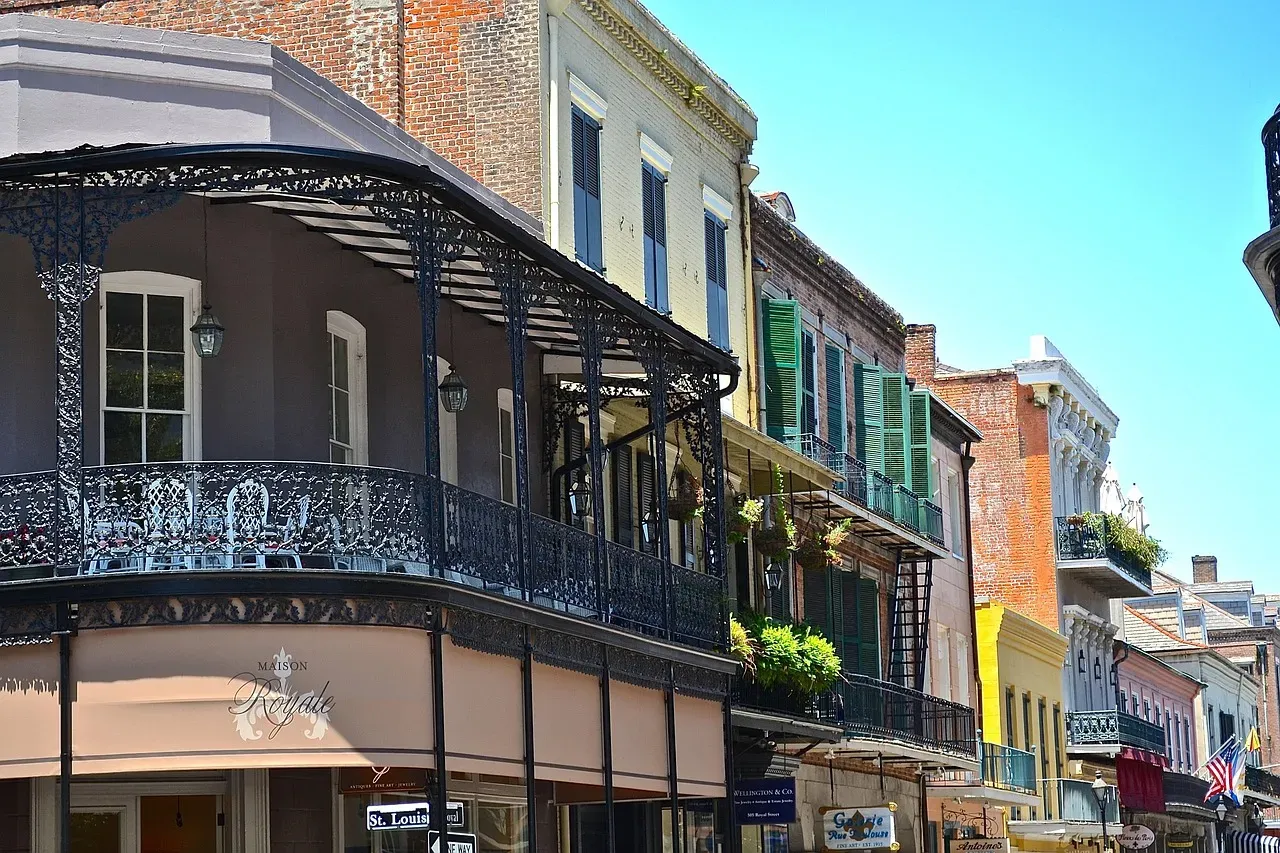
Bourbon Street itself is crowded enough at night that most people feel at least somewhat insulated by the sheer volume of revelers and heavy police presence, but the danger for someone walking alone really starts when you drift off onto the narrower side streets nearby. The French Quarter attracts millions of visitors each year, and with that comes a steady undercurrent of pickpocketing, opportunistic robberies, and occasional violent confrontations, especially in the very late or early hours when bars empty out and intoxicated people try to find their way back to hotels. In the last few years, local crime reports and tourism advisories have pointed out a pattern of incidents on peripheral blocks where street lighting is poor and foot traffic suddenly thins, giving would‑be attackers both cover and opportunity. Residents will often say that enjoying Bourbon is fine if you stay on the main drag, stick with friends, and take a cab home – but wandering those darker cross streets alone after 2 a.m. is a gamble they simply would not take themselves.