3 Strange Coincidences in History Science Still Can’t Explain
Some moments in history make you wonder whether the universe is just playing tricks on us. There are events so bizarre, so perfectly timed, that even the most skeptical scientists find themselves scratching their heads. These aren’t your usual historical footnotes. They’re anomalies that challenge our understanding of chance, probability, and the very nature of coincidence.
Sure, mathematicians love to tell us that with enough time, anything can happen. They point to something called Littlewood’s Law, which basically says that with all the billions of things happening every day, miracles are statistically inevitable. Yet when you really dig into some of these cases, the details are so specific, the timing so perfect, that pure chance starts to feel like an inadequate explanation. So let’s dive in.
The Hoover Dam’s Impossible Father and Son Tragedy
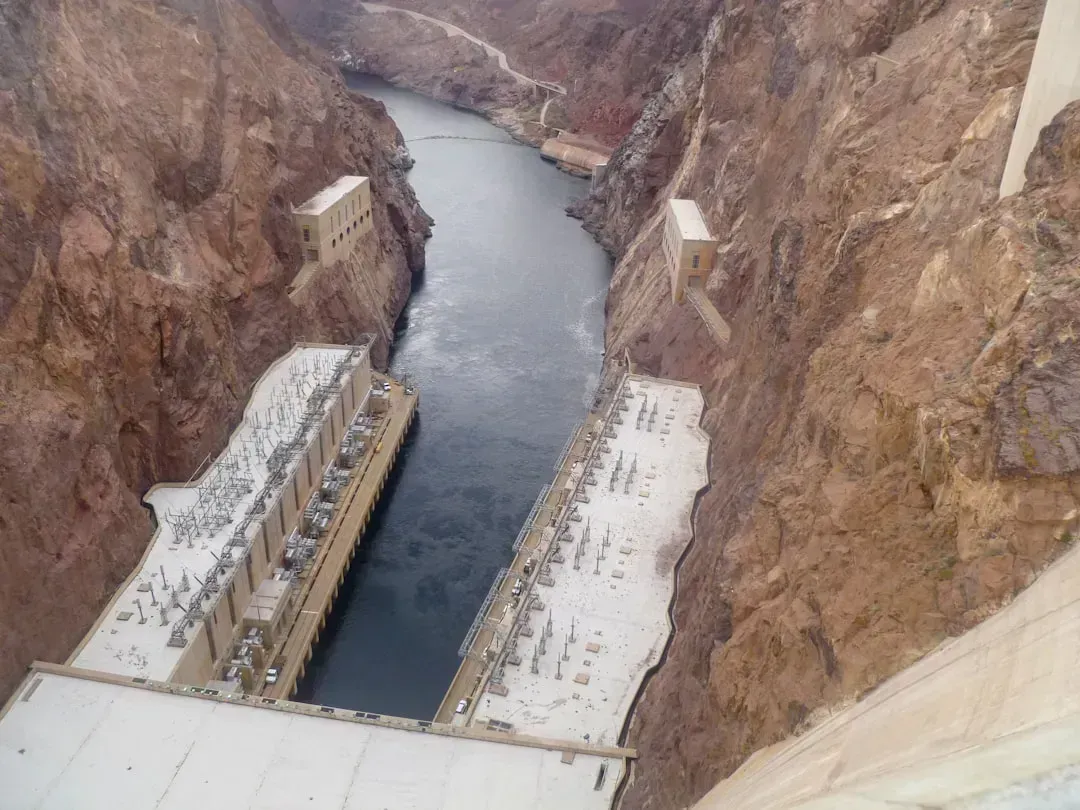
According to official records, there were 112 fatalities associated with the building of the Hoover Dam, with one of the first fatalities being John Gregory Tierney, who drowned during a flash flood in the violent Colorado River on December 20, 1921. It was a dangerous project from the start, and workers understood the risks when they signed up for the job. Construction was brutal, the conditions were harsh, and death was always lurking around the corner.
Here’s where it gets absolutely chilling. Fourteen years later, on the same day, December 20, 1935, another man died: it was Tierney’s only son, Patrick William Tierney, who was the last fatality attributed to the dam after he fell to his death from one of the intake towers on the Arizona side of Black Canyon. The exact same date, fourteen years apart. The first and last recorded deaths on the same massive construction project, connected by blood.
It’s one of the few legends about the building of the dam that is actually true. Researchers have verified the dates, the names, the relationship. Think about the odds for a moment. Not only did both men die on the same calendar date, but Patrick’s death marked the final casualty of a project that had claimed nearly a hundred lives. The symmetry is haunting, almost poetic in a deeply tragic way. Scientists can calculate probability, but they can’t explain why this particular coincidence feels so loaded with meaning.
Tamerlane’s Curse and Operation Barbarossa
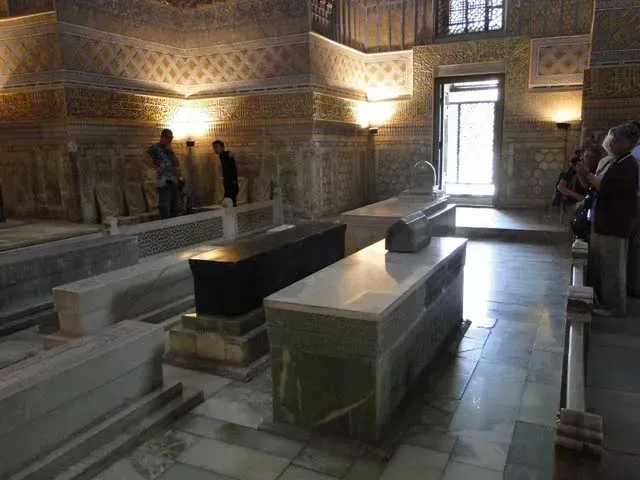
In 1941, Soviet archaeologists opened the tomb of Tamerlane, despite a chilling inscription warning of catastrophe, and just two days after the tomb was disturbed, Nazi Germany launched its invasion of the Soviet Union. The timing was so precise that it sent shivers through everyone involved. Local elders had warned against opening the tomb, repeating the ancient curse inscribed on it, yet the archaeologists proceeded anyway on June 20, 1941.
Tamerlane, a descendant of Genghis Khan, was one of history’s most fearsome conquerors. A warning inscription read “Whoever opens my tomb will unleash an invader more terrible than I.” Within mere days of disturbing his remains, Hitler’s forces rolled into Soviet territory, beginning one of the bloodiest campaigns in human history. The sequence of events was so uncanny that many attributed the ensuing disaster to a curse.
What makes this even stranger is the follow up. The legend grew when Stalin ordered the body reburied with honors in 1942, just days before the Soviets claimed victory at Stalingrad. Was it superstition that drove Stalin’s decision, or something else? Historians can document the timeline, archaeologists can verify the inscription, but nobody can definitively say whether this was just an eerie alignment of events or something more. The whole thing feels less like random chance and more like a script written by fate itself.
Tsutomu Yamaguchi and the Double Atomic Bomb Survival
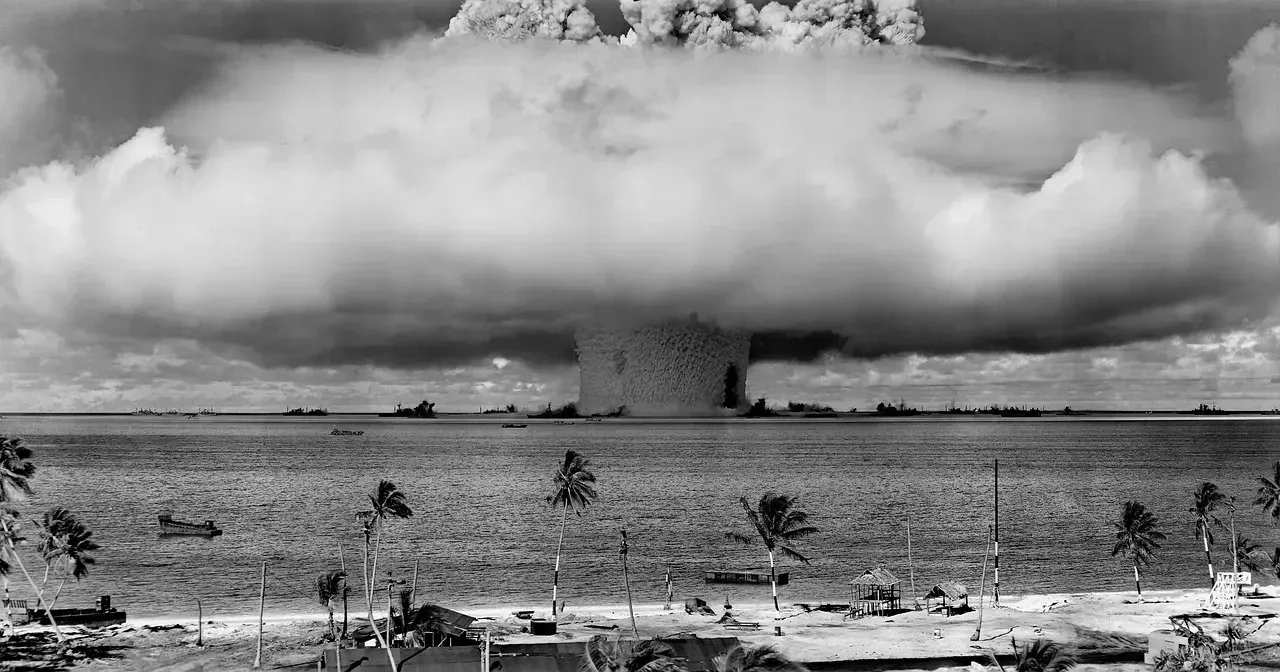
On August 6 and 9, 1945, the United States detonated two nuclear bombs over the Japanese cities of Hiroshima and Nagasaki, respectively, and the blasts, along with the radiation they caused afterward, killed an estimated 200,000 people. The devastation was unprecedented, absolute, and almost no one in the direct blast zones survived. Yet one man defied nearly impossible odds.
In 2009, the Japanese government confirmed that there was at least one man who was in each city on the days of the bombings, and lived to tell the tale, with Tsutomu Yamaguchi being in Hiroshima on a business trip on August 6. He witnessed the blinding flash, felt the shockwave, and survived. By August 9, he had returned home to Nagasaki, only to experience the trauma for a second time. Lightning doesn’t strike twice, they say. Except it did.
The statistical improbability of being in both cities at the exact moments of detonation and surviving both blasts is staggering. Despite the double radiation exposure, Yamaguchi lived to be 93 and passed away in 2010 from stomach cancer. Scientists can explain radiation exposure, survival rates, and probability distributions. What they can’t explain is why this one man, out of hundreds of thousands, found himself at ground zero twice and walked away both times. Some would call it luck, others fate, but either way, it remains one of history’s most baffling anomalies.