5 Tourist Spots That Are Far More Dangerous Than They Look
Some of the world’s most photographed destinations lure millions with their stunning vistas and promise of adventure. What visitors don’t always realize is that behind those picture-perfect Instagram shots lies genuine peril. These places might appear manageable, even inviting, yet they’ve quietly claimed lives over the years. The danger isn’t always obvious until you’re standing at the edge, feeling the wind, or noticing how slippery the rocks beneath your feet really are.
Mount Huashan Plank Walk, China
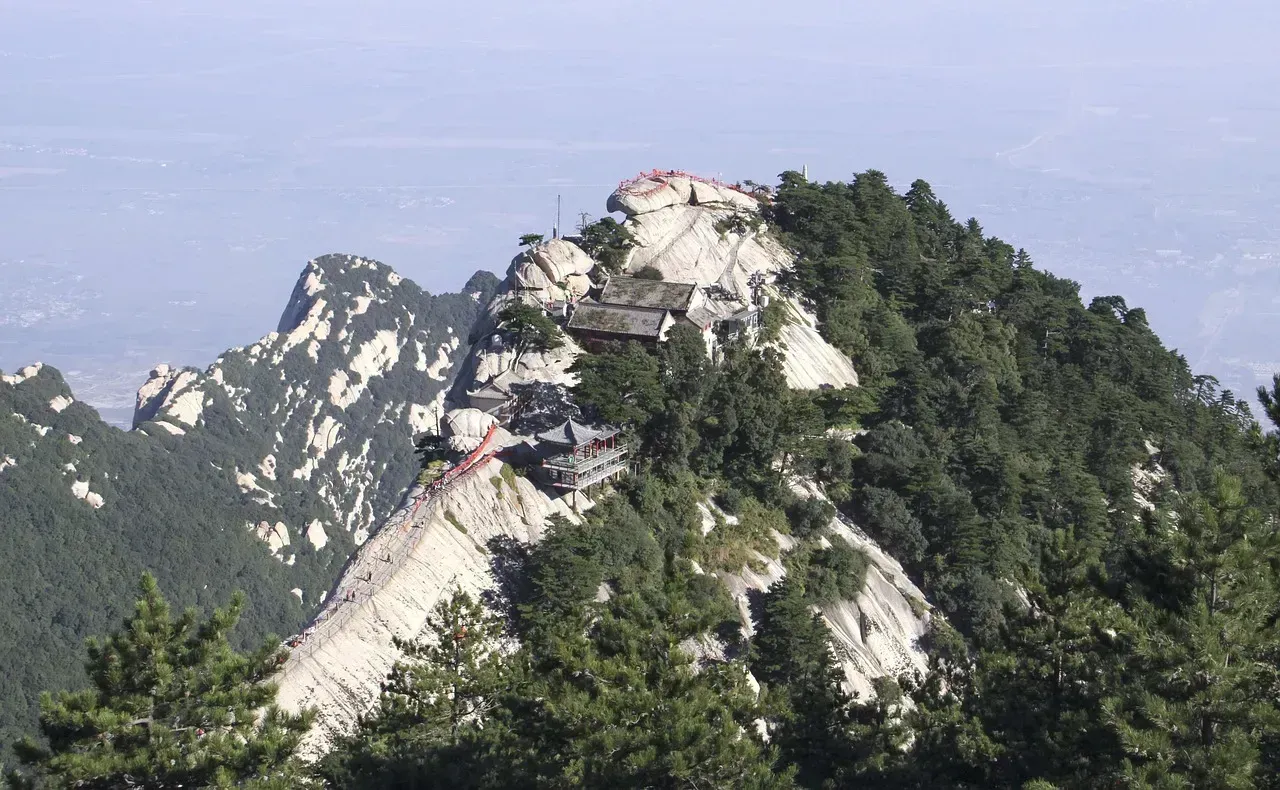
The Mount Huashan plank walk in China’s Shaanxi province has been rumored to claim around 100 lives annually – a figure that appears exaggerated and remains unconfirmed. This treacherous path consists of narrow wooden planks barely 0.3 meters wide, built along a vertical cliff face with a bottomless abyss below and no guardrails. Visitors must fasten safety harnesses and manipulate carabiners themselves while inching along planks suspended thousands of feet above the valley floor.
Though official death statistics haven’t been released, staff members have confirmed that tourists have indeed fallen after failing to properly fasten their safety ropes or removing them during the trek. In 2019, a Chinese university student fell to her death while taking selfies at Mount Huashan, sharing photos with classmates right up until her disappearance. The challenge here isn’t just physical. It’s the responsibility placed entirely on visitors to manage their own safety equipment while battling fear and navigating two-way traffic on a one-foot-wide pathway.
Cliffs of Moher, Ireland
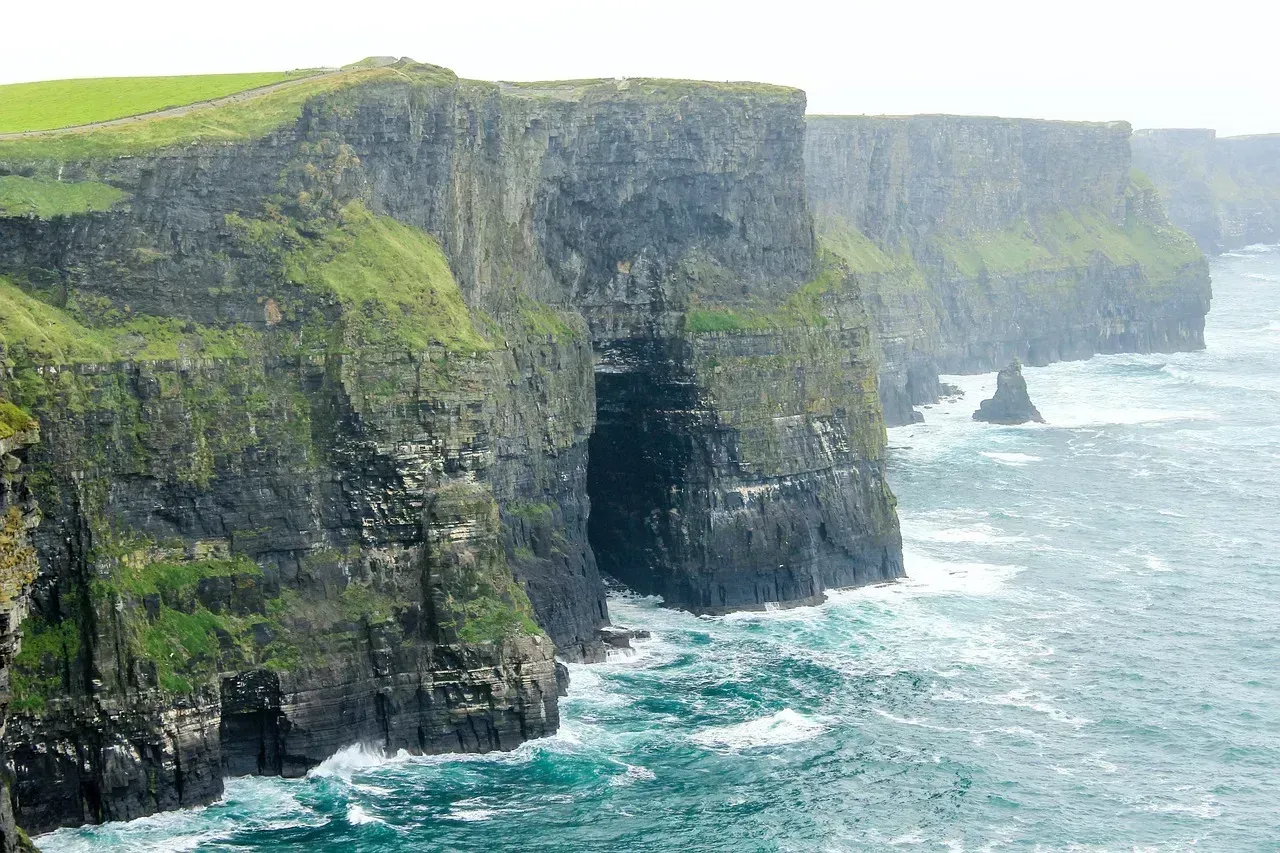
Ireland’s Cliffs of Moher attract over 1.3 million visitors annually, and citing ongoing safety concerns, authorities have closed significant portions of the trail, including sections of the Southern and Northern trails. More than 60 deaths, including suicides and accidents, have occurred at these cliffs since the early 1990s, including a young woman who lost her footing in May 2024. The combination of powerful winds, slippery grass after rain, and the absence of barriers along much of the clifftop creates conditions where a single misstep proves fatal.
Incidents have included tourists blown by high winds, falls while taking photographs, and trips into fencing. The woman who died in May 2024 was a college student visiting with friends when she lost her footing near Hags Head, where the cliffs stand 390 feet at their southern end. What makes these cliffs particularly deceptive is how the lush green landscape can feel almost pastoral, masking the sheer drop that waits just steps away.
Devil’s Pool, Victoria Falls
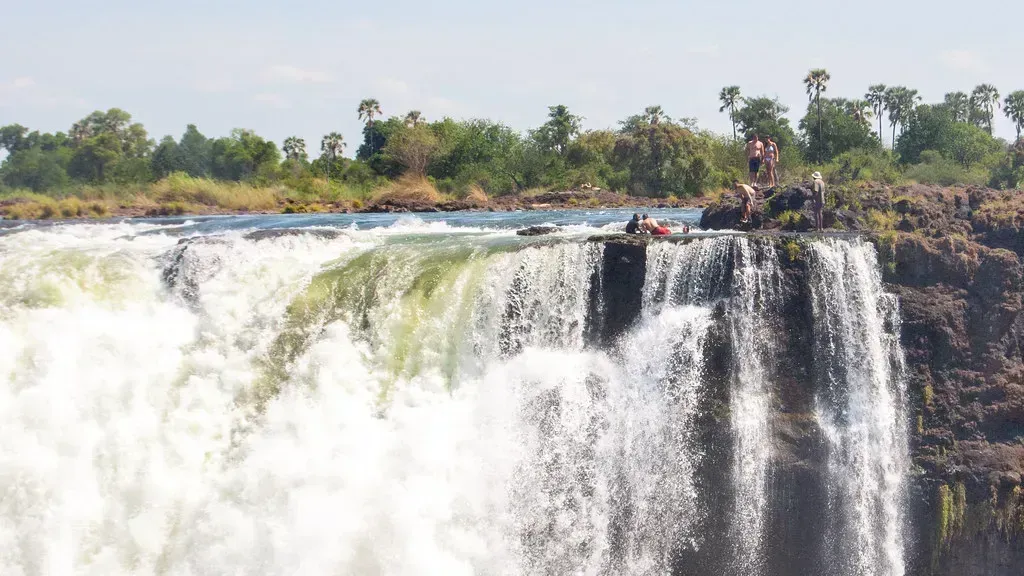
Perched at the edge of Victoria Falls on the Zambezi River, Devil’s Pool offers tourists the chance to swim right up to a 354-foot drop. There have been no recorded deaths at Devil’s Pool itself during organized tours, though a guide has tragically died attempting to rescue a tourist before regulated tours became standard. The natural rock barrier that holds swimmers back from plunging over the falls is reassuring, yet the current remains strong enough to pull at your limbs if they float upward.
More recently, tourists have slipped to their deaths near the edge of Victoria Falls gorge after posing for photos. Most accidents at Devil’s Pool have involved people slipping on wet rocks, resulting in minor injuries. Still, the psychological challenge of swimming toward a waterfall’s edge, feeling the current tugging at you, knowing that hippos and crocodiles inhabit these waters, creates an experience where even small mistakes could have catastrophic consequences.
Horseshoe Bend, Arizona
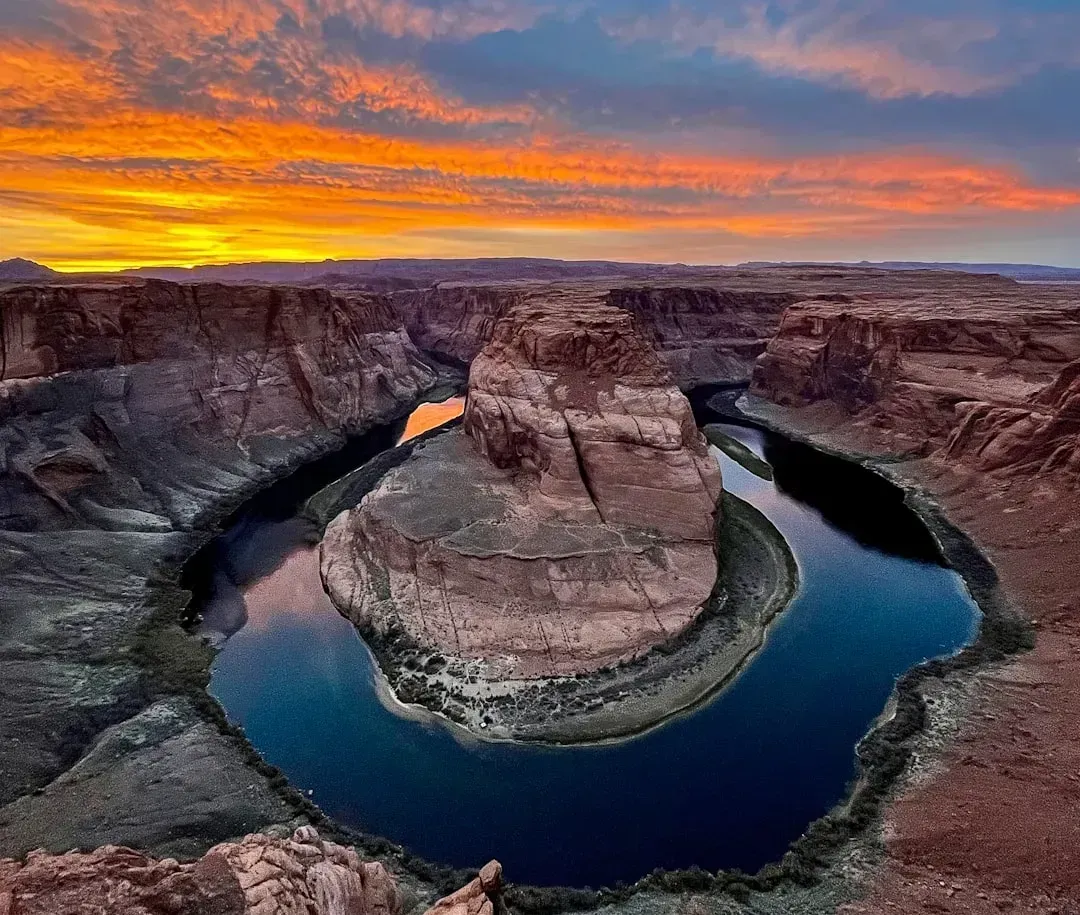
The first recorded accidental death at Horseshoe Bend occurred in 2010 when a German tourist fell from the edge, and since then three more accidental falls have claimed lives at this iconic Arizona site. On Valentine’s Day 2022, a person fell to their death around 2:18 p.m., with search and rescue teams locating the body some 1,000 feet below the overlook. The sheer drop from this dramatic Colorado River meander is breathtaking in every sense, yet many visitors focus so intently on capturing that perfect shot that they forget basic precautions.
In December 2018, a 14-year-old girl from Arizona fell to her death after her family reported her missing, with her body found 700 feet below the overlook and recovered the following day. Until recently there was no safety railing at Horseshoe Bend, and while the National Park Service installed a railing at the end of the trail, visitors can still walk along the canyon’s rim in areas without protection, though this is not recommended. What looks like solid ground can crumble, and the wind gusts common at these elevations can knock even steady visitors off balance.
Half Dome, Yosemite National Park
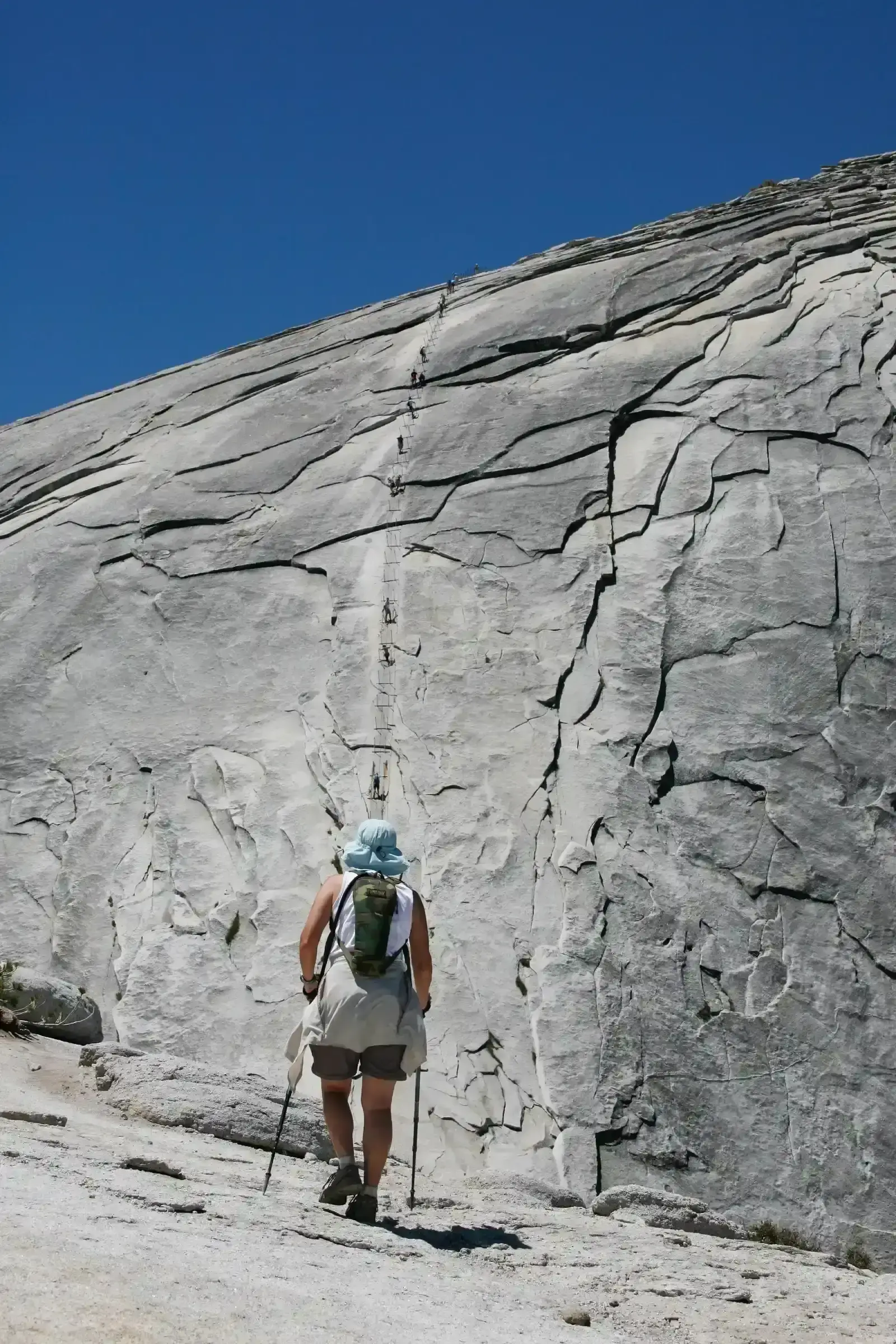
In July 2024, a student tragically died after slipping while hiking the cables at Half Dome in Yosemite National Park. Numerous accidents have occurred at Half Dome in recent years, including around a dozen deaths while attempting the summit. The final ascent requires hikers to pull themselves up steep granite using steel cables, a challenge that becomes exponentially more dangerous in wet conditions or when thunderstorms roll in.
Half Dome lures thousands of intrepid hikers every year to scale its curved summit via a 14-mile round-trip that takes walkers deep into wilderness and has earned a reputation for danger. Rockfalls pose an additional threat, not to mention encounters with Yosemite’s black bears. The physical demands of this hike – combined with altitude, weather changes, and sheer exhaustion – create conditions where even experienced hikers can make fatal errors. The view from the top is unforgettable, assuming you make it there and back safely.
These destinations remind us that nature doesn’t care about our bucket lists or social media feeds. Beauty and danger often occupy the same space, separated only by a moment’s inattention or a single poor decision. What do you think – are these risks worth taking for the experience of a lifetime?