9 Habits That Signal High Status Without Spending Money
Ever notice how some people just seem to command respect the moment they walk into a room? It’s not their designer clothes or expensive watch. It’s something else entirely. Something you can’t buy but can definitely learn. Let’s be real, true status comes from how you carry yourself, not what you carry in your wallet.
Maintaining Confident Body Language and Posture

Displaying confident body language, including good posture, firm handshakes, and appropriate gestures, makes positive impressions on interviewers or evaluators.. The way you hold your body sends powerful signals to everyone around you. Students who held an upright, confident posture were much more likely to rate themselves in line with the positive or negative traits they wrote down, as their confident, upright posture gave them more confidence in their own thoughts, a study from Ohio State University found.
Here’s the thing: people subconsciously associate upright posture with competence and authority. Adopting an upright seated posture in the face of stress can maintain self-esteem, reduce negative mood, and increase positive mood compared to a slumped posture, according to a 2014 randomized trial published in Health Psychology. You don’t need expensive coaching. Just imagine a string pulling you up from the crown of your head.
Practicing Active Listening

Good listening grants the listener higher prestige, research from organizational psychology reveals. Think about the last time someone truly listened to you without interrupting or checking their phone. Felt pretty special, right? High-quality listening behaviors like follow-up questions are linked to behavioral and self-reported markers of social connection in conversations between strangers..
A recent meta-analysis of workplace outcomes revealed that perceived listening during workplace conversations was most strongly positively related to relationship quality.. Most of us think we’re good listeners, but honestly, we’re usually just waiting for our turn to talk. Real listening means asking thoughtful follow-up questions and showing genuine curiosity about what others are saying.
Being Consistently Punctual
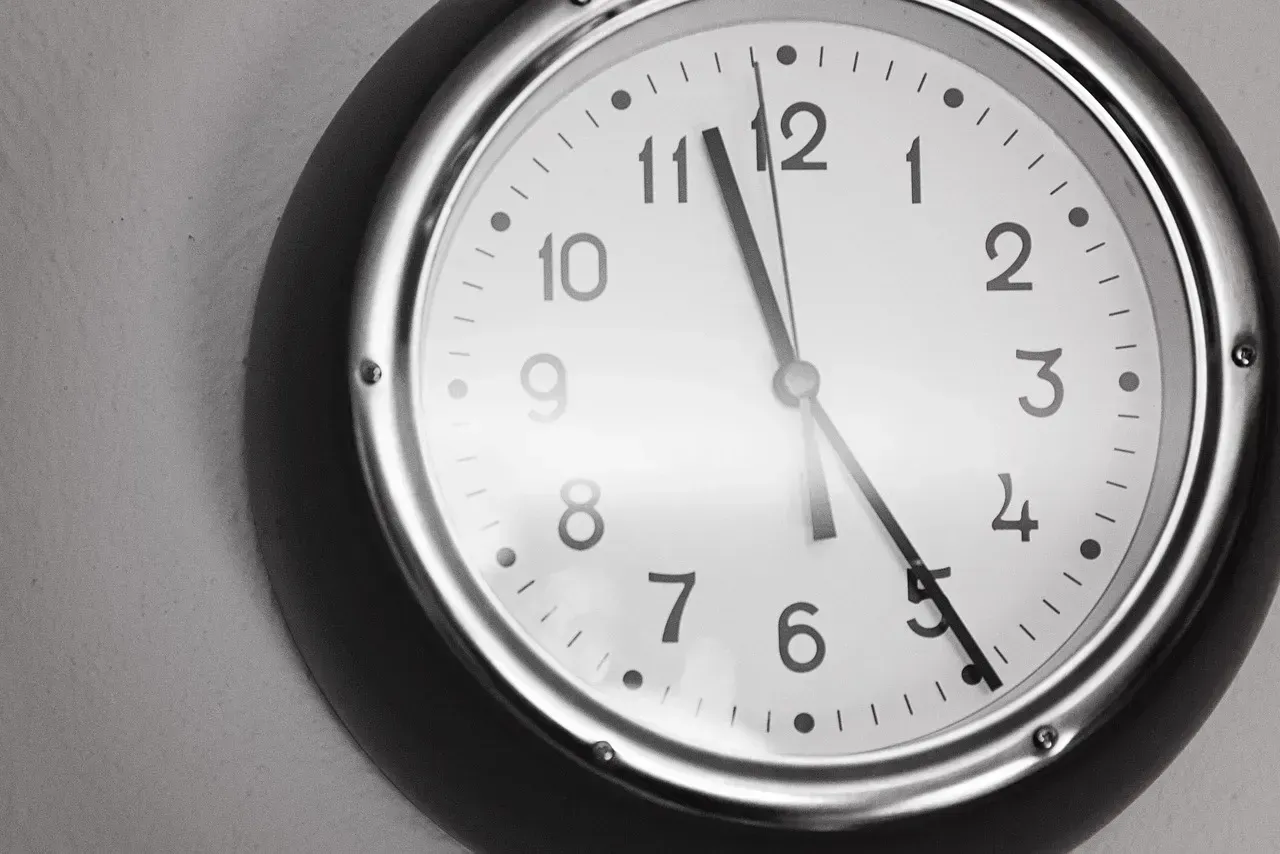
Punctuality demonstrates a person’s respect for their own time, as well as the time of others, and being punctual means arriving on time, meeting deadlines, and being prepared for commitments. It sounds simple, maybe even boring, yet it’s one of the most underrated status signals. When you’re always on time, people notice. They start to view you as reliable, organized, and respectful.
Late people might think they’re too busy or too important to be on time, but the opposite perception forms. Chronic lateness suggests poor planning or disrespect for others’ schedules. The person who shows up five minutes early to every meeting? That’s someone who has their life together. It costs you nothing except a little forethought.
Speaking Thoughtfully and Clearly
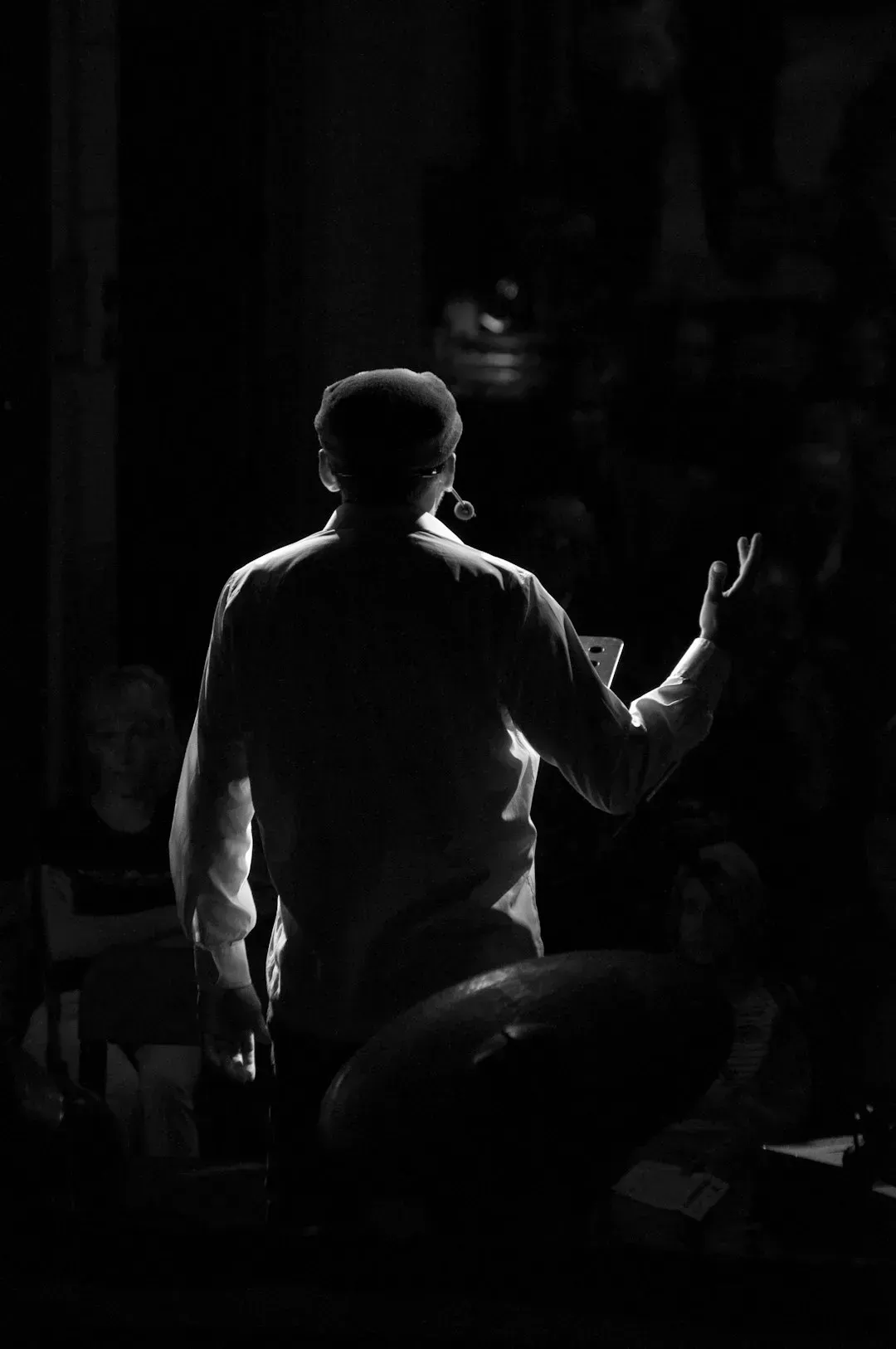
You don’t need a fancy vocabulary or perfect grammar to sound intelligent. What matters more is taking a moment before you speak. Pausing to collect your thoughts signals confidence, not uncertainty. People who fill every silence with “um” and “like” undermine their own credibility, even when they have valuable insights to share.
Research on communication shows that clear, measured speech patterns are associated with perceptions of competence and authority. Think about the leaders or experts you admire. They probably don’t rush through their words or ramble endlessly. They make their point and stop talking. That restraint, that economy of language, signals high status more effectively than trying to dominate every conversation.
Maintaining Eye Contact

A presenter who maintains confident eye contact, uses purposeful gestures, and exhibits an open posture is likely to be seen as more credible and persuasive compared with someone who fidgets, avoids eye contact, and displays closed-off body language.. Eye contact creates connection and conveys honesty. It’s uncomfortable at first if you’re not used to it, I’ll admit that.
The key is balance. Staring someone down feels aggressive, while constantly looking away suggests dishonesty or insecurity. Aim for roughly half to three-quarters of the conversation maintaining natural eye contact. When listening, you can hold eye contact longer. When speaking, it’s natural to occasionally glance away while gathering your thoughts.
Dressing Neatly Within Your Means

Let me be clear: this isn’t about expensive brands. It’s about looking put together with whatever you have. Clothes that fit properly, are clean, and are appropriate for the setting signal that you care about how you present yourself. A well-fitted outfit from a thrift store beats an ill-fitting designer piece every time.
Pay attention to the basics. Shoes should be clean and in good repair. Clothes should be ironed or at least not wrinkled. Hair should look intentional, whatever style you choose. These details cost almost nothing but communicate that you respect yourself and the people you’re meeting. That self-respect is fundamentally what high status is about.
Showing Genuine Interest in Others
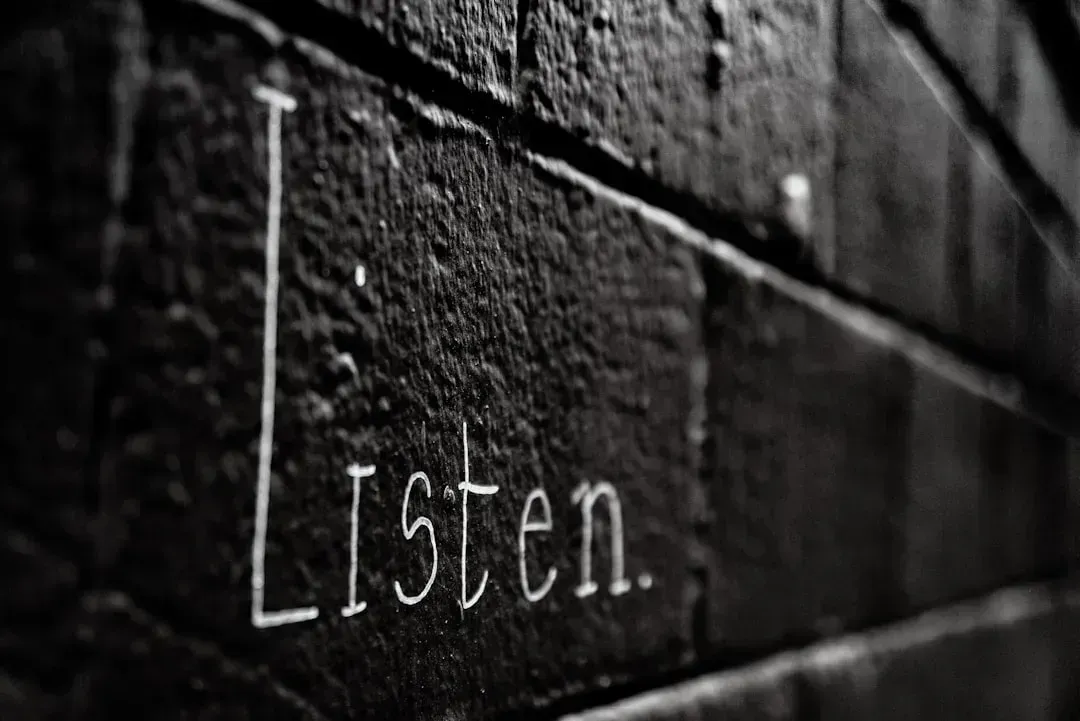
High-status people don’t need to constantly prove themselves. They’re secure enough to be curious about others. Asking thoughtful questions and remembering details from previous conversations makes people feel valued. Active listening behavior can facilitate positive interpersonal relationships, and subjects rated episodes more positively when they were evaluated by individuals showing active listening..
Here’s what I’ve noticed: people who only talk about themselves often think they’re impressing others with their accomplishments. In reality, they’re signaling insecurity. The person who asks about your weekend and actually remembers your answer next week? That person has real presence. They don’t need to peacock because they’re confident in their own value.
Staying Calm Under Pressure

Nothing signals high status quite like maintaining composure when everything’s falling apart. Panic is contagious, but so is calm. When you can keep your cool during a crisis, people naturally look to you for leadership. This doesn’t mean suppressing all emotion or pretending problems don’t exist.
It means taking a breath before reacting. It means speaking in a measured tone even when you’re frustrated. It means focusing on solutions rather than blame. These responses can be learned and practiced. Start with small stressors and work your way up. The ability to regulate your emotions under pressure is perhaps the most valuable skill you can develop.
Following Through on Commitments
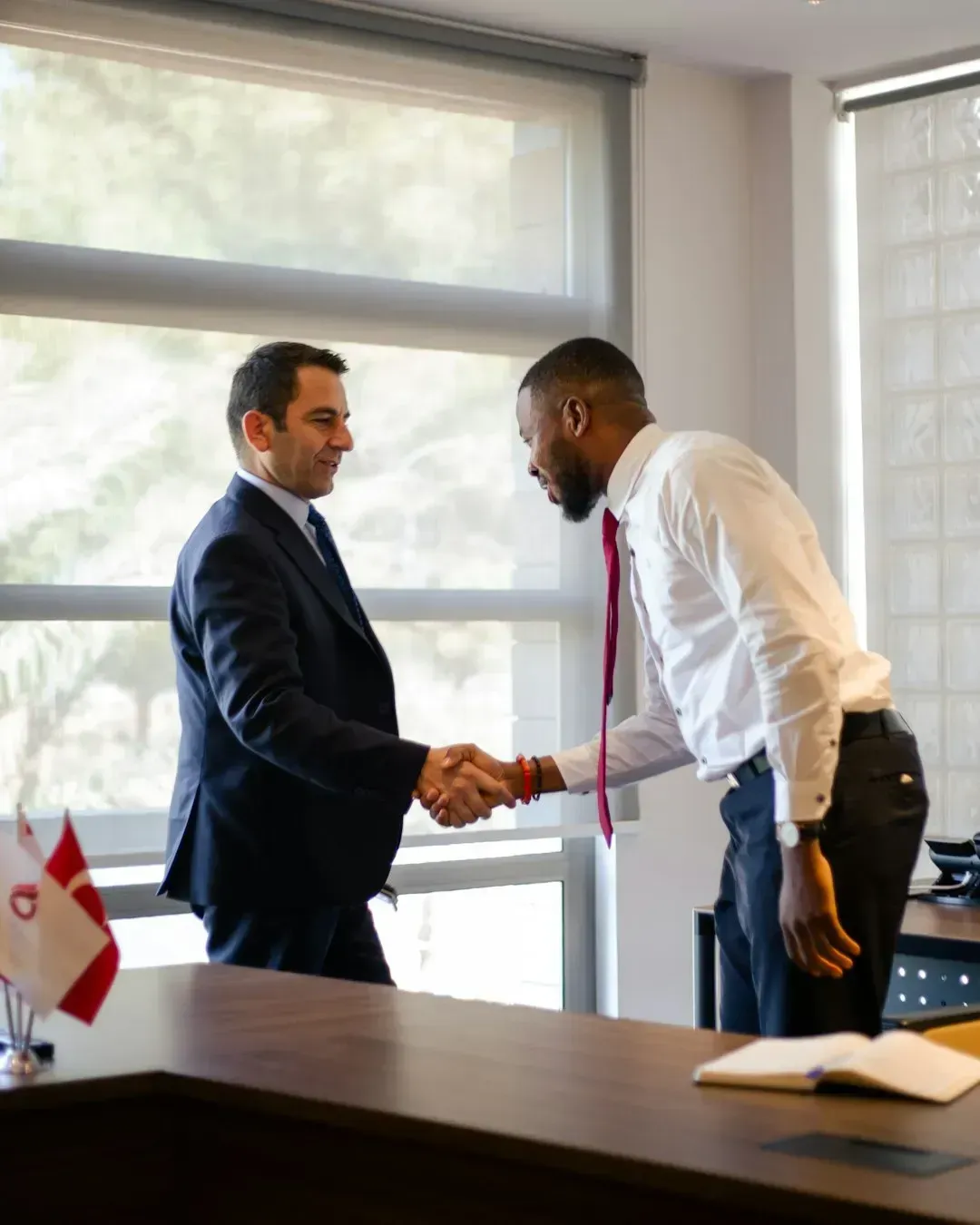
Your word is either worth something or it isn’t. High-status individuals understand that every broken promise or missed deadline chips away at their credibility. If you say you’ll do something, do it. If you can’t, communicate that early rather than making excuses later.
According to the Survey of Household Economics and Decision making, roughly one-third of Americans would not cover a $400 emergency bill without borrowing or selling something, highlighting the importance of cultivating smart money habits according to Federal Reserve data from 2024. This demonstrates how reliability extends beyond social commitments to financial ones as well. The pattern of following through builds a reputation that money simply cannot buy. People begin to trust your judgment and seek your input because they know you deliver on what you promise.
Did you expect that these habits would be so simple? The truth is, high status isn’t about what you own. It’s about who you are and how you treat others. Start with one or two of these habits and build from there. What would you add to this list?