11 Vintage Sodas You Thought Were Gone for Good
There’s something almost magical about cracking open a can of a long-lost soda. It’s not just the fizz. It’s the rush of a specific summer afternoon from decades ago, a school lunch you forgot you loved, a flavor that somehow summed up an entire era. Sodas have always been more than beverages. They’ve been cultural moments, pop culture artifacts, even status symbols in the school cafeteria.
More than roughly two in five consumers say nostalgic and traditional flavors influence their choice of food and beverage products. That’s a staggering number, and it explains why soda companies keep digging up their old recipes. Some of these drinks vanished without warning. Others went out swinging. A few are quietly making their way back to store shelves right now. Let’s dive in.
1. Surge: The Neon Green Rebel That Refused to Stay Dead
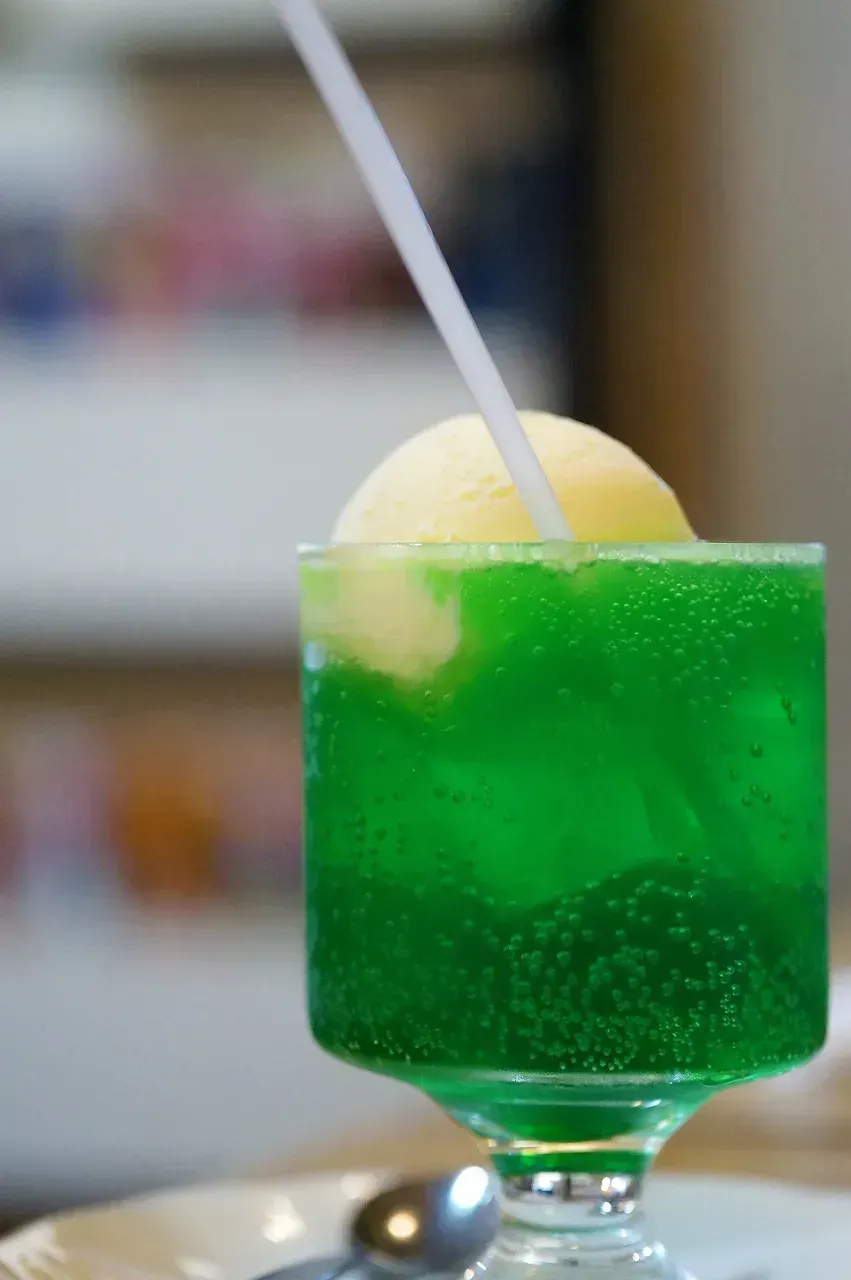
Let’s be real. No discontinued soda has had a more dramatic comeback story than Surge. Surge was the caffeinated rebel of the soda world, Coca-Cola’s answer to Mountain Dew, launched in 1997 in the U.S. with its neon-green aesthetics and a citrus flavor that packed a punch with bold taste and edgy extreme-sports marketing. It was the kind of drink that felt almost dangerous to consume in large quantities, which was, of course, the entire appeal.
Despite strong initial sales, it was discontinued in 2003 due to declining demand. However, a grassroots #SURGEMovement campaign by nostalgic fans, including billboards near Coca-Cola headquarters and over 150,000 social media supporters, prompted its 2014 revival as an Amazon exclusive. Think about that for a second. Fans bought billboards just to get a soda back.
This citrusy, highly caffeinated soda has been on and off the shelves since its debut in 1996, and the beverage developed a large following from 1996 to 2003, when it was first discontinued. It then returned briefly and then disappeared again, leaving fans perpetually hopeful. Honestly, at this point, Surge’s revival story is longer and more entertaining than some TV series.
2. Crystal Pepsi: The Clear Cola That Confused Everyone
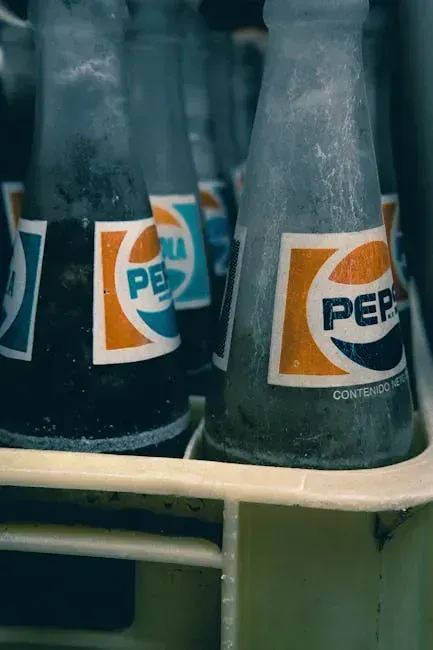
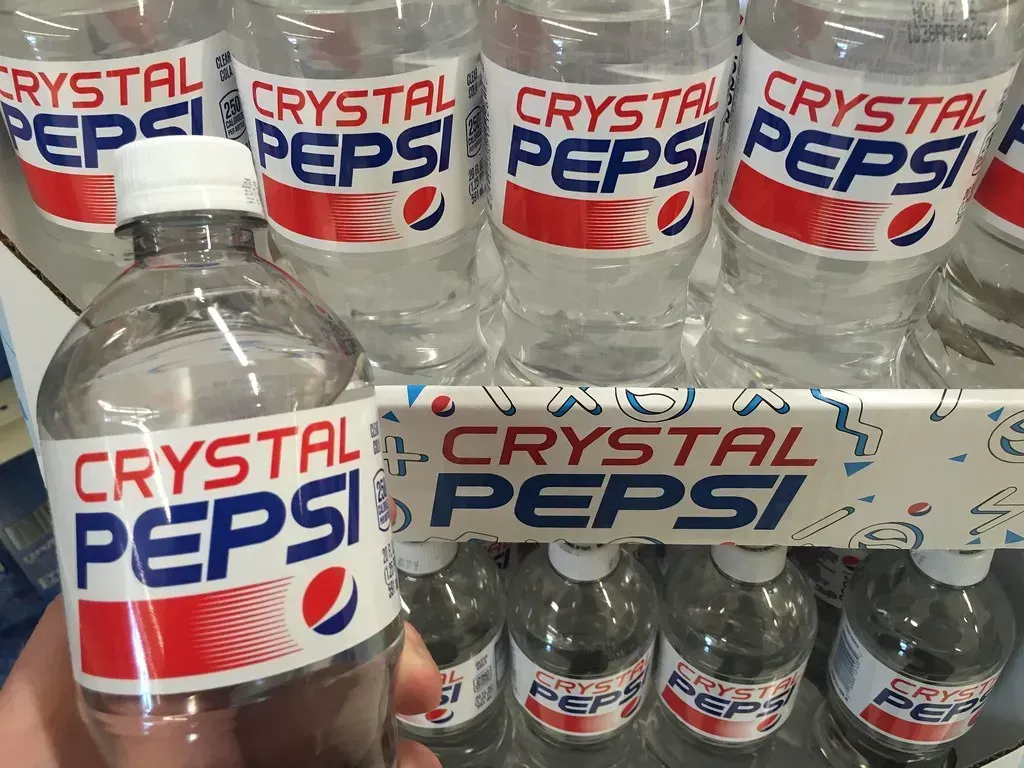
In 1992, PepsiCo set out to find the perfect middle ground between Pepsi and Diet Pepsi, releasing Crystal Pepsi, which was advertised as a healthier version of its signature cola with one big twist: it was clear. Think of it like water wearing a cola costume. Nobody quite knew what to make of it.
This clear cola resembled water but had a lighter taste and was far less sweet than regular Pepsi, confusing taste buds everywhere. Two decades later, in 2014, the soda was named by TIME Magazine as one of the “10 Biggest Product Fails of All Time,” noting that many purchases were likely due to curiosity and one try was enough. Ouch. Still, that kind of infamy is its own kind of fame.
After months of popular demand, on December 9th, 2015, PepsiCo announced that Crystal Pepsi would be returning for a limited time, obtainable initially through a sweepstakes giveaway online via the Pepsi Pass loyalty customer program for a chance to win. A 2016 reboot, which was more of a limited-time nostalgia campaign, didn’t achieve much mainstream success, but it capitalized on cult interest and social media buzz. The lesson here? Being a legendary failure is sometimes better than being forgotten.
3. Jolt Cola: All the Sugar, Twice the Caffeine
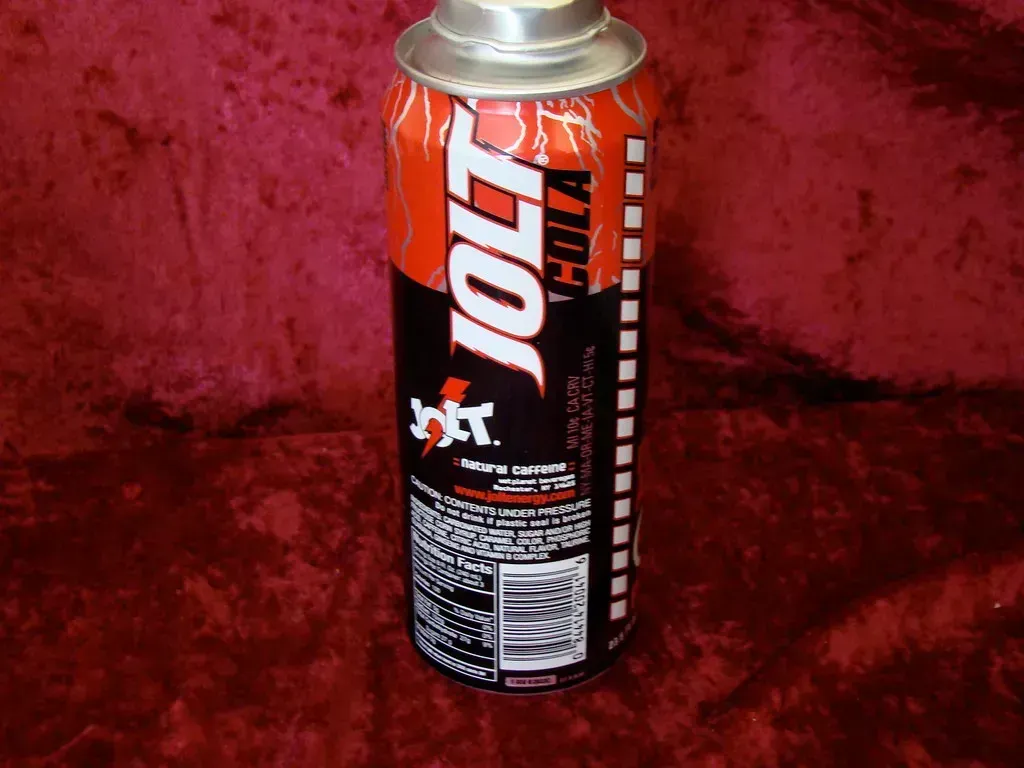
Launched in 1985, Jolt Cola boldly advertised “all the sugar and twice the caffeine,” positioning itself as a rebellious alternative to the diet drink craze. It’s the kind of tagline that makes modern energy drink companies look almost modest. Jolt wasn’t pretending to be healthy. It leaned into being the bad boy of the beverage aisle.
Piggybacking off of relationships with beer distributors and using sensationalist tactics to market their drink, Jolt found prominence in the early 1990s, branding the beverage as an antidote to “weaker” colas. This supercharged vintage soda was an ideal choice for computer programmers, leading it to be thought of as a proto-energy drink. It was basically Red Bull before Red Bull existed.
The heightened amount of caffeine in the beverage paved the way for such modern giants as Red Bull, which eventually overtook Jolt in popularity. Jolt filed for bankruptcy in 2009 but was made available again in Dollar General stores for a fleeting couple of years in the late 2010s before disappearing again from the public eye. An announcement at the end of 2024 sparked some hope for Jolt aficionados, indicating that, in collaboration with energy drink brand Redcon1, Jolt would be making a triumphant return to shelves in 2025.
4. TaB: The Original Diet Soda Icon
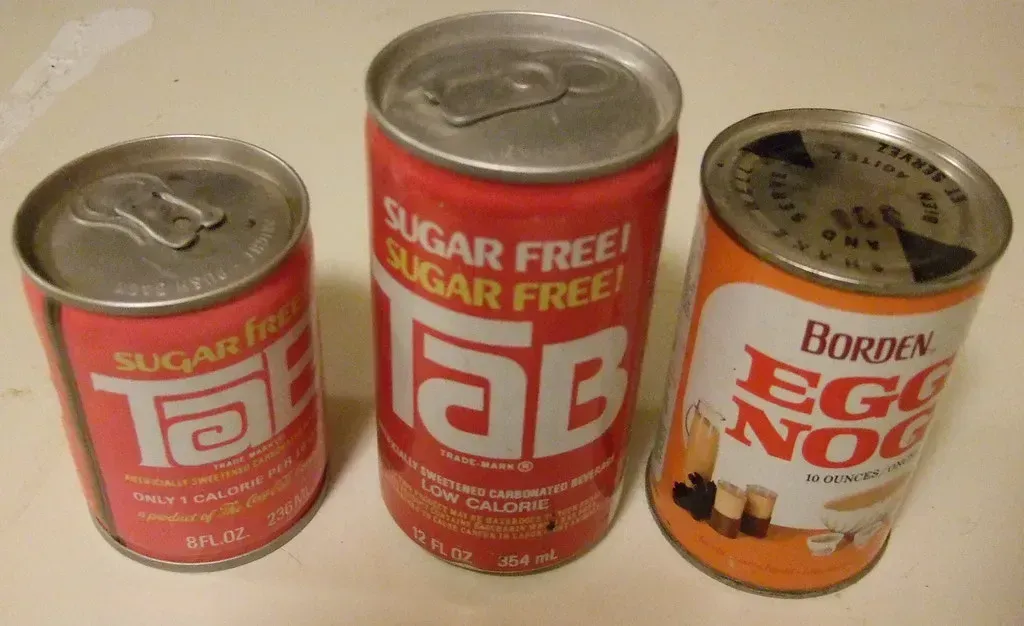
The Coca-Cola Company launched TaB in 1963 as a healthier alternative to its other offerings, and TaB became the company’s first diet soda, reaching its height of popularity in the 1970s and 1980s when diet drinks were all the rage. Before there was Diet Coke, before there was Coke Zero, there was TaB. It was a lone pioneer in a world of full-sugar colas.
Fans described the soda as having a bitter, metallic taste, thanks to the saccharin, an artificial sweetener, used in the original formulation. While it was an acquired taste, TaB attracted a strong and loyal fanbase. Honestly, that kind of loyalty for a drink that tasted metallic is impressive. People loved TaB the way some people love extremely pungent cheese. You either got it or you didn’t.
When Diet Coke was introduced in 1982, TaB was the most popular diet soda on the market. However, Diet Coke quickly took over, and TaB saw its sales begin to dwindle. Over the years, it became increasingly difficult to find TaB in stores, and Coca-Cola finally pulled the plug in 2020, explaining it was reshaping its beverage portfolio by cutting underperforming products and refocusing on its leading brands. After 57 years, the curtain finally fell.
5. Josta: PepsiCo’s Forgotten Energy Pioneer
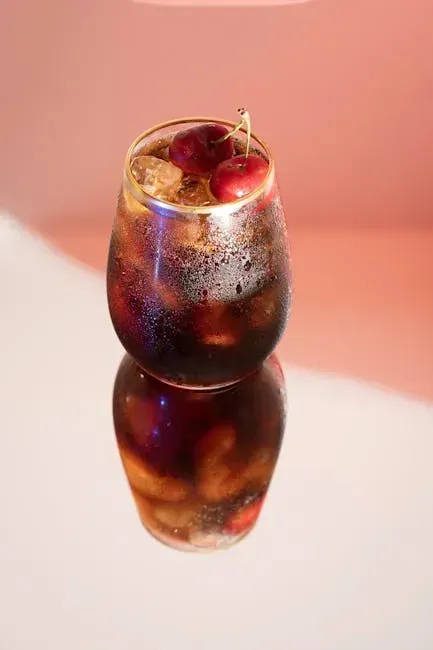
Launched in 1995, PepsiCo’s Josta was the first significant energy soda. It’s wild to think that what we now consider a massive, billion-dollar energy drink industry was first tested in a somewhat obscure, deep-red soda that most people under 30 have never heard of. Josta was ahead of its time in every sense of the phrase.
Josta’s claim to fame was its combination of caffeine and guarana, an extract made from the seeds of the Paullinia cupana plant. Guarana contains a lot of caffeine itself, and it’s still a common ingredient in energy drinks today. Josta’s flavor has been described as everything from fruity to incredibly similar to cough medicine, but the flavor was really a combination of guarana and dragonfruit.
Josta was probably the most missed of these discontinued sodas, with fans still reminiscing about its flavor and deep red color decades later and spearheading campaigns to bring it back. Some have even tried to create copycat recipes because they missed the soda so much. In 2004, the Save Josta Campaign was launched to champion the cult energy drink’s return. While the movement succeeded in declaring a National Josta Day on April 4, 2007, it didn’t bring the beloved soda back.
6. Slice: The Fruit-Forward Soda That Deserved Better
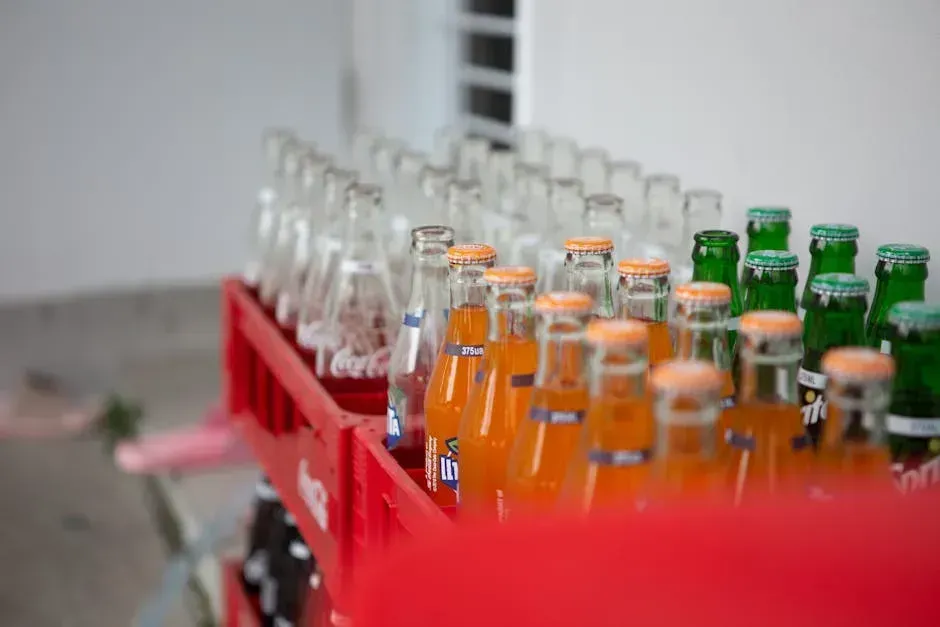
Before Starry, there was Sierra Mist, and before Sierra Mist there was Slice, yet another blip in PepsiCo’s lemon-lime timeline. This original soda pop gushed onto the scene in 1984, quickly to be joined by other fruit variants including Orange Slice, Apple Slice, Cherry Cola Slice, Strawberry Slice, and Grape Slice. It was a simpler time, when naming a soda after what it tasted like was considered brilliant marketing.
Slice was the fruit-forward soda that felt like the perfect middle ground between sugary and refreshing. Its orange, lemon-lime, and apple flavors were a hit with families, and it was one of the first sodas to boast about using real fruit juice. That fruit juice claim was basically the “made with real fruit” sticker of the soda world. A selling point that felt wholesome, even if the sugar content told a different story.
Fans of Slice look back on the fun fruit flavors and pseudo-healthful inclusion of juice with wistful nostalgia, and a recent announcement has indicated that Slice will be making an upcoming return to shelves. Having acquired the Slice brand, Suja Life intends to reinvent the soda and bring it back to stores in 2025, promising a newer version of the “healthy soda” containing probiotics, prebiotics, and postbiotics. This definitely won’t be your grandma’s Slice, but the name alone is worth something.
7. Orbitz: The Lava Lamp You Could Drink
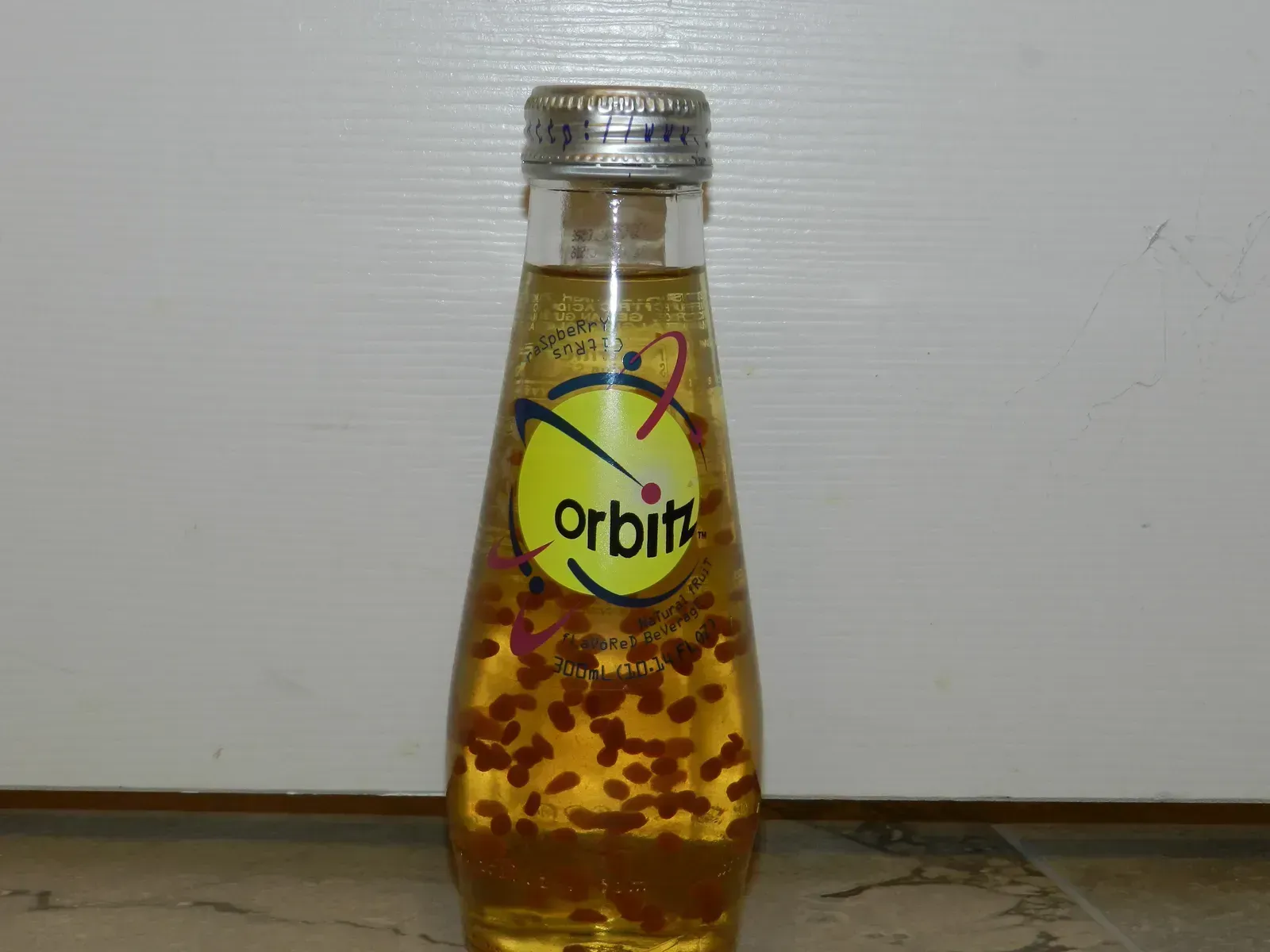
Launched in 1997, Orbitz stood out with its strikingly translucent liquid and floating gelatinous balls, resembling a drinkable lava lamp and marketing itself as a “texturally enhanced” beverage. Let’s pause and appreciate how uniquely strange that is. The marketing team sat in a room and thought: what if we made a drink that looks like a lava lamp? And someone said yes. Someone approved that.
The visual of Orbitz was really the selling point: when the drink was still, the beads would float in the liquid, almost creating a lava lamp-like effect. It was strange, but it was also captivating. The flavor offerings, including Pineapple Banana Cherry Coconut all in one bottle, were also very odd. That’s not a flavor combination, that’s a dare.
It’s tough to figure out what exactly the driving factor in Orbitz’s downfall was. The odd flavors and syrupy consistency of the liquid itself likely played a role. Some were bothered by being unable to decide whether they were supposed to drink or chew the floating gelatin. The odd-looking novelty of the suspended beads was enough to get many to buy a bottle out of curiosity, but the taste wasn’t enough to keep them coming back. A novelty once is a gimmick twice.
8. Pepsi Blue: The Electric Blue Experiment
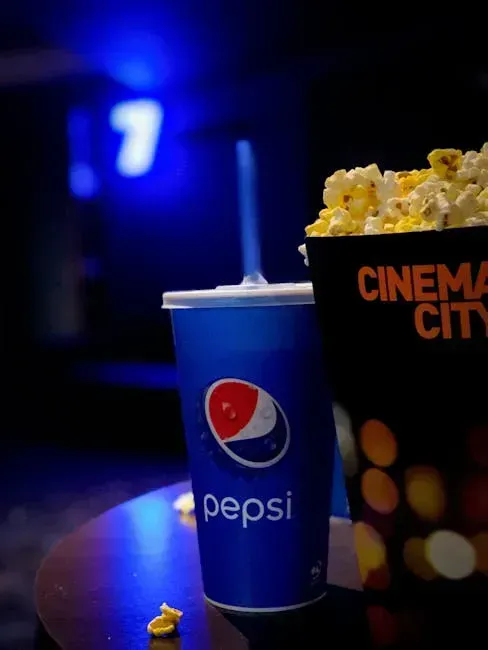
In the early 2000s, PepsiCo made a daring splash with Pepsi Blue, a neon-blue, berry-flavored soda looking to outshine Coca-Cola Vanilla. I think it’s safe to say that a neon-blue drink competing against vanilla Coke was either a stroke of genius or complete madness. Spoiler: the market delivered its verdict quickly.
Despite celebrity endorsements and its integration into pop culture, its candy-like taste was not a big hit with consumers. By 2004, the Big Blue experiment was over and Pepsi discontinued the soda. Although discontinued in the U.S. and Canada by 2004, it developed a cult following overseas, remaining a staple in countries such as the Philippines. What flopped in America became a classic elsewhere. The soda world is nothing if not unpredictable.
PepsiCo capitalized on nostalgia in 2021, relaunching Pepsi Blue as a limited-edition U.S. product with hashtag campaigns like #BringBackBlue and promotions. This revival, available from May to August 2021, marked its brief return to American shelves in 20-ounce bottles and multipacks. It showed up, reminded everyone why they missed it, and vanished again. Very on-brand.
9. Crystal Pepsi’s Forgotten Cousin: Sprite Remix
Sprite Remix, launched in 2003, brought a tropical twist to the classic Sprite formula. It was a hit with the 2000s remix culture. Despite its flashy campaigns and cultural connections to music and dance, the drink was gone by 2005. The 2000s loved remixing everything. Music, fashion, even soda. Sprite Remix felt like it belonged in a music video, which was probably the point.
These were caffeine-free sodas sporting fruitier flavors like Tropical, BerryClear, and Aruba Jam with tastes of cherry and lime. This line was dumped in 2005 after just three years in production, possibly related to the drinks’ high sugar content standing at over twice the amount of regular Sprite, or just a sign that the fad had run its course. Double the sugar of regular Sprite is genuinely impressive in a terrifying sort of way.
However, a few glimpses of the collection have popped up since, such as the similar Sprite Tropical Mix and in Wendy’s Coke Freestyle machines where Aruba Jam was featured for a limited time in 2024. So it isn’t entirely gone. It’s just hiding in fast food freestyle machines, waiting for its moment. That feels very 2003 of it.
10. New York Seltzer: The Original Sparkling Water Ahead of Its Time
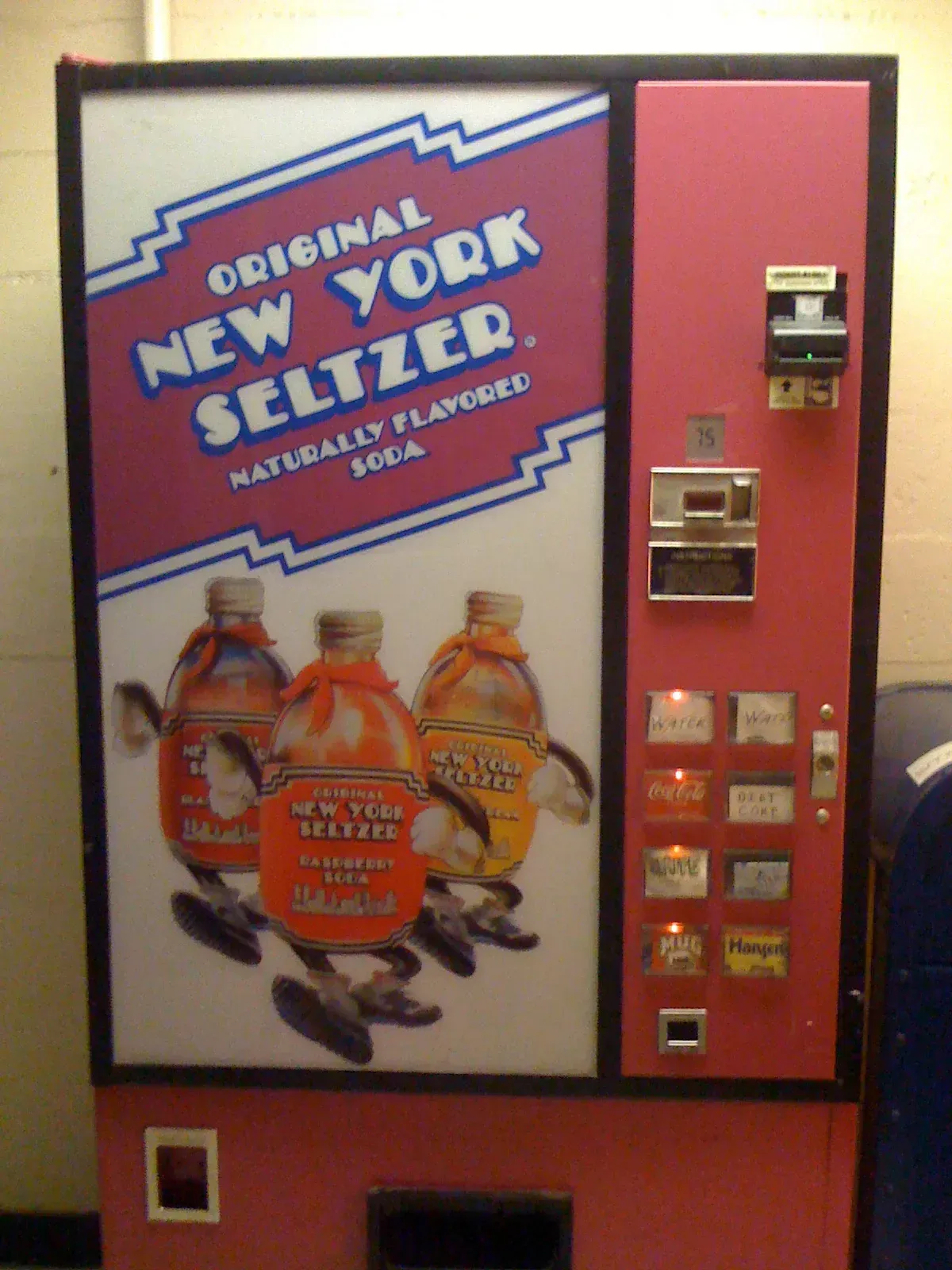
New York Seltzer was ahead of its time, offering naturally flavored sparkling water with a splash of sweetness. Flavors like black cherry and vanilla cream made it stand out from the sea of overly sugary sodas. Its small glass bottles and minimalist label made it a hit with the health-conscious crowd before that was even a thing. Basically, New York Seltzer was LaCroix before LaCroix was LaCroix.
This non-caffeinated beverage was very popular in the 1980s but was ultimately discontinued in 1994. However, New York Seltzer came back in 2015 and now sells 11 flavors of seltzer water for you to enjoy. It made its return at exactly the right moment. The sparkling water craze of the 2010s was basically a cultural invitation for New York Seltzer to walk back through the door.
The story of New York Seltzer is one of the more quietly satisfying revival stories in this whole list. No massive social media campaign. No celebrity endorsements. Just a brand that disappeared and returned at the precise cultural moment when the world was ready for it again. Sometimes timing really is everything.
11. Diet Cherry Coke: The GOAT That’s Officially Coming Back
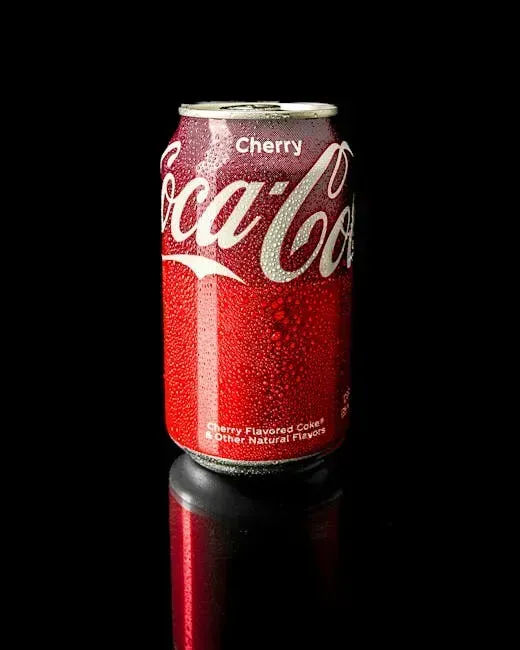
Here’s the one that genuinely surprised even long-time soda enthusiasts. As confirmed by the popular Snackolator Instagram page, “The Return of the King: Diet Cherry Coke returns in early 2026 and this time it’s back permanently.” Permanently. That’s the word fans have been waiting years to hear.
Snackolator confirmed the return with a Coca-Cola representative at a trade event, and they stated this is a “sustain” item, which means it is intended to stick around and is not a limited flavor. The new Diet Cherry Coke will be sold in 20-oz. bottles and 12-packs. For fans who had started hoarding old cans and writing strongly worded letters to Coca-Cola, this is enormous news.
A popular Coke flavor returns permanently to all U.S. retailers in 2026, driven by nostalgic demand and research. This revival fits perfectly into a broader industry trend. Many customers in 2026 romanticize the past as a refuge from a volatile world, according to Mintel, and as a result, consumers are flocking toward heritage brands that are seen as reliable. Diet Cherry Coke isn’t just a soda. At this point, it’s comfort in a can.
These 11 sodas tell us something bigger than just beverage history. They’re proof that these sodas were liquid time capsules from an era of bold experiments and questionable marketing choices, and they lived fast, fizzed hard, and disappeared from shelves, leaving behind a legacy of cult followings and fan petitions. The fact that so many of them are finding their way back, or are being passionately campaigned for, says everything about how deeply we connect our memories to flavor. What soda from your past would you bring back if you could? Tell us in the comments.