If You Grew Up in the ’80s, These 3 Meals Were Likely on Your Dinner Table
Think about opening your mom’s oven in 1985. The warm glow probably revealed one of these three staples. Nobody talks much about it now, but those nights shaped how millions of Americans ate for years. Let’s be real, if you survived the decade, you probably ate at least one of these weekly.
TV Dinners and Frozen Complete Meals
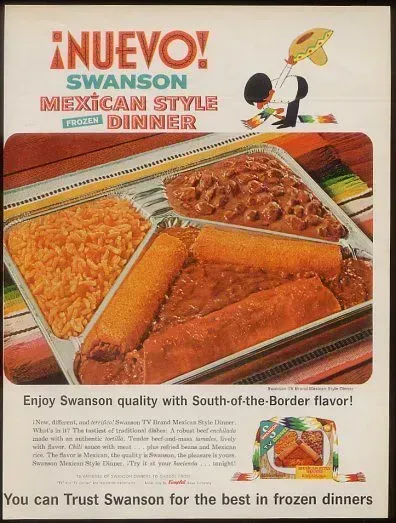
Originally sold in aluminum trays, TV dinners were overhauled in the 1980s to become near-instant microwaveable meals in plastic containers. Here’s the thing: this wasn’t just about convenience anymore. The development of microwave ovens, which became a common appliance in many American households during the 1980s, played a major role in popularizing convenience foods.
Stouffer’s Lean Cuisine meals were released in 1981, becoming especially popular within the diet culture of the ’80s and ’90s. Frozen dinners weren’t just about saving time. They became a symbol of modern living, offering portion control for dieters and speed for busy families juggling dual incomes. The next big breakthrough came in 1986, with the Campbell Soup Company’s invention of microwave-safe trays, which cut meal preparation to mere minutes.
Honestly, I think people underestimate how transformative this shift was. Foods like TV dinners, which were introduced in the 1950s but gained popularity in the 1980s, allowed consumers to eat a complete meal in front of the television, without having to spend time cooking or cleaning up.
Casseroles (Particularly Tuna Casserole and Tater Tot Casseroles)
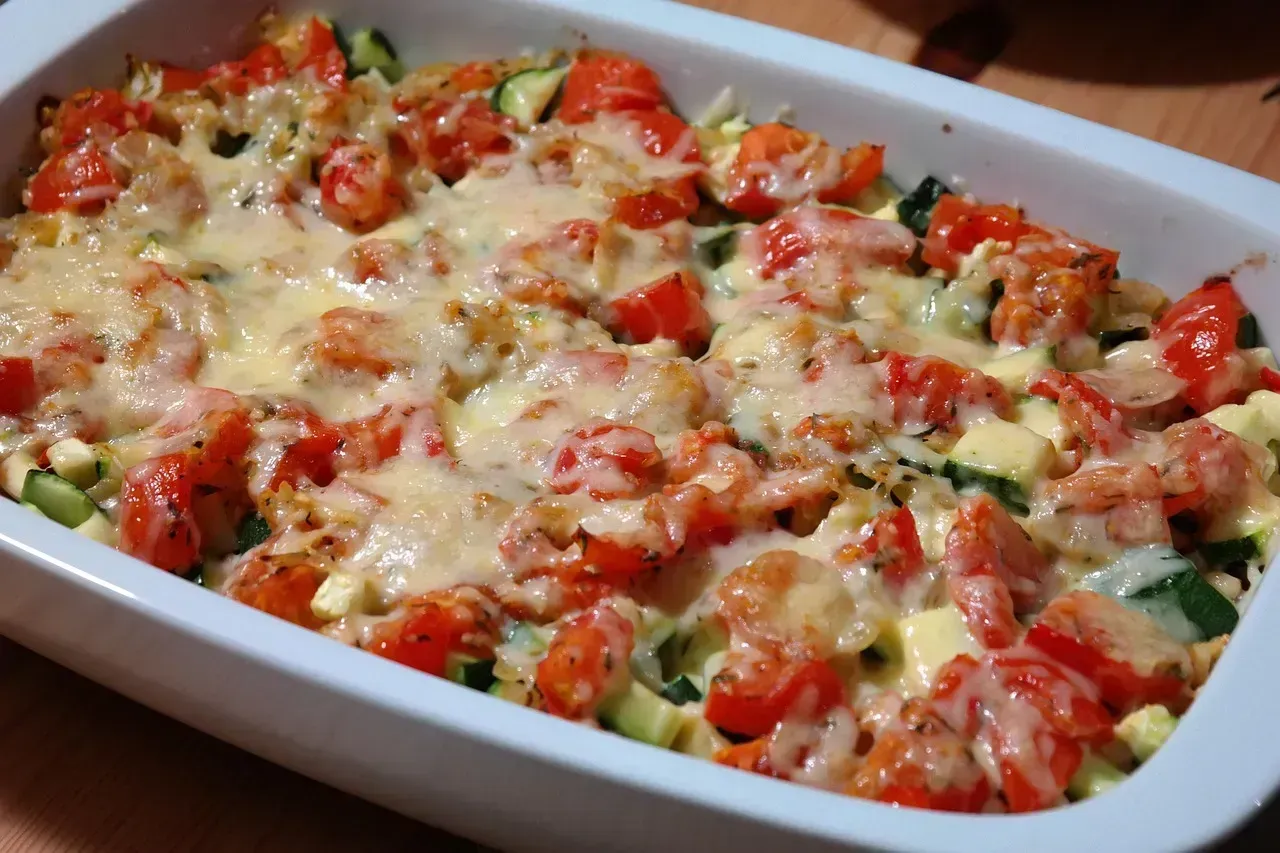
If there was one dish that defined the ’80s dinner rotation, it was the casserole. Simple ingredients. One dish. Minimal cleanup. What more could a working parent want? Cheesy tuna casserole was a grade-school jam, budget-friendly, and made using canned tuna, with bread crumb-encrusted, melty goodness.
Chicken Tater Tot casserole was filling and tasted like a chicken potpie topped with Tater Tots. Families loved these meals because they stretched ingredients far, fed crowds easily, and worked beautifully for potlucks or church dinners. Casseroles have had a long history in American cuisine and remain valid even in 2023, perfectly matching the chaotically busy lives of everyday American people.
The beauty of casseroles? You could throw practically anything into them. Ground beef, condensed soup, frozen vegetables, pasta, cheese. Mix it all together, bake it, and you had dinner. Casseroles showed up week after week, and no one complained because the dishes were warm, filling, and full of the shortcuts that made ’80s dinners possible.
Hamburger Helper and One-Pot Boxed Meals
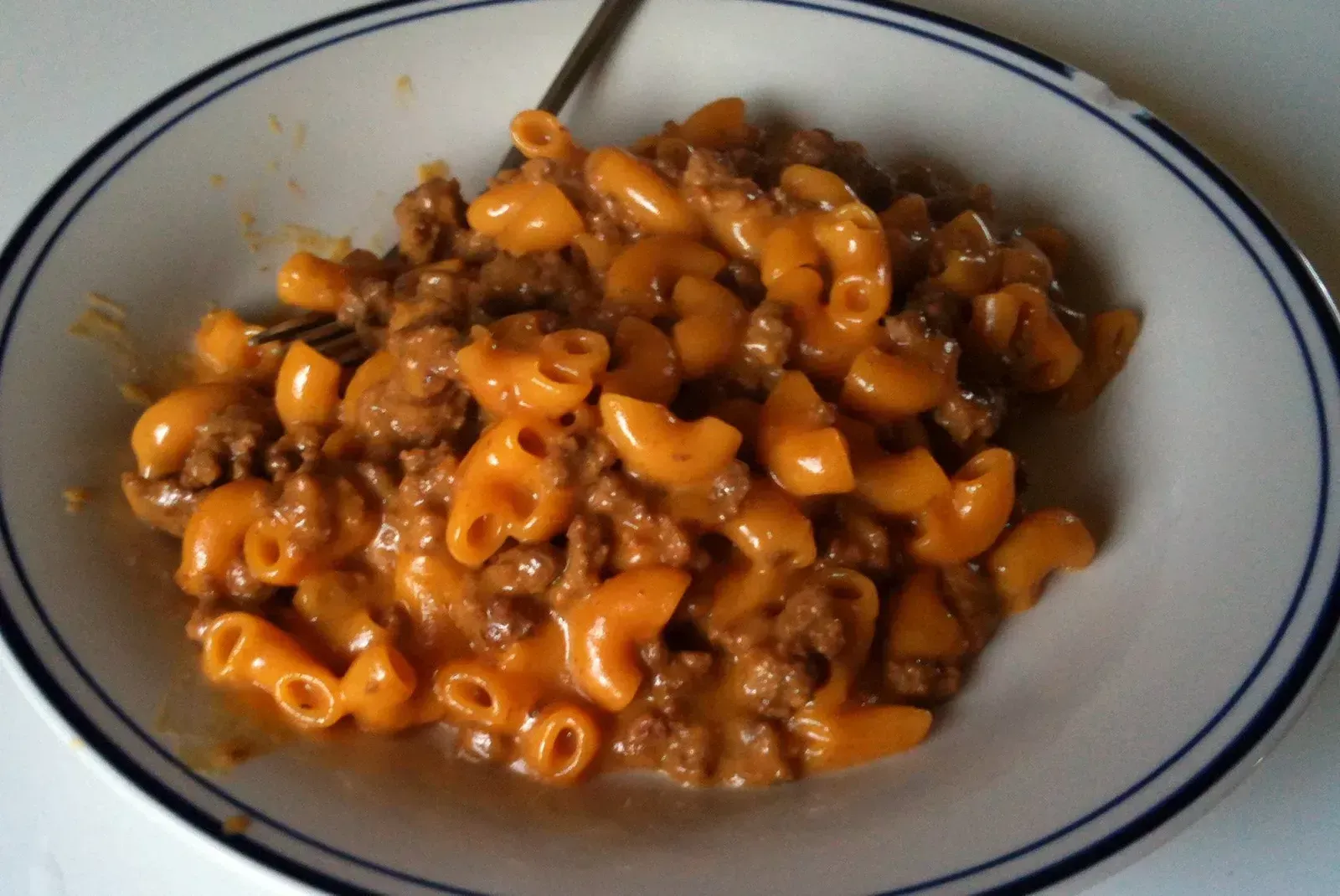
The packaged pasta brand “Hamburger Helper” was introduced by General Mills on the West Coast in December 1970 and made its national debut in August 1971 in response to meat shortages and soaring beef prices and a weakened U.S. economy. The product became an iconic fixture throughout the ’80s. Hamburger Helper was an instant hit, with 27% of U.S. households purchasing Hamburger Helper in its first year, and in 2005, Food Network rated it third on its list of “Top Five Fad Foods of 1970”.
Hamburger Helper mix came to the rescue with its super-power ability to stretch one pound of ground beef into five servings for a family meal, combining the meat in one pot with macaroni noodles and processed ‘cheese’ spread, that made it an ooey-goey sensation. Interestingly, sales patterns reveal economic realities. Hamburger Helper has seen sales climb 14.5 percent in the year through August 2025, according to Eagle Foods, the company that owns it.
In the 1970s, Hamburger Helper became a staple on American dinner tables as families, strained by inflation and soaring beef prices, looked to turn a pound of ground beef into an entire meal, and these days, those same pressures are why the flavored pasta mix is coming to the rescue again. Even today, about one million households eat hamburger helper for dinner each weeknight. These boxed meals represented practicality over perfection, exactly what the era demanded.
What surprises you more? That nearly half a century later these same meals still show up in grocery carts, or that they defined a generation’s understanding of what dinner could be?