Everything You’ve Heard About Groundwater Is Wrong: Why the Ogallala Is Declining
It’s Not Running Out Because of Drought
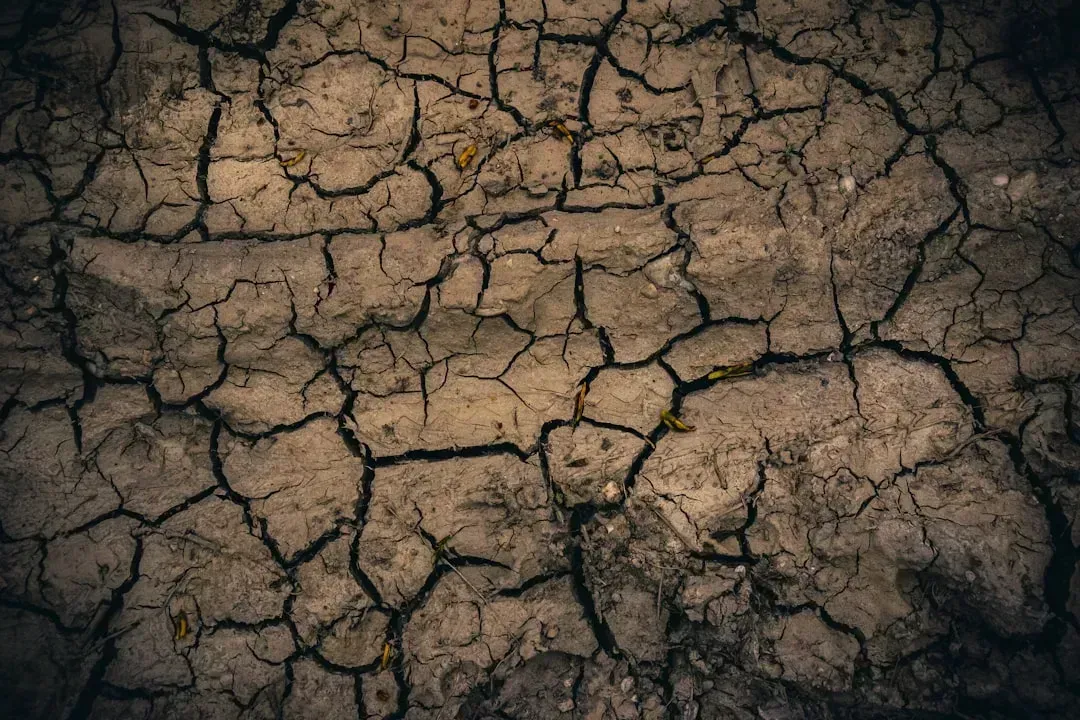
People blame periodic droughts for the Ogallala Aquifer’s decline. That’s not the whole story. Researchers have known for over 100 years that water production from the Ogallala is unsustainable, with water levels dropping as early as the 1920s and 1930s. The real issue isn’t weather patterns but systematic overuse.
Scientists with Kansas Geological Survey report that in southwestern Kansas, the primary water source dropped 1.52 feet in 2024, an increase from 1.43 feet in 2023. Northwest Kansas saw the aquifer decline 1.34 feet, a far more significant drop than the 0.47-foot drop between January 2023 and 2024. Climate matters, sure, but the fundamental problem lies elsewhere.
Farmers Aren’t the Villains You Think They Are
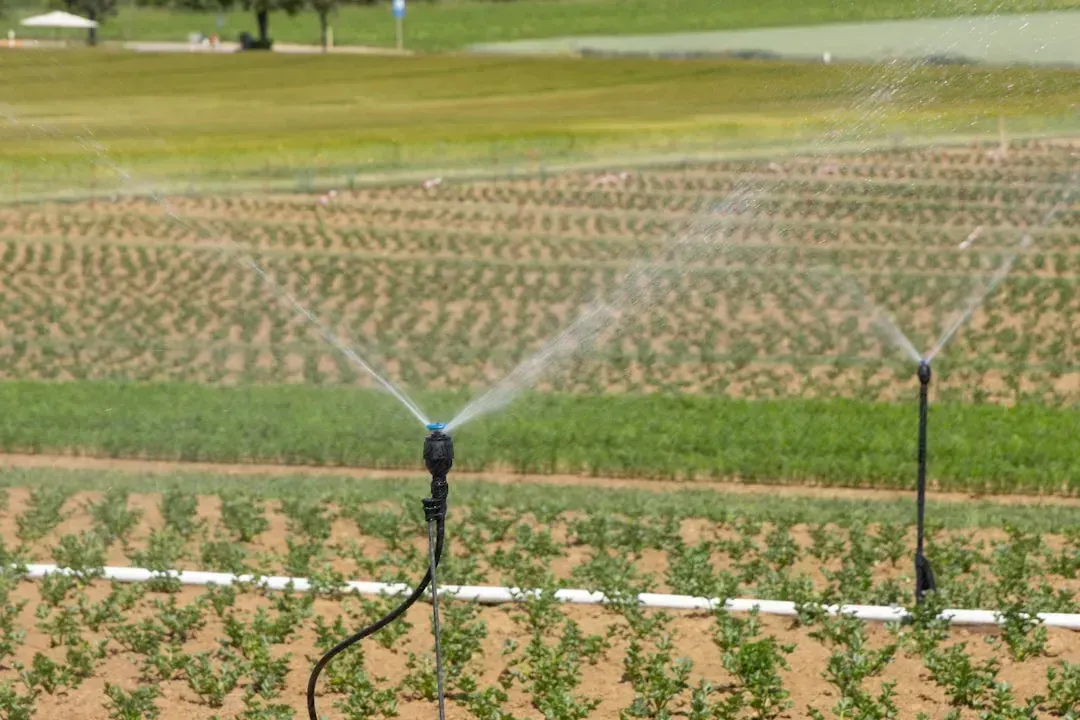
Irrigation accounts for 90% of Ogallala groundwater withdrawals, so it’s easy to point fingers at farmers. Here’s the thing though: most farmers want to conserve water. Research shows the vast majority of farmers in the region want to save groundwater but need help from policymakers to do it.
Kansas agriculture operates on an agricultural production treadmill where consumer demand, subsidies, crop insurance, and Farm Bill policies push farmers to produce as much commodity grain as possible at the cheapest price, making irrigation a shortcut to bigger harvests. Depletion is a structural problem embedded in agricultural policies, essentially a policy choice made by federal, state and local officials. The system encourages overproduction whether farmers like it or not.
The Aquifer Recharges Way Slower Than You Imagine
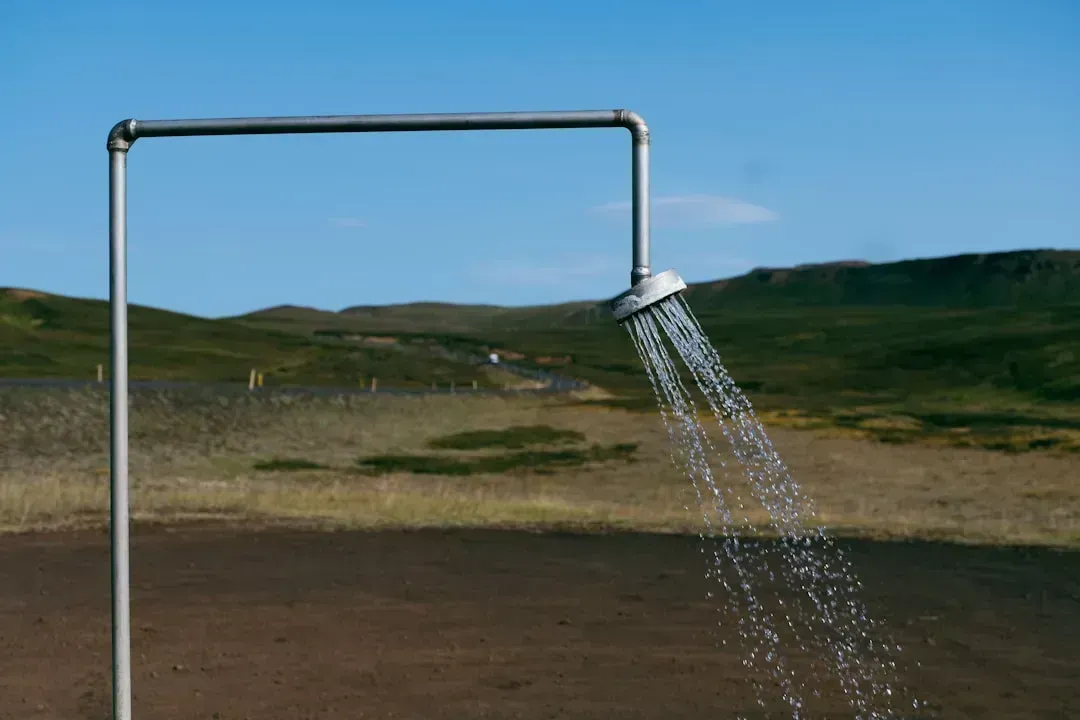
One of the biggest misconceptions? That the Ogallala replenishes like a normal water source. The aquifer is recharged primarily by rainwater, but only about one inch of precipitation actually reaches the aquifer annually. Natural recharge occurs slowly, approximately one-half inch per year.
Let me put this in perspective. Much of the water in the aquifer’s pore spaces is paleowater, dating back to the most recent ice age and probably earlier. Once depleted, the aquifer will take over 6,000 years to replenish naturally through rainfall. We’re pumping six times as much water than what’s percolating back in. Think about that ratio for a moment.
Technology Won’t Save Us Alone
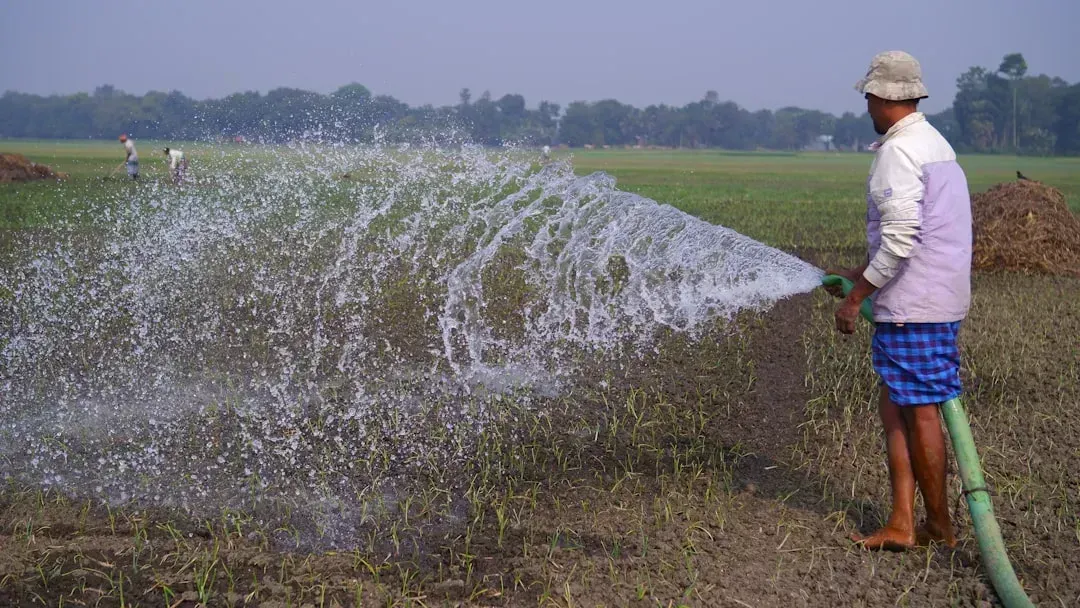
Precision irrigation, drought-tolerant crops, laser sensors measuring plant stress – these innovations sound promising. A savings of 10 to 15 percent per crop per season spread over millions of acres is significant, and while it may not make the aquifer sustainable, it may give it another 100 years. That’s buying time, not solving the crisis.
Researchers around the world are learning that although advances in irrigation technology are vitally important, they are not enough by themselves to help conserve a depletable resource like the Ogallala; what’s needed are advances in the human dimension of conservation including policies and market frameworks that create space for innovative, voluntary, collective action. Technology is part of the answer, never the whole thing. Four decades of federal, state and local conservation efforts have mainly targeted individual farmers, providing ways to voluntarily reduce water use or adopt more water-efficient technologies, but these initiatives haven’t stemmed the aquifer’s decline.
The Real Culprit Is Policy, Not Nature
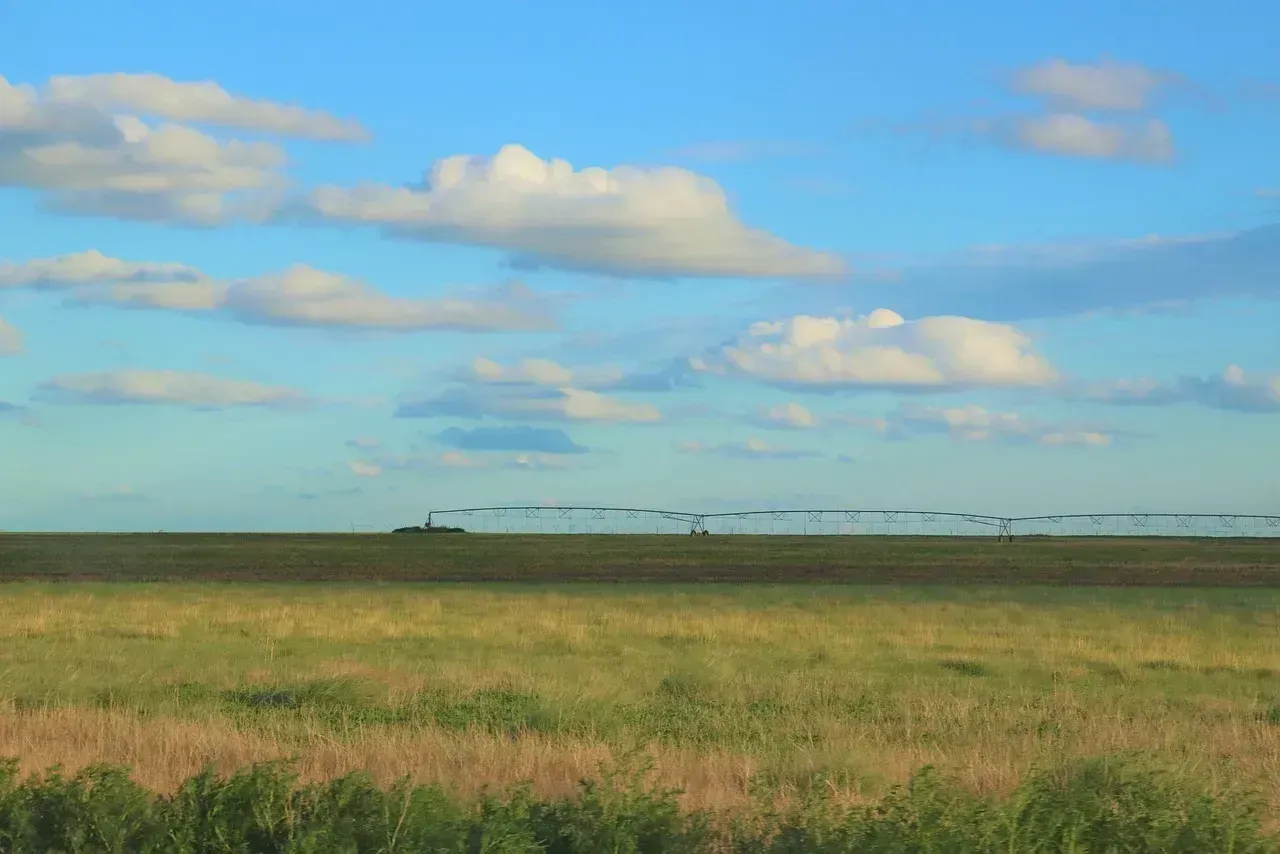
The approach became known as the state’s policy of planned depletion – gradually emptying the aquifer to support farming – and it was good for business, which is why Kansas leaders have long been wary of limiting irrigation. Imagine intentionally draining a resource as official policy. That’s exactly what happened.
Texas follows a right of capture regime toward water usage, and a University of Texas projection in 2025 has indicated up to 70% of the Texas Panhandle will become unusable within 20 years if current pumping rates continue. Recent U.S. Geological Survey data from 2024 revealed that some areas, particularly in western Kansas and the Texas Panhandle, have seen water table declines exceeding 150 feet since the 1950s. The writing’s on the wall. Policy created this mess, and only policy changes can fix it before entire communities face a future without water. What happens when Kansas Gov. Laura Kelly says some communities are just a generation away from running out of water?