9 U.S. Cities Where Retirees Can Live as Affordably as They Do in Mexico
Brownsville, Texas

Brownsville delivers an exceptional combination of affordability with a livability score of 78, average monthly rent hitting just $775, and groceries per person coming in at $288 monthly. The cost of living sits roughly 25% lower than the national average, freeing up cash for travel, hobbies, or simply enjoying life without the constant budget stress that plagues so many retirees.
Located close to the Gulf of Mexico, retirees here get access to beaches, fishing, and birdwatching, all without the inflated prices you’d find in Florida’s coastal towns. The median home value in this Rio Grande Valley city stands at $122,400, making homeownership a realistic goal rather than a distant dream. The cultural scene thrives here too, with historical museums and state parks offering endless exploration opportunities.
McAllen, Texas

McAllen’s cost of living runs 15% lower than the national average, with housing prices coming in roughly 40% cheaper than the U.S. average. Average monthly rent hovers around $998, while home prices circle $291,921 – numbers that make other retirement destinations look wildly expensive by comparison.
McAllen residents essentially pay $86.82 for every $100 worth of necessities, with the median home price at $275,000. The city sits at the southern tip of Texas near the Mexican border, which has fueled a trade-based economy and kept development costs manageable. Birdwatching enthusiasts find paradise at the Quinta Mazatlan World Birding Center, with admission priced at just $3 for adults.
Jacksonville, Florida

Jacksonville offers a cost of living 8% below the national average with a median home price of $295,000 and median rent of $1,505 – remarkable figures for a coastal city with year-round warmth and miles of beaches. Most waterfront cities charge a premium for ocean access, yet Jacksonville somehow manages to keep expenses reasonable.
While you might not fully replicate Mexico’s $2,500 monthly lifestyle here, Jacksonville comes remarkably close thanks to lower housing costs, and the city delivers excellent healthcare, beaches, and consistent warmth. The savings compared to other Florida retirement havens like Naples become obvious when you look at the numbers side by side.
Duluth, Minnesota
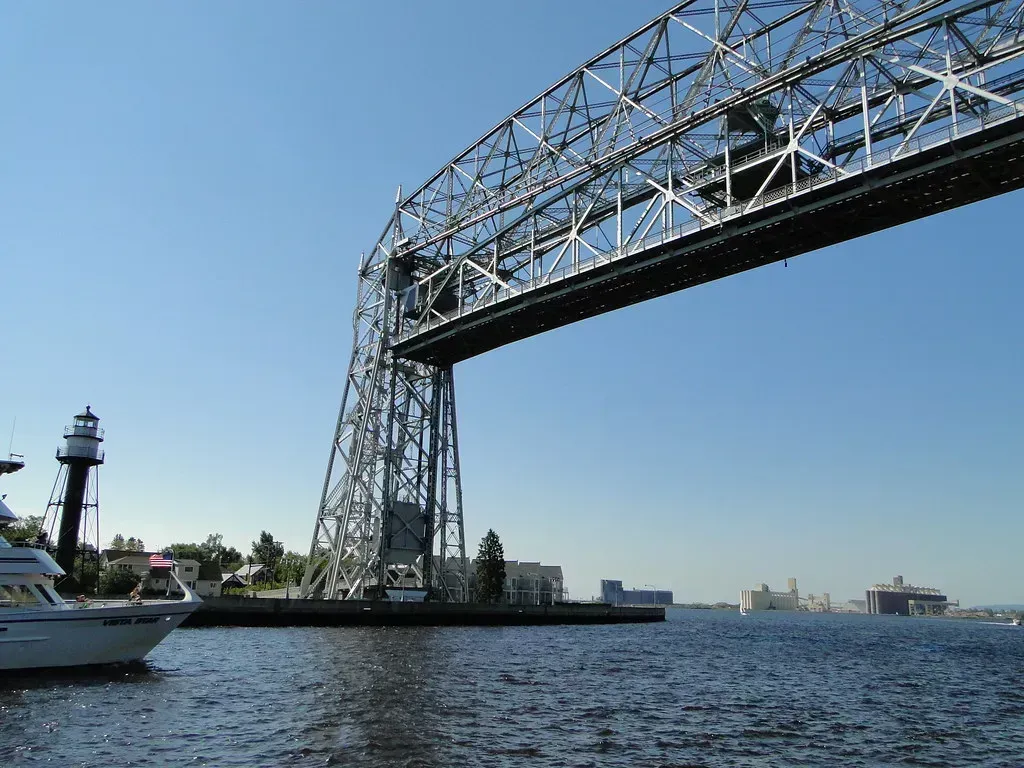
Duluth presents a cost of living 15.3% lower than the national average, plus a median home price of $300,000, and sits along Lake Superior, giving retirees stunning water views without coastal prices. Sure, the winters are harsh, but that’s precisely why the prices stay manageable while the scenery remains breathtaking.
Day-to-day expenses run slightly higher than in Mexico, yet housing savings help keep overall costs manageable, and the city offers four-season beauty, a robust medical network, and endless outdoor recreation. The trade-off for colder weather is a peaceful, affordable retirement lifestyle that active retirees tend to love once they experience it firsthand.
Chattanooga, Tennessee
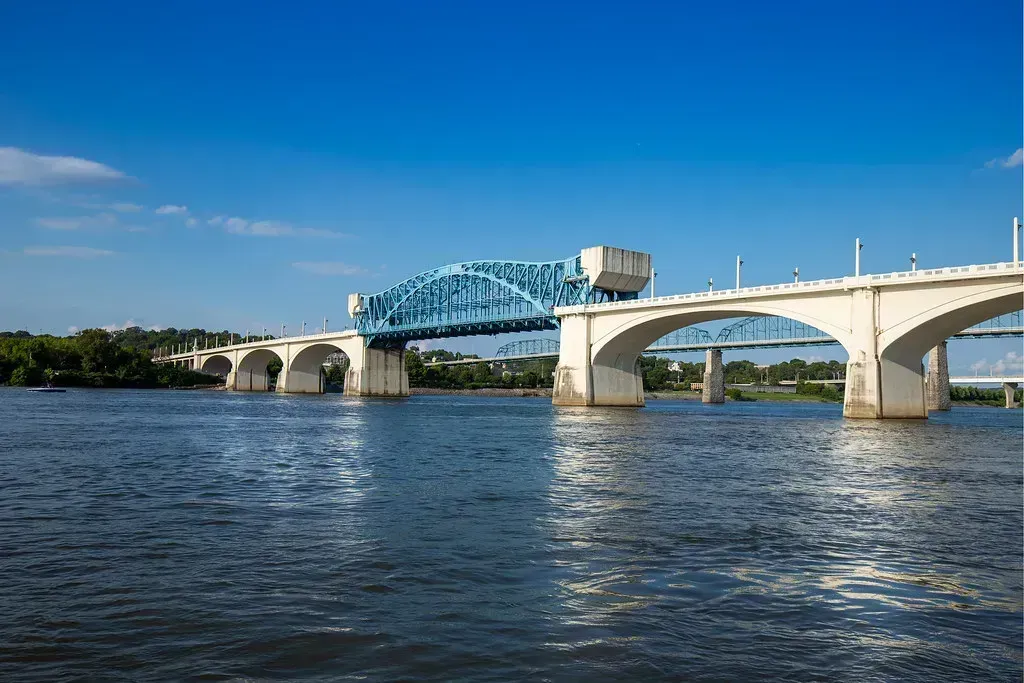
Chattanooga ranks as one of the South’s best-kept retirement secrets, with a cost of living 11% below the national average and housing 18% below, with homes hovering around $350,000 and median rent at $1,288 for a one-bedroom. Monthly expenses stay well below big-city levels, which matters when you’re living on a fixed income.
Scenic mountain views, a bustling riverfront, good hospitals, and mild seasons make Chattanooga a smart pick for retirees seeking beauty and value, and it’s not quite Mexico cheap, but low taxes and budget-friendly groceries help narrow the gap. The revitalized downtown area offers restaurants, entertainment, and cultural attractions without the tourist-trap pricing found in more famous Southern cities.
Pensacola, Florida
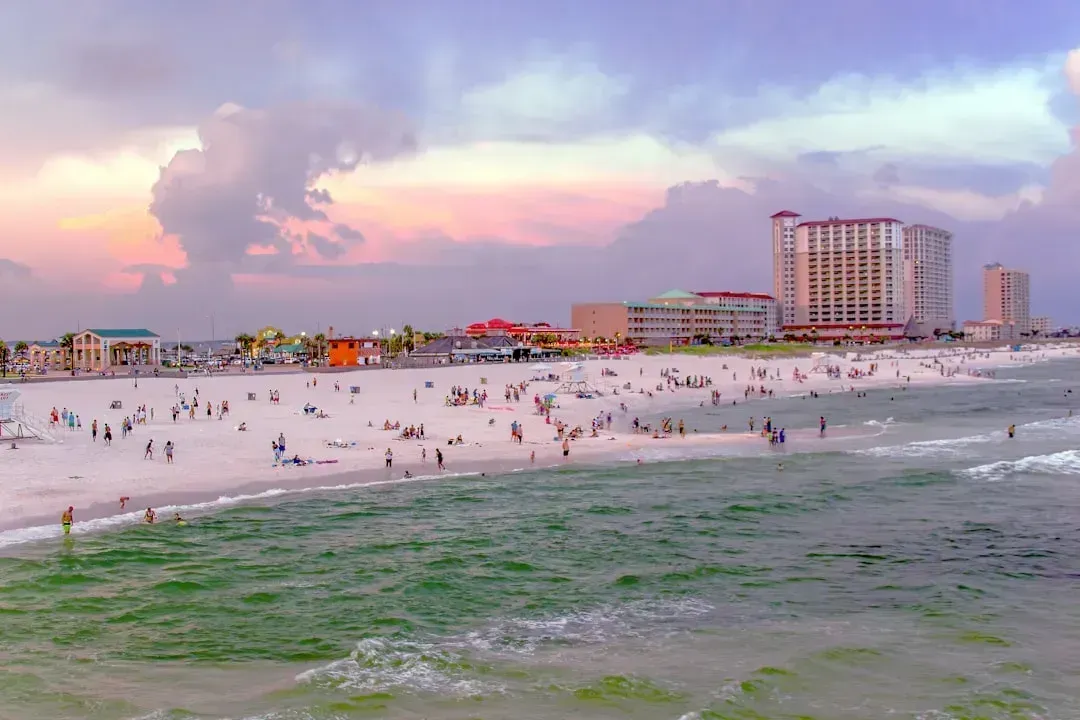
Pensacola represents the Floridian recipe for retiring in style with fiscal responsibility, often highly ranked on retirement destination lists thanks to beautiful beaches, a relaxing atmosphere, and affordable cost of living. This is Florida living without the eye-watering price tags attached to places like Miami or Fort Lauderdale.
The panhandle location keeps costs down while maintaining access to white-sand beaches and emerald waters. Healthcare facilities are solid, the community is welcoming, and the mild climate means you can enjoy outdoor activities year-round. Pensacola proves you don’t need to leave the country to find beach living that won’t drain your retirement accounts.
Youngstown, Ohio
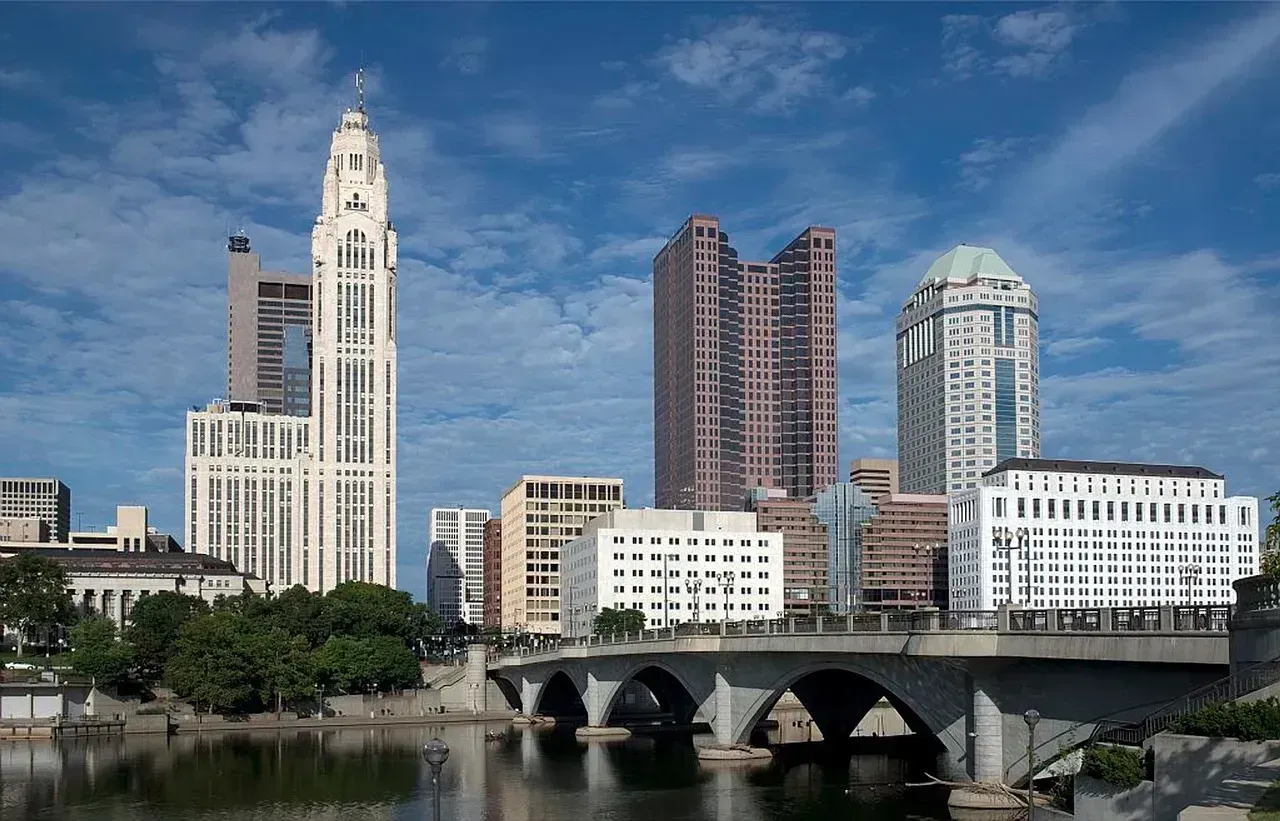
Youngstown, Ohio, ranks as the most affordable place to retire in the U.S., with relatively low housing costs compared to more expensive retirement destinations – the median home price is $137,546 and the median mortgage costs $653 per month. These numbers look almost fictional when compared to coastal retirement cities.
Ohio proves relatively tax-friendly toward retirees, with Social Security not taxed at the state level, although income from retirement accounts like 401(k)s or IRAs is taxed as regular income, and retirees can take advantage of certain tax credits. Home to Youngstown State University, the area offers retirees parks, golfing, performing arts, and a bustling downtown with restaurants and shopping.
Hickory, North Carolina

The low cost of housing helps retirees live well on a modest income, with a median home price of $219,950 and renters paying a median of $743 per month. Hickory sits at the foot of the Blue Ridge Mountains, offering scenic beauty without the inflated prices of Asheville or other trendy mountain towns.
Located between Asheville and Charlotte, Hickory offers outdoor lovers plenty of opportunities for boating, fishing and hiking, with scenic views, year-round moderate temperatures, and a low cost of housing. The combination of natural beauty, affordable living, and proximity to larger cities makes Hickory an underrated gem for retirees who want mountains, culture, and reasonable prices.
Springfield, Missouri

Springfield might be a good choice for retirement for several reasons – first, the cost of living, including everyday expenses, is much lower than in other parts of the country, plus there’s a lively downtown and plenty of outdoor activities. The Queen City of the Ozarks doesn’t disappoint when it comes to entertainment, dining, and natural attractions.
Music venues, museums, shopping districts, and nearby parks, trails, and caves keep retirees engaged and active. The healthcare infrastructure is solid, and the community maintains a welcoming atmosphere for newcomers. Springfield delivers Midwest affordability with Southern charm, creating a retirement environment where your dollars stretch significantly further than they would in most coastal or metropolitan areas.